
California Penalizes Dickey's for Franchise Disclosure Violations
California shifts to public enforcement strategy against Dickey's for deceptive franchise disclosures, signaling stricter state-level franchise oversight.
Franchising
Sep 10, 2026
California shifts to public enforcement strategy against Dickey's for deceptive franchise disclosures, signaling stricter state-level franchise oversight.
Sep 10, 2026
Paul Brown temporarily steps away from Inspire Brands as Scott Murphy assumes interim CEO role during confidential IPO filing process targeting late 2026.
Sep 10, 2026
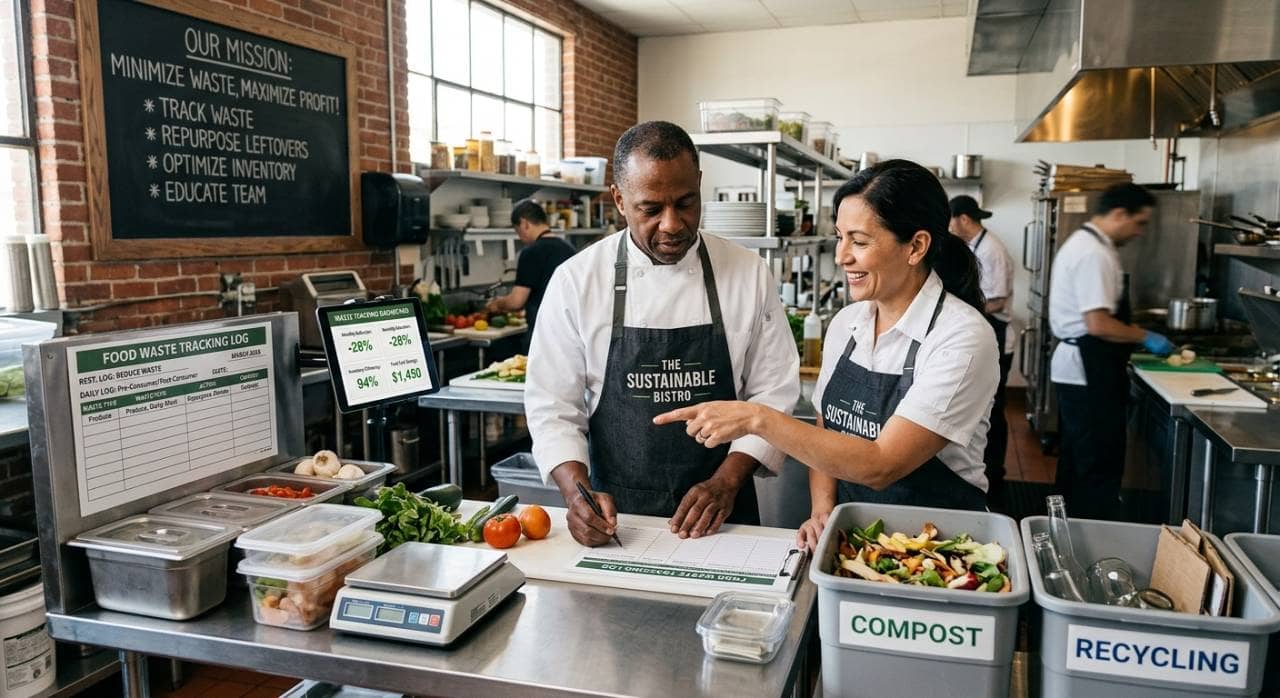
Learn how to reduce food waste in restaurants through smarter purchasing, storage, preparation, and service strategies that cut costs.
Sep 9, 2026
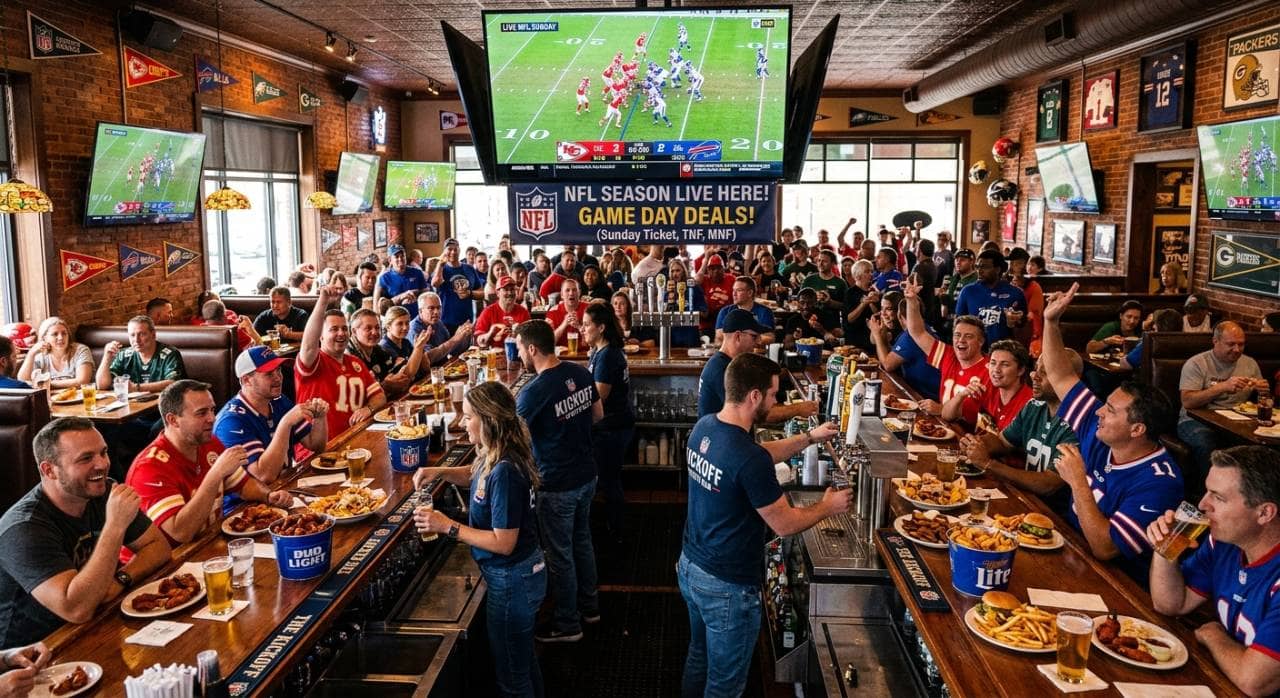
Prepare your restaurant for NFL season with smart menu planning, staffing, marketing, technology, and atmosphere strategies that boost season-long revenue.
Sep 9, 2026
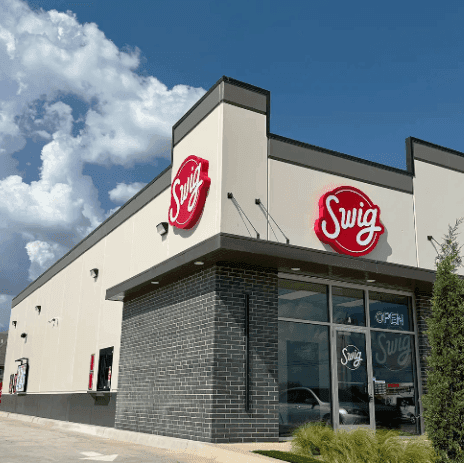
Swig signs franchise agreement for 11 South Denver locations, marking Colorado entry and validating its national expansion strategy.
Sep 8, 2026
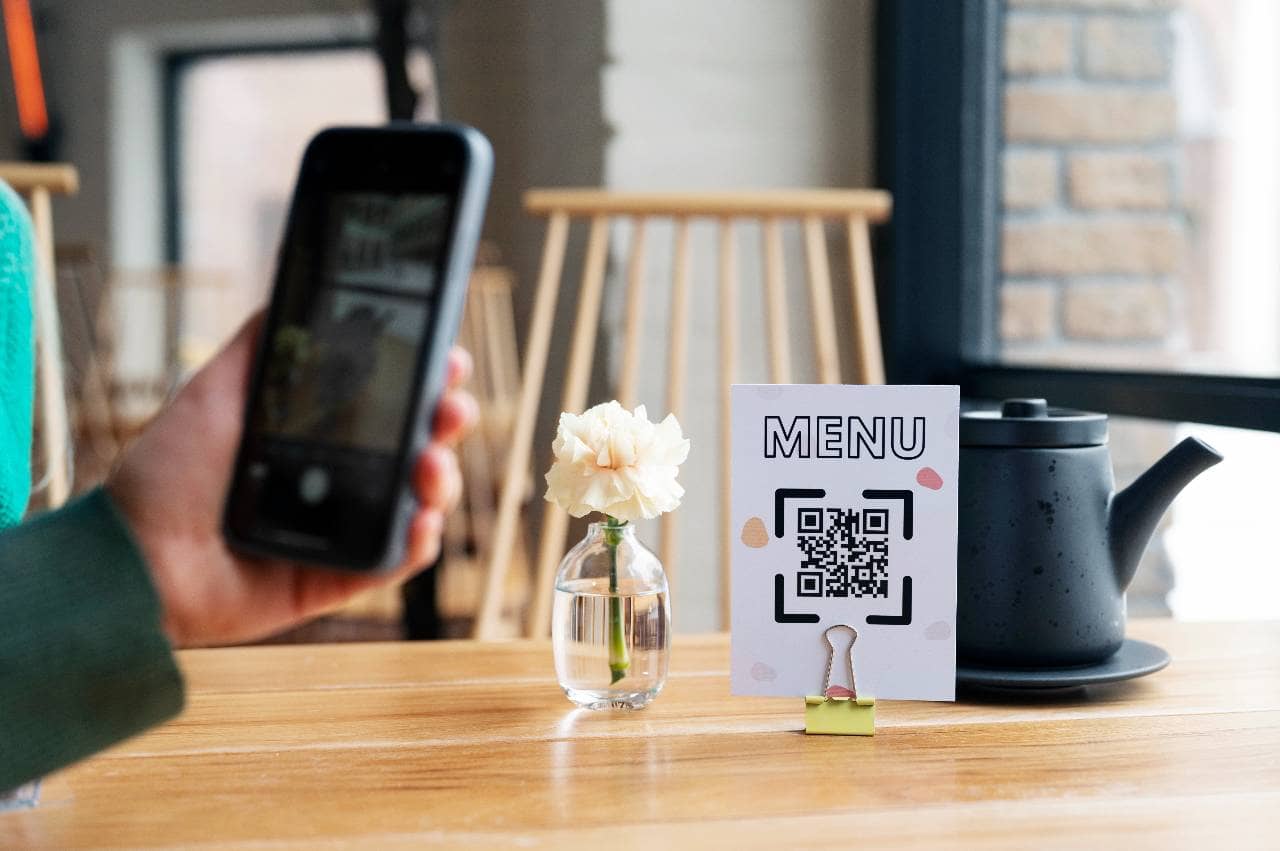
QR code menus let restaurants replace paper menus digitally, enabling instant updates, contactless browsing, ordering, and payment through simple smartphone scanning.
Sep 7, 2026

Complete guide helping restaurant owners choose essential kitchen equipment - covering cooking, refrigeration, prep, sanitation, ventilation, safety, and long-term maintenance planning.
Sep 7, 2026

Avoiding common restaurant payroll mistakes - misclassification, tip credit errors, overtime miscalculations - protects businesses from costly penalties, back pay, and compliance risks.
Sep 4, 2026
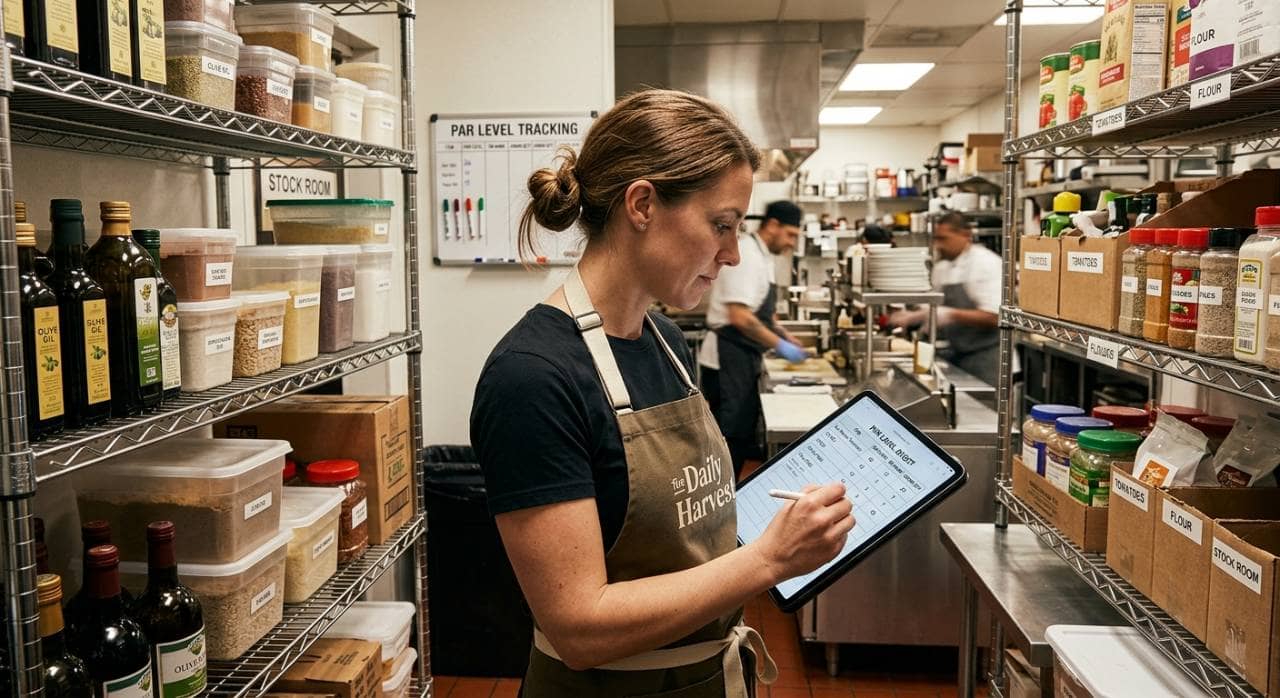
Learn to calculate par levels for restaurant food, beverages, and packaging inventory, preventing stockouts and waste through proper formulas.
Sep 4, 2026
Caribou Coffee appoints Zane Thomas-Rogers as Chief Operations Officer to strengthen execution across its expanding coffeehouse network.
Sep 4, 2026

Unlock Exclusive Access To Webinars, Events, And The Latest News For Free!
An expert-led examination of how Starbucks' real-time policy shifts collided with frontline reality during a pandemic, culminating in a high-stakes racial discrimination ruling.

Photo by Matt Hoffman
In 2020, Starbucks found itself at the center of a crosswinds crisis: a global pandemic, a rapid shift in how it spoke to its workers and customers, and a discrimination case whose verdict would shape the brand’s reputation for years to come. The year pressed policy decisions into the light, forcing leadership to translate lofty commitments into store-floor action at a pace the system was not built to handle. The result was more than headlines; it was a test of balance between public signaling and the everyday realities of busy cafes, supply chains, and shuttered doors:
At the heart of the case is a plaintiff who managed a Starbucks location in March 2020, just as the chain paused operations during the COVID surge. She contends the company used a campaign around the Black Lives Matter movement to project corporate solidarity while stores were in disarray. Early policy language barred employees from wearing BLM attire, a stance that drew backlash and prompted a reversal in June 2020. Reports later showed the company began procuring BLM shirts and pins for staff, even as shipments arrived during the shutdown and were returned due to lack of a signature. The plaintiff alleges these logistics were misinterpreted as intentional act or retaliation, a story that echoes across several outlets' coverage of 2020-2021. This micro-history illustrates how national policy edits translate, or fail to translate, at the local level in crisis times, with implications for morale, trust, and cohesion.
Taken together, the episode invites a thoughtful pause: signals matter, but so do the small, steady actions that keep a team aligned when the clock is speeding up. In the language of mindful dining, intentions must be nourished by steady practice, even as a brand tries to remain balanced amid disruption.

Spring and summer 2020 saw social pressure mount and policy stances shift in parallel. The company moved from a dress-code restriction that limited employee expression around the movement to a June reversal that allowed BLM attire and accessories. Coverage from CNBC, CBS News, and The Washington Post documented the reversal and highlighted a public signal that Starbucks was choosing a stance as protests unfolded nationwide. Beyond the headlines, the company began distributing BLM shirts and pins, signaling a public commitment while trying to execute operations in thousands of stores still navigating shutdowns and staffing challenges.
The reversal was the centerpiece of a broader effort to balance internal messaging with real-world constraints: a public stance that had to show up in front-counter interactions, inventory, and training. While critics argued over optics, the underlying pressure remained how a global brand keeps its values legible when stores confront chaos, restaffing, and disrupted supply chains.
The upshot is a reminder that a policy reversal is only as nourishing as its implementation: the goal is to align voice with practice across thousands of busy stores, even in a moment when the clock is shouting for speed.

Inside the plaintiff's account, the logistics are a microcosm of the broader challenge: the shirts were ordered to demonstrate corporate solidarity, but they arrived during a temporary shutdown with no one to sign, and were subsequently returned. The scene mirrors the larger collision between national policy edits and local realities in a pandemic, a moment when a well-meaning gesture risks becoming a point of contention on the store floor.
Industry reporting corroborates the broader arc: the company moved from a restrictive dress-code stance to procurement of staff shirts and pins, a change many observed in real time as stores grappled with supply and staffing during 2020. The case uses the shipments as a focal point for analyzing how national policy edits translate into local practice, and how misalignment can become fodder for litigation about fairness and internal culture.
The throughline is stark: policy decisions must be paired with operational discipline so that a brand’s public signals are reinforced by consistent actions at the counter and the back room alike.
Beyond the front counter drama, a separate federal case from the 2018 Philadelphia episode culminated in a June 2023 verdict that cast race into the center of employment decisions. Two Black men were arrested at a Center City store, and jurors found that Starbucks violated federal civil rights and New Jersey anti-discrimination law by terminating a White manager overseeing the Philadelphia region. The decision underscored a ruthless truth: public signals about support for social causes do not shield a brand from scrutiny of internal decisions when the outcome affects people's livelihoods. The moment drew tears from the former regional manager when the verdict arrived, a poignant reminder of the human dimension behind these numbers.
Phillips was awarded a total of $25.6 million in the verdict, $25 million in punitive damages plus $600,000 in compensatory damages, reflecting the jury's determination that race factored into the termination. An August 2023 ruling added $2.7 million in attorney fees and related post-trial issues. As negotiations continued into 2024, mediation talks signaled a path toward settlement and broader cooperation on labor and brand/IP considerations.
The lesson travels beyond numbers: when a company speaks about justice, people watch not just the verdict but the consistency of its everyday choices. The Philadelphia case remains a challenging reminder that public messaging must be matched by fair, principled practice inside every store and department.

The saga sits amid a broader pattern of corporate accountability in the wake of social movements and pandemic disruptions. The Philadelphia episode spurred extensive training and policy reviews across thousands of stores and sparked a larger conversation about how brands respond to civil-rights concerns in real time. In parallel, labor-relations developments in 2024 and beyond, amid union organizing activity and regulatory scrutiny, have underscored the ongoing tension between public messaging, internal policies, and worker rights. These currents reflect a larger trend in which executive decisions, public statements, and ground-level implementation must be aligned to sustain trust and minimize litigation risk.
Industry observers note that these episodes illuminate the tension between rapid social policy shifts and operational realities in busy retail environments. They offer a practical field test of EEAT principles, experience, expertise, authority, and trust, as cornerstones of credible public stances, authentic internal culture, and disciplined risk management. For brands aiming to be nourishing and responsible, the task is to ensure that the messaging you lead with is matched by the actions you take at the counter, the back room, and the contract table.
In the end, the broader implication is simple: alignment across voice, policy, and practice is the quiet backbone of trust, especially in a highly visible consumer category that prizes thoughtful, nourishing experiences.
Even with the major verdicts and policy shifts laid out, some details remain less transparent, the terms of March 2024 settlement discussions for the Philadelphia matters are not fully public. Industry observers describe these moments as a practical test of how rapidly evolving social policy intersects with the busy operational rhythms of retail. The thread is a reminder that experience and discipline matter: leadership in uncertainty hinges on credible, consistent action that earns trust from customers and workers alike.
What does this mean for the future of high-profile brands in consumer spaces? The episodes reveal the need for clear risk management, and for a culture where public statements, personnel decisions, and training are tightly coordinated. Brands that want to stand for something, without compromising fairness or operational clarity, must translate intent into everyday practice with care, balance, and nourishment for the entire team.
For stakeholders, the takeaway is simple: the next crisis will test how well a brand can turn a good story into a reliable, lived experience.
