
California Penalizes Dickey's for Franchise Disclosure Violations
California shifts to public enforcement strategy against Dickey's for deceptive franchise disclosures, signaling stricter state-level franchise oversight.
Franchising
Sep 10, 2026
California shifts to public enforcement strategy against Dickey's for deceptive franchise disclosures, signaling stricter state-level franchise oversight.
Sep 10, 2026
Paul Brown temporarily steps away from Inspire Brands as Scott Murphy assumes interim CEO role during confidential IPO filing process targeting late 2026.
Sep 10, 2026
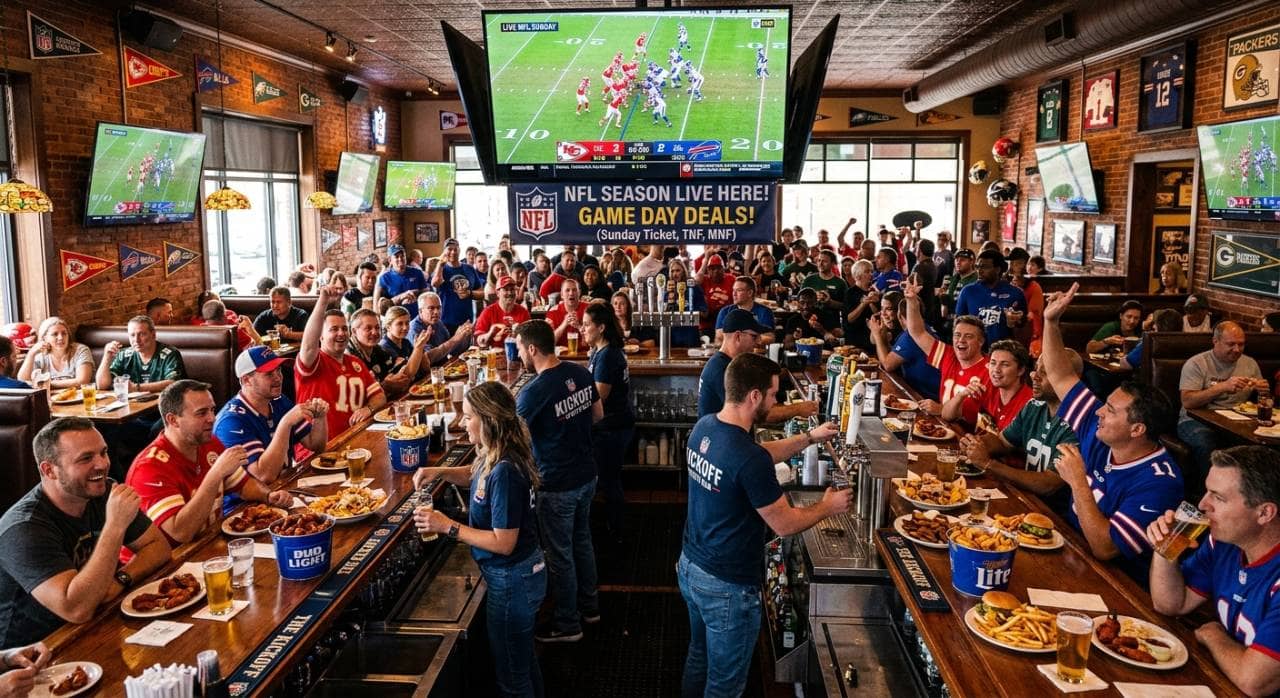
Prepare your restaurant for NFL season with smart menu planning, staffing, marketing, technology, and atmosphere strategies that boost season-long revenue.
Sep 9, 2026
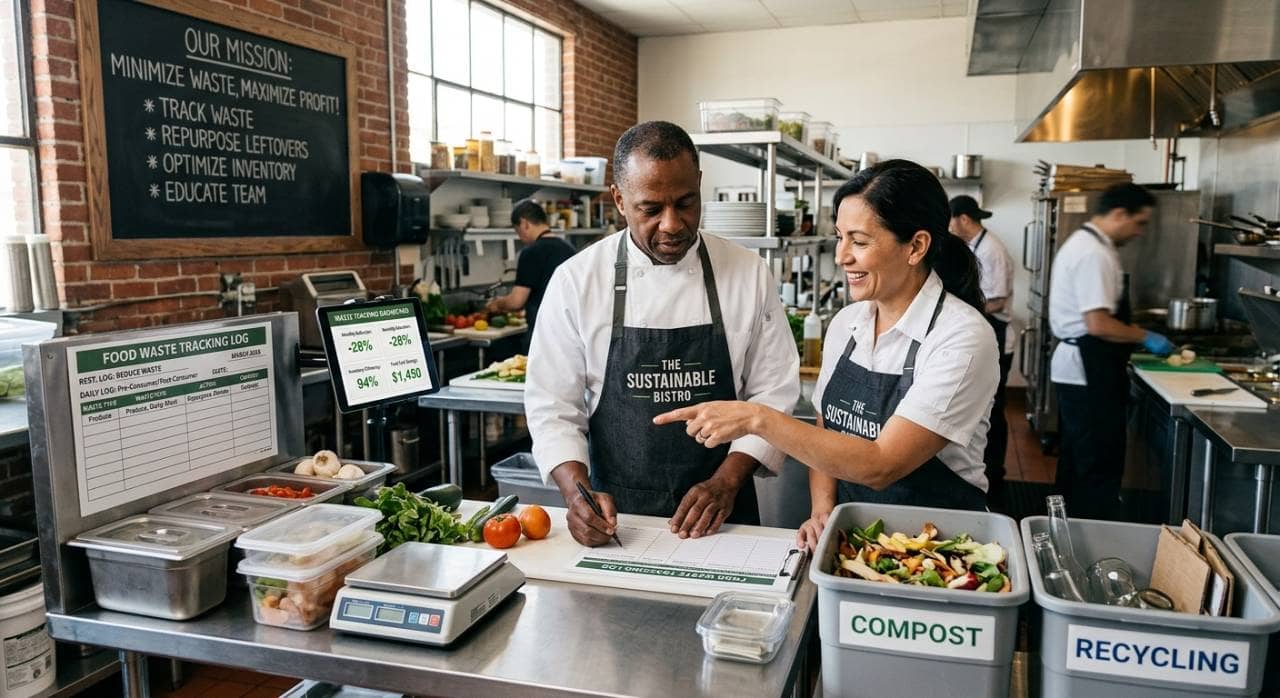
Learn how to reduce food waste in restaurants through smarter purchasing, storage, preparation, and service strategies that cut costs.
Sep 9, 2026
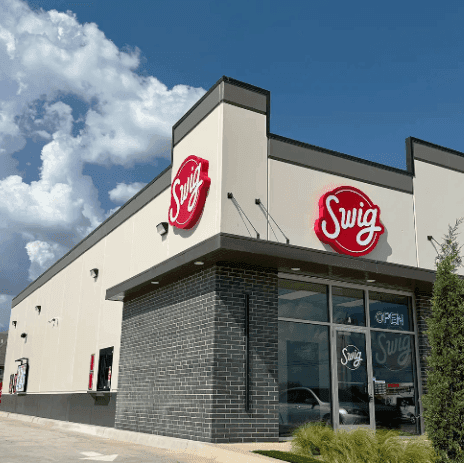
Swig signs franchise agreement for 11 South Denver locations, marking Colorado entry and validating its national expansion strategy.
Sep 8, 2026
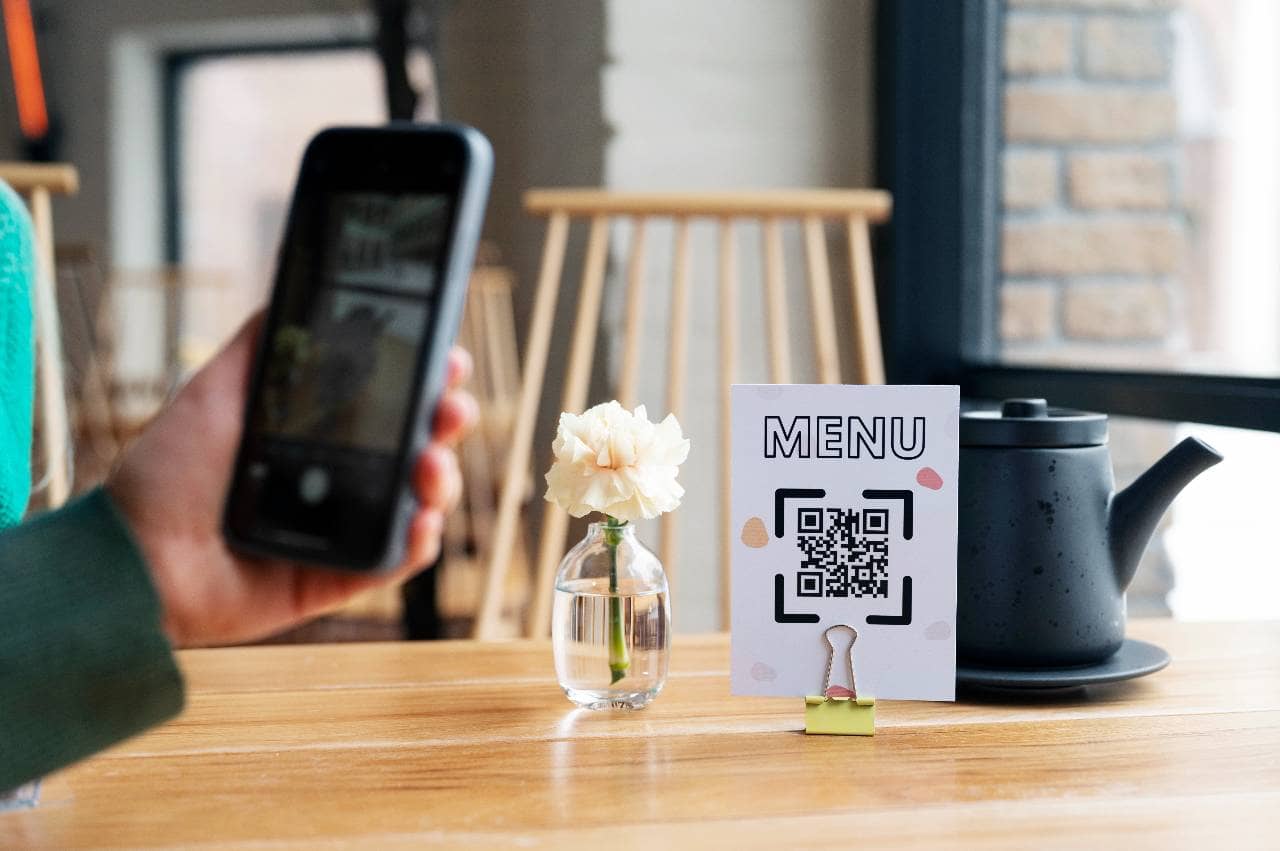
QR code menus let restaurants replace paper menus digitally, enabling instant updates, contactless browsing, ordering, and payment through simple smartphone scanning.
Sep 7, 2026
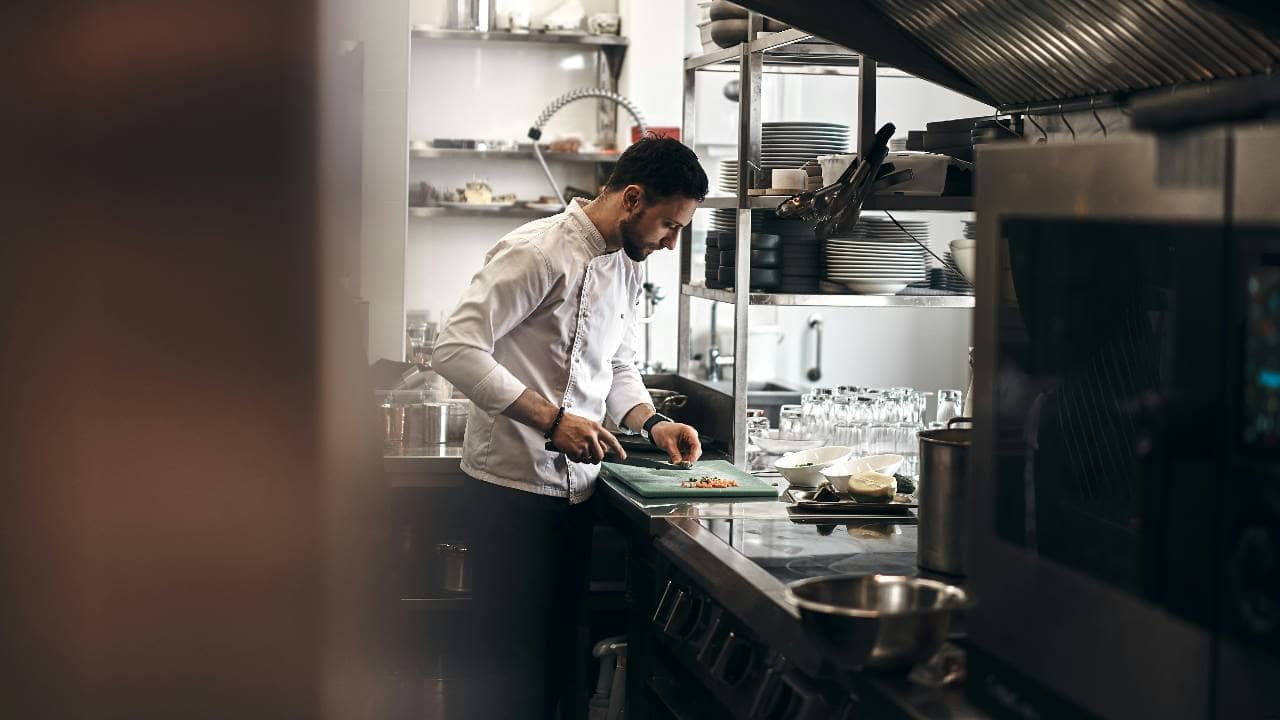
Complete guide helping restaurant owners choose essential kitchen equipment - covering cooking, refrigeration, prep, sanitation, ventilation, safety, and long-term maintenance planning.
Sep 7, 2026

Avoiding common restaurant payroll mistakes - misclassification, tip credit errors, overtime miscalculations - protects businesses from costly penalties, back pay, and compliance risks.
Sep 4, 2026
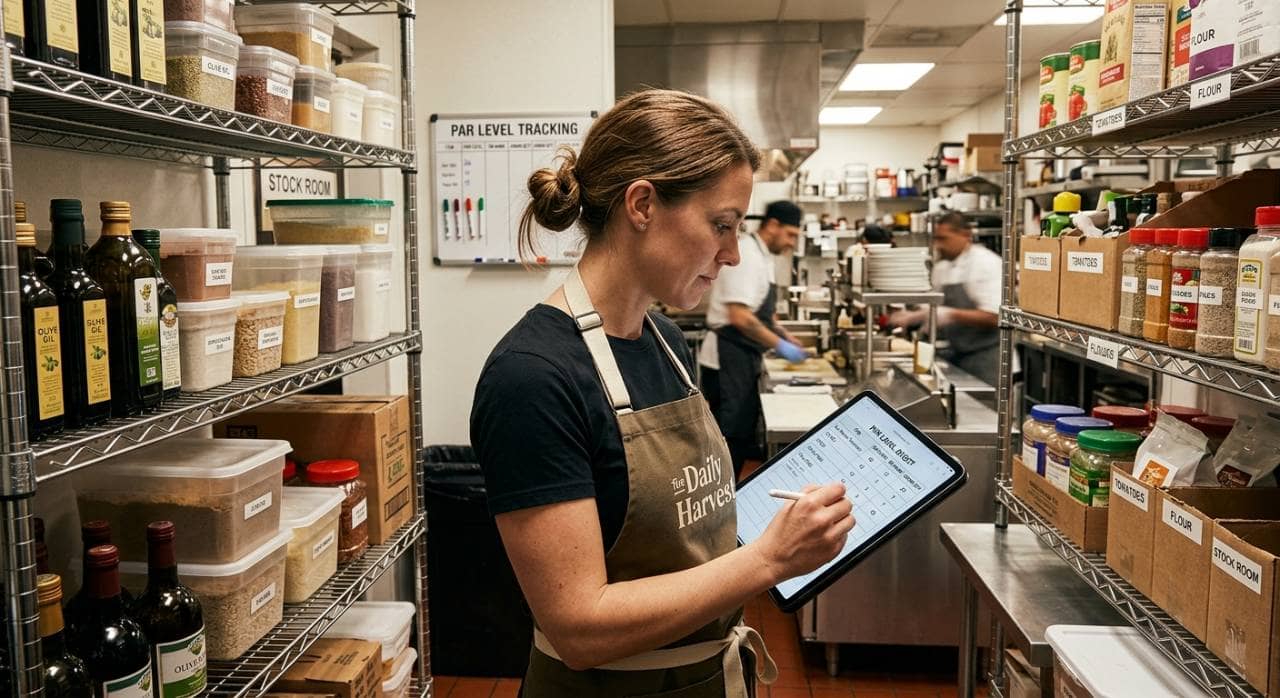
Learn to calculate par levels for restaurant food, beverages, and packaging inventory, preventing stockouts and waste through proper formulas.
Sep 4, 2026
Caribou Coffee appoints Zane Thomas-Rogers as Chief Operations Officer to strengthen execution across its expanding coffeehouse network.
Sep 4, 2026

Unlock Exclusive Access To Webinars, Events, And The Latest News For Free!
A three-part turnaround blends store operations, product messaging, and value to revive traffic and throughput at Starbucks.

Photo by Rod Long
Morning light pours into a quiet café, and the familiar cadence of steam and soft conversations feels like a soft spring after a long winter. Starbucks faces a U.S. traffic lull that has tugged at the pace of its momentum, inviting a slower, more deliberate kind of progress. The three‑part turnaround that leadership has laid out, an artful blend of sharper store operations, smarter product storytelling, and a refreshed sense of value, reads like a practiced comfort from a neighborhood that knows how to linger. It’s not a dramatic fix but a careful invitation to return to the rhythm of cups, conversations, and community: momentum built with ease and empathy.
Starbucks’ plan centers on three pillars: store operations to sharpen throughput and reduce wait times, product innovation with clearer messaging, and a refreshed sense of value perception that invites customers to notice the craft again. In recent quarters, the numbers tell a story of a market attempting to find its footing: U.S. transactions fell 7% in Q2, with same‑store sales down 3%, and then another dip of 2% as of June 30 in Q3. The core driver remains a 6% decrease in traffic, only modestly cushioned by a 4% uptick in average ticket. The path forward is to weave technology, operations, and product revision into a single, inviting experience that makes customers want to return. As the company notes, the rollout of Siren Craft and related equipment upgrades are stepping stones toward a more reliable, more human cafe moment for every guest.
Behind the downturn, the lion’s share of the decline is traced to younger, non‑rewards afternoon customers, a cohort Starbucks says accounts for about 40% of its revenue. Analyst Peter Saleh of BTIG notes this group has seen near double‑digit drops, with hot beverages and foods hardest hit, while cold beverages rose about 1% and now comprise roughly 76% of the drink mix. Executives point to a widening gap between at‑home and away‑from‑home consumption, with at‑home volume gains in Starbucks‑branded grocery products occurring even as category‑wide declines persist. CEO Laxman Narasimhan frames the climate as highly challenging, observing that many customers continue to brew coffee at home as costs rise. Taken together, these shifts illuminate why the company emphasizes value, relevance, and a more compelling in‑store experience to lure non‑rewards back into its ecosystem.
"The role of Siren Craft System is really about helping to capture the demand that we have by shortening customer wait time while elevating connection, elevating the quality of our coffee, and celebrating the craft of our baristas each and every day." said Sara Trilling. As the company notes, as of the end of May 2024, 1,160 U.S. stores were live with Siren Craft, and the rollout is on track to scale to the full U.S./Canada footprint by the end of July. These words anchor the practical ambition behind the plan: faster service that preserves craft and warmth, even as traffic patterns shift.

Three acts anchor Starbucks’ turnaround: stronger in‑store capacity, sharper product messaging, and a more persuasive sense of value in every interaction. On the operations front, teams have optimized scheduling to reduce turnover, tackled persistent service issues, and tightened inventory discipline. In Q3, stores in the top two operational quartiles rose 28% versus Q2, and customer complaints about long orders declined as calls to the customer contact center nearly halved, signaling that frontline changes are landing with customers.
Digital speed matters as much as smiling faces. Mobile order and delivery uptime reached 99%, and Phase 1 of the Siren Craft system brought new process improvements: a Peak Time Play Caller, smarter staffing, and a beverage‑build process refined from frontline input. The rollout begins systemwide at ~1,200 stores this year, with an espresso‑machine retrofit planned to reach up to 6,000 stores in Q4, targeting a per‑order time reduction of 10–20 seconds. Management projects these throughput gains could lift comps by about 1–1.5% at scale.

“We started this project in 2023, testing some of these improvements and getting feedback from our partners on what would be most impactful for them,” explained Sara Trilling, executive vice president and president of Starbucks North America. The same article quotes her broader aim: "The role of Siren Craft System is really about helping to capture the demand that we have by shortening customer wait time while elevating connection, elevating the quality of our coffee, and celebrating the craft of our baristas each and every day." As of the end of May 2024, 1,160 U.S. stores were live with Siren Craft, and the rollout was on track to scale to the full U.S./Canada footprint by July. These firsthand observations from store leadership ground the plan in everyday practice.
The frontline narrative matters: throughput and service speed are translating into tangible confidence on the floor. By May, calls to the customer contact center had nearly halved, and customers waited less time at the counter as digital tools supported the team. In practice, leadership stories align with data, Siren Craft is not merely a gadget but a human‑centered push to preserve craft while carving a smoother path to the cash register.
Beyond process improvements, Starbucks is pursuing a rapid cadence of growth and modernization. The plan includes a record 580 net openings and more than 800 renovations in North America this year, with equipment investments prioritized in these projects. The company also aims to retrofit 10% of company‑owned stores in the near term and 40% by 2026. In growth markets outside its traditional strongholds, tier‑2 and tier‑3 cities are identified as engines where population growth outpaces supply. A drive‑through in Japan reportedly delivered an impressive first‑year ROI exceeding 65%, with 30% cash margins and a payback period under two years. Starbucks has also expanded a Gopuff pilot to 100 delivery‑only kitchens nationwide and is accelerating the rollout of digital storyboards to most U.S. outlets within two years, a year ahead of schedule.
Store updates emphasize expanded seating and partner‑centric staffing, contributing to a post‑pandemic low in turnover and a 13% increase in average hours worked. The footprint is evolving toward a café that supports longer visits, more conversations, and a sense that the store is a welcoming harbor in busy days.
Loyalty and promotions are guiding the way toward value without defaulting to broad discounts. Yet roughly 40% of shoppers remain outside the rewards ecosystem, highlighting room to widen the circle. Promotional activity has risen, but only 14% of Q3 transactions were offer‑driven, compared with a 29% peer average. Star‑based rewards accounted for 10% of transactions, while price‑based promotions contributed 4%. Active U.S. Rewards users now total 33.8 million, and all user deciles show higher visit frequency as the program deepens.
Looking ahead, Starbucks sees opportunities in reactivating lapsed members, expanding mobile ordering, and deploying precision marketing, paid media and in‑store signage, to lift traffic and app engagement. The company also points to substantial savings, projecting about $3 billion in savings over four years, with potential up to $4 billion. The core aim remains clear: prioritize loyalty and experience over broad discounting to cultivate lifetime value rather than chasing quick transactions.
Context surrounds Starbucks with a fragile macro backdrop: the broader coffee category remains delicate as suppliers recalibrate to shifting habits. At‑home coffee adoption, grocery competition, and the demand for faster, more convenient café experiences intersect with a push to scale in smaller formats and high‑traffic urban corridors. The landscape remains unsettled, even as some micro‑trends point to resilience in the right mix of speed, craft, and accessibility.
January 2026 saw Starbucks signaling an aggressive U.S. expansion and seating increases, with plans to open up to 175 new U.S. stores in 2026 and about 400 in 2028, plus a long‑term goal of at least 5,000 U.S. cafes as it scales smaller, faster builds. These actions reflect a steady strategy to blend experiential upgrades with disciplined expansion, even as competition and rising costs shape a still uncertain landscape.
