How to Build Your Restaurant Back Office Software Stack
Learn how to build a restaurant back office software stack that improves efficiency, integrations, reporting, cost control, and scalability overall.
Back Office
Aug 21, 2026
Learn how to build a restaurant back office software stack that improves efficiency, integrations, reporting, cost control, and scalability overall.
Aug 21, 2026
Clear operating procedures help restaurants manage opening, closing, food preparation, sanitation, guest service, inventory, staffing, and routine operational reviews effectively.
Aug 21, 2026
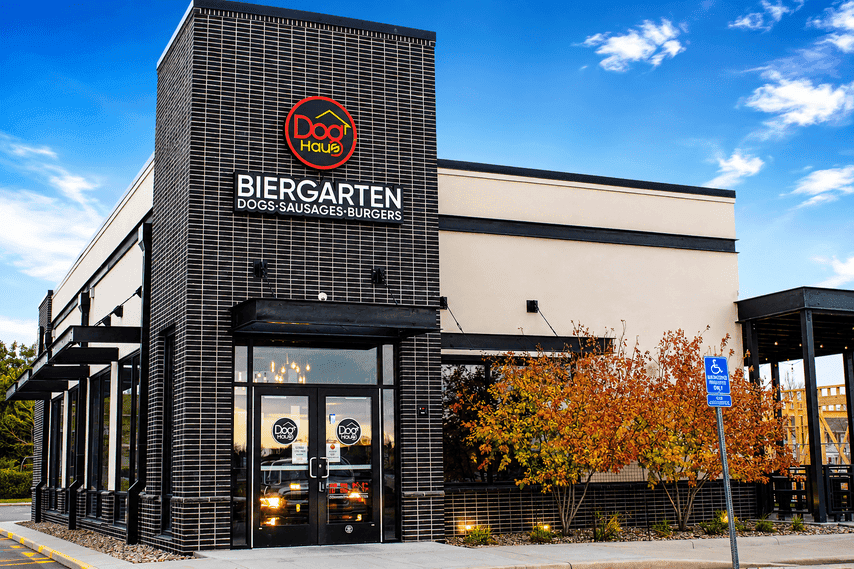
Dog Haus appoints James Field as chief marketing officer and promotes CJ Ramirez to chief experience officer, setting the stage for innovative brand growth and franchisee success in the national restaurant scene.
Aug 21, 2026
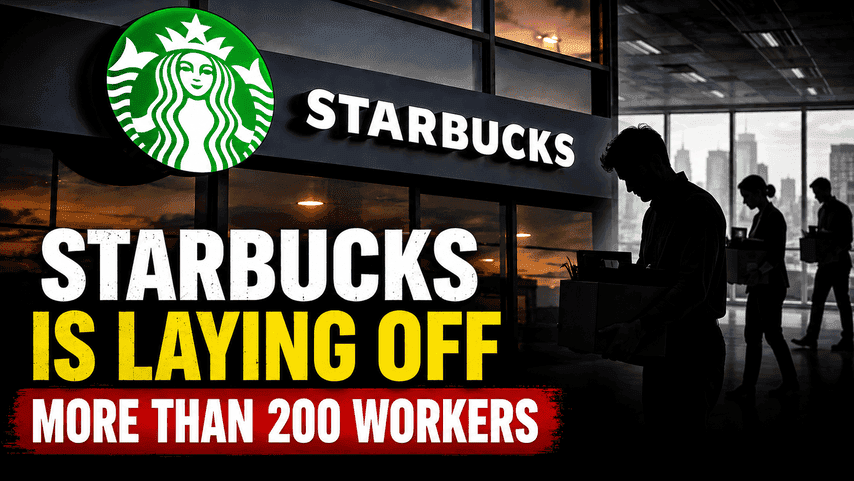
Starbucks is making strategic staffing changes, laying off 200+ workers as it restructures operations and prepares for future growth in southern and eastern regions.
Aug 21, 2026
Learn how to open a restaurant with no experience by planning your concept, budget, location, team, operations, and successful launch.
Aug 19, 2026
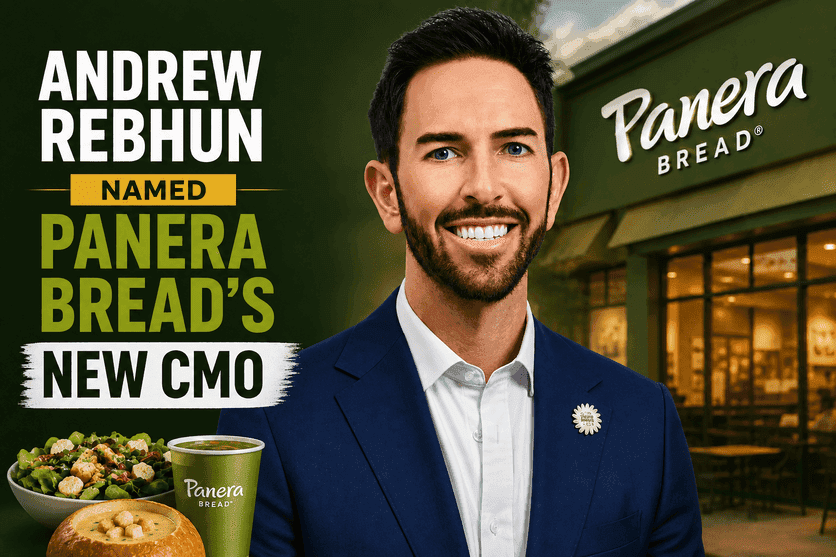
Panera Bread welcomes Andrew Rebhun as Chief Marketing Officer, succeeding Mark Shambura. Learn about his background at CAVA, El Pollo Loco, and McDonald's.
Aug 20, 2026
Payroll advances help restaurant owners give hourly employees earlier access to earned wages while maintaining accurate records, policies, and compliance.
Aug 19, 2026
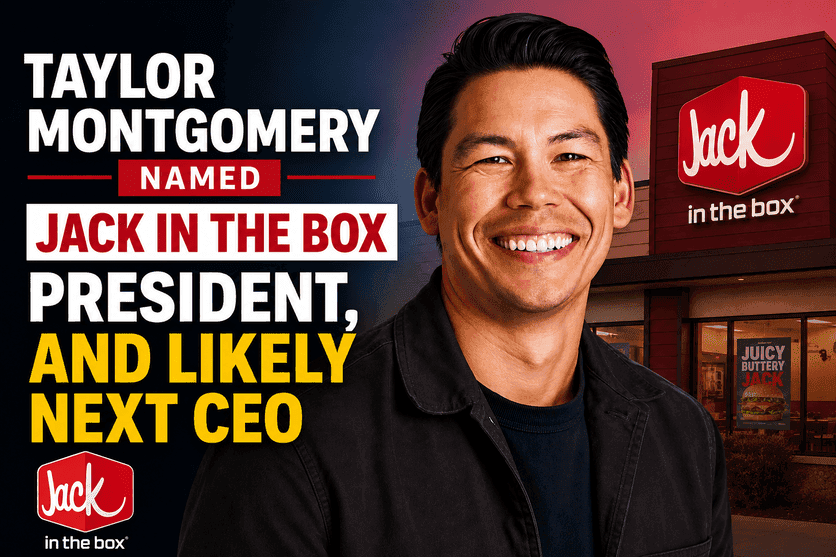
Taco Bell’s Taylor Montgomery has been appointed as President of Jack in the Box, positioning him to take over as CEO within a year - signaling major shifts for the QSR brand's future.
Aug 20, 2026
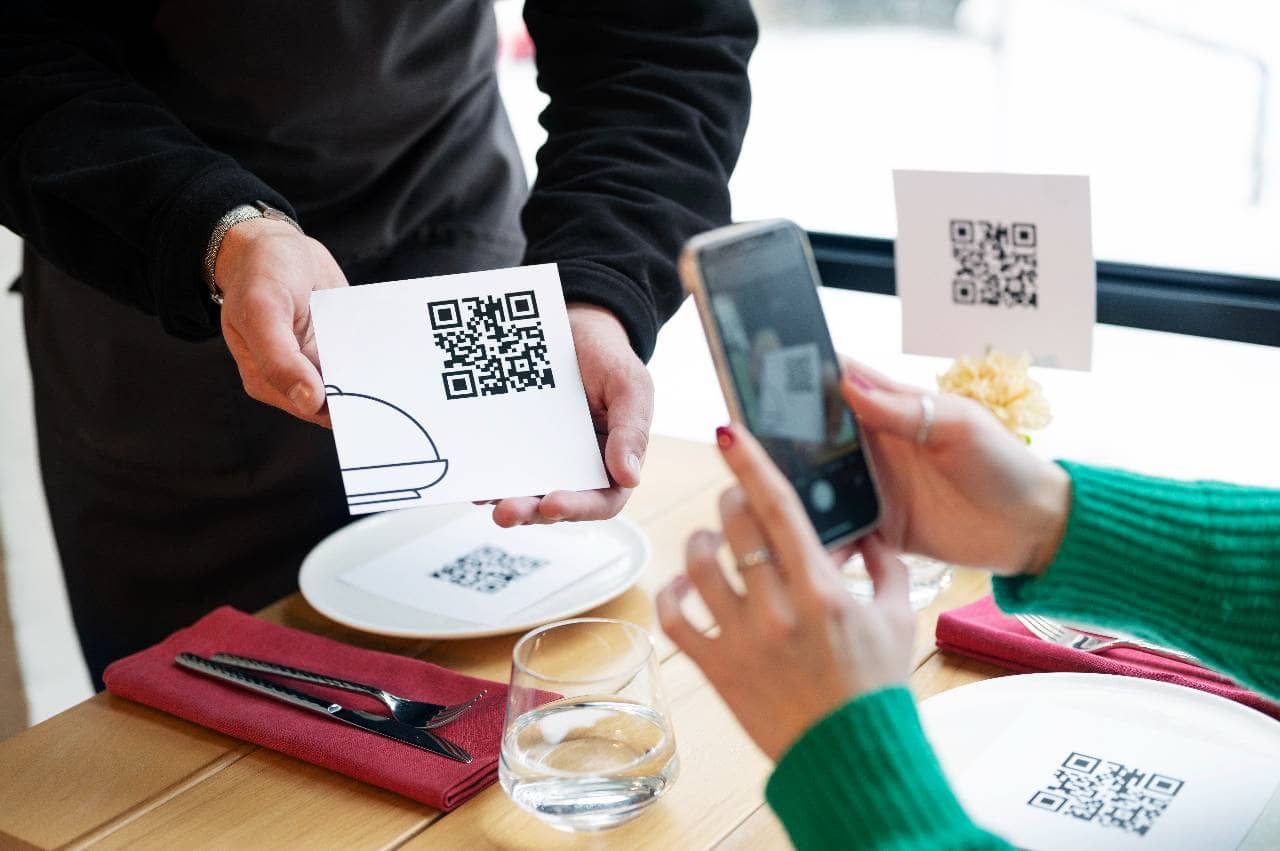
Explore the main types of ordering technology restaurants use to improve accuracy, speed, payments, customer convenience, and operational efficiency daily.
Aug 17, 2026

Learn the eight essential steps of the restaurant payroll process, from tracking hours and calculating wages to payments and recordkeeping.
Aug 17, 2026

Unlock Exclusive Access To Webinars, Events, And The Latest News For Free!
Swig turns viral dirty soda buzz into franchising momentum, with soaring traffic, rising sales, and a disciplined drive-thru playbook.

Photo by engin akyurt
A frosted cup, the clink of ice, a ribbon of cream finding its way through fizz, the dirty soda ritual is a small, tender performance. Consumers are leaning into that customizable refreshment, and the numbers hum with energy: visits to Swig in February 2026 climbed 137.9 percent above February 2023, and rose 30.7 percent year-over-year versus February 2025, per the National Association of Convenience Stores and Placer.ai. Globally, the dirty soda market reached an estimated $1.1 billion in 2025 and is projected to more than double by 2033. What does it look like when a craving with roots in nostalgia becomes a modern franchise engine:
Swig sits at the center of this momentum, translating viral attention into real-world lines and loyal visits. The brand’s promise is tactile, a drive-thru designed for speed, a menu built for indulgent, customizable beverages, and the growth signals suggest staying power when both are done well. Placer.ai foot-traffic reads like affirmation; market projections add the macro texture. The arc here is simple and soothing: a familiar flavor story, scaled with intention by Swig, which has become the most visible interpreter of dirty soda’s charm. The trend may feel new, but it drinks like a memory, which is exactly the point.
The dirty soda idea first bubbled up in Utah around 2010, when operators began mixing carbonated sodas with creams and flavored syrups, a gentle nod to ice-cream floats. That cozy, familiar profile found a megaphone on social media. By April 2022, more than 700,000 TikTok videos under the hashtag #dirtysoda captured the category’s magnetism, proof that a quiet regional ritual could inspire a national craving. The concept’s simplicity is its comfort: a base you know, a swirl of something sweet, and a sense that you’re ordering a mood as much as a drink. From there, the story took on legal and cultural shape:
Early courtroom skirmishes helped define ownership and boundaries. In 2015, Swig sued competitor Sodalicious over alleged trademark infringement for selling “dirty soda” products. Those disputes established the category’s intellectual property framework and underscored Swig’s stance as originator. With the groundwork set, the brand’s task became not just popularizing the drink, but protecting the language around it, a reminder that even the softest-seeming pleasures move through very real systems of law, growth, and scale when they catch fire with guests.
Swift growth can still feel welcoming when the blueprint is clear. Since opening its first franchise in 2022, Swig has emphasized end-cap drive-thrus, streamlined build-outs with high visibility, to maximize throughput in busy corridors. According to Placer.ai, those layouts help facilitate rapid openings and sustained traffic. The effect is operational clarity at ground level: a small box designed for big volume, where the choreography of ice, syrup, and cream can maintain its rhythm even at rush. It’s scale without sharp edges, and it sets the stage for the next set of numbers:
Franchise disclosure documents chart a steady pour: 17 net new sites in 2023, 36 in 2024, and 43 in 2025, ending last year with 141 locations across 16 states. Just as important is who carries the brand forward. Swig’s screening process seeks franchise partners for culture fit and operational track record, weighing existing KPIs and a signature “daymaking” ethos. That filter keeps the guest experience soft around the edges, cheerful greetings, consistent execution, even as the footprint grows along high-traffic roads where a quick cup can brighten a long day.

Momentum has a sound, the hum of cars, the light chatter of anticipation, and leadership notices. Todd Smith, president of Swig, frames the moment as awareness building on itself. “We still are seeing really strong sales and traffic growth and have seen this trend for multiple years now,” he said. “I think with the category being so loud and having so many people jump into it, it's creating even more awareness for the category and creates even more interest.” The category doesn’t just sip the spotlight; it amplifies it, then pushes guests curbside where the first sip waits:
Smith credits the swirl of celebrity and consumer posts for magnifying Swig’s content, “leading to long lines and excitement as we open new stores.” He adds that dirty soda is “breathing new life into the carbonated beverage category, which honestly was probably a little bit tired for a while.” Operator interest mirrors guest demand: multi-unit deals, a 25-unit Southern Florida agreement and a 10-unit Colorado Springs deal, signal seasoned groups leaning into the model. That kind of pipeline, paired with a steady hum of social chatter, gives the brand room to build carefully while still keeping pace with a craving that refuses to quiet down.

The financials carry the same buoyant tone. Systemwide sales rose nearly 50 percent to roughly $84 million in 2024, while same-store sales climbed 8.2 percent. In 2025, average unit volume for franchises open at least a year exceeded $1.4 million, a 16.7 percent gain over 2024’s AUV of approximately $1.2 million. Numbers like these read like permission slips for expansion, data that reassures operators the fizz is more than foam. Each metric suggests a habit forming: repeat traffic meeting menu invention, a cadence of treats timed to everyday errands, and a brand learning how to pour consistency at scale:
Investment support has kept the back room as sturdy as the front counter. Savory Fund and The Larry H. Miller Company have backed Swig since its early corporate growth, while leadership moves, elevating Todd Smith to president and adding former Dave’s Hot Chicken executive Shannon Swenson as chief of franchise partnerships, fortify the expansion scaffolding. With capital, counsel, and an experienced partnership function in place, the brand’s next phase isn’t just more stores; it’s the confidence to choose the right ones and to greet each opening with service that feels as polished as the glassy clink of ice in the cup.

When a format travels, it’s often because the idea is hospitable, easy to welcome into many menus. The dirty soda wave now laps across the broader landscape: major chains like Taco Bell and other quick-serves have introduced their own takes, and PepsiCo plans to roll out two more ready-to-drink dirty soda–inspired beverages next year. In parallel, craft soda is forecast to grow at a 4.4 percent compound annual rate in the United States from 2026 to 2033. According to Savory Fund, the share of U.S. eateries offering dirty soda rose from 1.5 percent a decade ago to 2.7 percent in 2025, proof that the idea pours beyond a single brand’s footprint:
For guests, more choice often feels comforting; for originators, it means competing on execution. As other operators jump in, the category becomes louder and more accessible, a rising-tide moment that can extend the life of the craving. For Swig, the opportunity is to keep leading the conversation with pace-setting menu updates and service that feels reliably bright. The market’s expansion into retail shelves broadens trial, then sends curiosity back to the drive-thru window, where the custom mix, and the smile, live.
Growth brings its own weather. As entrants multiply, Placer.ai data show Swig’s total market share slipping, a sign that competition can fragment loyalty even as overall visits rise. Analysts note that heavy reliance on social-media hype can spike opening-day buzz, but long-term retention rests on menu innovation and operational excellence. Rising minimum wages in key states tighten franchisee margins unless offset by efficiency or pricing. The assignment is clear enough: hold onto the category’s friendly indulgence while making the back-of-house ever smoother, so the guest feels only the ease of the sip.
Swig’s near-term map reads as measured ambition. The brand operated 61 stores at the start of 2024 and aims to open 1,000 additional locations over the next six to seven years, focusing first on states where awareness outpaces presence. A disciplined partner-selection framework, fortified support teams, and a replicable store playbook form the backbone. Success will hinge on converting viral heat into sustainable habits and preserving the “daymaking” culture at each window. The promise is appealingly simple: a cup that tastes like a fond memory, handed over with warmth, made repeatable at scale, one soothing pour at a time.