
California Penalizes Dickey's for Franchise Disclosure Violations
California shifts to public enforcement strategy against Dickey's for deceptive franchise disclosures, signaling stricter state-level franchise oversight.
Franchising
Sep 10, 2026
California shifts to public enforcement strategy against Dickey's for deceptive franchise disclosures, signaling stricter state-level franchise oversight.
Sep 10, 2026
Paul Brown temporarily steps away from Inspire Brands as Scott Murphy assumes interim CEO role during confidential IPO filing process targeting late 2026.
Sep 10, 2026
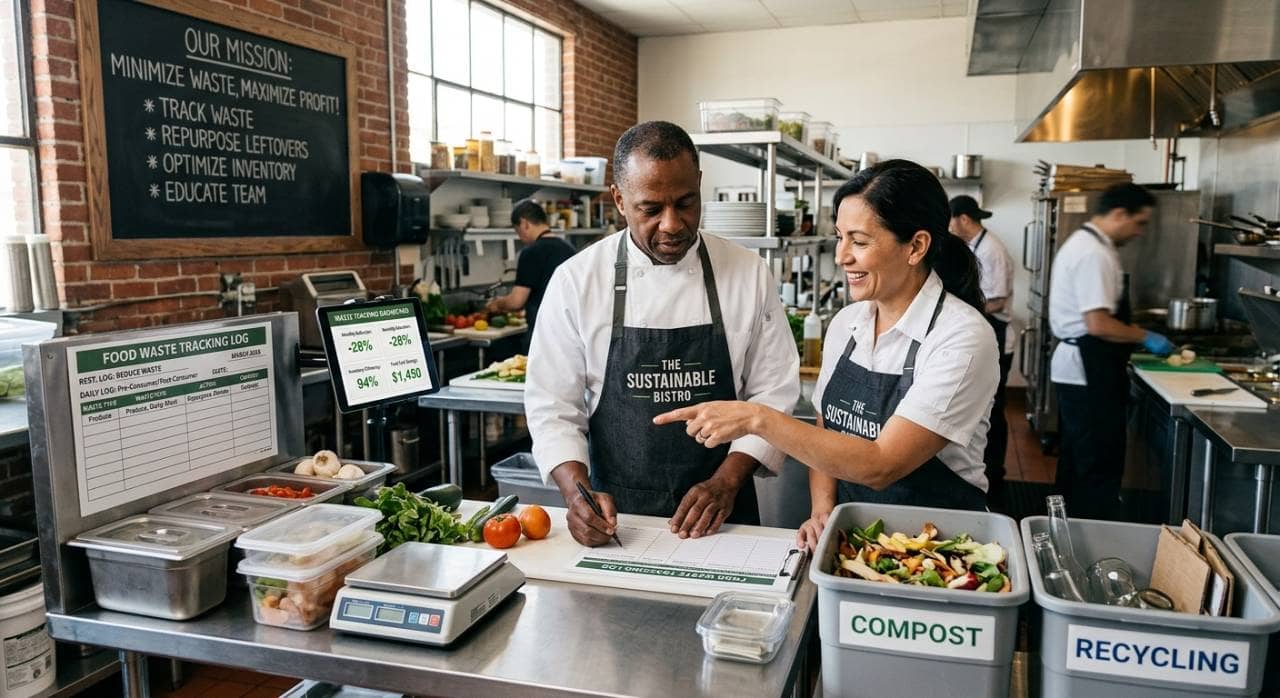
Learn how to reduce food waste in restaurants through smarter purchasing, storage, preparation, and service strategies that cut costs.
Sep 9, 2026
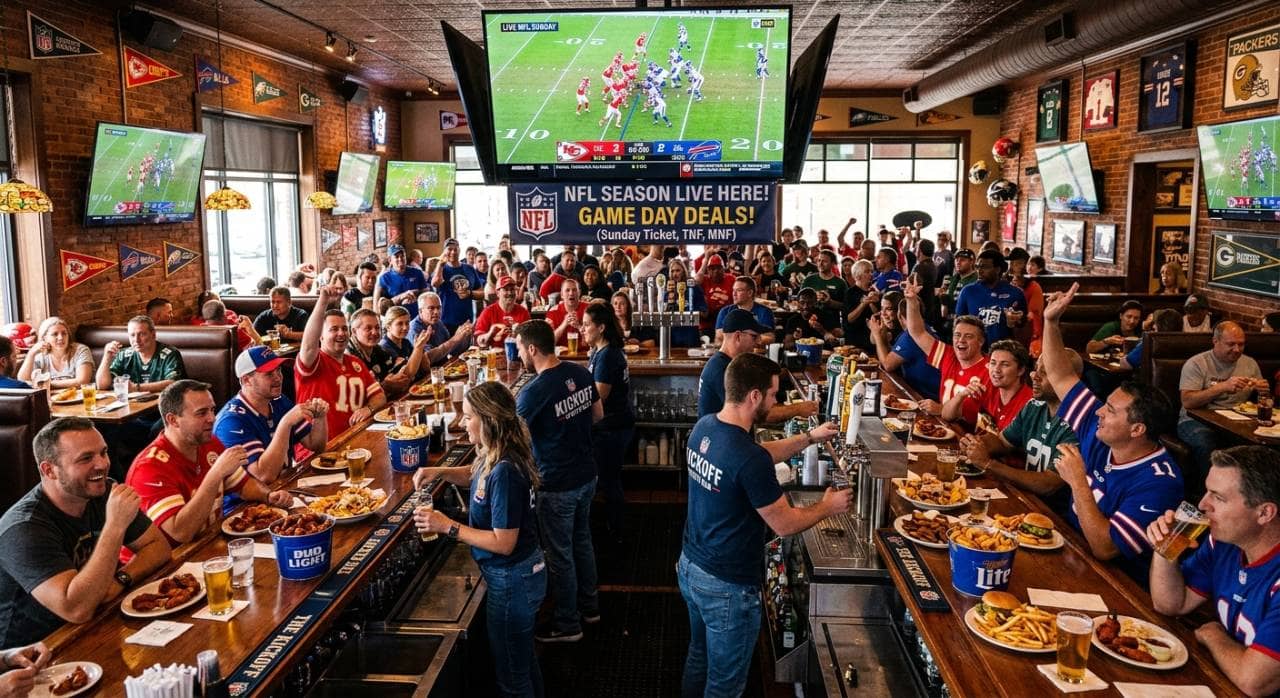
Prepare your restaurant for NFL season with smart menu planning, staffing, marketing, technology, and atmosphere strategies that boost season-long revenue.
Sep 9, 2026
Swig signs franchise agreement for 11 South Denver locations, marking Colorado entry and validating its national expansion strategy.
Sep 8, 2026
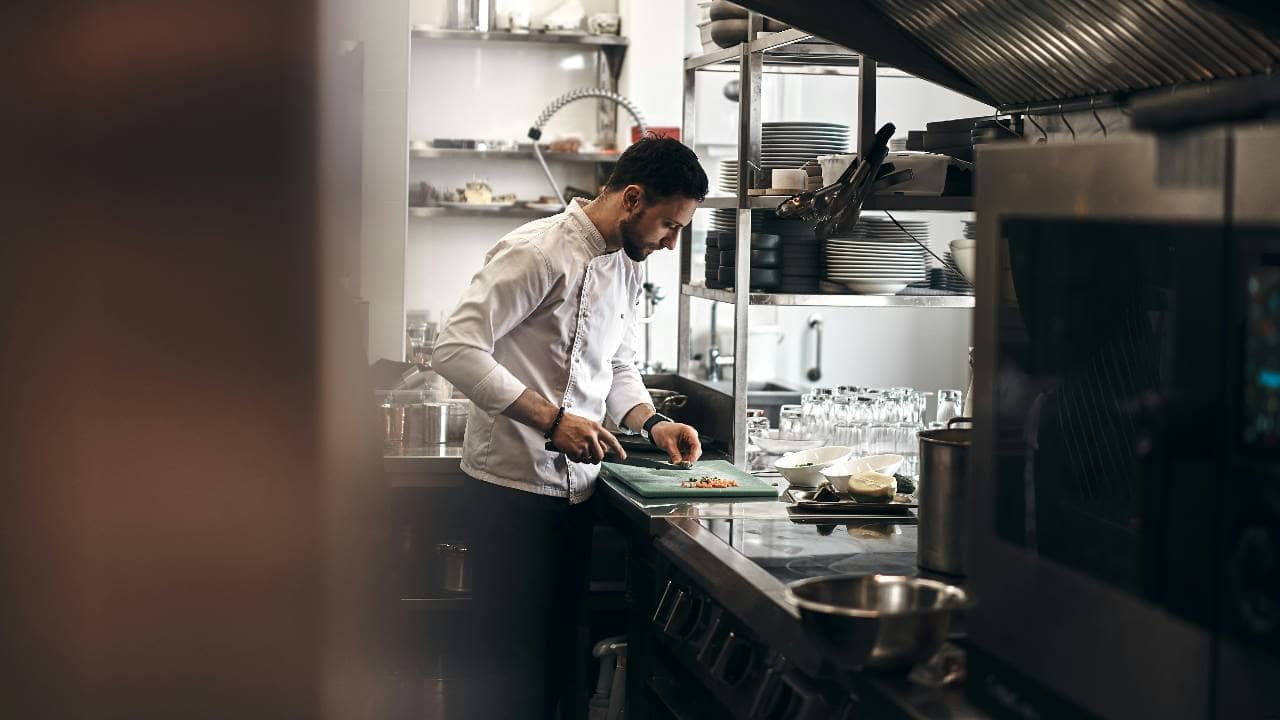
Complete guide helping restaurant owners choose essential kitchen equipment - covering cooking, refrigeration, prep, sanitation, ventilation, safety, and long-term maintenance planning.
Sep 7, 2026
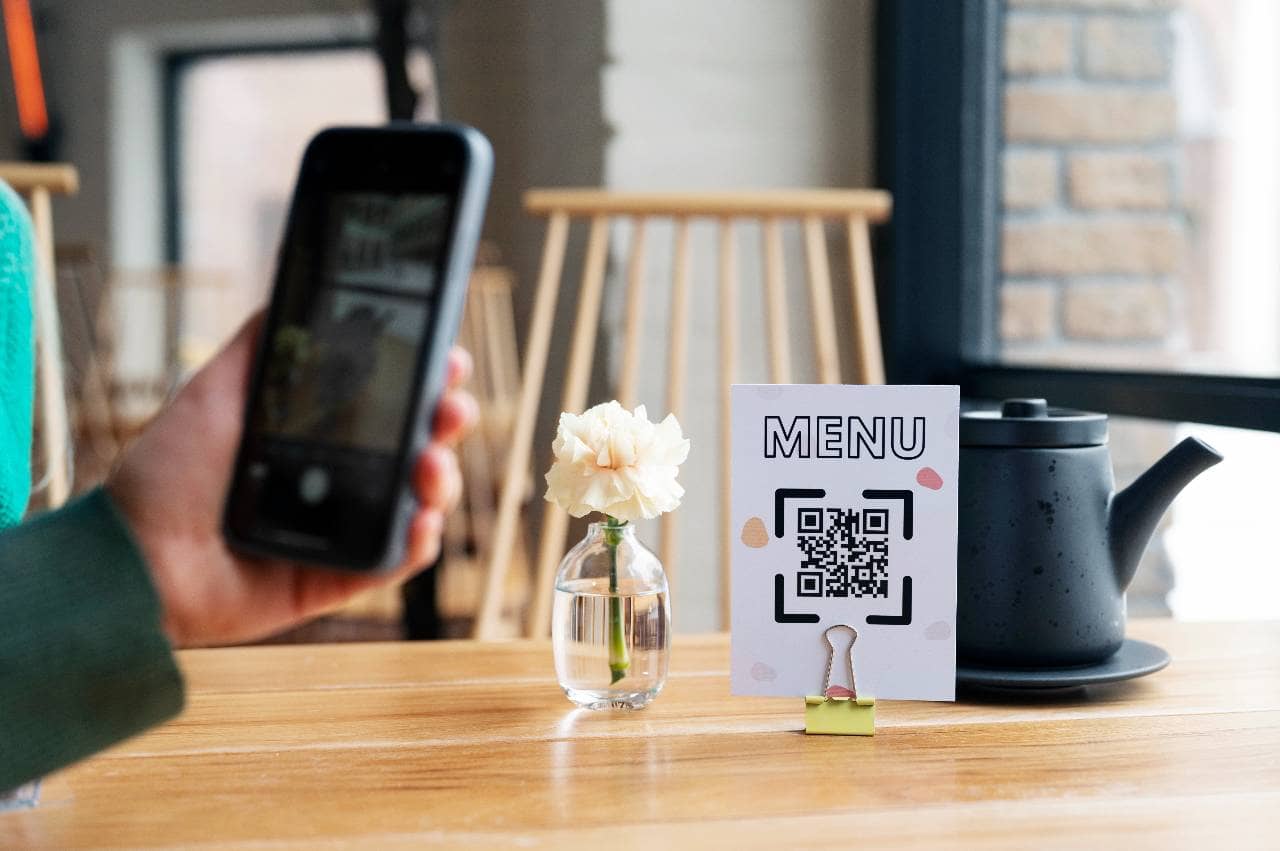
QR code menus let restaurants replace paper menus digitally, enabling instant updates, contactless browsing, ordering, and payment through simple smartphone scanning.
Sep 7, 2026

Avoiding common restaurant payroll mistakes - misclassification, tip credit errors, overtime miscalculations - protects businesses from costly penalties, back pay, and compliance risks.
Sep 4, 2026
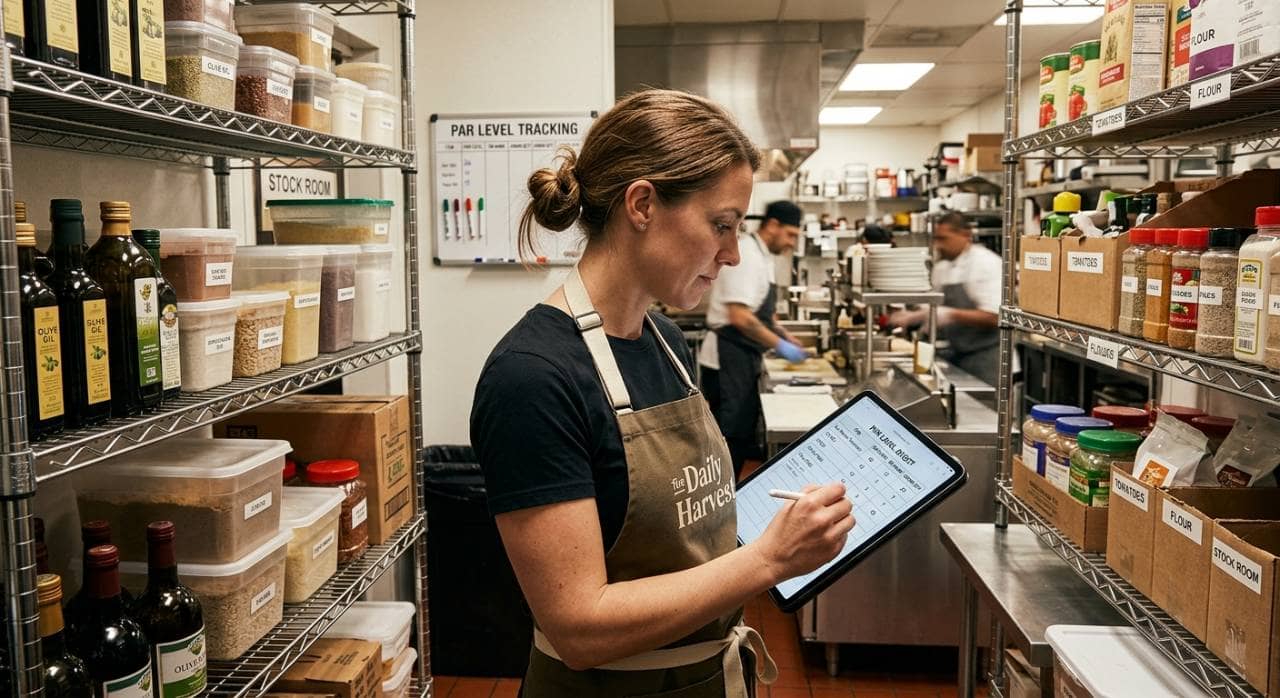
Learn to calculate par levels for restaurant food, beverages, and packaging inventory, preventing stockouts and waste through proper formulas.
Sep 4, 2026
Caribou Coffee appoints Zane Thomas-Rogers as Chief Operations Officer to strengthen execution across its expanding coffeehouse network.
Sep 4, 2026

Unlock Exclusive Access To Webinars, Events, And The Latest News For Free!
Taco Bell grants opt-out rights for breakfast to U.S. franchisees, nudging toward nimble daypart strategies and Cantina Chicken growth.

Photo by Tanya Barrow
At dawn the kitchen glows with patient precision. The hiss of the grill and the perfume of coffee trace a quiet ritual that once seemed sacrosanct. Taco Bell now places a question at the center of its menu theatre: breakfast can be optional, a prerogative granted to franchisees, not a mandatory rite for the brand. The move signals a new era of autonomy, inviting operators to suspend breakfast to better serve the community's currents. The framework remains anchored by Cantina Chicken and a calibrated coffee program, but the rhythm of the day may bend to local demand without unseating the core identity. The stage is set for a measured conversation about dayparts and desire.
Mechanically the policy lands with clarity: starting in October 2024, individual franchisees may elect not to serve any breakfast items, while company-owned restaurants maintain breakfast as part of standard operations. This marks the first instance of an entire daypart being removable at the operator level for a national brand. Beyond the morning hours, Cantina Chicken and a broader coffee program continue to receive emphasis, with pilots and menu testing unfolding across both company and franchise locations. The practical aim is to reallocate labor, equipment, and promotional energy toward dayparts or items with stronger demand, while preserving a platform for ongoing experimentation at scale.
As the calendar turns toward execution, the design ethic remains: adapt with purpose, maintain coherence, and let testing inform expansion. The policy does not abandon breakfast everywhere, but it invites a disciplined recalibration of where the brand places its bets. The immediate implication is a more agile daytime landscape, where cantinas and coffee can illuminate a afternoon rhythm while the morning hour redefines its role in communities that crave choice.
The spirit of the policy is a quiet assertion: hours should bend to the guests they serve. It is not a break with ritual but a rebalancing of effort where the strongest demand resides. Labor and equipment can pivot toward higher-potential dayparts or into items that anchor traffic. In this light, the brand writes a fresh clause into its playbook: adaptation without surrender, continuity without rigidity, a national system that grows by listening as much as by expanding. The result could be a more precise, community-centered cadence that still carries the weight of Taco Bell sovereignty and its evolving platforms such as Cantina Chicken and coffee.
In practice, operators will judge which dayparts deserve space, and which ideas, like lunchtime pivots and high-growth concepts, merit more visibility. The policy thereby becomes a canvas for strategic allocation, a way to test the edge of efficiency while staying tethered to a familiar architecture that customers recognize and trust.

The breakfast question has shifted from a fixed obligation to a measured option, one that respects local appetite while preserving a national narrative. The real art here lies in clarity, knowing when to test, when to tilt toward Cantina Chicken, and how to harmonize labor across a more adaptable schedule. In this crossroad, restraint becomes a virtue, and agility becomes a signature.
