
California Penalizes Dickey's for Franchise Disclosure Violations
California shifts to public enforcement strategy against Dickey's for deceptive franchise disclosures, signaling stricter state-level franchise oversight.
Franchising
Sep 10, 2026
California shifts to public enforcement strategy against Dickey's for deceptive franchise disclosures, signaling stricter state-level franchise oversight.
Sep 10, 2026
Paul Brown temporarily steps away from Inspire Brands as Scott Murphy assumes interim CEO role during confidential IPO filing process targeting late 2026.
Sep 10, 2026
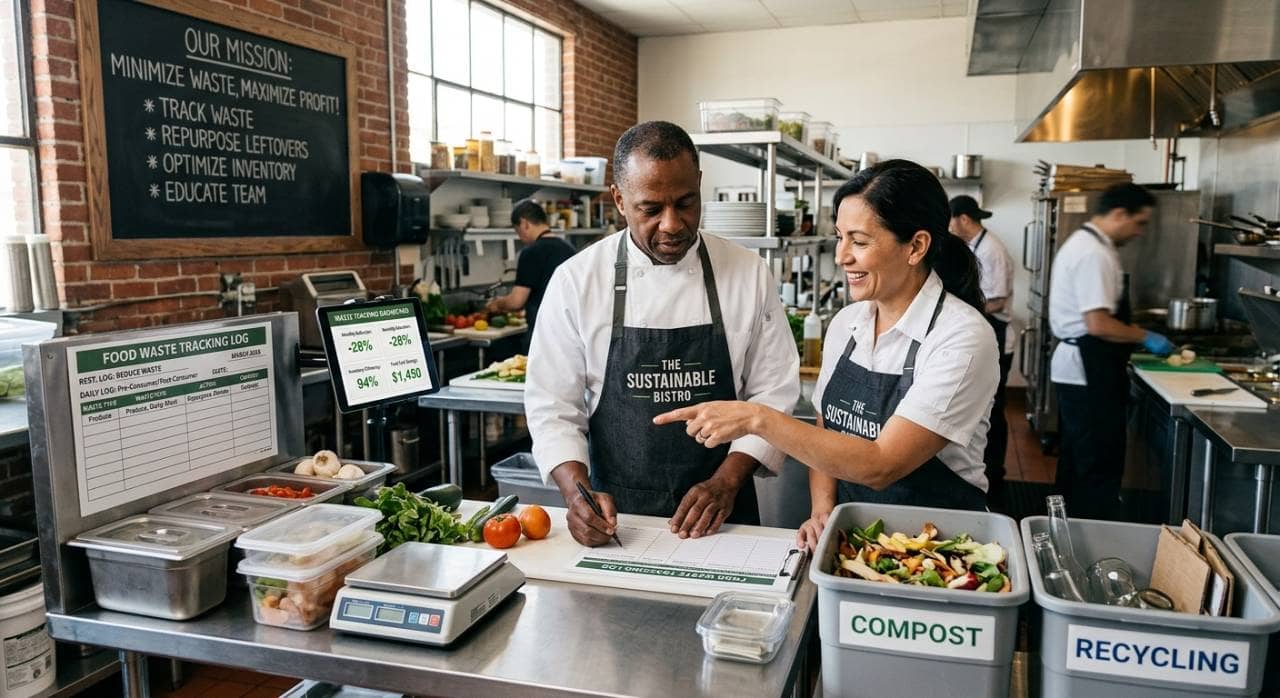
Learn how to reduce food waste in restaurants through smarter purchasing, storage, preparation, and service strategies that cut costs.
Sep 9, 2026
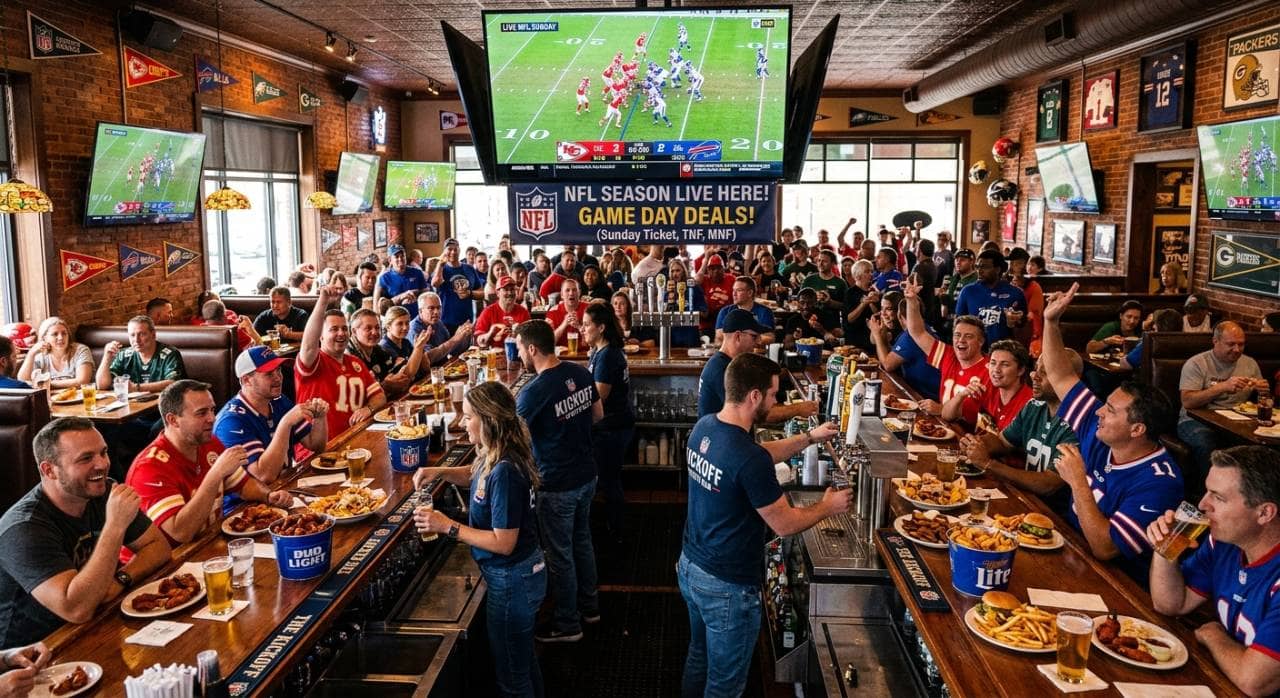
Prepare your restaurant for NFL season with smart menu planning, staffing, marketing, technology, and atmosphere strategies that boost season-long revenue.
Sep 9, 2026
Swig signs franchise agreement for 11 South Denver locations, marking Colorado entry and validating its national expansion strategy.
Sep 8, 2026

Complete guide helping restaurant owners choose essential kitchen equipment - covering cooking, refrigeration, prep, sanitation, ventilation, safety, and long-term maintenance planning.
Sep 7, 2026
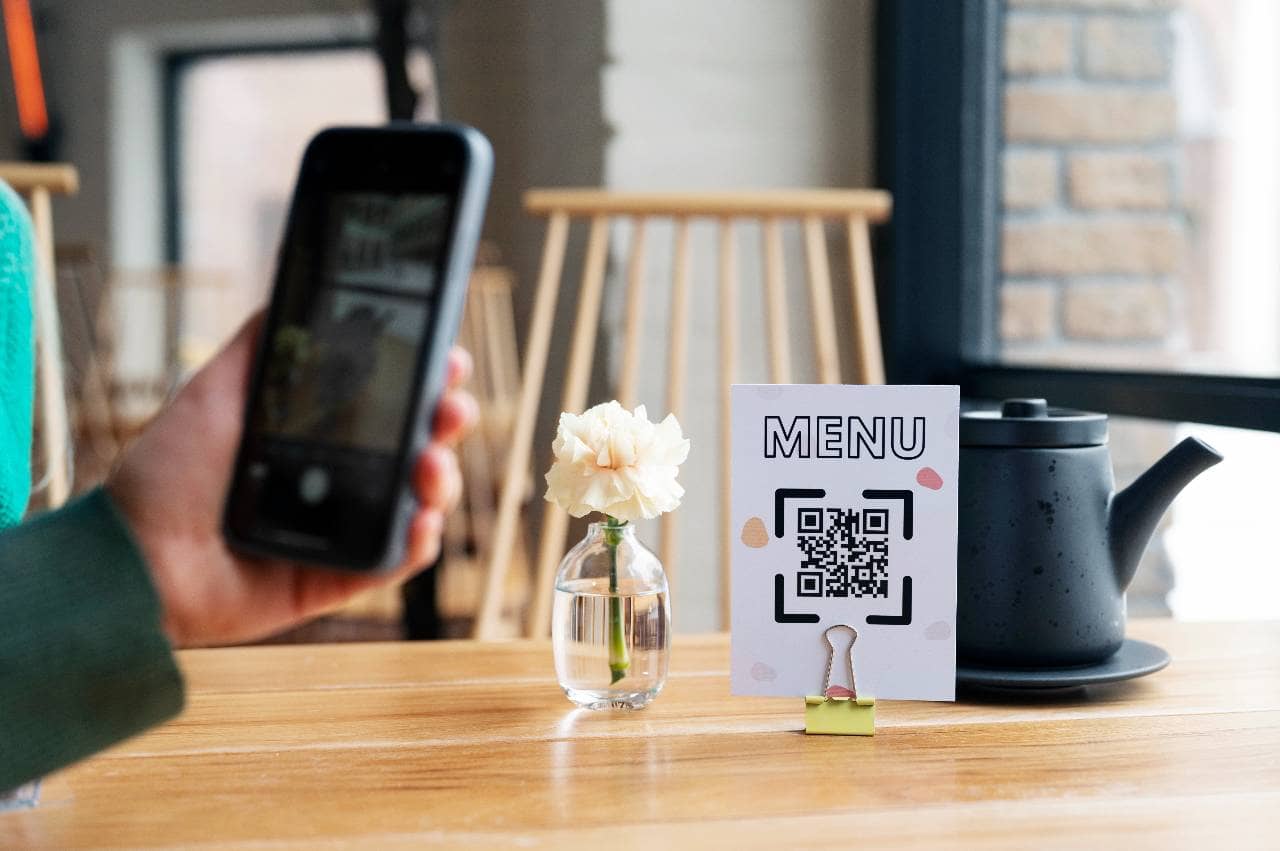
QR code menus let restaurants replace paper menus digitally, enabling instant updates, contactless browsing, ordering, and payment through simple smartphone scanning.
Sep 7, 2026

Avoiding common restaurant payroll mistakes - misclassification, tip credit errors, overtime miscalculations - protects businesses from costly penalties, back pay, and compliance risks.
Sep 4, 2026
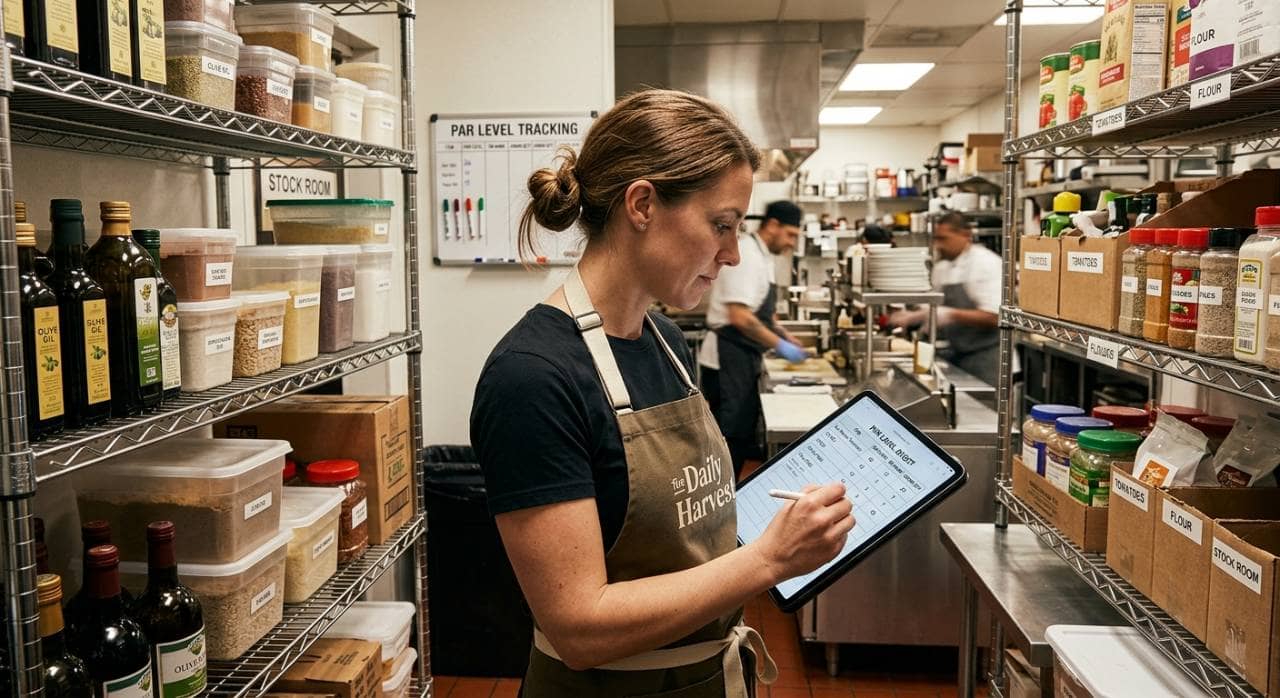
Learn to calculate par levels for restaurant food, beverages, and packaging inventory, preventing stockouts and waste through proper formulas.
Sep 4, 2026
Caribou Coffee appoints Zane Thomas-Rogers as Chief Operations Officer to strengthen execution across its expanding coffeehouse network.
Sep 4, 2026

Unlock Exclusive Access To Webinars, Events, And The Latest News For Free!
Discover the hidden employee habits costing your restaurant thousands every month. Learn how to identify and fix small daily behaviors quietly draining your profit, with actionable tips for restaurant operators.

Running a restaurant is a relentless challenge of balancing quality, service, and profitability. While owners often search for big mistakes or obvious theft when profits dip, the biggest threats are usually silent, recurring, and hiding in plain sight. Small, unnoticed employee habits can add up to massive losses each month. In this article, we unveil these costly behaviors, show you exactly where restaurants get caught, and provide proven tactics to stop the silent drain.
Most operators look for one-off errors or dishonest actions when seeking to boost profits. The truth is both subtler and more damaging. Losses in a restaurant don't come from one big mistake—they come from small behaviors repeated daily. A few extra minutes here, a longer break there, a slow shift during peak hours. Individually, nothing. Together, thousands.
1. Buddy Punching - The Hidden Clock-In Con What it is - An employee is running late, so they text a coworker, "hey, clock me in. I'm almost there." It happens—no big deal, right? Why it hurts - That's paid time for someone who isn't even there. When this happens regularly, it adds up fast. What to watch for -
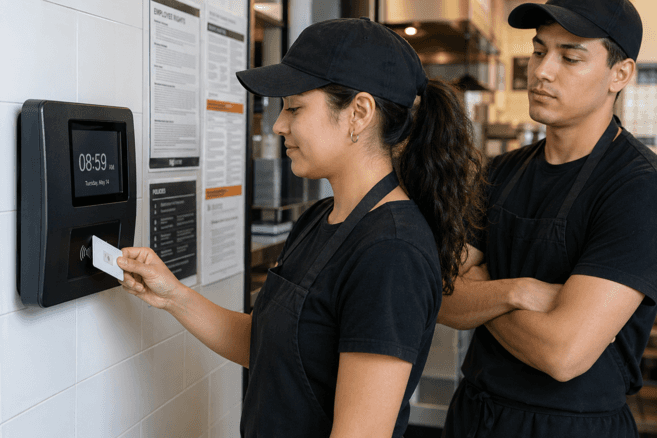
Your employees aren't trying to cost you money. These habits happen because of no visibility, no accountability, no systems in place. Over time, what feels like small behavior turns into major financial loss. The biggest losses in your restaurant aren't always obvious. They're quiet, they're consistent, and they're happening every day. But once you see them, you can control them.
Rule 1 - Track Time in Real Time, Not After the Fact Proactive monitoring prevents silent leaks before they're baked into your labor costs. Rule 2 - Set Clear Rules Around Clock-Ins, Breaks, and Overtime Clarity removes ambiguity and empowers both managers and staff to do the right thing. Rule 3 - Give Managers Visibility Before Small Issues Become Big Ones Preventing small leaks today is cheaper (and less stressful) than patching big holes tomorrow.
Labor cost isn't just about wages, it's about behavior. The unseen day-to-day habits of your team might be quietly draining thousands each month from your bottom line. The good news? With proactive systems, manager engagement, and real-time data, you can attack these leaks at the source. Don’t wait for your profits to vanish. Get eyes on these silent habits today and take back control of your operation.
