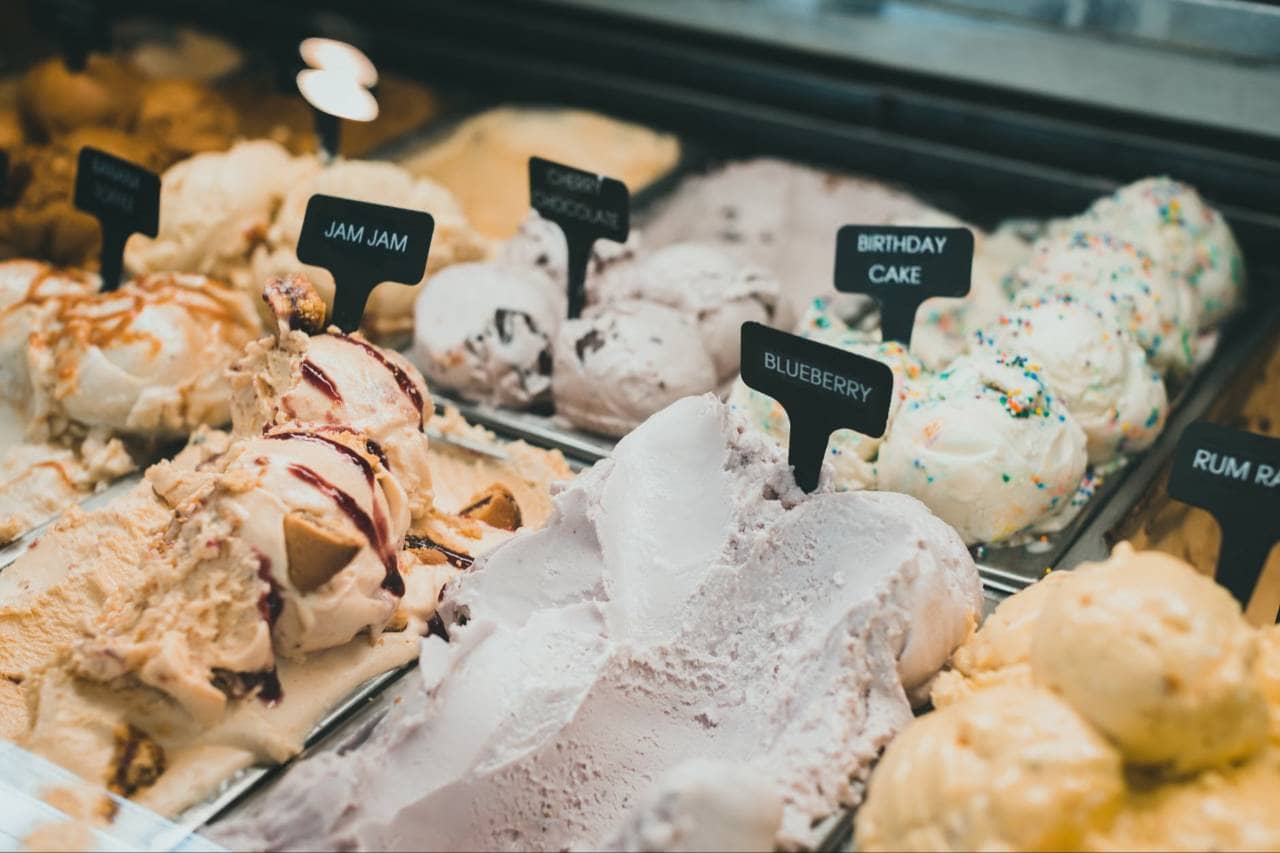
How Much Does It Cost to Open an Ice Cream Shop?
Learn the startup costs of opening an ice cream shop, including rent, equipment, renovations, permits, inventory, labor, marketing, and reserves.
Business Management
Aug 28, 2026
Learn the startup costs of opening an ice cream shop, including rent, equipment, renovations, permits, inventory, labor, marketing, and reserves.
Aug 28, 2026
Learn practical ways to reduce labour costs through smarter scheduling, forecasting, productivity, cross-training, automation, overtime control, and performance monitoring strategies.
Aug 26, 2026
RaceTrac has appointed Jill Pemberton as chief financial officer, succeeding Karla Ahlert, who moves into the newly created role of chief administrative officer.
Aug 26, 2026

A restaurant P&L statement reveals sales, expenses, and profits, helping owners manage costs, improve margins, and plan finances more effectively.
Aug 26, 2026

Levain Bakery appoints Lorna Sommerville and Taya Stenson as co-CEOs, blending operational and marketing expertise to power national expansion and innovation while staying rooted in its brand values.
Aug 25, 2026
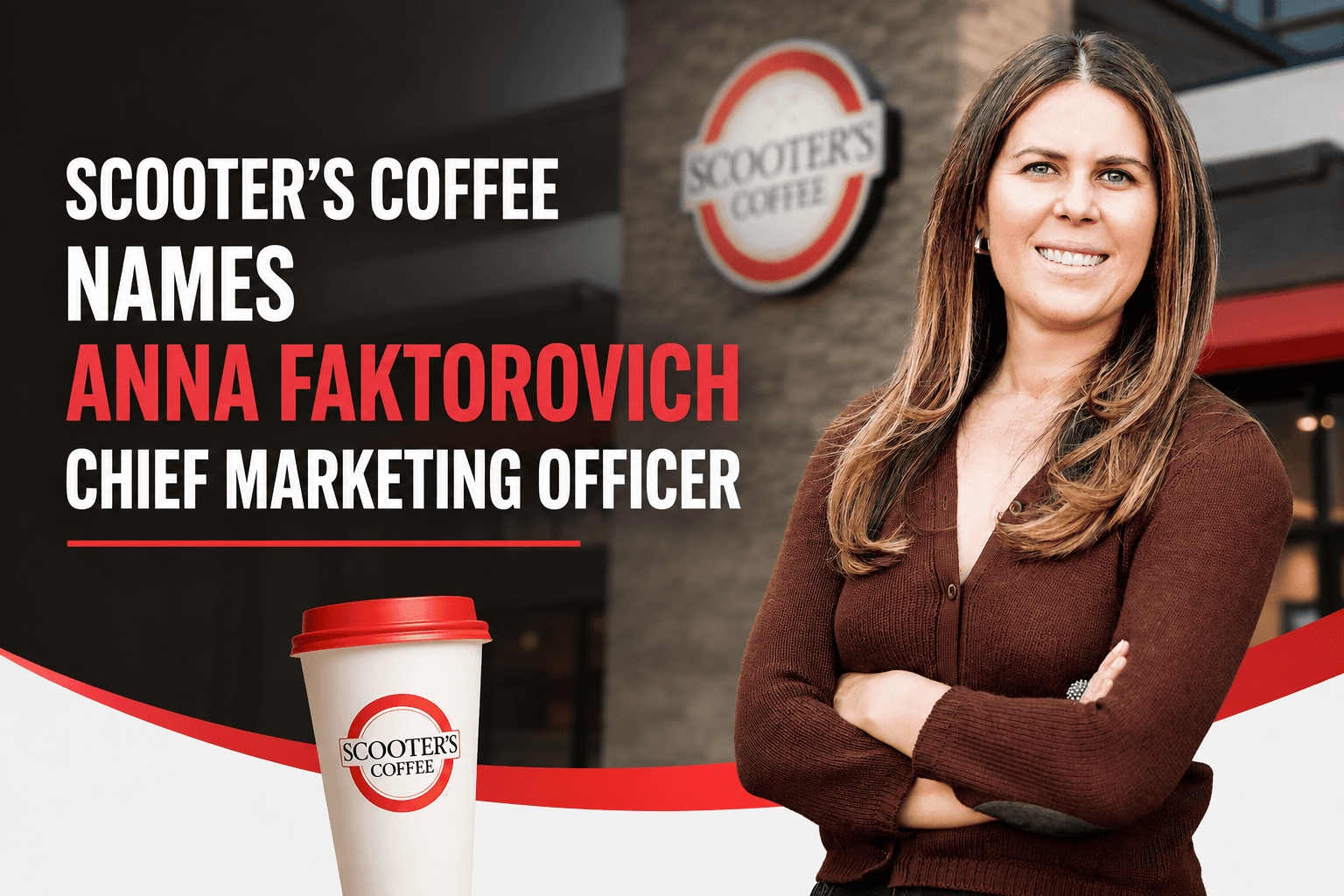
Anna Faktorovich, a seasoned marketing executive, has been named Chief Marketing Officer at Scooter’s Coffee, bringing decades of multi-brand experience to fuel the franchise’s next growth stage.
Aug 25, 2026

Create a practical restaurant marketing plan by setting goals, targeting customers, choosing channels, budgeting wisely, scheduling campaigns, and measuring results.
Aug 24, 2026
A payroll advance policy helps restaurant owners define eligibility, limits, repayment, documentation, approval procedures, and compliance requirements for employee advances.
Aug 24, 2026
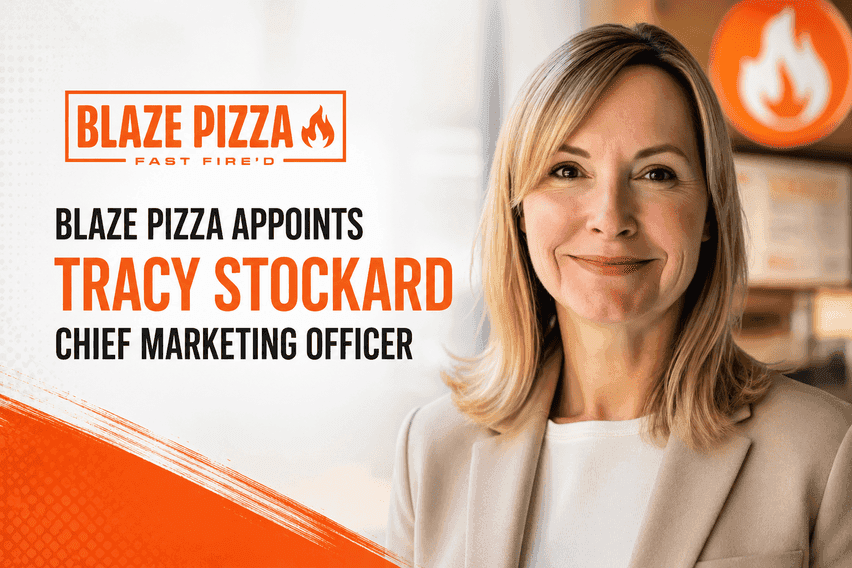
Blaze Pizza welcomes Tracy Stockard as Chief Marketing Officer, bringing decades of brand and franchise experience to drive strategic growth and guest engagement.
Aug 25, 2026
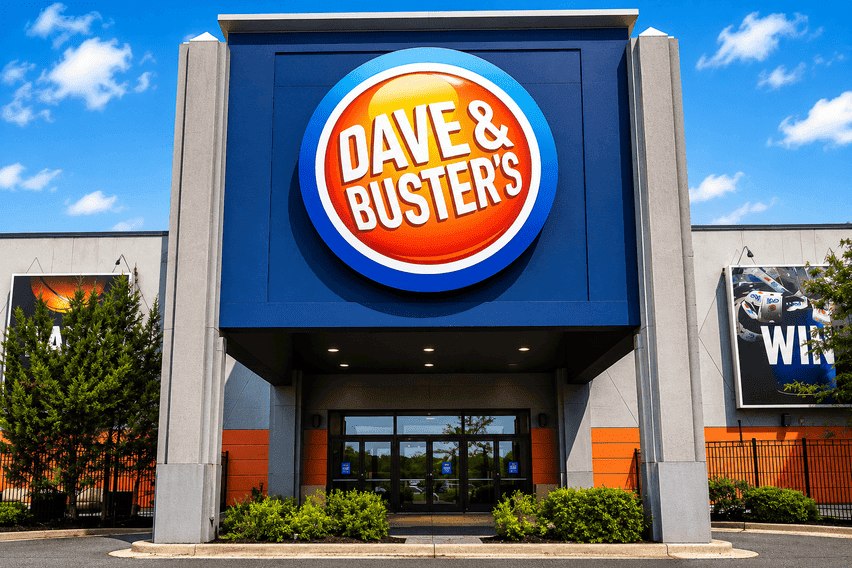
Dave & Buster's refreshes its executive lineup with seasoned leaders in operations, marketing, tech, and finance - signaling a growth-driven future for restaurant operators to watch.
Aug 24, 2026

Unlock Exclusive Access To Webinars, Events, And The Latest News For Free!
Explore how midweek dining is reshaping the restaurant industry. Discover the reasons behind the shift towards Monday through Wednesday dining and its impact on restaurant operations.
The traditional weekend dining norms are witnessing a transformation as consumers increasingly opt for dining out during the midweek. Data from various industry reports and restaurant chains indicate a substantial surge in foot traffic and reservations on Mondays, Tuesdays, and Wednesdays, with a notable decline in visits on Thursdays, Fridays, and Saturdays. This shift has prompted restaurant operators to reevaluate their operational strategies to cater to the evolving preferences of their patrons.
The rise of midweek dining presents both challenges and opportunities for restaurant operations. With a surge in foot traffic during weekdays, restaurants need to adjust their staffing schedules, inventory management, and marketing initiatives to align with the new demand patterns. By focusing on enhancing the midweek dining experience through targeted promotions and specialized menus, establishments can optimize their operations and maximize revenue generation.
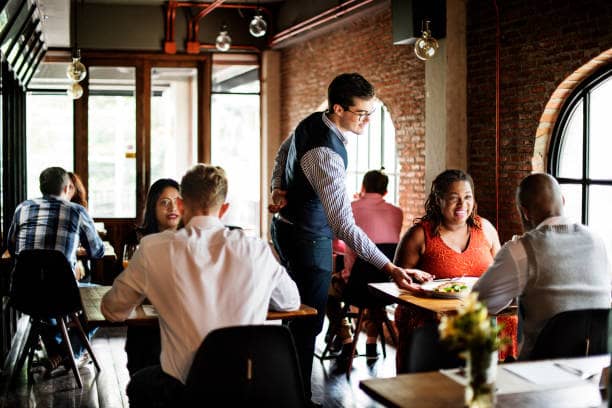
To capitalize on the growing trend of midweek dining, restaurant marketers are deploying innovative strategies to attract customers during traditionally slower days. Promotions such as weekday meal deals, discounted beverages, and themed dining events are gaining popularity among diners looking for a midweek culinary experience. By leveraging social media, email marketing, and loyalty programs, restaurants can effectively communicate their offerings and drive traffic on non-peak days.
The changing landscape of dining preferences reflects a broader shift in consumer behavior post-pandemic. Consumers are opting for earlier dining hours, with a notable increase in reservations between 4 p.m. and 6 p.m. This shift towards dining out earlier in the day has influenced the operational hours of restaurants, leading to a more streamlined and efficient service model. Additionally, the rise in solo dining and group bookings signifies a diverse array of dining experiences embraced by patrons.