True Food Kitchen Files Bankruptcy, Closes 12 Sites
True Food Kitchen filed for Chapter 11 bankruptcy, closing 12 locations and shrinking to 34 restaurants across 14 states amid $42.1 million in debt.
News
Oct 5, 2026
True Food Kitchen filed for Chapter 11 bankruptcy, closing 12 locations and shrinking to 34 restaurants across 14 states amid $42.1 million in debt.
Oct 5, 2026

Snooze Eatery names industry veteran Amy Hom as COO, starting Sept. 28, to strengthen hospitality and operations ahead of its next growth phase.
Oct 5, 2026
Restaurants can control operating costs by tracking food, labor, rent, utilities, technology, marketing, and other expenses against sales.
Oct 5, 2026

Opening a second restaurant location requires readiness, clear goals, financial planning, funding, smart strategy, standardized operations, strong teams, and careful launch monitoring for sustainable growth.
Sep 30, 2026

Evaluate restaurant industry performance in Q3 2026 through key trends affecting restaurant sales, traffic, consumer spending, labor, costs, and technology.
Oct 2, 2026
Improve restaurant visibility with local SEO by optimizing Google Business Profile, targeting local keywords, managing reviews, and maintaining accurate online information.
Oct 5, 2026
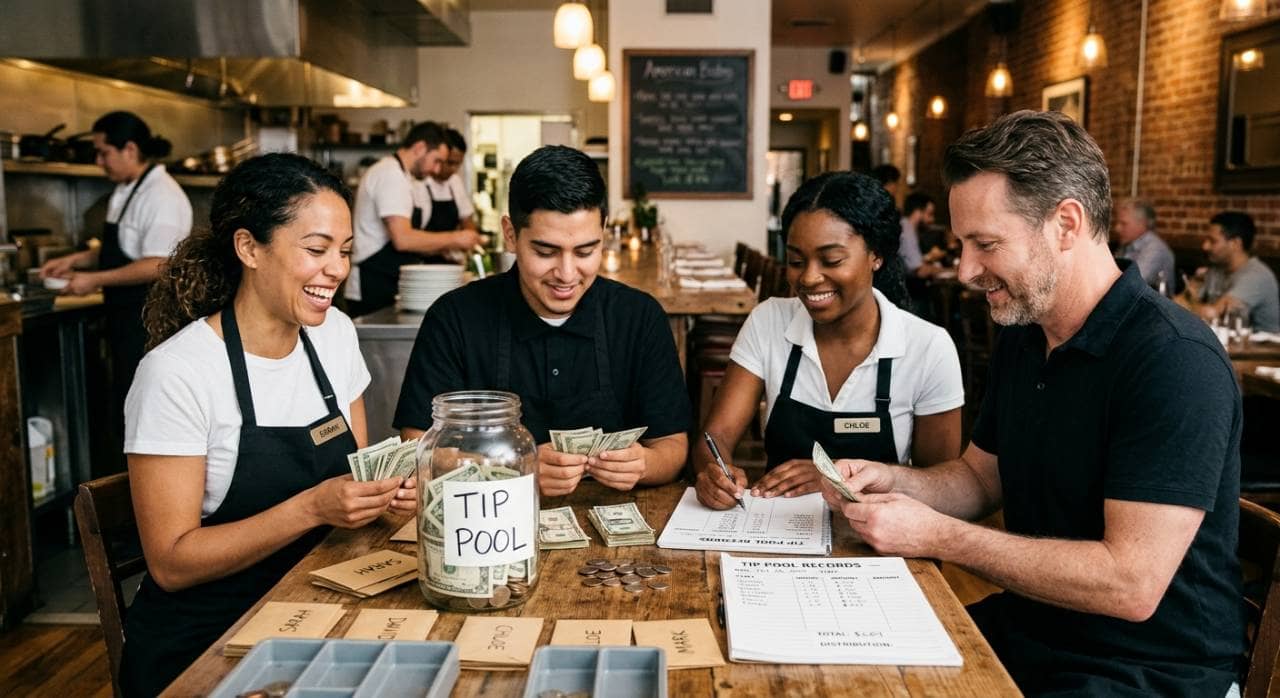
Understand tip pooling rules, employee eligibility, distribution methods, compliance requirements, recordkeeping practices, and policies restaurant owners need for proper tip management.
Oct 2, 2026

Whit's Frozen Custard hires industry veteran Amos Durbin as COO to guide franchise expansion, drawing on two decades of restaurant leadership experience.
Oct 2, 2026
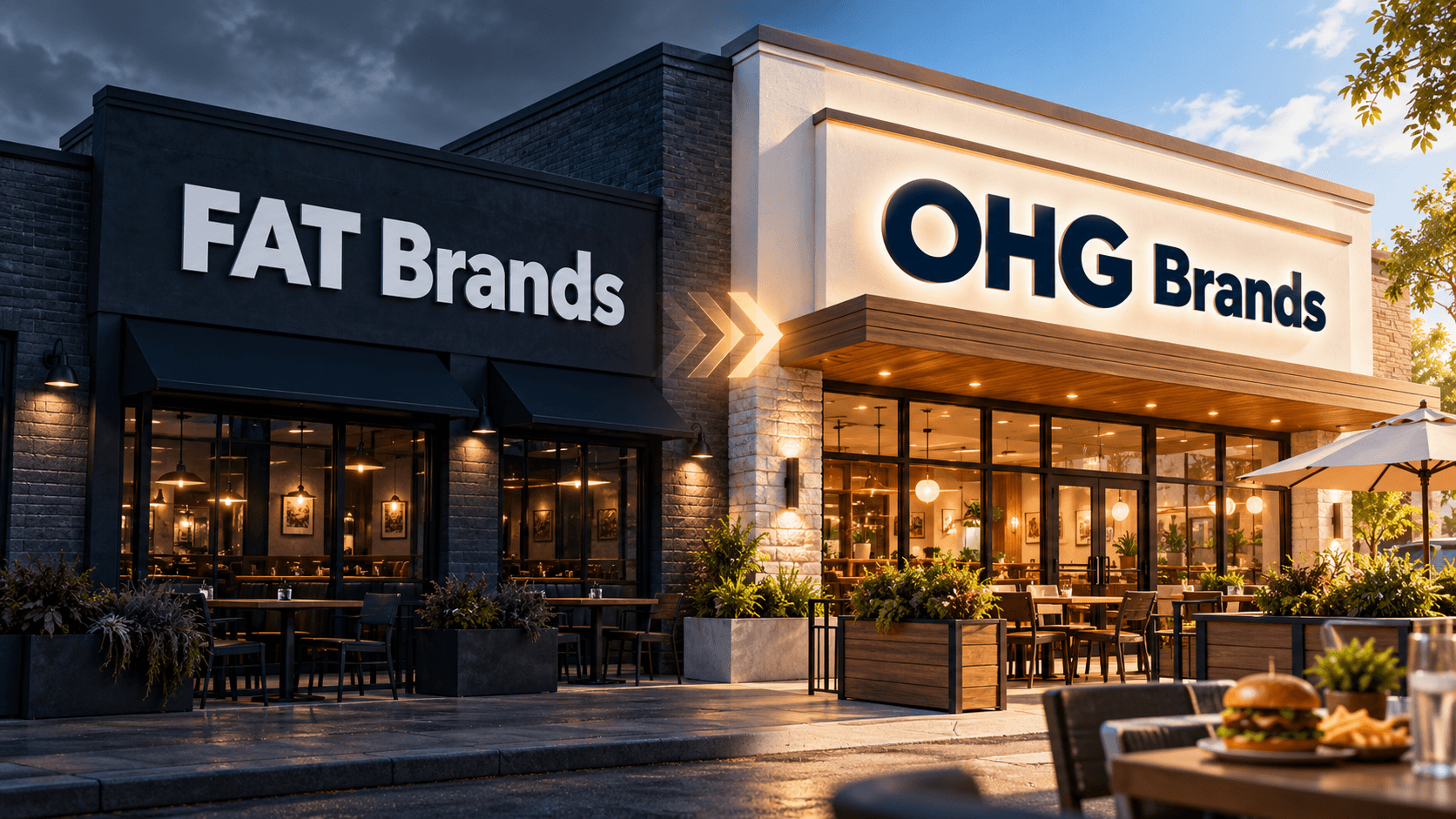
FAT Brands' $1B acquisition empire fell into bankruptcy and sold for $965M, re-emerging as OHG Brands with 1,700 restaurants.
Oct 1, 2026
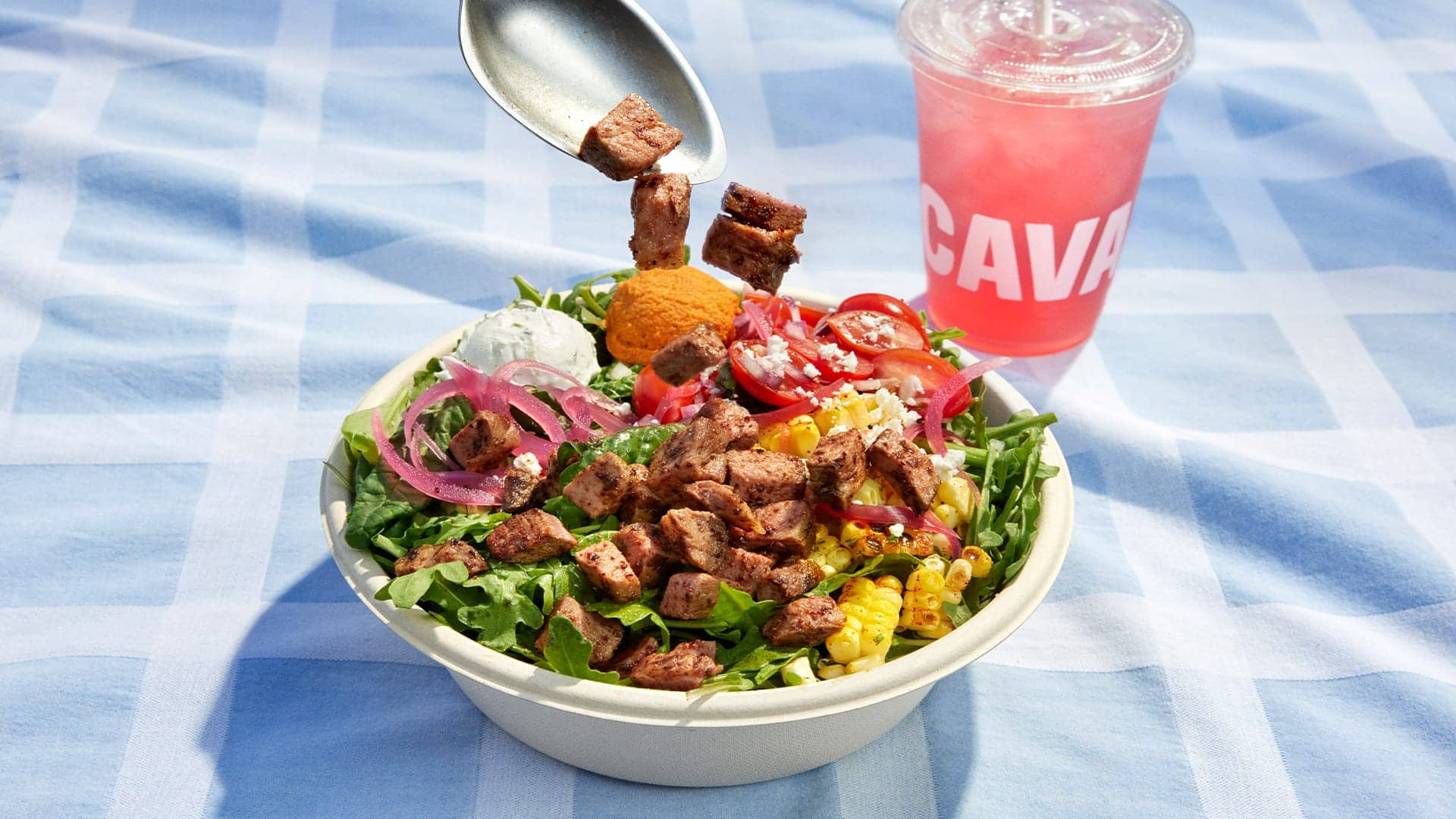
CAVA names John Ludeke, former Dr. Squatch Chief Brand Officer, as its new CMO to drive national growth and guest loyalty.
Oct 1, 2026

Unlock Exclusive Access To Webinars, Events, And The Latest News For Free!
Discover how Chicken Salad Chick has surged as a franchise force, achieving record-breaking growth and dominating its segment. Insights for restaurant operators seeking scalable expansion.
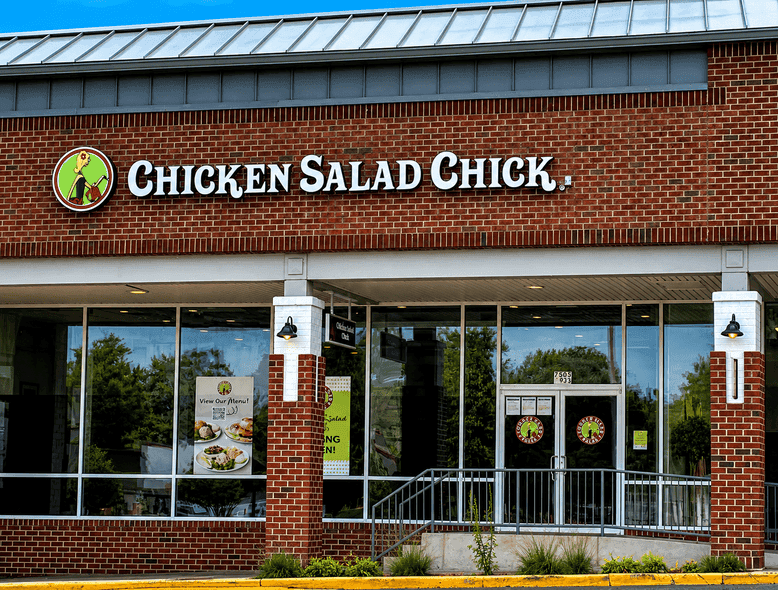
Chicken Salad Chick continues to defy industry norms, emerging as one of the most formidable forces in the fast-casual segment. Launching 2026 with deals for 52 new locations - a 50% leap over the prior year - this brand exemplifies how strategic development paired with a distinctive concept can drive momentum. With presence now stretching from Las Vegas to Philadelphia, Chicken Salad Chick boasts over 300 restaurants in its development pipeline, making it a standout not just in the South, but in a variety of emerging markets. For restaurant owners eyeing expansion or competitive repositioning, the clear message is that dominating a niche - here, a full-service chicken salad menu - can yield outsize returns, even in crowded industry lanes.
Under the leadership of Scott Deviney, Chicken Salad Chick transitioned from a 32-unit regional player to a 338-location powerhouse by mid-2026. The brand’s success rides on a laser-focused franchise strategy, onboarding fresh multi-unit operators and converting select company-owned units for rapid growth. Recent years have seen repeat double-digit expansion in key states like Texas, Florida, and North Carolina, as well as vital first steps into untapped markets including the Midwest and Northeast. Entrepreneurs and brand managers considering multi-unit plays can draw inspiration from Chicken Salad Chick’s thoughtfully staged, regionally balanced approach, which allowed them to log fifteen consecutive quarters of positive same-store sales and systemwide revenues now topping $458 million.
By catering largely to women aged 35 - 55, Chicken Salad Chick carved out a robust, loyal customer base and minimized direct competition. Their suburban site selection - a sweet spot for 2,200 to 2,800 square foot stores with seating for 48 to 82 - further tailored growth for maximum return. The financial results speak for themselves; average unit volumes have climbed to $1.483 million, with top-performing locations surpassing $2.4 million in sales last year. For operators evaluating potential investments or franchise models, the brand’s mix of moderate buildout costs (typically $777,000 - $1.033 million) and focused marketing delivers a compelling, scalable path to profitability - even as other chains chase broader menus or urban footprints.
Chicken Salad Chick’s journey highlights several keys to sustainable scaling.
Chicken Salad Chick’s exceptional performance proves that well-executed focus and calculated expansion pay. For operators aiming for the next level, analyzing franchise incentives, refining site-targeting strategies, and leveraging demographic research can set the stage for similar success. Keep your systems nimble and back up your growth with operational efficiencies and dedicated staff training. With strategic insight and the right support tools, today’s regional brands can very much become tomorrow’s leaders in their own “category of one.”
As Chicken Salad Chick’s franchise-first tactics prove, dominance is within reach for brands that leverage their uniqueness, deploy smart partnerships, and make data-driven decisions. The franchise sector remains packed with opportunity for operators willing to refine their concept and reach for the next horizon. Before your next growth move, evaluate which scalable systems and connections can streamline operations and fuel networked expansion - just as the best in fast casual have done. Looking to bring your expansion plans together seamlessly? Let technology help you connect every piece of your back office and service delivery.