
California Penalizes Dickey's for Franchise Disclosure Violations
California shifts to public enforcement strategy against Dickey's for deceptive franchise disclosures, signaling stricter state-level franchise oversight.
Franchising
Sep 10, 2026
California shifts to public enforcement strategy against Dickey's for deceptive franchise disclosures, signaling stricter state-level franchise oversight.
Sep 10, 2026
Paul Brown temporarily steps away from Inspire Brands as Scott Murphy assumes interim CEO role during confidential IPO filing process targeting late 2026.
Sep 10, 2026
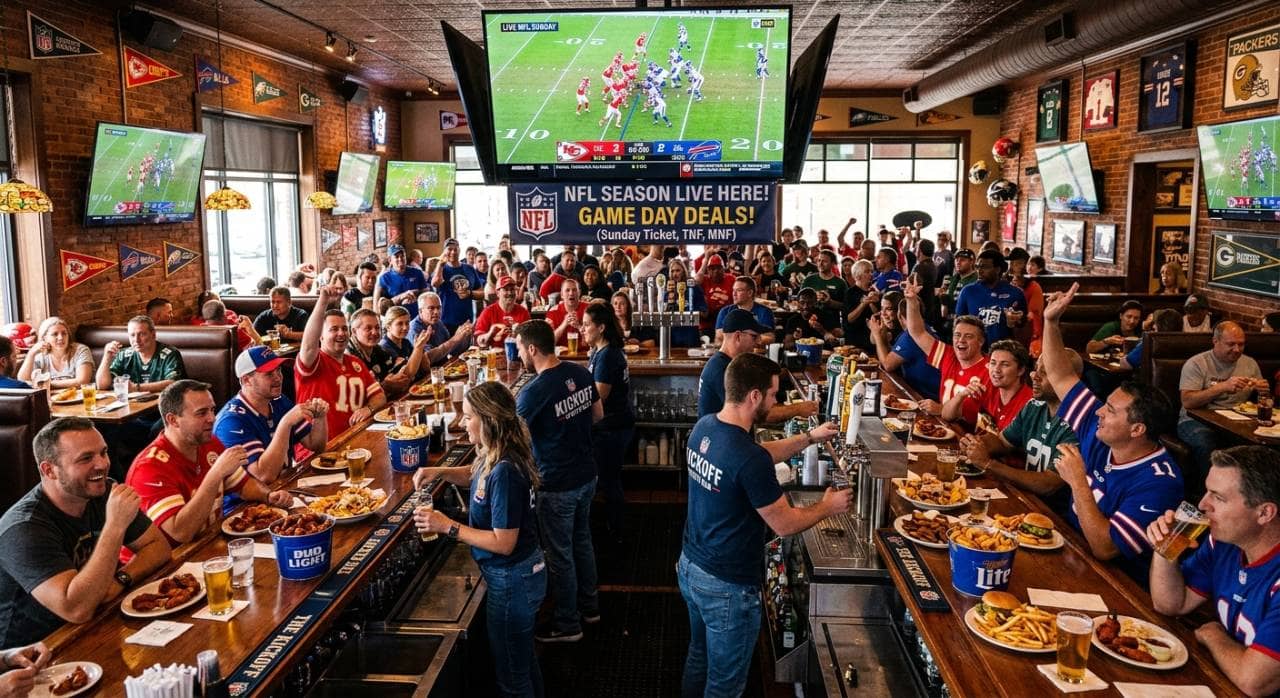
Prepare your restaurant for NFL season with smart menu planning, staffing, marketing, technology, and atmosphere strategies that boost season-long revenue.
Sep 9, 2026
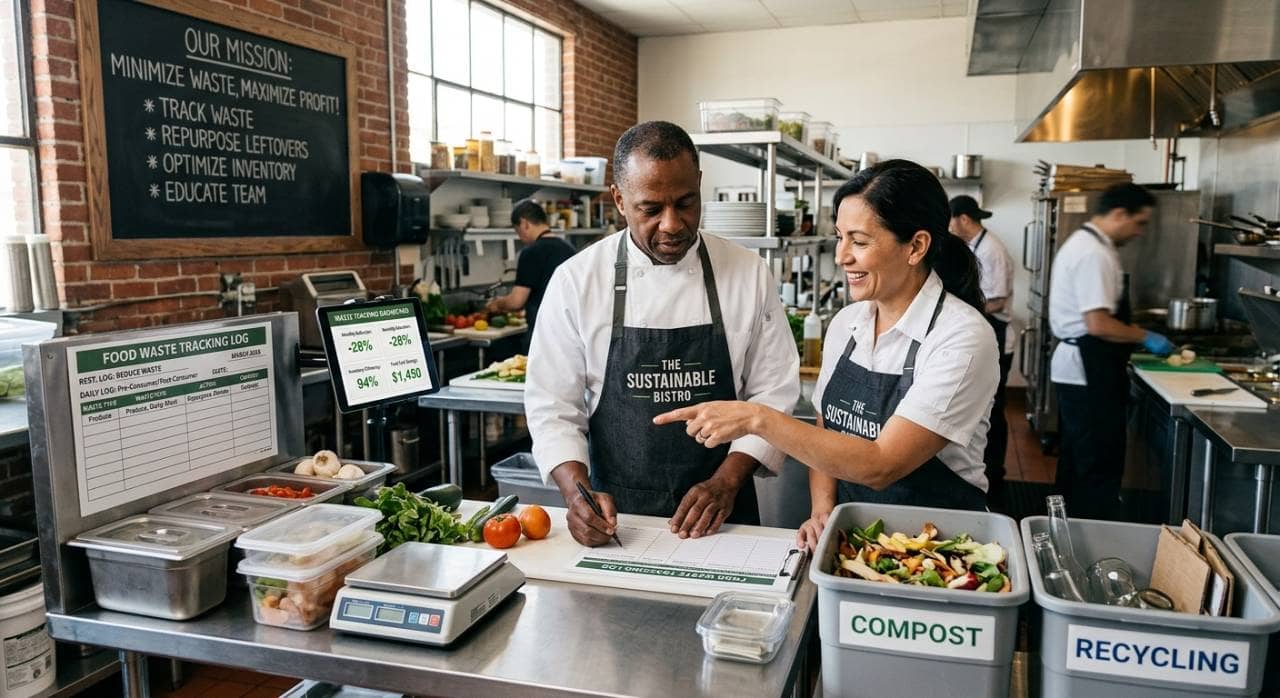
Learn how to reduce food waste in restaurants through smarter purchasing, storage, preparation, and service strategies that cut costs.
Sep 9, 2026
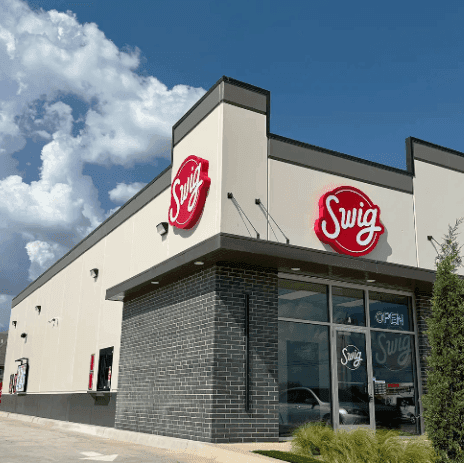
Swig signs franchise agreement for 11 South Denver locations, marking Colorado entry and validating its national expansion strategy.
Sep 8, 2026
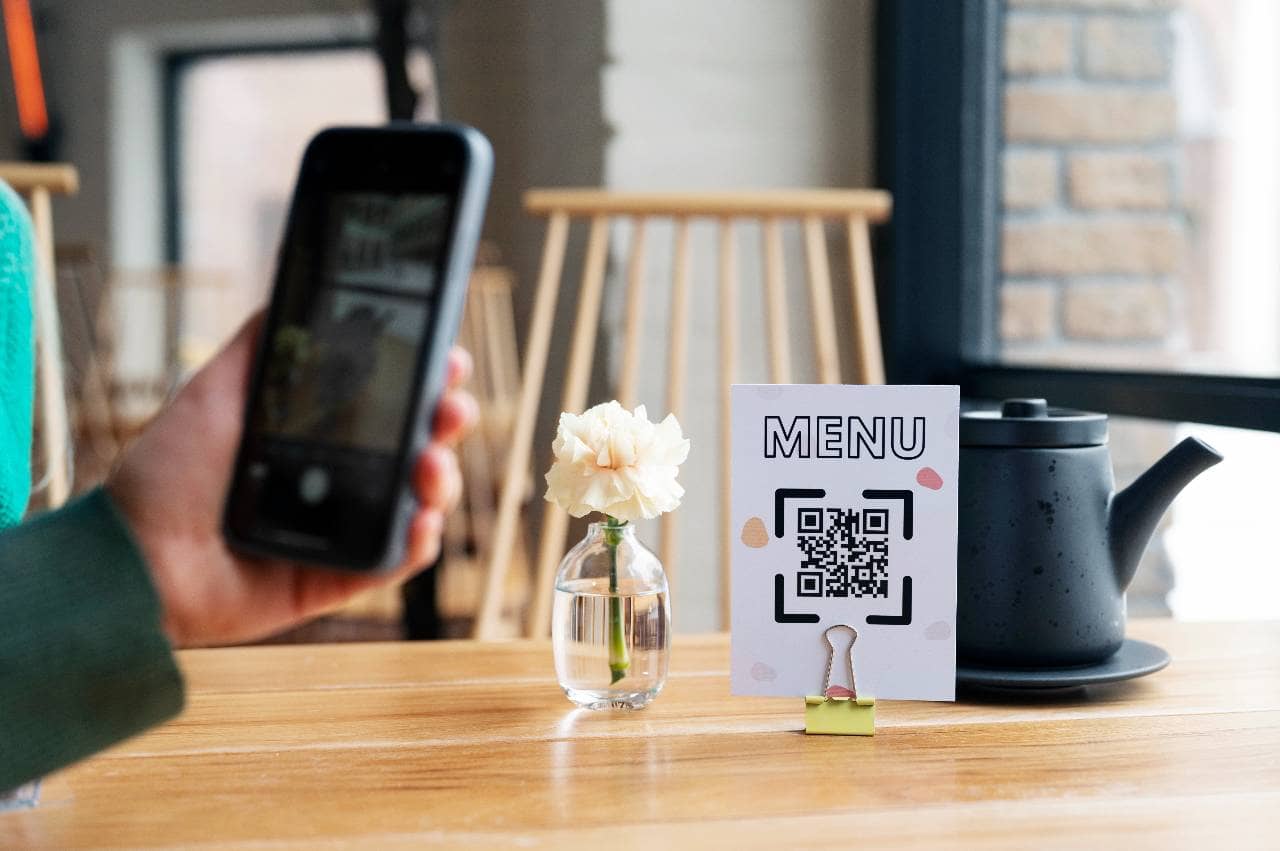
QR code menus let restaurants replace paper menus digitally, enabling instant updates, contactless browsing, ordering, and payment through simple smartphone scanning.
Sep 7, 2026
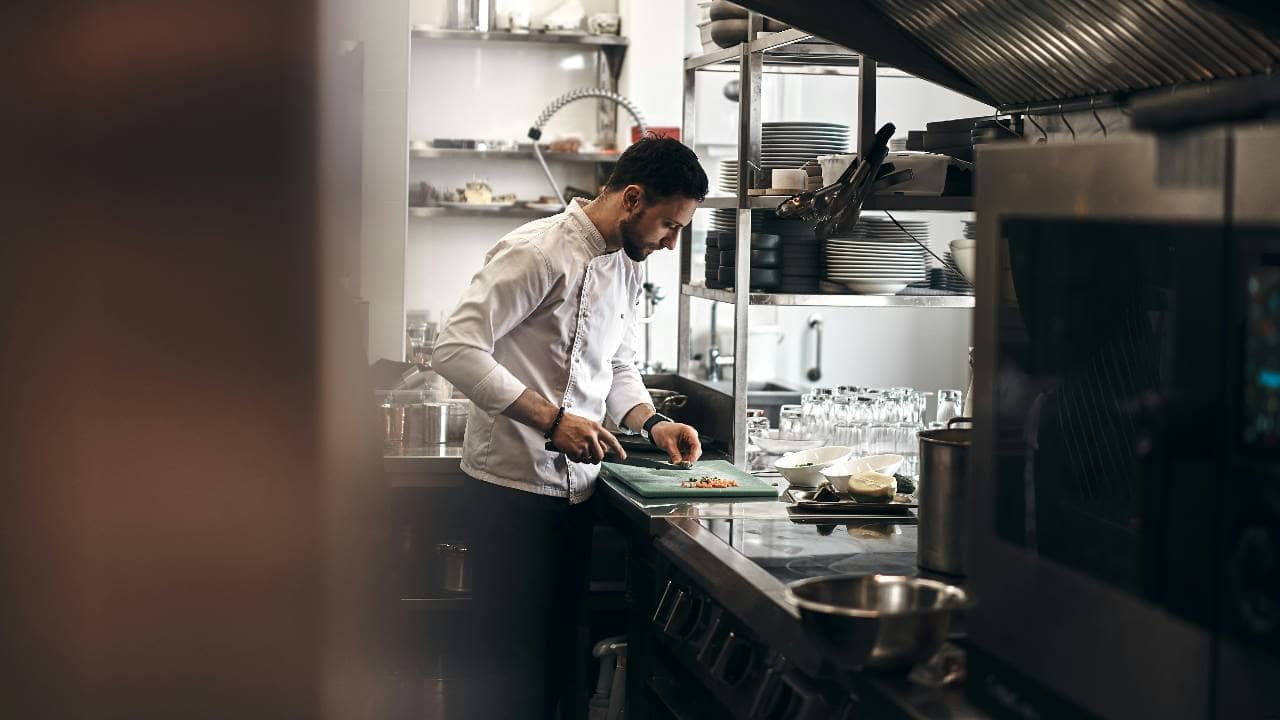
Complete guide helping restaurant owners choose essential kitchen equipment - covering cooking, refrigeration, prep, sanitation, ventilation, safety, and long-term maintenance planning.
Sep 7, 2026

Avoiding common restaurant payroll mistakes - misclassification, tip credit errors, overtime miscalculations - protects businesses from costly penalties, back pay, and compliance risks.
Sep 4, 2026
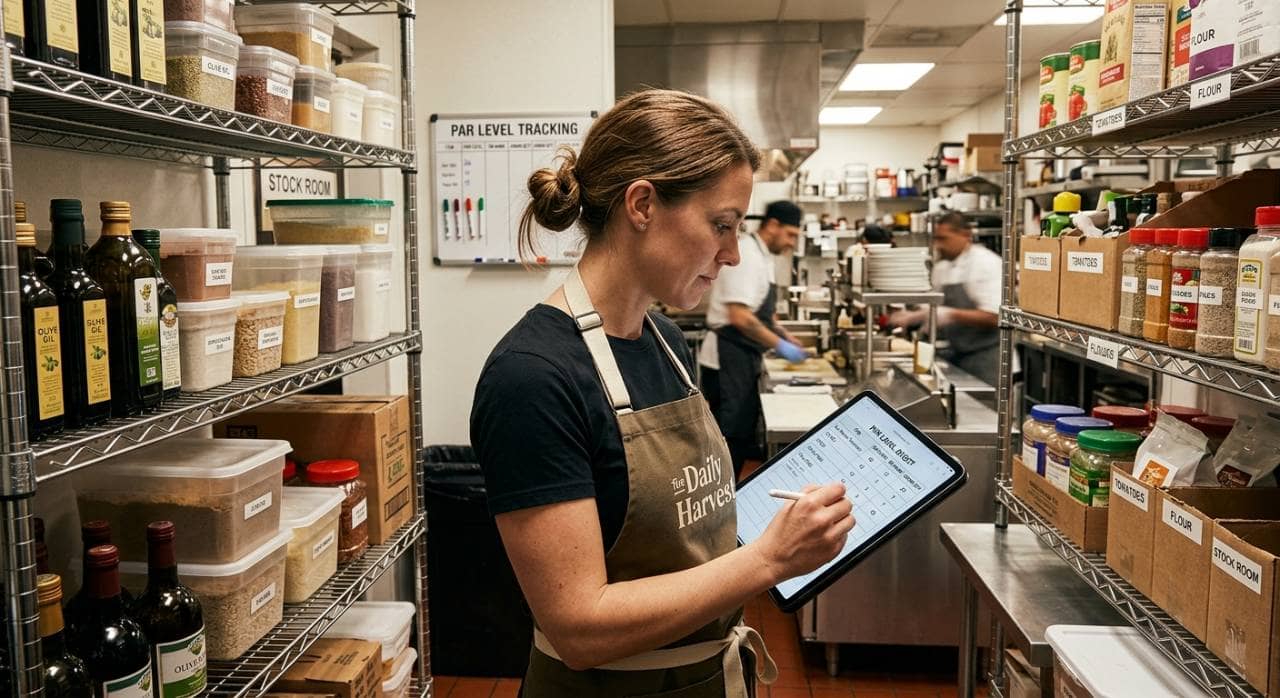
Learn to calculate par levels for restaurant food, beverages, and packaging inventory, preventing stockouts and waste through proper formulas.
Sep 4, 2026
Caribou Coffee appoints Zane Thomas-Rogers as Chief Operations Officer to strengthen execution across its expanding coffeehouse network.
Sep 4, 2026

Unlock Exclusive Access To Webinars, Events, And The Latest News For Free!
Tim Hortons Canada anchors RBI's growth, driving 2025–26 momentum with value, digitization, and China expansion.

Photo by Nathan Dumlao
Within RBI's diversified chorus, Tim Hortons Canada occupies the principal violin, guiding the tempo of growth with quiet assurance. As 2025 folds into the first pages of 2026, the brand's momentum stands as a reliable compass for the entire portfolio. The quarterly and full-year disclosures reveal more than headlines; they reveal a discipline of execution. 2.8% comparable-sales gain in Canada set the rhythm for a 5.8% systemwide sales gain in the fourth quarter and a 5.3% rise for the full year. This isn't mere numerology, it's a signal that value-driven, guest-centric standards can scale across borders.
With scale comes responsibility: TH Canada anchors profitability and shapes franchise economics and guest experience across RBI's global canvas. As the company navigates refranchising and international expansion, Tim Hortons Canada's cadence becomes a fulcrum for profitability, franchisee economics, and guest experience across the portfolio. The Canadian footprint, about 3,870 Tim Hortons locations in Canada alone, remains RBI's largest, most dependable growth engine and a benchmark against which improvements in speed, accuracy, and hospitality are measured.
As RBI charts its refranchising and global expansion, TH Canada's results ground expectations for scale and disciplined execution, the quiet certainty that the next chapter can be written with the same care shown in the last.

Tim Hortons’ growth engine blends traffic gains with higher average checks, a balance sustained by a tight portfolio of core categories that perform reliably. In Canada, coffee, breakfast, and baked goods have long defined dayparts, and RBI has leaned into price, value and menu innovation to deepen guest loyalty. The rollout of a scan-and-pay mobile app signals a broader digitization push intended to speed service and sharpen in-store collaboration, while efficiency plays, refined kitchen layouts, scale economies, and renovated formats, aim to protect margins even as afternoon and off-peak demand grows. Flatbread pizzas and savory pastries broaden the family appeal and extend the day.
Beyond the toppings, RBI's playbook rewards coordination of traffic, pricing, and product cadence to sustain momentum. Tim Hortons' performance anchors a long horizon of profitability across brands, with efficiency acting as a multiplier. Redesigned store layouts, economies of scale, and renovated formats are intended to keep margins resilient while lifting afternoon and off-peak demand. The strategy treats technology and menu as co-authors, speeding service, enhancing collaboration, and inviting guests to linger for more than a morning ritual.
Ultimately, the growth equation rests on balance: price and value without sacrificing hospitality. The investments in digitization and store design aim to deliver a more seamless guest experience and a sturdier bottom line, two notes that harmonize as RBI marches toward its broader targets.
At the helm, Josh Kobza and his leadership cadre describe 2025 as a year of durable strength, a foundation laid with fundamentals and poised for lift. The message is crisp: a stronger, more focused posture will carry into 2026, with value, menu execution, and guest experience improvements as essential engines of margin expansion and market share gains.
The communications emphasize disciplined capital allocation and the franchise model as the vehicle for growth in both mature and emerging markets. Management frames the path as one of steady, partner-driven progress rather than rapid, indiscriminate expansion.
If the tone holds, the leadership's measured optimism becomes the quiet ballast for RBI's ambitious ambitions, an anchor as the company weighs risk and reward across continents.
RBI's 2025 results sketch a trajectory defined by robust systemwide momentum and prudent capital management. In the fourth quarter, systemwide sales grew 5.8% and the full year rose 5.3%, while Tim Hortons Canada contributed 2.8% in comparable sales and INTL added 6.1%. The company returned about $1.1 billion of capital to shareholders in 2025 and continues to invest in growth initiatives across its brands. A central thread remains refranchising and divestitures, including a five-year outlook targeting roughly 8% organic AOI growth, with ongoing progress toward long-term goals.
This framework emphasizes disciplined capital management and partner-driven expansion, with plans to simplify the portfolio and accelerate profitability through strategic divestitures and refranchising. The outlook ties to RBI's five-year targets, balancing near-term performance with durable returns to shareholders.
The road map remains ambitious yet anchored: sustained organic growth and a careful calibration of capital returns, all framed by a clear commitment to long-term profitability.
Beyond Canada, RBI pursues growth through the United States and China, where two pivotal moves anchor the long‑term play. The acquisition of Popeyes China and a co‑investment with Cartesian Capital into Tim Hortons China (Tims China) include up to $50 million of new beverage investments via convertible notes. Separately, the BK China joint venture with CPE Alder closed January 30, 2026, giving RBI a minority stake and supplying capital to accelerate the China growth agenda.
Taken together, these actions illustrate RBI’s global playbook: accelerate high-potential markets with targeted capital while steering core brands toward improved profitability in their home markets. The long view is clear: scale matters, capital discipline matters, and local adaptation sits alongside a unified, data-driven playbook.
As the group refranches, the industry watches whether the translation from ambition to unit economics will hold. The bets rest on a guest-centered approach that travels with the brand across continents, turning lofty plans into tangible store-level gains.
