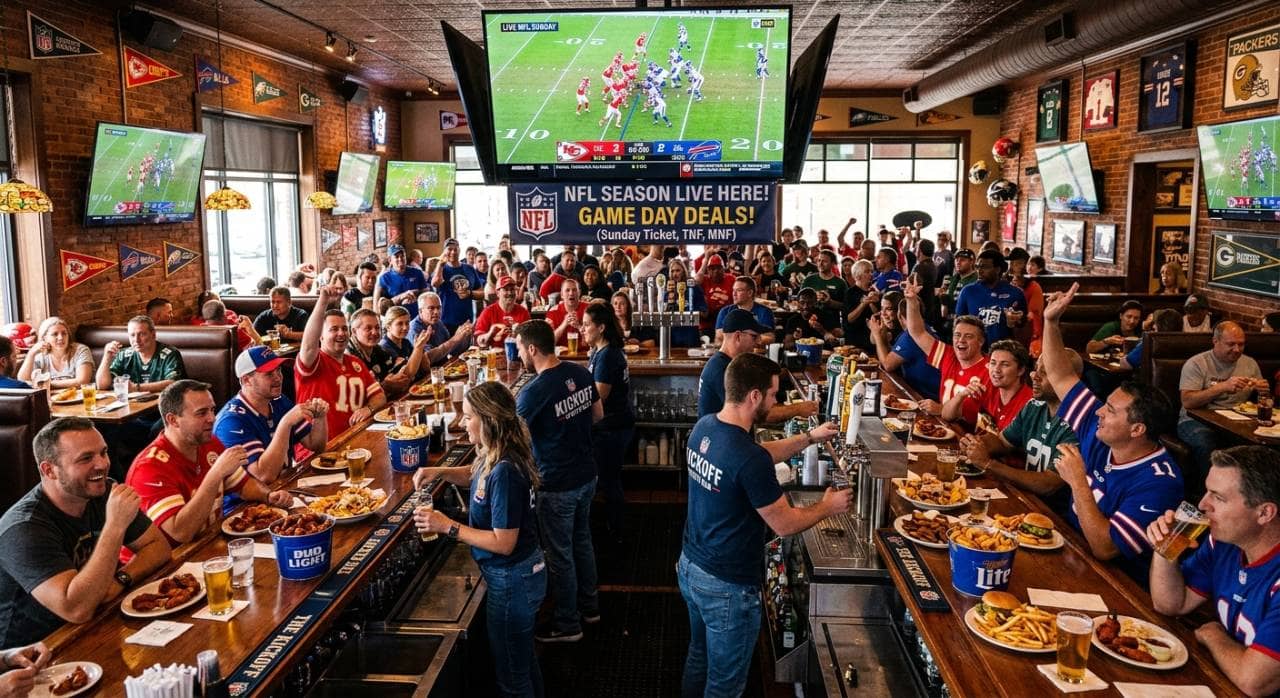
How to Prepare Your Restaurant for the NFL Season
Prepare your restaurant for NFL season with smart menu planning, staffing, marketing, technology, and atmosphere strategies that boost season-long revenue.
Marketing
Sep 9, 2026
Prepare your restaurant for NFL season with smart menu planning, staffing, marketing, technology, and atmosphere strategies that boost season-long revenue.
Sep 9, 2026
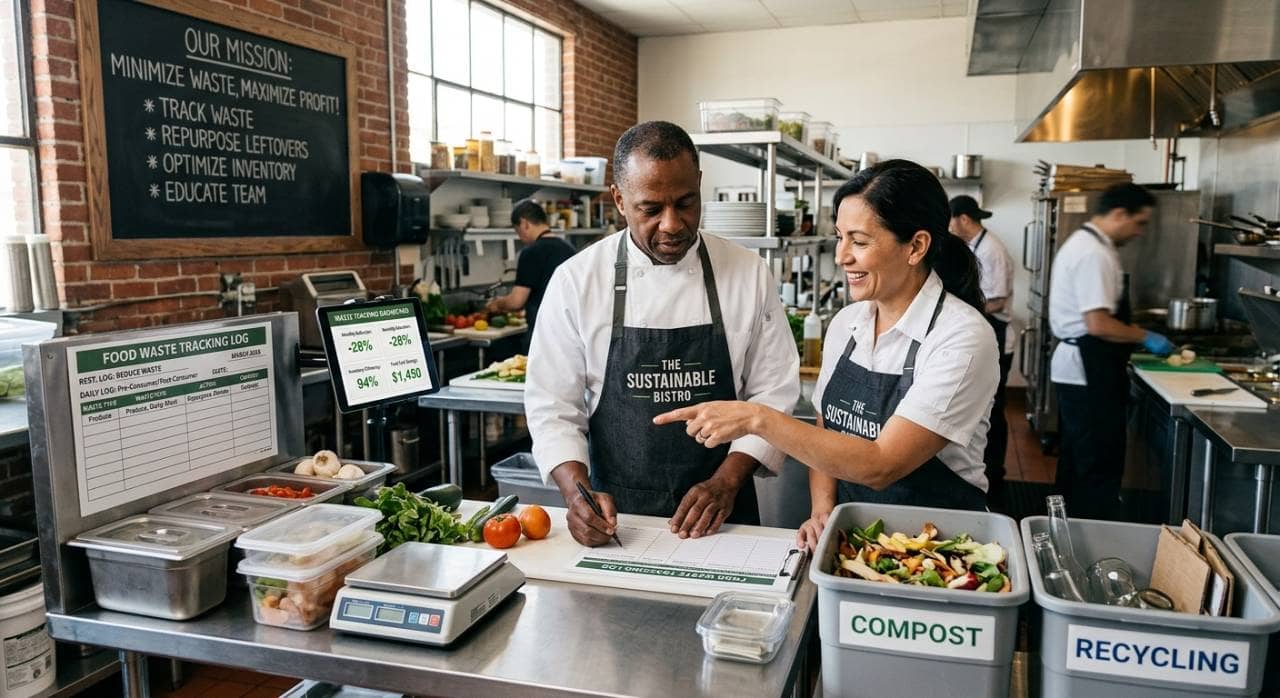
Learn how to reduce food waste in restaurants through smarter purchasing, storage, preparation, and service strategies that cut costs.
Sep 9, 2026
Swig signs franchise agreement for 11 South Denver locations, marking Colorado entry and validating its national expansion strategy.
Sep 8, 2026
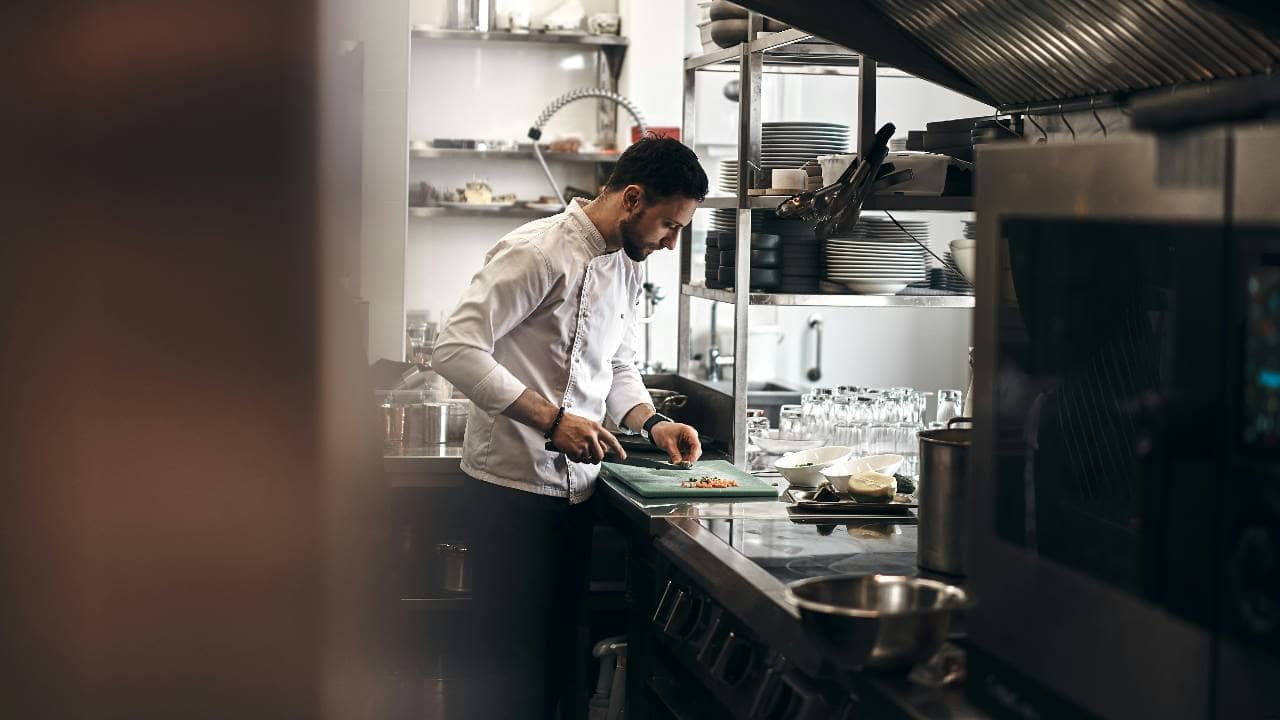
Complete guide helping restaurant owners choose essential kitchen equipment - covering cooking, refrigeration, prep, sanitation, ventilation, safety, and long-term maintenance planning.
Sep 7, 2026
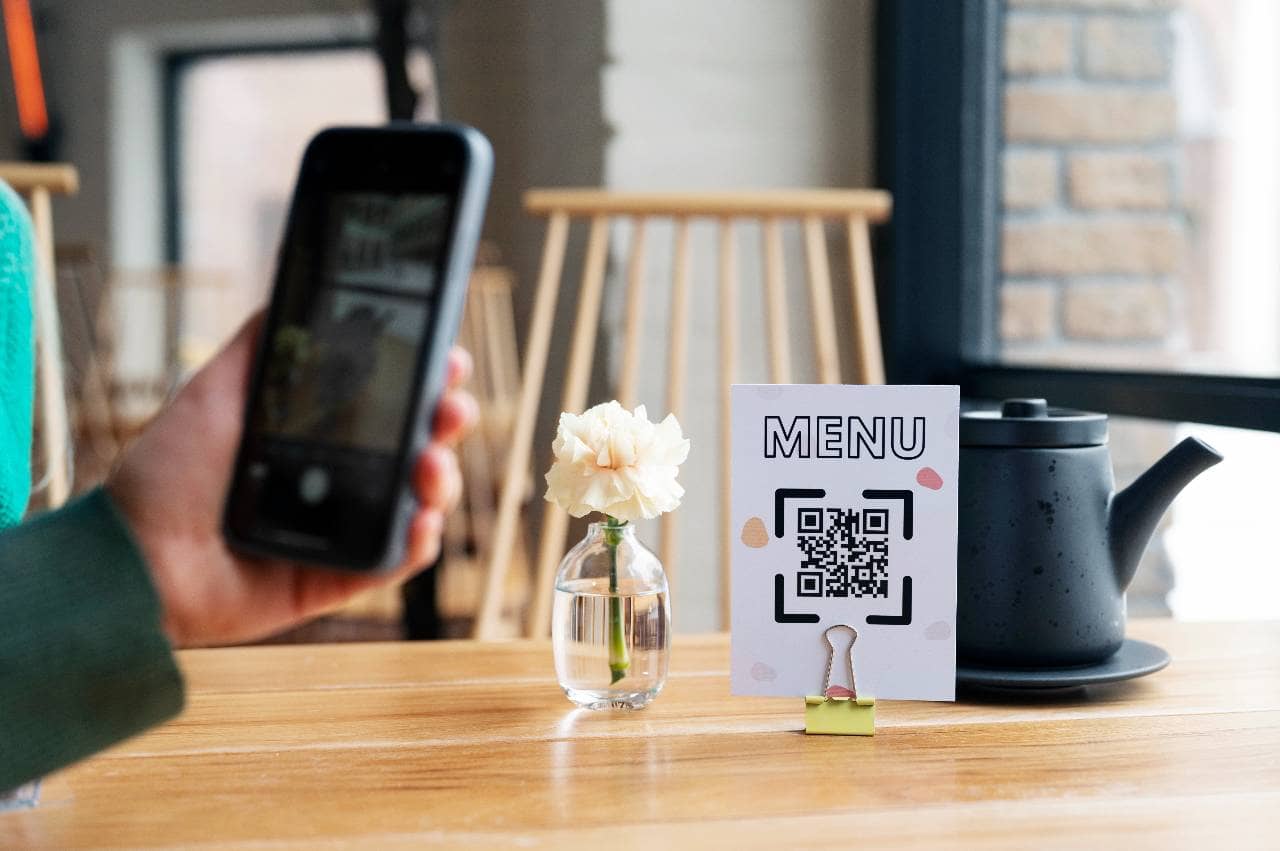
QR code menus let restaurants replace paper menus digitally, enabling instant updates, contactless browsing, ordering, and payment through simple smartphone scanning.
Sep 7, 2026

Avoiding common restaurant payroll mistakes - misclassification, tip credit errors, overtime miscalculations - protects businesses from costly penalties, back pay, and compliance risks.
Sep 4, 2026
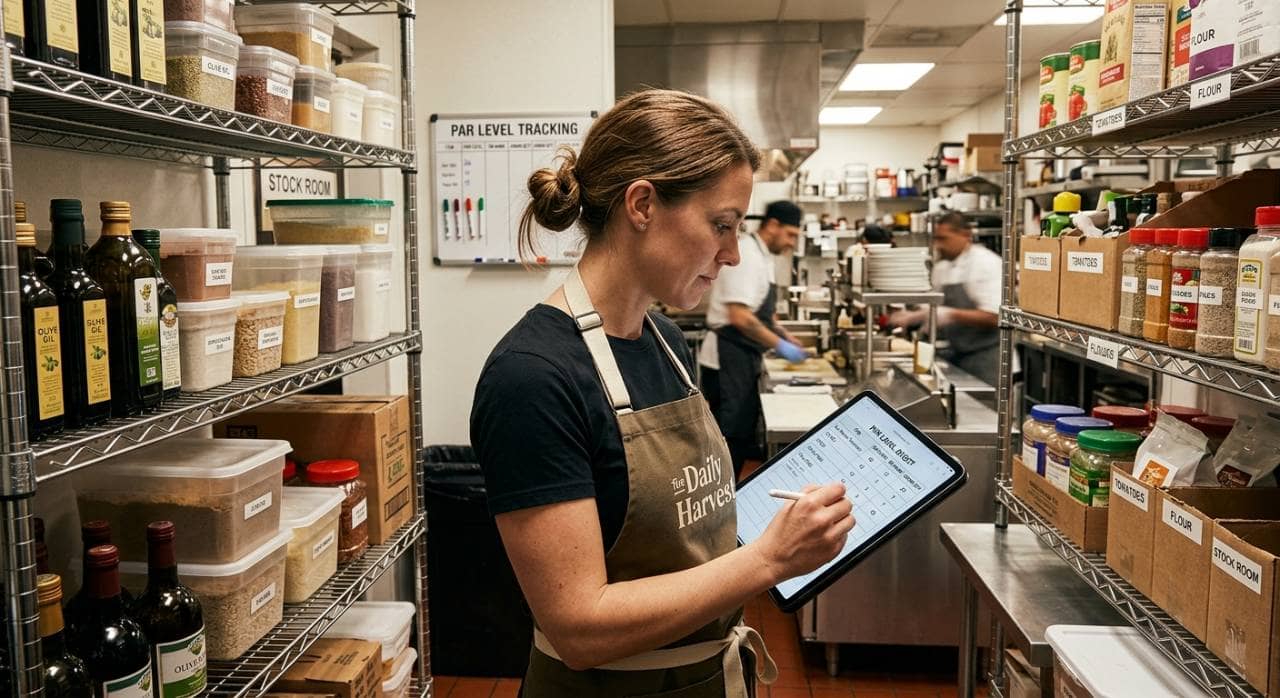
Learn to calculate par levels for restaurant food, beverages, and packaging inventory, preventing stockouts and waste through proper formulas.
Sep 4, 2026
Caribou Coffee appoints Zane Thomas-Rogers as Chief Operations Officer to strengthen execution across its expanding coffeehouse network.
Sep 4, 2026

Compare the top 10 restaurant POS systems in the USA for 2026. Explore features, pricing, pros, cons, and the best POS options for every restaurant type.
Jul 1, 2026

Learn how to handle restaurant payroll yourself, from calculating hours and wages to managing tips, taxes, and final paychecks.
Sep 2, 2026

Unlock Exclusive Access To Webinars, Events, And The Latest News For Free!
A nuanced look at tipping in independent restaurants, where wage policy, inflation, and local dynamics shape what guests tip and how workers fare.

Photo by Bernd 📷 Dittrich
Tipflation, tip creep, and tip fatigue have entered the public lexicon as everyday diners and local operators negotiate what tipping means in a moment of inflation. The human side of dining, ambiance, cultural discovery, social connection, and the ritual of hospitality, remains a powerful pull for customers, even as prices rise. In neighborhood spots, tipping is not merely discretionary; it’s a thread that helps sustain frontline teams and keep small menus vibrant. This section begins by tracing how a heated conversation about tipping sits at the intersection of value, fairness, and community: a place where data and lived experience meet: a place where the story moves into the numbers that follow.
Recent data reminds us that the debate sits inside a broader economic reality. Nationally, the tip average hovers around the high teens, with regional variations that point to a mosaic rather than a single rule. In late 2024 and early 2025, Toast’s platform data tracked by Axios painted a consistent picture: inflation pushed menu prices higher, yet tips still compensated staff in meaningful ways. States like Delaware and New Hampshire lead in generosity, while California often sits at the lower end. The message is clear: tipping remains essential for sustaining local ecosystems, but the reality varies by place and policy.
The stakes go beyond a single meal. Tipping supports the livelihoods of frontline workers and the ability of independent operators to maintain vibrant neighborhood dining. As a practice that touches wages, cost structures, and service culture, tipping deserves careful consideration in conversations about fairness, sustainability, and community resilience.
economics of running small, local eateries hinges on tipping as more than a discretionary gesture. Inflation has pushed prices up, while margins remain razor-thin. Industry data show roughly 5% pre-tax margins for many operators, making tip income a relief valve for staff livelihoods and a sustaining force for local dining. Clear tipping norms and transparent cost structures help both guests and workers navigate the new normal. Operators also grapple with wage policy, including the federal tipped wage and state variations, which shape guest expectations and how tips are credited.
To cover higher input costs and preserve margins, restaurants consider price adjustments, smarter scheduling, and the efficiency gains that technology can unlock. At the same time, wage policy changes, especially the federal tipped minimum wage of $2.13 per hour and state variations, shape what guests actually tip and how much of that gratuity goes to workers. The result is a nuanced landscape where tipping is both economic mechanism and social contract, negotiated differently across markets.
In policy discussions, tipping is often presented as a wage subsidy that can complicate wage fairness. As some operators experiment with different models, no-tipping formats in beverage-focused concepts, for example, hospitality culture remains a central challenge: keeping service quality and staff retention intact while margins stay tight.

Under federal law, tipped workers may be paid a cash wage as low as $2.13 per hour, provided the combination of cash wage and tips meets or exceeds the minimum wage. Many states set higher minimums and different tip-credit rules. This legal backdrop matters because it directly affects what staff actually take home and how much guests’ tips contribute to reaching the wage floor. In practice, servers rely on tips to reach or exceed the standard wage, and some states require that tipped workers receive a portion of total compensation in cash wages rather than tips alone.
State variations further shape expectations and budgeting. Some jurisdictions cap tip credits or prohibit them altogether, and others require that a portion of compensation comes from cash wages. The practical effect is that guest expectations and staff earnings can differ widely across markets, reinforcing that tipping is not a uniform practice but a mosaic of rules and norms.
For operators, the outcome is a constant calibration of guest experience, wage fairness, and profitability, especially in educating guests about how tips contribute to income and how policy shapes staffing budgets.

Industry debates echo a mix of concern for workers and skepticism about how tipping is framed. As one prominent industry executive argued, “an uneven playing field. If you are a restaurant that allows tips or has tips as part of your equation, you’re essentially getting the customer to pay for your labor and you’re getting an extra benefit from no taxes on tips.” The sentiment highlights the tension between tipping as a wage subsidy and the political conversations about tax treatment. Operators who have tried tipping models, such as no-tipping formats in some beverage concepts, emphasize that keeping staff engaged and hospitality-focused remains a core challenge.
Data-driven analyses reinforce that staff livelihoods and the social value of local dining matter, even as operators seek margin stability in an inflationary environment. The tension between guests’ expectations and a fair wage for service is a live conversation, one that plays out differently by market and by concept.

Independent restaurants continue to wrestle with rising food and labor costs while pre-tax margins hover around 5%. To stay profitable, operators lean into pricing, scheduling, and technology-enabled efficiency. National data from the National Restaurant Association highlights the inflationary challenge: higher input costs demand thoughtful responses across pricing and operations. The tipping landscape remains in flux as policymakers scrutinize how tips are taxed or credited, adding a layer of uncertainty for capital planning.
As of January 1, 2026, state minimums and tip credits continue to vary, reinforcing that tipping practices are not uniform nationwide. Fragmentation in wage policy, coupled with regional tipping patterns, often in the upper teens to low twenties, calls for tailored strategies. Observers will watch for legislative signals on tax treatment of tips and proposed reforms to tipped wages, while operators adapt pricing and labor models to inflation and uncertainty.
The coming months will test how well independent restaurants translate data into stable planning, pricing transparency, staffing efficiency, and communication with guests about tipping’s role in income.

Beyond headline tipping figures, industry signals point to a moment shaped by data and technology. SpotOn’s 2025 Restaurant Business Report notes that better reporting, real-time insights, and smarter funding can stabilize cash flow, while pricing remains a weak link, 73% of operators lack full confidence in their pricing. The regional Toast data landscape confirms that tipping varies by market, with California often at the lower end and other states at or above 20%. Some concepts have even experimented with no-tipping models, showing there is no universal answer to balancing service and wages.
The takeaway is clear: local context matters as much as national averages. Data from 2025 and 2026 continue to show tipping in the upper teens to low twenties in many markets, underscoring that a one-size-fits-all approach to tipping loses sight of diverse guest expectations and wage laws.
Against a backdrop of inflation and wage debate, the sustaining truth for independent restaurants remains: tipping is a meaningful contributor to staff livelihoods and to the vitality of local dining ecosystems. The path forward calls for clearer communication about tipping’s role in income, continued investment in tools that improve service efficiency, and policies that balance fair wages with guest affordability. Diners can support neighborhood spots by recognizing the effort behind hospitality and tipping in a way that reflects service quality and local costs. Operators, in turn, can use data to calibrate pricing, staffing, and incentives while preserving the human, thoughtful hospitality that makes local dining nourishing.
The thoughtful balance, between wage fairness and guest value, remains the guiding principle. When we talk about tipping, we should keep the human story at the center: the cooks, the servers, and the neighbors who keep a vibrant, nourishing ecosystem thriving.
