California Penalizes Dickey's for Franchise Disclosure Violations
California shifts to public enforcement strategy against Dickey's for deceptive franchise disclosures, signaling stricter state-level franchise oversight.
Franchising
Sep 10, 2026
California shifts to public enforcement strategy against Dickey's for deceptive franchise disclosures, signaling stricter state-level franchise oversight.
Sep 10, 2026
Paul Brown temporarily steps away from Inspire Brands as Scott Murphy assumes interim CEO role during confidential IPO filing process targeting late 2026.
Sep 10, 2026
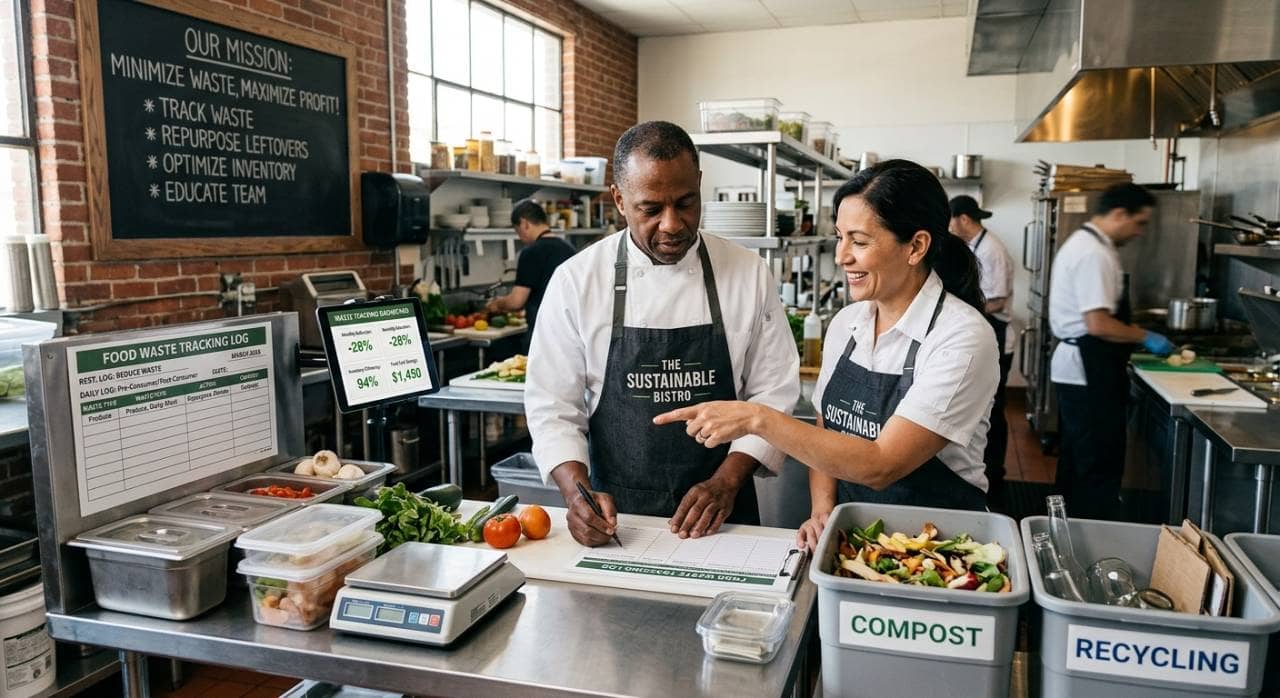
Learn how to reduce food waste in restaurants through smarter purchasing, storage, preparation, and service strategies that cut costs.
Sep 9, 2026
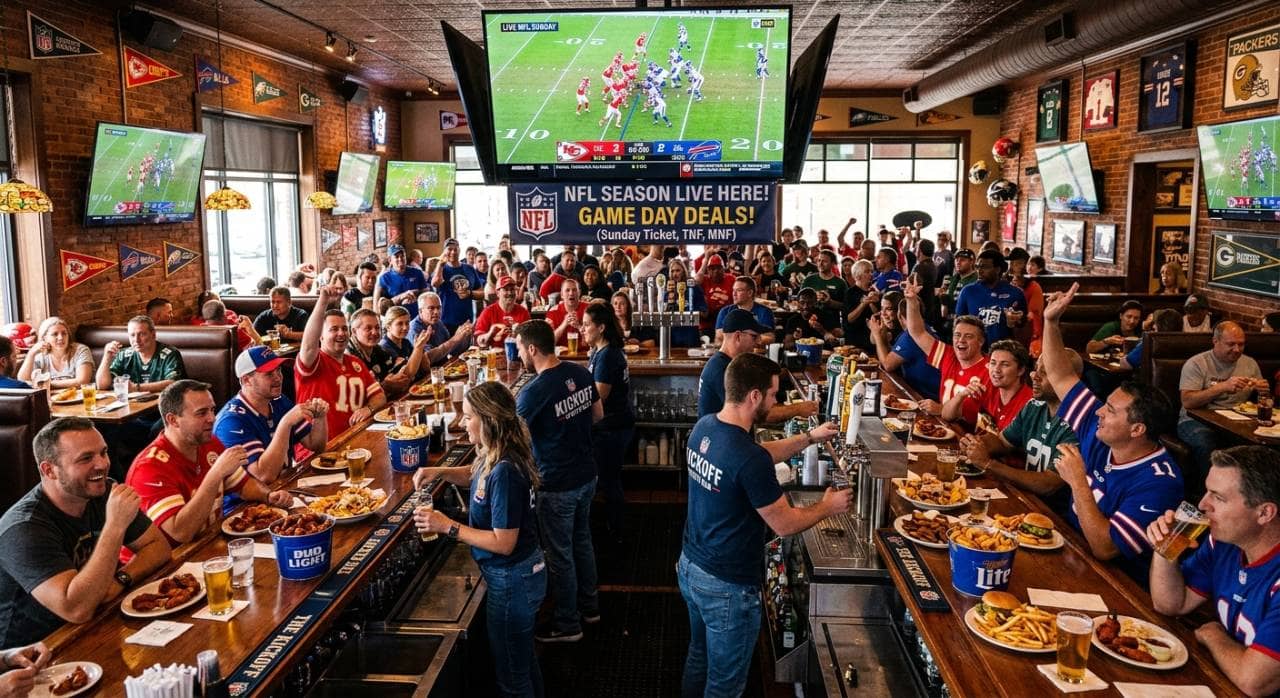
Prepare your restaurant for NFL season with smart menu planning, staffing, marketing, technology, and atmosphere strategies that boost season-long revenue.
Sep 9, 2026
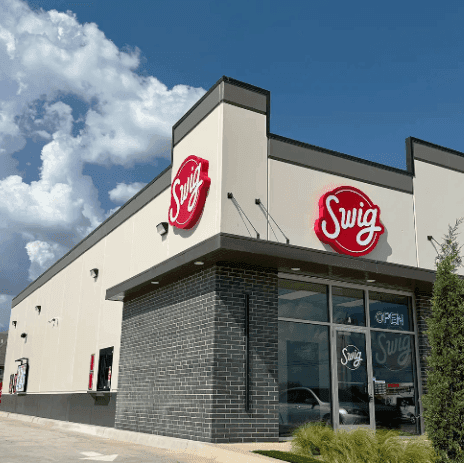
Swig signs franchise agreement for 11 South Denver locations, marking Colorado entry and validating its national expansion strategy.
Sep 8, 2026
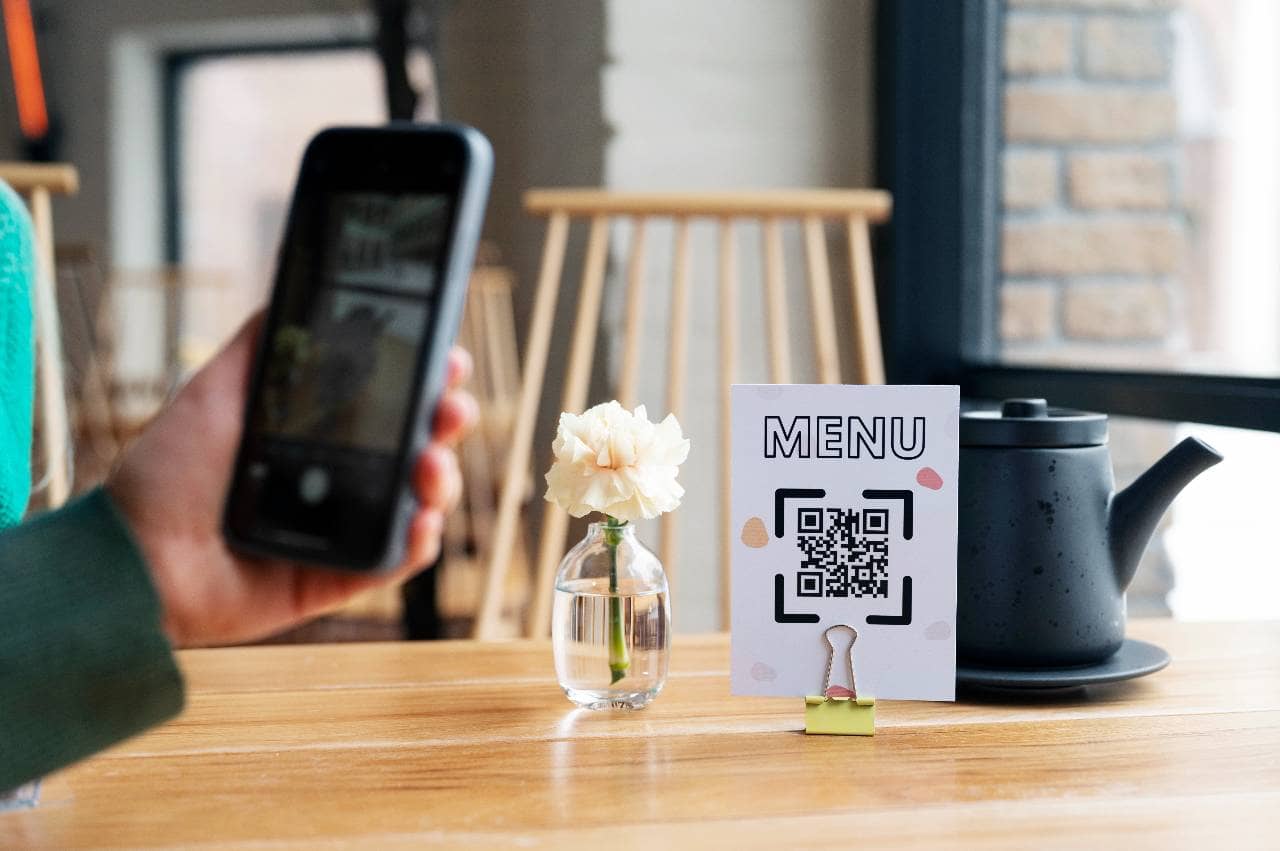
QR code menus let restaurants replace paper menus digitally, enabling instant updates, contactless browsing, ordering, and payment through simple smartphone scanning.
Sep 7, 2026
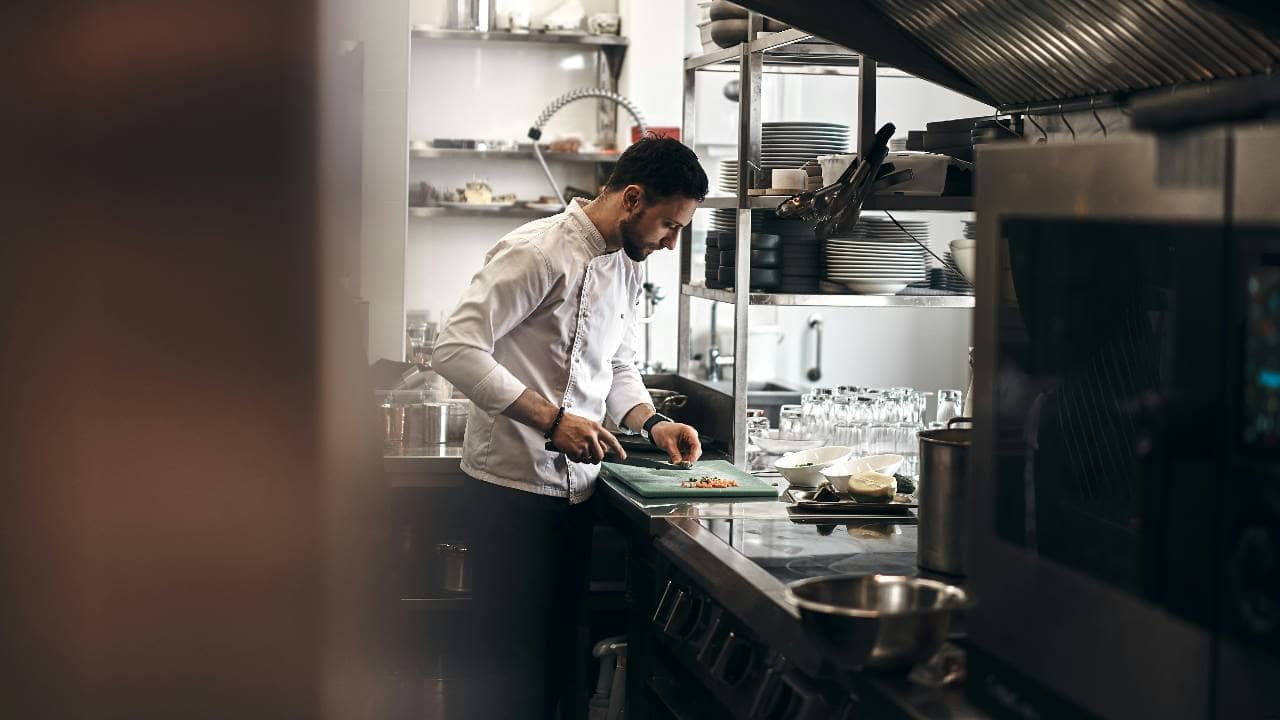
Complete guide helping restaurant owners choose essential kitchen equipment - covering cooking, refrigeration, prep, sanitation, ventilation, safety, and long-term maintenance planning.
Sep 7, 2026

Avoiding common restaurant payroll mistakes - misclassification, tip credit errors, overtime miscalculations - protects businesses from costly penalties, back pay, and compliance risks.
Sep 4, 2026
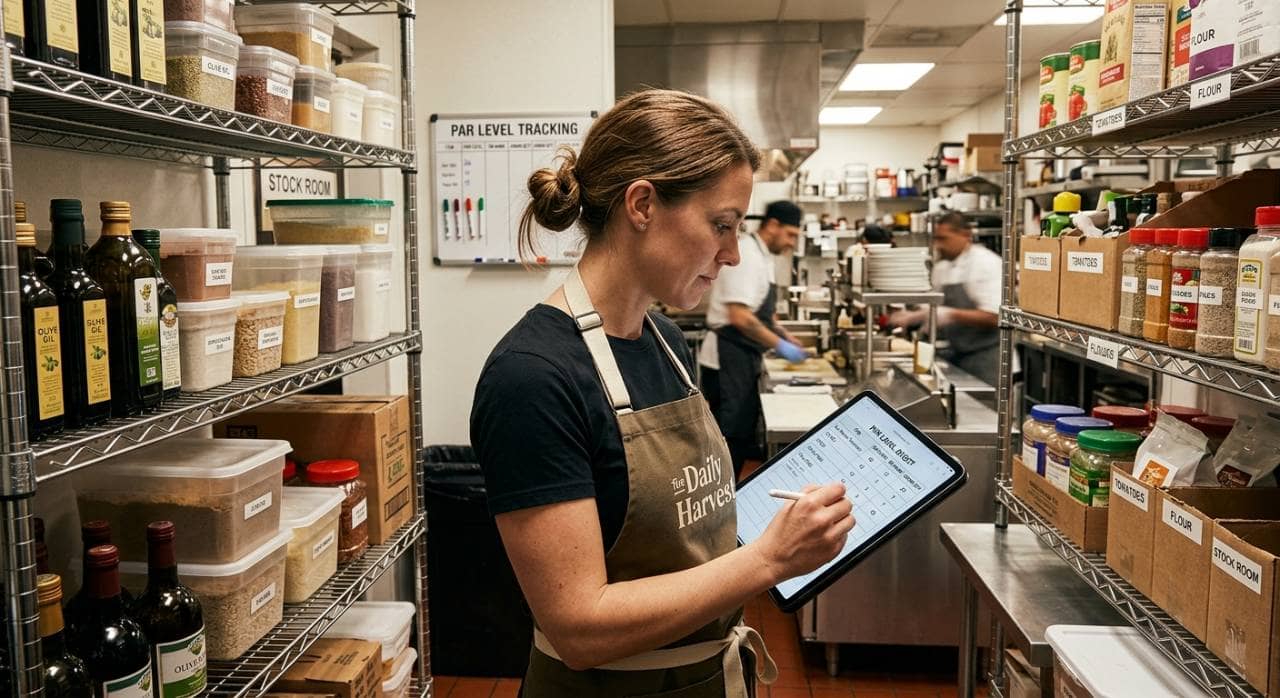
Learn to calculate par levels for restaurant food, beverages, and packaging inventory, preventing stockouts and waste through proper formulas.
Sep 4, 2026
Caribou Coffee appoints Zane Thomas-Rogers as Chief Operations Officer to strengthen execution across its expanding coffeehouse network.
Sep 4, 2026

Unlock Exclusive Access To Webinars, Events, And The Latest News For Free!
Mina Haque steers Tony Roma’s toward a leaner, global growth path with smaller formats, menu modernization, and stronger franchise partnerships.

Photo by engin akyurt
Tony Roma’s has spent 54 years perfecting ribs and a casual vibe. Now, a new era begins under Mina Haque, the brand’s first female chief executive. Haque arrived as Romacorp’s outside general counsel in 2021, served as interim CEO in June 2023, and earned the permanent title, signaling a deliberate blend of continuity and evolution. The leadership shift is framed as governance stability with a growth agenda, not a drastic overhaul. It’s a measured move that treats a legacy brand as a living operation, not a museum piece: a chain that can learn while it cooks. The company positions the move as steady progress toward modernized growth and renewed confidence in the brand.
This move isn’t a punchy shakeup; it’s a deliberate call for balance. The board and executive team aim to marry legal due diligence and operational execution to refresh a legacy brand for today’s diner. The public framing emphasizes continuity, same core flavors and service ethos, while quietly advancing a growth plan built on discipline and measured risk. In other words, they are steering toward a 2.0 version that respects the past while forcing a more deliberate path forward.
Turnaround mechanics rest on a cost-conscious, prototype-driven approach. The chain previously faced prohibitive buildout costs, up to $3 million per store. In 2022, Tony Roma’s rolled out a 3,000-square-foot prototype that shaved development costs by roughly 30%, bringing current buildout expenditures to about $1.7 million per unit. It isn’t just cheaper bricks; it’s a faster, more flexible expansion play. The franchisor also lowered franchise fees and widened operator options, easing capital pressure and accelerating international growth. The math is simple: smaller formats, better unit economics, and more repeatable rollouts across markets.
This shift has a practical punchline: lower costs free up capital for expansion, and lower fees tilt the economics in favor of franchisees. By making footprints leaner and processes more repeatable, Tony Roma’s aims to attract new partners and push international growth into a more aggressive phase. It’s a structural change, not a single promo. The result should be clearer unit economics and a steadier cadence of stores opening, especially where the brand’s rib focus resonates most.
Menu innovations are the frontline of the refresh. Tony Roma’s balances tradition with experimentation, introducing items like cauliflower ribs while continuing to lean on crowd-pleasers such as onion loaf, baby back ribs, Memphis burgers, and steak. The approach mirrors Haque’s broader strategic intent: innovate with sustainability in mind, refresh the guest experience, and do so without alienating longtime patrons. Industry observers see the program as part of a larger reinvestment in operations and brand equity designed to reestablish Tony Roma’s as a leading global franchise.
The culinary evolution is paired with operational reinvestment, a deliberate plan to keep the cooking honest while offering new concepts that appeal to today’s diners. The cauliflower rib concept isn’t a gimmick; it’s a test alongside core favorites, designed to gauge appetite for modern sides and lighter protein options. In short, the kitchen becomes a laboratory that respects the rib tradition even as it labs for broader guest appeal and better sustainability metrics.
Reaction to the leadership shift centers on synergistic potential: a CEO with deep legal and organizational experience guiding a brand seeking to harmonize legacy equity with modern operations. Trade press has framed Haque’s leadership as a 2.0 pivot, spotlighting disciplined growth, technology-enabled operations, and a renewed emphasis on franchise partnerships. While the sentiment is positive, observers stress that execution will hinge on keeping franchisees confident, aligning incentives, and delivering tangible improvements in guest experience and profitability.
External recognition, including a Gold Stevie Award in 2025 for organizational recovery, reinforces the credibility of the turnaround narrative. The leadership message remains steady: expand thoughtfully, push technology into the flow of operations, and nurture franchise relationships. That blend, governance wisdom with growth execution, defines the current chapter: a brand seeking to translate history into durable, global momentum.

Gaps and uncertainties come with a private, franchised system. Publicly disclosed financials and unit economics are limited by the structure, and execution risk remains as the network absorbs new formats and partnerships. Observers will watch for concrete milestones, expansion counts, improved unit economics, and guest-satisfaction metrics, over the next 12–24 months to gauge whether the 2.0 program delivers sustained profitability and brand momentum across continents.
Still, the momentum is tangible: Haque’s cross-functional background and the brand’s expanding international footprint point to deeper global engagement and ongoing reinvention. If the next two years deliver measurable improvements in guest experience and franchise economics, Tony Roma’s will have earned a credible reboot rather than a temporary pause in rib-sales chatter.