California Penalizes Dickey's for Franchise Disclosure Violations
California shifts to public enforcement strategy against Dickey's for deceptive franchise disclosures, signaling stricter state-level franchise oversight.
Franchising
Sep 10, 2026
California shifts to public enforcement strategy against Dickey's for deceptive franchise disclosures, signaling stricter state-level franchise oversight.
Sep 10, 2026
Paul Brown temporarily steps away from Inspire Brands as Scott Murphy assumes interim CEO role during confidential IPO filing process targeting late 2026.
Sep 10, 2026
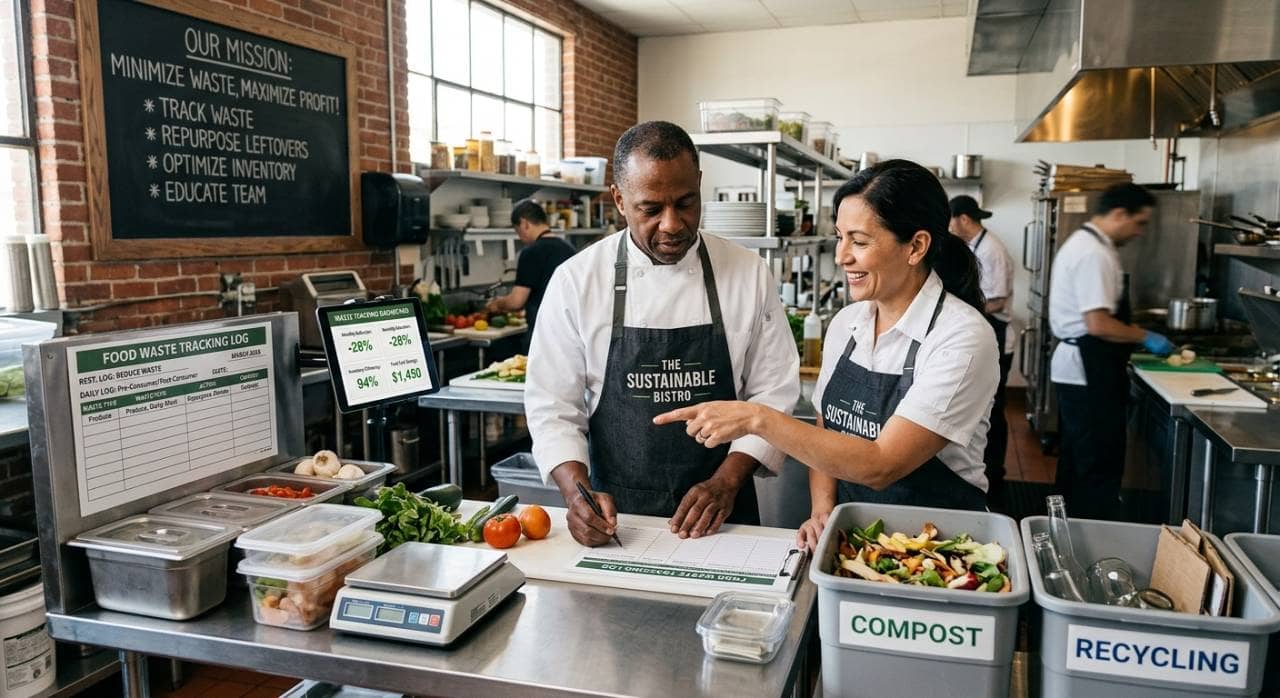
Learn how to reduce food waste in restaurants through smarter purchasing, storage, preparation, and service strategies that cut costs.
Sep 9, 2026
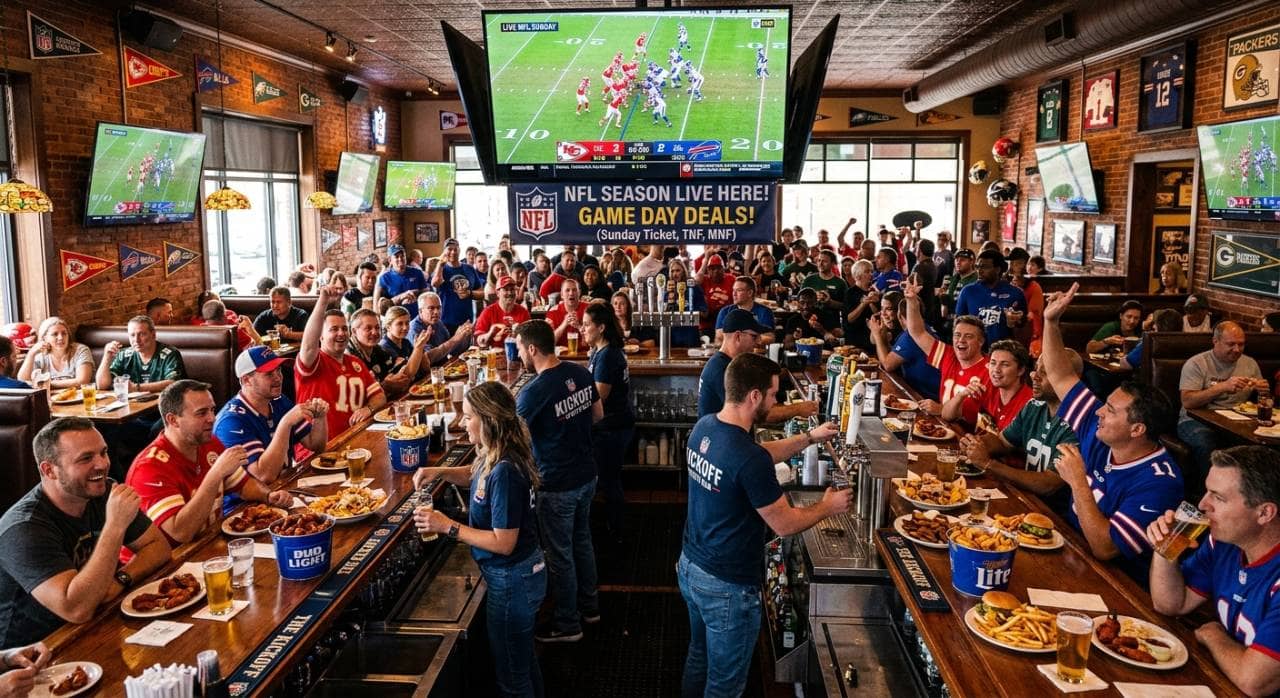
Prepare your restaurant for NFL season with smart menu planning, staffing, marketing, technology, and atmosphere strategies that boost season-long revenue.
Sep 9, 2026
Swig signs franchise agreement for 11 South Denver locations, marking Colorado entry and validating its national expansion strategy.
Sep 8, 2026
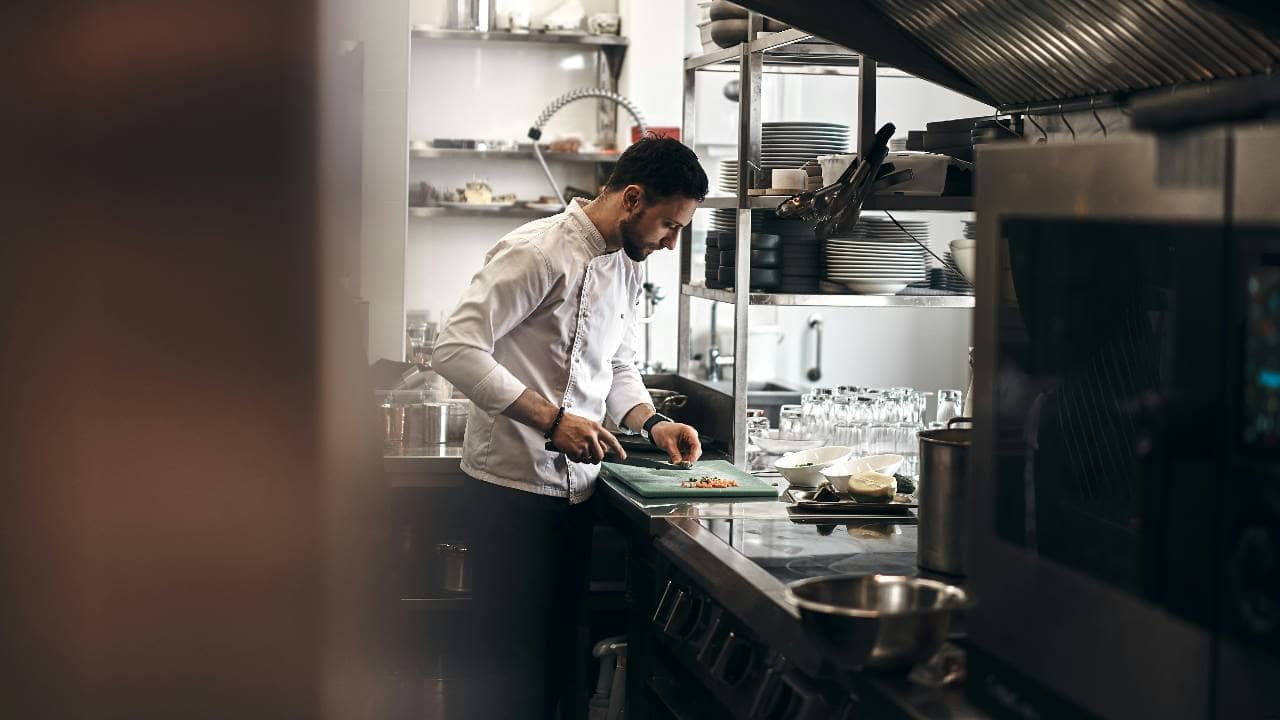
Complete guide helping restaurant owners choose essential kitchen equipment - covering cooking, refrigeration, prep, sanitation, ventilation, safety, and long-term maintenance planning.
Sep 7, 2026
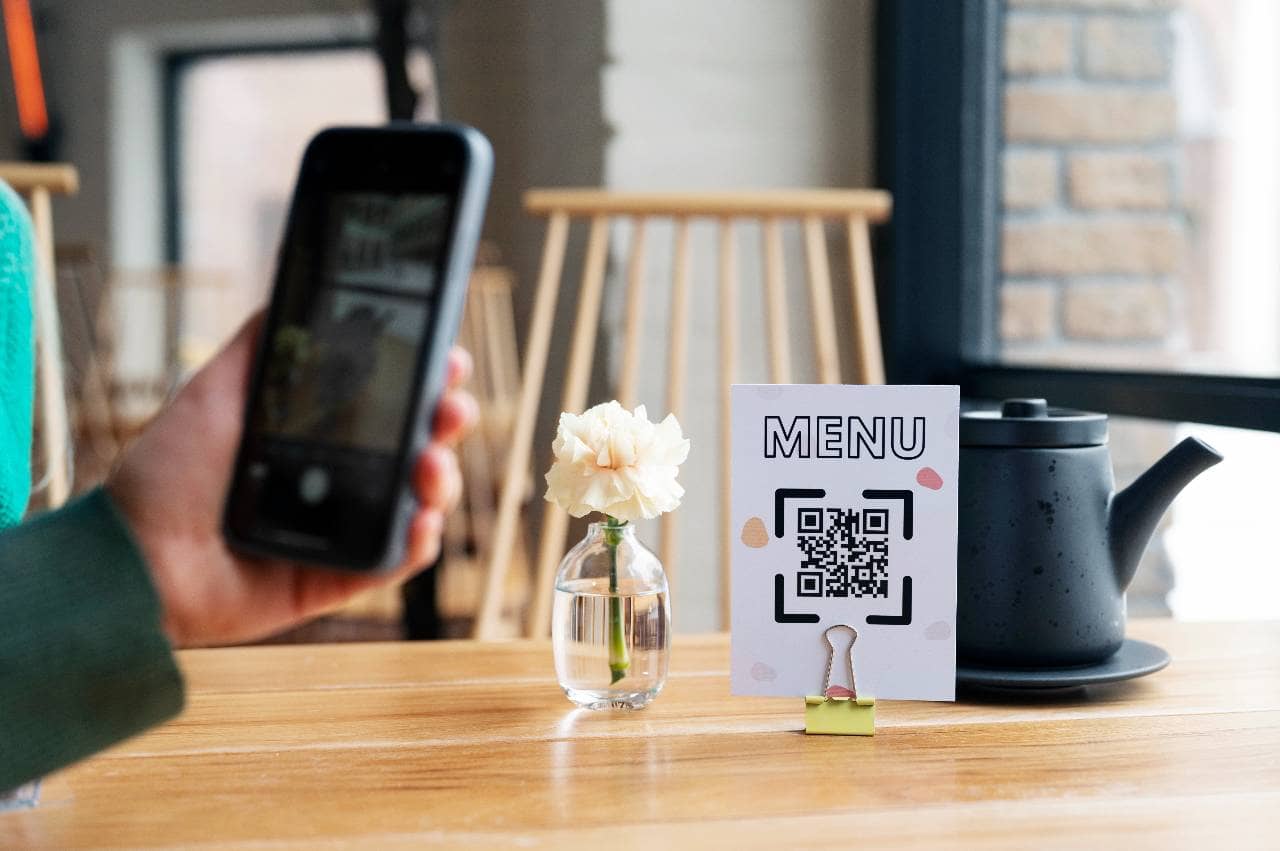
QR code menus let restaurants replace paper menus digitally, enabling instant updates, contactless browsing, ordering, and payment through simple smartphone scanning.
Sep 7, 2026

Avoiding common restaurant payroll mistakes - misclassification, tip credit errors, overtime miscalculations - protects businesses from costly penalties, back pay, and compliance risks.
Sep 4, 2026
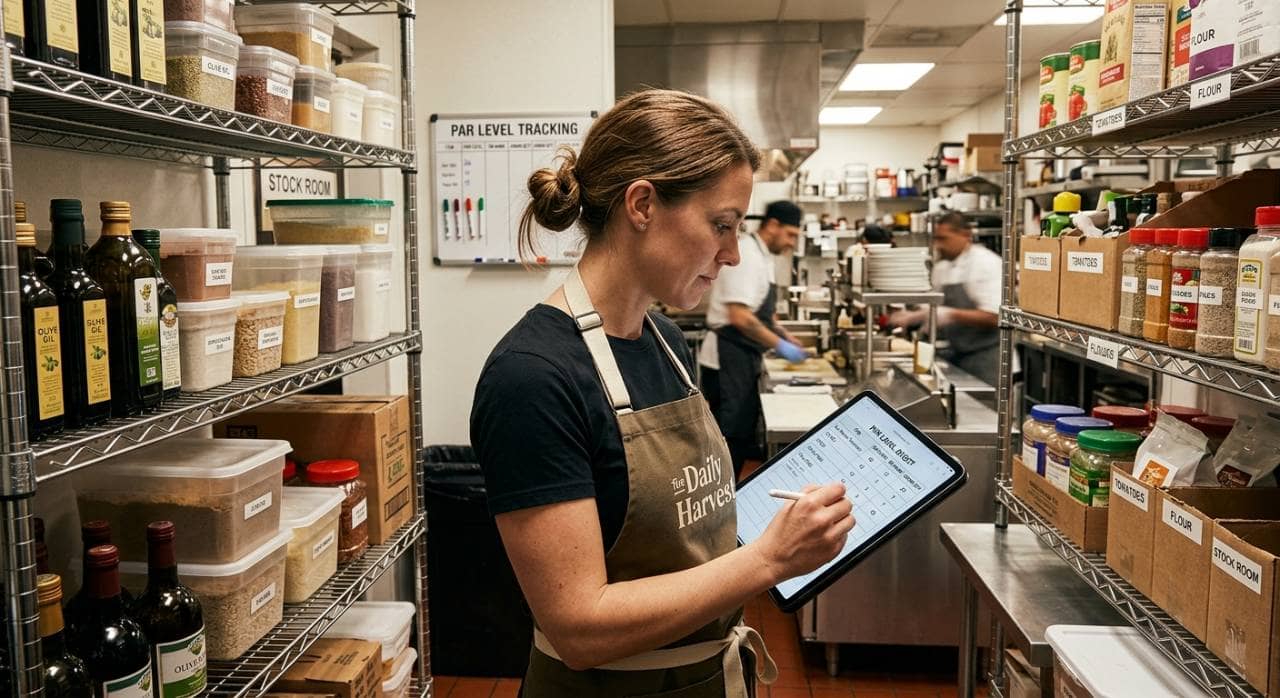
Learn to calculate par levels for restaurant food, beverages, and packaging inventory, preventing stockouts and waste through proper formulas.
Sep 4, 2026
Caribou Coffee appoints Zane Thomas-Rogers as Chief Operations Officer to strengthen execution across its expanding coffeehouse network.
Sep 4, 2026

Unlock Exclusive Access To Webinars, Events, And The Latest News For Free!
Chick-fil-A's McDonough prototype blends a second-floor kitchen with a conveyor system to deliver fast, hospitality-driven service across digital and in-person channels.

Photo by Abdul Raheem Kannath
Chick-fil-A is turning a corner on restaurant design with its McDonough prototype, a two-story, four-lane elevated drive-thru that blends speed with the brand’s hallmark hospitality. The building places a kitchen on the second floor and uses a conveyor belt to deliver meals down to ground-level team members. The aim is to reimagine traffic flow in tight spaces, proving that space and seconds can be managed together rather than fought over. With capacity for about 75 cars across four lanes and no dine-in area, the concept nudges the industry toward a more omnichannel future shaped by real estate realities and evolving guest habits.
This opening feels sober and purposeful: it’s not about spectacle, but about aligning supply, space, and service in a way that keeps a balanced, nourishing dining experience in view. The concept marks the second test store in 2023, following a Mobile Pickup concept in New York City, and points toward a portfolio-wide exploration of vertical solutions when land is scarce. As a narrative about where hospitality meets logistics, McDonough invites readers to watch how a brand can stay warm in a high-velocity setting.

Two Mobile Thru lanes flank two traditional in-person lanes, offering guests a choice without compromising efficiency. The design is described by Jonathan Reed, the executive director of design, as a deliberate push toward omnichannel service, where every interaction, digital or on-site, remains anchored in hospitality. The McDonough store embodies a broader strategy to test vertical space as a real estate solution, not merely as novelty. With the store opening in late August 2024, the prototype is positioned as a learning platform that informs future experimentation across Chick-fil-A’s portfolio.
The operational heartbeat is simple on the surface: fast, accurate delivery of meals, a clear path for guests choosing digital vs. in-person ordering, and a frontline experience that preserves warmth. The concept’s front-door branding and entry cues were refined to guide first-time visitors through the new layout, reducing the cognitive load on both guests and staff. It’s a careful reminder that even in a high-tech flow, hospitality remains a non‑negotiable at the first touchpoint.
Hospitality Across Multiple Channels sits at the center of the McDonough experiment. Reed has emphasized that the dining experience should feel consistent whether guests order digitally or in person. “We’re dedicated to the genuine hospitality that will always show up in any channel that we’re in, so every meal at this elevated drive-thru will be delivered by a team member. That’s a non‑negotiable for us,” Reed is quoted as saying in coverage of the launch. The frontline remains the anchor, even as automation and the conveyor system enable higher throughput and more predictable pacing.
This approach signals a deliberate effort to blend personal service with digital convenience. The Mobile Thru lanes, in particular, anchor hospitality by ensuring meals are handed to team members at the pickup point, reinforcing the brand’s warmth amid a technologically enabled flow. It is a reminder that omnichannel isn’t about replacing people with machines; it’s about ensuring people can connect with the brand wherever they interact.
Timeline, Targets, and Immediate Impact place the McDonough prototype in a measured context. Opened in late August 2024, the store sits beside Chick-fil-A’s Mobile Pickup concept in New York City as part of a broader prototype strategy designed to test new architectures for speed, convenience, and a personal touch. The company outlines three evaluation pillars, customer experience, employee operations, and financial outcomes, but has not disclosed specific financial targets. “Success will be judged on speed, taste, convenience, and overall satisfaction, along with team-member effectiveness and the usability of new systems,” Reed notes. The elevated drive-thru is treated as a prototype whose learnings will inform decisions about future portfolio moves.
Industry coverage and Chick-fil-A’s disclosures frame McDonough as a proof-of-concept designed to absorb higher volumes than a traditional store, with potential spillover into other formats if early results prove favorable. The NYC Mobile Pickup concept reinforces a broader lesson: digital-first strategies can coexist with traditional drive-thru models, expanding access points, speeding pickups, and clarifying paths for both digital and in-person customers. The leadership positions the prototype as a real-world test that informs broader rollout decisions grounded in data and staff performance.

Gaps, Uncertainties, and What Comes Next acknowledge that, despite the ambitious design, several questions remain. Financial targets for McDonough have not been disclosed, and scalable implementation across diverse markets will depend on measurable gains in throughput, labor efficiency, and guest satisfaction. Leadership frames the prototype as a learning platform: “We’ve got one that we’ll learn from, and we’ve got some good hypotheses that we’ll be testing, but we’ll be patient and diligent about it. The hope is that we’ll knock it out of the park and then start making some decisions about how we breathe this into our portfolio of offerings.” The careful, data-driven stance hints at a gradual, deliberate expansion path rather than a quick rollout.
If the hypotheses hold, the elevated-drive-thru could become a core element of how Chick-fil-A broadens its omnichannel footprint. The leadership describes the test as an opportunity to refine workflows before breathing the concept into the broader portfolio. The NYC site demonstrates how multiple formats can coexist, enabling a more resilient footprint that adapts to digital demand, third-party delivery, and in-restaurant traffic. The bottom line, as industry observers note, is hospitality as the throughline, no matter the channel, and space optimized for speed, accuracy, and human care.