
California Penalizes Dickey's for Franchise Disclosure Violations
California shifts to public enforcement strategy against Dickey's for deceptive franchise disclosures, signaling stricter state-level franchise oversight.
Franchising
Sep 10, 2026
California shifts to public enforcement strategy against Dickey's for deceptive franchise disclosures, signaling stricter state-level franchise oversight.
Sep 10, 2026
Paul Brown temporarily steps away from Inspire Brands as Scott Murphy assumes interim CEO role during confidential IPO filing process targeting late 2026.
Sep 10, 2026
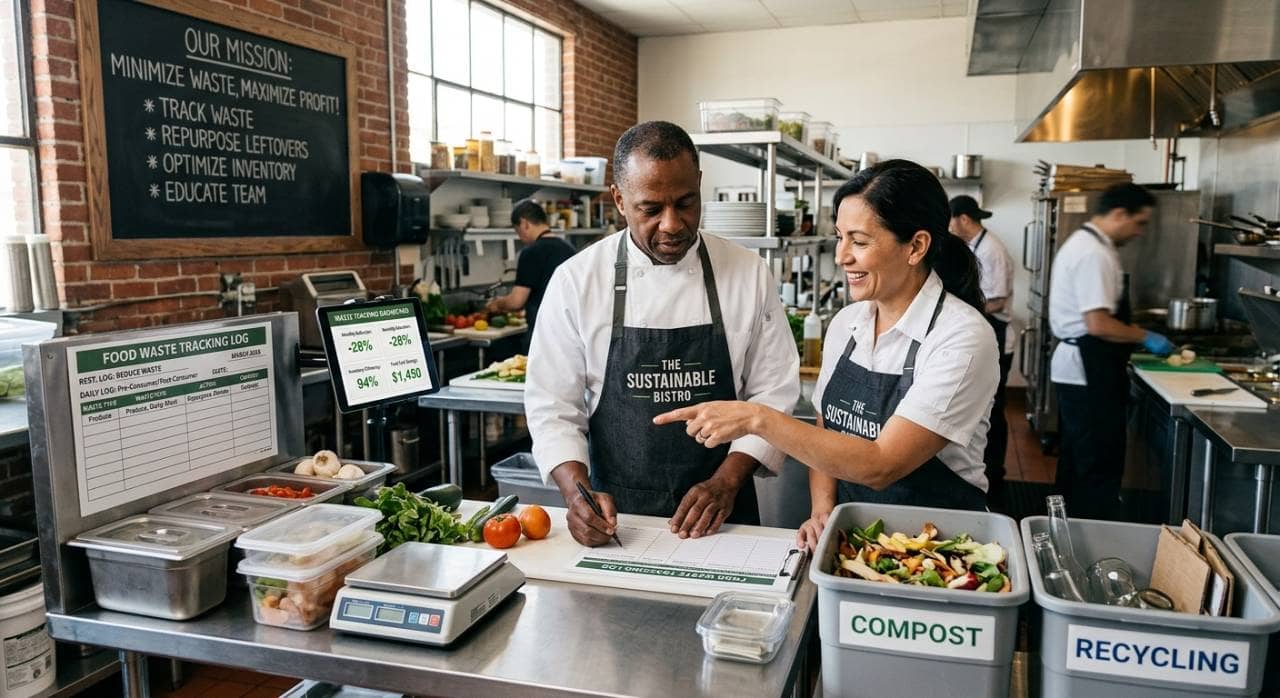
Learn how to reduce food waste in restaurants through smarter purchasing, storage, preparation, and service strategies that cut costs.
Sep 9, 2026
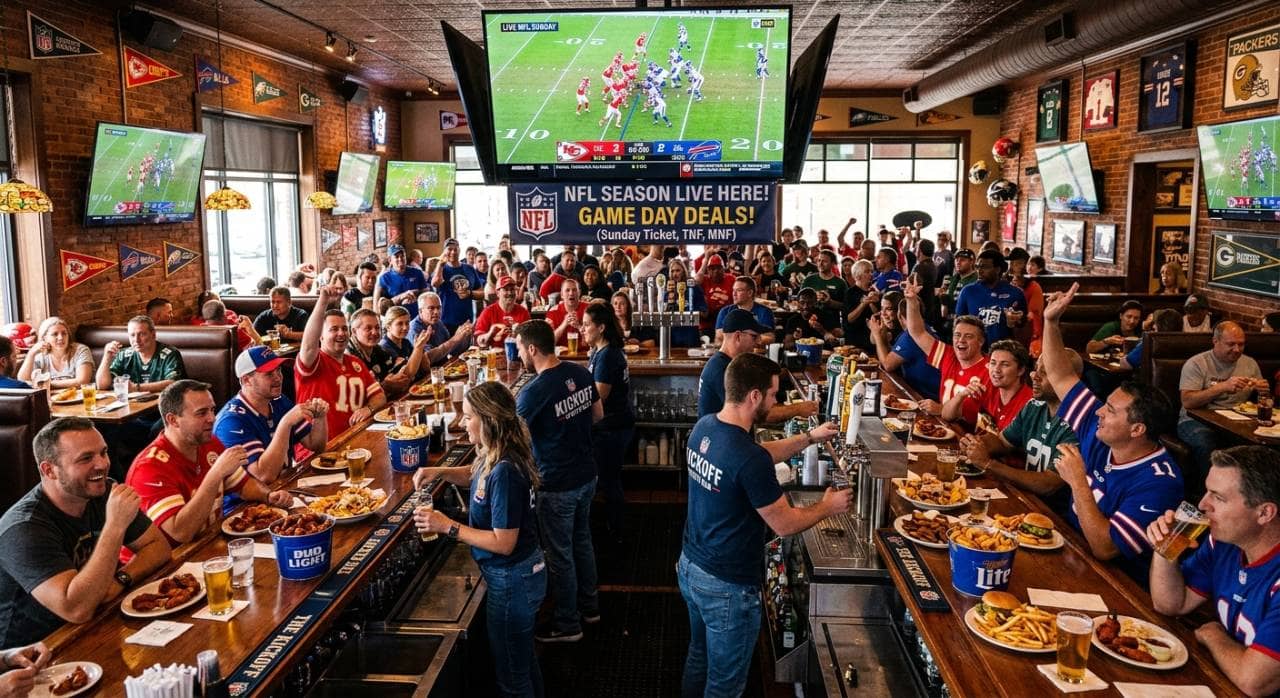
Prepare your restaurant for NFL season with smart menu planning, staffing, marketing, technology, and atmosphere strategies that boost season-long revenue.
Sep 9, 2026
Swig signs franchise agreement for 11 South Denver locations, marking Colorado entry and validating its national expansion strategy.
Sep 8, 2026

Complete guide helping restaurant owners choose essential kitchen equipment - covering cooking, refrigeration, prep, sanitation, ventilation, safety, and long-term maintenance planning.
Sep 7, 2026
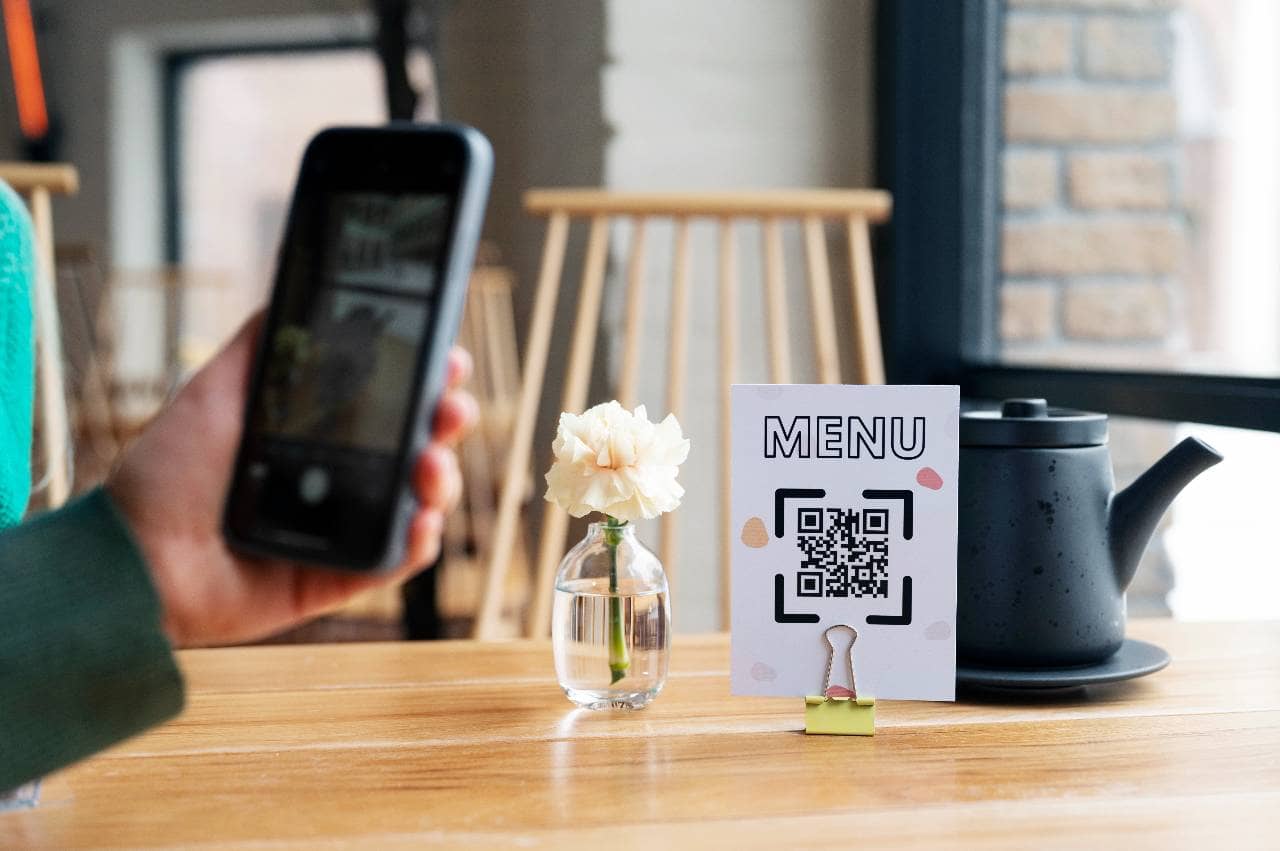
QR code menus let restaurants replace paper menus digitally, enabling instant updates, contactless browsing, ordering, and payment through simple smartphone scanning.
Sep 7, 2026

Avoiding common restaurant payroll mistakes - misclassification, tip credit errors, overtime miscalculations - protects businesses from costly penalties, back pay, and compliance risks.
Sep 4, 2026
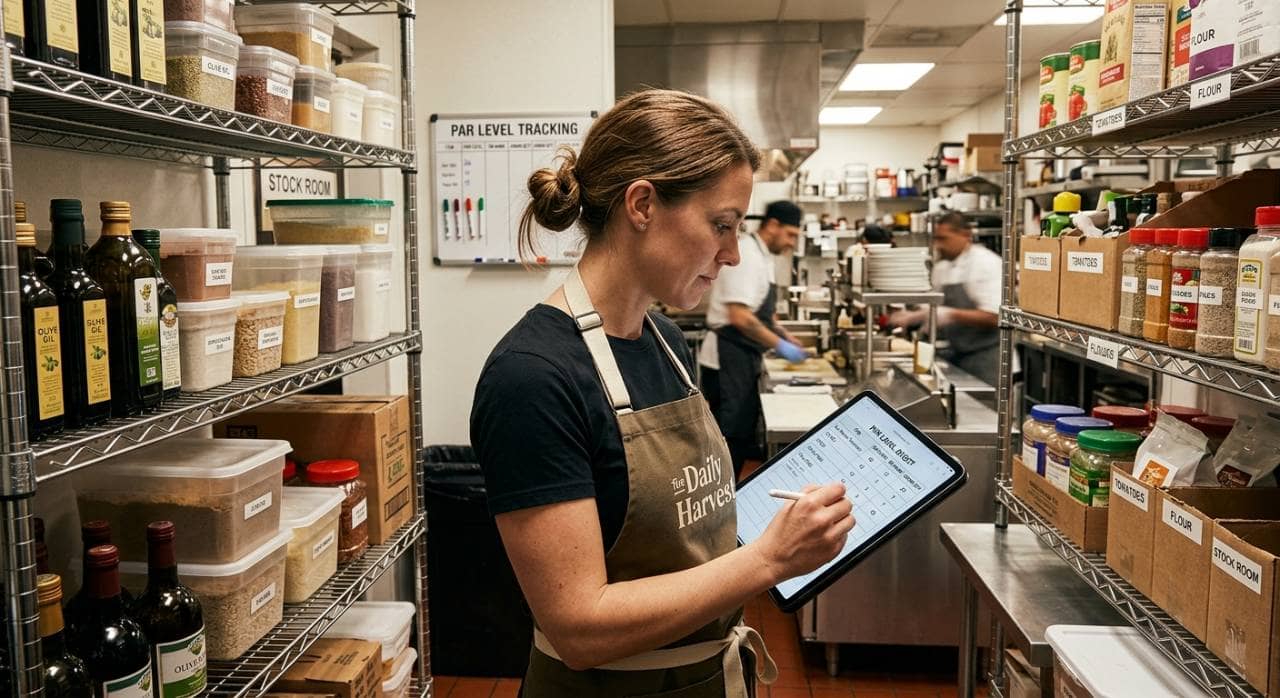
Learn to calculate par levels for restaurant food, beverages, and packaging inventory, preventing stockouts and waste through proper formulas.
Sep 4, 2026
Caribou Coffee appoints Zane Thomas-Rogers as Chief Operations Officer to strengthen execution across its expanding coffeehouse network.
Sep 4, 2026

Unlock Exclusive Access To Webinars, Events, And The Latest News For Free!
A refined profile of USA Ninja Challenge's growth, the USAPM partnership, and the road to 2026 expansion in youth obstacle-training franchising.

Photo by HamZa NOUASRIA
USA Ninja Challenge speaks of momentum as much as numbers, set against a horizon that hints at almost 50 locations and a cadence of two units per month reaching outward across the United States. At the center of this expansion stands Thomas Dievart, who stepped in as chief marketing officer in December after guiding brands such as World Gym and shaping a career that traversed Ironman Triathlon, Technogym, and Wilson Sporting Goods. This is not merely growth; it is a dramaturgy of youth fitness that aspires to translate discipline into a nationwide platform for children and families.
Behind the numbers lies a narrative of scale made legible by a purpose-driven brand.
The program targets youth from 2.5 to 17 and blends gymnastics, track and field, cross-training, and climbing to create a distinctive, versatile offering. Thomas Dievart brings a background that spans Ironman Triathlon, Technogym, and Wilson Sporting Goods, informing a marketing stance that merges hands-on guidance with strategic branding. He speaks of leadership shaped by a practical touch: “rolling up my sleeves”, a phrase that anchors ambition in the realities of the gym floor while preserving a broader, brand-wide vision. The aim remains family-centered and scalable, turning potential into a durable system rather than a mere map of storefronts.
Momentum here is not a fleeting headline. If the strategy holds, the network can evolve obstacle-course training for youth into a carefully structured nationwide platform, an ecosystem where curiosity about multisport progression can deepen into tangible participation. The sections ahead will unfold how leadership, product design, and local activation converge to sustain growth, while inviting families into a journey that blends discipline with play.

Thomas Dievart anchors the growth narrative with a philosophy that fuses practical execution and refined branding. He describes his method as a blend of ”rolling up my sleeves” leadership with the discipline of branding at scale, a synthesis sharpened by experience guiding a small team and collaborating with elite athletes. His career arc, spanning Ironman to Wilson Sporting Goods, is matched by a personal dimension as a parent of daughters involved in athletics, which reframes the plan as a youth-first discipline. The leadership cohort aims for authentic engagement with families and communities, crafting a growth story that remains human and trustworthy as the network expands.
Dievart frames joining USA Ninja Challenge as a personal alignment of passion and opportunity, noting how his own family life informs the business strategy. The message is precise: the brand must speak to parents and children in equal measure, pairing accessible programming with credible development pathways. The invitation to communities is grounded in reliable, human connection and a disciplined, scalable model that promises consistency as new locations join the fold.
Dievart emphasizes that growth must be anchored in authentic engagement, not merely attractive headlines. The approach blends practical execution with a branding sensibility that respects families’ time, schedules, and aspirations. In this light, the push is not a sprint but a measured ascent, one that seeks to refine the product for young athletes while sustaining momentum across a widening network.
Under Dievart’s guidance, the movement emphasizes scalability and local momentum. The company redesigned its websites to present a cohesive brand experience and refined local lead-generation processes to convert interest into real memberships. The target is tangible, at least a 20 percent increase in memberships, translating marketing activity into tangible franchise and consumer outcomes. The motto borrowed from a former boss rings true: “We brand global; we activate local.” A nationwide toolkit now travels from San Diego to Boston, ensuring consistency while allowing local flavor.
Franchise packages are supported by monthly marketing bundles, social content, banners, posters, and collateral, designed to sustain a coherent identity across markets. This framework is not about uniformity alone, but about dependable tools that empower operators to build local momentum without losing the national voice. USA Ninja Challenge aims to translate ambition into a shared language and a scalable rhythm that families can recognize and trust.

A standout feature of the growth strategy is the alliance with USA Pentathlon Multisport (USAPM). Dievart calls the partnership a differentiator capable of attracting a broader base to their classes: “It's not every day that you can work on this.” The collaboration is framed as more than branding; it is a conduit toward Olympic-development pathways, guided by a leadership team accustomed to coordinating with national bodies to advance multisport initiatives. The alliance is positioned as a forward-looking lever with potential implications for talent identification and progression within the USAPM ecosystem.
USAPM partnership sits alongside a broader ambition to legitimize obstacle training as a feeder for multisport pathways, reinforcing credibility and widening opportunities for youth progression within a national framework. The alliance signals a shift in perception, obstacle disciplines moving from novelty to a credible route for athletic development and structured competition at scale.
Momentum and structured refinement dominate the late-2025 narrative, signaling acceleration toward a more expansive 2026. The brand has announced a clearer path to systemwide expansion, with more unit openings and deeper market penetration anticipated in the near term. In the franchise landscape, Entrepreneur recognized the upward arc by placing No. 361 on the 2026 Franchise 500, a climb of 61 spots from the prior year. On the events calendar, the Nationals are evolving into multi-location occasions in Texas in February 2026, assembling Team Ninjas from across the country, an infrastructure pairing a robust operator network with a national competition rhythm.
Industry context places obstacle sports in a rapidly expanding ecosystem, where millions participate and hundreds of training facilities exist. The USAPM alignment, the emphasis on franchise development, and a calendar of national events hint at a model that could redefine growth for youth concepts, bringing sponsorship, branding, and media exposure into sharper focus, while inviting closer scrutiny of expansion metrics and performance data.
