
California Penalizes Dickey's for Franchise Disclosure Violations
California shifts to public enforcement strategy against Dickey's for deceptive franchise disclosures, signaling stricter state-level franchise oversight.
Franchising
Sep 10, 2026
California shifts to public enforcement strategy against Dickey's for deceptive franchise disclosures, signaling stricter state-level franchise oversight.
Sep 10, 2026
Paul Brown temporarily steps away from Inspire Brands as Scott Murphy assumes interim CEO role during confidential IPO filing process targeting late 2026.
Sep 10, 2026
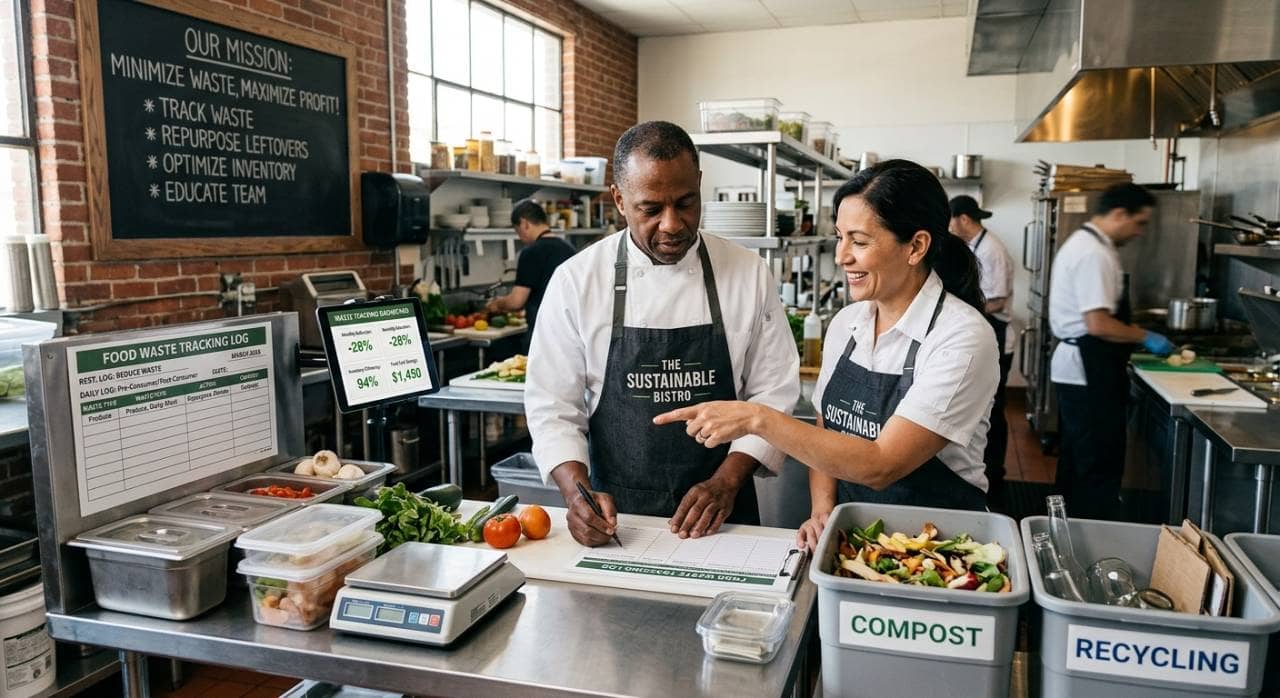
Learn how to reduce food waste in restaurants through smarter purchasing, storage, preparation, and service strategies that cut costs.
Sep 9, 2026
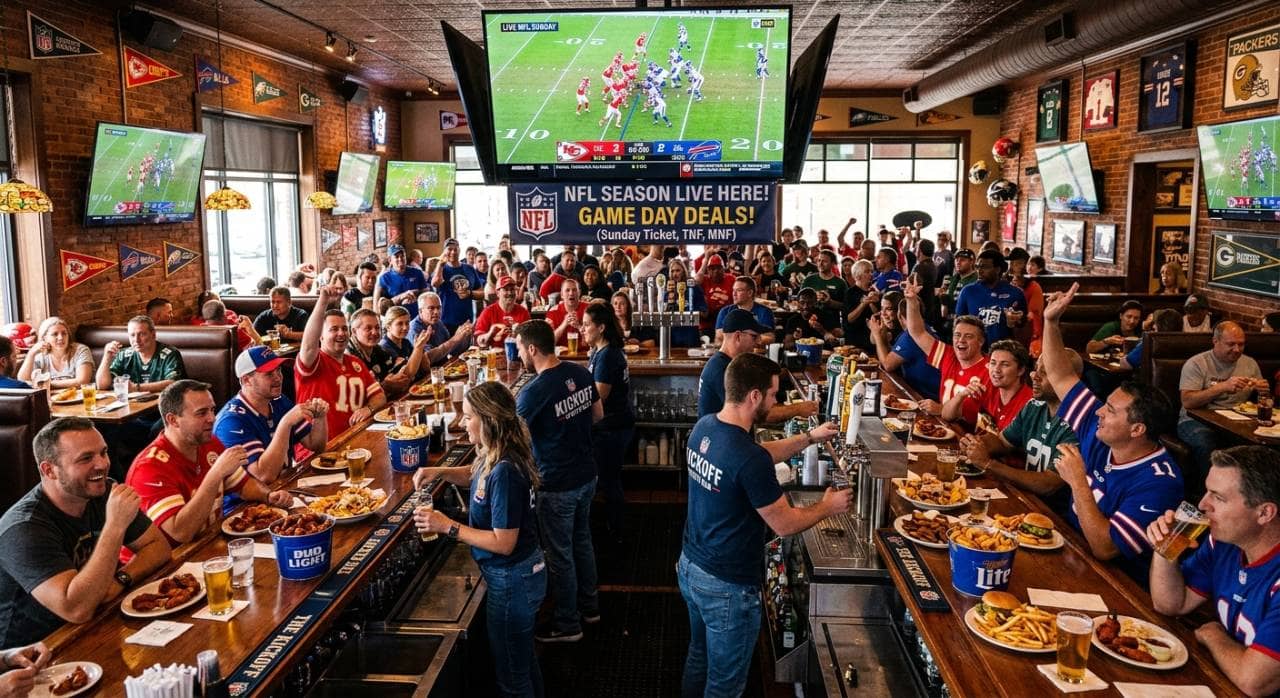
Prepare your restaurant for NFL season with smart menu planning, staffing, marketing, technology, and atmosphere strategies that boost season-long revenue.
Sep 9, 2026
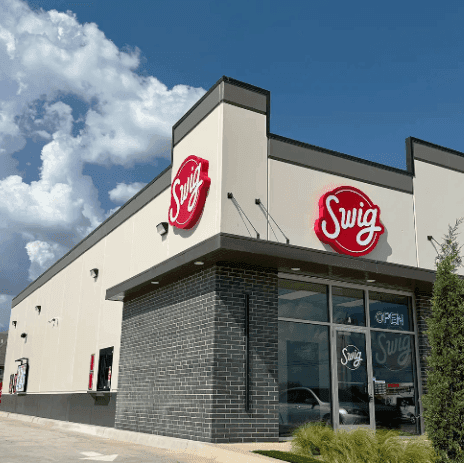
Swig signs franchise agreement for 11 South Denver locations, marking Colorado entry and validating its national expansion strategy.
Sep 8, 2026
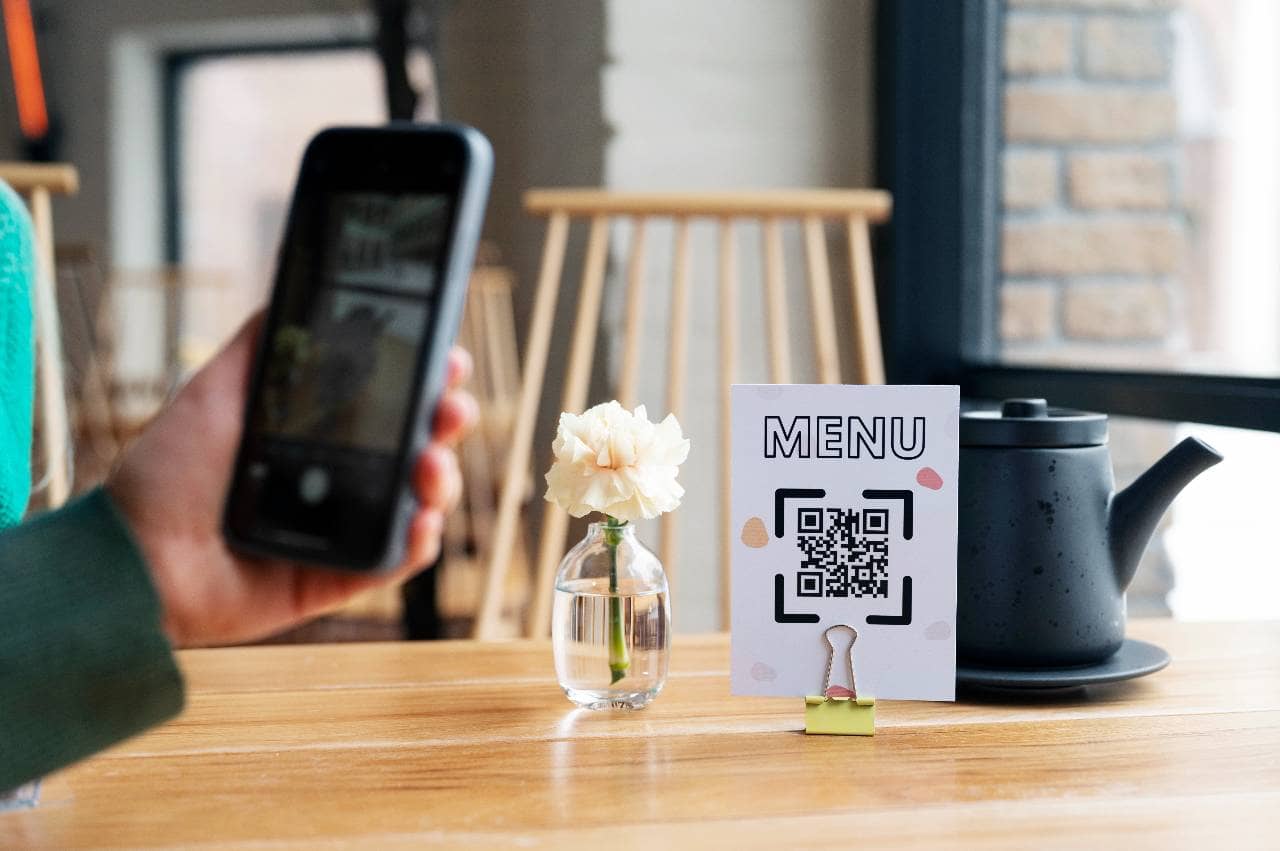
QR code menus let restaurants replace paper menus digitally, enabling instant updates, contactless browsing, ordering, and payment through simple smartphone scanning.
Sep 7, 2026
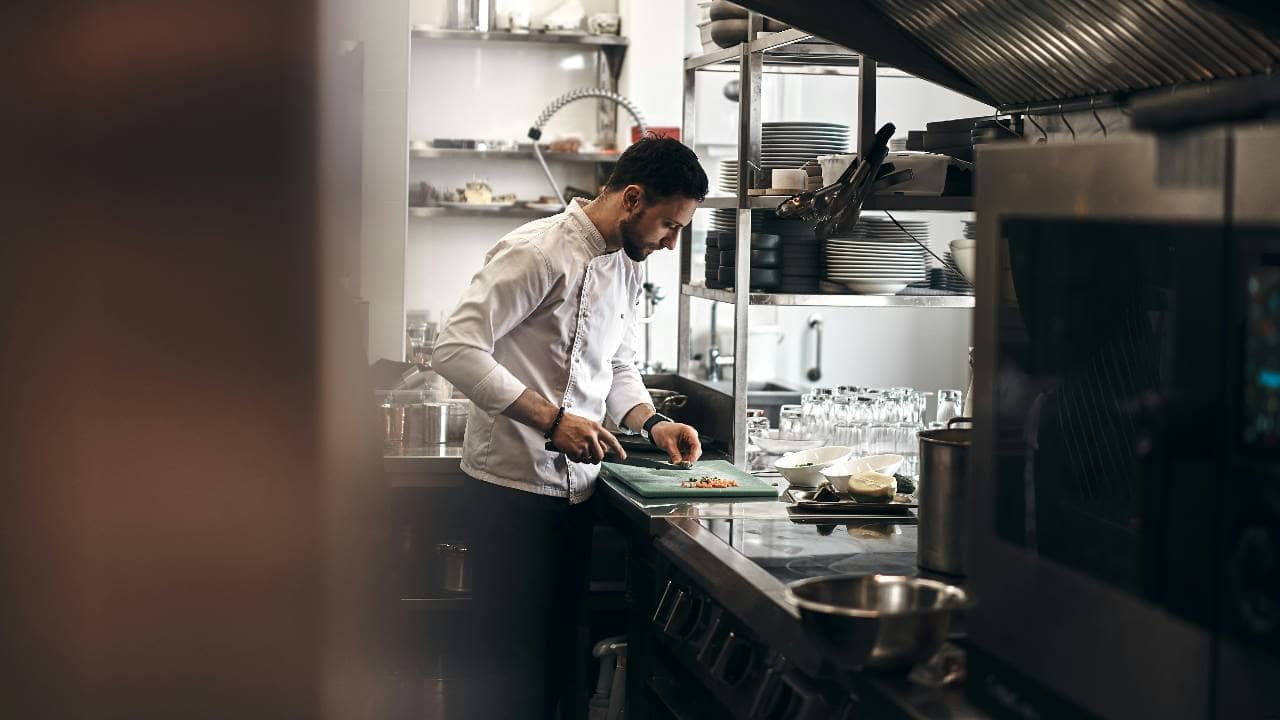
Complete guide helping restaurant owners choose essential kitchen equipment - covering cooking, refrigeration, prep, sanitation, ventilation, safety, and long-term maintenance planning.
Sep 7, 2026

Avoiding common restaurant payroll mistakes - misclassification, tip credit errors, overtime miscalculations - protects businesses from costly penalties, back pay, and compliance risks.
Sep 4, 2026
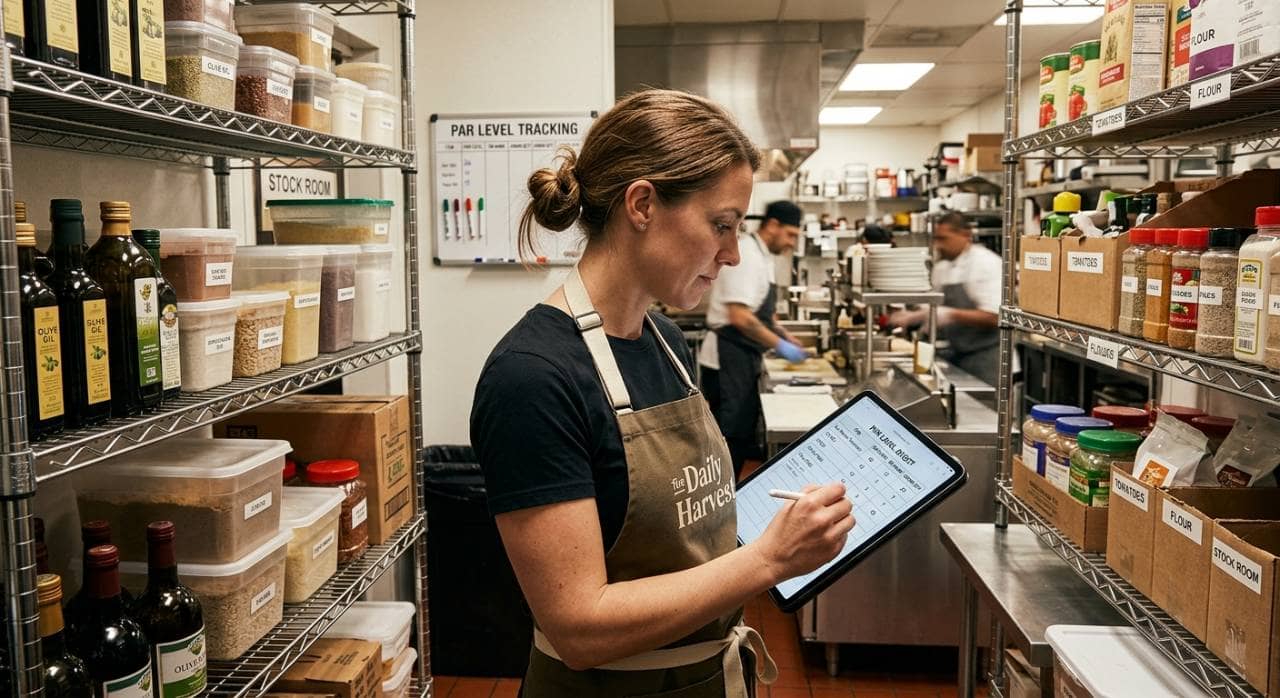
Learn to calculate par levels for restaurant food, beverages, and packaging inventory, preventing stockouts and waste through proper formulas.
Sep 4, 2026
Caribou Coffee appoints Zane Thomas-Rogers as Chief Operations Officer to strengthen execution across its expanding coffeehouse network.
Sep 4, 2026

Unlock Exclusive Access To Webinars, Events, And The Latest News For Free!
As value and quality collide, fast‑food brands balance price, promotions, and craveable add‑ons to win daily diners.

Photo by Marcel Heil
From the drive-thru glow to a cozy counter corner, the rhythm of American eating is quietly changing. Across the country, a new baseline has emerged: value first, speed second, comfort always. The old shorthand of 'fast' or 'cheap' is widening into something gentler, a sense that a meal can be affordable, convenient, and reassuringly familiar in equal measure. In these moments, what matters most isn't a single bargain but the feeling of getting more than you expected. It’s a mood as much as a price tag, and it travels with you from morning coffee to evening fries: a habit that feels almost familiar. What does that mean for the everyday bite, and for the people who choose these meals daily?
Hard numbers anchor the mood. YouGov's Best Bites 2026 paints a picture of routine: two-thirds of Americans visit fast‑food or quick‑service outlets at least monthly, and roughly 30% do so on a weekly cadence. Value remains the primary magnet, 66% of weekly patrons cite discounts or value menus as their main motivation, a trend echoed by both women (69%) and men (63%). Circana confirms the moment, reporting that nearly 30% of all restaurant visits now involve a deal, the highest level in 50 years, an inflation‑era shift that has brands racing to outdo one another on price, cleanliness, and the sense of reliability that keeps guests coming back.

Operators are weaving value into every shelf and screen. The playbook centers on an everyday price cadence, limited-time offers, and smart partnerships that tempt trial while protecting margins. Circana data show the share of visits tied to deals at a multi‑decade high, a signal that promotions remain the engine of traffic even as base prices drift upward. Chains are layering value with craveable add-ons, beverages and desserts that can be bundled with core meals. Take McDonald’s, which formed a dedicated team last year to focus on beverages and desserts, signaling a deliberate tilt toward irresistible extras that sweeten the core menu.
Specialty beverages and desserts are becoming growth engines in their own right. The specialty arena remains led by Starbucks and Dunkin, with other players like Krispy Kreme and Culver's gaining traction in particular sub‑segments. YouGov’s data frame the stakes: Starbucks and Dunkin sit among the most considered specialty brands, while the broader market tests new formats to extend value beyond meals. The core lesson: brands must pair value with choices that feel special, if loyalty is to endure in a crowded field.
1) It’s a balancing act between keeping prices fair and preserving margins, 2) preserving brand equity while promoting new formats, and 3) maintaining a reliable guest experience across locations. The best value strategies combine predictable deals with consistent service, so guests feel seen rather than marketed to. The result is a cadence that supports trial, repeat visits, and a basket that grows with craveable add‑ons. The industry’s challenge isn’t a single hack but a daily rhythm that feels natural and welcoming.
What operators need to plan is simple on the surface but nuanced in practice: how many points customers earn, what points are worth, which items redeem, and whether points apply to all channels or only certain orders. The math has to feel fair, easy to understand, and generous enough to invite value-driven visits without eroding margins.
YouGov’s net score tableau reveals a layered reality: Wendy’s stands atop value with a 21.6 net score, followed by Taco Bell (18.4) and Domino’s (16.7). Yet, those numbers don’t always map to sales: Wendy’s recently reported an 11.3% decline in same‑store sales, while McDonald’s posted a 6.8% surge. The CEO’s comments point to a shift back toward everyday value, while Wendy’s leadership cautions against relying on promos alone. The gap between perception and performance shows how volatile this race remains and why pricing must stay calibrated.
Chick‑fil‑A leads on quality with a 37.3 net score, followed by Jersey Mike’s (24.3) and Wendy’s (23.7). McDonald’s remains broad in reach, even as quality trails higher‑end independents. The top‑tier quality picture coexists with a crowded consideration map that keeps Starbucks, Dunkin, and other specialty brands central to consumer minds. The lesson: communities prize both quality and accessibility, and brands must balance both to stay relevant.
Quality perceptions run parallel to a shifting specialty map. In the hybrid world of fast food, Chick‑fil‑A still leads the way on perceived quality, while the broader market tests loyalty through familiar, indulgent extras. Starbucks and Dunkin anchor the specialty beverage conversation, even as other brands seek to carve niches with desserts and snacks that stretch the value proposition beyond meals. The bottom line is that quality and specialty are not competing forces; they’re converging into a single, evolving promise of reliability and small luxuries.
Specialty Beverages and Dessert as Growth Avenues are more than experiments; they’re a strategic effort to capture discretionary spending and extend the value proposition. YouGov places Starbucks (31.3%) and Dunkin (31.1%) at the center of specialty consideration, with other brands such as Krispy Kreme and Culver’s contributing in notable ways. In perceived value, Dunkin leads with a net score of 24.2; Starbucks still pushes affordability through consistency. As Ashley Brown, YouGov’s senior director, reminds us, the brands that endure are those that deliver fundamentals, value, quality, and a reliable experience, while adapting to evolving expectations.
Gaps, Uncertainties, and Misalignments persist in a crowded field. The best‑value signals at the brand level don’t always translate into top‑line growth, hinting at channel mix, regional variance, and execution gaps that temper results. Perceptions of value and quality can diverge from actual traffic and spend, underscoring a need for nuanced pricing, product quality, and a guest experience that travels well across locations. YouGov and Circana illuminate the arc, but questions remain about long‑term sustainability, the durability of deal‑driven traffic, and how wage growth or supply disruptions might shift 2026 dynamics.
Implications for Operators and the Road Ahead point toward a calibrated blend: everyday value paired with differentiated menus, reliable service, and steady growth in specialty offerings like beverages and desserts that lift basket size. The convergence of these trends suggests that the value‑versus‑quality equation will remain a defining dynamic through at least the remainder of 2026, with operators needing to stay nimble, humane, and quietly generous in their hospitality.
