How to Reduce Restaurant Kitchen Ticket Times
Improve kitchen ticket times with practical strategies for better preparation, smoother workflows, stronger communication, smarter staffing, and effective restaurant technology.
back office
Jul 27, 2026
Improve kitchen ticket times with practical strategies for better preparation, smoother workflows, stronger communication, smarter staffing, and effective restaurant technology.
Jul 27, 2026
Veteran restaurant executive David Deno assumes the helm at Cracker Barrel, signaling a pivotal moment for the brand’s revitalization. Learn what this means for operators, staff, and industry leaders.
Jul 27, 2026

Learn how restaurant owners can manage payroll accurately, track labor costs, reduce errors, maintain compliance, and improve workforce profitability efficiently.
Jul 27, 2026
Noodles & Company achieves historic sales growth and operational turnaround in 2026, sharing critical lessons for restaurant owners on boosting traffic, innovation, and team culture.
Jul 27, 2026
Discover how restaurant apps help owners manage labor, payroll, inventory, food safety, reporting, and back-office operations more efficiently every day.
Jul 24, 2026

Learn how to calculate, benchmark, track, and improve restaurant payroll percentage while balancing staffing costs, sales, service, and profitability effectively.
Jul 24, 2026
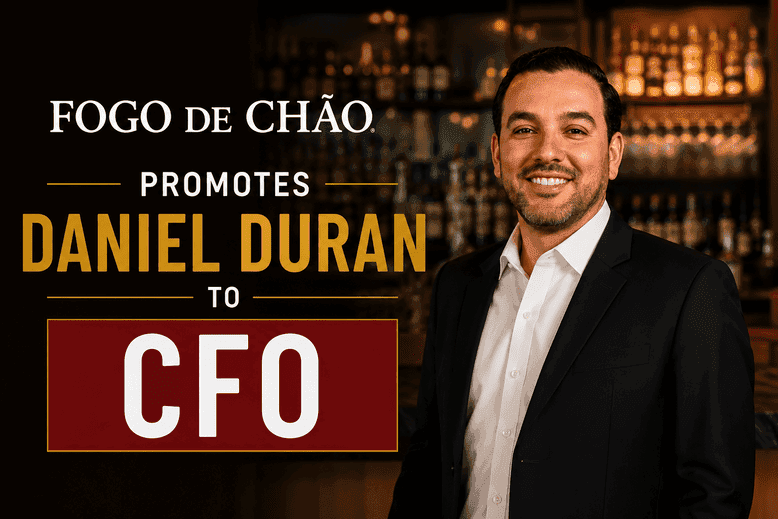
Fogo de Chão has announced Daniel Duran as its new CFO, marking a strategic leadership transition designed to enhance global growth and financial innovation for the renowned restaurant brand.
Jul 24, 2026
Stay compliant with key restaurant labor regulations in Summer 2026, including minimum wage increases, scheduling laws, and retirement requirements.
Jul 24, 2026
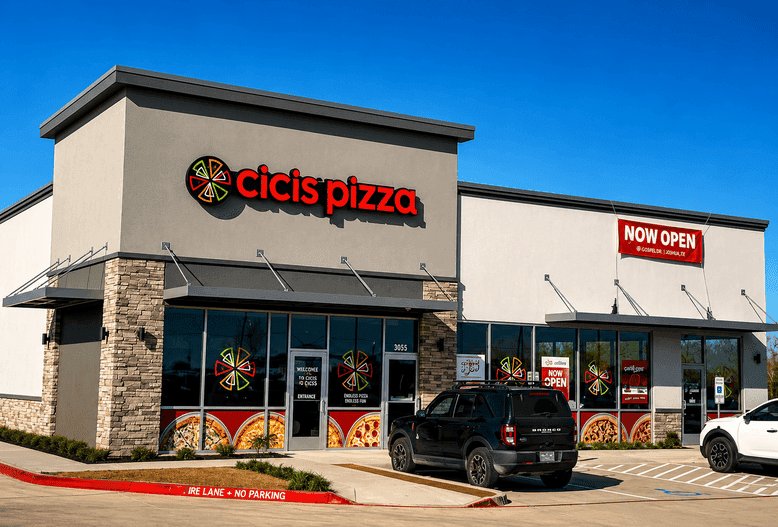
Cicis Pizza’s systemwide sales have surged over 50%, fueled by digital innovation, modern operations, and a revamped franchise strategy. Learn what restaurant owners can take away from Cicis’ transformation.
Jul 24, 2026
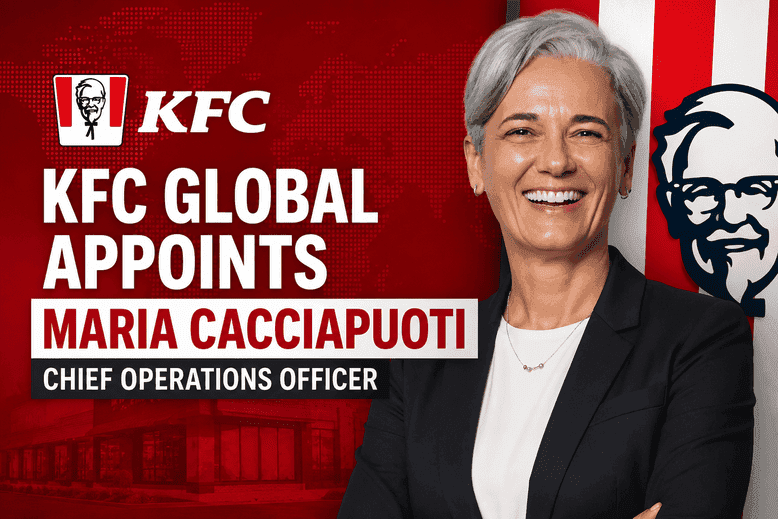
KFC Global has selected experienced leader Maria Cacciapuoti as its new Chief Operations Officer. Discover how her extensive expertise will help shape KFC’s global operations and franchise partnerships.
Jul 23, 2026
Wendy’s breakfast program fuels growth with digital loyalty, advertising investments, and international expansion.

Photo by Jakub Żerdzicki
Wendy’s breakfast momentum isn’t a sideshow. The leadership calls morning hours 'an incredibly important daypart,' a label tying profitability to growth. Across the system, breakfast has delivered roughly $3,000 in weekly sales per store, about $156,000 in annual revenue per location, and it accounted for roughly 7.5 percent of the brand’s 2023 average unit volume of $2.06 million. CEO Kirk Tanner frames breakfast as a strategic opportunity, “we’re about halfway there, which is the exciting part.” “Breakfast is really an important opportunity for us... It’s a tailwind in our business right now,” he said. CFO Gunther Plosch added the trajectory is favorable, noting, “We are obviously winning in the category. We have outgrown the category in the first half.” It’s clear: breakfast is a central plank in Wendy’s profitability story, buoying margins across both company-operated and franchised units. The next move is execution at scale.
Breakfast momentum is framed as a tailwind, faster than the rest of the business and faster than the category. Management intends to extend Wendy’s morning footprint with disciplined store execution and targeted marketing, reinforcing margins while expanding share in the daypart. This isn’t a one-off push; it’s a strategic arc designed to turn morning hours into a reliable, recurring driver of growth across the franchise network. In short, the team views breakfast as a core cadence, not a temporary lift.
Origins and innovations anchor the breakfast program. Wendy’s returned to the morning daypart and the menu differentiated itself with items like French Toast Sticks and the Cinnabon Pull-Apart, introduced as part of the March 2020 formal rollout. These choices weren’t mere add-ons; they established breakfast as a meaningful lever for top-line growth. The leadership has positioned breakfast as a strategic driver, signaling the daypart remains a focal point for broader brand differentiation and profitability.
That emphasis translates into real execution: product differentiation, disciplined launch cadence, and a daypart priority that informs menu engineering, marketing, and store-level training. By keeping breakfast in the spotlight, Wendy’s aims to turn morning traffic into stable, margin-friendly revenue and growth leverage for the entire portfolio. In short, breakfast is a strategic cadence that binds product, people, and places into a cohesive growth engine.

In February Wendy’s committed $55 million in incremental breakfast advertising, originally slated to be split across 2024–2025. The plan evolved: $22 million in 2024, with the horizon extended to 2026. Gunther Plosch explained that stretching the investment aligns with a three-year planning window in a uncertain environment. Beyond ads, Wendy’s launched a broader $100 million initiative to strengthen breakfast and digital business, adding new menu items, value propositions, and ongoing promotion to sustain momentum. The configuration aims to keep awareness high and traffic steady over the long haul.
The push isn’t in-store alone. Wendy’s has built a fast-growing digital ecosystem to support breakfast momentum. In the second quarter, global digital sales jumped more than 40 percent year over year and now represent roughly 17 percent of total sales. The U.S. digital business climbed more than 40 percent, while international digital rose over 30 percent. The loyalty program base sits near 42 million members, buoyed by value-driven offers available in the app, including the $5 Biggie Bag. “We have traction with that value proposition that’s relevant. Our franchisees are certainly on board with that,” said Kirk Tanner, underscoring alignment with franchisees and customers.
99 new stores opened in the first half of 2024, with a long-term target of 250 to 300 openings by year-end. The international push includes markets such as Ireland, Romania, New Zealand, Australia, India, and Canada. By the end of Q2, Wendy’s reported a footprint of 6,013 stores in the United States and 1,248 internationally. The breadth of the expansion signals a robust growth engine even as macro headwinds persist.
The expansion cadence is paired with a disciplined store strategy. Growth is not reckless; it’s integrated with breakfast and digital pushes to lift traffic and margins across markets. The result is a multi-channel growth engine that binds doors to daypart and loyalty, Wendy’s is building scale without surrendering unit economics.
In a crowded quick-service landscape, Wendy’s differentiates itself by not chasing every promo. The breakfast play is a lever for long-term profitability rather than a promotional arms race. Industry coverage notes that the momentum interacts with brand-level investments, loyalty growth, and digital engagement, placing Wendy’s strategy within a broader context of value competition, international expansion, and channel diversification.
Yet the path isn’t perfectly smooth. Late 2024 into 2025 brought softer U.S. same-store sales and a period of consolidation that included store closures and operating-hour adjustments in some markets. Domestic same-store sales declined in late 2025, prompting a store-by-store assessment to determine where breakfast remains a net positive. New disclosures for 2025 outline a 2026 outlook built on continued value, international expansion, and disciplined brand-building investments, including breakfast advertising and digital upgrades. Breakfast stays a long-term pillar, but success will hinge on steady execution amid uncertain macro conditions.