How to Build Your Restaurant Back Office Software Stack
Learn how to build a restaurant back office software stack that improves efficiency, integrations, reporting, cost control, and scalability overall.
Back Office
Aug 21, 2026
Learn how to build a restaurant back office software stack that improves efficiency, integrations, reporting, cost control, and scalability overall.
Aug 21, 2026
Clear operating procedures help restaurants manage opening, closing, food preparation, sanitation, guest service, inventory, staffing, and routine operational reviews effectively.
Aug 21, 2026
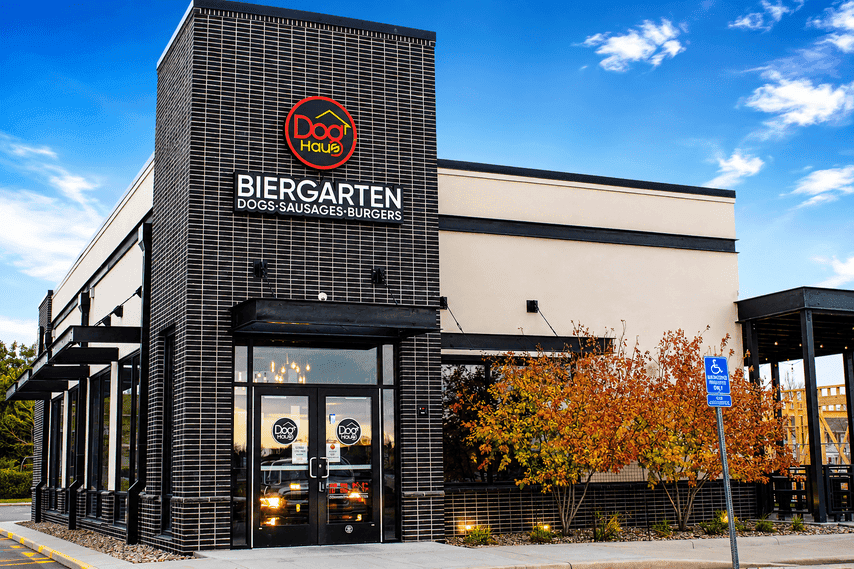
Dog Haus appoints James Field as chief marketing officer and promotes CJ Ramirez to chief experience officer, setting the stage for innovative brand growth and franchisee success in the national restaurant scene.
Aug 21, 2026
Starbucks is making strategic staffing changes, laying off 200+ workers as it restructures operations and prepares for future growth in southern and eastern regions.
Aug 21, 2026
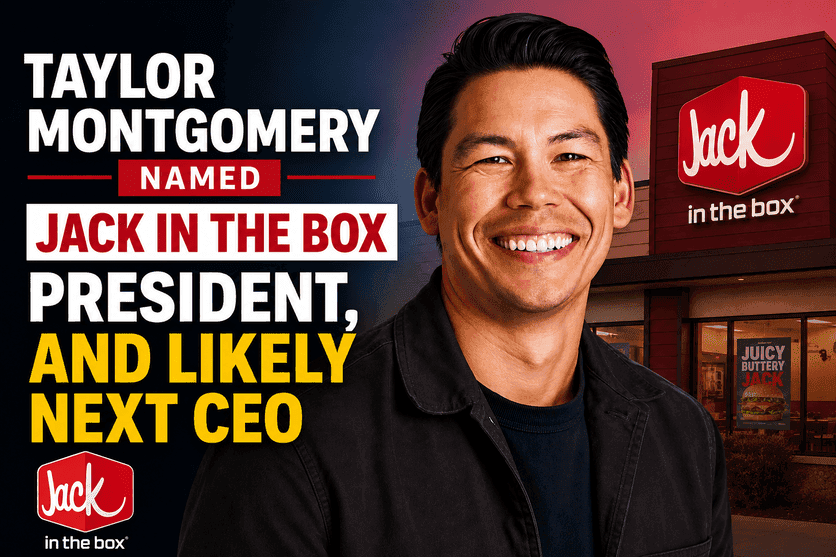
Taco Bell’s Taylor Montgomery has been appointed as President of Jack in the Box, positioning him to take over as CEO within a year - signaling major shifts for the QSR brand's future.
Aug 20, 2026

Learn how to open a restaurant with no experience by planning your concept, budget, location, team, operations, and successful launch.
Aug 19, 2026
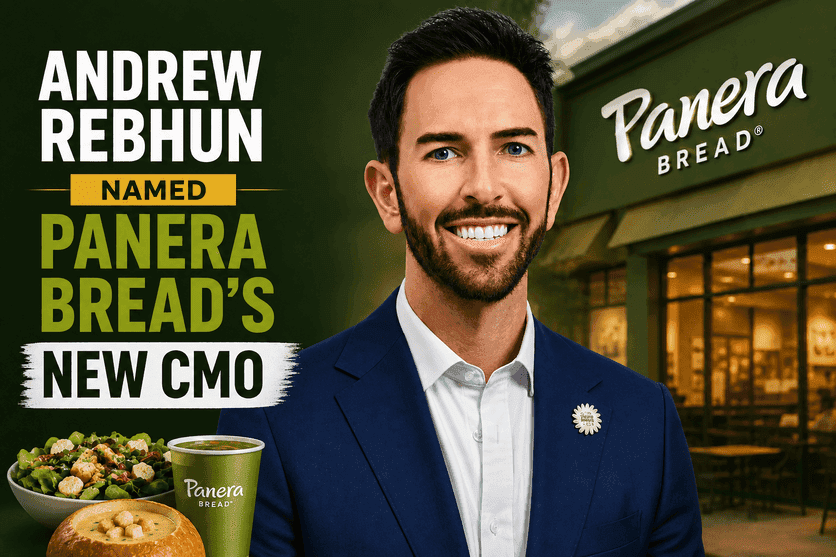
Panera Bread welcomes Andrew Rebhun as Chief Marketing Officer, succeeding Mark Shambura. Learn about his background at CAVA, El Pollo Loco, and McDonald's.
Aug 20, 2026

Payroll advances help restaurant owners give hourly employees earlier access to earned wages while maintaining accurate records, policies, and compliance.
Aug 19, 2026

Explore the main types of ordering technology restaurants use to improve accuracy, speed, payments, customer convenience, and operational efficiency daily.
Aug 17, 2026

Learn the eight essential steps of the restaurant payroll process, from tracking hours and calculating wages to payments and recordkeeping.
Aug 17, 2026

Unlock Exclusive Access To Webinars, Events, And The Latest News For Free!
Whataburger revives its iconic A-frame with new prototypes, blending heritage with modular construction to speed builds and expand beyond Texas.
Whataburger is reviving its signature A-frame with two new prototypes designed to merge nostalgia with modern throughput. The 76-year-old chain will roll out a 3,000-square-foot A-frame and a streamlined 2,000-square-foot rectangular model, both flashing the orange and white stripes with natural wood accents, expansive glass, and an upgraded kitchen flow. As one of the top 10 burger chains in the U.S. by systemwide sales, reportedly generating about $3.5 billion across roughly 1,000 locations, the brand is positioning the A-frame as a growth engine beyond Texas.

The sloped roofline is not window dressing. Ever since Harmon Dobson and Paul Burton opened the first Whataburger in Corpus Christi, Texas, in 1950, the A-frame roof has defined the brand. That form appeared on every new outlet until the mid-2000s, when the chain shifted toward more generic layouts and heard mixed feedback. Chief Development Officer Todd Ewen said guests confessed they “missed some elements that made ‘Whataburger feel like a Whataburger,’” which spurred a course correction. Director of Design Billy Bias connects those early site designs to today’s prototypes, describing the A-frame as a bridge between tradition and contemporary expectations.
The mechanics are pragmatic. The primary A-frame spans approximately 3,000 square feet with a larger dining room. The secondary rectangular model covers about 2,000 square feet to fit tighter infill lots. Drive-thru plans flex by site, with two lanes where land allows or a single lane on compact parcels, and each setup incorporates a dedicated employee-access door in place of a standard window.
Inside, flexible seating zones sit alongside dedicated pickup areas for mobile and third-party orders to clean up guest flow. Outside, the shell shifts from masonry to fiber cement cladding to speed schedules and rein in trades, reducing on-site work to a single subcontractor. The fiber cement boards are non-combustible, dimensionally stable, and moisture resistant, traits that pair well with modular construction.
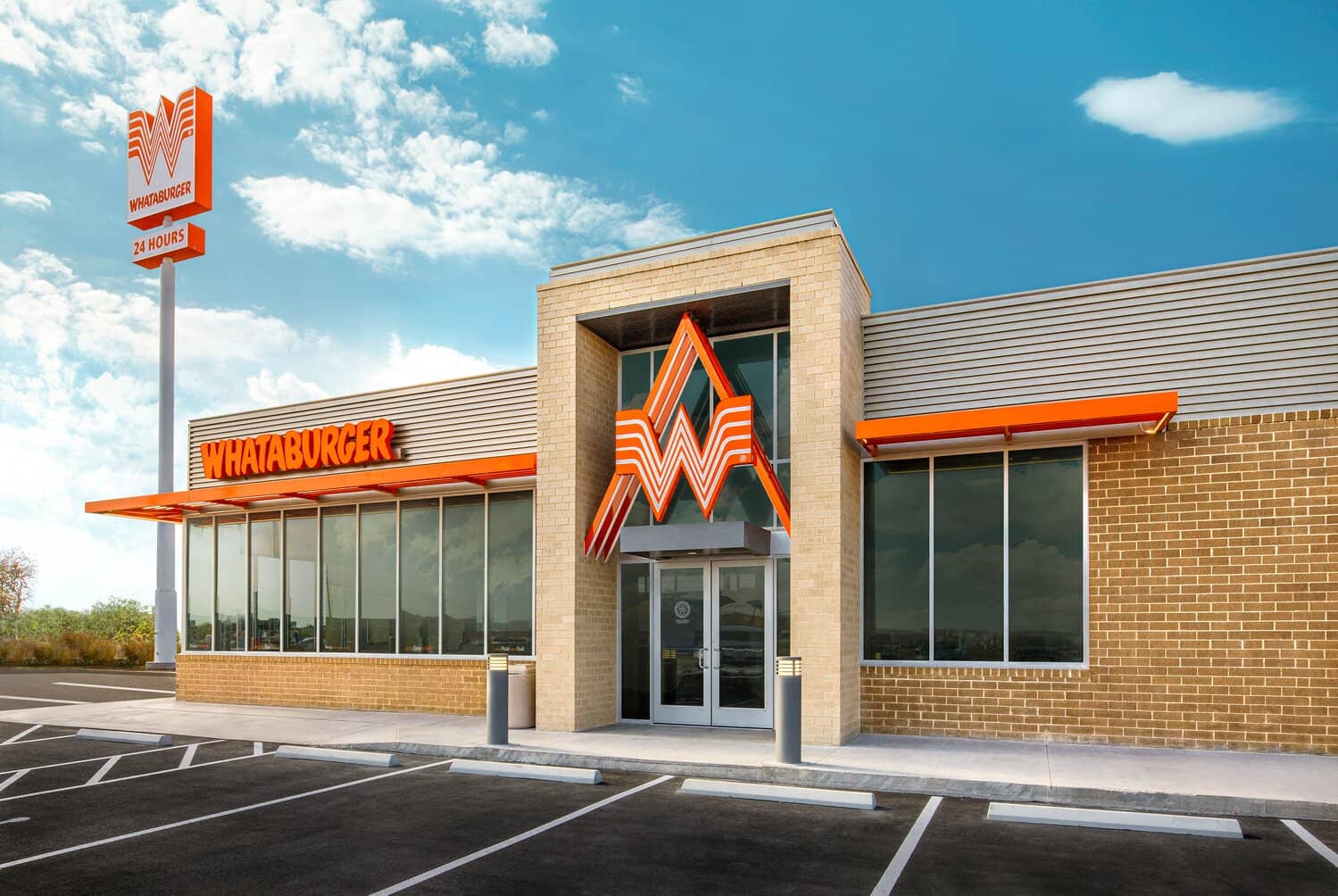
The early reception is favorable. Local media and design critics have praised the pairing of heritage and function. QSR Magazine calls the new designs “grounded in the brand’s heritage but built for how customers experience Whataburger today,” tipping a cap to both emotion and efficiency. CultureMap Houston says the Legacy variant “maintains the unmistakable Whataburger look with bold architectural updates,” and notes the A-frame can occupy less real estate without losing its iconic presence. Planners in key Texas markets have labeled the plans “one of the most interesting” they have encountered, a promising sign as permits stack up.
There is momentum behind this push. Net restaurant additions of 88 in 2024 and 76 in 2025 signal steady build cadence aimed at a wider footprint. Technomic’s annual report shows why pace matters: Whataburger notched a 9.4% systemwide sales increase in 2024, putting it alongside Culver’s as a bright spot in a burger sector with sluggish growth.
The construction playbook tracks with broader quick-service trends toward prefabrication. Modular restaurant builds can cut timelines roughly in half by fabricating components off-site while foundations and site work proceed in parallel. Fiber cement supports that approach with fire resistance, durability, and dimensional stability through factory handling and assembly. Chains such as Burger King, Chipotle, and Taco Bell have tested smaller modular formats in response to labor and cost pressures, and this materials strategy could set new marks for rollout speed and brand consistency.
There are unanswered questions. Whataburger has not released cost comparisons between the new fiber cement shells and its previous masonry exteriors, so savings per unit remain an open item. Long-term durability and maintenance needs across climates as varied as humid Florida and arid Arizona are not publicly documented. Customer response outside Texas is still theoretical until doors open. Metrics such as average ticket value, dwell time, and mobile order adoption will tell the story. A transparent readout of key performance indicators would underscore the commitment to both nostalgia and efficiency.

The timeline is set. Deployment begins in Texas in late 2026, with openings in North Carolina, Florida, Arizona, South Carolina, and Georgia slated for early 2027. The A-frame will serve as the workhorse layout in new territories, while the rectangular model fills tight infill sites. If the schedule holds and the build efficiencies materialize, competitors may be prompted to reexamine their own heritage cues and construction methods. For Whataburger, the mandate is straightforward: make the classic feel current, and make it faster to build.