California Penalizes Dickey's for Franchise Disclosure Violations
California shifts to public enforcement strategy against Dickey's for deceptive franchise disclosures, signaling stricter state-level franchise oversight.
Franchising
Sep 10, 2026
California shifts to public enforcement strategy against Dickey's for deceptive franchise disclosures, signaling stricter state-level franchise oversight.
Sep 10, 2026
Paul Brown temporarily steps away from Inspire Brands as Scott Murphy assumes interim CEO role during confidential IPO filing process targeting late 2026.
Sep 10, 2026
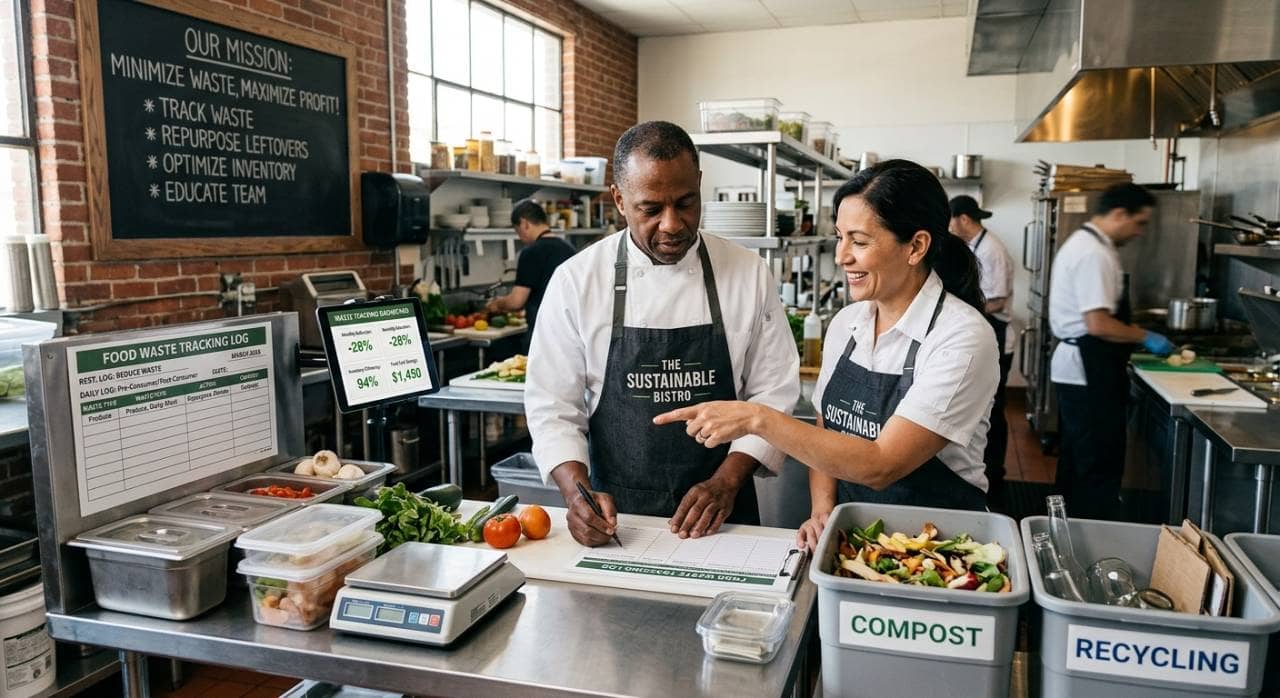
Learn how to reduce food waste in restaurants through smarter purchasing, storage, preparation, and service strategies that cut costs.
Sep 9, 2026
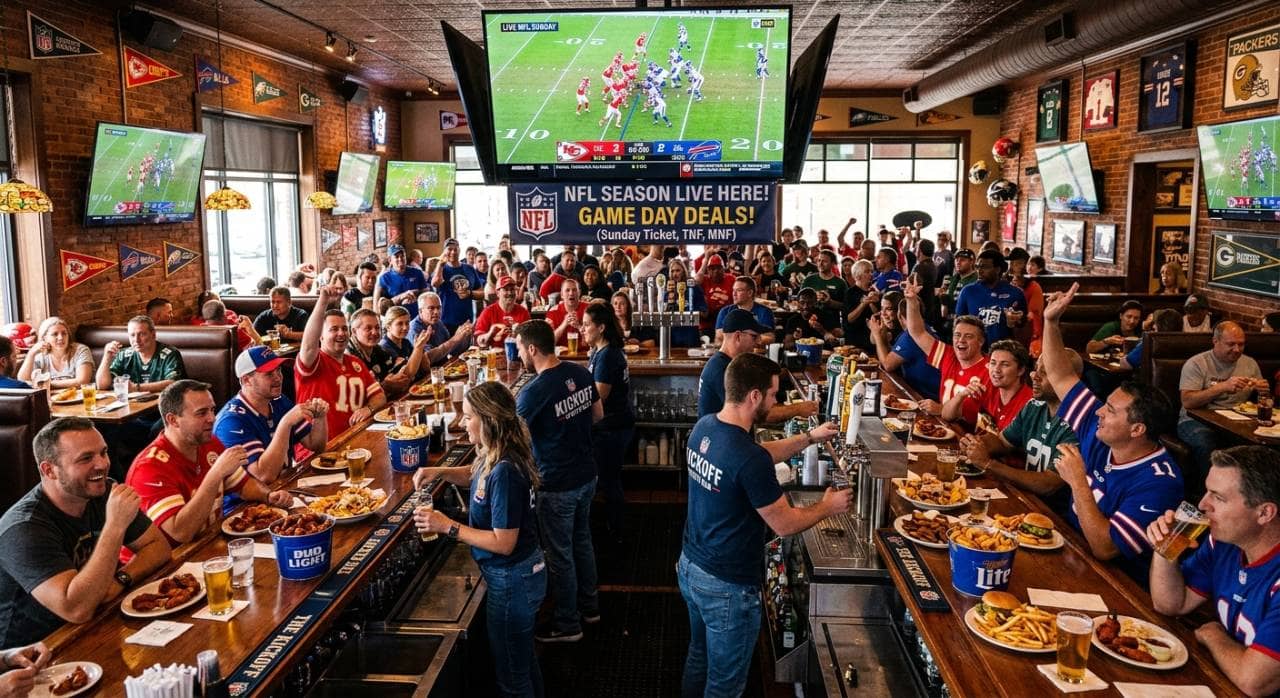
Prepare your restaurant for NFL season with smart menu planning, staffing, marketing, technology, and atmosphere strategies that boost season-long revenue.
Sep 9, 2026
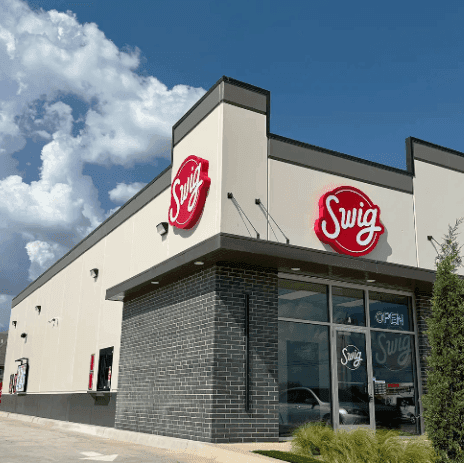
Swig signs franchise agreement for 11 South Denver locations, marking Colorado entry and validating its national expansion strategy.
Sep 8, 2026
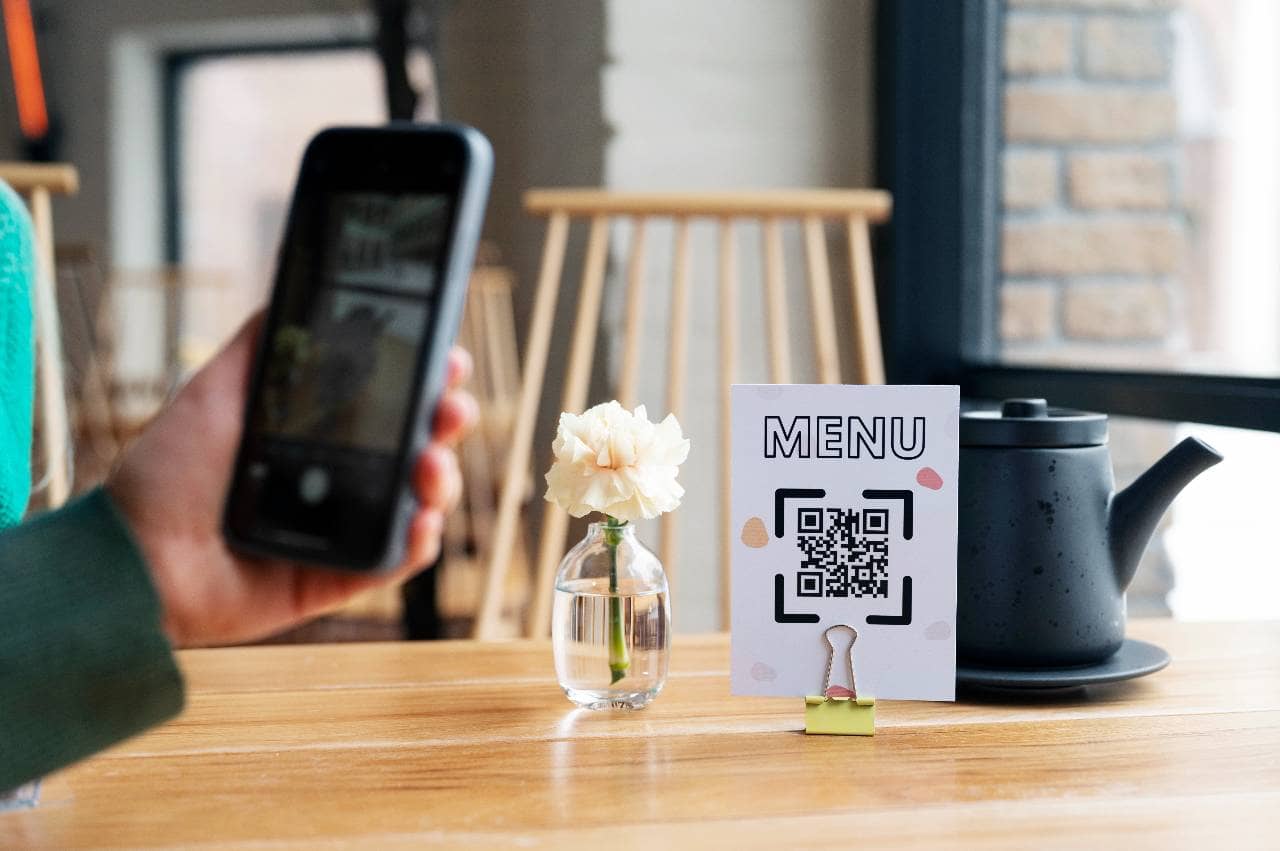
QR code menus let restaurants replace paper menus digitally, enabling instant updates, contactless browsing, ordering, and payment through simple smartphone scanning.
Sep 7, 2026

Complete guide helping restaurant owners choose essential kitchen equipment - covering cooking, refrigeration, prep, sanitation, ventilation, safety, and long-term maintenance planning.
Sep 7, 2026

Avoiding common restaurant payroll mistakes - misclassification, tip credit errors, overtime miscalculations - protects businesses from costly penalties, back pay, and compliance risks.
Sep 4, 2026
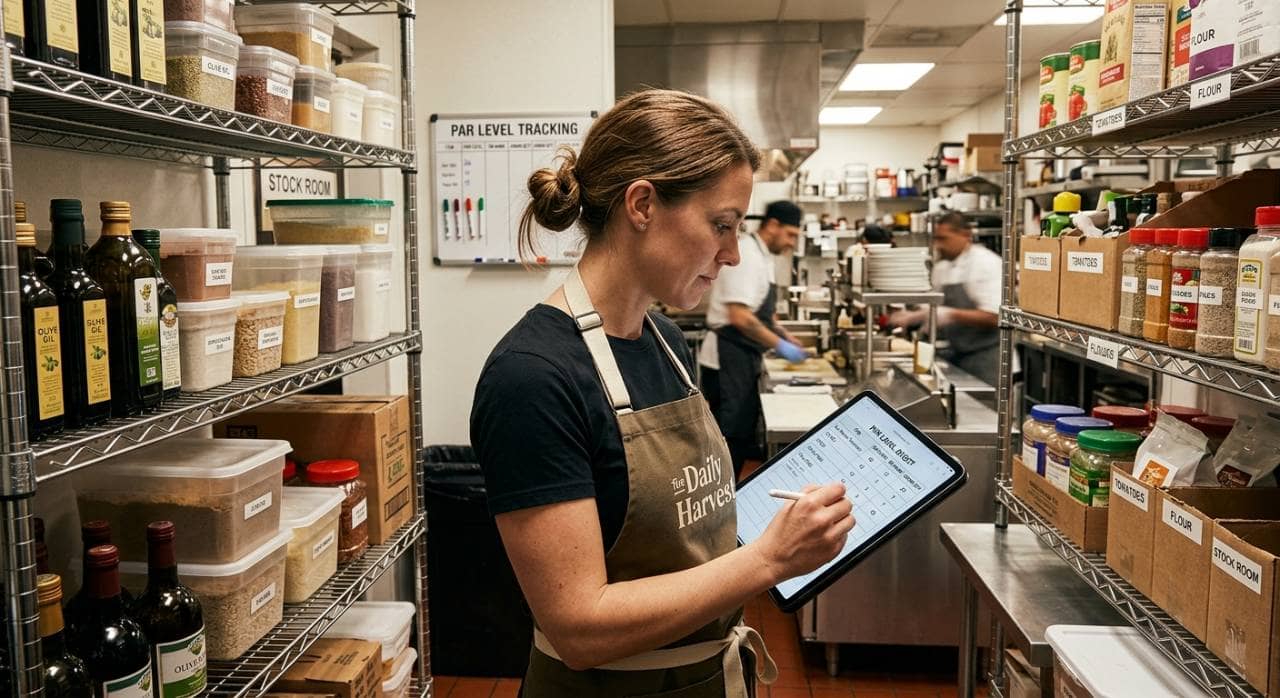
Learn to calculate par levels for restaurant food, beverages, and packaging inventory, preventing stockouts and waste through proper formulas.
Sep 4, 2026
Caribou Coffee appoints Zane Thomas-Rogers as Chief Operations Officer to strengthen execution across its expanding coffeehouse network.
Sep 4, 2026

Unlock Exclusive Access To Webinars, Events, And The Latest News For Free!
Wingstop scales to 2,000 U.S. stores and pours fuel on its digital-first strategy with in-house tech, shaping a distinctive growth path amid mixed industry signals.
Wingstop marked a milestone that feels like a familiar pause in a beloved routine: reaching 2,000 U.S. stores, with a domestic footprint of 2,040 locations and 1,988 franchised units. The year‑over‑year gains, 1,973 U.S. locations and 1,924 franchised stores identified in Q1 2024, speak of patient, steady expansion rather than a sudden sprint. The milestone lands in a season where growth stories are weighed against headwinds and volatility, yet the question remains: what does this milestone reveal about Wingstop’s path forward?
Beyond the numbers themselves, the 2,000 U.S. stores signal a hospitality of scale, one that blends neighborhood familiarity with a broader, digital-forward strategy. The broader context hints at a company growing through steady store openings while leaning into a guest experience that feels customized and accessible. The question now shifts from counting doors to measuring how the growth translates into daily decisions about menus, service, and guest relationships.

Beyond the U.S. milestone, Wingstop’s scale widens on a broader stage: a system-wide count of 3,056 restaurants as of December 27, 2025, with domestic franchises at 2,529 and international franchises at 470. This footprint isn’t mere doors; it’s a framework that embraces digital engagement as a central driver. The quarter highlighted a strong truth: 73.2% of system-wide sales came through digital channels, underscoring a business model built for online ordering, loyalty, and convenience.
The numbers tell a story of a brand where digital engagement isn’t a trend but a habit, holding steady as stores grow. The scale, paired with a high share of online activity, paints a picture of Wingstop as a model where technology and hospitality walk hand in hand.
Wingstop has moved its technology strategy from outsourcing toward a homegrown architecture, redirecting energy and resources to what the brand describes as a more personalized guest experience. The company committed $50 million toward building out this in‑house stack, a strategic shift away from the technology solutions previously provided by Olo. The aim, as leadership noted, is to reach an entirely new level of personalization with our guests, one that we believe over time will drive conversion, retention rates and frequency.
My Wingstop began its rollout after years of investment in the proprietary stack, with a full rollout pursued since 2024. Industry coverage frames this as a pivotal shift in how Wingstop digitizes every transaction, moving away from external partners toward an integrated, proprietary platform that promises deeper guest insights and more efficient operations.
The earnings narrative across the sector has been a mix of momentum and headwinds. Chipotle has shown strong traffic with an 8% increase in customer transactions in the cited quarter, signaling robust demand in fast-casual. By contrast, legacy giants like McDonald’s posted negative comps in multiple markets during its Q4 2024 results, while Starbucks described a return to global comp growth in its Q4 FY2025 release. Together, these dynamics frame Wingstop’s digital-first growth as a standout in a heterogeneous environment.
These contrasts show why Wingstop’s model, built around a high‑touch digital backbone and disciplined unit growth, appears to stand apart as peers recalibrate strategies in response to shifting consumer behavior and macro pressures.
The Wingstop experience offers a case study in bold bets on both expansion and technology. The combination of aggressive unit growth, a proprietary tech stack, and a high share of digital orders has produced a distinct market narrative that other brands are watching closely. Some industry observers argue that Wingstop’s model could redefine expectations for growth in quick service and fast casual, particularly if its personalized guest experiences translate into higher frequency and improved guest loyalty. Others caution that large‑scale tech implementations carry execution risk and require ongoing investment, discipline, and clear ROI metrics.
The balance of expansion and technology, as Wingstop demonstrates, continues to shape how a modern restaurant platform looks in a rapidly evolving consumer environment. The next chapters will reveal whether this blueprint translates into durable growth and lasting guest loyalty or whether execution risks temper the enthusiasm around a bold, tech‑driven strategy.