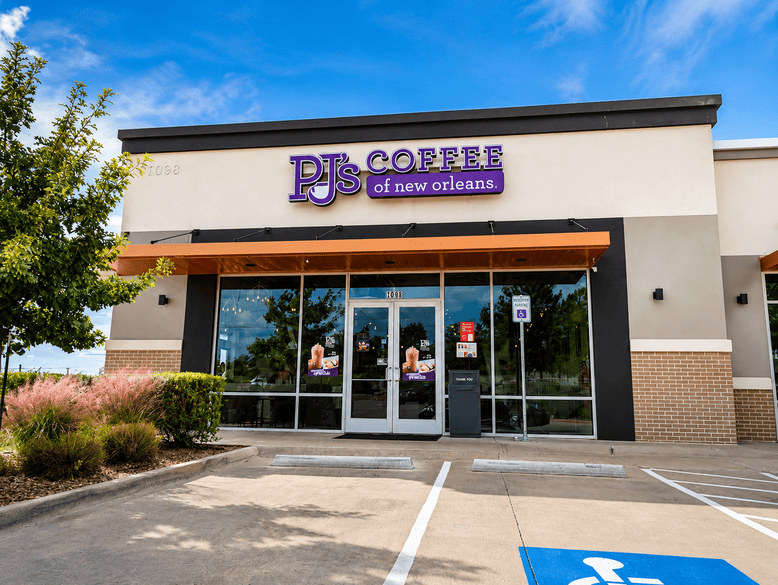
PJ's Coffee Joins C-Store Franchise Lineup
Estepp Energy, known for multi-unit brands like Little Caesars, is adding PJ's Coffee to its Kentucky convenience stores, marking a strategic expansion into specialty coffee.
news
Jun 24, 2026
Estepp Energy, known for multi-unit brands like Little Caesars, is adding PJ's Coffee to its Kentucky convenience stores, marking a strategic expansion into specialty coffee.
Jun 24, 2026

A seasonal menu helps restaurants attract repeat customers, match seasonal demand, control food costs, promote limited-time items, and improve profitability.
Jun 23, 2026

A restaurant is ready to franchise when its systems, numbers, brand, training, supply chain, legal structure, and support can scale.A restaurant is ready to franchise when its systems, numbers, brand
Jun 23, 2026
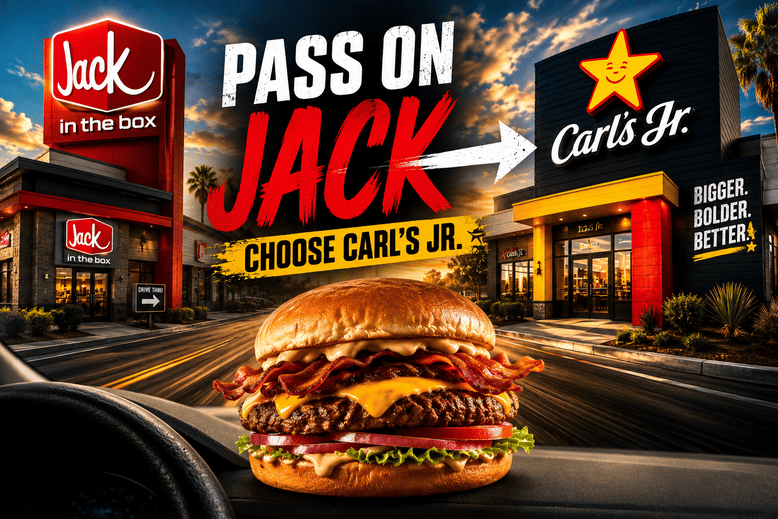
Carl's Jr. has launched a "Pass on Jack" marketing campaign rewarding loyalty members with a free Sourdough Star burger for driving past a Jack in the Box to reach a Carl's Jr. location- a direct shot at its California-based burger rival.
Jun 24, 2026
Jersey Mike's has dethroned Chick-fil-A as the top-rated major fast food brand in the 2026 American Customer Satisfaction Index, scoring 84 points to end the chicken chain's 11-year reign at the top of the rankings.
Jun 23, 2026
Houston TX Hot Chicken has signed a master franchise agreement with PizzaExpress to enter the UK market, with three locations set to open in 2026 and plans to scale to 50 locations nationally within three years.
Jun 23, 2026
.png)
Starbucks is hiring more than 300 coffeehouse coaches nationwide following a successful 62-store pilot, as the coffee giant works to double store leadership capacity and fill 90% of retail leadership roles through internal promotions.
Jun 23, 2026

Domino's has announced that CEO Russell Weiner will retire on October 1, with COO and US President Joe Jordan named as his successor- a leadership transition that comes as the pizza giant pursues its most ambitious growth targets yet.
Jun 23, 2026

Wendy's has appointed Steve Cirulis as its new CFO and chief strategy officer, reuniting him with CEO Bob Wright following a successful brand turnaround at Potbelly, as the burger chain works to reverse four consecutive quarters of same-store sales declines.
Jun 23, 2026
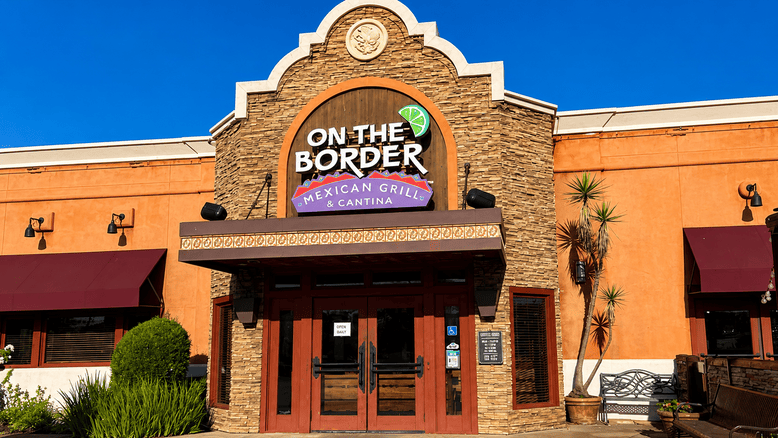
On The Border has filed for Chapter 7 liquidation less than 15 months after emerging from its first bankruptcy, leaving only five US franchise locations still operating as OTB Hospitality initiates an orderly wind-down of assets under court supervision.
Jun 23, 2026
A seasonal menu helps restaurants attract repeat customers, match seasonal demand, control food costs, promote limited-time items, and improve profitability.
Choosing the right seasonal menu items should be based on strategy, not random recipe ideas. A dish may sound creative, but it still needs to fit the restaurant's customers, kitchen, staff, suppliers, and profit goals. The best seasonal menu items are fresh and timely, but they are also easy to prepare, simple to sell, and profitable enough to support the business. 1. Start With Customer Demand Restaurant owners should begin by reviewing what customers already buy. Look at best-selling entrees, appetizers, drinks, sides, desserts, and add-ons. Seasonal items usually perform better when they connect to existing demand. For example, if salads already sell well, a spring salad with berries, herbs, and grilled chicken may be easier to sell than a completely unfamiliar dish. If burgers are popular, a summer burger with seasonal toppings may be a better choice than adding an item that does not match the menu. 2. Choose Ingredients That Fit the Concept Seasonal ingredients should match the restaurant's brand and service style. A cafe may focus on seasonal drinks, baked goods, fruit, and syrups. A pizzeria may use seasonal vegetables, sauces, cheeses, or specialty toppings. A full-service restaurant may build seasonal items around seafood, soups, roasted vegetables, or holiday dishes. 3. Check Supplier Availability and Cost Before launching a seasonal item, owners should confirm that key ingredients are available, priced reasonably, and easy to reorder. A dish can create problems if the main ingredient becomes too expensive, arrives inconsistently, or is only available in limited quantities. Having a backup ingredient or alternate supplier can help prevent stock-outs and last-minute menu changes. 4. Keep Kitchen Execution Simple A seasonal menu item should not slow down service or create unnecessary prep work. Owners should consider whether the team can prepare the item quickly, whether it requires special equipment, and whether it creates bottlenecks during peak hours. Simple execution protects ticket times and helps staff deliver the item consistently. 5. Use Ingredients Across Multiple Items Using one seasonal ingredient in several dishes can help control waste and improve purchasing efficiency. For example, berries can be used in drinks, desserts, salads, and breakfast items. Roasted squash can work in soups, bowls, sides, and pasta dishes. - This gives the restaurant more ways to use inventory before it spoils. 6. Make the Item Easy to Sell Staff should be able to explain the seasonal item clearly. The name, description, and selling points should tell customers why the item is worth ordering now. Is it fresh, limited-time, comforting, refreshing, or holiday-inspired? The right seasonal menu items create excitement without adding operational risk. When owners choose items based on customer demand, cost, supply, and kitchen workflow, the seasonal menu becomes easier to manage and more likely to increase sales.
Spring is a good time for restaurants to refresh the menu without making a major operational change. After colder months, many customers start looking for lighter dishes, fresh ingredients, brighter flavors, and seasonal drinks. For restaurant owners, spring seasonal menu ideas should be simple, profitable, and easy for the kitchen to execute. A spring menu does not need to be large. A few limited-time items can create enough variety to attract attention, support promotions, and give repeat customers something new to try. 1. Fresh Salads and Bowls Spring works well for salads, grain bowls, and vegetable-forward dishes. Restaurants can use ingredients such as asparagus, peas, spinach, arugula, cucumbers, radishes, carrots, strawberries, citrus, and fresh herbs. A spring salad with berries, goat cheese, nuts, and citrus dressing can feel fresh while still allowing profitable add-ons like grilled chicken, shrimp, salmon, or avocado. 2. Brunch Specials Spring is also strong for brunch because of Easter, Mother's Day, graduation weekends, and warmer-weather dining. Restaurants can offer items such as lemon pancakes, berry French toast, smoked salmon toast, vegetable omelets, avocado toast, quiche, breakfast bowls, and fresh pastries. The best brunch specials are easy to prepare during busy service and use ingredients that can also appear in other menu items. 3. Seafood and Lighter Proteins Customers often become more interested in lighter proteins during spring. Good options include grilled fish, shrimp tacos, lemon herb chicken, turkey sandwiches, and plant-based bowls. These items give guests a fresher alternative to heavier winter dishes while helping restaurants maintain strong menu pricing. 4. Citrus, Herbs, and Bright Flavors Restaurants can make existing dishes feel seasonal by adding lemon, lime, basil, mint, dill, parsley, cilantro, chives, or light vinaigrettes. Small flavor changes can refresh the menu without adding too much prep work. 5. Spring Drinks and Refreshers Seasonal drinks are easy to promote and can help increase average order value. Ideas include strawberry lemonade, cucumber mint iced tea, lavender lattes, honey matcha, fruit refreshers, smoothies, and citrus mocktails. 6. Fruit-Based Desserts Spring desserts can include lemon cake, strawberry shortcake, fruit tarts, berry cheesecake, rhubarb crisp, citrus sorbet, and coconut pudding. These items work well as add-ons, takeout desserts, or limited-time specials. 7. Patio-Friendly Menu Items As outdoor dining increases, restaurants can offer shareable and easy-to-serve items such as flatbreads, dips, sliders, tacos, small plates, salads, and fresh appetizers. Spring seasonal menu ideas work best when they are fresh, simple, and connected to customer demand.

Summer is one of the best seasons for restaurants to use limited-time menu items because customer behavior often changes with the weather. Guests may look for lighter meals, colder drinks, fresh flavors, outdoor dining options, and items that are easy to order for takeout, delivery, or group occasions. For restaurant owners, summer seasonal menu ideas should focus on freshness, speed, visual appeal, and strong profit potential. A summer menu does not need to be complicated. The best approach is to add items that feel refreshing, use seasonal ingredients, and fit naturally into the restaurant's current kitchen workflow. 1. Grilled Proteins and Seasonal Entrees Summer is a strong time to promote grilled items because they match warm-weather dining habits. Restaurants can offer grilled chicken, steak, shrimp, salmon, burgers, kebabs, barbecue plates, or plant-based grilled options. These items work well because they can be paired with seasonal sides such as corn, tomatoes, cucumbers, slaw, watermelon, or grilled vegetables. 2. Fresh Salads and Cold Bowls Customers often want lighter meals during hot weather. Salads, grain bowls, noodle bowls, and protein bowls can help restaurants meet that demand. Good summer ingredients include tomatoes, corn, cucumbers, berries, avocado, peaches, watermelon, fresh herbs, and citrus dressings. Adding grilled chicken, shrimp, tofu, or salmon can turn a light dish into a higher-value entree. 3. Seasonal Sandwiches, Wraps, and Tacos Summer menus should include items that are easy to eat, easy to package, and easy to sell during lunch or takeout. Sandwiches, wraps, tacos, and handheld items work well for this reason. Ideas include grilled chicken wraps, fish tacos, barbecue sandwiches, turkey avocado sandwiches, shrimp tacos, caprese sandwiches, and veggie wraps with seasonal sauces. 4. Cold Drinks and Refreshers Beverages are a major summer opportunity. Restaurants can create seasonal drinks such as lemonades, iced teas, smoothies, cold brew, fruit refreshers, frozen drinks, mocktails, and specialty iced coffees. Flavors like strawberry, peach, mango, watermelon, cucumber, mint, citrus, coconut, and pineapple can make drinks feel seasonal and easy to promote. 5. Frozen Desserts and Light Sweets Summer desserts should feel refreshing and easy to add to an order. Restaurants can offer ice cream, sorbet, milkshakes, frozen yogurt, fruit cups, parfaits, popsicles, chilled pies, or berry desserts. These items can work especially well for families, patio dining, and after-dinner add-ons. 6. Patio and Shareable Items Summer dining often includes groups, outdoor seating, and longer visits. Shareable items can help increase table spend without requiring every guest to order a full entree. Good options include dips, flatbreads, sliders, wings, nachos, seasonal appetizers, grilled skewers, and small plates. 7. Takeout-Friendly Summer Specials Summer customers may order food for parks, beaches, events, road trips, or family gatherings. Restaurants can create takeout-friendly specials such as boxed lunches, picnic bundles, family meals, barbecue packs, sandwich trays, salad kits, and drink bundles. Summer seasonal menu ideas work best when they are refreshing, easy to execute, and simple to promote. By focusing on grilled items, cold drinks, lighter meals, frozen desserts, and takeout-friendly specials, restaurants can create a menu that matches summer demand while protecting speed and profitability.
Fall is a strong season for restaurants because customer demand often shifts toward warmer, richer, and more comforting foods. As the weather cools down, guests may become more interested in soups, roasted dishes, baked items, warm drinks, seasonal desserts, and hearty meals. For restaurant owners, fall seasonal menu ideas should focus on comfort, flavor, and profitability without making the kitchen workflow too complicated. A fall menu can also support several demand drivers, including back-to-school routines, football season, Halloween, Thanksgiving, catering, and colder-weather dining. The goal is to offer items that feel seasonal while still fitting the restaurant's concept and operating capacity. 1. Soups, Stews, and Chili Fall is a good time to promote warm, filling items that are easy to sell as starters, sides, or meals. Restaurants can offer tomato soup, butternut squash soup, chicken noodle soup, beef stew, turkey chili, white bean chili, or seasonal vegetable soup. These items can help use existing ingredients and work well for dine-in, takeout, and delivery. They can also be paired with bread, sandwiches, salads, or small plates to increase order value. 2. Roasted Vegetables and Seasonal Sides Fall ingredients such as squash, sweet potatoes, carrots, Brussels sprouts, mushrooms, apples, onions, and root vegetables work well in side dishes and entrees. A restaurant could add roasted Brussels sprouts, maple sweet potatoes, mushroom risotto, apple slaw, roasted squash salad, or seasonal vegetable bowls. These items give the menu a fall identity without requiring an entirely new set of recipes. 3. Comfort Entrees Customers often want heartier meals in the fall. Restaurants can promote dishes such as roasted chicken, braised beef, pasta, pot pies, baked casseroles, meatloaf, seasonal pizzas, burgers with fall toppings, and grain bowls with warm vegetables. The best fall entrees should feel filling but still be easy for the kitchen to prepare during busy service. Owners should avoid adding items that require too many new ingredients or slow cooking steps unless they can be prepped ahead. 4. Fall Drinks and Warm Beverages Fall drinks can be strong sellers because they are easy to promote and often have high perceived value. Cafes and restaurants can offer pumpkin spice lattes, apple cider, chai drinks, cinnamon coffee, maple cold brew, hot chocolate, spiced teas, and seasonal mocktails. These drinks can help increase average check size because customers may add them to breakfast, lunch, dessert, or takeout orders. 5. Apple, Pumpkin, and Maple Desserts Desserts are one of the easiest ways to bring fall flavors into the menu. Popular options include apple crisp, pumpkin cheesecake, maple bread pudding, cinnamon rolls, pecan pie, pumpkin muffins, caramel apple desserts, and spiced cookies. Restaurants can also offer dessert bundles, seasonal pastry boxes, or limited-time holiday desserts for takeout and catering. 6. Game Day and Group Specials Football season creates opportunities for shareable menu items and family-sized orders. Restaurants can promote wings, sliders, nachos, flatbreads, dips, loaded fries, pizza bundles, sandwich trays, and appetizer platters. These items are useful because they fit group occasions and can be sold through dine-in, online ordering, and delivery. 7. Thanksgiving-Inspired Specials Restaurants do not need to serve a full Thanksgiving meal to benefit from fall demand. They can add turkey sandwiches, cranberry sauces, stuffing-inspired sides, sweet potato dishes, roasted vegetables, pumpkin desserts, or seasonal catering packages. Fall seasonal menu ideas work best when they create comfort without adding unnecessary complexity. By focusing on soups, roasted vegetables, warm drinks, hearty entrees, desserts, and group specials, restaurants can match fall customer demand while protecting food cost, kitchen speed, and profitability.
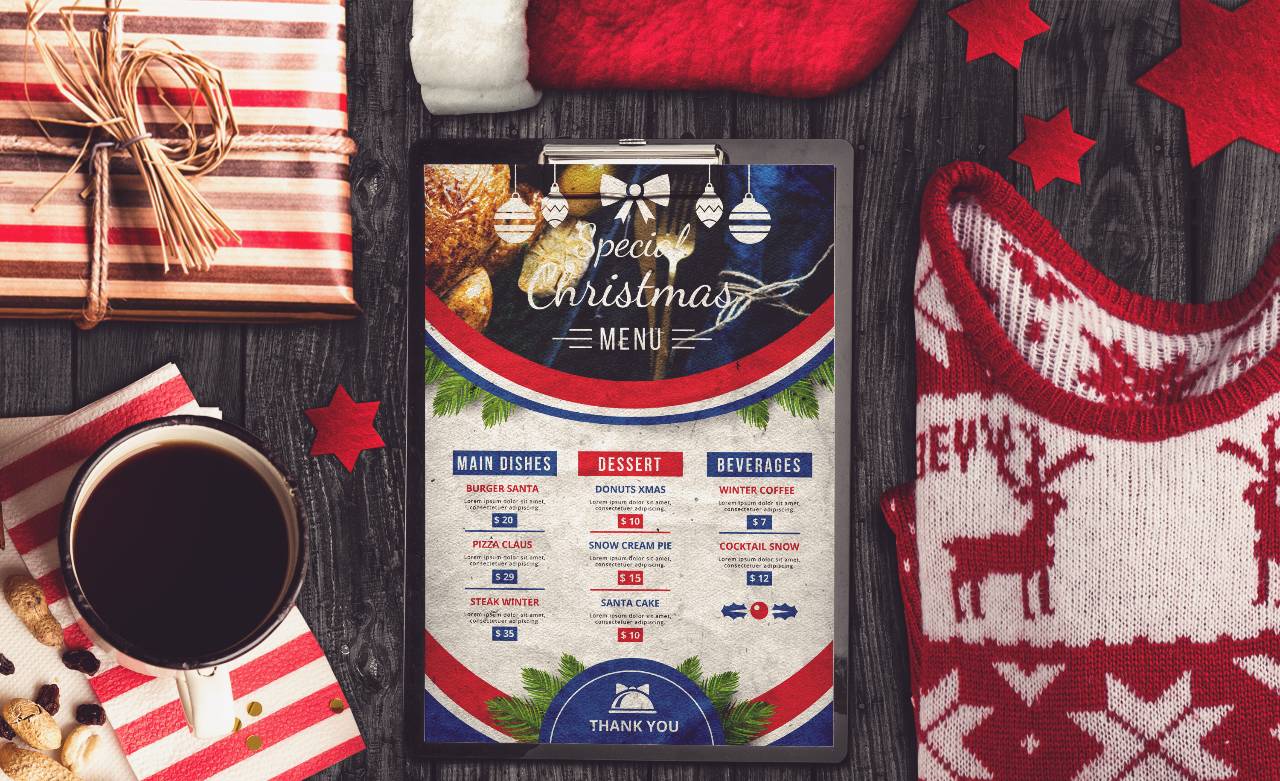
Winter is a strong season for restaurants to offer warm, hearty, and comforting menu items. As temperatures drop and holiday demand increases, customers often look for meals that feel satisfying, festive, and easy to enjoy with family, friends, coworkers, or at home. For restaurant owners, winter seasonal menu ideas should focus on comfort, convenience, group dining, and high-value limited-time offers. A winter menu does not need to be large. A few seasonal items can help restaurants create excitement during colder months while supporting dine-in, takeout, delivery, catering, and holiday promotions. 1. Soups, Stews, and Warm Starters Winter is one of the best times to promote soups and warm appetizers. Restaurants can offer chicken noodle soup, tomato basil soup, clam chowder, lentil soup, beef stew, chili, French onion soup, or seasonal vegetable soup. These items work well because they can be sold as starters, sides, or full meals. They can also be paired with bread, sandwiches, salads, or entrees to increase average order value. 2. Hearty Entrees Customers often want filling meals during winter. Strong seasonal options include roasted chicken, braised beef, pasta dishes, pot pies, baked casseroles, meatloaf, short ribs, lasagna, risotto, and warm grain bowls. The best winter entrees should feel rich and satisfying without slowing down the kitchen. Items that can be prepped ahead, portioned consistently, and finished quickly during service are usually easier to manage. 3. Holiday Specials Winter includes several major dining occasions, including Christmas, New Year's, office parties, family gatherings, and holiday catering. Restaurants can create limited-time holiday specials such as roasted meats, seasonal sides, festive desserts, family meal bundles, party trays, and prix fixe menus. These specials can help restaurants capture higher-value orders from guests who are already planning celebrations. 4. Warm Drinks and Seasonal Beverages Warm beverages are a simple way to make a winter menu feel seasonal. Cafes and restaurants can offer hot chocolate, chai lattes, peppermint mochas, spiced teas, apple cider, flavored coffees, and seasonal mocktails. These drinks can be promoted as add-ons with breakfast, desserts, takeout orders, or afternoon traffic. They are also easy to feature on social media and online ordering pages. 5. Comfort Sides Winter sides can make regular menu items feel more seasonal. Restaurants can add mashed potatoes, roasted root vegetables, mac and cheese, stuffing-style sides, baked potatoes, creamed spinach, warm bread, or seasonal rice dishes. These sides can support upselling because customers may add them to entrees, family meals, or holiday orders. 6. Festive Desserts Desserts are especially useful during winter because customers often look for sweet items around holidays and group occasions. Ideas include bread pudding, chocolate cake, apple pie, pecan pie, gingerbread cookies, peppermint desserts, cinnamon rolls, cheesecake, and warm brownies. Restaurants can also sell dessert boxes, holiday pastry trays, or limited-time family desserts for takeout and catering. 7. Delivery and Family Meal Bundles Cold weather can increase demand for convenient meals at home. Restaurants can create winter-friendly bundles such as soup and sandwich combos, pasta family meals, roasted chicken dinners, chili packs, holiday catering trays, and dessert add-ons. These offers work best when they are easy to package, easy to order online, and simple for the kitchen to prepare during peak hours. Winter seasonal menu ideas work best when they make customers feel comfortable, satisfied, and taken care of. By focusing on soups, hearty entrees, warm drinks, festive desserts, holiday specials, and family meal bundles, restaurants can create seasonal demand while protecting kitchen efficiency and profitability.
Seasonal menu items can help restaurants drive interest, but they still need to be priced and promoted correctly. A dish may look fresh, creative, and timely, but if the price does not protect margins or customers do not know it exists, the item may not deliver the results the restaurant expects. For restaurant owners, the aim is to make seasonal items profitable, easy to understand, and visible across every customer touchpoint. Pricing and promotion should work together. The price should reflect the cost, value, and limited-time appeal of the item. The promotion should explain why the item is worth ordering now. 1. Calculate the Food Cost First Before adding a seasonal item to the menu, calculate the cost of each ingredient in one portion. Include the main ingredient, sauces, toppings, garnishes, packaging, and any side items that come with the dish. For example, if a seasonal entree uses a premium protein, fresh produce, specialty cheese, and a house-made sauce, the price should reflect the full plate cost. If the restaurant only prices based on the main ingredient, the true margin may be lower than expected. 2. Set a Price That Protects Profit After calculating food cost, compare it to the target margin. A seasonal item should not be priced too low just because it is a limited-time offer. In many cases, customers may be willing to pay more for something that feels fresh, special, or only available for a short period. Restaurant owners should look at food cost percentage, contribution margin, portion size, and customer demand before finalizing the price. The item should be attractive to customers but still profitable for the business. 3. Use Clear Menu Descriptions A seasonal item needs a strong description. Instead of only listing ingredients, explain what makes the item appealing. Words like fresh, roasted, chilled, house-made, limited-time, summer, fall, winter, spring, local, warm, crisp, or seasonal can help customers understand the value. For example, "chicken sandwich" sounds basic. "Limited-time crispy chicken sandwich with apple slaw and maple aioli" sounds more seasonal and easier to sell. 4. Train Staff to Sell the Item Servers, cashiers, hosts, and managers should know what the seasonal items are, what they taste like, and who they are best for. Staff should also know what drinks, sides, desserts, or add-ons pair well with each item. A seasonal item performs better when employees can recommend it with confidence. A simple staff script can help - "Our fall special is the roasted squash bowl. It has warm grains, seasonal vegetables, and lemon herb dressing. It is one of our lighter comfort dishes." 5. Promote Items Inside the Restaurant In-store promotion helps customers notice seasonal items before they order. Restaurants can use table tents, menu inserts, chalkboards, window signs, counter cards, QR code menus, and server recommendations. The item should be easy to find. If customers have to search through the menu to notice the seasonal special, many will miss it. 6. Promote Items Online Seasonal menu items should appear on the restaurant website, online ordering page, delivery apps, social media, Google Business Profile, and email campaigns. Photos are especially important because seasonal items often rely on visual appeal. A summer drink, fall dessert, winter soup, or spring salad can perform better when customers see it before they visit or order online. Restaurants should use simple messages like "available for a limited time," "new seasonal special," or "fall menu now available." 7. Create Urgency With Limited-Time Offers Seasonal items work because they are temporary. Restaurants should make that clear in the promotion. Phrases such as "available this month," "summer only," "while supplies last," or "back for the season" can encourage customers to order before the item disappears. 8. Track Sales After Launch Pricing and promotion should not stop after the item goes live. Restaurant owners should review sales, food cost, waste, customer feedback, and average order value. If the item sells well but margins are weak, the price may need to change. If the item has strong margins but low sales, the promotion may need to improve. Seasonal menu items are most effective when they are priced for profit and promoted with a clear reason to buy. By calculating food cost, writing better descriptions, training staff, using in-store and online promotion, and creating urgency, restaurants can turn seasonal specials into stronger sales opportunities.