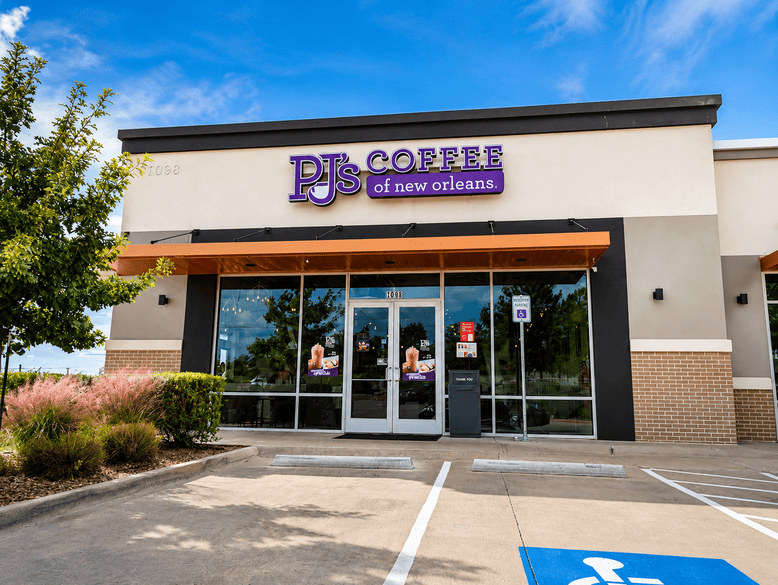
PJ's Coffee Joins C-Store Franchise Lineup
Estepp Energy, known for multi-unit brands like Little Caesars, is adding PJ's Coffee to its Kentucky convenience stores, marking a strategic expansion into specialty coffee.
news
Jun 24, 2026
Estepp Energy, known for multi-unit brands like Little Caesars, is adding PJ's Coffee to its Kentucky convenience stores, marking a strategic expansion into specialty coffee.
Jun 24, 2026

A seasonal menu helps restaurants attract repeat customers, match seasonal demand, control food costs, promote limited-time items, and improve profitability.
Jun 23, 2026

A restaurant is ready to franchise when its systems, numbers, brand, training, supply chain, legal structure, and support can scale.A restaurant is ready to franchise when its systems, numbers, brand
Jun 23, 2026
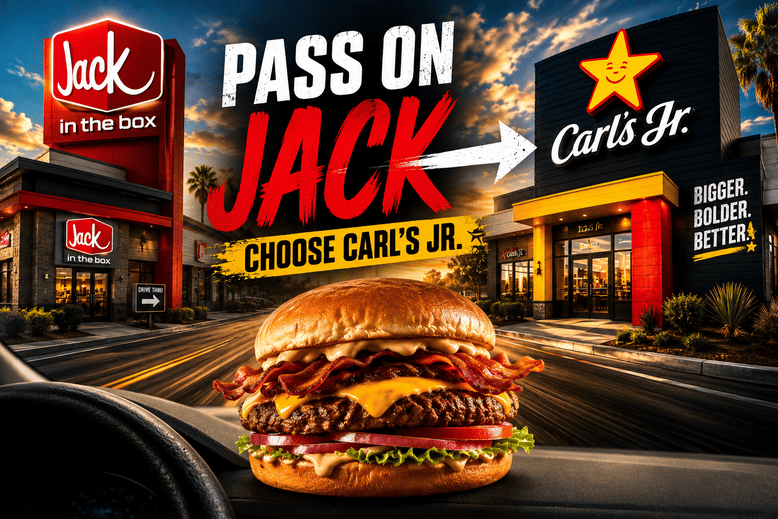
Carl's Jr. has launched a "Pass on Jack" marketing campaign rewarding loyalty members with a free Sourdough Star burger for driving past a Jack in the Box to reach a Carl's Jr. location- a direct shot at its California-based burger rival.
Jun 24, 2026
Jersey Mike's has dethroned Chick-fil-A as the top-rated major fast food brand in the 2026 American Customer Satisfaction Index, scoring 84 points to end the chicken chain's 11-year reign at the top of the rankings.
Jun 23, 2026
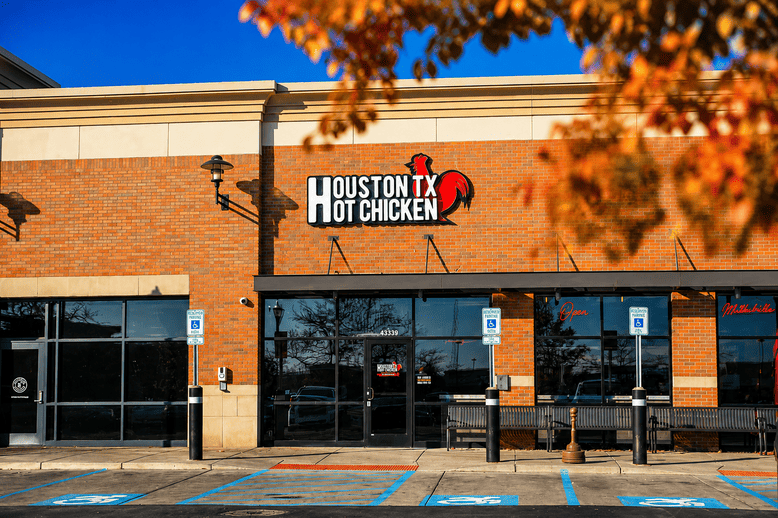
Houston TX Hot Chicken has signed a master franchise agreement with PizzaExpress to enter the UK market, with three locations set to open in 2026 and plans to scale to 50 locations nationally within three years.
Jun 23, 2026
.png)
Starbucks is hiring more than 300 coffeehouse coaches nationwide following a successful 62-store pilot, as the coffee giant works to double store leadership capacity and fill 90% of retail leadership roles through internal promotions.
Jun 23, 2026
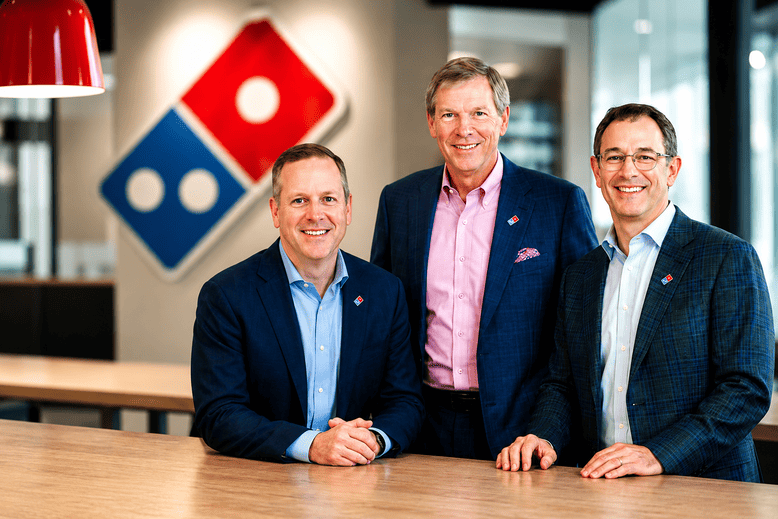
Domino's has announced that CEO Russell Weiner will retire on October 1, with COO and US President Joe Jordan named as his successor- a leadership transition that comes as the pizza giant pursues its most ambitious growth targets yet.
Jun 23, 2026
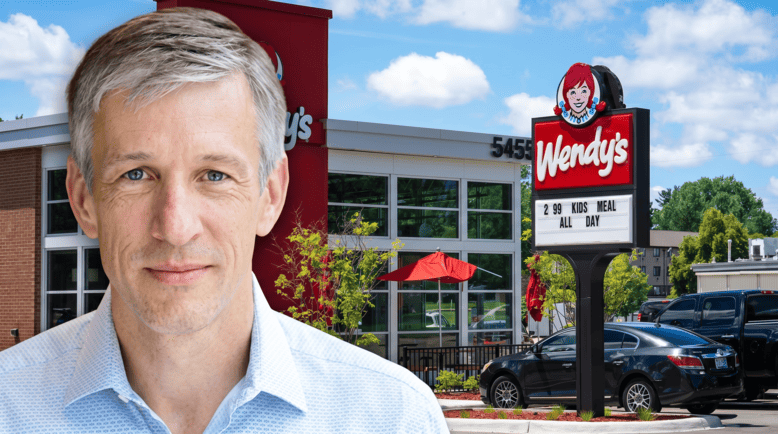
Wendy's has appointed Steve Cirulis as its new CFO and chief strategy officer, reuniting him with CEO Bob Wright following a successful brand turnaround at Potbelly, as the burger chain works to reverse four consecutive quarters of same-store sales declines.
Jun 23, 2026
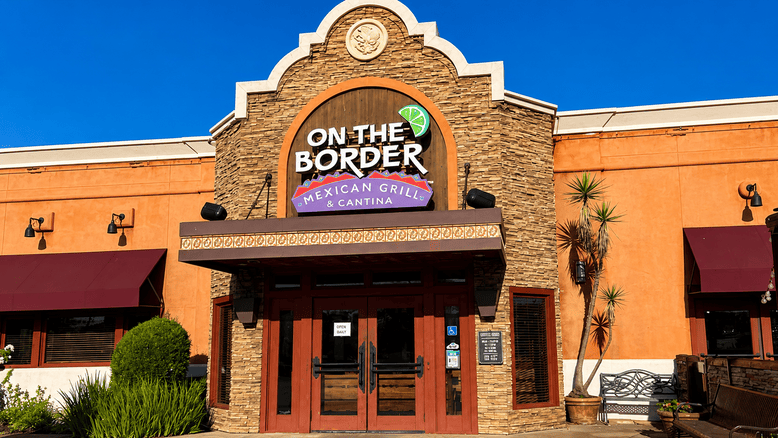
On The Border has filed for Chapter 7 liquidation less than 15 months after emerging from its first bankruptcy, leaving only five US franchise locations still operating as OTB Hospitality initiates an orderly wind-down of assets under court supervision.
Jun 23, 2026
A restaurant is ready to franchise when its systems, numbers, brand, training, supply chain, legal structure, and support can scale.A restaurant is ready to franchise when its systems, numbers, brand
A restaurant is not ready to franchise just because it is popular with customers. Before expanding through franchising, the business needs to prove that its model can produce consistent results over time. This means the restaurant should have steady sales, repeat customers, controlled costs, reliable service, and a clear reason people choose it over competitors. A proven business model shows that success is not based only on the founder's personal involvement. Many restaurants perform well because the owner is present every day, managing employees, checking food quality, solving customer issues, and making quick decisions. That may work for one location, but it becomes difficult to repeat across multiple franchise locations. A franchise-ready restaurant should be able to operate with systems, trained managers, and documented processes instead of relying only on the owner. Restaurant owners should look at several signals before considering franchising. Are monthly sales stable? Do customers return regularly? Can the menu be produced consistently by trained employees? Are food costs and labor costs under control? Does the restaurant generate enough profit after rent, payroll, inventory, marketing, and other operating expenses? These numbers matter because franchisees are not only buying a brand. They are investing in a business model they expect to repeat. The stronger the original restaurant performs, the easier it becomes to attract serious franchise candidates. A concept with clear demand, predictable operations, and healthy margins gives future franchisees more confidence. Without that foundation, franchising can spread problems faster than profits. A restaurant should first prove that one location works well before asking others to invest in opening more.
A restaurant can have busy dining rooms and strong sales, but that does not automatically mean it is ready to franchise. Before expanding, owners need to understand whether one location can produce enough profit after all major expenses are paid. Franchising works best when the business model is not only popular, but financially repeatable. This is where unit economics matter. Unit economics show how a single restaurant location makes money. If a location generates $100,000 in monthly sales but spends too much on food, labor, rent, delivery fees, supplies, repairs, and management, the remaining profit may be too small to support a franchise model. Once franchise royalties, marketing fees, loan payments, and opening costs are added, the numbers can become even tighter. For example, if food cost is 33% and labor cost is 31%, the restaurant is already spending 64% of revenue on its two biggest expenses. If rent takes another 10%, only 26% remains before utilities, insurance, software, repairs, marketing, taxes, and profit. That is why restaurant owners need to know the numbers before selling the model to franchisees. Key unit economics to review include - 1. Average monthly sales - Owners should know whether revenue is stable across the year or only strong during busy seasons, events, or holidays. 2. Food cost percentage - Food cost shows how much revenue goes toward ingredients. A franchise-ready restaurant needs recipes, portion controls, waste tracking, and vendor pricing that keep this number predictable. 3. Labor cost percentage - Labor cost shows how much revenue goes toward wages, payroll taxes, overtime, and staffing. If the model needs too many labor hours to operate, franchisee profits may shrink. 4. Prime cost - Prime cost combines food and labor cost. If food is 33% and labor is 31%, prime cost is 64%, leaving limited room for other expenses. 5. Rent-to-sales ratio - A restaurant may work in one location because rent is low. Franchisees need clear guidance on what rent level the model can support. 6. Average ticket size - Average ticket helps owners understand how many orders are needed to hit sales goals. 7. Break-even sales - Break-even sales show the monthly revenue needed before the restaurant starts making profit. 8. Cash flow consistency - A franchise-ready restaurant needs enough cash flow to cover payroll, inventory, repairs, and unexpected costs. Strong unit economics give franchisees a clearer financial roadmap. Without them, franchising can spread weak margins, cash flow problems, and operating pressure across multiple locations.

A restaurant becomes franchise-ready when the business can run well without the original owner standing in the middle of every decision. In one location, the founder may know exactly how the sauce should taste, when to prep more ingredients, which vendor to call, how many people to schedule, and how to fix a customer complaint. That level of personal control can help one restaurant succeed, but it is difficult to copy across multiple franchise locations. Franchising requires the restaurant to move from "owner knowledge" to "operating system." Every important task should be teachable, measurable, and repeatable. A franchisee should not have to guess how much product to order, how long food should be cooked, how employees should greet customers, or what the manager should check before closing. The more decisions that are documented, the easier it becomes to protect consistency. Small differences can quickly affect profitability. If one employee uses 8 ounces of protein instead of the required 6 ounces, food cost rises on every order. If one manager schedules 12 employees for a shift that only needs 9, labor cost increases before the first customer walks in. If cleaning, prep, and inventory checks are handled differently each day, the restaurant becomes harder to control. A repeatable restaurant operation usually needs five core systems. First, the food must be standardized. Recipes should include ingredient amounts, prep steps, cook times, portion sizes, plating instructions, packaging rules, and quality checks. This helps franchisees serve the same product even when different teams are working in different locations. Second, daily routines need structure. Opening checklists, closing checklists, prep lists, cleaning schedules, cash procedures, and manager shift notes help employees know what must happen before, during, and after service. Third, labor should follow demand. Franchisees need guidance on how many people to schedule by daypart, sales volume, delivery demand, season, and local traffic patterns. Without staffing rules, labor cost can rise quickly. Fourth, inventory must be controlled. Ordering schedules, waste tracking, par levels, storage rules, and vendor processes help protect margins and reduce last-minute shortages. Fifth, service standards should be clear. Guests should receive the same level of speed, accuracy, cleanliness, and hospitality no matter which location they visit. Repeatable operations protect both the brand and the franchisee. When systems are clear, new locations can open with less confusion, employees can be trained faster, and owners can measure performance more easily. A restaurant is closer to being ready to franchise when the experience can be repeated by trained people, not just recreated by the founder.
A restaurant needs more than good food before it can become a strong franchise brand. It needs a clear position in the market. Brand positioning explains what the restaurant is, who it serves, why customers choose it, and how it is different from nearby competitors. Without that clarity, franchising becomes harder because each new location may explain the brand in a different way. This matters because franchisees are not only buying an operating system. They are also buying a customer promise. If the promise is unclear, marketing becomes weaker, training becomes harder, and customers may not understand why they should choose the restaurant over another option. For example, a burger restaurant may not be franchise-ready if its only message is "great burgers." That is too broad. It becomes stronger when the positioning is specific, such as premium smash burgers, family-friendly fast casual, late-night burgers, locally sourced ingredients, value-driven combo meals, or chef-inspired burgers with craft sides. The clearer the position, the easier it is to build menus, ads, signage, training, and customer expectations around it. A franchise-ready restaurant should be able to answer a few important questions - 1. Who is the target customer? The brand should know whether it is built for families, office workers, students, delivery customers, health-conscious guests, late-night diners, tourists, or value-focused customers. A restaurant trying to serve everyone often struggles to stand out. 2. What is the main reason customers come back? Some restaurants win because of speed. Others win because of portion size, price, food quality, convenience, atmosphere, catering, delivery, or a unique menu category. Owners should understand the strongest driver of repeat business before expanding. 3. What makes the concept different? A franchise brand needs a clear point of difference. This could be a signature product, a specific cuisine, a service style, a dining experience, a price position, or a stronger convenience model. If the concept feels too similar to every other restaurant in the category, franchisees may have a harder time competing. 4. Can the brand be explained quickly? Strong franchise concepts are easy to describe in one or two sentences. If a potential franchisee, employee, or customer needs a long explanation to understand the concept, the positioning may need more work. Clear brand positioning also helps protect consistency. When every location understands the same customer promise, decisions become easier. Menu development, interior design, uniforms, packaging, social media, local advertising, loyalty offers, and customer service can all support the same identity. A restaurant is closer to franchise-ready when the brand is not just liked by local customers, but clearly understood. A strong position gives franchisees a sharper marketing message and gives customers a reason to remember the brand.
A restaurant is not ready to franchise if training only happens through shadowing, verbal instructions, or the owner correcting mistakes in real time. That may work in one location, but it becomes harder to control when new franchisees, managers, cooks, servers, cashiers, and shift leads need to learn the same system in different markets. Training is what turns a restaurant concept into a repeatable business. A franchisee should not have to figure out how to teach employees from scratch. They need clear training materials, step-by-step procedures, role expectations, checklists, and performance standards. Without documented training, each location may create its own habits, which can lead to inconsistent food quality, slower service, higher labor costs, and weaker customer experiences. For example, if a new cook is not trained on portion sizes, a dish that should use 5 ounces of protein may regularly use 6 or 7 ounces. That difference may seem small on one plate, but across hundreds of orders per week, it can increase food cost. If cashiers are not trained on upselling, loyalty signups, or order accuracy, the restaurant may lose revenue and create more mistakes during busy periods. If managers are not trained on labor planning, one location may run lean while another overschedules. A franchise-ready training system should include several key areas - 1. Franchisee onboarding - New franchisees need training on the business model, brand standards, financial expectations, technology tools, reporting, vendor requirements, and daily operating responsibilities. 2. Manager training - Managers should understand scheduling, shift leadership, cash handling, inventory control, guest recovery, employee coaching, food safety, and performance tracking. 3. Kitchen training - Back-of-house employees need clear guidance on prep lists, recipes, portion sizes, cook times, plating, packaging, equipment use, cleaning, and waste control. 4. Service training - Front-of-house employees should be trained on greetings, order taking, menu knowledge, upselling, payment flow, customer complaints, speed of service, and cleanliness standards. 5. Food safety training - Every location needs consistent training on handwashing, allergen awareness, temperature control, storage rules, sanitation, cross contamination prevention, and health inspection readiness. 6. Technology training - Employees and managers should know how to use the POS system, online ordering platform, delivery tools, scheduling software, inventory system, reporting dashboard, and loyalty program. 7. Opening support - Franchisees usually need extra training before and during launch, including pre-opening checklists, staff practice shifts, menu testing, equipment setup, and first-week operating support. 8. Ongoing education - Training should not stop after opening. Franchise systems need refreshers, updates, performance reviews, new menu training, compliance reminders, and support when standards change. Documented training helps protect the franchise system because it reduces guesswork. It gives franchisees a clearer path to opening successfully, helps employees learn faster, and allows the franchisor to measure whether each location is following the same standards. A restaurant is closer to franchise-ready when training can be transferred from the founder to a system. The goal is not just to teach people what to do, but to make sure every location can deliver the same food, service, cleanliness, and customer experience without depending on one person's memory.

A restaurant may be easy to operate in one location because the owner has strong relationships with local vendors, knows where to buy ingredients, and can solve shortages quickly. But franchising changes the supply chain challenge. Instead of supporting one kitchen, the business has to support multiple locations that need the same products, quality, pricing, packaging, and equipment. A restaurant is closer to franchise-ready when its supply chain can grow without creating confusion or inconsistency. Franchisees should not have to search for their own ingredients, guess which packaging to use, or negotiate every vendor relationship from scratch. They need clear sourcing standards that help them protect food quality, control costs, and deliver the same customer experience. For example, if one location buys a lower-cost cheese, sauce, protein, bread, or produce item, the menu may taste different. If another location uses different takeout packaging, delivery orders may arrive colder, messier, or less appealing. If vendor pricing varies too much by market, one franchisee may have stronger margins while another struggles with higher food costs. These differences can weaken both profitability and brand trust. A scalable supply chain should answer a few important questions. 1. Can key ingredients be sourced consistently? The restaurant needs to know whether its most important ingredients are available in different markets. If the concept depends on a specialty product that is hard to source, franchising may become more difficult. Owners should identify which ingredients are required, which can have approved substitutes, and which must never change. 2. Can purchasing costs support franchisee profit? Ingredient pricing has a direct effect on margins. If a menu item sells for $14 and ingredient cost rises from $4.50 to $5.50, the food cost percentage changes from about 32% to 39%. Across hundreds or thousands of orders, that difference can reduce profit quickly. Franchisees need vendor pricing that supports the financial model. 3. Can packaging, equipment, and supplies be standardized? Franchise locations need clear guidance on takeout containers, cups, bags, uniforms, smallwares, kitchen equipment, cleaning supplies, and branded materials. Standardization helps protect presentation, service speed, food safety, and customer perception. 4. Can vendors support multiple locations? A supplier that works well for one restaurant may not be able to serve several franchise markets. Owners should understand delivery schedules, minimum order requirements, distribution areas, product availability, and backup options before expanding. 5. Can the system handle shortages? Every restaurant faces supply issues at some point. A franchise-ready brand should have approved backup products, emergency ordering procedures, and communication rules so franchisees know what to do when an item is unavailable. Supply chain readiness is not only about buying ingredients. It affects menu consistency, food cost, delivery quality, franchisee profitability, and customer trust. A restaurant may have strong recipes and training, but if franchisees cannot get the right products at the right cost, the model becomes harder to repeat. A restaurant is ready to franchise when the supply chain is organized enough to support growth. That means approved vendors, product specifications, pricing expectations, ordering procedures, backup plans, and quality standards are documented before new locations open.
A restaurant cannot become a franchise system only by creating a menu, training plan, and brand package. Franchising also requires legal preparation. Once an owner allows another person to operate under the restaurant's brand, use its systems, and pay fees for that right, the business moves into a more regulated model. This is where legal and compliance readiness becomes important. Restaurant owners need the right documents, protections, and disclosure processes before offering franchise opportunities. Without them, the business may expose itself to disputes, fines, franchisee misunderstandings, or expansion problems that could have been avoided with better preparation. The most important legal foundation is usually the Franchise Disclosure Document, often called the FDD. This document gives potential franchisees important information about the franchise system before they invest. It may include details about fees, startup costs, royalties, territory rights, training, support, restrictions, financial performance representations, renewal terms, termination rules, and the franchisor's obligations. A franchise-ready restaurant should also have a clear franchise agreement. This agreement explains the legal relationship between the franchisor and the franchisee. It defines what the franchisee can and cannot do, how long the franchise term lasts, what fees must be paid, what standards must be followed, and what happens if either side fails to meet its responsibilities. Legal readiness should also cover brand protection. A restaurant should make sure its name, logo, slogans, menu names, and other important brand assets are protected before allowing others to use them. If the brand is not properly protected, it may be harder to control how the concept is represented in new markets. Restaurant owners should prepare several compliance areas before franchising - 1. Franchise disclosure requirements - Owners need to understand what must be disclosed to potential franchisees and when those disclosures must happen. 2. Franchise agreement terms - The agreement should clearly explain fees, royalties, territory rules, renewal rights, operating standards, transfer rules, and termination conditions. 3. Trademark and brand protection - The restaurant's name, logo, and key brand elements should be protected so franchisees can use them properly and competitors cannot easily copy them. 4. Operating standards - The franchisor should define required rules for food quality, service, marketing, uniforms, suppliers, technology, cleanliness, and customer experience. 5. State and local rules - Some markets may have additional registration, disclosure, employment, health, signage, tax, or permitting requirements. 6. Franchisee obligations - Franchisees should clearly understand what they are responsible for, including staffing, local marketing, reporting, vendor compliance, food safety, insurance, and daily operations. A restaurant is closer to franchise-ready when the legal structure is organized before selling franchise rights. Owners should work with qualified franchise professionals to prepare documents, protect the brand, and understand compliance requirements. This section is educational and should not replace legal advice, but the main point is simple - franchising needs structure before growth.
A restaurant may be ready to run more than one location, but franchising requires more than opening another store. It requires the owner to become the leader of a support system. Instead of only managing employees, inventory, service, and customers in one restaurant, the franchisor must help other operators succeed while protecting the brand across multiple locations. This is a major shift. A franchisee expects more than permission to use the restaurant name. They need guidance, training, tools, updates, performance feedback, marketing support, and problem-solving help. If the original restaurant team is already stretched thin, adding franchisees can create pressure on both the main business and the new locations. For example, if a franchisee has problems with labor cost, food quality, slow service, poor reviews, vendor shortages, or low sales, someone from the franchisor side needs to know how to respond. Without a support structure, each franchisee may start solving problems alone. Over time, that can lead to inconsistent operations, weaker customer experiences, and damage to the brand. A franchise-ready leadership team should be able to support several important areas - 1. Operations support - Franchisees need help understanding daily standards, labor planning, inventory controls, food safety, service speed, and quality checks. 2. Training support - The franchisor should have people or systems in place to train franchisees, managers, and employees before opening and after launch. 3. Marketing support - Franchisees often need guidance on grand openings, local promotions, social media, loyalty programs, email marketing, community outreach, and brand-approved advertising. 4. Technology support - The franchise system should help locations use the POS, online ordering, scheduling tools, inventory software, reporting dashboards, delivery platforms, and customer data correctly. 5. Financial reporting - Franchisees should know which numbers to track, such as sales, food cost, labor cost, average ticket, refunds, discounts, waste, and cash flow. 6. Quality control - The franchisor needs a process for checking food quality, cleanliness, service standards, brand presentation, and customer feedback across locations. 7. Communication systems - Franchisees need a clear way to receive updates, ask questions, report problems, and understand changes to menus, pricing, vendors, or operations. 8. Growth management - The leadership team should know how many franchise locations it can realistically support without weakening service, training, or brand control. Leadership capacity matters because franchising multiplies responsibility. If one restaurant has a weak process, the owner can often fix it quickly. If several franchise locations have the same weak process, the problem becomes larger, more expensive, and harder to control.