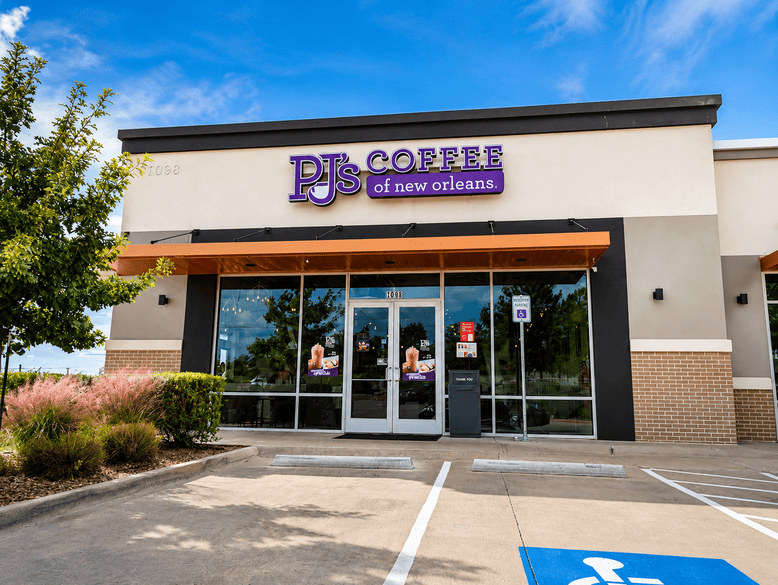
PJ's Coffee Joins C-Store Franchise Lineup
Estepp Energy, known for multi-unit brands like Little Caesars, is adding PJ's Coffee to its Kentucky convenience stores, marking a strategic expansion into specialty coffee.
news
Jun 24, 2026
Estepp Energy, known for multi-unit brands like Little Caesars, is adding PJ's Coffee to its Kentucky convenience stores, marking a strategic expansion into specialty coffee.
Jun 24, 2026
A seasonal menu helps restaurants attract repeat customers, match seasonal demand, control food costs, promote limited-time items, and improve profitability.
Jun 23, 2026
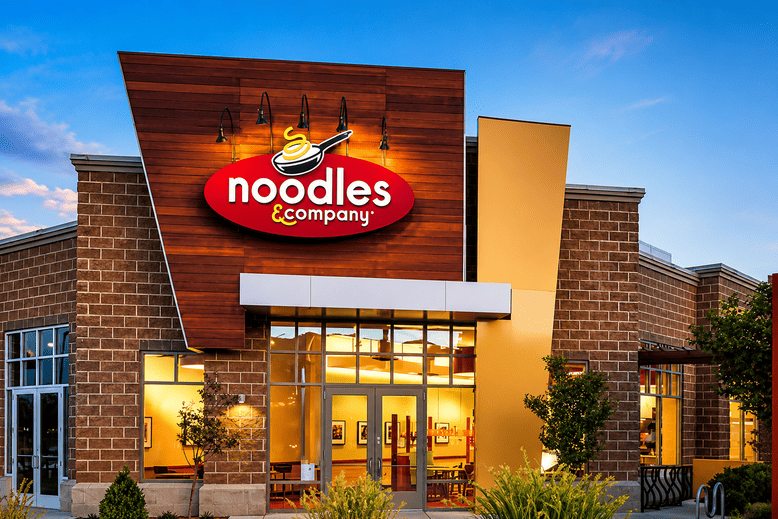
Noodles & Company partners with Coca-Cola to launch an exclusive Fanta Vanilla Cherry Spritz, paired with limited-time Mac & Cheese deals for July. Learn how this innovative LTO strategy can inspire your restaurant’s menu innovation!
Jun 24, 2026
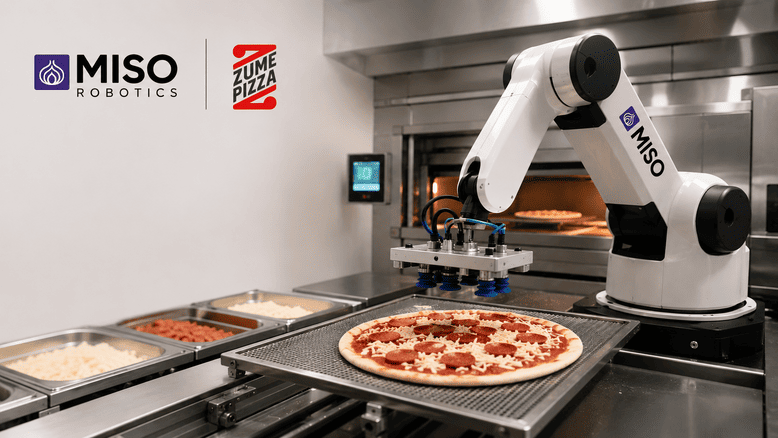
Miso Robotics has acquired Zume Pizza’s technology deck, giving new life to pizza automation and food robotics for forward-thinking restaurant operators.
Jun 24, 2026
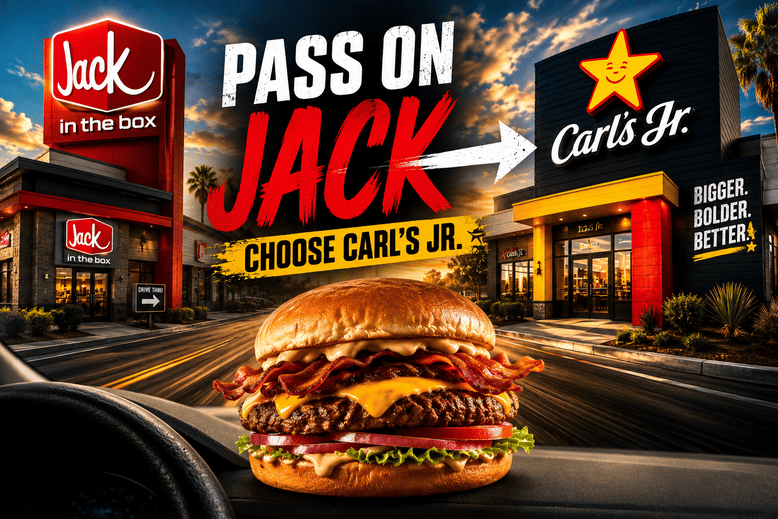
Carl's Jr. has launched a "Pass on Jack" marketing campaign rewarding loyalty members with a free Sourdough Star burger for driving past a Jack in the Box to reach a Carl's Jr. location- a direct shot at its California-based burger rival.
Jun 24, 2026
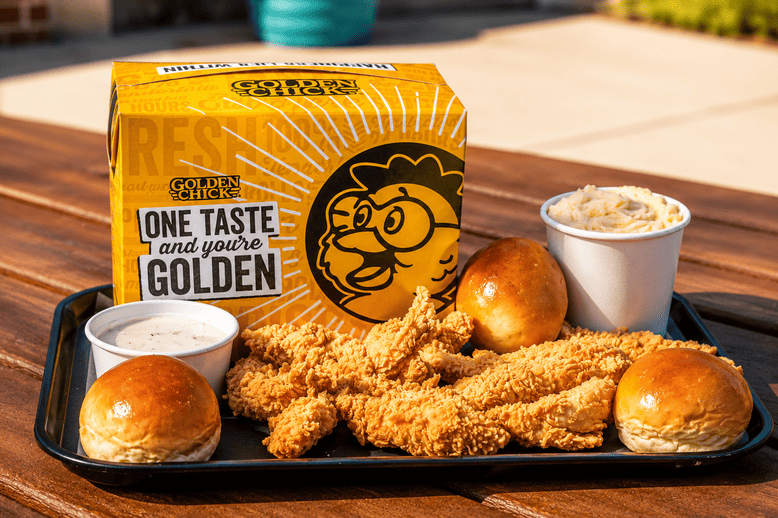
Discover how the Korpal brothers are driving Golden Chick's expansion across Texas with innovative operational strategies, team culture, and community engagement.
Jun 24, 2026
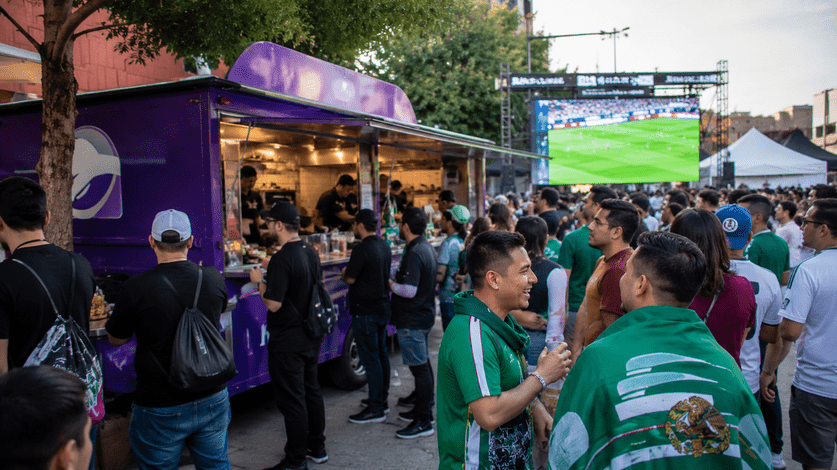
Taco Bell launches L.O.C.O.S., an international marketing initiative leveraging emotional support tacos and immersive brand experiences across global markets. Discover how this strategy sets new industry benchmarks.
Jun 24, 2026

A restaurant is ready to franchise when its systems, numbers, brand, training, supply chain, legal structure, and support can scale.A restaurant is ready to franchise when its systems, numbers, brand
Jun 23, 2026

Domino's has announced that CEO Russell Weiner will retire on October 1, with COO and US President Joe Jordan named as his successor- a leadership transition that comes as the pizza giant pursues its most ambitious growth targets yet.
Jun 23, 2026
.png)
Starbucks is hiring more than 300 coffeehouse coaches nationwide following a successful 62-store pilot, as the coffee giant works to double store leadership capacity and fill 90% of retail leadership roles through internal promotions.
Jun 23, 2026
An online ordering system can promote a restaurant's scalability by driving its sales, profits, and traffic through digital exposure.

Virtual shopping has gained immense popularity among modern consumers, making online payment processing vital for a business's profitability, and the restaurant industry is no exception. A food and beverage business can reach out to new customers and gain visibility in the industry by utilizing an online ordering system that accepts and completes credit card payments. In addition to convenience, restaurant online ordering also allows the buyer to save time by avoiding the line. Therefore, restaurants that implement an online ordering website can maximize customer satisfaction and revenue.

A study conducted by the Nation's Restaurant News shows that online ordering and delivery have grown 300% faster than dining-in since 2014. For the customer, ordering food online is a quick and easy alternative to dining-in. And for businesses, this process can be just as simple by utilizing the proper software. A restaurant that already has a point-of-sale (POS) solution that includes online ordering just needs to activate the feature. Although some systems require an additional monthly and setup fee to integrate an ordering platform with the established software. Once the processes are integrated, all online food orders are sent to the kitchen staff through the POS system. The alert will show the time of the request, along with the delivery instructions, depending on if the order was placed in-house or through a third-party app. If the POS software does not offer an ordering system, management should check with the provider about its integration capabilities. In most cases, an app or software can be downloaded into the system and will be available immediately. Restaurants that do not utilize software and want to implement online food ordering need to verify that their websites can handle high volumes of traffic. Businesses should have a robust e-commerce site that can integrate with POS software in case of high volumes of customers.
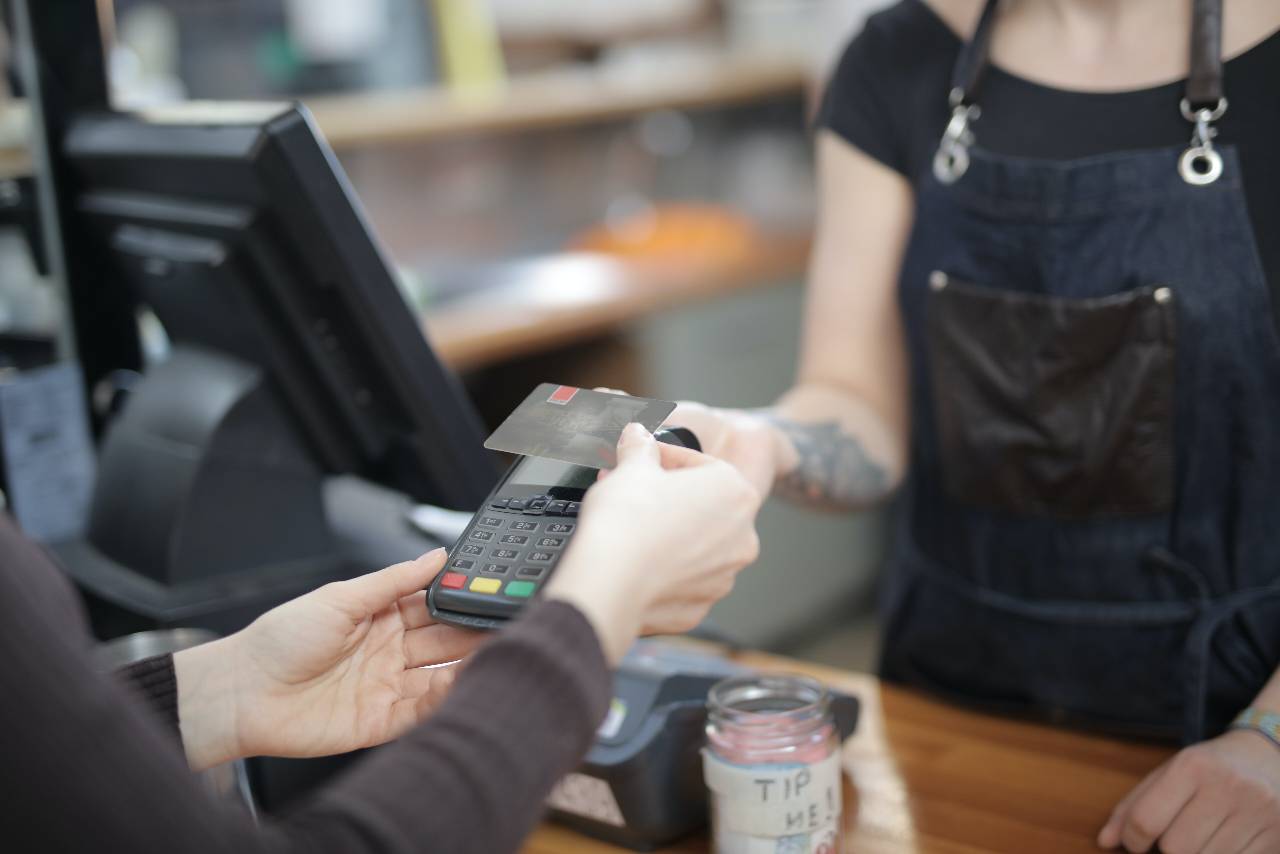
There are several options for restaurants wanting to expand their food ordering options. Depending on the company's wants and needs, they can manage digital order placement via- POS Add-Ons These features are prebuilt into the software but typically cost more per month to activate. Add-ons have several advantages, including-

Third-Party Systems These applications are designed to enhance the efficiency of a restaurant online ordering system. They can be easily downloaded from an app store or integrated with a website. Third-party ordering platforms benefit establishments because they-
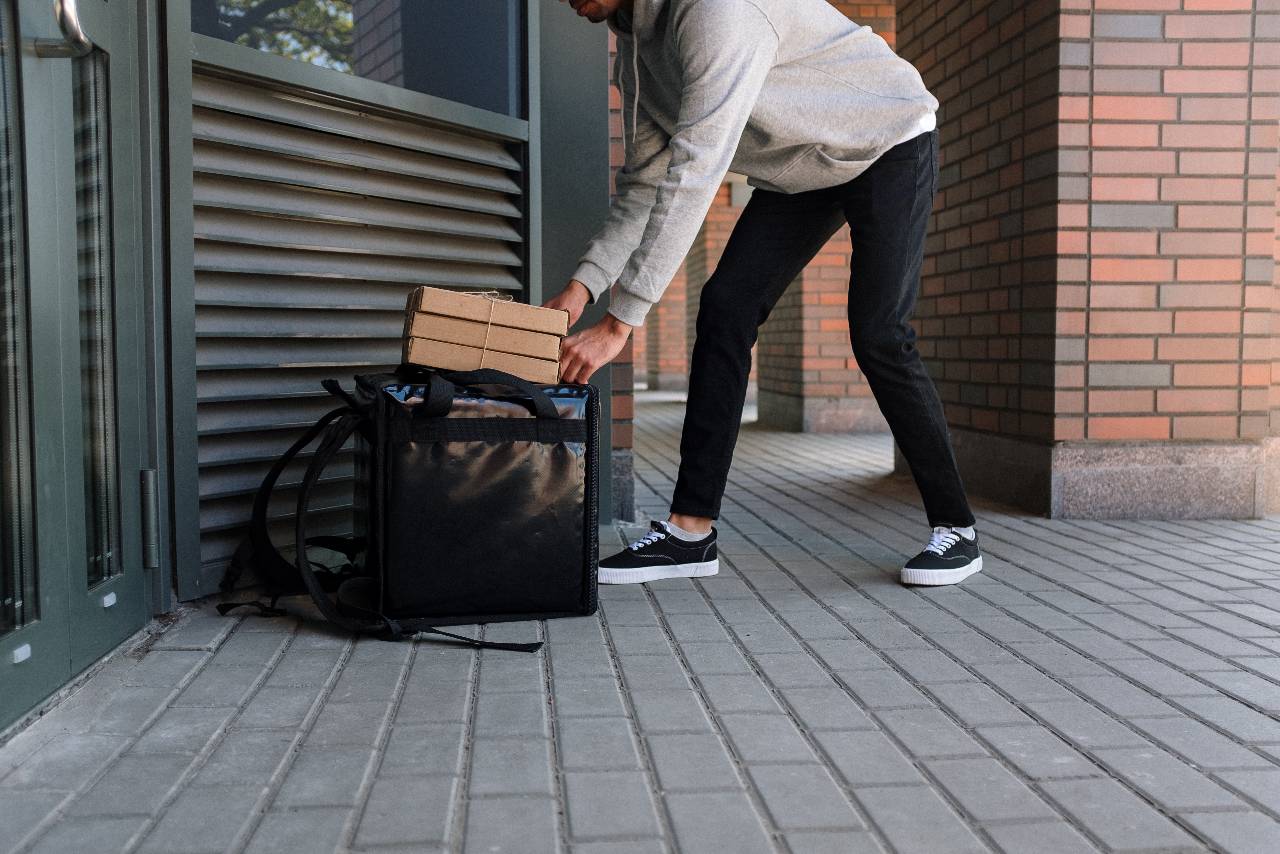
Delivery Apps Most commonly used through mobile apps, these solutions rely on external workers to pick up and deliver customer orders. Some of their advantages include-
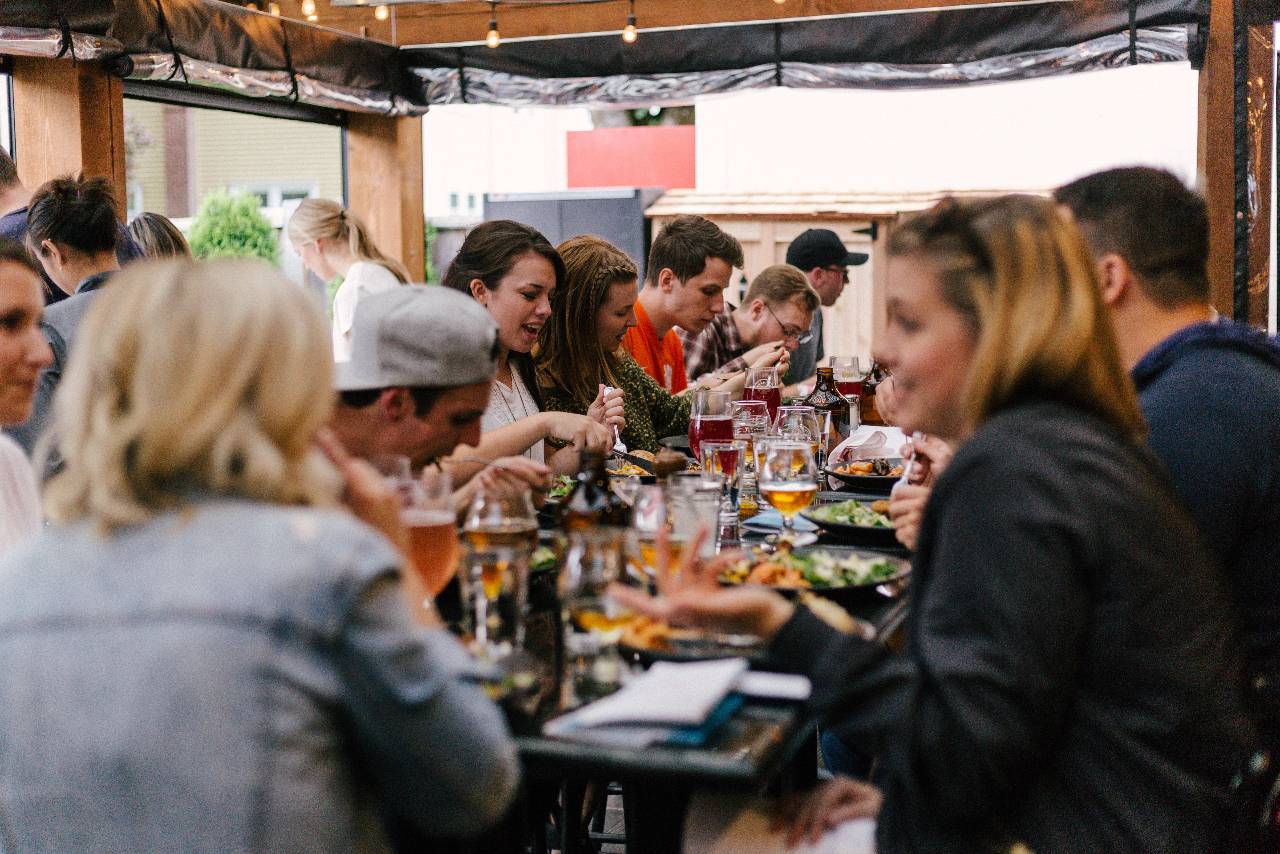
Implementing an online ordering website ensures a restaurant is extending its services to all potential customers. A report by PMQ Pizza Magazine disclosed that consumers who place a digital order visit the restaurant 67% more than those who do not use online solutions. Restaurant ordering systems have many other benefits, such as-