True Food Kitchen Files Bankruptcy, Closes 12 Sites
True Food Kitchen filed for Chapter 11 bankruptcy, closing 12 locations and shrinking to 34 restaurants across 14 states amid $42.1 million in debt.
News
Oct 5, 2026
True Food Kitchen filed for Chapter 11 bankruptcy, closing 12 locations and shrinking to 34 restaurants across 14 states amid $42.1 million in debt.
Oct 5, 2026

Snooze Eatery names industry veteran Amy Hom as COO, starting Sept. 28, to strengthen hospitality and operations ahead of its next growth phase.
Oct 5, 2026
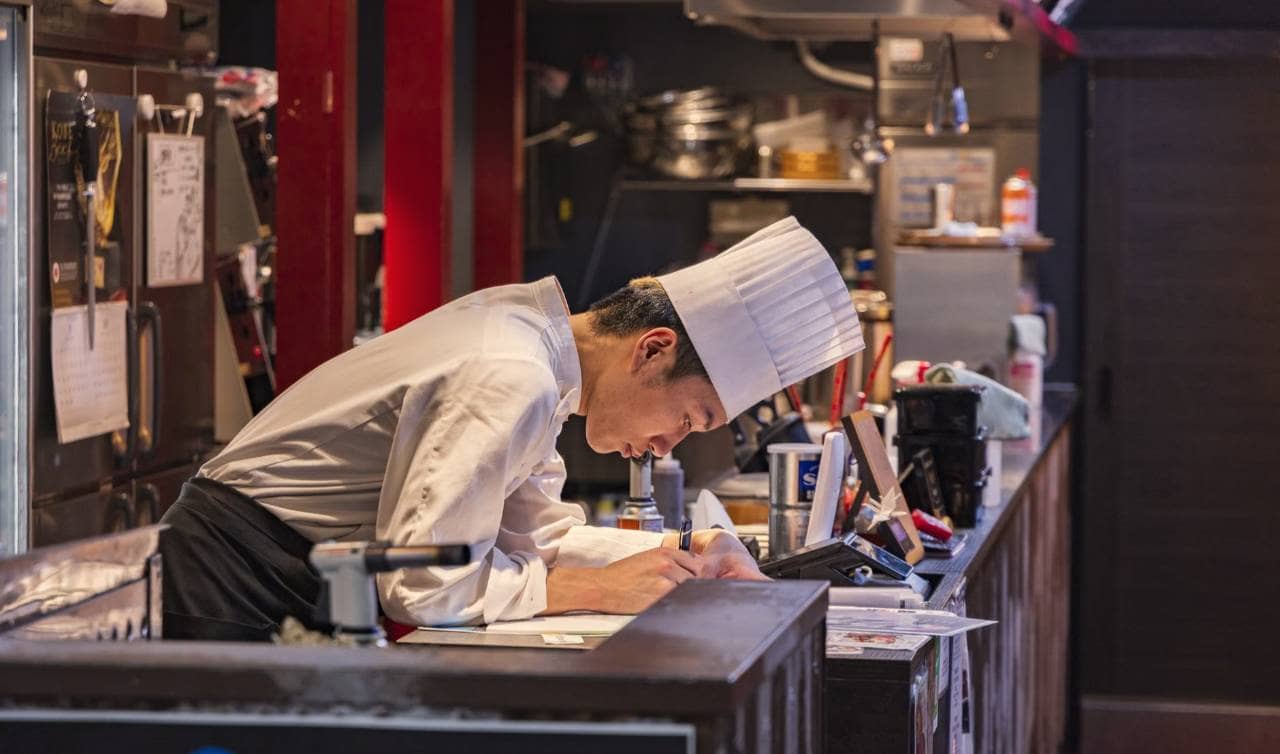
Restaurants can control operating costs by tracking food, labor, rent, utilities, technology, marketing, and other expenses against sales.
Oct 5, 2026

Opening a second restaurant location requires readiness, clear goals, financial planning, funding, smart strategy, standardized operations, strong teams, and careful launch monitoring for sustainable growth.
Sep 30, 2026

Evaluate restaurant industry performance in Q3 2026 through key trends affecting restaurant sales, traffic, consumer spending, labor, costs, and technology.
Oct 2, 2026
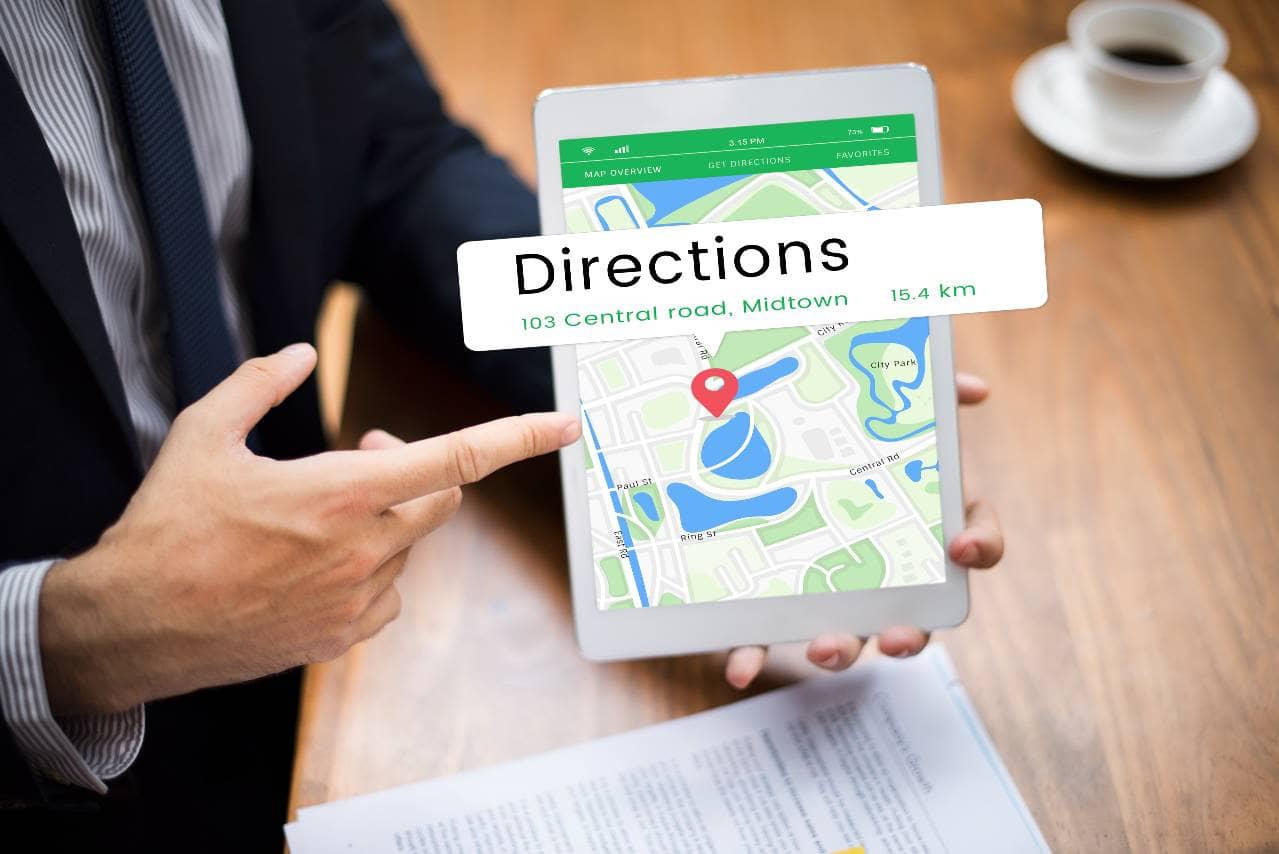
Improve restaurant visibility with local SEO by optimizing Google Business Profile, targeting local keywords, managing reviews, and maintaining accurate online information.
Oct 5, 2026

Understand tip pooling rules, employee eligibility, distribution methods, compliance requirements, recordkeeping practices, and policies restaurant owners need for proper tip management.
Oct 2, 2026

Whit's Frozen Custard hires industry veteran Amos Durbin as COO to guide franchise expansion, drawing on two decades of restaurant leadership experience.
Oct 2, 2026
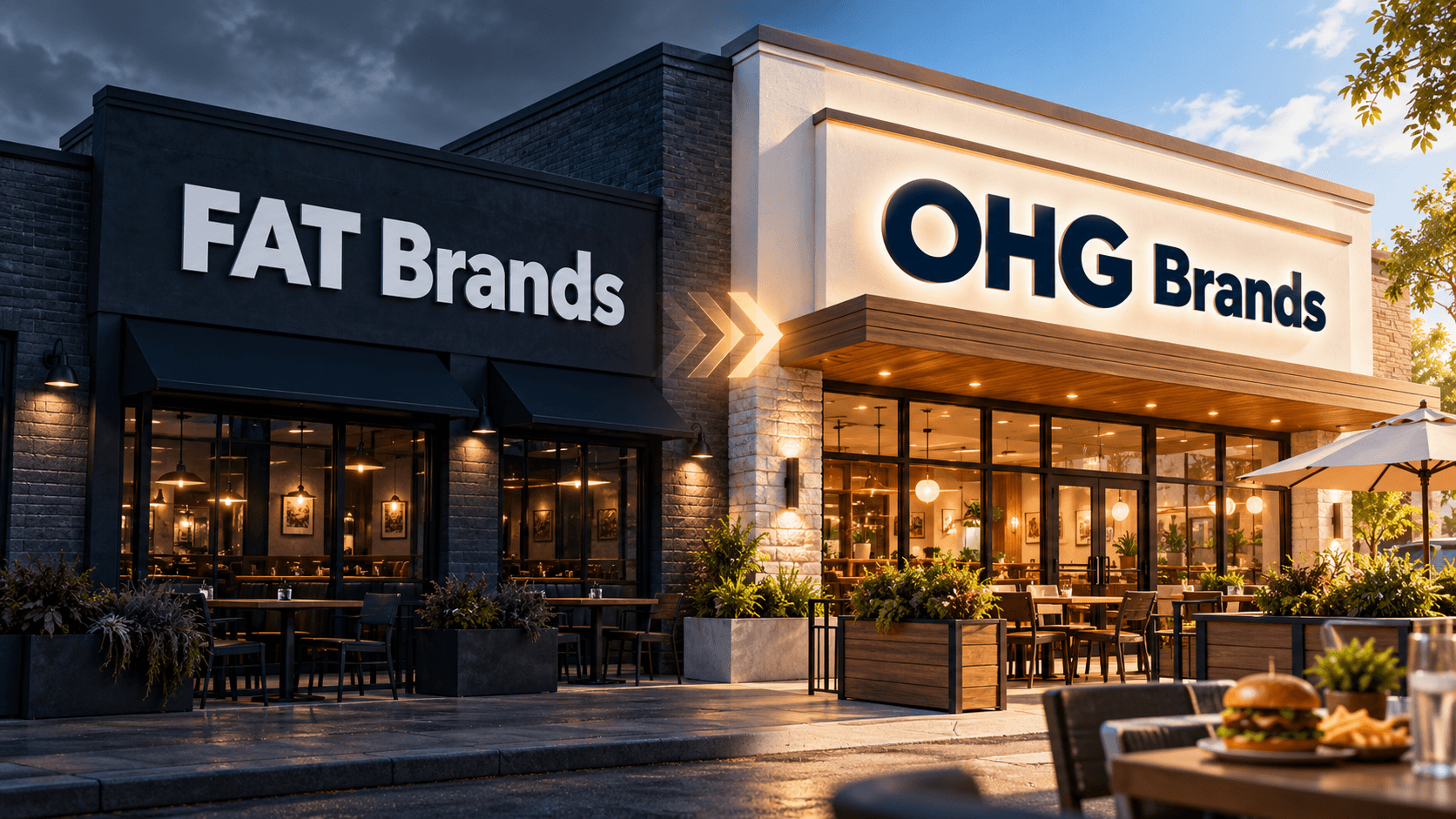
FAT Brands' $1B acquisition empire fell into bankruptcy and sold for $965M, re-emerging as OHG Brands with 1,700 restaurants.
Oct 1, 2026
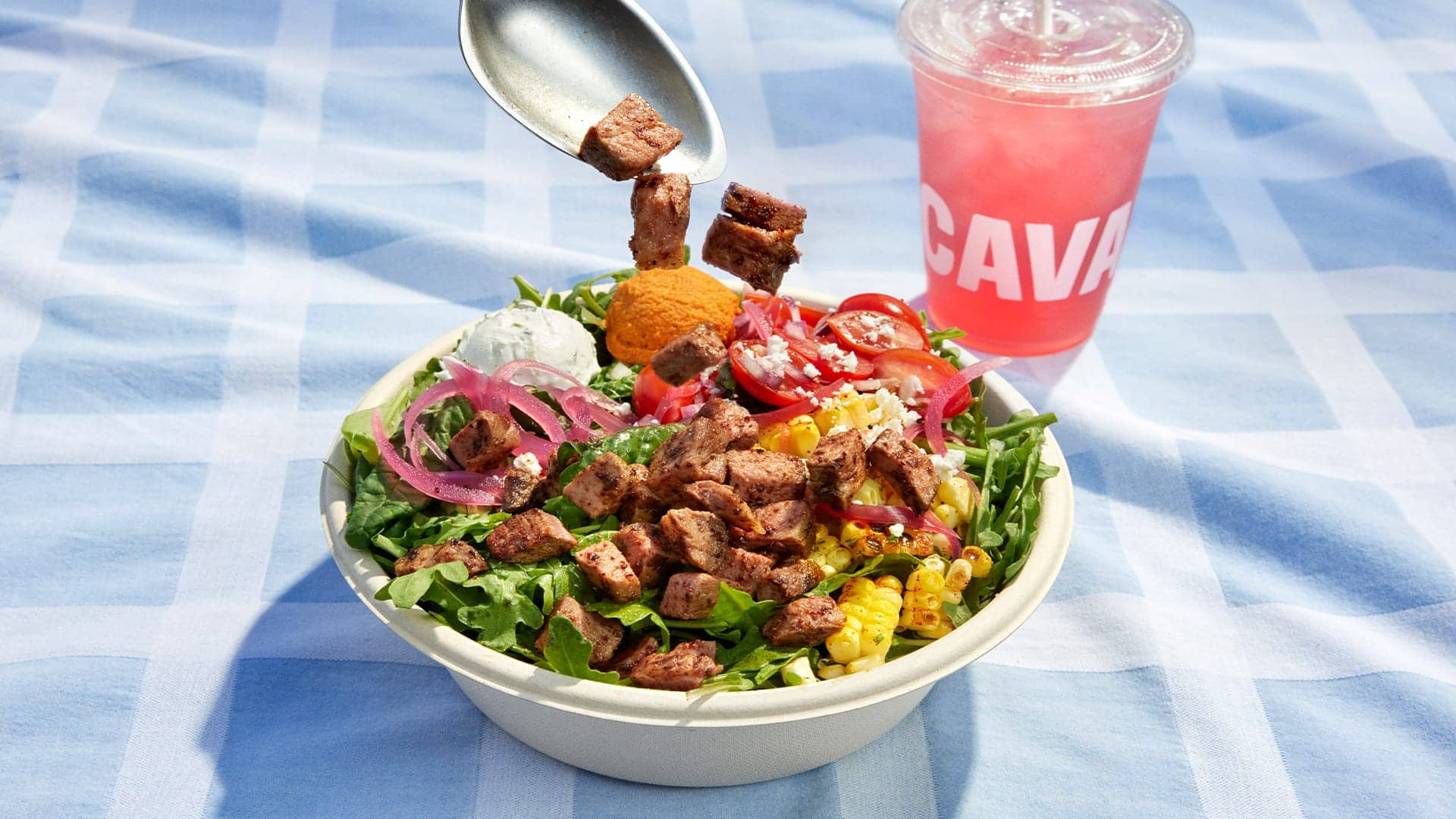
CAVA names John Ludeke, former Dr. Squatch Chief Brand Officer, as its new CMO to drive national growth and guest loyalty.
Oct 1, 2026

Unlock Exclusive Access To Webinars, Events, And The Latest News For Free!
Learn about the challenges faced by businesses in ensuring immigration compliance and the repercussions of non-compliance on employment practices.

Photo by Kyle Loftus
The recent lawsuit against The Cheesecake Factory sheds light on the serious ramifications of failing to comply with immigration laws in the workplace. The alleged recruitment of undocumented workers with false employment authorization documents and subjecting them to abusive conditions raises concerns about human rights violations and exploitation. Such actions not only violate federal laws but also reflect poorly on the ethical standards of the organization.

Photo by Kyle Loftus
Businesses operating in diverse environments face challenges in navigating complex immigration regulations while maintaining ethical employment practices. The need to verify employee eligibility accurately and ethically, especially in industries prone to vulnerabilities and exploitation, requires a robust compliance framework. The Cheesecake Factory case highlights the gravity of non-compliance and the importance of stringent hiring practices.
The stringent enforcement actions by government authorities, such as the revocation of employment authorization for certain immigrant workers, have created a sense of urgency for employers to ensure compliance with verification processes like E-Verify. Failure to conduct proper checks can result in legal repercussions, reputational damage, and financial penalties. Businesses must proactively adapt to evolving immigration policies to mitigate risks.

Photo by Kyle Loftus
The increase in government audits of Form I-9s underscores the need for employers, particularly in high-risk sectors like hospitality and construction, to prioritize compliance efforts. Conducting regular audits, training HR staff on verification procedures, and staying informed about regulatory updates are essential steps in safeguarding against non-compliance allegations. Implementing best practices can safeguard both employees' rights and the organization's reputation.