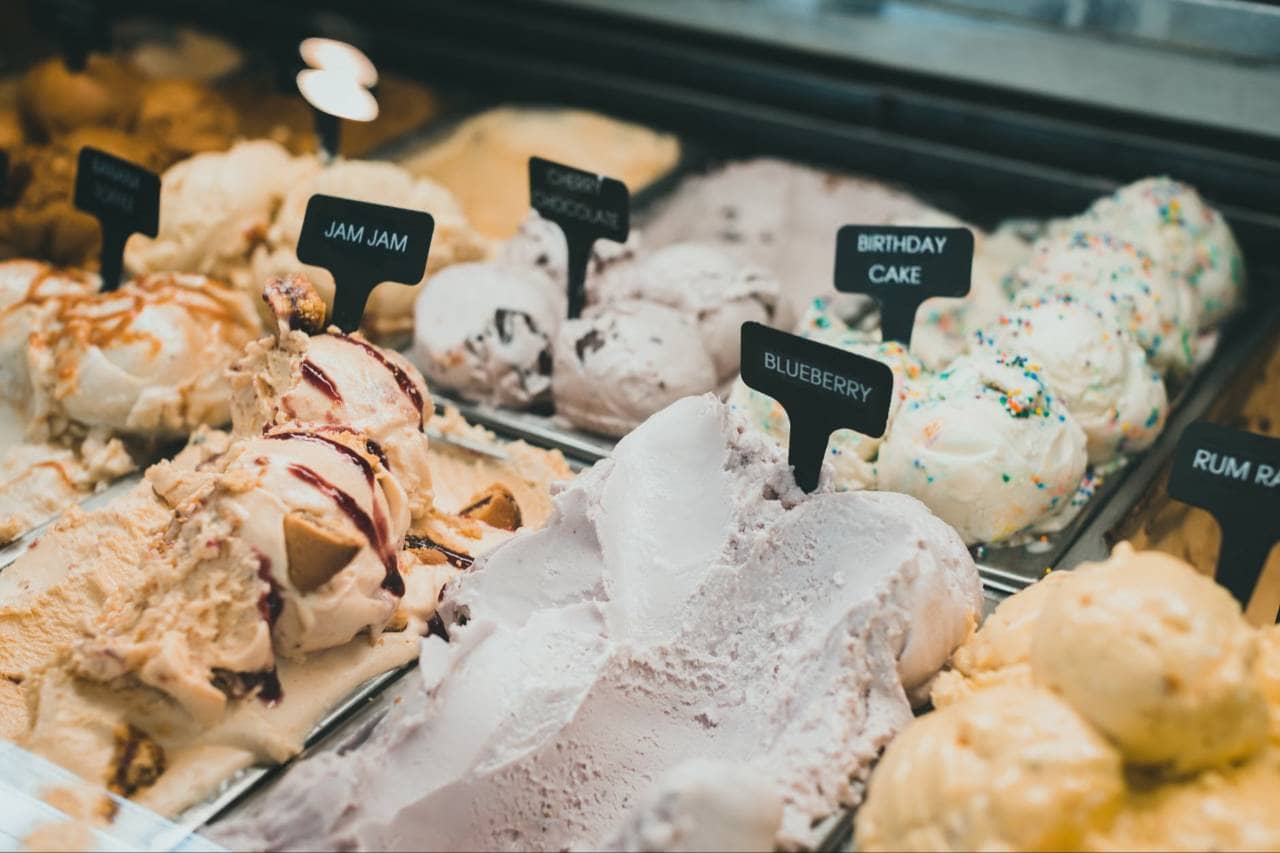
How Much Does It Cost to Open an Ice Cream Shop?
Learn the startup costs of opening an ice cream shop, including rent, equipment, renovations, permits, inventory, labor, marketing, and reserves.
Business Management
Aug 28, 2026
Learn the startup costs of opening an ice cream shop, including rent, equipment, renovations, permits, inventory, labor, marketing, and reserves.
Aug 28, 2026
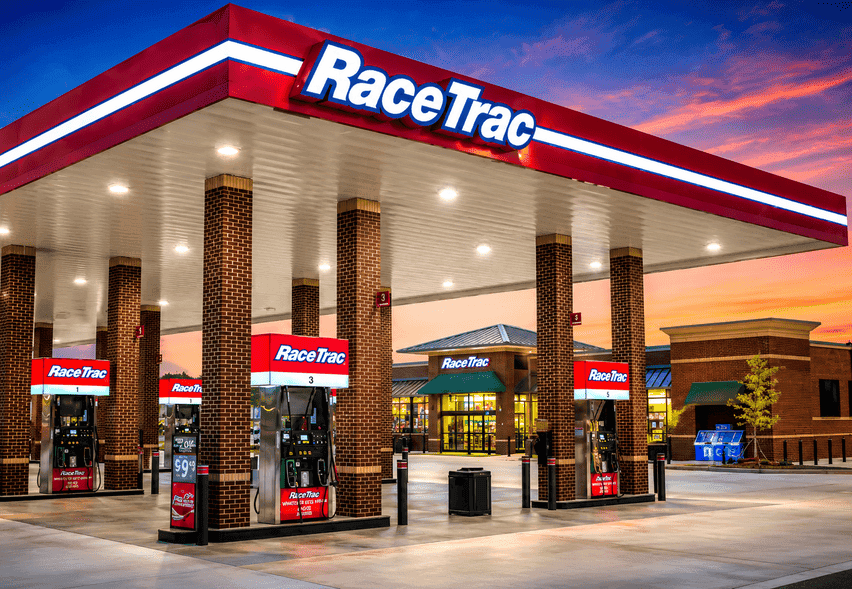
RaceTrac has appointed Jill Pemberton as chief financial officer, succeeding Karla Ahlert, who moves into the newly created role of chief administrative officer.
Aug 26, 2026

A restaurant P&L statement reveals sales, expenses, and profits, helping owners manage costs, improve margins, and plan finances more effectively.
Aug 26, 2026
Learn practical ways to reduce labour costs through smarter scheduling, forecasting, productivity, cross-training, automation, overtime control, and performance monitoring strategies.
Aug 26, 2026
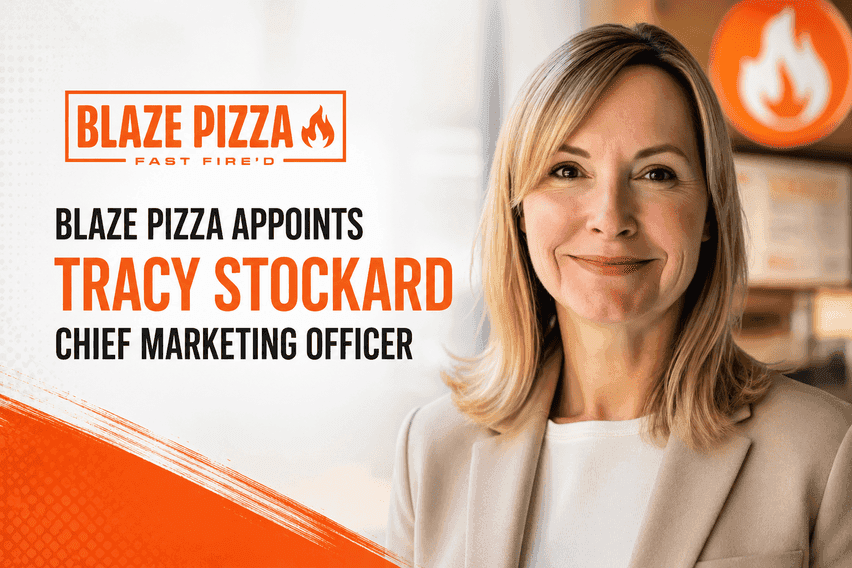
Blaze Pizza welcomes Tracy Stockard as Chief Marketing Officer, bringing decades of brand and franchise experience to drive strategic growth and guest engagement.
Aug 25, 2026
A payroll advance policy helps restaurant owners define eligibility, limits, repayment, documentation, approval procedures, and compliance requirements for employee advances.
Aug 24, 2026

Create a practical restaurant marketing plan by setting goals, targeting customers, choosing channels, budgeting wisely, scheduling campaigns, and measuring results.
Aug 24, 2026
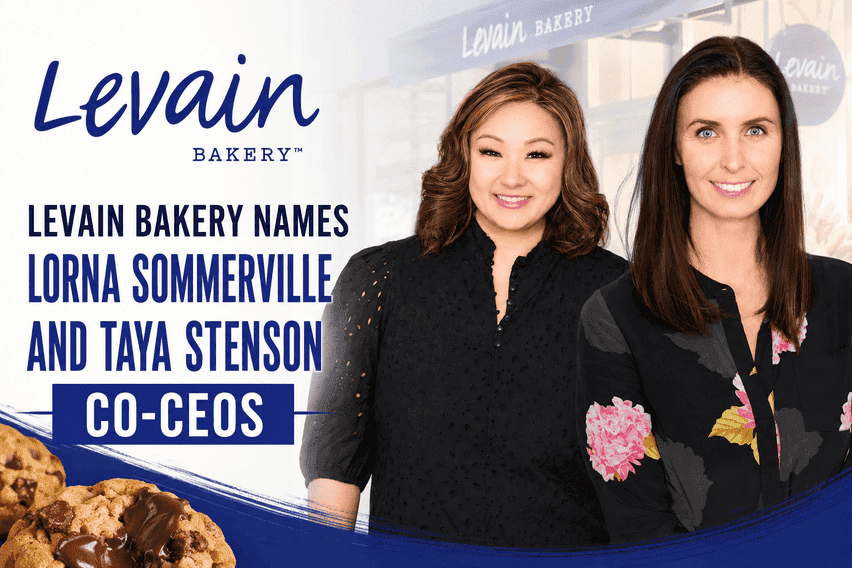
Levain Bakery appoints Lorna Sommerville and Taya Stenson as co-CEOs, blending operational and marketing expertise to power national expansion and innovation while staying rooted in its brand values.
Aug 25, 2026
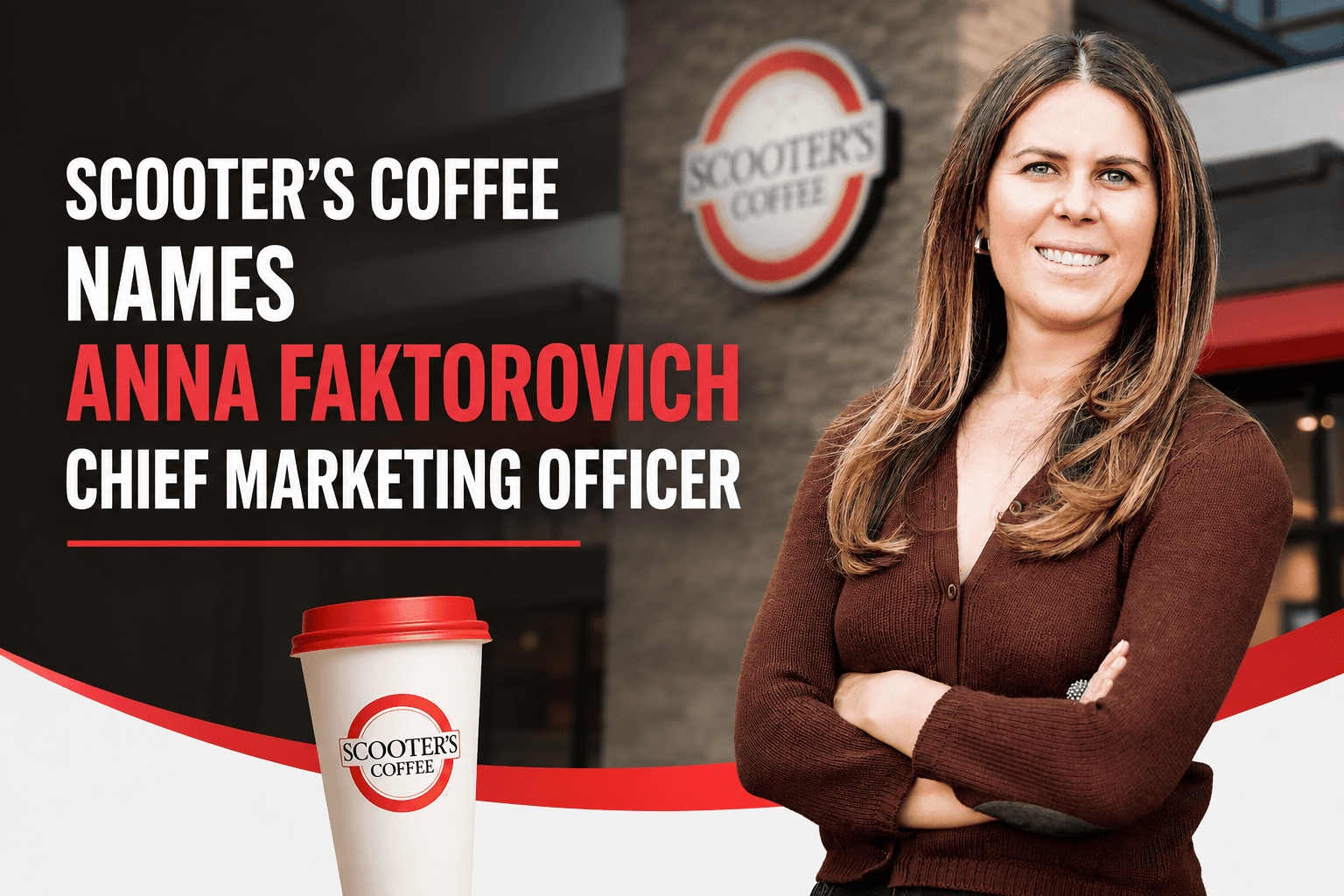
Anna Faktorovich, a seasoned marketing executive, has been named Chief Marketing Officer at Scooter’s Coffee, bringing decades of multi-brand experience to fuel the franchise’s next growth stage.
Aug 25, 2026
Dave & Buster's refreshes its executive lineup with seasoned leaders in operations, marketing, tech, and finance - signaling a growth-driven future for restaurant operators to watch.
Aug 24, 2026

Unlock Exclusive Access To Webinars, Events, And The Latest News For Free!
A refined look at Papa Murphy’s strategy as MTY guides a cautious turnaround amid a crowded pizza landscape—digital play, local marketing, and a new Detroit-style offering.

Photo by Salah Ait Mokhtar
From the vantage of a dining room late afternoon, the pizza market appears teeming with energy, yet MTY Food Group sits at a troubling equilibrium. MTY Food Group disclosed that in the first quarter, same-store sales declined by 2.5%, with systemwide sales totaling $1.3 billion, down from $1.36 billion a year earlier. The concept, Papa Murphy’s, remains the group’s largest take‑and‑bake anchor, and its friction reflects broader headwinds. “Papa Murphy's is certainly facing headwinds in terms of sales right now,” Lefebvre said, noting that although 2024 was reasonable, 2025 grew complicated and the challenges persist into 2026. The narrative is a measured pause before a deliberate, patient recalibration.
These dynamics sit against a longer arc: MTY acquired Papa Murphy’s in May 2019 for roughly $190 million, with the hope of long-term growth. Since 2020, the brand has suffered an 11.4% sales decline and more than 21.5% of systemwide units have closed. In 2025 alone, systemwide sales dropped 3% year over year to $706.5 million, while locations declined by 2.9% to 1,014. Impairment considerations tied to prior underperformance linger in the background, reminding the market that the turnaround is as much about portfolio realities as it is about reviving a single concept.

Behind the fiscal numbers lies a careful playbook: acquire underperforming franchised stores, shutter a few locations, and reallocate capital toward local marketing. Lefebvre has spoken of deploying customer-facing technology, relaunching the loyalty program, and revising marketing cadence to better engage existing customers while winning new ones. The aim is a deliberate mix of digital and local actions that can stabilize the network and lift results across markets. “We're not giving up. We still believe in these restaurants...But it's not impossible that we might have to make decisions with certain stores if we're continuing to incur losses, and we see that there might be less hope.”
Operationally, the plan shifts capital toward local markets and technology‑enabled guest engagement, signaling a pivot from broad affordability to smarter, targeted investments. The cadence favors a measured series of moves, local activation paired with digital touchpoints, designed to stabilize the network while preserving the brand’s distinctive take‑and‑bake ethos. The nine‑to‑twelve‑month horizon remains a benchmark, even as leadership acknowledges that momentum can ebb and flow.

Product and platform innovation sit at the heart of the relaunch. The introduction of a Detroit‑style pizza marks Papa Murphy’s ongoing evolution, positioned to spark consumer enthusiasm and foster repeat visits within the Take ’n’ Bake format. Management frames this as adding new experiences rather than simply lowering price; promotions pair with a lower‑cost, higher‑frequency model to convert occasional buyers into regulars. The culinary hint of a regional technique carries the promise of differentiation in a crowded field.
Beyond novelty, the move tests the balance between cost discipline and value, aiming to pull customers into a cadence of visits that can support price timing and promotional flexibility. Detroit‑style is a narrative device as much as a product, an invitation to reimagine a familiar crust into something memorable, a quiet art in a busy pizza aisle.

In the broader arena, Technomic data for 2024 paints a sobering landscape: 61% of pizza chains posted declines, a reflection of aggressive promos and narrowing pricing power in a post‑pandemic panorama. Pizza remains highly contested, with rivals employing promotions that are difficult to match. The context helps explain why even a well‑known concept like Papa Murphy’s must navigate a tide that can lift some days and sink others.
The takeaway is a call for agility: pricing discipline, promotional balance, and constant product innovation as levers to regain momentum. The industry will continue to watch to see which levers, pricing, promotions, and novel formats, will most effectively stabilize performance in the pizza category.
Even as the broader turnaround unfolds, management cautions that the path is not linear. Lefebvre has warned that the recovery may take longer than anticipated and that further strategic decisions around underperforming stores could follow if losses persist. The message is not gloom, but a disciplined patience that recognizes the difference between a revival story and a fragile moment.
With emphasis on local marketing, digital capabilities, and new product formats, Papa Murphy’s is rebuilding trust and relevance in markets where it can compete. If the turnaround accelerates, capital could be repurposed toward high‑potential markets and digital initiatives; if not, the group may pursue continued consolidation or a more aggressive repositioning. The industry will observe closely to see which levers, pricing discipline, promotions, and product innovation, will best stabilize performance in the pizza category.