
Photo by shen wenjie on Unsplash
Seasonal Frenzy Reshapes Fast-Casual
Holiday-driven menu drops fuse nostalgia with wellness, turning menus into living calendars for fast-casual brands.
Menu Development
Apr 28, 2026
Photo by shen wenjie on Unsplash
Holiday-driven menu drops fuse nostalgia with wellness, turning menus into living calendars for fast-casual brands.
Apr 28, 2026
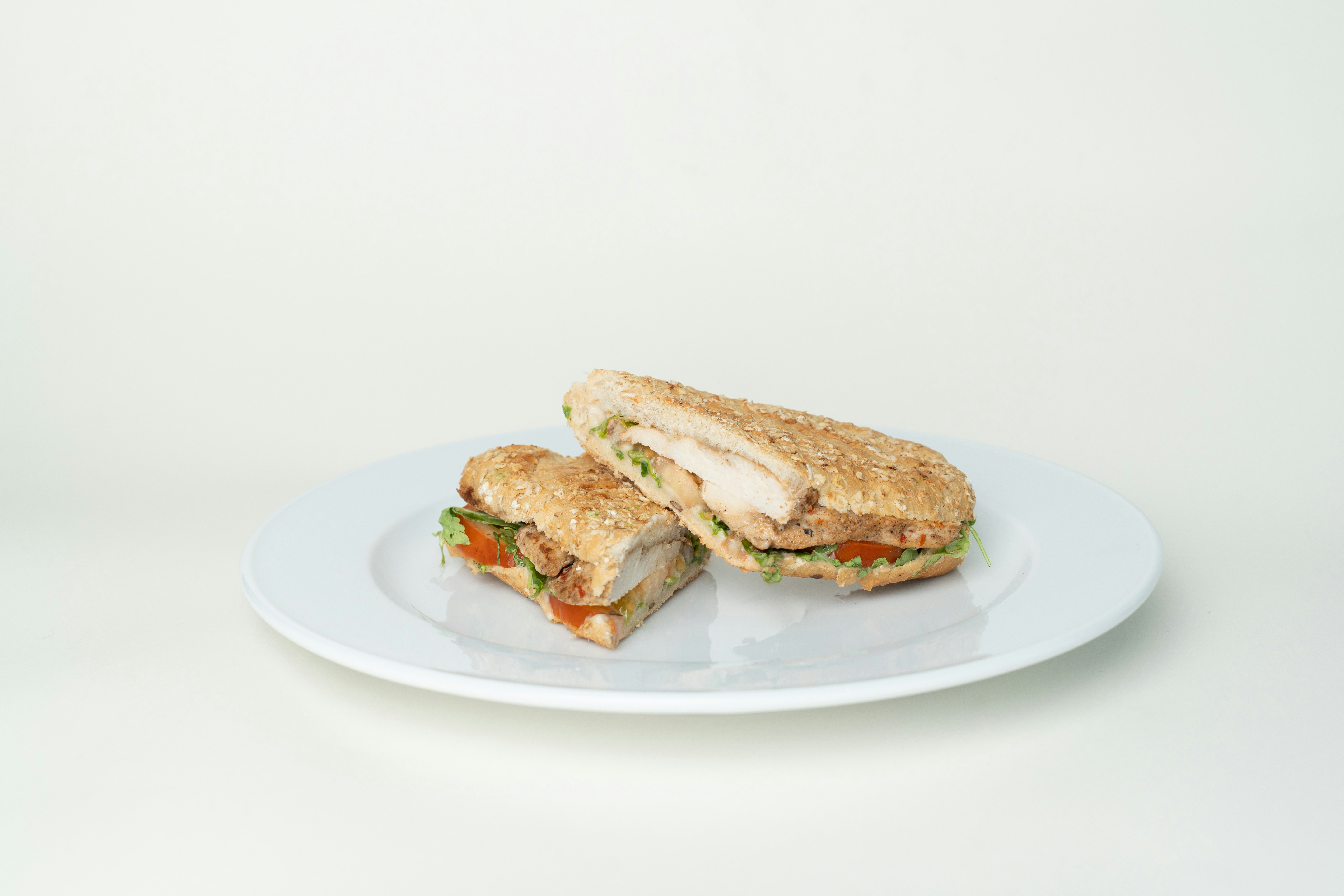
Photo by Abdul Raheem Kannath on Unsplash
Susannah Frost named Chick-fil-A President, joining Cliff Robinson as COO to guide domestic expansion and international growth.
Apr 28, 2026

Photo by Moon Bhuyan on Unsplash
Ghost pepper-led promotions redefine autumn menus as chains blend heat, storytelling, and seasonal collaborations to drive foot traffic.
Apr 28, 2026

Photo by Noah Martinez on Unsplash
CAVA rolls out Garlic Ranch Pita Chips with a Steak + Harissa Bowl and a refreshed Rewards program, tying flavor innovation to personalized guest experiences.
Apr 28, 2026

Photo by Kate Trysh on Unsplash
Applebee’s launches Pick 6 Mondays, offering free wings with a $10 purchase when a Pick 6 occurs on Sundays, driving game-day momentum across dine-in and To Go.
Apr 28, 2026
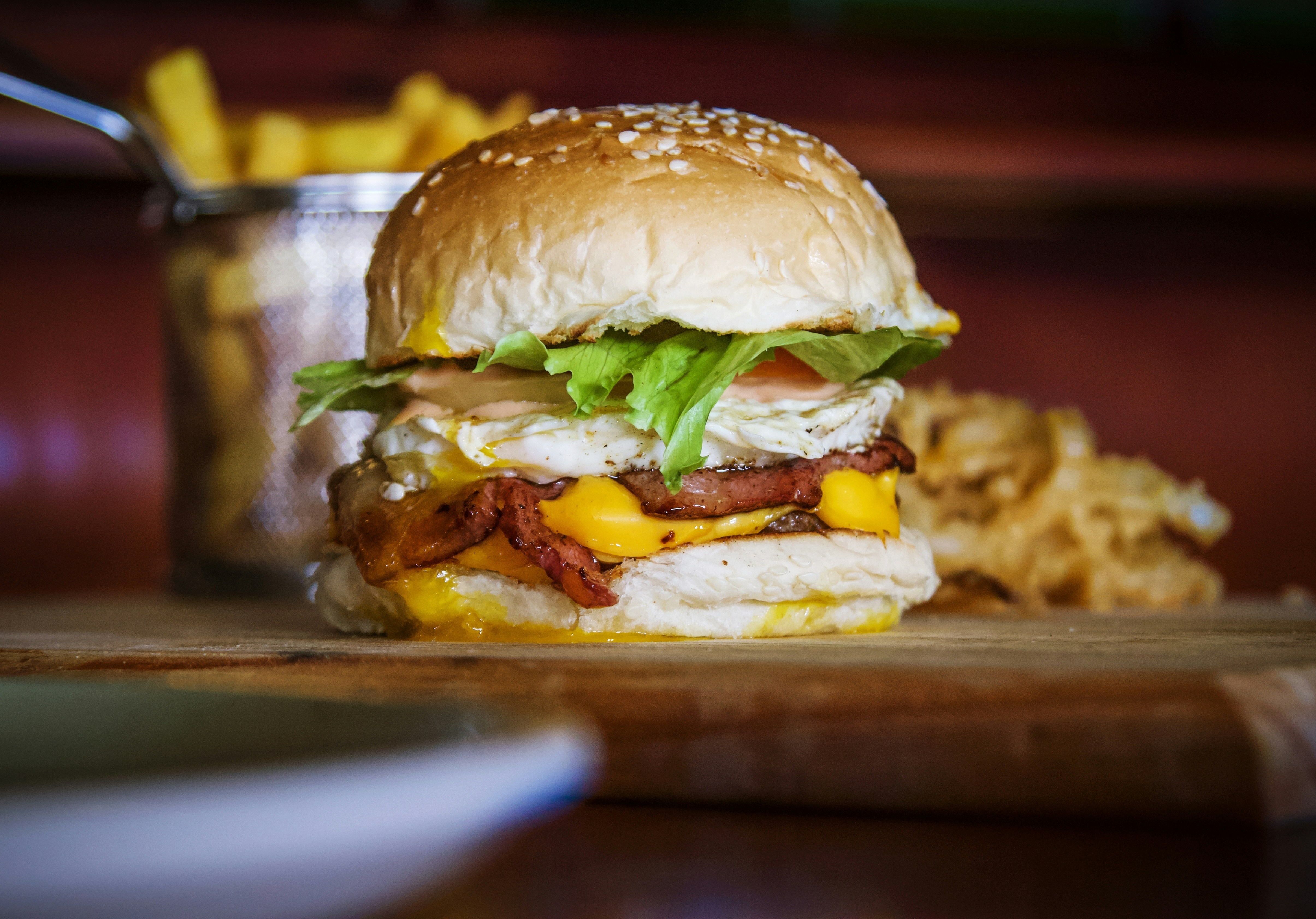
Photo by Stu Moffat on Unsplash
Beatrice Nguyen explores how leadership blends speed, loyalty, and standardized operations to grow Shake Shack while preserving its signature experience.
Apr 28, 2026
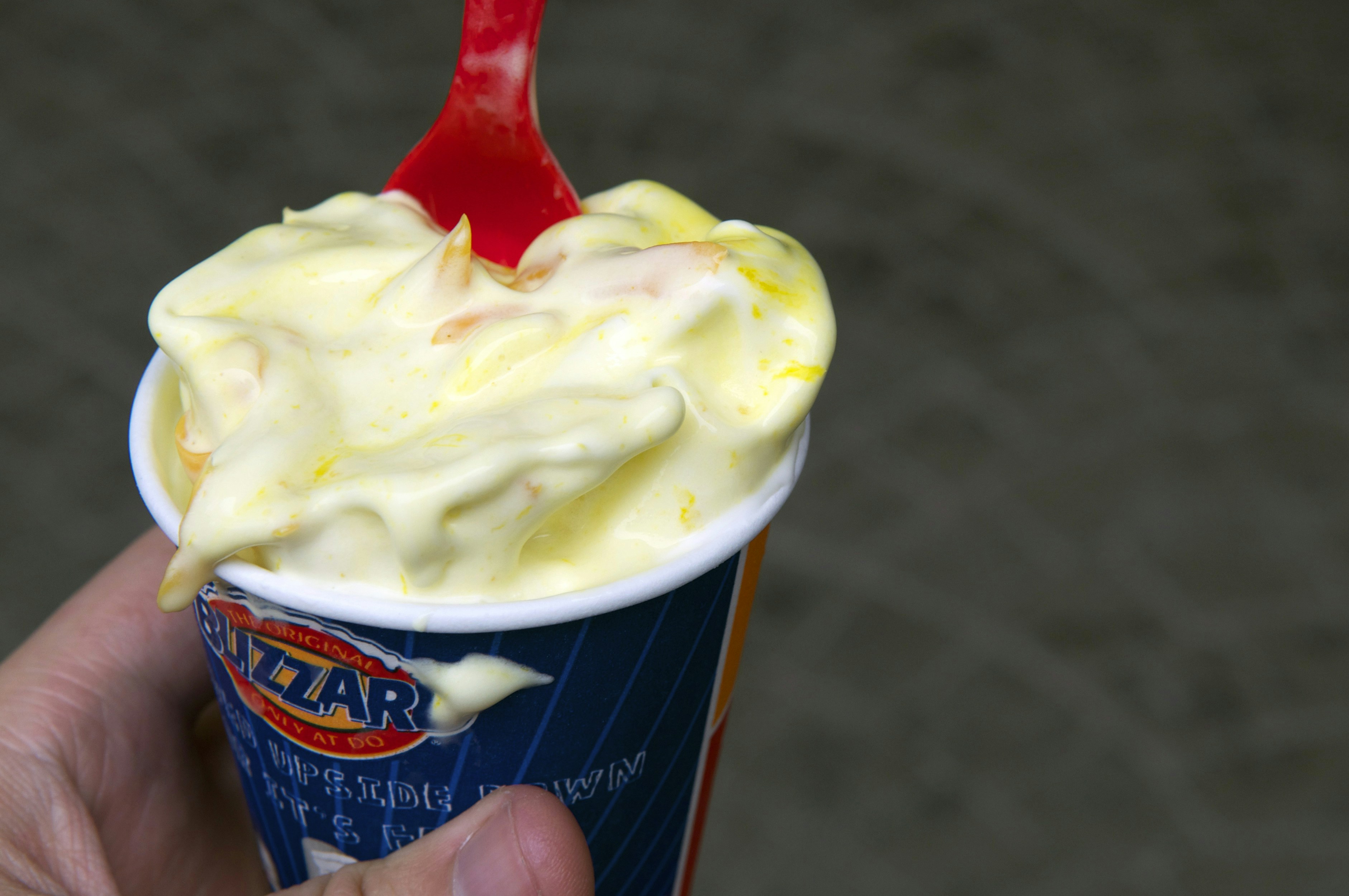
Photo by tommao wang on Unsplash
Freddy’s expands with a 23,000-sq-ft Training & Innovation Center to boost franchise profitability and unit growth toward 800+ by 2026.
Apr 28, 2026
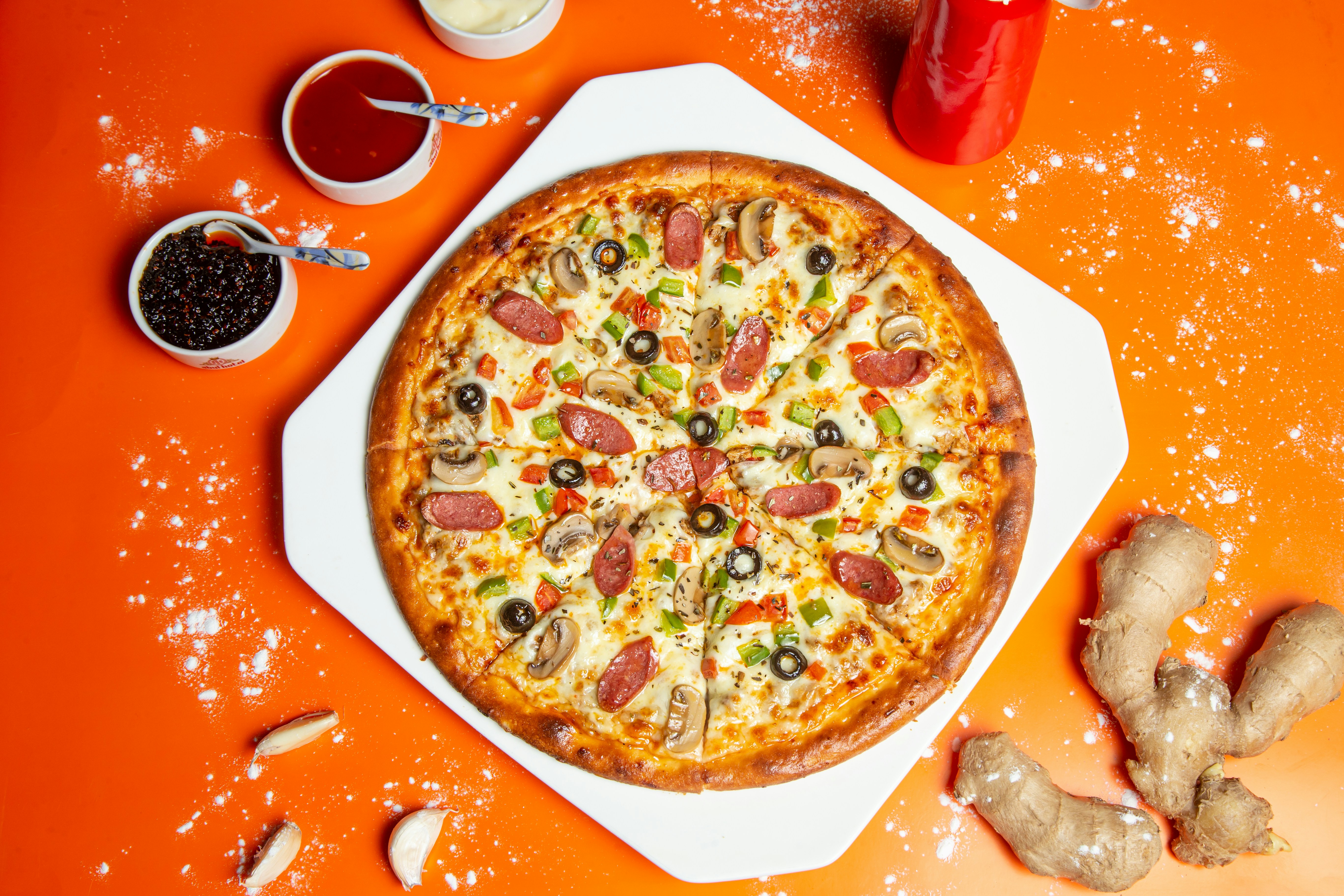
Photo by Shourav Sheikh on Unsplash
Chapter 11 roils EYM’s Pizza Hut footprint, with auctions and asset sales reordering stores across IL, WI, IN, GA, and SC.
Apr 28, 2026
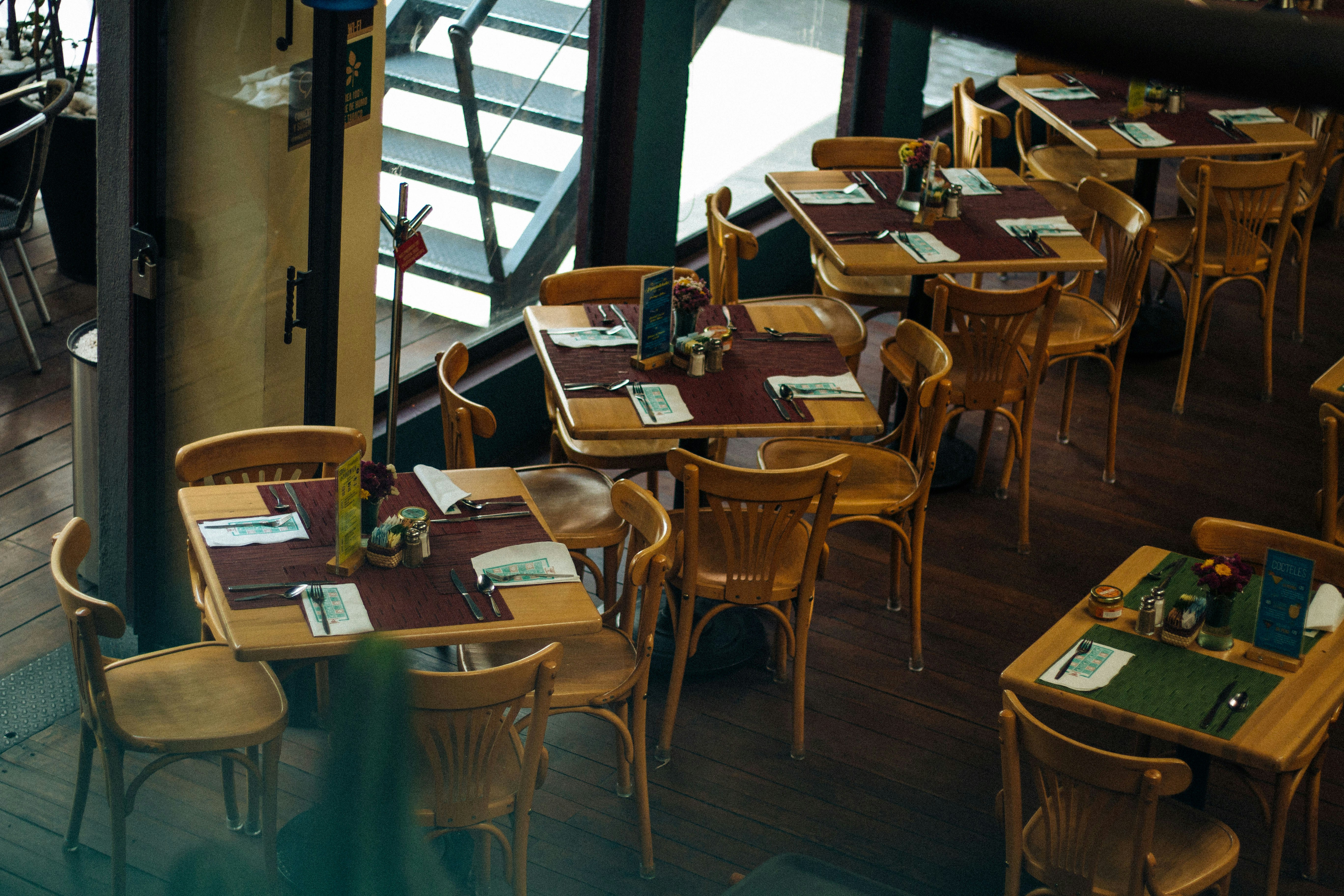
Photo by Adolfo Félix on Unsplash
How AI-enabled training, robotics, and crypto rewards are reshaping guest experience and workforce in modern restaurants.
Apr 28, 2026

Photo by Meghan Rodgers on Unsplash
Candace Nelson headlines CREATE 2024 in Nashville, sharing her journey from finance to Sprinkles and Pizzana, with practical roadmaps for growth-minded restaurateurs.
Apr 28, 2026
A TREW-led Chapter 11 restart stabilizes BurgerFi and Anthony’s, preserving people, programs, and operations through a disciplined restructuring.
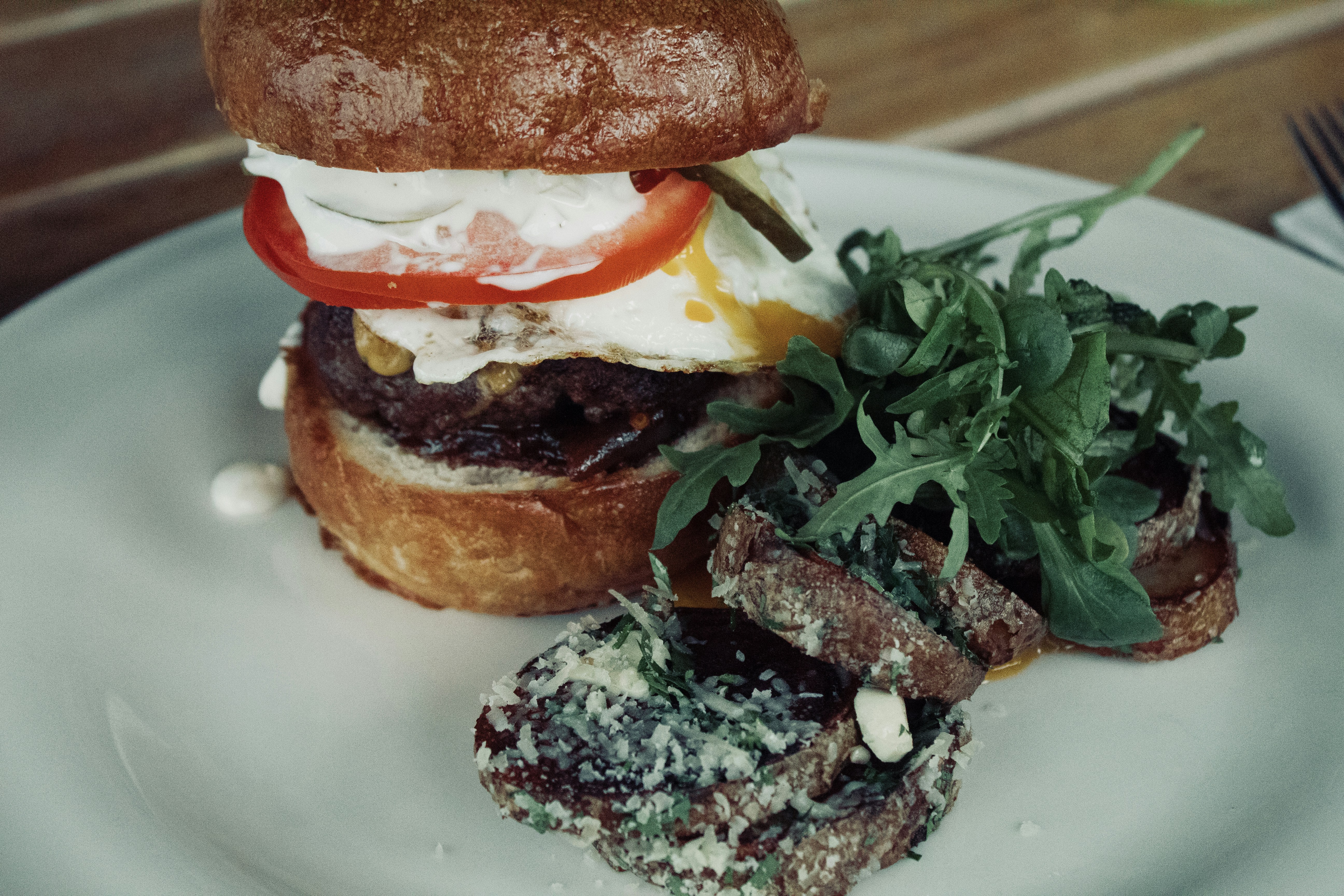
Photo by Tofan Teodor on Unsplash
From the outside, BurgerFi’s decision to enter Chapter 11 reads as a careful rebalancing rather than a collapse. The court-supervised process aims to steady operations across 144 locations while charting a path forward for two brands: BurgerFi and Anthony’s Coal Fired Pizza & Wings. Interim access to $3.5 million in DIP financing from an affiliate of TREW Capital Management is designed to prevent service disruptions, preserve payroll, vendor relationships, and the core customer programs that fuel everyday loyalty. In September 2024, CEO Carl Bachmann framed the move as a shield for employees, customers, and franchise partners, a testament to a thoughtful, nourished approach to restructuring. This is not a retreat but a deliberate, balanced restart; so what happens next on this staged path?
Earlier signals of lender support came with an additional $2.5 million in emergency funding in mid‑August, underscoring sustained confidence through the process. The court relief also authorizes continued use of employee benefits, cash management, and customer programs, crucial for payroll, vendor relations, and loyalty initiatives during the reorganization. The goal is to preserve value while management pursues a sale or other strategic transaction, guided by a disciplined governance structure. A second‑day hearing was scheduled for October 7, 2024 to seek final approval, with Jeremy Rosenthal serving as Chief Restructuring Officer to oversee day‑to‑day execution and creditor negotiations.
BurgerFi’s distress traces back to the 2021 acquisition of Anthony’s Coal Fired Pizza & Wings, after which growth stalled and pressure from inflation and labor costs intensified. Industry coverage notes that performance deteriorated from 2022 to 2023, as Technomic data showed a 7.5% decline in sales and a 5.3% drop in unit counts, including the closure of six underperforming stores. These dynamics underscored vulnerabilities across corporate and franchise locations and helped spur the strategic review that followed, along with leadership changes aimed at rekindling momentum.
Those pressures fed a broader strategic response. Analysts highlighted lingering cost pressures and a competitive market that challenged momentum, prompting leadership shifts and a focused plan to re‑imagine products, partner networks, and store formats across both BurgerFi and Anthony’s. The coverage points to the need for discipline on margins, a tightened product roadmap, and a clear plan to balance the interests of corporate and franchise partners as the brands pursue renewed growth.
The court approved interim access to $3.5 million in DIP financing to stabilize operations and support a structured turnaround for all 144 locations. The relief also authorized continued use of employee wages and benefits, cash management, and customer programs, signaling an intent to minimize disruption for staff, customers, and franchise partners during the reorganization. A second‑day hearing was set for October 7, 2024 to seek final approval, with Jeremy Rosenthal acting as Chief Restructuring Officer to oversee day‑to‑day execution and creditor negotiations. The filing and motions reflect a disciplined approach to preserving value while management pursues a sale or other strategic transaction.
Beyond the courtroom motions, the DIP plan embodies careful governance: keep wages flowing, keep supplier relationships intact, and maintain loyalty initiatives so that brand equity does not erode in the transition. As press materials emphasized, the goal is to preserve operating value and position the brands for a potential sale or partnership that unlocks value for creditors while protecting employees and franchise partners.
Leadership moves framed the early part of the restructuring. Carl Bachmann was installed as CEO in 2023 after a prior tenure at Smashburger, and his public statements framed the turnaround as a push to improve products and menu innovation across both BurgerFi and Anthony’s brands. Meanwhile, David Heidecorn, formerly an independent board member and chairman, signaled strategic shifts by directing the board to pursue a defined set of strategic alternatives. Jeremy Rosenthal was appointed Chief Restructuring Officer to lead negotiations and oversee the process, including the execution of operational motions.
These leadership shifts reflect a deliberate effort to stabilize governance and align capabilities with the restructuring objectives. Retention agreements with key executives were disclosed to ensure stable leadership during the process, underscoring a thoughtful commitment to continuity for staff, partners, and customers as the brands navigate a challenging period and seek a clearer path forward.
The culmination of the process came with a sale to an affiliate of TREW Capital Management. A bankruptcy judge approved the transaction, with TREW’s bid including forgiving roughly $54 million in debt while providing approximately $3.5 million in DIP financing to support ongoing operations through the sale. The deal consolidated ownership under TREW, with Anthony’s Coal Fired Pizza assets fetching about $44 million and BurgerFi assets about $10 million, and the closing occurred after court approvals in November 2024.
The sale effectively ends BurgerFi’s search for strategic alternatives and places the brands under new ownership as the court continues its oversight. Yet questions remain about the post‑sale ownership structure and the path to renewed momentum. Leadership shifts, a tightened product roadmap, and ongoing vendor relationships will shape the recovery, while ultimate outcomes hinge on market reception, cost controls, and the ability to translate restructuring into sustainable profits. The disclosures sketch a credible trajectory, while also underscoring the limits of early projections in a complex, multi‑brand restructuring.