First Watch Bets on Data and Discipline
A journal of how First Watch blends data-guided engagement and price discipline to sustain visits amid inflation, while expanding through franchising.
Franchising
Apr 27, 2026
A journal of how First Watch blends data-guided engagement and price discipline to sustain visits amid inflation, while expanding through franchising.
Apr 27, 2026
Photo by Hybrid Storytellers on Unsplash
Chipotle leans on operations and automation to lift margins and scale to 7,000 restaurants, with Chipotlane and expo upgrades leading the charge.
Apr 27, 2026
Photo by Jason Leung on Unsplash
Inflation narrows the gap between grocery and restaurant prices, nudging households toward home-prep and value-driven menus.
Apr 27, 2026
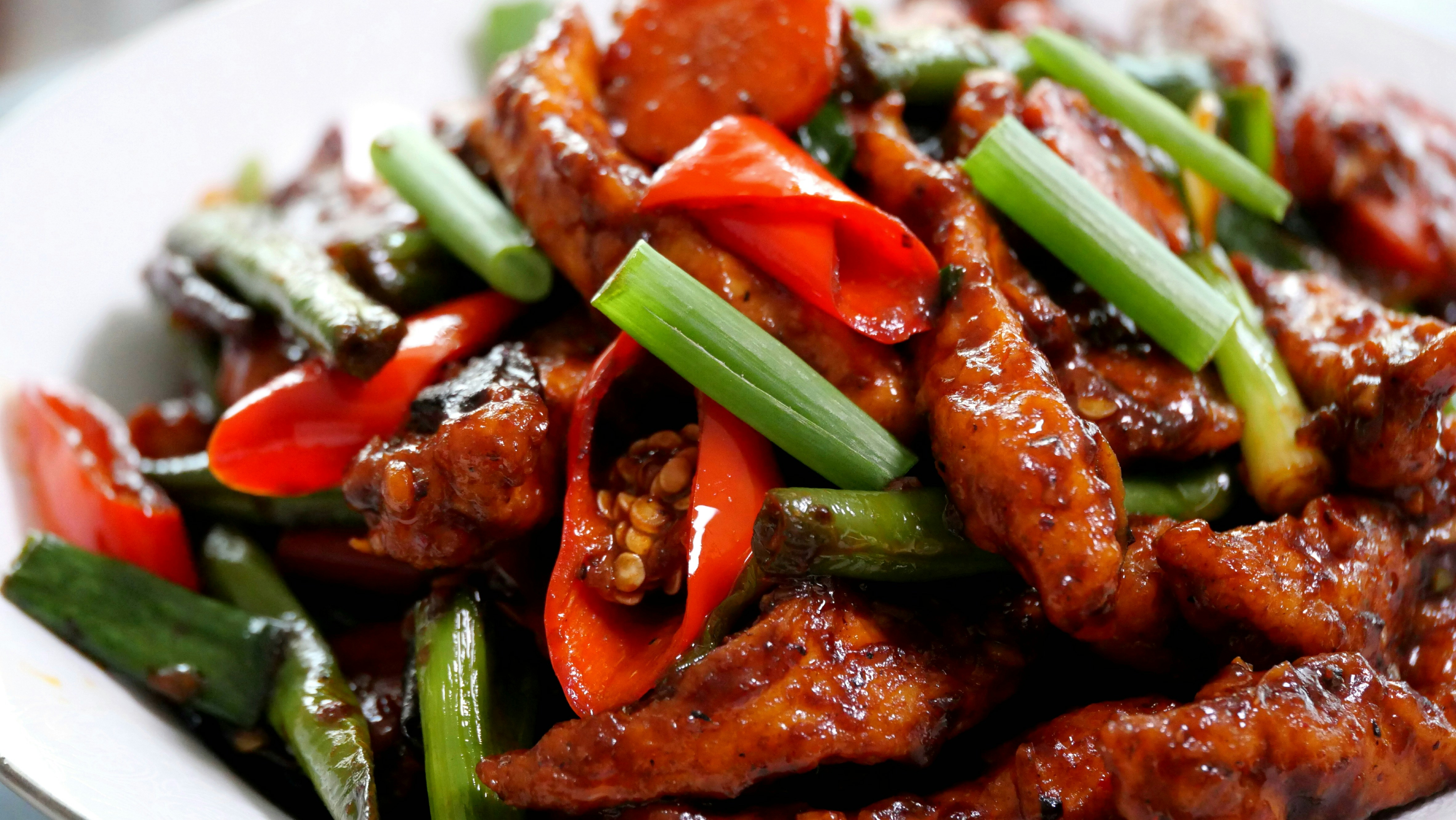
Photo by Deepak Surya on Unsplash
Zaxby’s consolidates loyalty and e-commerce under a Chief Digital Officer to deepen guest relationships and accelerate omnichannel growth.
Apr 27, 2026
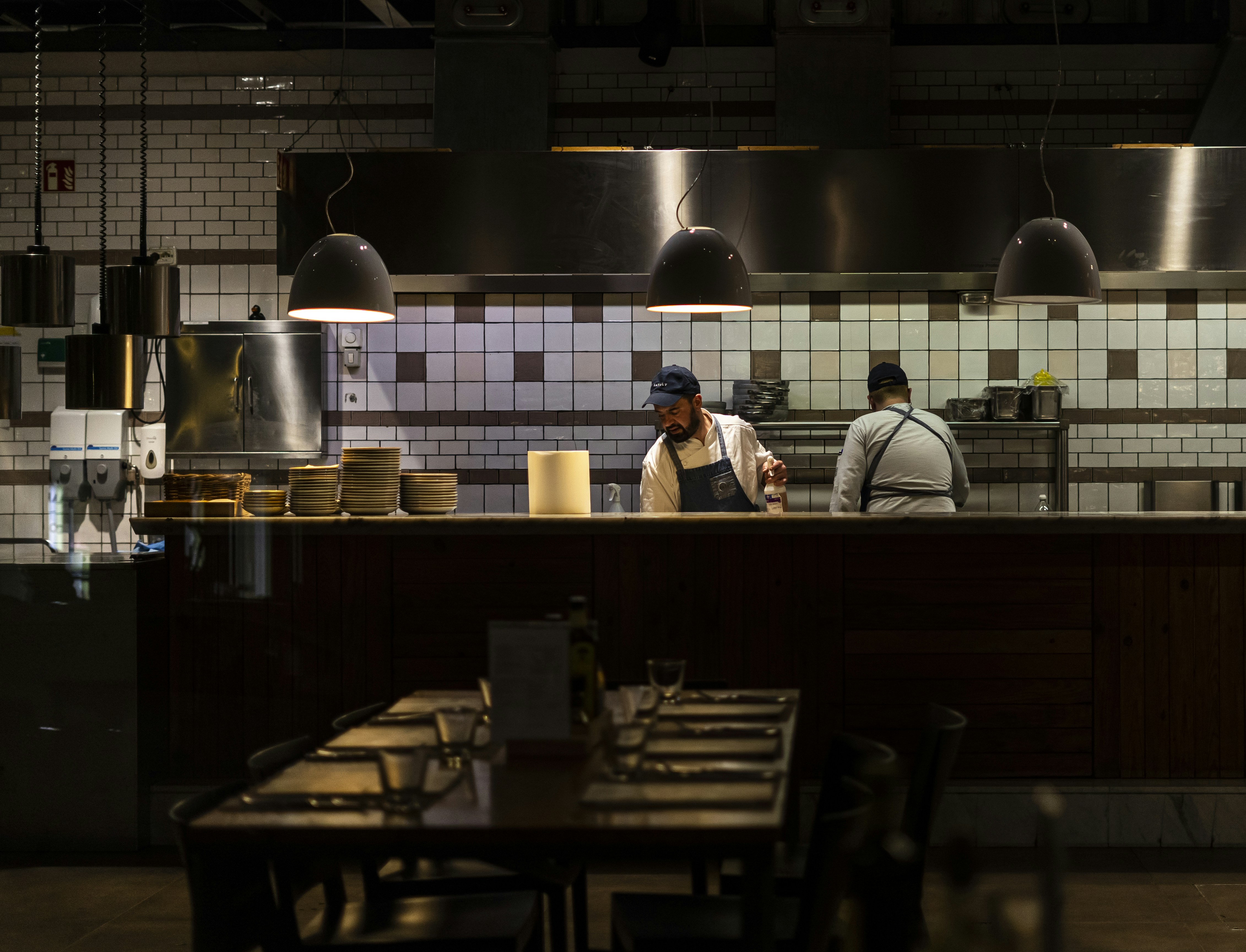
Photo by Fatma Gallery on Unsplash
A refined look at how daily industry briefs distill leadership moves, partnerships, and chef-led concepts shaping modern foodservice.
Apr 27, 2026
A look at how FSTEC 2024 reveals a shift toward hybrid vendor and in-house tech, real-time orchestration, and autonomous delivery shaping the future of hospitality.
Apr 27, 2026
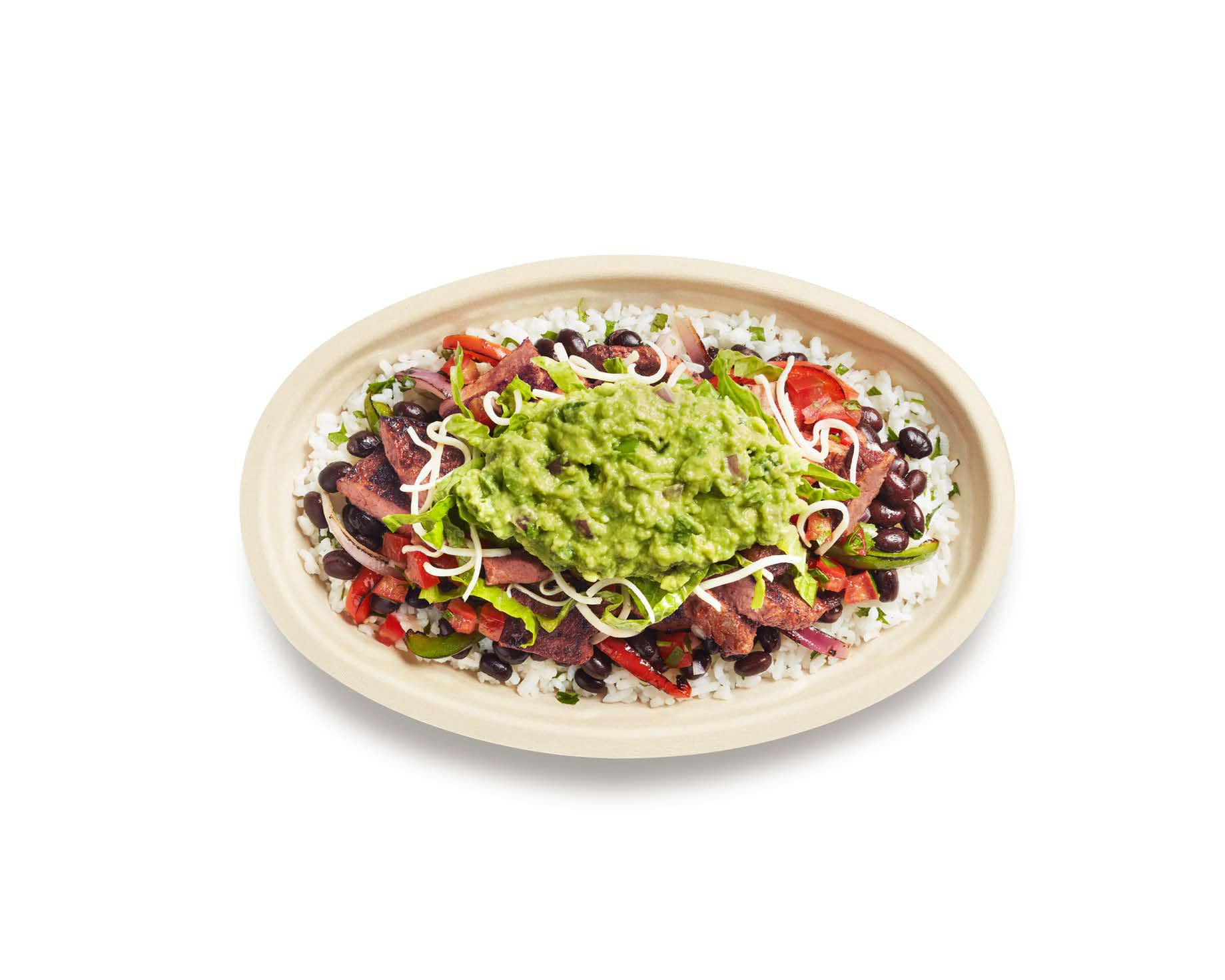
Chipotle tests robotic makelines and avocado cobots to boost throughput while preserving safety and brand standards.
Apr 27, 2026
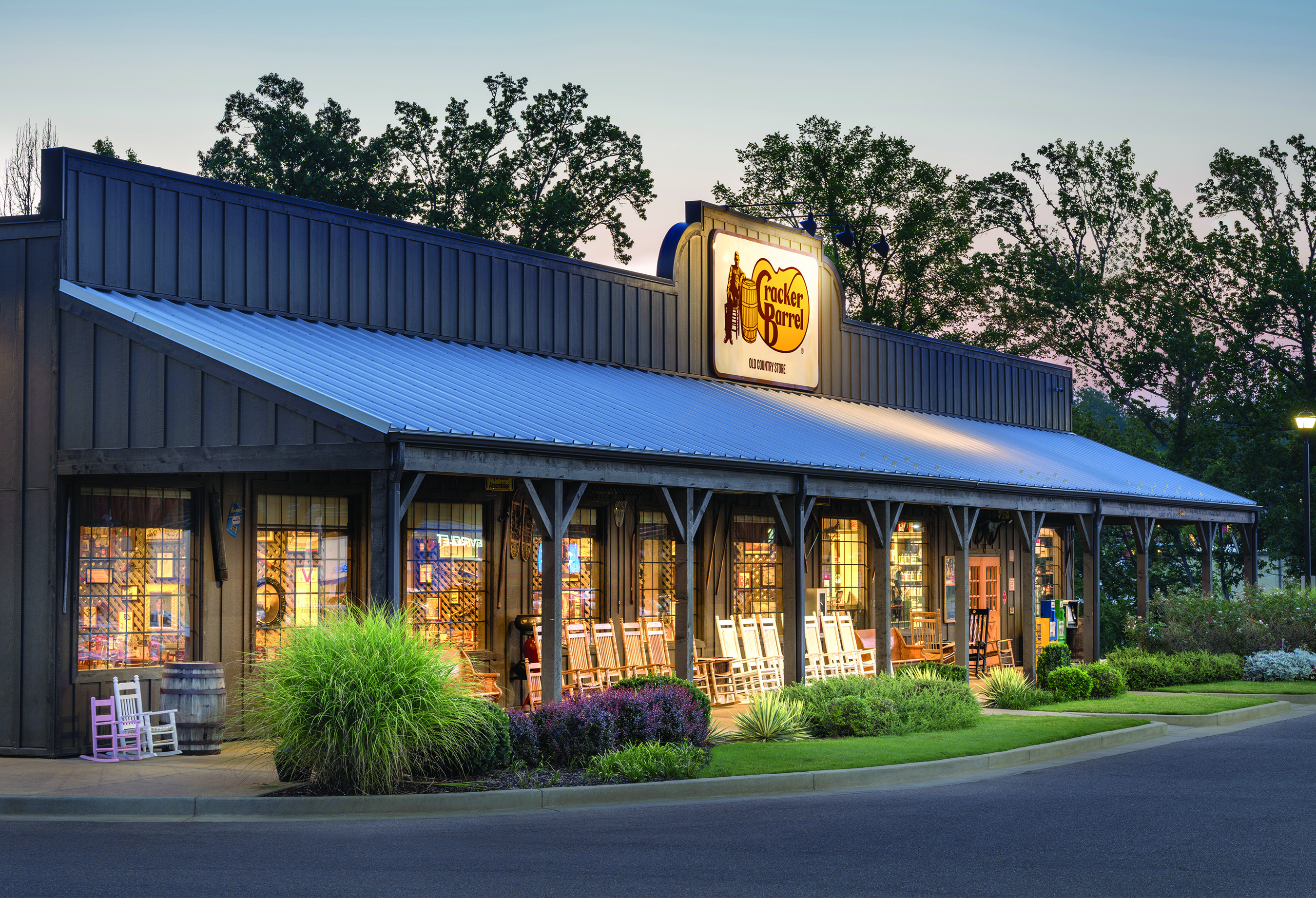
Cracker Barrel faces an activist proxy contest as it advances a multi-year transformation, defending its board and plan against Sardar Biglari's slate.
Apr 27, 2026
Taco Bell scales its proprietary Voice AI across U.S. drive-thrus, aiming for faster service, better accuracy, and a warmer guest experience.
Apr 26, 2026
Photo by Jafetbyrne Photos on Unsplash
Nostalgia-driven promotions, digital ordering, and flavor experiments reshape growth strategies for fast-casual brands in 2026.
Apr 26, 2026
Warm, insightful portrait of Candace Nelson's journey from Wall Street to Sprinkles, then Pizzana and CN2 Ventures, shaping hospitality's next chapter.

Photo by Sheelah Brennan on Unsplash
Candace Nelson grew up with a gentleness toward risk, guided by a father who was a corporate attorney and taught careful calculation as a way of life. Those lessons followed her into a career on the Wall Street floor, where numbers and narratives danced in tandem. Yet a quiet, persistent question tugged at her—could work feel more nourishing than the next quarterly beat? 'Oh my god, there’s got to be more to life than this.' she recalled, a moment that read like a turning leaf in a weathered notebook. The spark that would rewrite a dessert story began as a personal whisper, then found its courage to become a public arc.
After a stint as a financial analyst at a San Francisco investment bank, the dot-com era reshaped her outlook and left her contemplative about the value of conventional corporate rules. The bubble burst, and Nelson found herself at a crossroads that compelled a deliberate pivot toward something that could sustain her long-term joy. She embraced pastry school to follow her joy, a decision she described as transformative and catalyzing the shift from Wall Street to a culinary life that would soon attract attention well beyond a home kitchen.
These inflection points ground her later work in purpose-driven entrepreneurship, serving as the throughline for the brand-building that followed. The pivot from finance to frosting wasn’t a sudden leap so much as a careful choosing of a path that could sustain her in the long run, a quiet, patient humming beneath the loud applause of growth.
Sprinkles emerged in Beverly Hills as a deliberate, one-item concept—premium ingredients, hand-frosted cupcakes, and a distinctive double sugar dot for visual charm. The move ran counter to a low-carb climate and industry skepticism, yet Nelson trusted that customers would indulge in a cupcake worth the calories. The reception was immediate: "We had a line out the door since day one." Design mattered as much as flavor—rose-like gift boxes framed Sprinkles as a coveted gift and a premium impulse buy. The Beverly Hills ignition would become a blueprint that traveled beyond California, shaping a broader national narrative.
The momentum wasn’t confined to a single storefront. The imprint extended to Newport Beach and Dallas, signaling a desire for a thoughtfully designed, experience-led bakery across markets. Sprinkles paired a fast, visible concept with a hospitality cadence—consistent quality, memorable packaging, and a rhythm of openings that invited guests to linger with the story as much as the sweets.
That leap—from a single, gift-like cupcake to a national footprint—formed the backbone of Nelson’s later emphasis on brand storytelling, design, and rapid iteration. The bakery’s first imprint in Beverly Hills wasn’t just a shop; it was a signal that a singular, well-executed idea could redefine an entire category and invite others to taste the future of dessert hospitality.
Hollywood’s creative engine amplified Sprinkles beyond a bakery window. Celebrity attention and media interest followed as Sprinkles gained cultural cachet, with early fans such as Katie Holmes helping propel the brand into the mainstream. Nelson’s television presence—most notably as a judge on Cupcake Wars—further amplified national demand, lending a storyteller’s glow to the product’s quality and the design that framed it. The convergence of media visibility and culinary craft turned a cupcake into a lived lifestyle narrative—one that celebrated premium baking as hospitality and art.
As the showmanship grew, Sprinkles became a touchstone for entrepreneurial authenticity, where storytelling, design, and product quality reinforced a broader lifestyle around premium baking. The celebrity spotlight didn’t just sell cupcakes; it reframed how guests experienced a bakery—turning a dessert into a memory and a brand into a moment to savor.

As Sprinkles scaled, questions of leadership and cultural fit came to the fore. Without prior restaurant experience, Nelson wrestled with whether to bring in industry veterans, only to discover outsiders often struggled to align with Sprinkles’ distinctive, entrepreneurial mood. Over time, she embraced her role, recognizing that leadership is a learned muscle: "I think it took me awhile to grow into the idea of being a leader and grow into my own power." The eight-to-nine-year arc culminated in a private-equity pursuit that led to Sprinkles’ sale to KarpReilly after a steady march of expansion. The deal reframed the brand’s trajectory and opened space for the next act.
The sale itself highlighted a broader pattern in which growth-stage brands attract capital to accelerate scale, while founders like Nelson reassess their own leadership narratives. By the time Sprinkles neared ten locations, the market was shifting underfoot, and a new horizon began to call.
That departure wasn’t an ending but a transition toward lessons in resilience, collaboration, and a broader hospitality language—one that would travel with her into Pizzana and beyond.

A serendipitous neighbor’s party introduced Nelson to Daniele Udit, whose Neapolitan-inspired approach to pizza sparked a new concept: Pizzana. Opening in Brentwood, California, it has since grown to seven locations—five in Los Angeles, one in Dallas, and one in Houston. Nelson is careful to delineate the pace and purpose of Sprinkles versus Pizzana: Sprinkles is built on fast transactions and high visibility, while Pizzana offers full-service dining with a different tempo and guest journey.
The Sprinkles playbook—customer obsession, brand storytelling, and rapid iteration—guided Pizzana’s launch and ongoing innovations, including an app and a loyalty program called Cacio Club. Three Sprinkles alumni now help power Pizzana, a testament to the networks Nelson cultivated across teams and openings.
That second act wasn’t just about delicious dough; it was a study in resilience and collaboration, translating a dessert-first brand into a dining-forward concept that could scale with intention across formats.

Today, Nelson leads CN2 Ventures, an investment vehicle aimed at identifying hospitality brands that resonate with her instincts and values. The operating credo is practical: "They have to be really good at selling, because there’s no time in business when you’re not selling." This philosophy—built on hustle and problem-solving—frames her shift from operator to investor, mentoring founders who share a hunger for creative risk and disciplined execution.
In industry coverage and investor profiles, CN2 Ventures is described as a practical compass for hospitality brands navigating growth without losing cultural coherence. Nelson’s operating lens becomes a guiding voice for founders who value speed, care, and clear storytelling as they scale—from concept to customer, and from team to table.
Her narrative now sits at a moment when capital conversations shape restaurant futures. Private equity’s footprint in food-service has grown, the kind of tide PitchBook and other outlets have documented. And in the same arc, the story notes Sprinkles’ 2025 closure—the Dec. 30, 2025 announcement and subsequent January 2026 coverage—reminding us that even enduring concepts ride cycles of ownership, reinvention, and renewal.