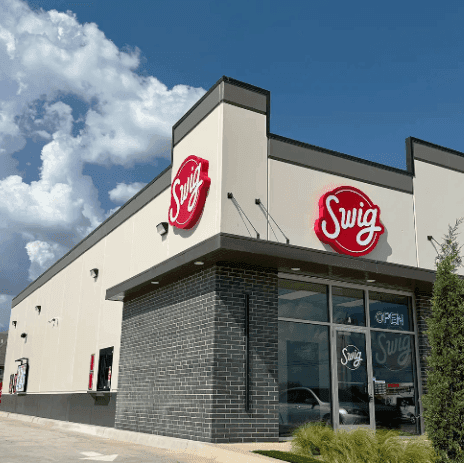
Swig Expands to Denver with 11-Unit Franchise Deal
Swig signs franchise agreement for 11 South Denver locations, marking Colorado entry and validating its national expansion strategy.
Franchising
Sep 8, 2026
Swig signs franchise agreement for 11 South Denver locations, marking Colorado entry and validating its national expansion strategy.
Sep 8, 2026
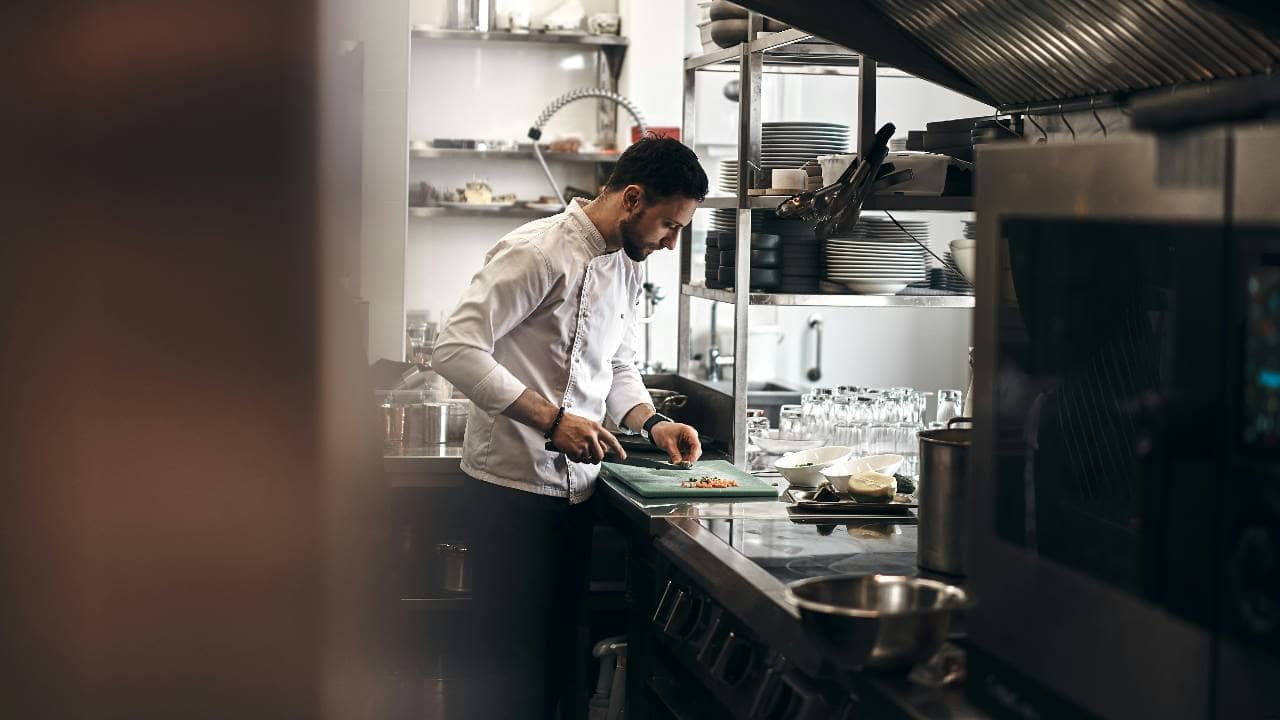
Complete guide helping restaurant owners choose essential kitchen equipment - covering cooking, refrigeration, prep, sanitation, ventilation, safety, and long-term maintenance planning.
Sep 7, 2026
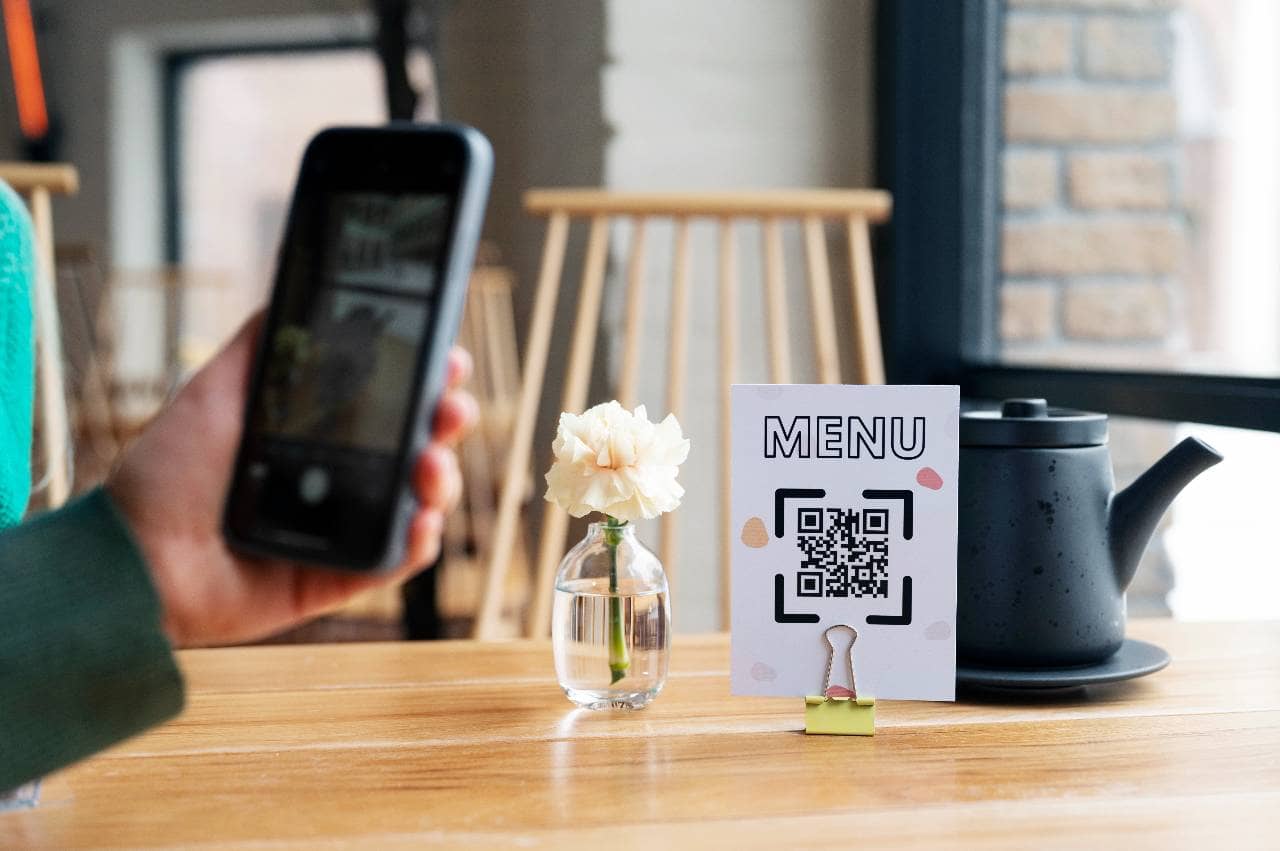
QR code menus let restaurants replace paper menus digitally, enabling instant updates, contactless browsing, ordering, and payment through simple smartphone scanning.
Sep 7, 2026

Avoiding common restaurant payroll mistakes - misclassification, tip credit errors, overtime miscalculations - protects businesses from costly penalties, back pay, and compliance risks.
Sep 4, 2026
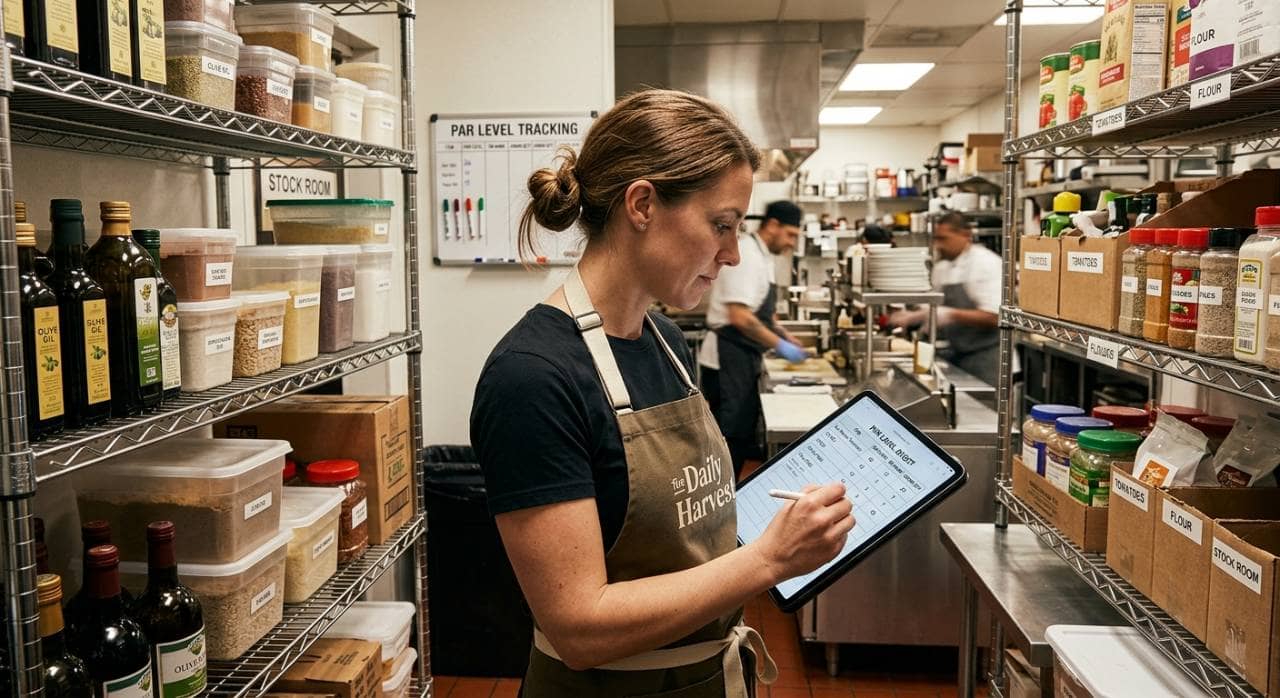
Learn to calculate par levels for restaurant food, beverages, and packaging inventory, preventing stockouts and waste through proper formulas.
Sep 4, 2026
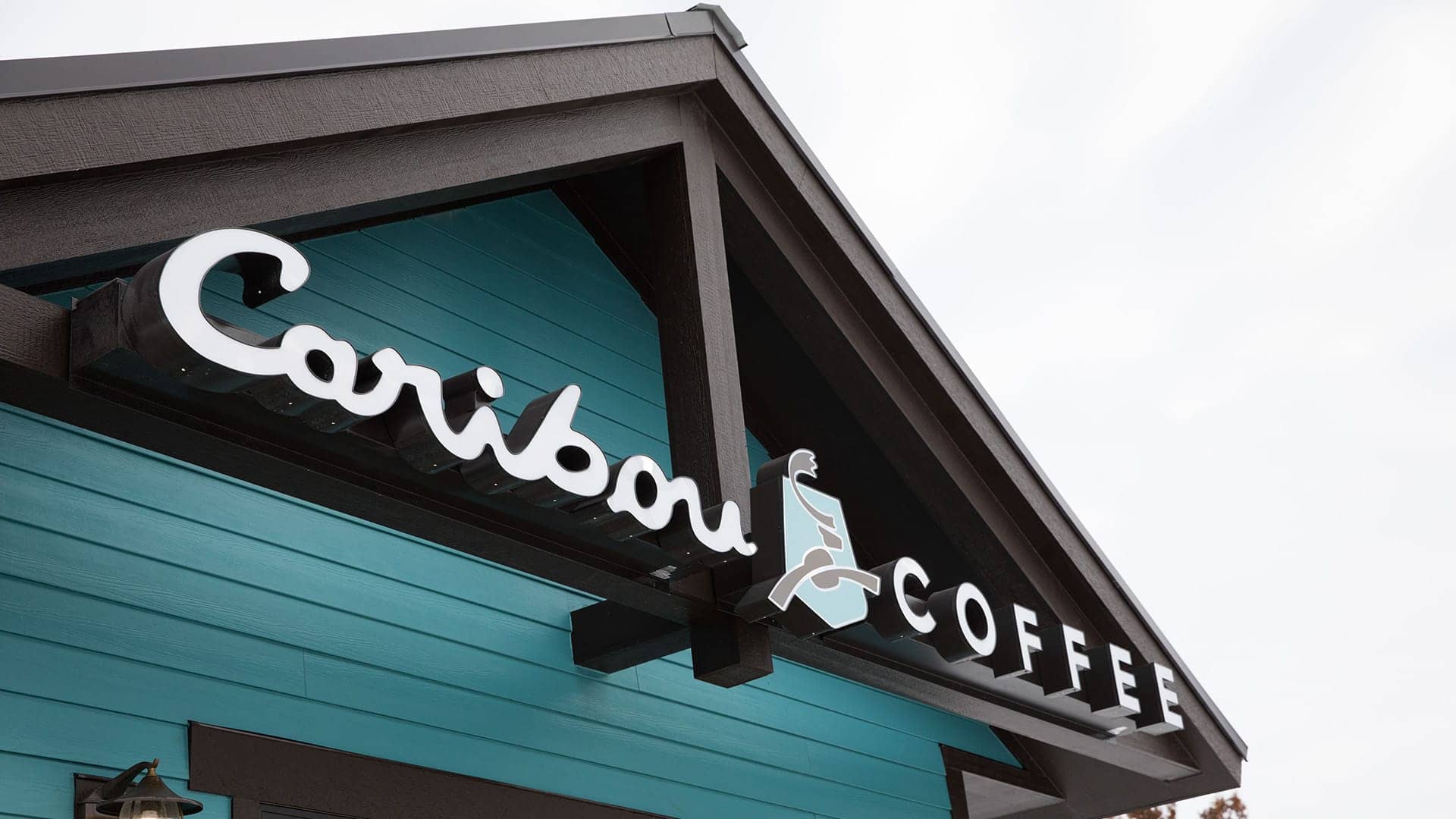
Caribou Coffee appoints Zane Thomas-Rogers as Chief Operations Officer to strengthen execution across its expanding coffeehouse network.
Sep 4, 2026
Compare the top 10 restaurant POS systems in the USA for 2026. Explore features, pricing, pros, cons, and the best POS options for every restaurant type.
Jul 1, 2026

Learn how to handle restaurant payroll yourself, from calculating hours and wages to managing tips, taxes, and final paychecks.
Sep 2, 2026
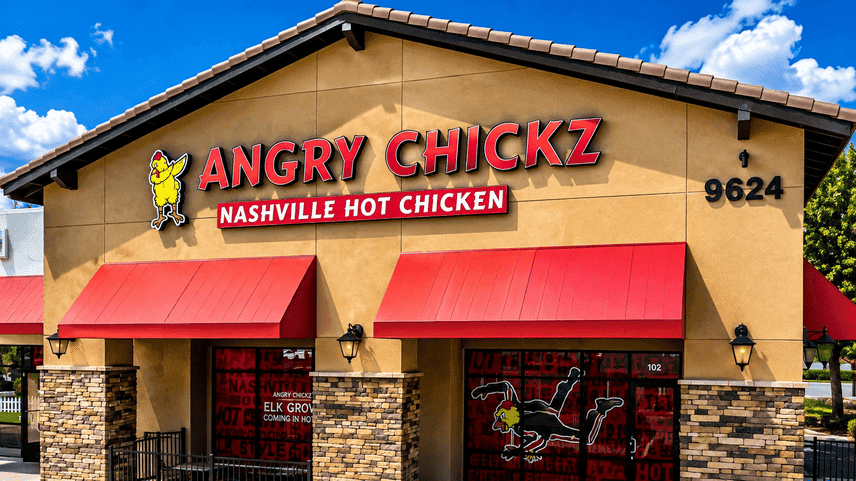
Angry Chickz enters Illinois with its signature hot chicken concept and ambitious plans for Midwest expansion, setting the stage for new franchise opportunities and community engagement.
Sep 2, 2026
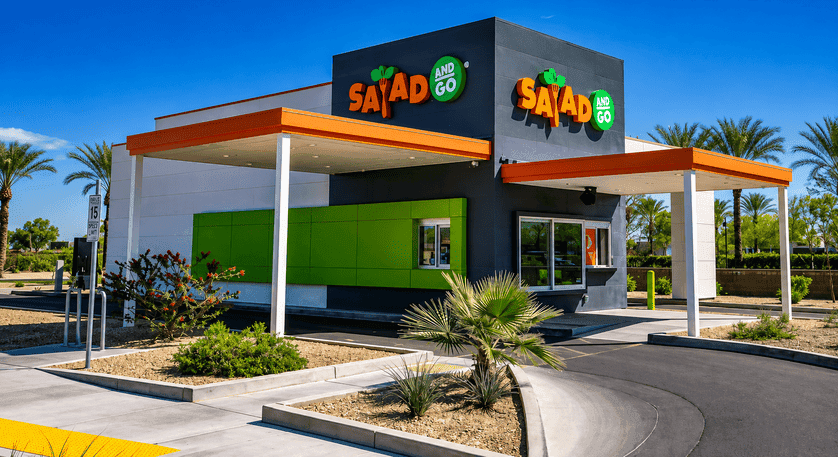
7 Brew has acquired 73 former Salad and Go locations, surpassing Dutch Bros with a $143M bid, signaling a major shift in the competitive landscape for drive-thru brands.
Sep 2, 2026

Unlock Exclusive Access To Webinars, Events, And The Latest News For Free!
Nostalgia-driven promotions, digital ordering, and flavor experiments reshape growth strategies for fast-casual brands in 2026.

Photo by Jafetbyrne Photos
Growth in 2026 for fast-casual and quick-service brands is becoming a narrative of memory, accessibility, and flavor exploration. Leaders are stitching nostalgia, technology, and shareable moments into a cohesive plan that aims to keep foot traffic steady even as wallets tighten. The core idea is simple in theory, reignite emotional ties to familiar logos and packaging while delivering a seamless way to order. Yet the execution matters: how a moment is framed, how long it lasts, and how cleanly it threads into daily dining. In this evolving landscape, memory and menu meet to drive thoughtful, balanced decisions about where and how guests choose to eat.
Collector’s Meal at the center of this shift is McDonald’s way of leaning into memory with six distinct cups inspired by iconic past designs. Each cup is available for a defined window and positioned as a collectible to spark urgency and repeat visits. This is more than window dressing: collectibles evoke emotional memories tied to different eras of the brand, reinforcing how fans’ experiences with the logo and packaging translate into incremental visits. In a market stressed by inflation, memory work, packaging, cups, and memorabilia, acts as a strategic conduit for momentary demand and word-of-mouth amplification, turning heritage into a measured business asset.

This cross-pollination, nostalgia, technology, and flavor exploration, offers a path to more stable traffic and word-of-mouth growth. In a landscape where dine-in traffic faces inflationary pressure and shifting habits, memory-driven packaging and limited-time opportunities become a practical engine for demand. Brands are learning to weave heritage with a modern, multimodal ordering experience, crafting an environment where a visitor’s first memory of a cup or a sauce can nudge them toward a repeat visit. The outcome is not merely nostalgia; it’s a thoughtful, nourishing approach to staying relevant in a crowded field.
What to watch next is how these memory-driven moments align with digital speed and menu experimentation. The industry is watching whether emotional cues can translate into measurable gains in traffic, average check, and repeat visits, while loyalty and tech playbooks mature to convert momentary interest into lasting value. The balance, between sentiment and systems, will shape which brands emerge as steady performers in 2026.
Portillo’s is extending its digital footprint with a kiosk pilot in Chicago, designed to speed self-guided ordering and improve throughput. This test sits alongside loyalty initiatives that reward frequent guests, underscoring a broader move toward frictionless service. More than a convenience feature, the kiosks are framed as an additional channel that complements existing ordering options, with leadership emphasizing how guests gain more ways to engage. The trend signals a mid-market shift toward automation that mirrors advances often associated with larger brands, but tailored to regional tastes and operational realities.
Portillo’s Perks expands this digital ambition with an app-less loyalty program that lives in guests’ digital wallets, delivering personalized rewards and a sense of seamless value. Taken together, these moves illustrate how mid-market concepts borrow from larger chains’ digital playbooks to lift speed, accuracy, and guest satisfaction. In short, the story is less about a single rollout and more about a thoughtful, data-informed approach to serving guests where and how they want to be served.

KFC keeps its flavor playbook fresh with three new Saucy Nuggets varieties, Honey Garlic, Chipotle Ranch, and Mango Habanero, joining the lineup that already includes Korean BBQ and Honey BBQ. Marketed as a summer refresh, the expansion aims to deliver craveability and shareability that fuel traffic and add-on purchases. The emphasis is on flavor exploration that can attract adventurous diners while keeping the portfolio recognizable and approachable. Simultaneously, Hungry Howie’s frames its story around youth leadership, highlighting Rebecca Shannon, a 27-year-old Gen Z franchisee who opened her first location in Monroe, Michigan, signaling how franchising can empower a new generation to claim a stake in the industry.
Flavor expansion is portrayed as a strategic lever to keep core customers engaged while inviting new diners into the orbit of the brand. The combination of new sauces and a franchise narrative rooted in youth entrepreneurship illustrates how menu innovation and growth opportunities can align, especially in markets that reward experimentation and shared experiences. The aim is a menu that remains balanced and nourishing for a broad audience, while still feeling energetic and current.

Dine Brands Global has delivered mixed comps as it works to revive traffic across Applebee’s and IHOP. The fourth quarter showed a dip at Applebee’s (down 0.4% year over year), while IHOP’s trajectory proved more resilient in certain periods. Management remains focused on a value-led path to restore growth and sustain cash flow amid ongoing price sensitivity. The frame here is not a single fix but a sequence of adjustments, pricing, value, and experience, that must work in concert to win back guests without eroding margins.
Seasonal dynamics also shape planning, with an early start to pumpkin-flavored offerings signaling operators’ intent to extend the profitable fall window. This trend reflects a broader appetite to capture demand earlier in the calendar, aligning promotions with consumer anticipation and peak shopping periods. The outcome, if sustained, could expand the income runway for menus that succeed in crossing seasonal boundaries while keeping core items relevant.

California poses a particular challenge as Jack in the Box faces market headwinds, including store closures and strategic recalibration. Analysts anticipate 2026 bets that may involve changes to footprints and development pace, underscoring how brands must balance regional demand with capital discipline. The story here is a portrait of resilience: a portfolio that leans into value, efficiency, and technology to navigate a shifting landscape. The regional dimension matters because success today hinges on understanding where and how demand evolves.
Gaps and uncertainties remain, including the scope and timing of California-focused moves by Jack in the Box, the ultimate trajectory of Portillo’s kiosks and Perks, and how broader market cycles will affect Saucy Nuggets uptake. Ongoing disclosures and independent research will be needed to translate these levers into tangible performance. What matters most is watching how these threads translate into traffic, basket size, and unit economics across regions, channels, and time.
Taken together, these developments suggest a restaurant sector negotiating a delicate balance: lean into emotional and cultural cues that drive brand affinity, embrace automation and digital tools to improve efficiency, and pursue menu diversification that sustains interest across core and evolving cohorts. The convergence of nostalgia-driven promotions, self-serve ordering, and targeted flavor experiments points to a path that can weather softer sales while inviting experimentation. For operators and investors, the task is to monitor how these initiatives translate into traffic, basket size, and unit economics, with regional dynamics and technology adoption shaping the outcome.
Balanced, nourishing growth will emerge from a trio of levers, emotional resonance, automated speed, and flavorful experimentation, crafted to fit the realities of each market. The new playbook favors quality, coherence, and continuity: the kind of thoughtful dining that respects both guests’ wallets and the planet’s resources. As this narrative unfolds, the industry will reveal whether this balanced approach translates into stronger traffic, higher basket sizes, and healthier unit economics across a fragmented, ever-changing landscape.
