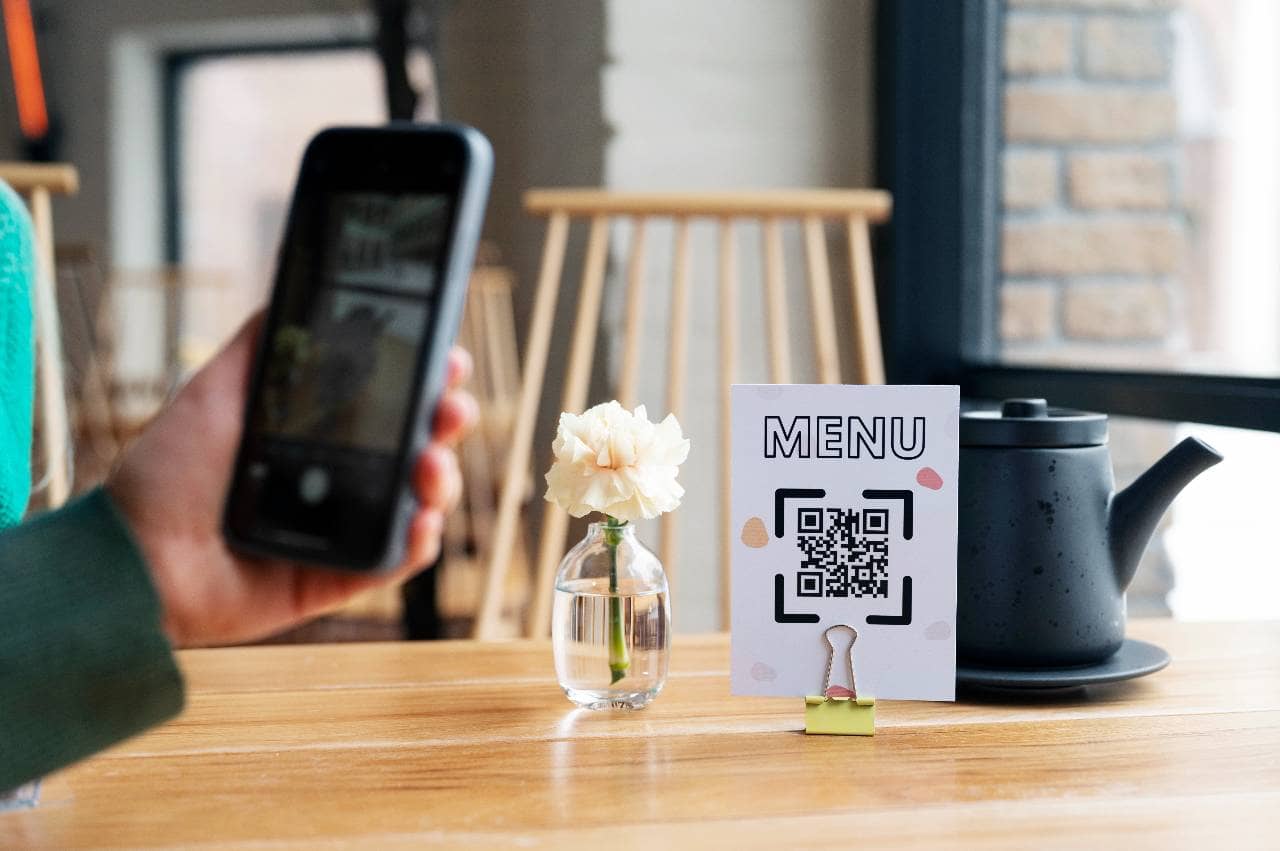
How Does a QR Code Menu Work in a Restaurant?
QR code menus let restaurants replace paper menus digitally, enabling instant updates, contactless browsing, ordering, and payment through simple smartphone scanning.
Point Of Sale
Sep 7, 2026
QR code menus let restaurants replace paper menus digitally, enabling instant updates, contactless browsing, ordering, and payment through simple smartphone scanning.
Sep 7, 2026

Complete guide helping restaurant owners choose essential kitchen equipment - covering cooking, refrigeration, prep, sanitation, ventilation, safety, and long-term maintenance planning.
Sep 7, 2026

Avoiding common restaurant payroll mistakes - misclassification, tip credit errors, overtime miscalculations - protects businesses from costly penalties, back pay, and compliance risks.
Sep 4, 2026
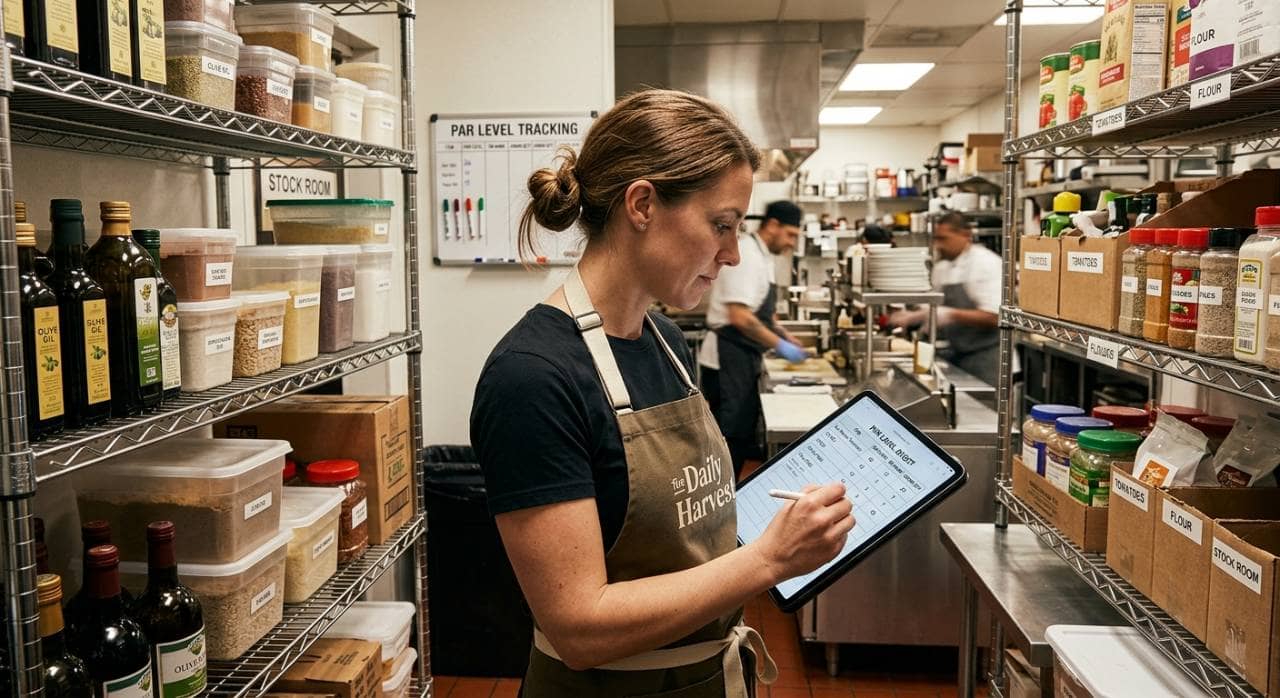
Learn to calculate par levels for restaurant food, beverages, and packaging inventory, preventing stockouts and waste through proper formulas.
Sep 4, 2026
Caribou Coffee appoints Zane Thomas-Rogers as Chief Operations Officer to strengthen execution across its expanding coffeehouse network.
Sep 4, 2026

Compare the top 10 restaurant POS systems in the USA for 2026. Explore features, pricing, pros, cons, and the best POS options for every restaurant type.
Jul 1, 2026

Learn how to handle restaurant payroll yourself, from calculating hours and wages to managing tips, taxes, and final paychecks.
Sep 2, 2026

Restaurant labor management helps owners optimize staffing, control labor costs, improve productivity, monitor overtime, and maintain efficient restaurant operations.
Sep 2, 2026
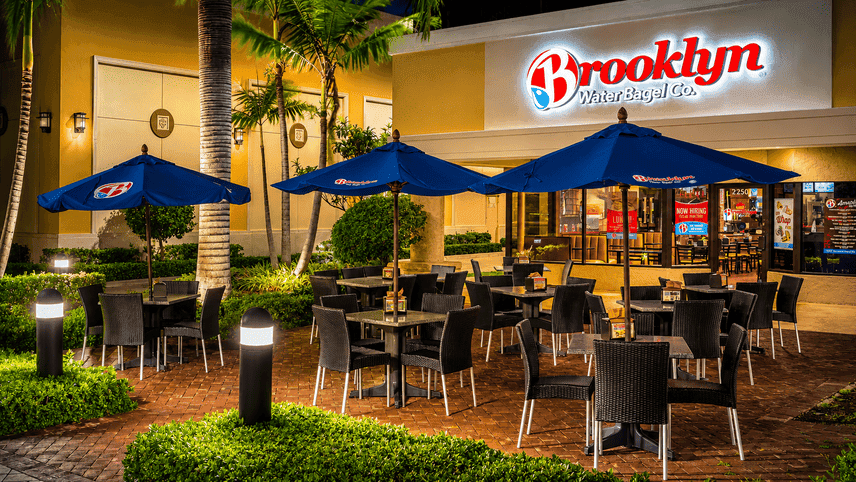
Brooklyn Water Bagel launches its first campus eatery at Nova Southeastern, signaling strategic growth and fresh potential for multi-unit operators seeking new market wins.
Sep 2, 2026
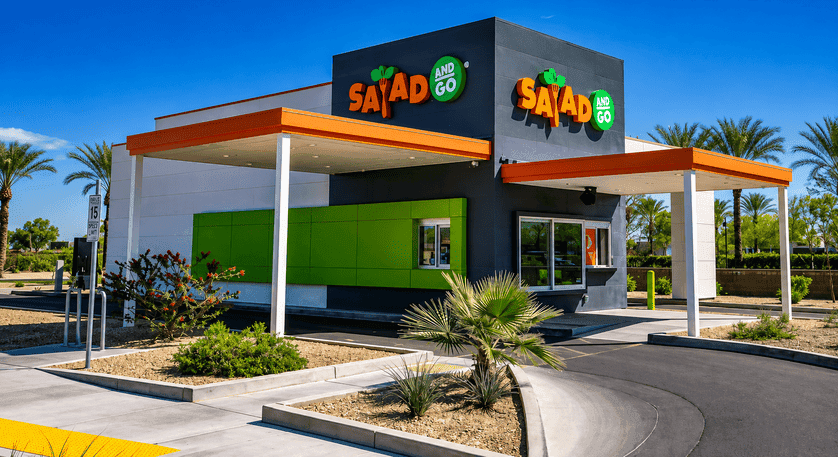
7 Brew has acquired 73 former Salad and Go locations, surpassing Dutch Bros with a $143M bid, signaling a major shift in the competitive landscape for drive-thru brands.
Sep 2, 2026

Unlock Exclusive Access To Webinars, Events, And The Latest News For Free!
Jessica Breslow becomes PJW Restaurant Group's CEO, signaling continuity and growth as the multi-brand operator expands under data-driven leadership.
Photo by
In a move that signals both continuity and fresh energy, PJW Restaurant Group has named Jessica Breslow as chief executive, succeeding Jim Fris who is retiring but will stay on the board. The transition was framed as part of a deliberate succession plan, pairing a steady hand with a growth-minded agenda. Breslow joined PJW Restaurant Group in 2016 to lead marketing and technology, and the announcement underscores a bridge between the legacy era and a new chapter. The organization described the handoff as seamless, designed to minimize disruption while preserving core culture and operational strengths. What comes next is the real test of that plan.
Since Breslow's arrival, the group has added 13 restaurants and nearly doubled sales, all while embedding a data-driven approach and a high-performing team culture. Her background includes a decade at Aramark, where she helped shape education foodservice strategies, and earlier roles at . This blend of digital, operations, and guest-experience focus sits at the heart of PJW’s growth blueprint as it expands beyond its original portfolio. The leadership transition, then, is less about a single person and more about a scalable engine for multiple brands.
Her arc at PJW reads like a deliberate ascent: after leading marketing and technology in 2016, she was elevated to chief operating officer three years later, and then tasked with steering a multi-brand future. The story is built on a track record of expanding footprint while tightening execution. The move to the corner office is portrayed as a natural progression, the product of a long-term plan rather than a sudden change. With the new top job, Breslow inherits a platform that has proven it can scale without losing its character.
Under Breslow’s leadership, PJW Restaurant Group has grown to more than three dozen restaurants across six brands, guided by a data-driven approach that informs openings, menus, and guest experience. The group has pursued aggressive expansion, opening pace, brand integration, and performance consistency across concepts. Her prior experience at Aramark and Ford Motor Company shapes a leadership style that emphasizes guest-centric operations and digital-enabled marketing. This combination is positioned to accelerate the evolution of the PJW portfolio beyond its founding footprint.
Behind the growth story lies a pivotal financial move: Garnett Station Partners recapitalized PJW Restaurant Group in November 2021, bringing growth capital to accelerate expansion. The press release described PJW as the parent of P.J. Whelihan’s and its other concepts, noting 26 locations across New Jersey and Pennsylvania at the time. The recapitalization included all 26 units under the PJW umbrella, spanning P.J. Whelihan’s, The PourHouse, The ChopHouse, The ChopHouse Grille, Treno, and Central Taco & Tequila, with financial terms not disclosed. This action laid the groundwork for Breslow’s later growth initiatives and broader diversification.
That capital infusion laid the groundwork for a broader diversification of the company’s brand footprint and a more aggressive development tempo. It gave the platform the scale and flexibility to push openings, brand integration, and performance improvements across a multi-brand portfolio. The move is widely interpreted as a strategic enabler, positioning PJW to execute a growth plan with continuity and capital support under Breslow’s watch.
Beyond leadership, Breslow’s influence has rested on embedding systems, technology, and data analytics into everyday decision-making. Observers credit her with turning strategy into execution, empowering teams to lift performance across the platform. This approach has supported faster openings, stronger brand integration, and more consistent operating results as PJW scales. The result is a multi-brand engine that preserves neighborhood roots while marching toward larger footprints.
- Data-driven decision-making: Harnessing analytics to optimize menu, scheduling, and guest experience
- Technology-enabled operations: Integrating systems to speed openings and quality control
- Empowered teams: Building a culture where staff drive improvements across brands
These elements together help PJW translate strategy into steady, repeatable growth.
Fris publicly welcomed Breslow’s ascent, saying, 'I have every confidence in Jessica’s leadership, enthusiasm, experience, and energy to continue forward for a seamless transition. I’m proud of what we’ve accomplished together and excited to see what comes next.' Breslow responded with humility and ambition, noting that PJW’s strength lies in its people and their passion to elevate the guest experience. The sentiment matches coverage in NY/NJ that framed the move as a continuity play, steady leadership that preserves culture while pursuing growth.
The thread running through these reactions is that the core asset is human, people who work in the restaurants and care about guests. Breslow signaled readiness to lead toward an even brighter future, and observers see this as a deliberate bridge from the legacy to the next chapter.
Industry observers highlighted a growth arc that was already accelerating as Breslow prepared to take full leadership. By late 2024, PJW projected about 33 restaurants open and roughly $150 million in revenue, a sign of momentum behind its six-brand platform. The portfolio had grown to more than three dozen restaurants, with about 34 locations noted in contemporary coverage. The numbers underscore a scaling engine built on processes, culture, and capital, now poised to accelerate under Breslow’s guidance.
With Breslow at the helm, the plan is to translate momentum into additional openings and new concepts while maintaining a commitment to guest experience and local relevance. The growth story isn’t just about adding doors; it’s about strengthening brand coherence and streamlined operations across a diverse set of concepts. It’s a big win for PJW as it targets disciplined, sustainable expansion.
PJW’s leadership shift sits within a broader regional and national context of private-equity-backed growth in casual dining. Garnett Station Partners' 2021 recapitalization positioned PJW inside a growing restaurant-platform portfolio, while Authentic Restaurant Brands has pursued acquisitions and brand-building across its regional footprint. The mix of neighborhood roots, technology-enabled operations, and talent-led culture gives PJW a unique edge as it competes in evolving consumer markets.
The takeaway is simple: a strong culture paired with capital and systems can accelerate growth without sacrificing the guest experience. PJW’s blend of community feel, data-driven practice, and leadership continuity sets it up to translate ambition into a steady stream of openings and happy guests.