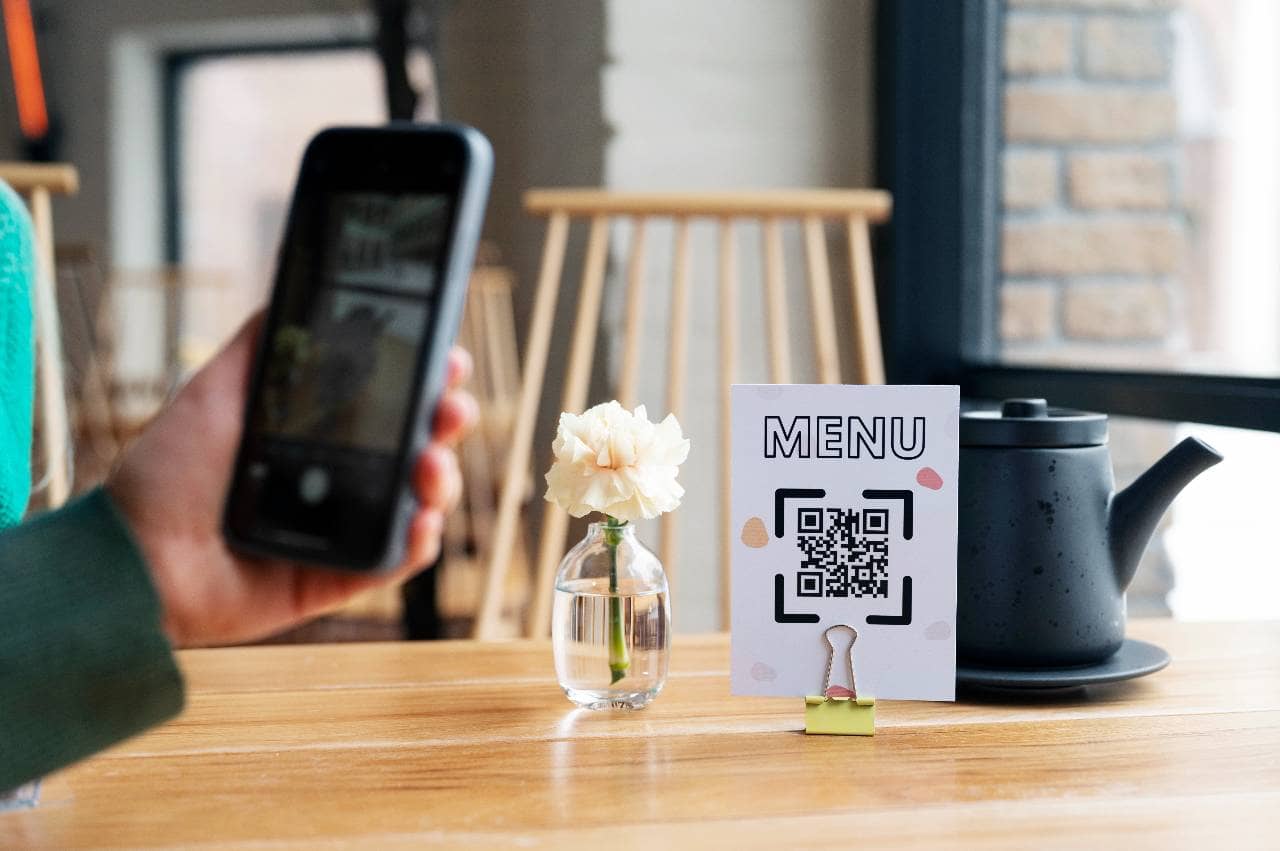
How Does a QR Code Menu Work in a Restaurant?
QR code menus let restaurants replace paper menus digitally, enabling instant updates, contactless browsing, ordering, and payment through simple smartphone scanning.
Point Of Sale
Sep 7, 2026
QR code menus let restaurants replace paper menus digitally, enabling instant updates, contactless browsing, ordering, and payment through simple smartphone scanning.
Sep 7, 2026

Complete guide helping restaurant owners choose essential kitchen equipment - covering cooking, refrigeration, prep, sanitation, ventilation, safety, and long-term maintenance planning.
Sep 7, 2026

Avoiding common restaurant payroll mistakes - misclassification, tip credit errors, overtime miscalculations - protects businesses from costly penalties, back pay, and compliance risks.
Sep 4, 2026
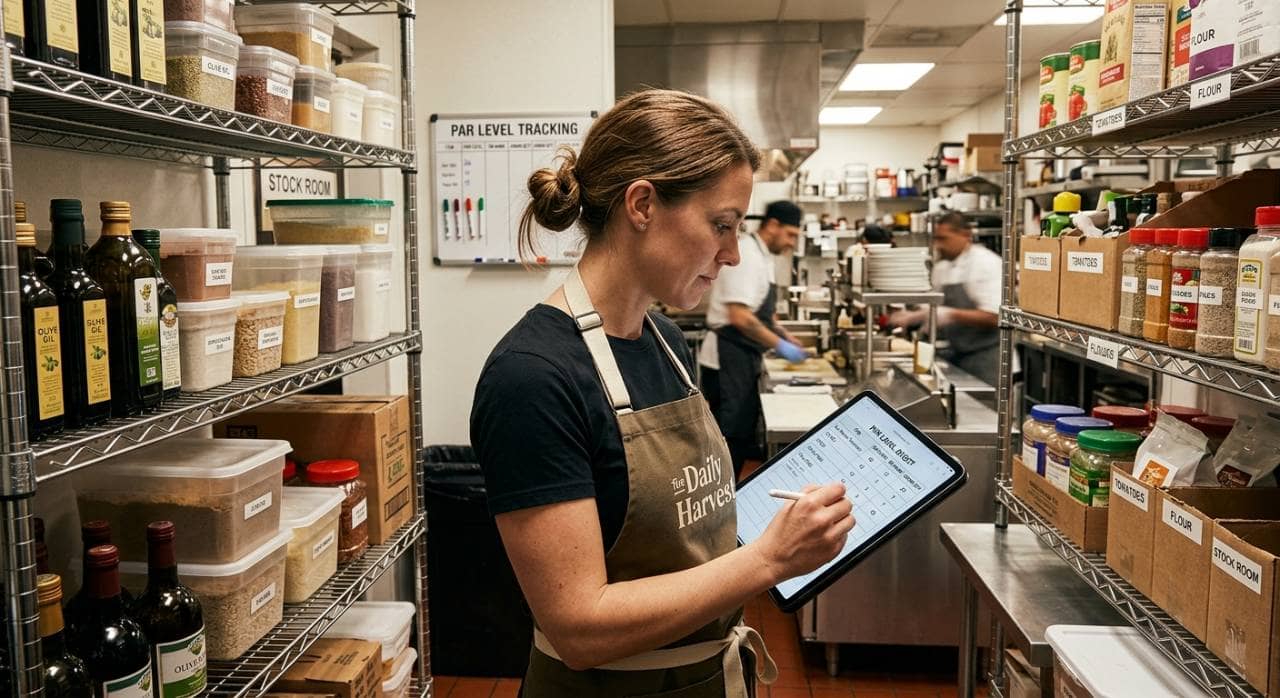
Learn to calculate par levels for restaurant food, beverages, and packaging inventory, preventing stockouts and waste through proper formulas.
Sep 4, 2026
Caribou Coffee appoints Zane Thomas-Rogers as Chief Operations Officer to strengthen execution across its expanding coffeehouse network.
Sep 4, 2026

Compare the top 10 restaurant POS systems in the USA for 2026. Explore features, pricing, pros, cons, and the best POS options for every restaurant type.
Jul 1, 2026

Learn how to handle restaurant payroll yourself, from calculating hours and wages to managing tips, taxes, and final paychecks.
Sep 2, 2026
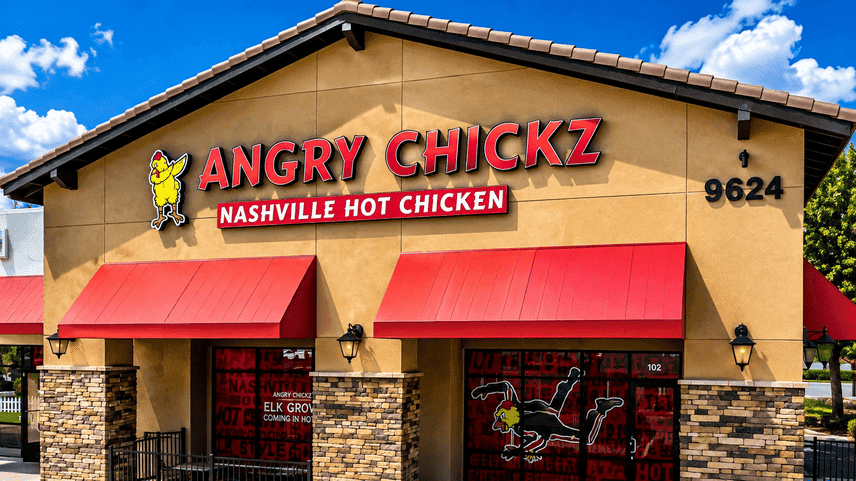
Angry Chickz enters Illinois with its signature hot chicken concept and ambitious plans for Midwest expansion, setting the stage for new franchise opportunities and community engagement.
Sep 2, 2026
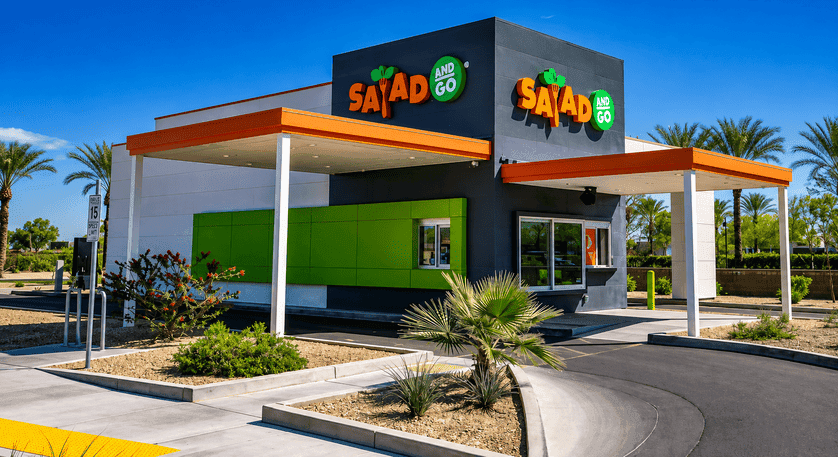
7 Brew has acquired 73 former Salad and Go locations, surpassing Dutch Bros with a $143M bid, signaling a major shift in the competitive landscape for drive-thru brands.
Sep 2, 2026

Restaurant labor management helps owners optimize staffing, control labor costs, improve productivity, monitor overtime, and maintain efficient restaurant operations.
Sep 2, 2026

Unlock Exclusive Access To Webinars, Events, And The Latest News For Free!
Explore NYC neighborhoods to open a restaurant by comparing foot traffic, rent, competition, customer demand, and concept fit across boroughs.

Choosing the best NYC neighborhood to open a restaurant starts with understanding how people move, spend, and eat in that area. A neighborhood may look busy from the outside, but restaurant success depends on more than crowds. Owners need to know whether the foot traffic matches the concept, whether customers can afford the menu, whether the rent fits projected sales, and whether the area has enough demand to support repeat visits. In New York City, every borough has different restaurant conditions. Manhattan may offer strong visibility, office workers, tourists, and high check averages, but it also comes with higher rent pressure and intense competition. Brooklyn may offer strong neighborhood loyalty, weekend dining, and demand for independent concepts. Queens may be ideal for diverse food concepts, family dining, and culturally specific menus. The Bronx may provide growth opportunities in areas with strong residential demand and lower rent pressure than many parts of Manhattan or Brooklyn. Staten Island may work well for community-based restaurants that rely on local loyalty, parking access, and family dining. Owners should evaluate each neighborhood using a few core factors - foot traffic, rent, customer type, competition, delivery demand, transit access, labor availability, nearby offices or schools, and residential density. These details help determine whether a restaurant can generate enough sales to cover fixed costs and stay profitable.
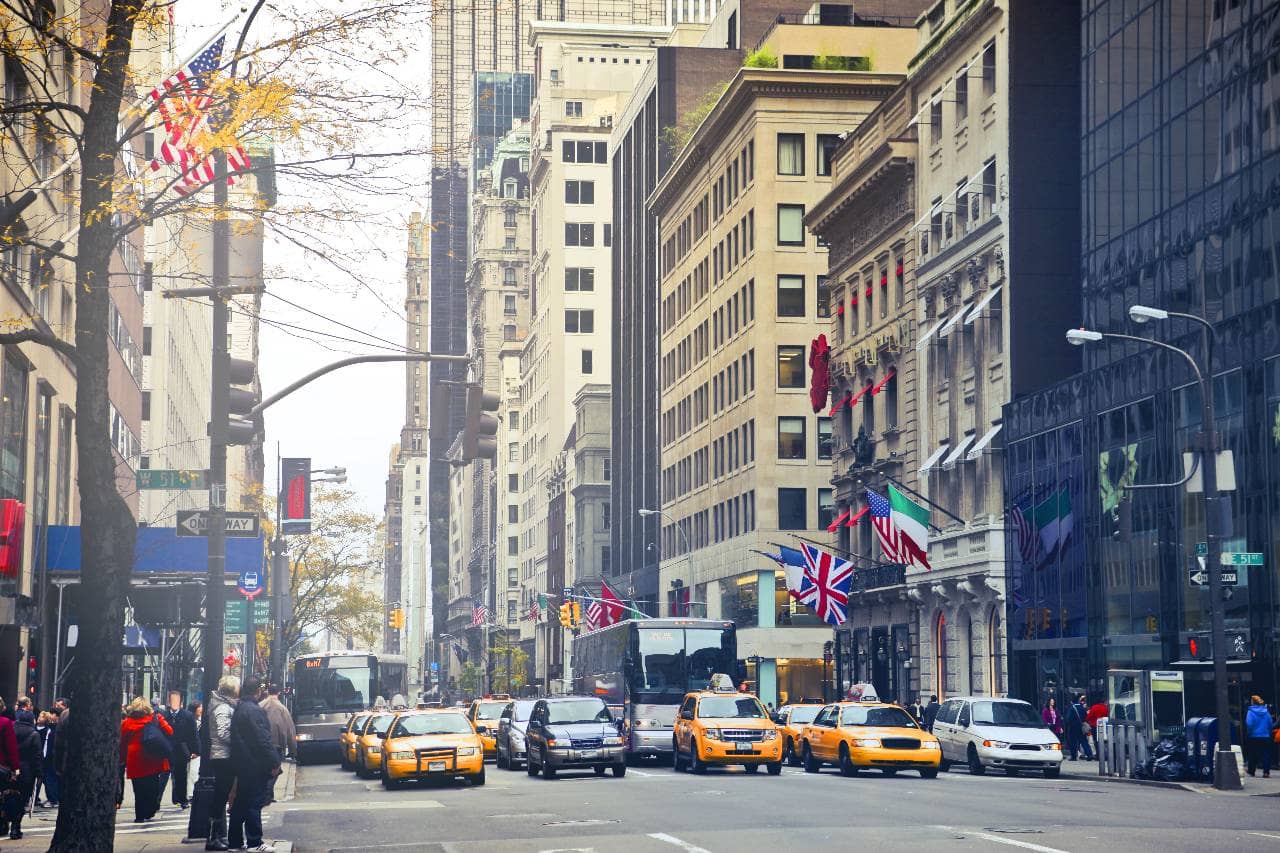
Manhattan is one of the strongest restaurant markets in New York City for owners who want access to tourists, office workers, commuters, shoppers, hotel guests, nightlife customers, and high-volume foot traffic. The borough attracts demand from business districts, retail corridors, entertainment areas, transit hubs, universities, residential neighborhoods, and global tourism. For restaurant owners, this creates opportunities for fast casual, coffee shops, bakeries, lunch concepts, full-service restaurants, fine dining, bars, dessert shops, grab-and-go meals, and catering-focused concepts. Tourism is one of Manhattan's biggest demand drivers. New York City is projected to welcome 66.3 million visitors in 2026, including 53.4 million domestic visitors and 12.9 million international visitors. Business travel is also projected to reach 12.8 million visitors. For restaurant owners, that means Manhattan demand is not limited to local residents. A restaurant near hotels, attractions, theaters, shopping corridors, offices, or transit stations can serve multiple customer groups throughout the day. However, owners should be careful not to judge Manhattan only by traffic volume. A location in Midtown, SoHo, Flatiron, Union Square, Chelsea, the West Village, the Lower East Side, or the Financial District may generate strong visibility, but it may also come with higher rent, stronger competition, expensive buildout costs, and higher labor pressure. Retail reports show that some major Manhattan corridors still have meaningful storefront availability, which means owners should study both demand and lease risk before signing. 1. Foot traffic quality - Busy streets are valuable only if the traffic matches the concept. Midtown may support breakfast, lunch, and commuter-focused meals, while SoHo and the West Village may work better for destination dining, dessert, shopping traffic, and social media-friendly concepts. 2. Rent and sales pressure - Manhattan restaurants usually need strong daily sales to cover rent, payroll, food costs, utilities, insurance, delivery fees, and debt payments. Owners should calculate how many transactions are needed each day before committing to a lease. 3. Customer mix - Each Manhattan neighborhood serves a different customer base. The Financial District may rely more on weekday office traffic, while Chelsea, the Lower East Side, and the West Village may bring stronger evening and weekend dining demand. Manhattan can be a strong fit for restaurants built around visibility, speed, brand appeal, and high check potential. But owners must understand whether they are building for tourists, office workers, residents, nightlife customers, or a mix of all four before choosing a neighborhood.
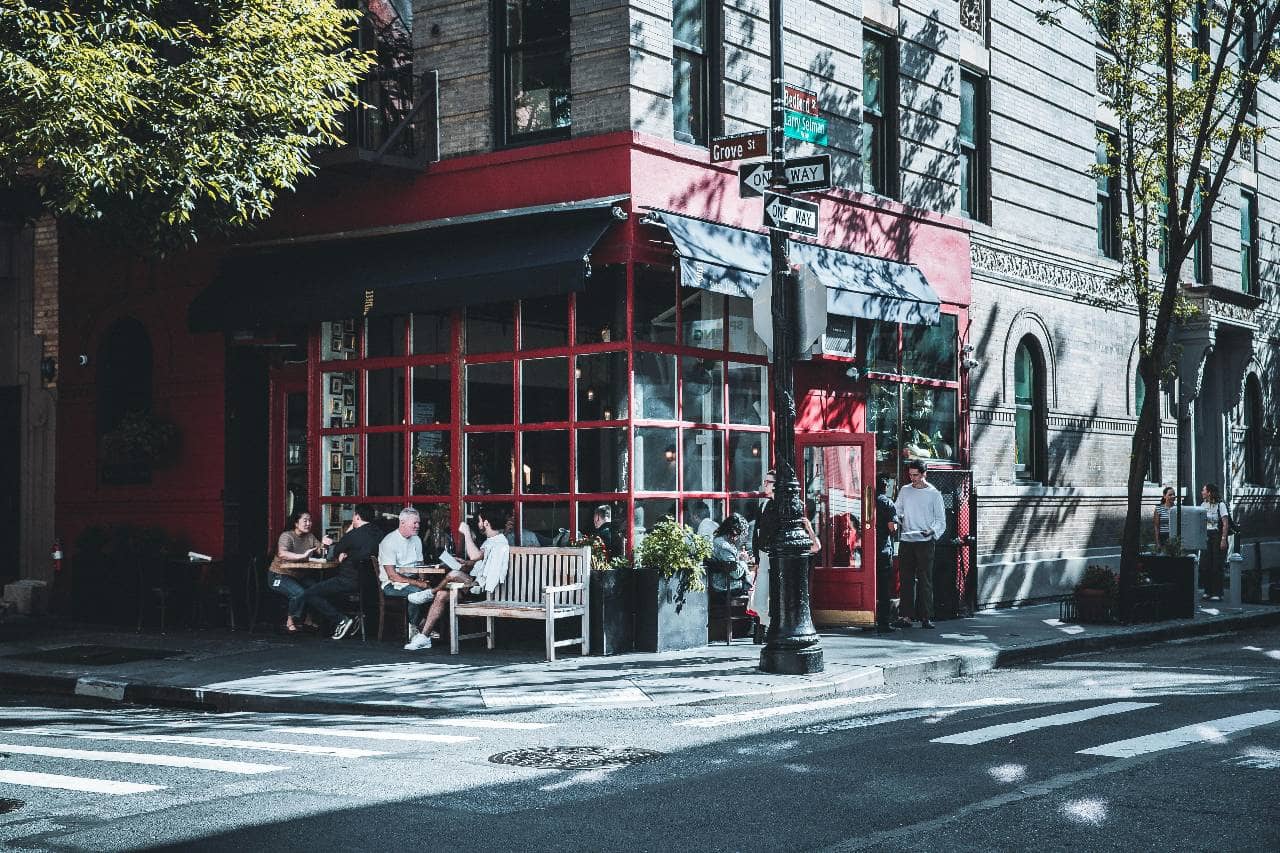
Brooklyn is one of the strongest restaurant markets in New York City for owners who want access to residential density, neighborhood loyalty, weekend dining, creative food culture, and local repeat customers. The borough attracts demand from families, young professionals, commuters, students, tourists, office workers, and long-time residents. For restaurant owners, this creates opportunities for coffee shops, bakeries, pizza, fast casual, brunch, bars, full-service restaurants, delivery-friendly brands, chef-driven concepts, and neighborhood dining. Residential demand is one of Brooklyn's biggest strengths. Kings County had about 2.65 million residents in 2025, making it the ninth-most populous county in the United States and the largest county in New York by population. Brooklyn also had an estimated 2,617,631 people in 2024, with a median household income of $83,770. For restaurant owners, that means the borough has a large local customer base that can support repeat visits beyond one-time tourist traffic. However, owners should be careful not to judge Brooklyn only by popularity. A location in Williamsburg, Greenpoint, Park Slope, Downtown Brooklyn, DUMBO, Fort Greene, Bushwick, Carroll Gardens, or Cobble Hill may offer strong local demand, but it may also come with rising rents, limited storefront availability, and heavy competition from established independent restaurants. Retail reports show that prime corridors in Williamsburg, DUMBO, Cobble Hill, and Park Slope had fewer available storefront options as 2025 began, which means owners may need to move quickly when the right space becomes available. 1. Neighborhood loyalty - Brooklyn can be powerful for restaurants that become part of local routines. Coffee shops, bakeries, casual dining, pizza, bars, and brunch concepts can perform well when they attract repeat customers from nearby apartments, brownstones, offices, and schools. 2. Rent and competition - Popular Brooklyn neighborhoods can still carry high lease pressure. Owners should compare asking rent, projected sales, nearby competitors, menu pricing, and delivery demand before assuming a well-known neighborhood will produce enough profit. 3. Customer fit - Each Brooklyn neighborhood has a different dining personality. Williamsburg and Greenpoint may support trend-forward concepts, Park Slope and Carroll Gardens may work well for family dining and neighborhood restaurants, while Downtown Brooklyn and DUMBO may benefit from office workers, residents, tourists, and commuters. Brooklyn can be a strong fit for restaurants built around local loyalty, repeat visits, strong branding, and neighborhood convenience. But owners must understand whether they are building for residents, commuters, weekend diners, delivery customers, or a mix of all four before choosing a neighborhood.
ueens is one of the strongest restaurant markets in New York City for owners who want access to cultural diversity, family dining demand, airport traffic, neighborhood loyalty, and delivery-friendly residential density. The borough attracts demand from long-time residents, immigrant communities, commuters, students, airport workers, visitors, and families. For restaurant owners, this creates opportunities for ethnic cuisine, fast casual, bakeries, cafes, casual dining, takeout, late-night food, dessert shops, family restaurants, and delivery-focused brands. Cultural diversity is one of Queens' biggest demand drivers. Queens is home to communities representing more than 130 languages and cultures, giving the borough one of the most diverse food markets in the city. Queens County also had about 2.36 million residents in 2025, making it the 12th-most populous county in the United States. Median household income was $86,100 from 2020 to 2024, which shows that the borough has a large customer base with enough spending power to support different restaurant formats. However, owners should be careful not to judge Queens only by population size. A location in Astoria, Long Island City, Flushing, Jackson Heights, Forest Hills, Bayside, Sunnyside, or Elmhurst may offer strong neighborhood demand, but each area has a different customer profile, pricing expectation, cuisine mix, and competition level. Retail reports show that Astoria and Long Island City had above-average rent and lease growth in early 2025, while Long Island City continues to see major housing growth. That means owners should study both customer demand and rent movement before choosing a space. 1. Cultural fit - Queens can be powerful for restaurants that match the food preferences, price points, and dining habits of the local community. Flushing, Jackson Heights, Elmhurst, and Astoria may support cuisine-specific concepts, but owners need to understand neighborhood expectations before opening. 2. Residential and commuter demand - Queens has strong demand from families, workers, students, and commuters. Areas near subway lines, LIRR stations, airports, schools, and apartment clusters can support breakfast, lunch, dinner, takeout, and delivery throughout the week. 3. Rent and growth pressure - Some Queens neighborhoods may offer better value than Manhattan or Brooklyn, but that does not mean every location is low-cost. Long Island City, Astoria, and other growth corridors may come with rising rent pressure, stronger competition, and higher expectations for brand quality. Queens can be a strong fit for restaurants built around cultural authenticity, neighborhood convenience, family dining, takeout, and delivery. But owners must understand whether they are building for local residents, commuters, airport traffic, destination diners, or a mix of all four before choosing a neighborhood.
he Bronx is one of the strongest restaurant markets in New York City for owners who want access to residential demand, commuter traffic, neighborhood loyalty, and more value-driven site selection. The borough attracts demand from families, students, workers, hospital employees, transit riders, local shoppers, and long-time residents. For restaurant owners, this creates opportunities for fast casual, pizza, Latin food, cafes, bakeries, takeout, family dining, quick-service restaurants, casual dining, and delivery-friendly brands. Residential density is one of the Bronx's biggest demand drivers. Bronx County had a population of 1,384,724 in 2024, with about 32,831.9 people per square mile. The borough also had a median household income of $48,676 from 2020 to 2024, total employment of 285,540 in 2023, and 18,674 employer establishments in 2023. For restaurant owners, that means the Bronx has a large local customer base, but menu pricing, value perception, and repeat visits matter heavily. However, owners should be careful not to judge the Bronx only by lower rent pressure compared with parts of Manhattan or Brooklyn. A location in Fordham, Mott Haven, Riverdale, Kingsbridge, Pelham Bay, Morris Park, or City Island may offer strong neighborhood demand, but each area has different spending patterns, customer expectations, transit access, and competition. Bronx retail data showed retail availability reached 6.86% in Q1 2025, while Fordham Road had the highest asking price per square foot and Morris Park/Pelham Parkway had the lowest availability rate. That means owners should compare both affordability and demand before choosing a site. 1. Value-driven demand - The Bronx can be strong for restaurants that offer convenience, consistency, and fair pricing. Quick-service restaurants, pizza shops, cafes, Latin food, family dining, and takeout concepts can perform well when they match local spending habits. 2. Transit and neighborhood traffic - Areas near subway stations, bus corridors, schools, hospitals, shopping streets, and residential clusters can support steady daily traffic. Fordham, Kingsbridge, Mott Haven, and Pelham Bay may offer different demand patterns depending on commuters, families, students, and local workers. 3. Competition and concept fit - Some Bronx neighborhoods are underserved by certain restaurant types, while others already have strong local food options. Owners should study nearby menus, pricing, reviews, delivery demand, and customer routines before assuming there is open space in the market. The Bronx can be a strong fit for restaurants built around affordability, convenience, neighborhood loyalty, and repeat customers. But owners must understand whether they are building for families, commuters, students, local workers, delivery customers, or a mix of all five before choosing a neighborhood.
Staten Island is one of the strongest restaurant markets in New York City for owners who want access to community loyalty, family dining demand, parking-friendly locations, suburban-style neighborhoods, and repeat local customers. The borough attracts demand from families, commuters, local workers, homeowners, students, ferry riders, and long-time residents. For restaurant owners, this creates opportunities for pizza, cafes, bakeries, casual dining, family restaurants, coffee shops, diners, takeout, catering, quick-service restaurants, and neighborhood bars. Local household demand is one of Staten Island's biggest strengths. Richmond County had an estimated 501,290 residents in 2025, up from 498,212 residents in 2024. The borough also had a median household income of $98,333 from 2020 to 2024, total accommodation and food services sales of $886.0 million in 2022, and total retail sales of $6.98 billion in 2022. For restaurant owners, that means Staten Island may have a smaller population than the other boroughs, but it still has meaningful local spending power. However, owners should be careful not to judge Staten Island the same way they judge Manhattan, Brooklyn, or Queens. A location in St. George, Stapleton, New Dorp, Great Kills, Annadale, Tottenville, or Forest Avenue may offer loyal local customers, but foot traffic patterns are different. Many areas are more car-dependent, dinner and weekend demand may matter more than lunch traffic, and restaurants may need stronger local marketing to build repeat visits. 1. Community loyalty - Staten Island can be strong for restaurants that become part of local routines. Family restaurants, pizza shops, cafes, diners, bakeries, and casual concepts can perform well when they earn repeat business from nearby households. 2. Access and convenience - Parking, road access, ferry traffic, shopping centers, schools, and residential clusters matter more in many Staten Island neighborhoods than pure pedestrian volume. Owners should study how customers will reach the restaurant before choosing a site. 3. Local competition - Staten Island customers often have established dining habits. Owners should review nearby menus, pricing, reviews, catering demand, delivery coverage, and family dining options before assuming there is open demand in the market. Staten Island can be a strong fit for restaurants built around convenience, family dining, catering, local loyalty, and neighborhood service. But owners must understand whether they are building for families, commuters, ferry riders, delivery customers, local workers, or a mix of all five before choosing a neighborhood.
Choosing the right NYC neighborhood requires more than comparing popular streets or busy restaurant corridors. Owners need to study whether the rent, competition, customer base, and sales potential work together. A neighborhood may have strong demand, but if the lease is too expensive or the restaurant concept does not match the local customer, the location can become difficult to operate profitably. Rent pressure is one of the biggest factors. Manhattan's retail market continued to show strong leasing momentum in Q1 2026, with more than 1.2 million square feet transacted during the quarter. In Manhattan's top retail corridors, asking rents were also reported at an average of $659 per square foot in Q1 2025 after a 3% increase. For restaurant owners, that means high-visibility spaces may require very strong sales volume before the business can cover rent, payroll, food costs, utilities, insurance, and debt payments. Competition should be reviewed by category, not just by the number of restaurants nearby. A neighborhood with many restaurants may still have room for a different concept, price point, cuisine, or service style. At the same time, an area with fewer restaurants may not automatically be a good opportunity if local demand is weak. Owners should review nearby menus, average prices, online reviews, delivery presence, lunch traffic, dinner demand, and weekend patterns before assuming the market has a gap. Customer type is just as important as traffic volume. NYC has many types of restaurant customers, including tourists, office workers, students, families, commuters, nightlife guests, delivery customers, and local residents. New York's eating and drinking places account for 672,500 jobs, while the state's total restaurant and foodservice workforce represents 856,700 jobs. This shows how large and competitive the foodservice market is, but it also reminds owners that each neighborhood must be evaluated carefully. 1. Rent-to-sales fit - Owners should calculate how much monthly revenue is needed to support rent before signing a lease. A high-rent area may work for fast casual, fine dining, or high-volume concepts, but it may be risky for restaurants with lower check averages or slower table turns. 2. Competitive position - Owners should identify whether their restaurant will compete on convenience, price, cuisine, speed, atmosphere, delivery, late-night demand, family dining, or premium experience. The concept must have a clear reason to exist in the neighborhood. 3. Customer behavior - Owners should study when people are in the area and why they are there. Midtown may depend more on office and tourist traffic, Brooklyn may reward repeat neighborhood visits, Queens may depend heavily on cultural fit and family dining, the Bronx may be more value-driven, and Staten Island may rely more on convenience and community loyalty. The best NYC restaurant neighborhood is not always the one with the most traffic or the lowest rent. It is the one where rent, demand, competition, and customer behavior support the restaurant's concept. Before committing to a lease, owners should build a sales forecast, compare nearby competitors, review day-part demand, and make sure the neighborhood can support the restaurant during both busy and slower periods.
Choosing the right NYC neighborhood starts with matching the restaurant concept to the people, traffic patterns, spending habits, and operating costs of the area. New York City had about 8.48 million residents in 2024, and all five boroughs added population between mid-2023 and mid-2024. The city is also projected to welcome 66.3 million visitors in 2026, including 53.4 million domestic visitors, 12.9 million international visitors, and 12.8 million business travelers. For restaurant owners, that means NYC has a large customer base, but demand is not the same in every neighborhood. A restaurant concept that works in Midtown may not work the same way in Park Slope, Astoria, Fordham, or St. George. Fast casual restaurants often need high visibility, strong lunch traffic, speed of service, and commuter access. Coffee shops need morning routines, nearby offices, students, apartments, or heavy pedestrian traffic. Full-service restaurants need evening demand, weekend traffic, table turns, and customers who are willing to spend more. Delivery-focused concepts need dense residential demand, strong delivery radius coverage, and menu items that travel well. Owners should also think about the broader restaurant environment. The National Restaurant Association projects restaurant industry sales of $1.55 trillion nationwide in 2026, but growth does not remove the need for careful site selection. In NYC, rent, labor, food costs, utilities, delivery fees, insurance, and competition can quickly pressure margins. A restaurant should not choose a neighborhood only because it is trendy. It should choose a neighborhood because the numbers support the concept. Owners should evaluate the right NYC neighborhood in three ways - 1. Concept fit - The menu, price point, service style, hours, and brand should match the neighborhood's customer behavior. A fine dining concept may need destination appeal and higher-income diners, while a pizza shop or cafe may need daily repeat traffic. 2. Sales potential - Owners should estimate guest counts, average check size, daypart demand, delivery sales, catering opportunities, and seasonal swings. The location should be able to generate enough revenue to support rent, labor, inventory, marketing, and debt payments. 3. Operating reality - A good neighborhood should also make daily operations manageable. Owners should review labor availability, vendor access, loading zones, parking, transit, kitchen layout, delivery logistics, permitting, and nearby competition before signing a lease. The best NYC neighborhood is the one where demand, rent, competition, and operations work together. Manhattan may be best for visibility and tourist traffic. Brooklyn may be better for local loyalty and neighborhood dining. Queens may support diverse food concepts and family demand. The Bronx may offer value-driven growth opportunities. Staten Island may work well for community-based restaurants with strong local service. Before opening, owners should choose the neighborhood that fits their concept, not just the neighborhood with the biggest name.
