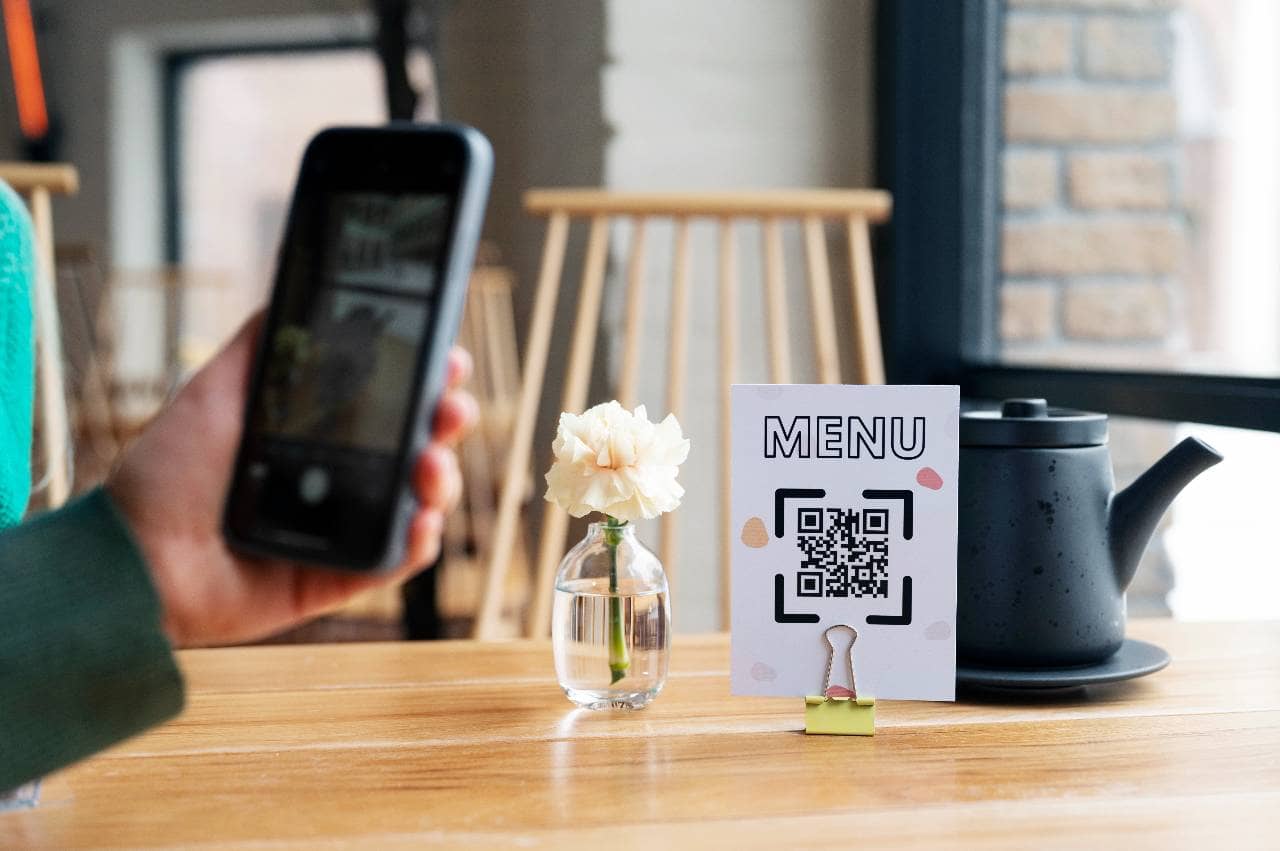
How Does a QR Code Menu Work in a Restaurant?
QR code menus let restaurants replace paper menus digitally, enabling instant updates, contactless browsing, ordering, and payment through simple smartphone scanning.
Point Of Sale
Sep 7, 2026
QR code menus let restaurants replace paper menus digitally, enabling instant updates, contactless browsing, ordering, and payment through simple smartphone scanning.
Sep 7, 2026
Complete guide helping restaurant owners choose essential kitchen equipment - covering cooking, refrigeration, prep, sanitation, ventilation, safety, and long-term maintenance planning.
Sep 7, 2026

Avoiding common restaurant payroll mistakes - misclassification, tip credit errors, overtime miscalculations - protects businesses from costly penalties, back pay, and compliance risks.
Sep 4, 2026
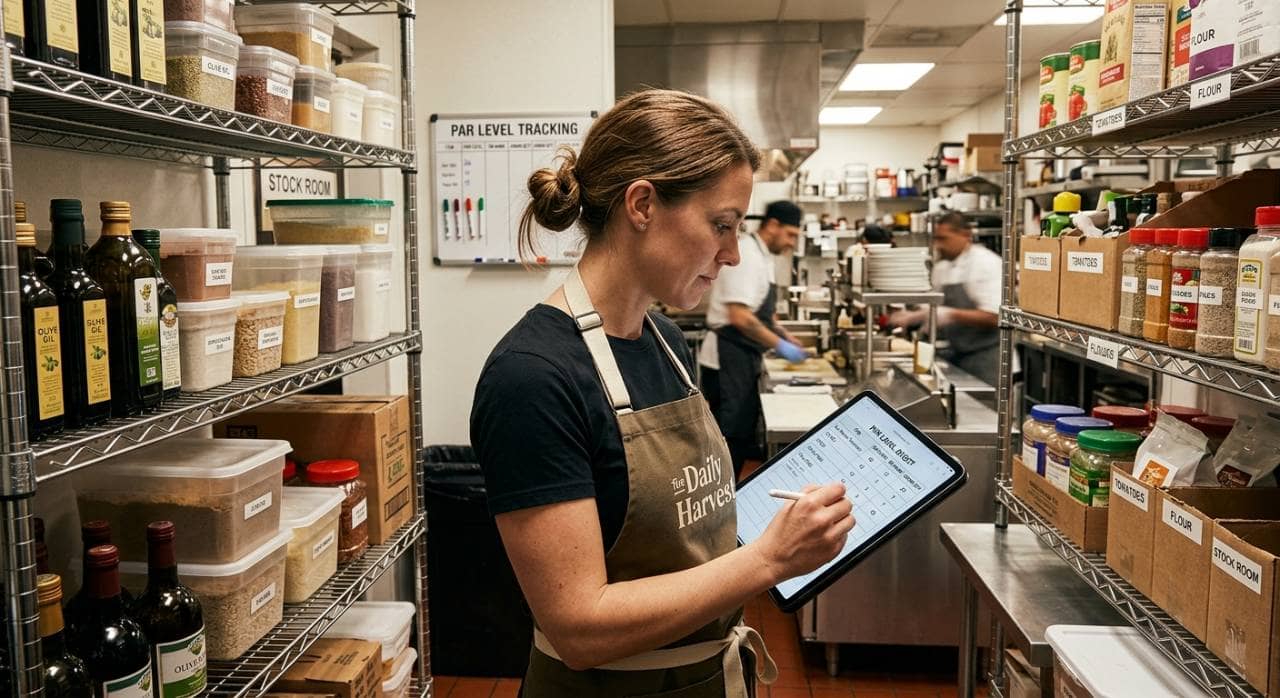
Learn to calculate par levels for restaurant food, beverages, and packaging inventory, preventing stockouts and waste through proper formulas.
Sep 4, 2026
Caribou Coffee appoints Zane Thomas-Rogers as Chief Operations Officer to strengthen execution across its expanding coffeehouse network.
Sep 4, 2026
Compare the top 10 restaurant POS systems in the USA for 2026. Explore features, pricing, pros, cons, and the best POS options for every restaurant type.
Jul 1, 2026

Learn how to handle restaurant payroll yourself, from calculating hours and wages to managing tips, taxes, and final paychecks.
Sep 2, 2026
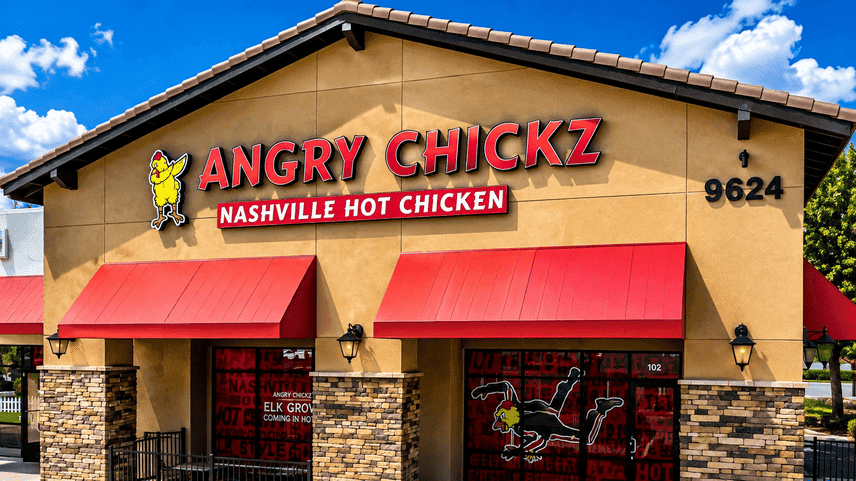
Angry Chickz enters Illinois with its signature hot chicken concept and ambitious plans for Midwest expansion, setting the stage for new franchise opportunities and community engagement.
Sep 2, 2026
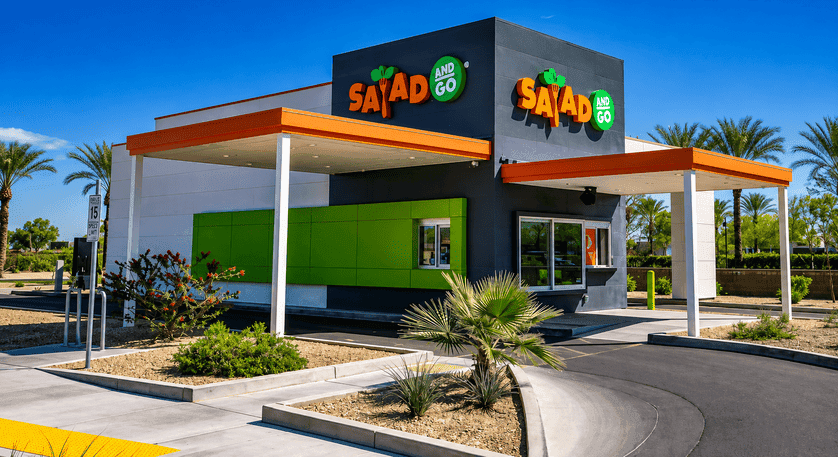
7 Brew has acquired 73 former Salad and Go locations, surpassing Dutch Bros with a $143M bid, signaling a major shift in the competitive landscape for drive-thru brands.
Sep 2, 2026
Restaurant labor management helps owners optimize staffing, control labor costs, improve productivity, monitor overtime, and maintain efficient restaurant operations.
Sep 2, 2026

Unlock Exclusive Access To Webinars, Events, And The Latest News For Free!
Restaurant owners can use AI tools to automate routine tasks, protect margins, recover lost sales, and improve operational consistency daily.
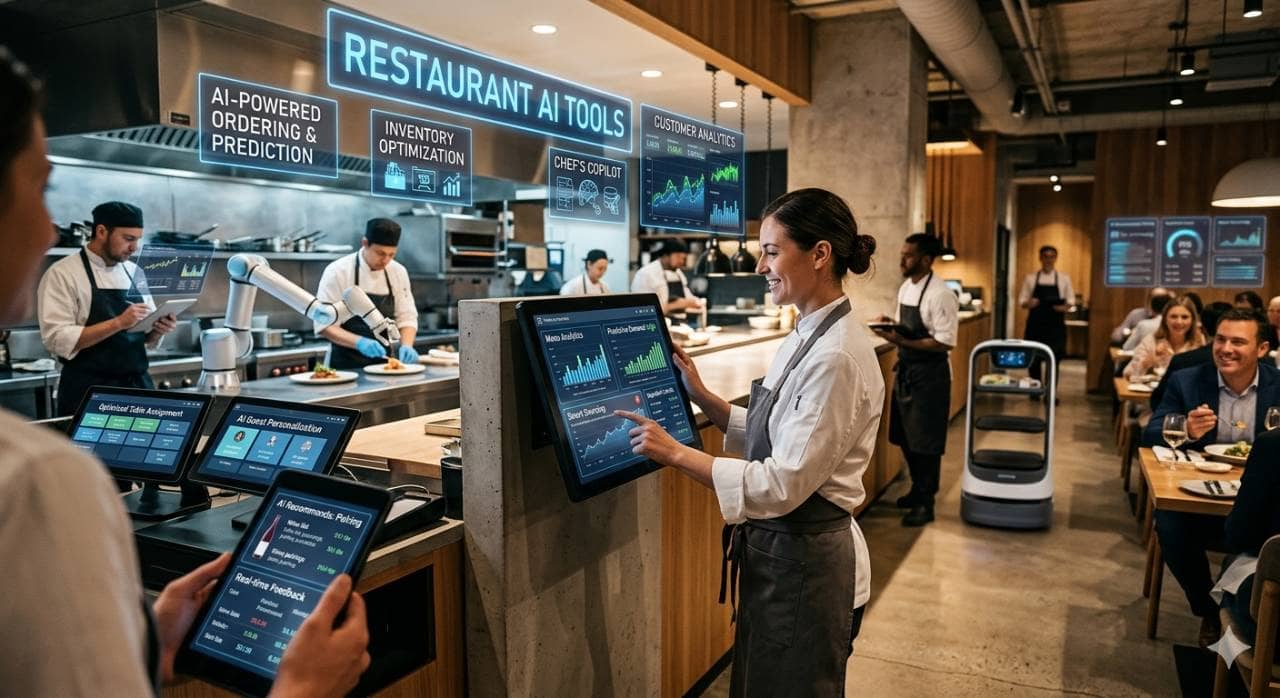
Restaurant technology is no longer only for large chains with big budgets, corporate teams, and custom systems. In 2026, AI tools are more affordable and easier for independent restaurants, small groups, and franchise operators to use. This matters because restaurant owners are under pressure from rising labor costs, unpredictable demand, food waste, missed calls, thin margins, staffing issues, and limited time to focus on guests. For years, many owners have made profit decisions with incomplete information. Menu prices were based on instinct. Inventory was counted by hand. Labor schedules were built from past experience. Marketing was handled only when there was extra time. Phone calls were answered only when the team was not too busy. Each issue may seem small, but together they can quietly drain revenue. AI helps owners turn daily restaurant data into better decisions. It can review sales patterns, weather, local events, inventory levels, labor needs, menu performance, and guest behavior. This allows owners to order smarter, reduce waste, improve scheduling, capture more phone sales, adjust pricing, and bring customers back more often.
Phone calls are still a major sales channel for restaurants, especially for takeout orders, reservations, catering requests, private events, delivery questions, and large group bookings. The problem is that calls often come in when the team is already overloaded. During a lunch rush or dinner rush, hosts may be seating guests, cashiers may be processing orders, servers may be helping tables, and managers may be solving operational issues. When the phone goes unanswered, the restaurant may lose revenue without realizing it. A missed call may look small in the moment, but the numbers can add up quickly. If a restaurant misses 5 calls a day and each missed order could have been worth $40, that equals $200 in lost daily sales. Over 30 days, that becomes $6,000 in missed revenue. If one missed call is for a catering order, office lunch, birthday party, or private dining request, the loss could be much higher. Voice AI agents help restaurants turn phone traffic into a more reliable revenue channel. Instead of depending only on busy employees to answer every call, AI can respond immediately, collect order details, answer common questions, support reservations, and route complex requests to the right person. This helps restaurants capture sales during peak hours, after hours, and during staffing gaps. Owners should track a few key phone performance numbers - 1. Missed call rate - Measure how many calls go unanswered each day or week. A high missed call rate shows that the restaurant may be losing orders, reservations, or catering opportunities during busy periods. 2. Phone order value - Track the average value of orders placed by phone. This helps owners understand how much revenue is at risk when calls are missed. 3. Upsell conversion - Measure how often callers accept add-ons, upgrades, desserts, drinks, sides, or larger order sizes. Voice AI can improve consistency because it can suggest upsells on every eligible order. 4. Reservation capture rate - Track how many phone inquiries turn into confirmed reservations. This is especially important for full-service restaurants, private dining, events, and high-demand weekend shifts. 5. Catering and large-order inquiries - Monitor how many calls involve office lunches, group meals, event orders, or party bookings. These calls can carry a much higher value than standard takeout orders. 6. Response time - Measure how quickly calls are answered. Faster response times reduce customer frustration and lower the chance that guests will call another restaurant. Voice AI also protects the guest experience inside the restaurant. When employees are not constantly interrupted by routine phone questions, they can focus on guests at the counter, tables in the dining room, delivery driver handoffs, and order accuracy. This creates a smoother shift while still keeping phone sales active.
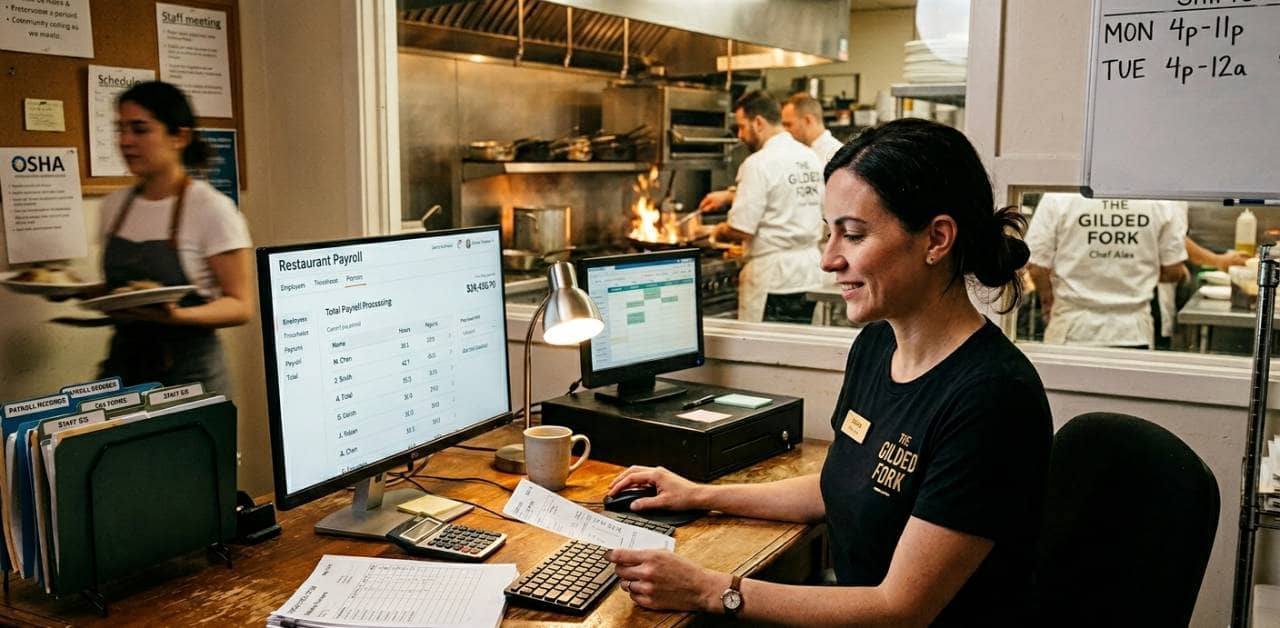
Labor is one of the hardest areas for restaurant owners to control because it changes every day. Employees call out, schedules shift, new hires need training, breaks must be tracked, overtime must be managed, and payroll has to be accurate. When these tasks are handled through paper forms, spreadsheets, text messages, or disconnected systems, small mistakes can become expensive problems. The risk is not only administrative. Labor errors can directly affect profit. A missed break, incorrect time punch, unapproved overtime shift, or incomplete onboarding document can lead to payroll disputes, compliance issues, employee frustration, or costly penalties. For a restaurant already operating on tight margins, one preventable labor mistake can wipe out the profit from several busy shifts. AI-powered HR and payroll automation helps restaurants create more control over the employee lifecycle. Instead of managing hiring in one place, onboarding in another, schedules in another, and payroll somewhere else, owners can bring these tasks into one connected process. This gives managers better visibility into who is scheduled, who clocked in, who missed a break, who is approaching overtime, and which employees still need documents completed. The biggest value is prevention. A manager should not have to find out about a labor issue after payroll is processed or after a complaint is filed. Automation can flag problems earlier, such as an employee nearing overtime, a missing meal break, an incomplete timecard, or a schedule that may create coverage gaps. This allows managers to fix issues before they become financial or legal problems. For restaurant owners, HR automation can improve four important areas - 1. Hiring speed - Faster applicant tracking, interview scheduling, and onboarding can help fill open roles sooner. 2. Timekeeping accuracy - Digital time records reduce the risk of missed punches, manual edits, and payroll confusion. 3. Schedule control - Managers can compare staffing levels against expected sales so they are not overstaffed during slow periods or understaffed during rushes. 4. Compliance protection - Automated alerts can help managers stay aware of breaks, overtime, local labor rules, required documents, and employee records. The financial impact comes from reducing waste in the labor process. If managers spend hours each week fixing timecards, chasing paperwork, correcting schedules, or answering payroll questions, that time is being pulled away from operations, guests, food quality, and sales. Automation does not remove the need for strong leadership, but it gives managers a cleaner system to work from. Restaurant owners should view HR and payroll automation as a margin-protection tool. It helps reduce errors, control labor costs, improve employee accountability, and lower the chance of expensive compliance mistakes. In a business where labor is one of the largest expenses, better control over staffing and payroll can have a direct effect on profitability.
Menu pricing is one of the fastest ways a restaurant can improve profitability, but it is also one of the areas where many owners rely too heavily on guesswork. Some owners price items by doubling ingredient cost. Others copy nearby competitors, avoid price increases because they fear customer pushback, or keep the same menu prices for too long even when food costs, labor costs, and packaging costs rise. The result is simple - busy restaurants can still lose margin on the items they sell the most. AI-powered menu engineering helps owners move from instinct-based pricing to data-driven pricing. Instead of looking only at food cost, AI can evaluate how each menu item performs across sales volume, profit margin, customer demand, ingredient cost, prep time, and order channel. This gives owners a clearer picture of which items are actually helping the business and which items are quietly weakening profitability. For example, a pasta dish may be popular, but if ingredient costs have increased and the portion size is too generous, the item may no longer be as profitable as it looks. A burger may sell fewer units, but if it has a strong margin and is often ordered with fries and drinks, it may be more valuable than the sales count suggests. AI can help identify these differences faster than a manual spreadsheet. AI can also help owners test pricing more carefully. Instead of raising prices across the entire menu at once, owners can review which items have room for a small increase, which items should be bundled, and which items need portion or recipe adjustments. A $0.50 or $1.00 increase on a high-volume item can make a meaningful difference when multiplied across hundreds or thousands of monthly orders. Menu engineering also connects closely to inventory control. If an ingredient is close to expiring, AI can recommend a limited-time special, bundle, or promotion to move that product before it becomes waste. For example, if avocados, chicken, seafood, or fresh produce need to be used quickly, the restaurant can create a targeted special instead of letting money sit in the walk-in until it spoils. Owners should use AI menu insights to answer important questions such as - 1. What are the highest-margin items on the menu? 2. Which popular items are underpriced? 3. Which items sell often but produce weak profit? 4. Which ingredients are increasing in cost? 5. Which dishes create too much waste or prep complexity? 6. Which items should be promoted, bundled, removed, or redesigned? For restaurant owners, better menu engineering can improve profit without requiring more tables, more staff, or more hours of operation. When pricing, portions, promotions, and product mix are managed correctly, the restaurant can earn more from the demand it already has.
Food waste is one of the quietest profit leaks in a restaurant because it often happens behind the scenes. A few spoiled ingredients, oversized prep batches, expired products, incorrect orders, and slow-moving items may not seem like a major problem during one shift. But over time, those losses can remove 2% to 3% from the restaurant's bottom line. For an owner doing $100,000 in monthly sales, that could mean $2,000 to $3,000 in lost profit every month. Traditional inventory systems often depend on a manager walking through the kitchen with a clipboard, counting boxes, checking shelves, and guessing what to order next. This process can work when volume is predictable, but restaurants rarely operate in a perfectly predictable environment. Weather changes, local events, holidays, school schedules, sports games, delivery demand, and weekend traffic can all change how much food the restaurant actually needs. AI-driven inventory tools help owners make ordering decisions based on demand instead of guesswork. The system can review past sales, current trends, menu item movement, ingredient usage, and outside demand signals. For example, if patio seating usually increases on warm weekends, the system can recommend higher ordering levels for drinks, appetizers, and outdoor-friendly menu items. If Friday sales show stronger demand for seafood, the system can adjust purchasing before the manager places the next order. The goal is to create a tighter connection between what the restaurant expects to sell and what it actually buys. When that connection improves, owners can reduce over-ordering, prevent stock-outs, and keep less cash trapped in unused inventory. A strong AI inventory process should help owners answer these questions - 1. What should we order based on expected demand? 2. Which ingredients are moving faster than usual? 3. Which items are sitting too long in storage? 4. Where are we over-prepping or under-prepping? 5. Which products are at risk of expiring soon? 6. Which menu items are causing the most waste? 7. How much inventory should be on hand before peak days? Computer vision is also becoming more useful in back-of-house operations. Instead of relying only on manual counts, managers may be able to take photos of shelves, walk-ins, or refrigerators so the system can help identify products and estimate stock levels. This can save time during inventory checks and improve visibility when managers are stretched thin. Predictive inventory gives restaurant owners better control over one of their largest expenses. When purchasing, prep, storage, and menu demand are connected, the kitchen can operate with less waste and fewer emergency orders. That means more cash stays in the business instead of disappearing through spoilage, over-ordering, and poor forecasting.

Marketing is one of the easiest areas for restaurant owners to delay because daily operations usually come first. When the kitchen is busy, labor is tight, inventory needs attention, and guests are waiting, posting on social media or building an email campaign may not feel urgent. But weak marketing creates a long-term profit problem. If a restaurant is only focused on first-time customers and not bringing past guests back, it has to work harder and spend more to keep sales steady. AI helps solve this by turning customer data into repeat-visit opportunities. Instead of sending the same promotion to every guest, AI can help identify who has not returned, what they usually order, when they typically visit, and what offer may bring them back. This is important because repeat customers are often more profitable than new customers. They already know the brand, understand the menu, and are more likely to order favorites, add-ons, drinks, desserts, or higher-value meals. For example, if a guest usually orders a chicken bowl every Friday but has not visited in six weeks, an AI-powered customer system can flag that change and trigger a personalized offer. Instead of a generic "Come back soon" message, the restaurant can send a more relevant promotion tied to the guest's actual behavior. That makes the marketing feel more personal and gives the customer a stronger reason to return. AI can also help owners improve marketing consistency. A restaurant may want to promote lunch specials, catering, happy hour, seasonal items, holidays, slow weekdays, or loyalty rewards, but most teams do not have time to create campaigns from scratch every week. AI can help draft email campaigns, social media captions, menu announcements, promotional calendars, text messages, and limited-time offer ideas. This allows the restaurant to market more often without putting all the work on the owner or manager. Customer service is another important part of automated marketing. Many guests search online before they decide where to eat. They may want to know if the restaurant takes reservations, has gluten-free options, offers catering, is open on holidays, or allows large groups. AI chat tools can answer routine questions quickly through the restaurant website or online business profile. Fast answers can reduce friction and help convert interested guests into paying customers. Restaurant owners should look at automated marketing through a few revenue questions - 1. How many past guests have not returned in 30, 60, or 90 days? 2. Which customer groups spend the most per visit? 3. Which offers bring guests back without hurting margins? 4. Which days or day-parts need more demand? 5. Which menu items should be promoted because they have strong profit margins? When marketing becomes more consistent, personalized, and connected to guest behavior, restaurants can increase repeat visits, improve loyalty, fill slower periods, and generate more revenue from the customer base they already have.
Restaurant owners do not need to add every AI tool at once. In fact, adding too many systems too quickly can create more confusion, more training work, and more disconnected data. The smarter approach is to identify where the restaurant is losing the most money first, then choose AI tools that solve that specific problem. Start with the numbers. If phone orders are being missed, the first priority may be voice AI. If labor costs are rising, scheduling and payroll automation may create the fastest return. If food cost is climbing, predictive inventory or menu engineering may be the better starting point. If repeat visits are weak, AI-powered marketing and loyalty tools may produce the strongest revenue lift. A restaurant should not buy AI because it sounds modern. It should buy AI because it fixes a measurable business issue. Before choosing a tool, owners should review five areas - 1. Revenue leakage - Look for places where sales are being lost. This may include missed calls, abandoned online orders, slow response times, weak upselling, low catering conversion, or poor repeat visits. 2. Cost pressure - Review where expenses are rising. Labor, food cost, waste, overtime, payroll errors, delivery packaging, and vendor pricing can all affect margins. 3. Manager workload - Identify tasks that take too much manager time. Timecard corrections, inventory counts, schedule changes, applicant follow-ups, menu updates, and marketing tasks are strong candidates for automation. 4. System integration - The best AI tool should connect with existing restaurant systems whenever possible. If a tool does not connect with the POS, payroll, inventory, reservation, or loyalty system, managers may end up entering the same information twice. 5. Return on investment - Owners should estimate how the tool will pay for itself. For example, will it recover missed phone sales, reduce overtime, lower waste, increase average check size, improve pricing, or bring back inactive customers? A simple way to choose the first AI tool is to ask - "Where are we losing money every week?" If the answer is missed orders, start with guest communication. If the answer is spoiled food, start with inventory. If the answer is schedule chaos, start with labor automation. If the answer is underpriced items, start with menu data. Training also matters. A powerful AI tool will not help if employees do not understand how to use it. Owners should choose systems that are easy for managers to learn, simple for staff to follow, and clear in the reports they provide. The tool should make daily operations easier, not add another layer of work. The most profitable AI strategy starts small and builds over time. Restaurant owners can begin with one high-impact area, measure the results for 30 to 90 days, and then expand into other parts of the business. This helps the restaurant improve without overwhelming the team or creating unnecessary software costs.
AI becomes most valuable when restaurant owners stop looking at each tool as a separate feature and start seeing it as part of a larger profit system. Every AI tool should connect to one of the main drivers of restaurant profit- sales, labor, food cost, guest retention, pricing, or manager productivity. A restaurant may already have strong food, a loyal customer base, and a hardworking team, but profit can still disappear through small daily gaps. Calls go unanswered. Employees clock in early. Inventory is over-ordered. Menu prices fall behind rising costs. Guests visit once and never receive a reason to return. Managers spend hours fixing problems that could have been flagged earlier. AI helps close these gaps before they become larger financial losses. Restaurant owners can think of AI profit growth in five connected stages - 1. Capture more revenue - Voice AI and automated guest communication help restaurants answer more calls, process more orders, support reservations, and reduce lost sales during peak hours. 2. Protect labor margins - HR, scheduling, payroll, and compliance automation help reduce timecard errors, overtime surprises, missed breaks, and unnecessary administrative work. 3. Improve menu profitability - AI menu engineering helps owners understand which items should be promoted, repriced, bundled, resized, or removed based on real sales and cost data. 4. Reduce food waste - Predictive inventory tools help match purchasing and prep levels to expected demand, which can lower spoilage, prevent stock-outs, and reduce emergency ordering. 5. Bring guests back - Automated marketing and loyalty tools help restaurants identify inactive customers, personalize offers, promote profitable items, and increase repeat visits. The best approach is to start with one area where the restaurant has the clearest financial leak. Owners should measure the current baseline before adding AI. For example, track missed calls, food waste, labor cost percentage, overtime hours, average check size, or repeat customer visits. Then measure the same numbers again after the tool is in place. This makes it easier to see whether AI is improving profit or just adding another monthly expense. AI does not replace restaurant leadership. Owners still need to make decisions, train teams, protect hospitality, and maintain food quality. What AI does is give owners better visibility and faster action. It helps them see problems earlier, respond with better data, and create systems that work even when the restaurant is busy. In 2026, restaurant profitability will depend on more than great food and hard work. Owners will need tighter control over revenue, labor, inventory, pricing, and customer retention. AI gives independent restaurants a way to build that control without needing a large corporate team. When used strategically, it can help restaurants reduce waste, recover lost sales, improve margins, and build a stronger path to long-term profit growth.
