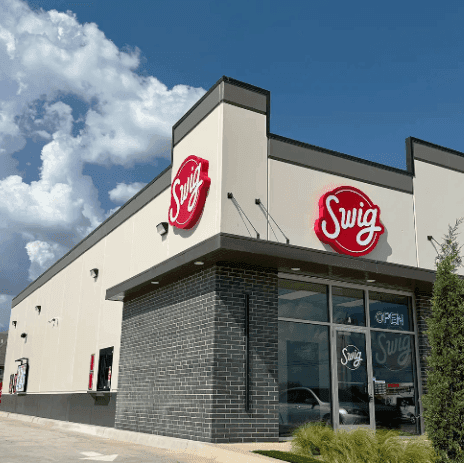
Swig Expands to Denver with 11-Unit Franchise Deal
Swig signs franchise agreement for 11 South Denver locations, marking Colorado entry and validating its national expansion strategy.
Franchising
Sep 8, 2026
Swig signs franchise agreement for 11 South Denver locations, marking Colorado entry and validating its national expansion strategy.
Sep 8, 2026
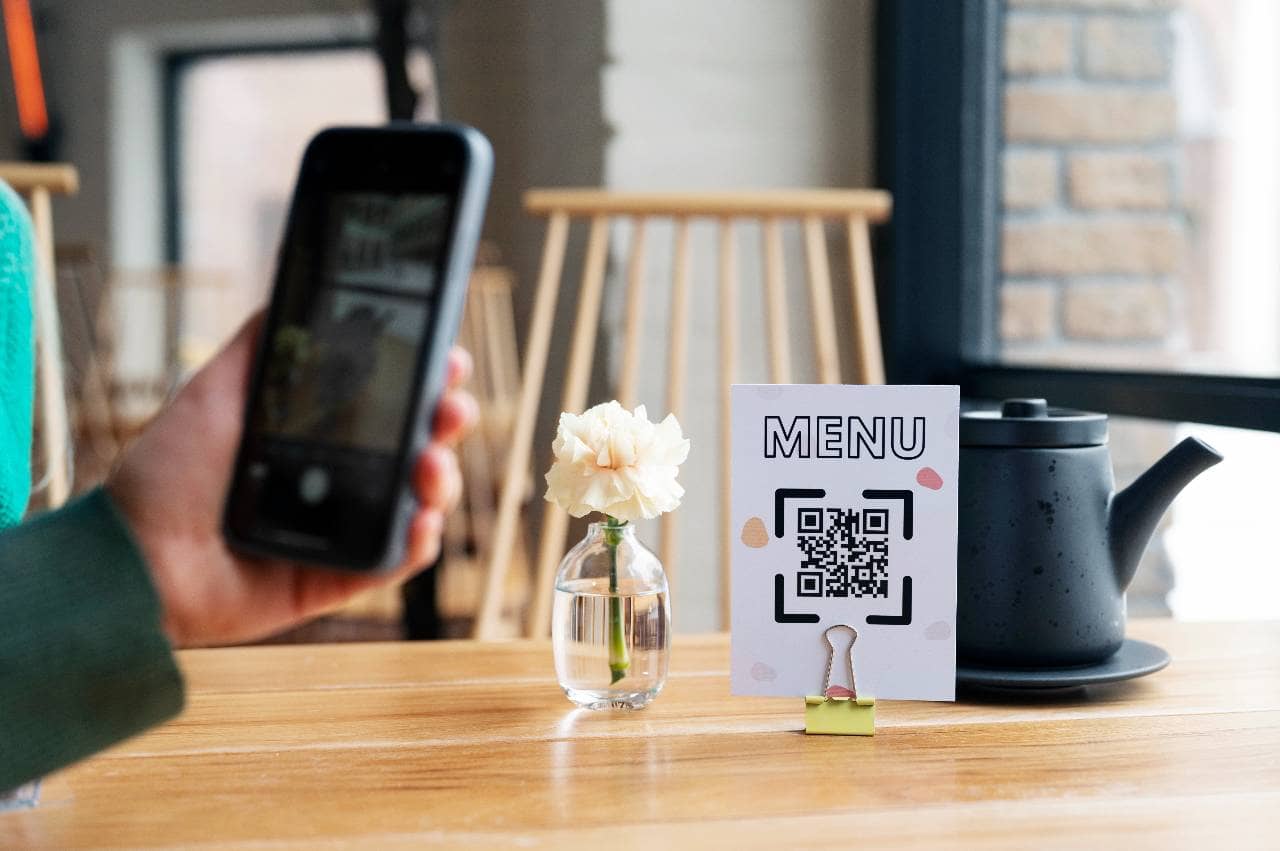
QR code menus let restaurants replace paper menus digitally, enabling instant updates, contactless browsing, ordering, and payment through simple smartphone scanning.
Sep 7, 2026
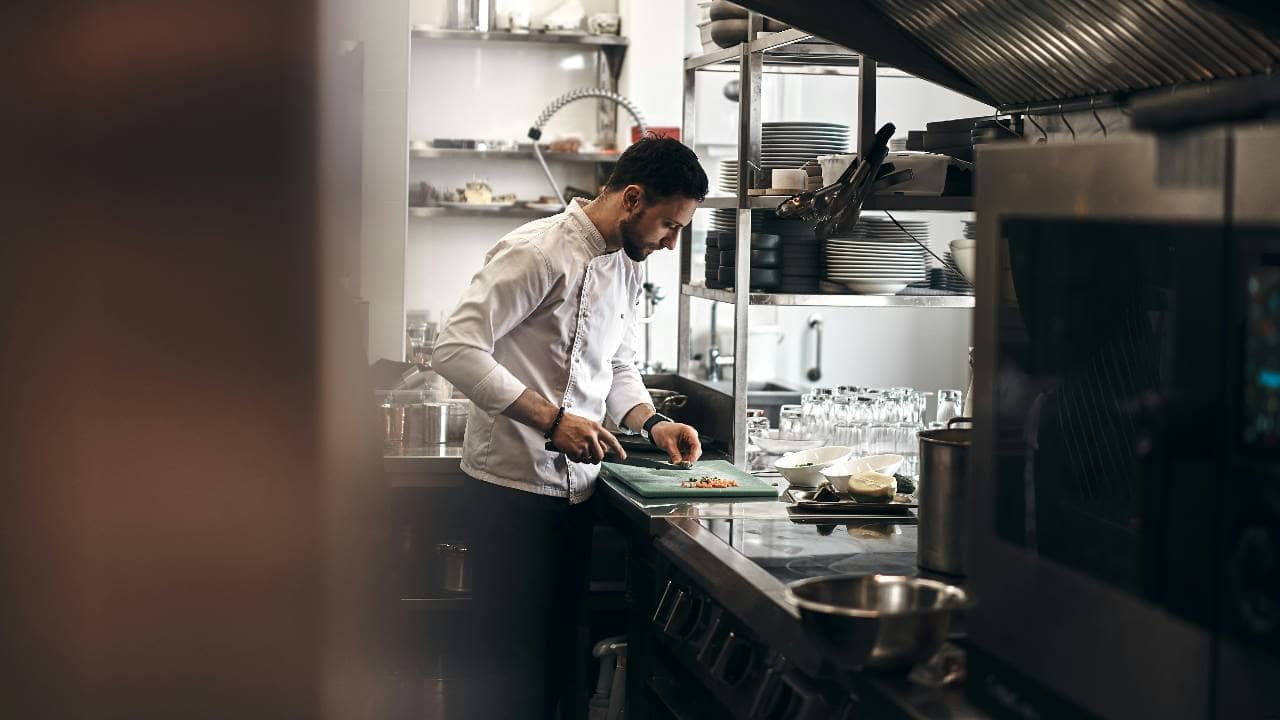
Complete guide helping restaurant owners choose essential kitchen equipment - covering cooking, refrigeration, prep, sanitation, ventilation, safety, and long-term maintenance planning.
Sep 7, 2026

Avoiding common restaurant payroll mistakes - misclassification, tip credit errors, overtime miscalculations - protects businesses from costly penalties, back pay, and compliance risks.
Sep 4, 2026
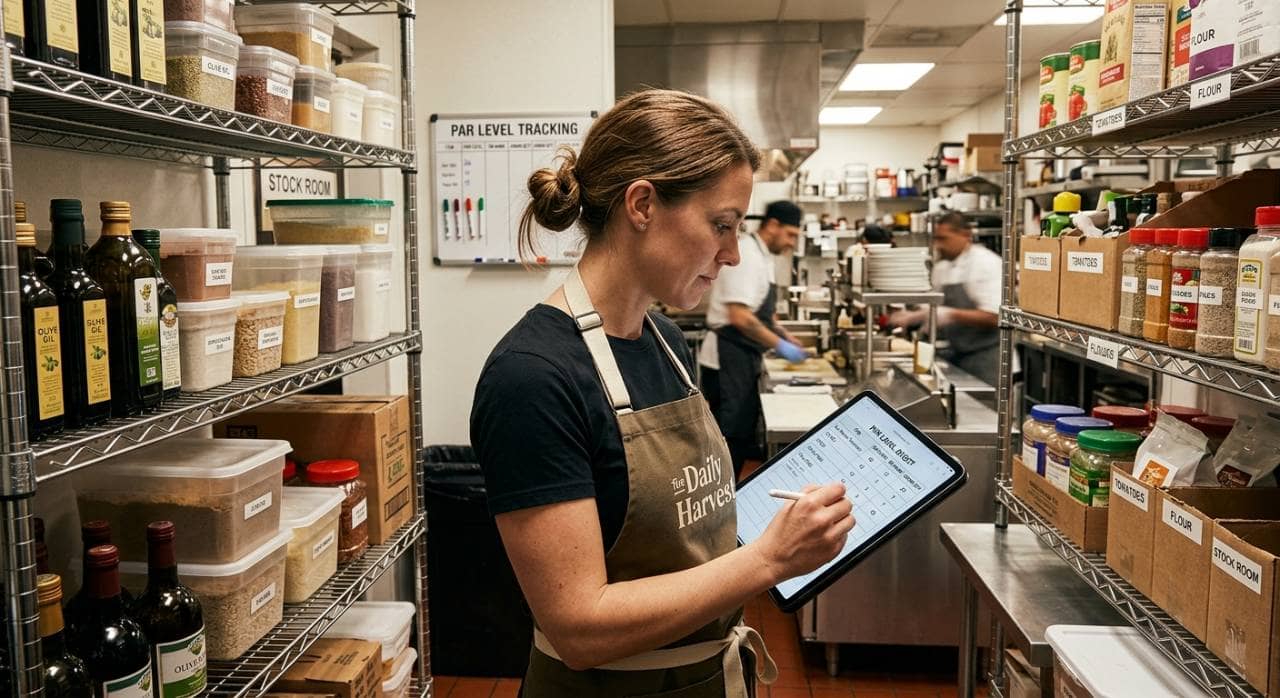
Learn to calculate par levels for restaurant food, beverages, and packaging inventory, preventing stockouts and waste through proper formulas.
Sep 4, 2026
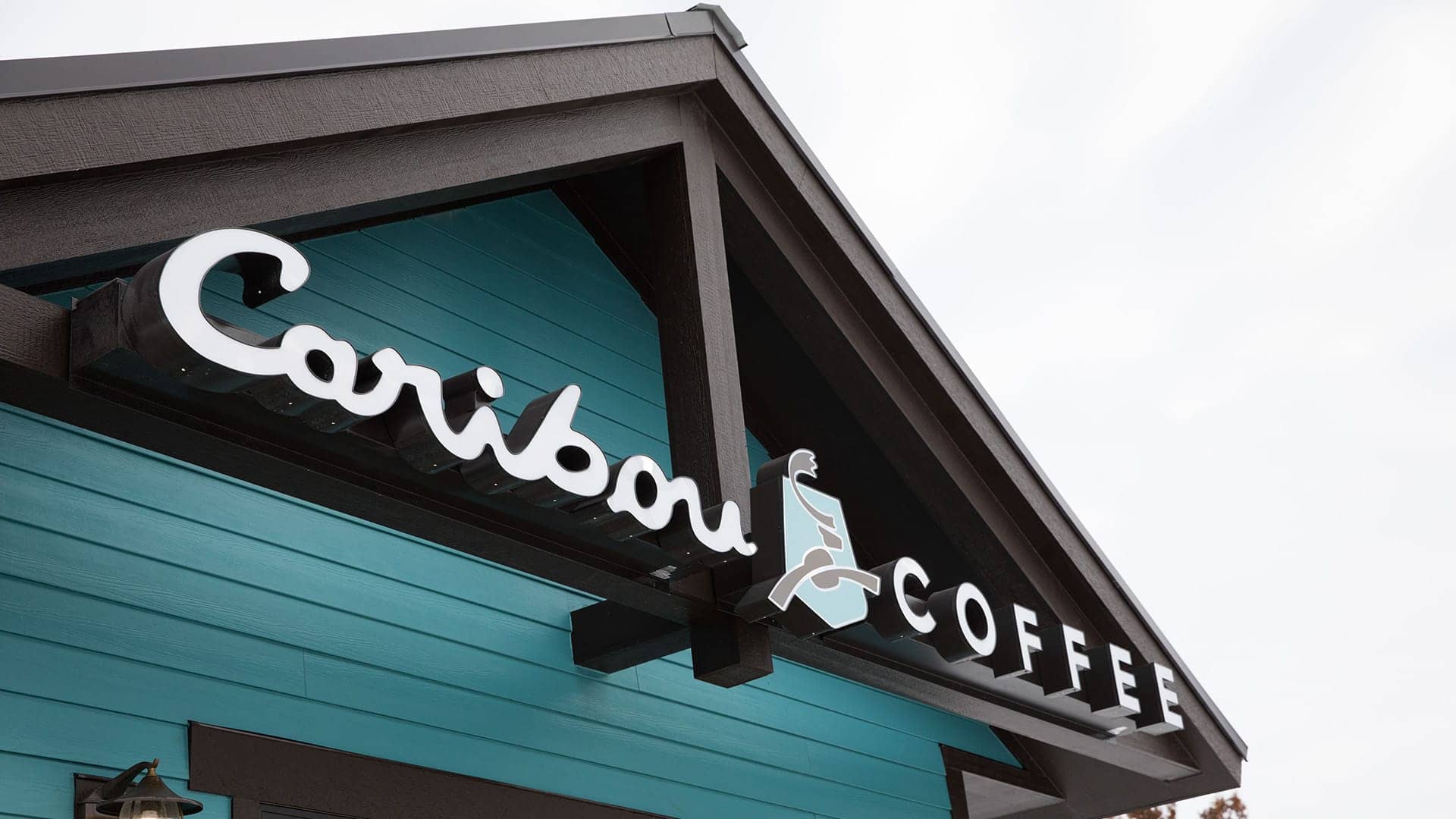
Caribou Coffee appoints Zane Thomas-Rogers as Chief Operations Officer to strengthen execution across its expanding coffeehouse network.
Sep 4, 2026
Compare the top 10 restaurant POS systems in the USA for 2026. Explore features, pricing, pros, cons, and the best POS options for every restaurant type.
Jul 1, 2026

Learn how to handle restaurant payroll yourself, from calculating hours and wages to managing tips, taxes, and final paychecks.
Sep 2, 2026
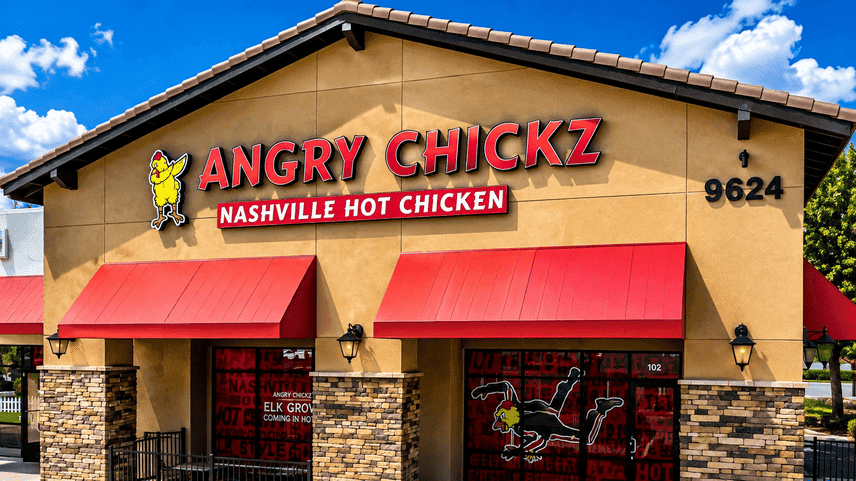
Angry Chickz enters Illinois with its signature hot chicken concept and ambitious plans for Midwest expansion, setting the stage for new franchise opportunities and community engagement.
Sep 2, 2026
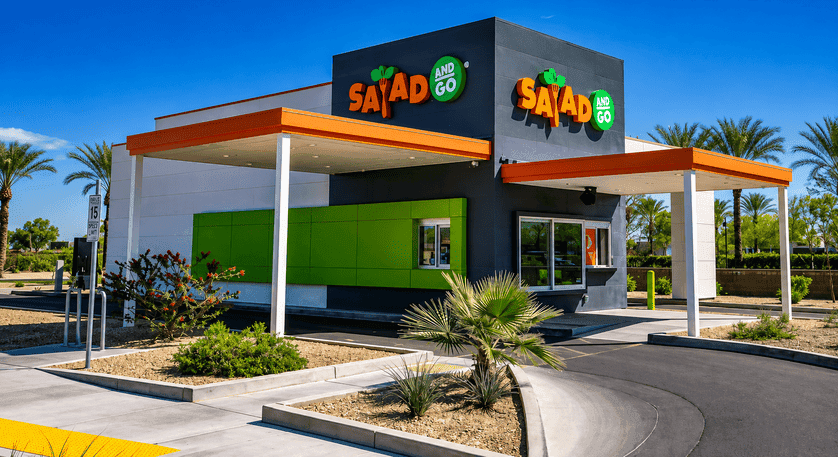
7 Brew has acquired 73 former Salad and Go locations, surpassing Dutch Bros with a $143M bid, signaling a major shift in the competitive landscape for drive-thru brands.
Sep 2, 2026

Unlock Exclusive Access To Webinars, Events, And The Latest News For Free!
Explores automated meal-break deductions in quick-service restaurants, balancing efficiency with wage-and-hour compliance.

Photo by Adhitya Sibikumar
Across quick-service kitchens, a quiet policy shift is taking hold: automated meal-break deductions that shave 30 minutes off every shift. The appeal is tangible, predictable payroll, less admin, fewer late-night reconciliations. For operators juggling hundreds of hourly workers, a set-it-and-forget-it approach promises consistency in a notoriously fluid workforce. Yet beneath the efficiency claims lies a delicate balance between speed and legal duty. As restaurant teams race to keep up with orders, they must also keep pace with wage-and-hour rules that guard workers’ rights to real meal breaks. The tension is unmistakable: can automation coexist with fairness? The story unfolds as policy meets practice:
Mechanically, the policy targets a 30-minute meal period per shift, aligned with common expectations for unpaid meals when executed properly. However, the landscape is more nuanced: the federal standard cautions that short breaks, typically 10 or 20 minutes, remain compensable and cannot be classified as unpaid meals. If employees remain at their stations or are interrupted during their meals, the time must be paid. Jurisdictions vary, with some states or localities imposing additional safeguards. In multi-location QSR networks, operators must design a policy that balances federal baselines with local requirements, a task that is anything but trivial. Stronger, more consistent records and clear policy language help defend against off-the-clock claims and ensure that FLSA expectations are met, even as unpaid meals remain a sensitive topic.
So what follows is a push for safeguards: a reminder that speed cannot trump accountability. The next chapters of this story will hinge on policy design, documentation, and training that align with current law while preserving operational momentum.
Industry voices urge caution before flipping the switch on automation. In a celebrated sixteenth installment of their QSR Magazine column, partners Courtney Leyes and Emily Litzinger of Fisher Phillips remind readers that a decision to automate meal-break deductions must rest on a legally sound framework. They advocate beginning with written policies that reflect current law, and with processes that clearly document reporting of timecard errors and any staff training. The stakes are high when speed collides with wage-and-hour compliance.
- Written policies: reflect current law and internal expectations
- Timecard error documentation: clearly document reporting gaps or corrections
- Staff training: ensure everyone understands breaks and pay rules
Taken together, the guidance suggests that automation should be embedded in a culture of compliance, not a rush for efficiency.
Legal and financial ramifications unfold as wage-and-hour lawsuits climb around automated meal-break practices. The core liability arises when deductions do not faithfully track employees’ actual meal experiences, especially in 'off the clock' scenarios. In recent analyses, Littler notes that some FLSA collective actions have been decertified in automatic meal-break deduction cases, underscoring how defenses vary by jurisdiction. 2026 brings a separate layer of cost: many employer-provided meals, especially on-site facilities or deemed employer convenience, are no longer deductible, with limited business-meal exceptions still usable at 50% or 100% in defined contexts. The fiscal dimension invites operators to rethink meal programs and documentation.
Beyond litigation risk, the 2026 tax and deduction rules add pressure to reclassify or redesign meal programs so that deductibility can be preserved where feasible. The financial calculus now sits alongside compliance deliberations, urging operators to weigh operational gains against potential tax consequences and the evolving landscape of employer benefits.
In this shifting terrain, the lesson is clear: legality and profitability must be stitched together with transparent records, consistent training, and thoughtful policy design.

For operators, the path forward blends operational clarity with legal prudence. The recommended playbook centers on a balanced, nourishing approach to compliance and efficiency: engage expert counsel before adopting automation, secure clear, written acknowledgments from staff, keep exception logs, and run routine audits. Supervisors should verify that non-exempt hourly workers, particularly minors, are actually afforded breaks, and document when interruptions occur and how pay is adjusted. With 2026 tax and deduction rules shaping meal costs, restaurants may redesign meal programs or reclassify certain benefits as taxable compensation to preserve deductibility where feasible.
Step 1 – Consult wage-and-hour counsel before adopting automated systems.
Step 2 – Obtain written acknowledgments from employees regarding the policy and training.
Step 3 – Maintain exception logs and conduct routine audits to verify breaks and pay adjustments.
A thoughtful, balanced approach allows speed to coexist with fairness, helping restaurants keep pace with orders while safeguarding workers’ rights and sustainability across locations.
