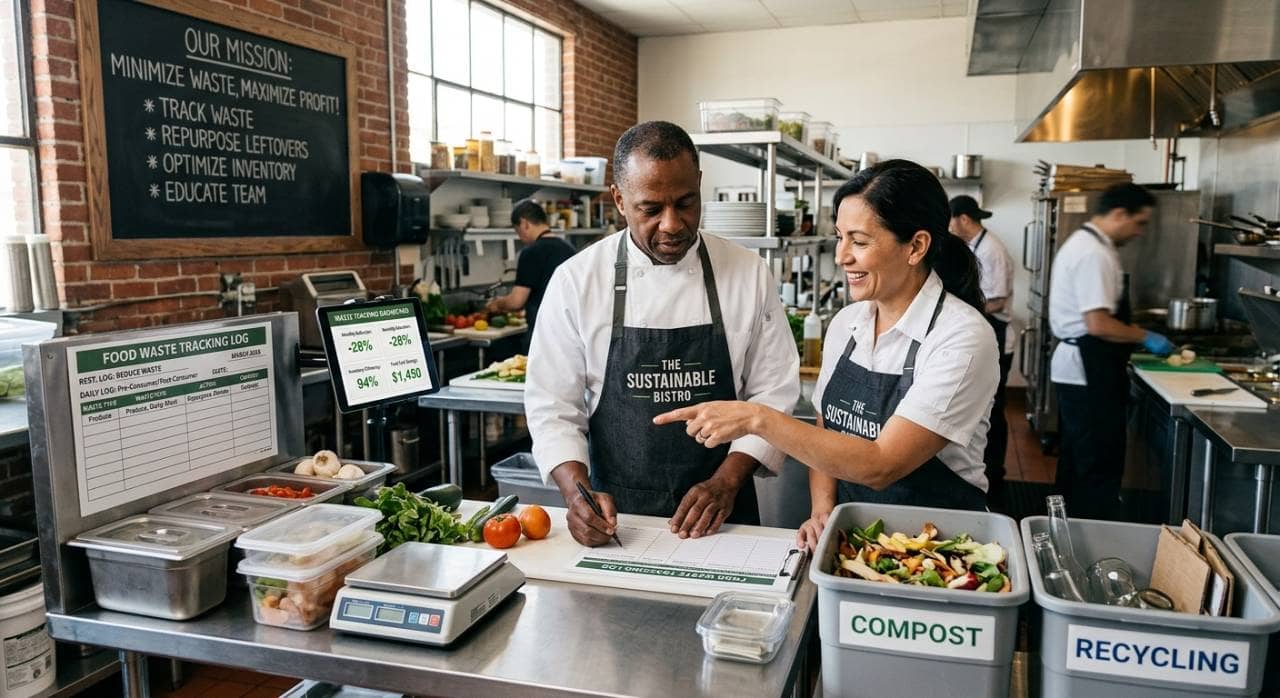
How to Reduce Food Waste in Your Restaurant
Learn how to reduce food waste in restaurants through smarter purchasing, storage, preparation, and service strategies that cut costs.
Business Management
Sep 9, 2026
Learn how to reduce food waste in restaurants through smarter purchasing, storage, preparation, and service strategies that cut costs.
Sep 9, 2026
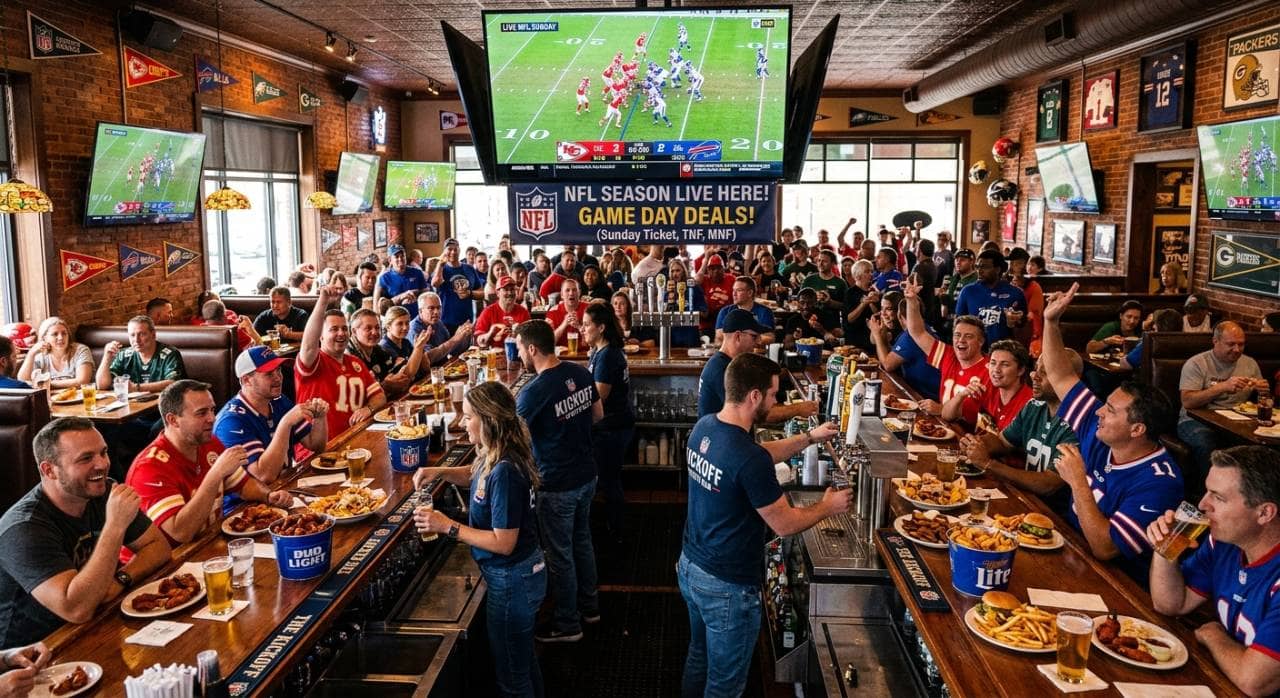
Prepare your restaurant for NFL season with smart menu planning, staffing, marketing, technology, and atmosphere strategies that boost season-long revenue.
Sep 9, 2026
Swig signs franchise agreement for 11 South Denver locations, marking Colorado entry and validating its national expansion strategy.
Sep 8, 2026
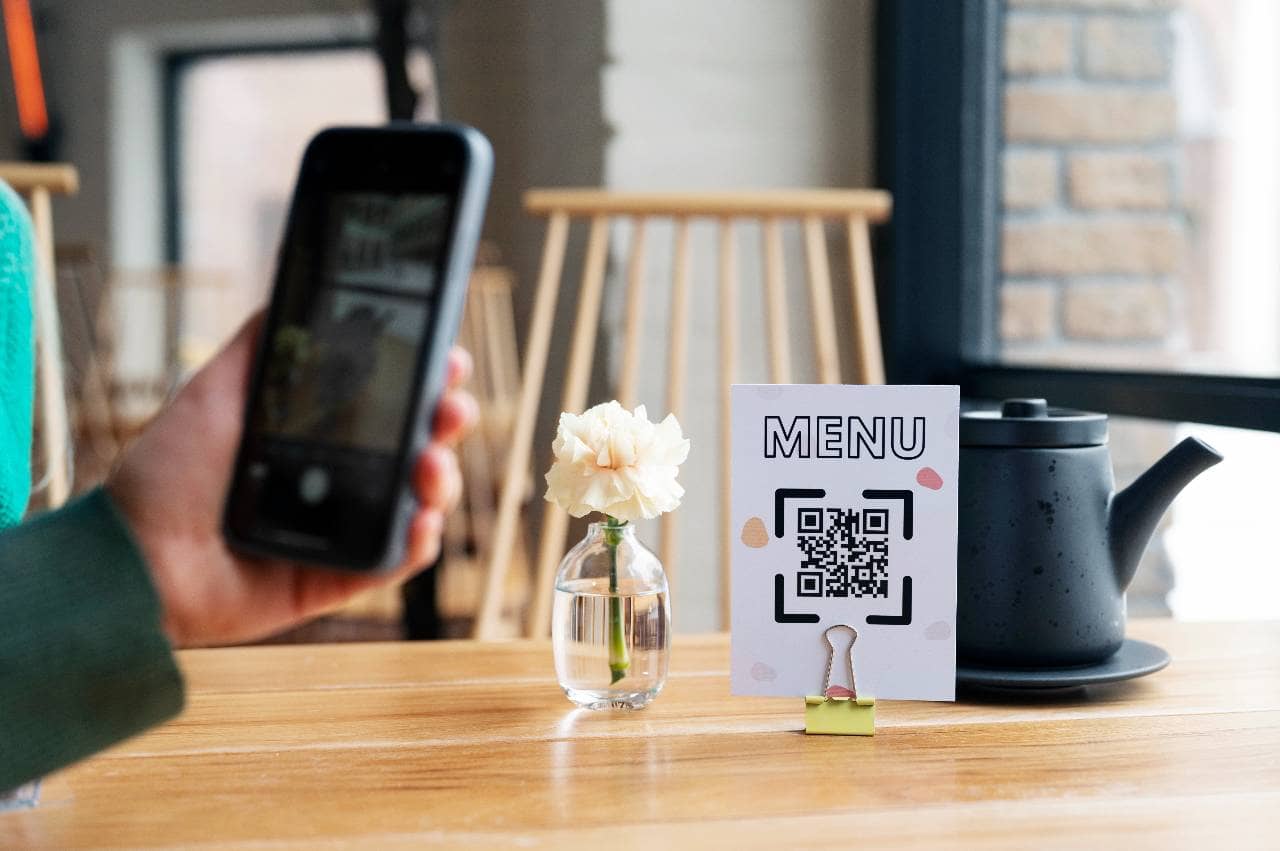
QR code menus let restaurants replace paper menus digitally, enabling instant updates, contactless browsing, ordering, and payment through simple smartphone scanning.
Sep 7, 2026
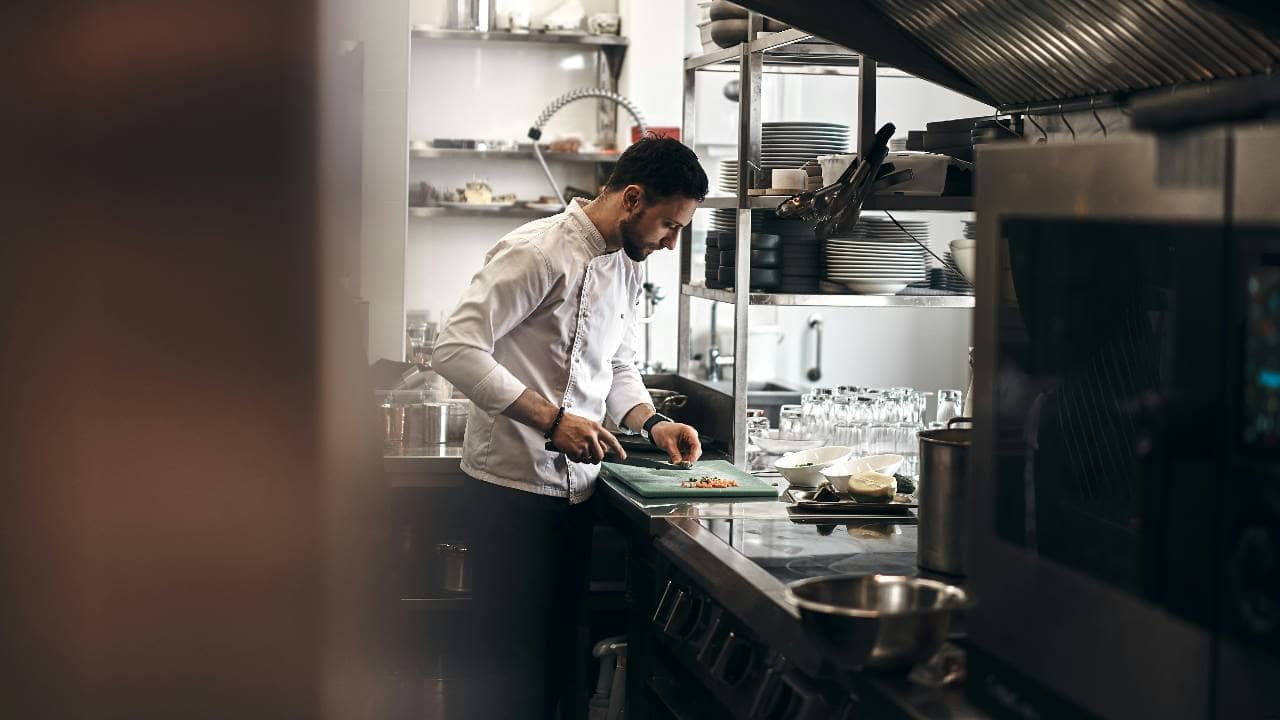
Complete guide helping restaurant owners choose essential kitchen equipment - covering cooking, refrigeration, prep, sanitation, ventilation, safety, and long-term maintenance planning.
Sep 7, 2026

Avoiding common restaurant payroll mistakes - misclassification, tip credit errors, overtime miscalculations - protects businesses from costly penalties, back pay, and compliance risks.
Sep 4, 2026
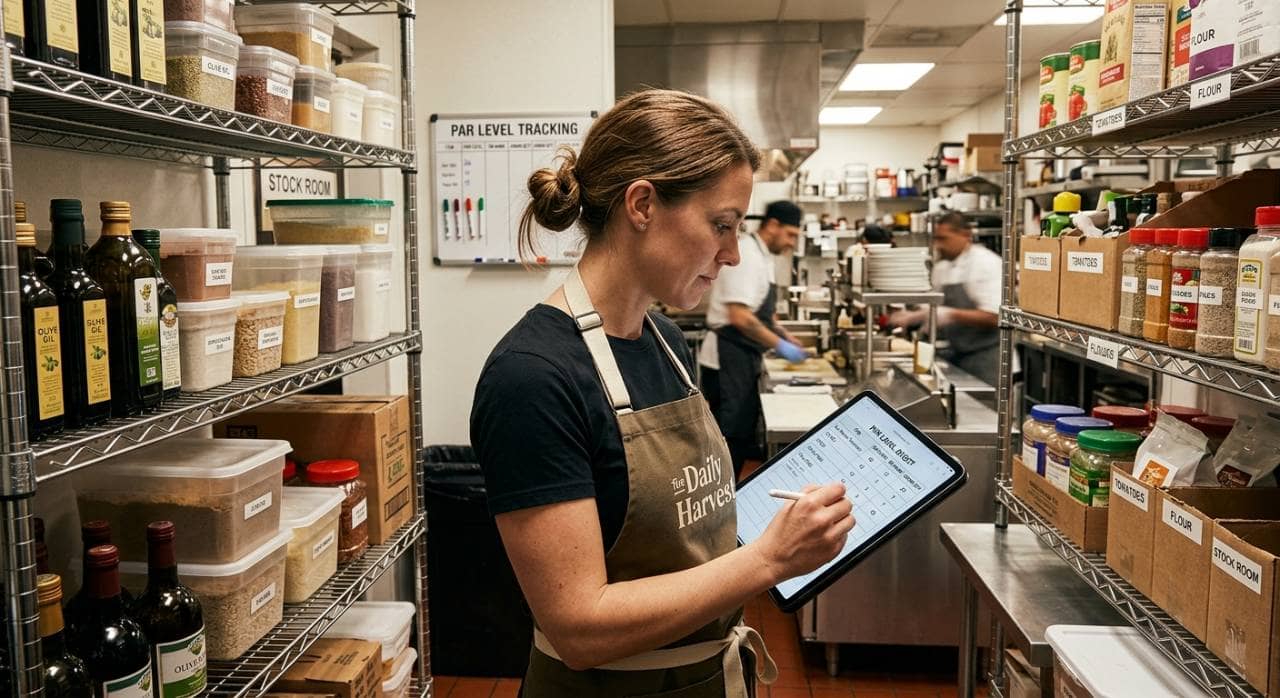
Learn to calculate par levels for restaurant food, beverages, and packaging inventory, preventing stockouts and waste through proper formulas.
Sep 4, 2026
Caribou Coffee appoints Zane Thomas-Rogers as Chief Operations Officer to strengthen execution across its expanding coffeehouse network.
Sep 4, 2026

Compare the top 10 restaurant POS systems in the USA for 2026. Explore features, pricing, pros, cons, and the best POS options for every restaurant type.
Jul 1, 2026

Learn how to handle restaurant payroll yourself, from calculating hours and wages to managing tips, taxes, and final paychecks.
Sep 2, 2026

Unlock Exclusive Access To Webinars, Events, And The Latest News For Free!
A refined look at how daily industry briefs distill leadership moves, partnerships, and chef-led concepts shaping modern foodservice.

Photo by Fatma Gallery
At the threshold of a new day in the culinary economy, a concise dispatch begins to move across the executive suites that steer kitchens and boardrooms alike. The venture known as Restaurant Daily, the product of the editorial minds behind Nation’s Restaurant News, Restaurant Business, and Restaurant Hospitality, speaks in a language of timeliness and focus. It distills a world of headlines into a handful of decisions, a few minutes of clarity, and a readiness to act. In its debut episode, the spotlight rests on a notable ownership change, a commuter hub’s revival, a chef’s forthcoming concept, and a retail partnership that could extend a pizza brand into the aisles. This is cadence reimagined as intelligence, delivered with quiet authority:
From a distance, the facts are precise and swift: MOD Pizza is transitioning under the stewardship of Elite Restaurant Group, a move that accompanies leadership changes and a pivot toward refranchising. The briefing also charts the urban homecoming of Corner Bakery, reappearing near Chicago’s transit arteries, while Michael Solomonov and his collaborators press forward with Aviv, a Miami concept anchored at 1 Hotel South Beach. And there, in the retail arena, Mr. Gatti’s forges a major Walmart partnership designed to assemble a 92-location footprint across four states, beginning with a dozen new sites in North Texas and Southern Oklahoma. The pattern is clear: leadership, location, and expansion converge on a shared current.

Leaders speak in the margins of these moves, a chorus that matters more than the headlines alone. In the quiet after the ink dries, executives offer a sense of tempo, when growth is deliberate, risk is managed, and momentum is measured against real-time store performance. The industry's response ribbbed with measured optimism: the courage to recalibrate, the prudence to test new formats, and the patience to let partnerships mature. These signals, though varied in geography and scope, share a single rhythm: adaptation as craft, not chance. And so we listen, as observers with a taste for nuance, to see what these choices portend for the broader market:
On the podium of words, the most telling notes belong to Beth Scott, appointed as MOD Pizza’s CEO in January 2024, a governance-inflected gesture toward a controlled turnaround and sustained momentum. The Walmart alliance with Mr. Gatti’s speaks to scale through retail, a plan to unfold a 92-unit chapter across four states, starting with 12 new sites in North Texas and Southern Oklahoma. And Aviv, unveiled for 1 Hotel South Beach theatre, is read by observers as a meaningful step in chef-led innovation, an assertion that artistry remains a driver, even as markets demand efficiency. Together, these voices sketch a landscape where leadership and partnership become one decision.
Mid-2024 brought a chorus of confirmations that time itself is a factor in how brands map growth. The sale of MOD Pizza to Elite Restaurant Group became public, signaling a path toward refranchising and a recalibration of core markets. In the same breath, the Corner Bakery revival near Union Station in Chicago signaled a recalibrated urban strategy, not merely a new storefront but a statement about commuter traffic and refreshed brand energy. In parallel, Aviv moved toward a Miami debut, and Mr. Gatti’s framed a new horizon in collaboration with Walmart. The chronology reads like a navigation chart for growth across platforms and geographies:
On the timing front, the public record points to a refranchising plan for MOD, a Walmart-backed retail deployment for Mr. Gatti’s, Aviv arriving in Miami, and a Union Station revival for Corner Bakery. The details of governance and integration remain work-in-progress, as executives align real estate, menus, and store formats with evolving consumer behavior. Taken together, these timelines sketch a sector accelerating through ownership changes and strategic partnerships, a cadence that invites operators to measure risk alongside opportunity across multiple channels.

Together with these headlines, a broader pattern takes shape: brands leaning into alliances beyond traditional dining rooms, expanding through retail channels, and investing in technology to deepen guest connections. The Mr. Gatti’s–Walmart pairing exemplifies a retail convergence where high-visibility, high-foot-traffic spaces become laboratories for service models and pickup ecosystems. In parallel, the ascent of gamification and loyalty tech recasts how brands attract and retain guests, translating data into more personalized experiences while guarding trust and privacy. And the Miami opening of Aviv helps illuminate a trend of chef-led concepts migrating to new markets, expanding the imagination as much as the footprint:
As coverage across business and lifestyle outlets suggests, the industry is navigating a delicate balance: leadership transitions, strategic collaborations, and technology-enabled engagement are not isolated moments but interwoven instruments of growth. Daily briefs like this one offer a concise lens through which operators calibrate investment, real estate, and guest experience. The upshot is a roadmap that rewards disciplined experimentation and clear governance, with the understanding that appetite and macro conditions will continue to evolve.

Leaders across foodservice will do well to translate these signals into practical playbooks. Ownership shifts invite renewed capital discipline and clearer franchise relationships, while retail partnerships demand meticulous supply chain alignment and a seamless guest experience in non-traditional settings. The rise of chef-led concepts in bustling markets shows that innovation travels as a narrative, crafted with local resonance and a shared sense of hospitality. Finally, as digital connectivity deepens, gamification and loyalty programs offer a path to richer guest data and more precise targeting, provided that privacy and trust remain uncompromised in the process. Restaurant Daily itself positions leaders to act with speed and discernment as the market shifts:
In listening to the cadence of these developments, the imperative is plain: measure what moves at the counter and in the back office, from store-level performance to technology adoption. Track governance changes, monitor partner integrations, and weigh consumer sentiment against the discipline of margin. The next move, in other words, is to translate signal into strategy with elegance, choosing partnerships that feel inevitable rather than opportunistic, and remembering that great brands endure when they know not just where to go, but how to get there with grace.
