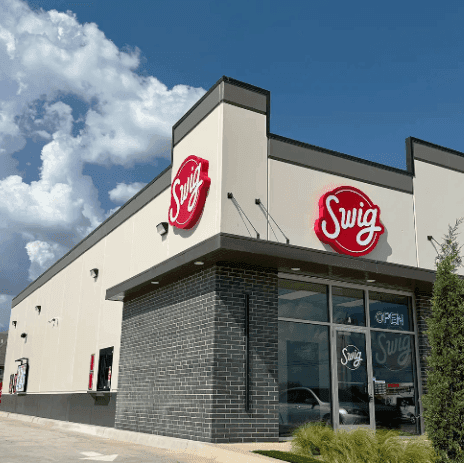
Swig Expands to Denver with 11-Unit Franchise Deal
Swig signs franchise agreement for 11 South Denver locations, marking Colorado entry and validating its national expansion strategy.
Franchising
Sep 8, 2026
Swig signs franchise agreement for 11 South Denver locations, marking Colorado entry and validating its national expansion strategy.
Sep 8, 2026
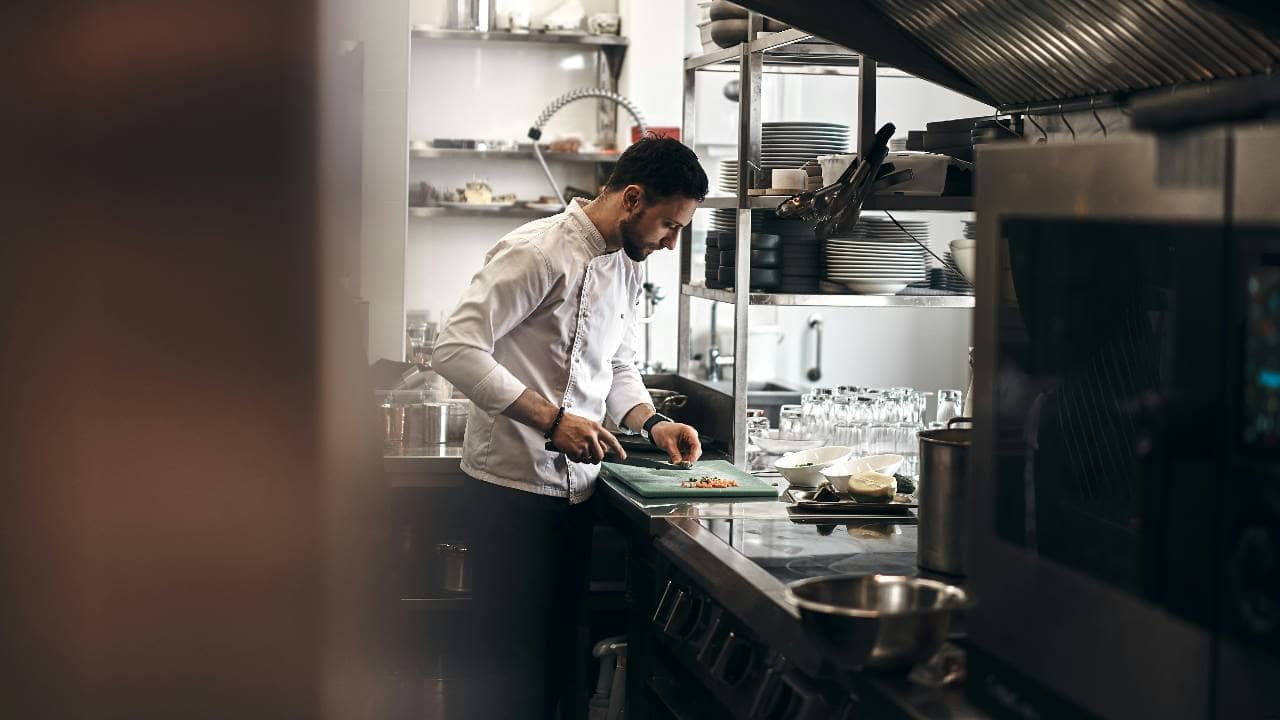
Complete guide helping restaurant owners choose essential kitchen equipment - covering cooking, refrigeration, prep, sanitation, ventilation, safety, and long-term maintenance planning.
Sep 7, 2026
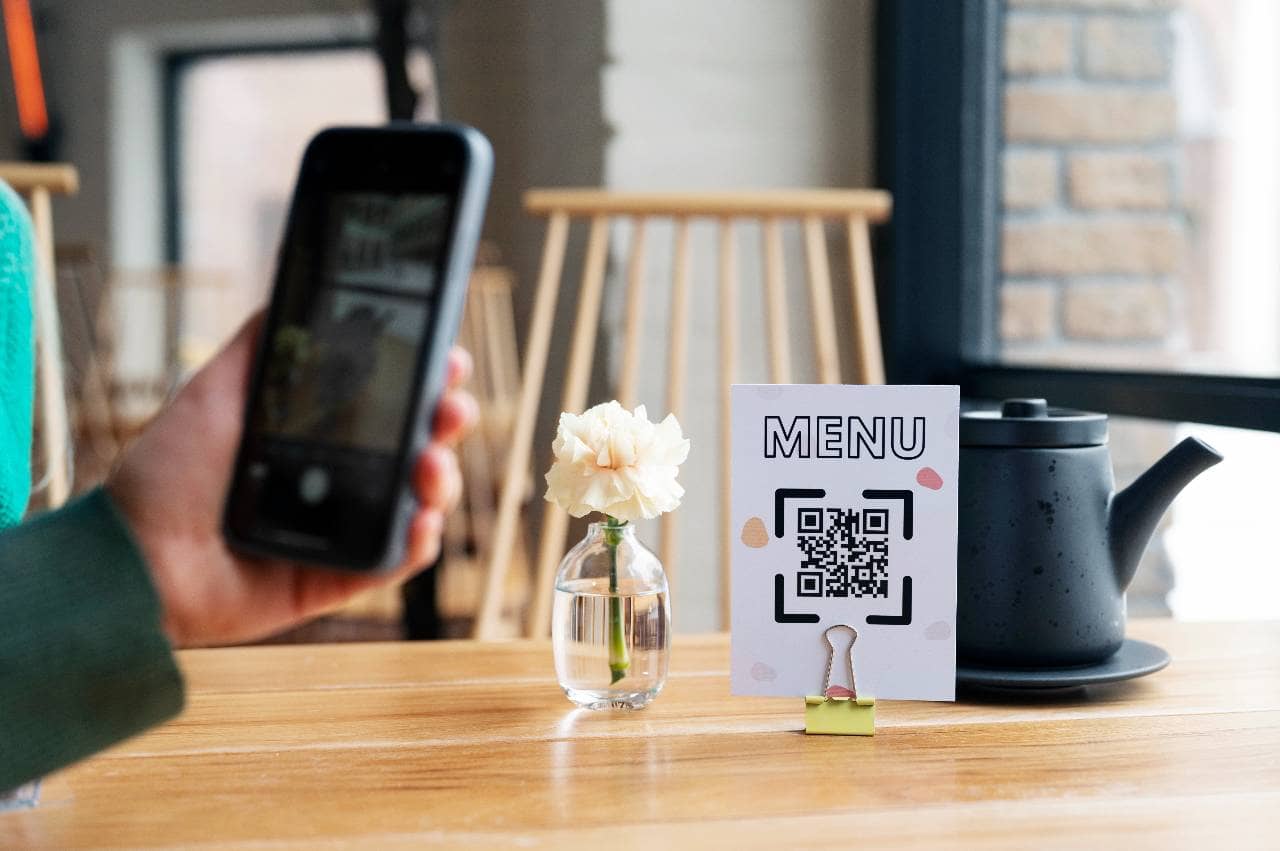
QR code menus let restaurants replace paper menus digitally, enabling instant updates, contactless browsing, ordering, and payment through simple smartphone scanning.
Sep 7, 2026

Avoiding common restaurant payroll mistakes - misclassification, tip credit errors, overtime miscalculations - protects businesses from costly penalties, back pay, and compliance risks.
Sep 4, 2026
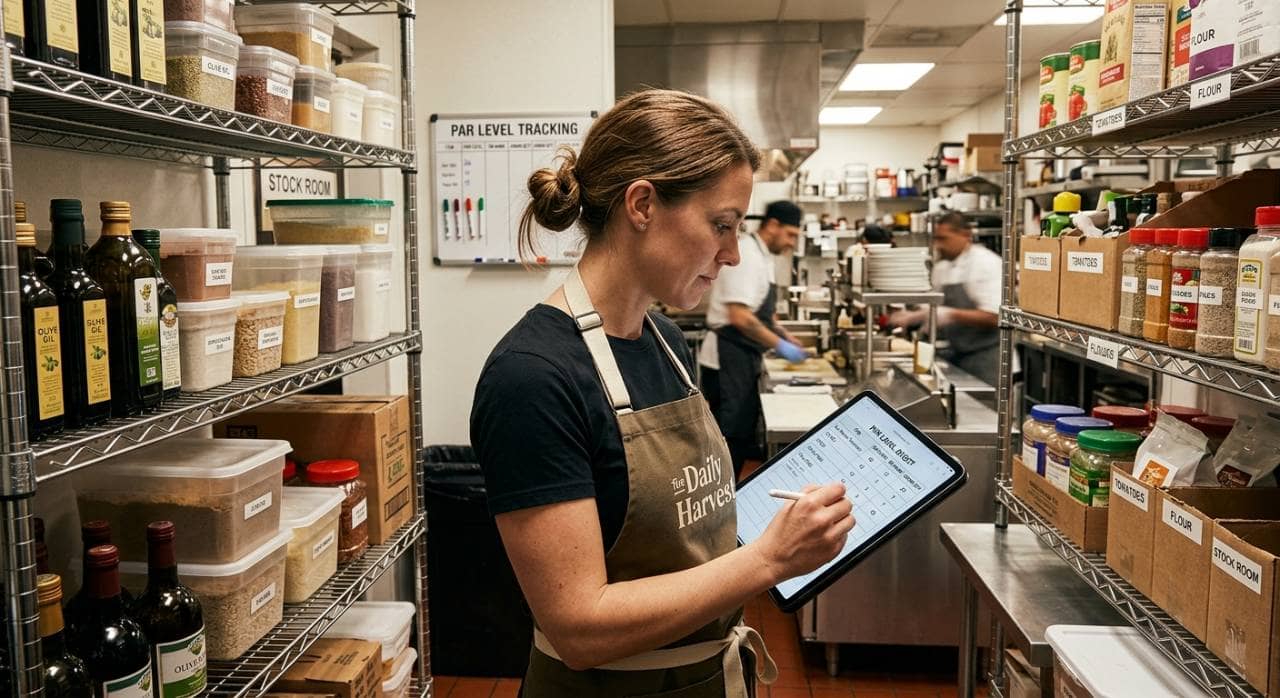
Learn to calculate par levels for restaurant food, beverages, and packaging inventory, preventing stockouts and waste through proper formulas.
Sep 4, 2026
Caribou Coffee appoints Zane Thomas-Rogers as Chief Operations Officer to strengthen execution across its expanding coffeehouse network.
Sep 4, 2026
Compare the top 10 restaurant POS systems in the USA for 2026. Explore features, pricing, pros, cons, and the best POS options for every restaurant type.
Jul 1, 2026

Learn how to handle restaurant payroll yourself, from calculating hours and wages to managing tips, taxes, and final paychecks.
Sep 2, 2026
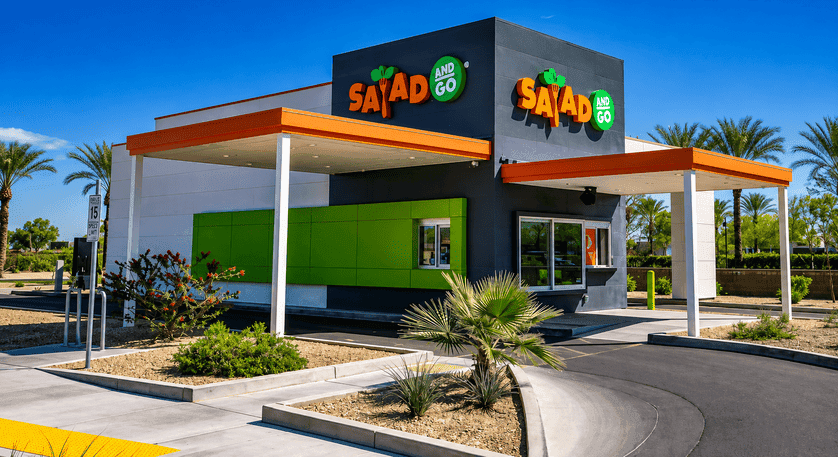
7 Brew has acquired 73 former Salad and Go locations, surpassing Dutch Bros with a $143M bid, signaling a major shift in the competitive landscape for drive-thru brands.
Sep 2, 2026
Restaurant labor management helps owners optimize staffing, control labor costs, improve productivity, monitor overtime, and maintain efficient restaurant operations.
Sep 2, 2026

Unlock Exclusive Access To Webinars, Events, And The Latest News For Free!
Cracker Barrel exceeded Q3 expectations with $797 million in revenue and improving guest metrics, as CEO Julie Masino's three-pillar turnaround strategy continues gaining traction through menu innovation, loyalty growth, and tighter cost controls.
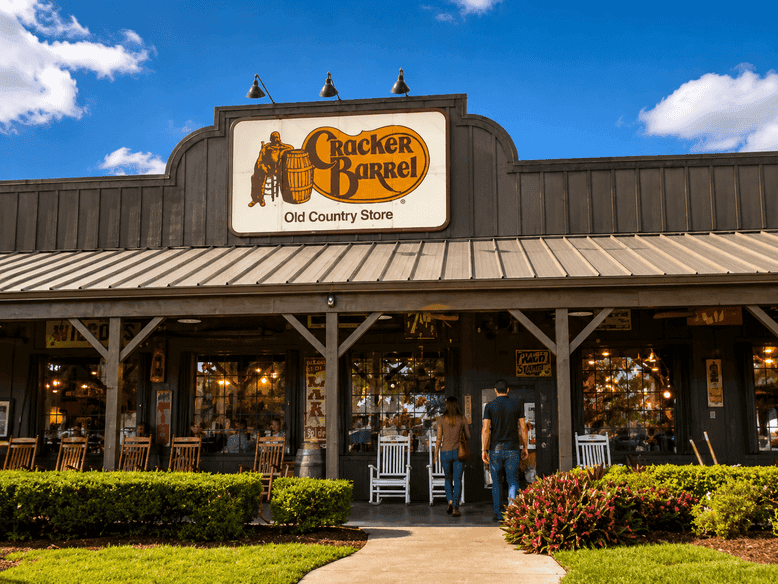
Cracker Barrel's ongoing recovery effort moved into a more confident phase in the third quarter, as the family-dining chain reported results that exceeded its own expectations and pointed to genuine progress across several key measures. The company generated $797 million in revenue and $40 million in adjusted EBITDA for the quarter, outperforming internal projections despite a still-challenging consumer environment. While comparable restaurant sales declined 2.6 percent and traffic remained down 6.7 percent, executives were encouraged by a gradual improvement in traffic trends, stronger guest satisfaction scores, and notably stronger performance among higher-income consumers. CEO Julie Masino was direct about where things stand. "We are executing at a high level and gaining traction across the business, as evidenced by our Q3 results," she said. "We are focused on sustaining this momentum over the coming quarters."
Masino's turnaround blueprint rests on three interconnected priorities - improving operations, deepening guest connections through food, value, and marketing, and increasing profitability. In Q3, all three showed measurable progress. Guest satisfaction metrics climbed for the third consecutive quarter, with Google star ratings reaching their highest quarterly level since 2018. Food taste and service scores rose 5 percent year-over-year, while food temperature scores improved by 7 percent. Manager turnover declined 6 percent, outperforming industry benchmarks- a development that matters enormously in an industry where leadership stability at the restaurant level is directly tied to consistency of guest experience. "I'm really proud of everybody's hard work," Masino said. "It's just some real hard work and attention to detail by the teams on all the fronts."
On the menu front, Cracker Barrel made a series of moves designed to reinforce both quality and relevance. The spring menu returned Sugar Cured and Country Ham dinners to the permanent lineup and brought back the beloved Carrot Cake as a limited-time offering- a nod to the nostalgia that sits at the heart of the brand's identity. New additions included Garden and Farmhouse Scrambles and Smoky Southern Salmon, a lighter premium entrée option that broadens the brand's appeal without abandoning its comfort-food roots. Over the summer, the chain doubled down on its Campfire platform, enhancing its chicken and beef offerings and extending the promotion into breakfast with a new Campfire Breakfast Skillet. Masino noted that the flexibility built into the current menu is resonating with guests who want to customise their experience- whether that means more protein, a smaller portion, or a sharp price point during the early dining window.
With consumers under increasing financial pressure, Cracker Barrel's value credentials have become one of its most important competitive advantages. The chain's average check of $15.85 sits well below the casual-dining segment average of more than $27 and below the family-dining average of more than $19- a gap that carries real weight in a market where every dollar counts. The company supported that positioning through targeted low-price promotions, including a $7.99 Sunrise Pancake Special and Early Dinner Deals starting at $8.99, while simultaneously launching premium add-ons and upgrades to lift margins at the higher end of the menu. Value scores increased 5 percent year-over-year during the quarter, suggesting that guests are not just noticing the pricing- they are responding to it.
Cracker Barrel's loyalty programme has emerged as one of the turnaround's more quietly significant contributors. The Cracker Barrel Rewards programme grew to nearly 12 million members during the quarter, with member-tracked sales holding above 40 percent- a level of engagement that gives the brand a direct channel to its most valuable guests. Loyalty visits increased year-over-year, and the company used the platform to launch a summer sweepstakes offering fuel and restaurant gift cards, deepening the programme's everyday relevance beyond the dining occasion itself. Masino was emphatic about the role loyalty is playing in rebuilding the relationship between the brand and its core guest base. "The teams have done a great job making sure that our guests know that we're still the Cracker Barrel that they know and love- and that we're operating even better for them."
Beyond the restaurant operation, Cracker Barrel's retail business showed encouraging signs of its own, with same-store sales declining just 1.8 percent- outperforming restaurant comps for the first time in more than four years. Leadership credited targeted improvements in SKU rationalisation, markdown optimisation, and merchandising, with popular categories including sensory and fidget toys, collectible salt and pepper shakers, and an American Heritage collection tied to the 250th anniversary of the Declaration of Independence. Demand proved so strong that Halloween merchandise hit floors earlier than planned after patriotic products sold through quickly. On the technology front, Cracker Barrel is expanding its use of artificial intelligence across forecasting, guest relations, and customer feedback analysis, with machine learning tools already improving labour forecasting accuracy. Off-premises sales represented nearly 20 percent of restaurant revenue in Q3, and an upgraded website is planned to improve online ordering and personalisation. With all of these levers pulling in the same direction, the company raised its full-year adjusted EBITDA outlook to between $120 million and $125 million- a confident signal that the turnaround has moved from promise to progress.
