
Photo by shen wenjie on Unsplash
Seasonal Frenzy Reshapes Fast-Casual
Holiday-driven menu drops fuse nostalgia with wellness, turning menus into living calendars for fast-casual brands.
Menu Development
Apr 28, 2026
Photo by shen wenjie on Unsplash
Holiday-driven menu drops fuse nostalgia with wellness, turning menus into living calendars for fast-casual brands.
Apr 28, 2026
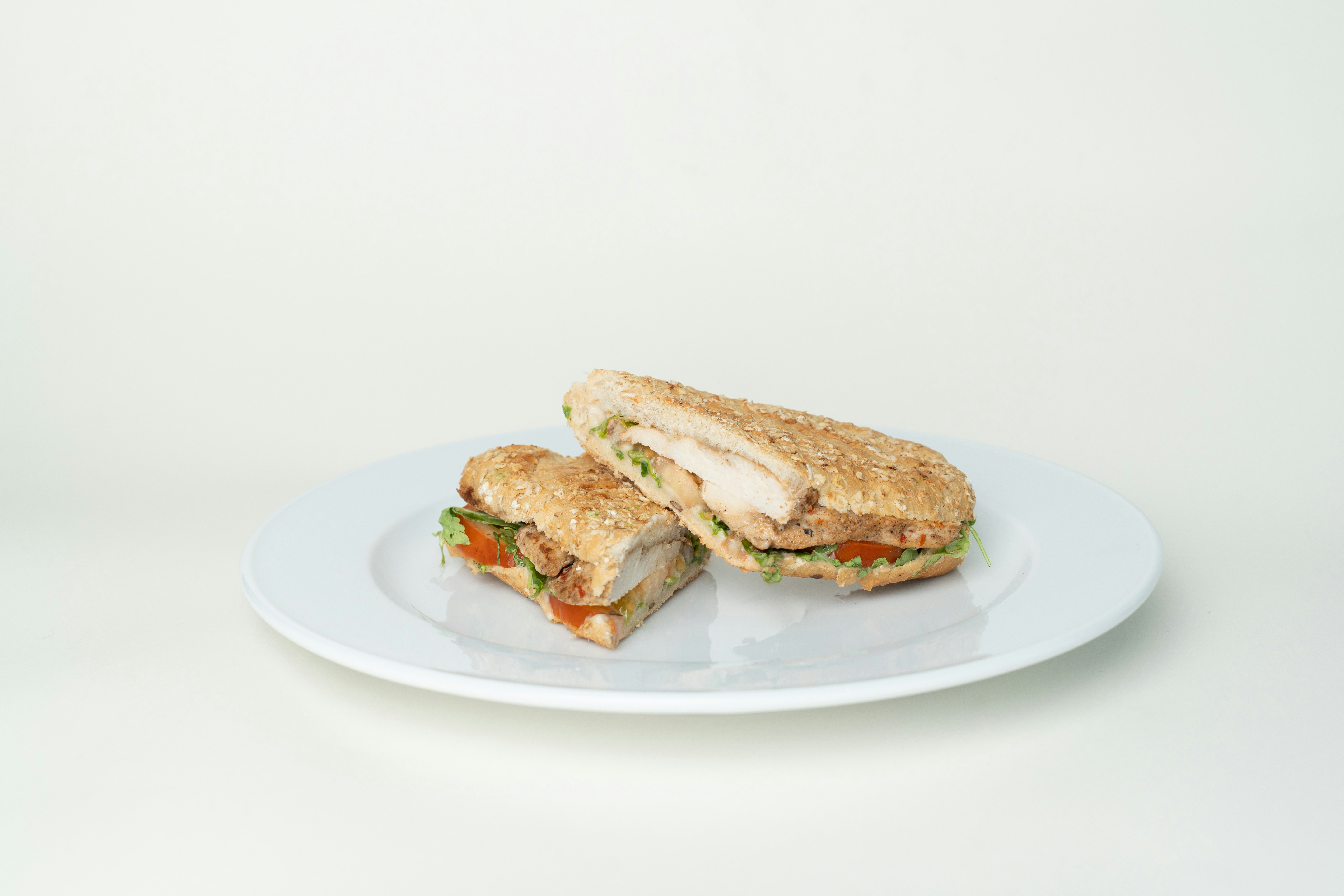
Photo by Abdul Raheem Kannath on Unsplash
Susannah Frost named Chick-fil-A President, joining Cliff Robinson as COO to guide domestic expansion and international growth.
Apr 28, 2026

Photo by Moon Bhuyan on Unsplash
Ghost pepper-led promotions redefine autumn menus as chains blend heat, storytelling, and seasonal collaborations to drive foot traffic.
Apr 28, 2026

Photo by Noah Martinez on Unsplash
CAVA rolls out Garlic Ranch Pita Chips with a Steak + Harissa Bowl and a refreshed Rewards program, tying flavor innovation to personalized guest experiences.
Apr 28, 2026

Photo by Kate Trysh on Unsplash
Applebee’s launches Pick 6 Mondays, offering free wings with a $10 purchase when a Pick 6 occurs on Sundays, driving game-day momentum across dine-in and To Go.
Apr 28, 2026
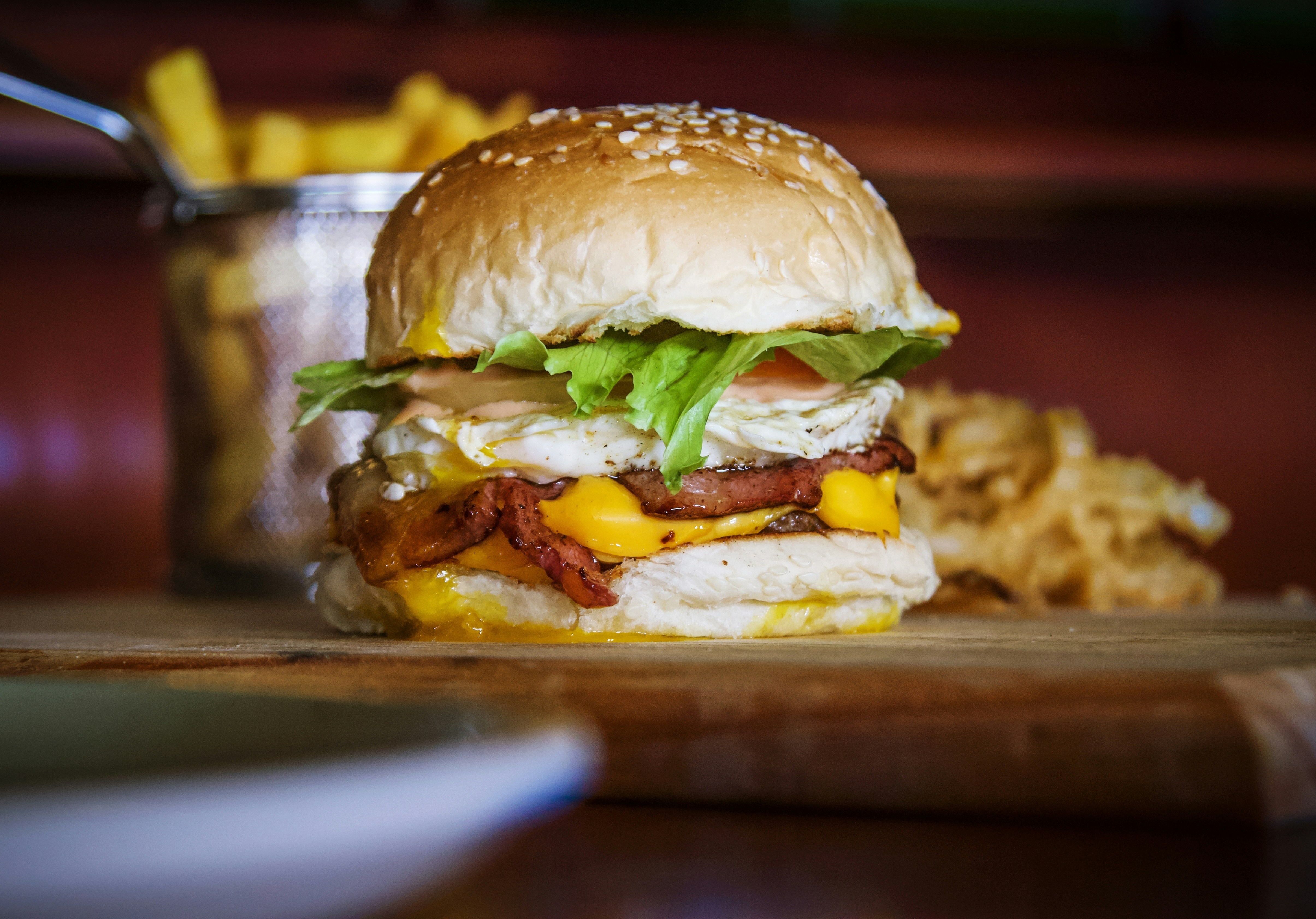
Photo by Stu Moffat on Unsplash
Beatrice Nguyen explores how leadership blends speed, loyalty, and standardized operations to grow Shake Shack while preserving its signature experience.
Apr 28, 2026
Photo by tommao wang on Unsplash
Freddy’s expands with a 23,000-sq-ft Training & Innovation Center to boost franchise profitability and unit growth toward 800+ by 2026.
Apr 28, 2026
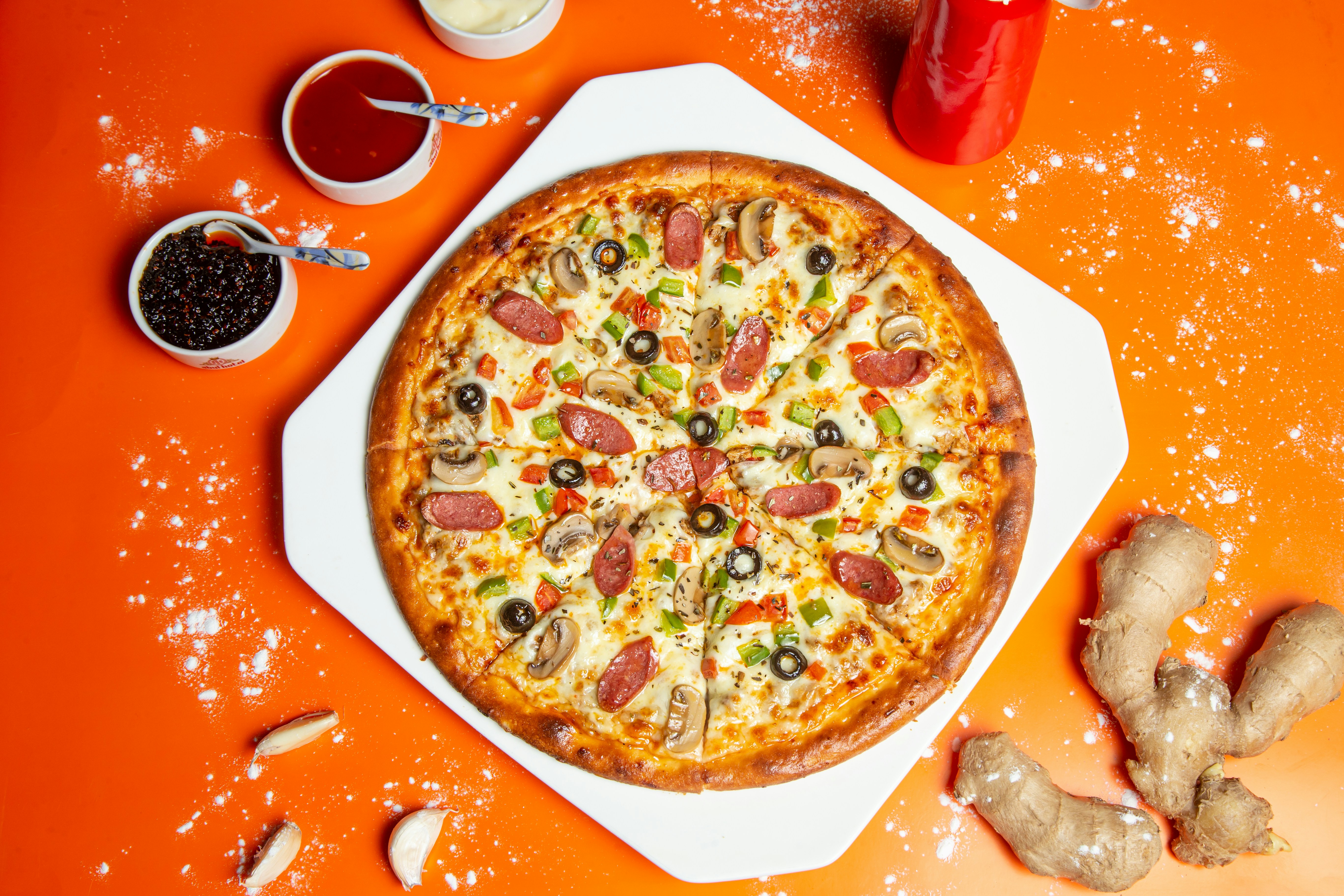
Photo by Shourav Sheikh on Unsplash
Chapter 11 roils EYM’s Pizza Hut footprint, with auctions and asset sales reordering stores across IL, WI, IN, GA, and SC.
Apr 28, 2026
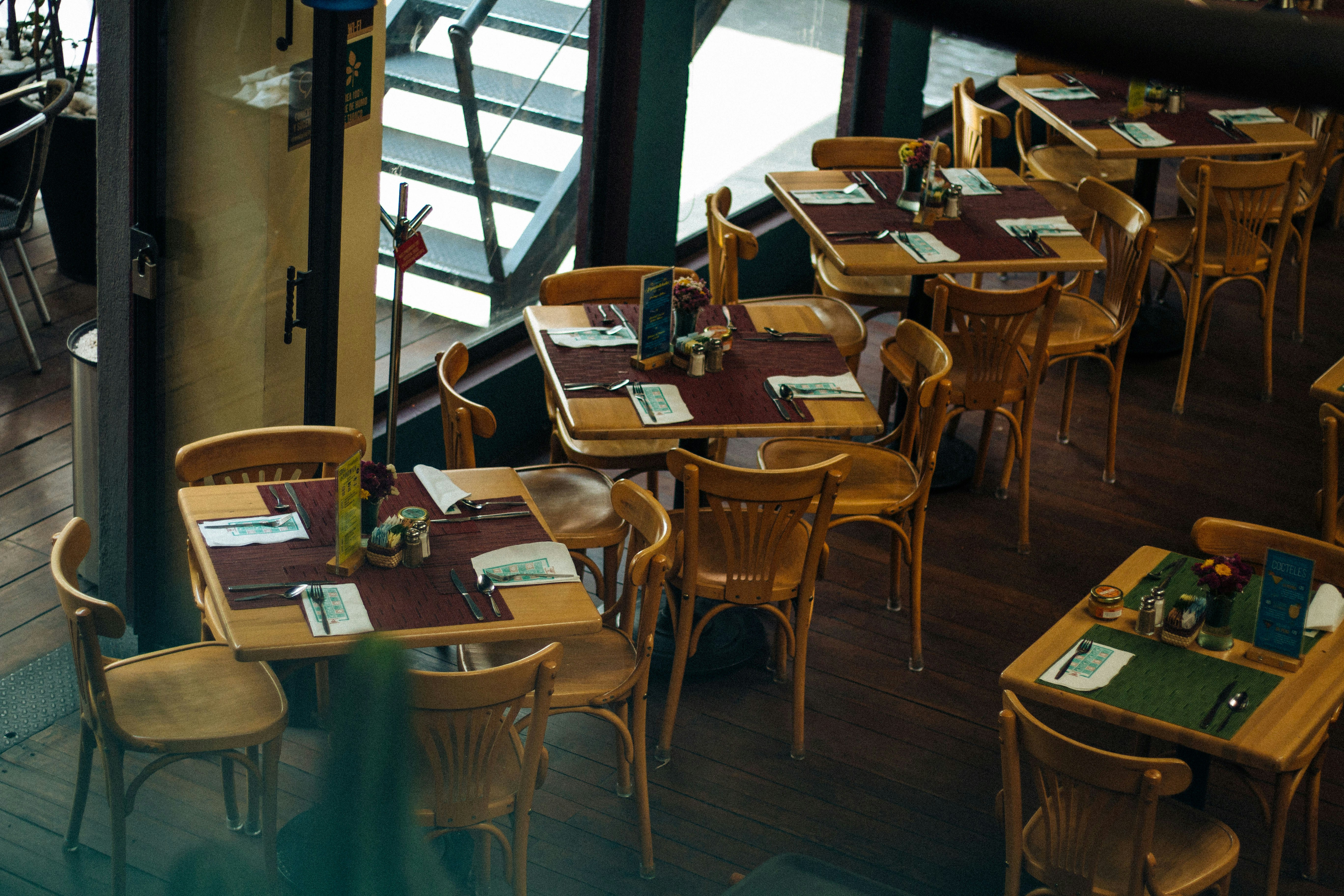
Photo by Adolfo Félix on Unsplash
How AI-enabled training, robotics, and crypto rewards are reshaping guest experience and workforce in modern restaurants.
Apr 28, 2026

Photo by Meghan Rodgers on Unsplash
Candace Nelson headlines CREATE 2024 in Nashville, sharing her journey from finance to Sprinkles and Pizzana, with practical roadmaps for growth-minded restaurateurs.
Apr 28, 2026
Chick-fil-A plans 20–25 restaurants in Puerto Rico by 2030, backed by QOZ incentives and a public-private partnership shaping community development.
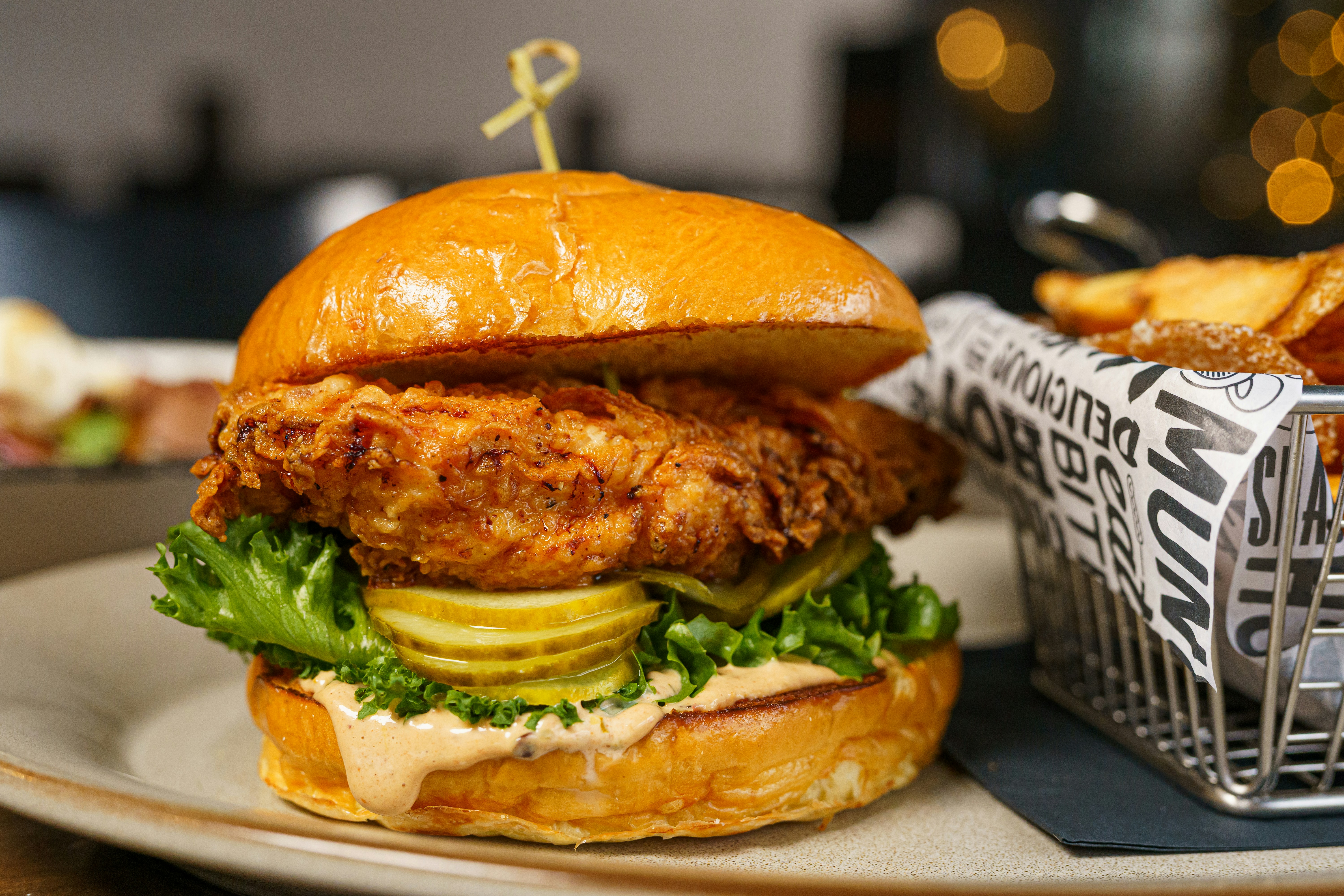
Photo by Hybrid Storytellers on Unsplash
On July 2, 2024, Chick-fil-A announced a long‑term investment in Puerto Rico, planning to grow from five restaurants to 20–25 by 2030. The gesture read as a deliberate redefinition: a shift from a light footprint to a core market strategy. The language surrounding the move emphasized more than quarterly targets: it spoke of economic vitality and community ties stitched into a single, patient arc. In those terms, every planned storefront carries weight beyond the cash register, hinting at a crafted partnership with local life: a promise of jobs, training, and shared prosperity.
The expansion was framed with the cadence of a measured ascent, and it carried a clear outward sign: this is not simply about more locations, but about embedding a national brand into the island’s fabric. Chick-fil-A’s growth in Puerto Rico creates a tremendous opportunity not only for our business, but for economic development and local community impact across the Island. said Paul Trotti, Vice President for International at Chick-fil-A, Inc., rendering the announcement as a blend of enterprise and social purpose. The emphasis on community and employment suggested that the island’s future openings would be evaluated through a dual lens: market performance and civic benefit.
Puerto Rico’s incentives framework, embodied in the Puerto Rico Incentives Code of 2019 as Act 60-2019, designates large swathes of the island as qualified opportunity zones, where development can be accelerated through transferrable credits and streamlined permitting. Local officials have noted a concentration of QOZs, presenting a policy architecture aimed at redevelopment and job creation in communities still recovering from the storms of recent years. Secretary Manuel Cidre of the Department of Economic Development and Commerce described the partnership as a blend of private investment with public‑sector support, a union intended to deliver high‑quality products while fostering employment and social wellbeing.
The policy frame is not abstract theory. It is designed to channel capital into distressed or transitional zones while aligning private ambition with public redevelopment goals. In practical terms, the framework creates a pathway for projects that meet designated criteria to access incentives that may lubricate timelines and reduce friction in approvals. For Chick-fil-A, this means a clearer runway to site development, longer‑term employment, and deeper supplier relationships on the island. The alliance between incentives and redevelopment goals sits at the heart of the plan’s ambition.