First Watch Bets on Data and Discipline
A journal of how First Watch blends data-guided engagement and price discipline to sustain visits amid inflation, while expanding through franchising.
Franchising
Apr 27, 2026
A journal of how First Watch blends data-guided engagement and price discipline to sustain visits amid inflation, while expanding through franchising.
Apr 27, 2026
Photo by Hybrid Storytellers on Unsplash
Chipotle leans on operations and automation to lift margins and scale to 7,000 restaurants, with Chipotlane and expo upgrades leading the charge.
Apr 27, 2026
Photo by Jason Leung on Unsplash
Inflation narrows the gap between grocery and restaurant prices, nudging households toward home-prep and value-driven menus.
Apr 27, 2026
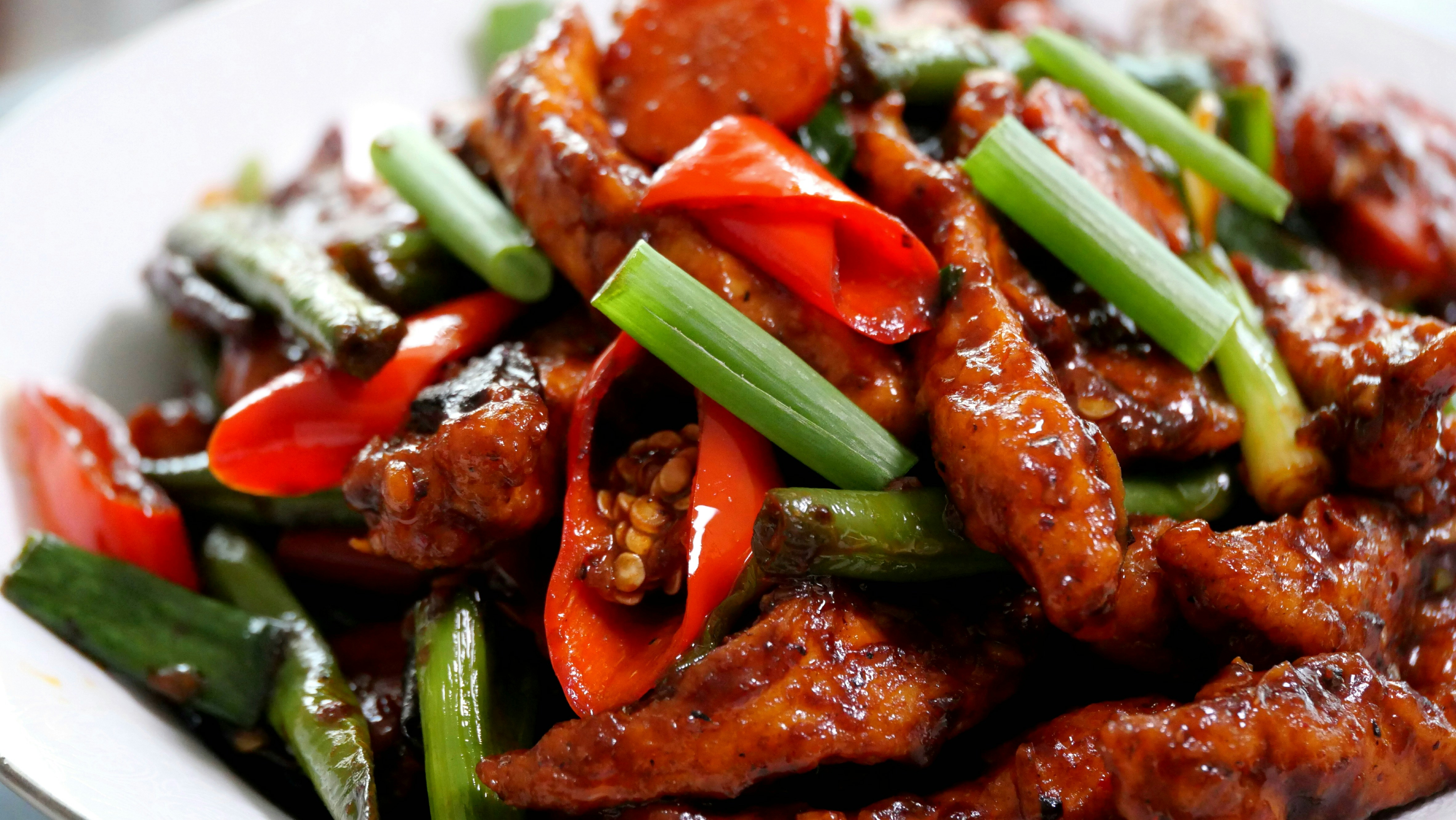
Photo by Deepak Surya on Unsplash
Zaxby’s consolidates loyalty and e-commerce under a Chief Digital Officer to deepen guest relationships and accelerate omnichannel growth.
Apr 27, 2026
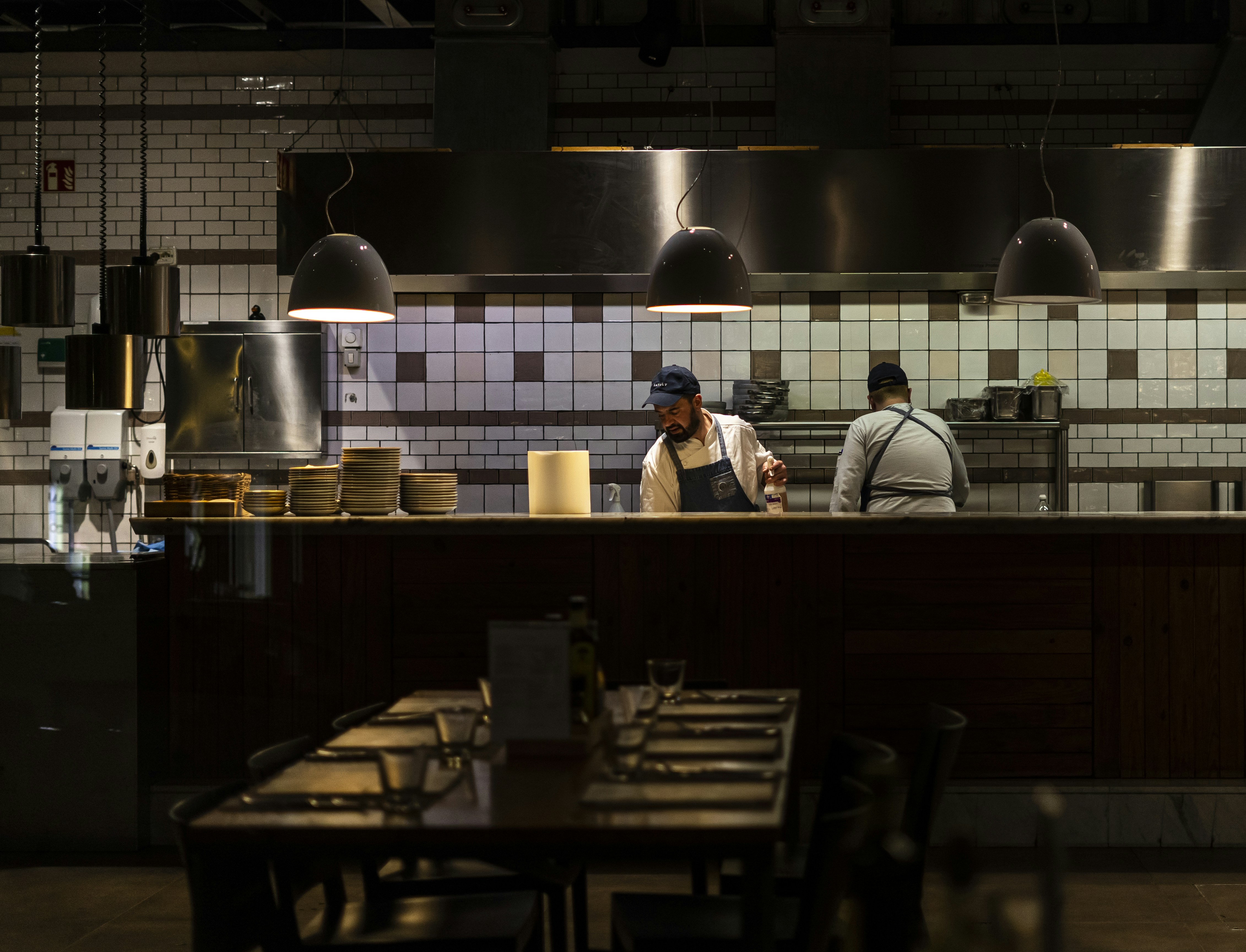
Photo by Fatma Gallery on Unsplash
A refined look at how daily industry briefs distill leadership moves, partnerships, and chef-led concepts shaping modern foodservice.
Apr 27, 2026
A look at how FSTEC 2024 reveals a shift toward hybrid vendor and in-house tech, real-time orchestration, and autonomous delivery shaping the future of hospitality.
Apr 27, 2026
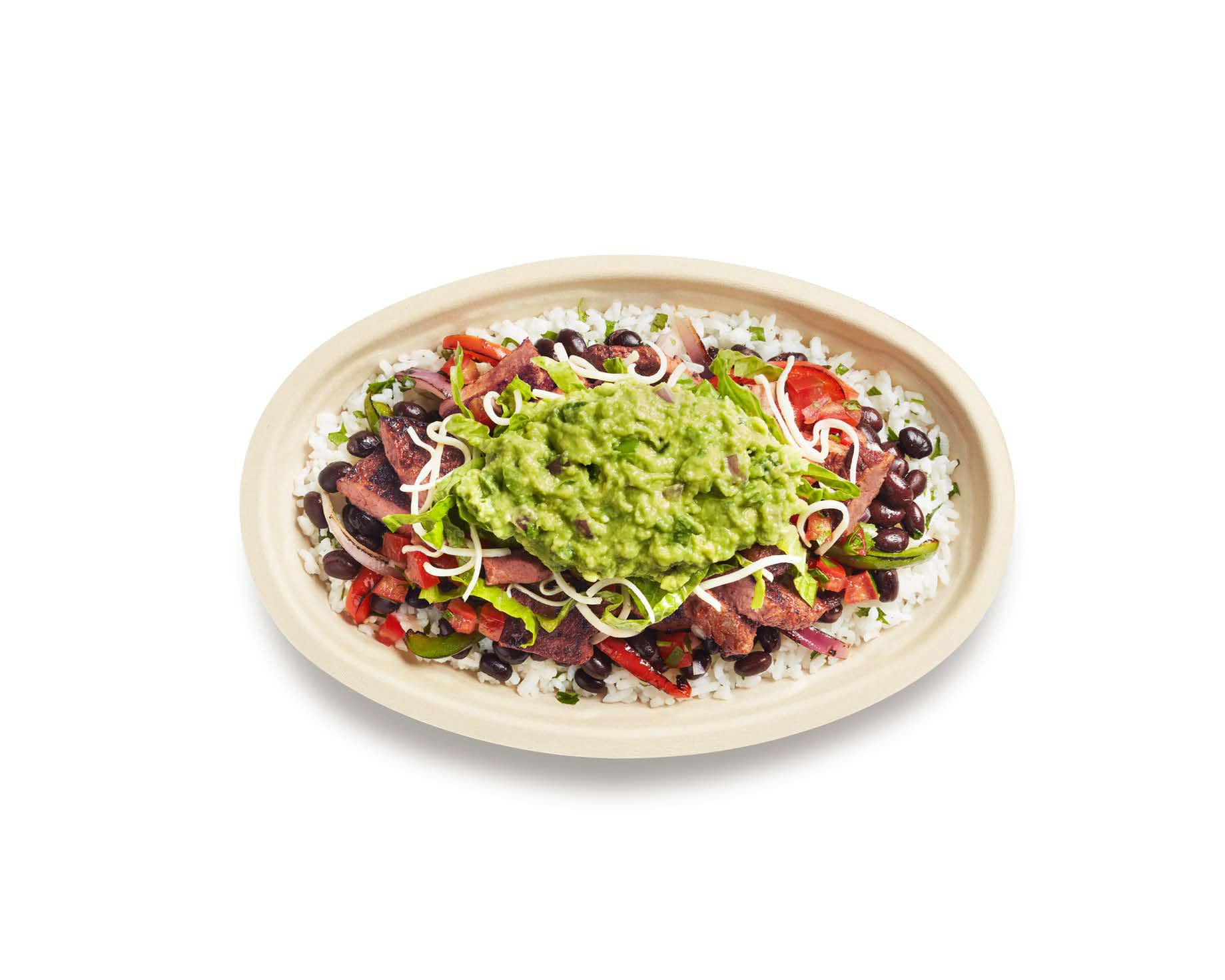
Chipotle tests robotic makelines and avocado cobots to boost throughput while preserving safety and brand standards.
Apr 27, 2026
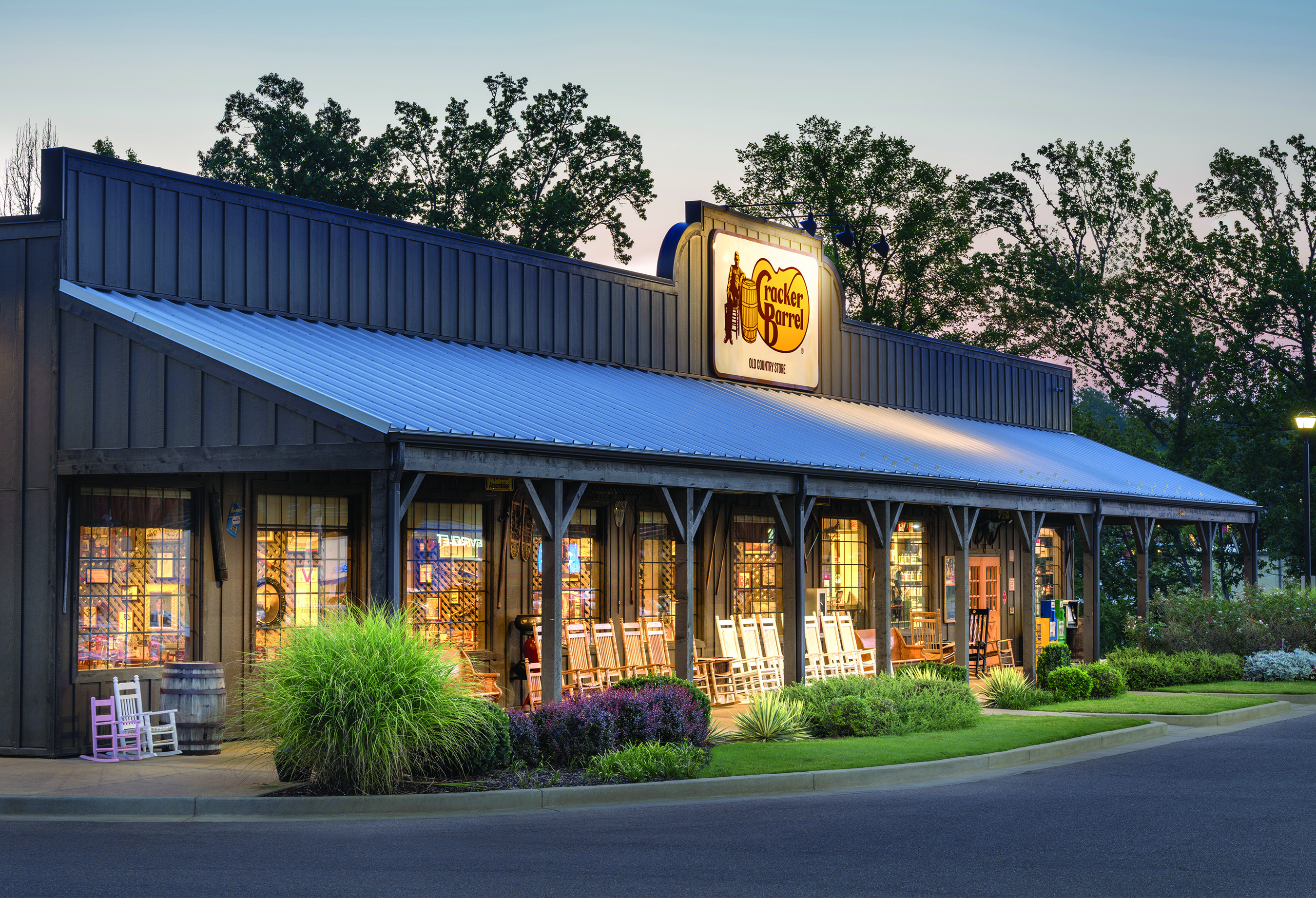
Cracker Barrel faces an activist proxy contest as it advances a multi-year transformation, defending its board and plan against Sardar Biglari's slate.
Apr 27, 2026
Taco Bell scales its proprietary Voice AI across U.S. drive-thrus, aiming for faster service, better accuracy, and a warmer guest experience.
Apr 26, 2026
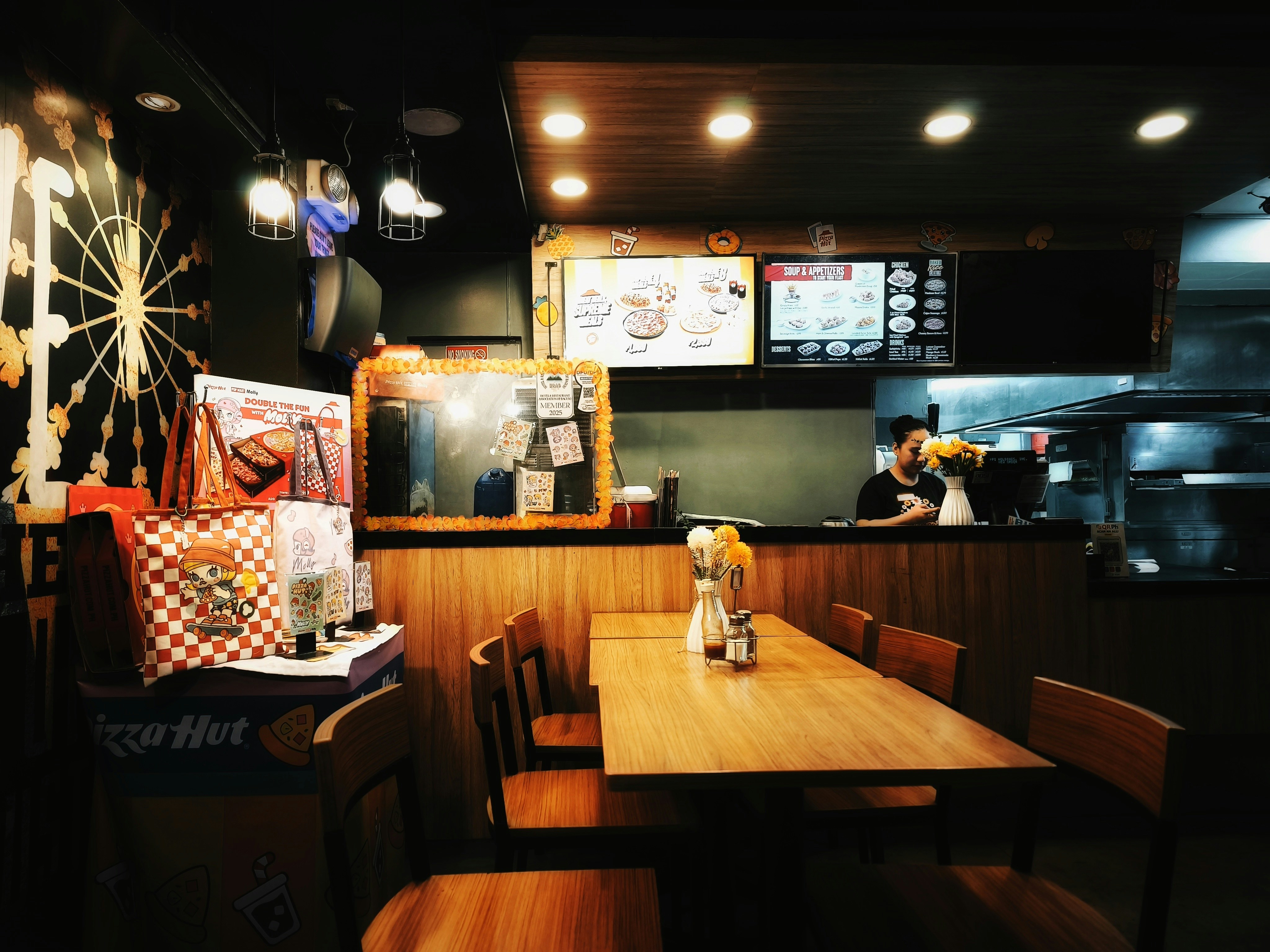
Photo by Jafetbyrne Photos on Unsplash
Nostalgia-driven promotions, digital ordering, and flavor experiments reshape growth strategies for fast-casual brands in 2026.
Apr 26, 2026
A thoughtful look at how a September 2024 rate cut reshaped borrowing, investor sentiment, and growth plans for dining operators, with a patient, fundamentals-first lens.
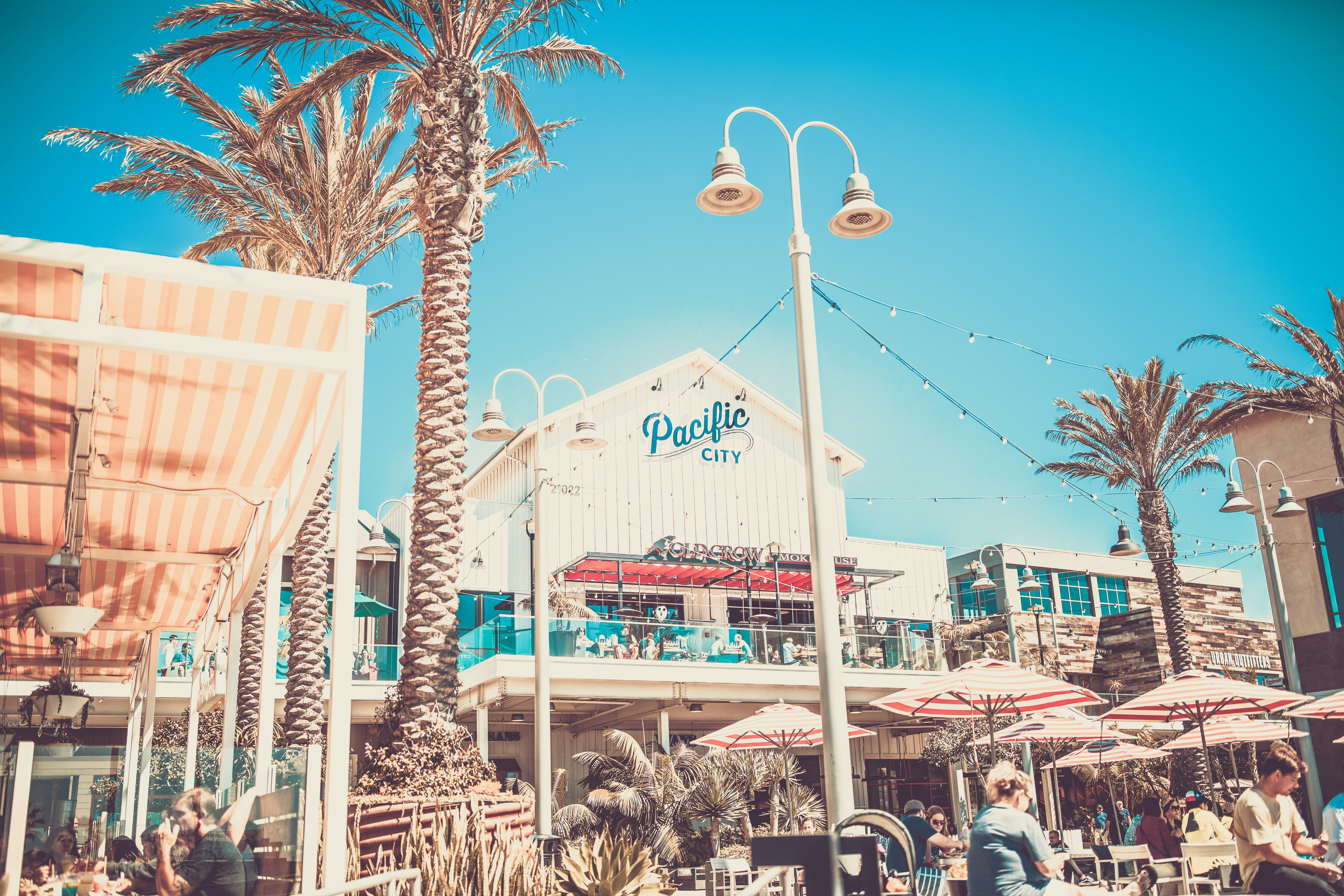
Photo by Ruben Ramirez on Unsplash
On a brisk morning in September 2024, the restaurant world felt a quiet lift. The Federal Reserve pulled its policy lever by 50 basis points, lowering the federal funds rate to a target range of 4.75% to 5.00%. It wasn’t a fireworks moment, but it carried a soft glow of relief after years of sharp climbs. To operators who balance razor-thin margins and ambitious plans, the move signaled more favorable borrowing conditions, a kinder climate for debt-service, and a window for cautious investment. Yet the mood remained guarded, a temperament shaped by weeks of inflation cooling to 2.5% in August and a history of volatility. This is the moment: rate relief, measured pace, and the art of patience; the industry would watch closely what comes next, because a soft spark can still light a careful fire.
What it can mean in practice — Cheaper borrowing costs for operators translate into more favorable debt-service dynamics, and potentially better terms for expansions or refinancings. If lenders reprice consumer credit more generously, households could have a bit more discretionary income for dining. The signal, however, is not a rush of capital; it's a steadier, more predictable backdrop as inflation cools and markets price in a slower path of policy. Observers emphasize that the real effects hinge on banks’ willingness to lend and to reprice risk in a climate that has seen cautious underwriting. In other words, the change is a foothold, not a door flung wide open.
To understand the moment, it helps to recall the policy trail that preceded it. The Fed had kept an elevated stance for years, with the target range sitting at 5.25%–5.50% after late-2023 adjustments, a battle against inflation. By late 2024, inflation had moved toward the 2% objective, with the CPI printing around 2.5% in August 2024, according to market-facing analyses. That backdrop made gradual easing more persuasive to policymakers hoping to avoid reaccelerating price gains while supporting growth. As of March 2026, the Fed’s communications show a shifted stance as rate cuts cooled and policy became more data-dependent, with the target range held at 3.50%–3.75% and market participants pricing a measured path of moves.
Patience still rules the day — By March 2026, policymakers signaled a slower cadence, emphasizing data-dependence and a focus on inflation trajectories rather than bold promises. The long arc from 2024’s easing to 2026’s stability reflects a cautious, growth-minded balance: support demand where possible, but anchor expectations to disciplined pricing and risk controls. In the restaurant world, that translates to wider planning horizons, tighter cash reserves, and a readiness to let unit economics prove themselves before chasing rapid expansion.
The mechanics of a rate cut are straightforward in theory and nuanced in practice. Cheaper debt costs create more comfortable debt-service dynamics for operators, and refinancing or expansion can look more inviting when lenders reprice risk in a calmer credit climate. Yet the lag between policy moves and real-world effects remains real for an industry watching cash flow and inventory turns. Regional and local lenders had paused aggressive lending during the high-rate period, so the appetite to pour new capital into restaurants depends on a broader credit climate and confidence in cash-flow generation. The signal, then, is less about a wave of capital and more about a steadier funding backdrop as inflation cools.
1 Market commentary from mid-2024 onward framed a multi-quarter adjustment rather than a single event that would spur instant growth. The banking world often needs time to reprice risk and for borrowers to demonstrate sustainable profitability. The resulting picture: a tempered, patient path toward investment and expansion, with capital deployment guided by solid unit economics and robust cost controls, rather than optimism alone.
Responses from operators and franchisers arrived with measured optimism. In a familiar rhythm for the industry, James O’Reilly, CEO of Ascent Hospitality, noted that the rate environment 'modestly improves' investment prospects for his brands. In Chicago, Jonathan Gillespie, partner at Adalina, described an approach that kept short-term plans intact while anticipating longer-term shifts in capital raising and investor returns as rates move lower. Both leaders acknowledged that consumer activity would not rebound instantly, and that job-like momentum for dining would hinge on how quickly wages and confidence respond to cheaper borrowing costs. 'Consumers want to eat in restaurants more often, but their visit frequency has been negatively impacted by inflation,' O’Reilly said.
The sense across these voices was consistent: rates matter, but they do not write the consumer story on their own. A gentler borrowing climate may tilt decisions toward reinvestment and menu modernization, yet only if wages and confidence lift in tandem. In practice, operators are watching for signs that lenders will return with appetite for new deals and more favorable pricing, and that diners feel comfortable choosing to dine out again.
Looking ahead, the industry faces a patient path: a more favorable debt-service environment coexisting with a slower-than-desired rebound in foot traffic. The path emphasizes disciplined growth, efficiency, and a clear focus on cash-flow generation at the unit level. Industry leaders point to a combined recipe of stable financing conditions, improving sentiment, and modest gains in traffic as ingredients for better profitability. The challenge remains to synchronize capital deployment with strong unit economics and robust cost controls, while watching for inflationary pressures on inputs and labor.
Uncertainties persist: political dynamics, energy prices, and global developments can temper even the most measured optimism. The March 2026 minutes and projections remind us that the pace of future cuts will ride on incoming data, notably inflation and labor health, as well as the broader economy. For now, the hospitality world is learning to pair patience with prudence: refine menus, sharpen supply chains, and build reserves before chasing aggressive expansion. In a landscape that rewards steady, welcoming service, patience itself becomes a hospitality virtue.