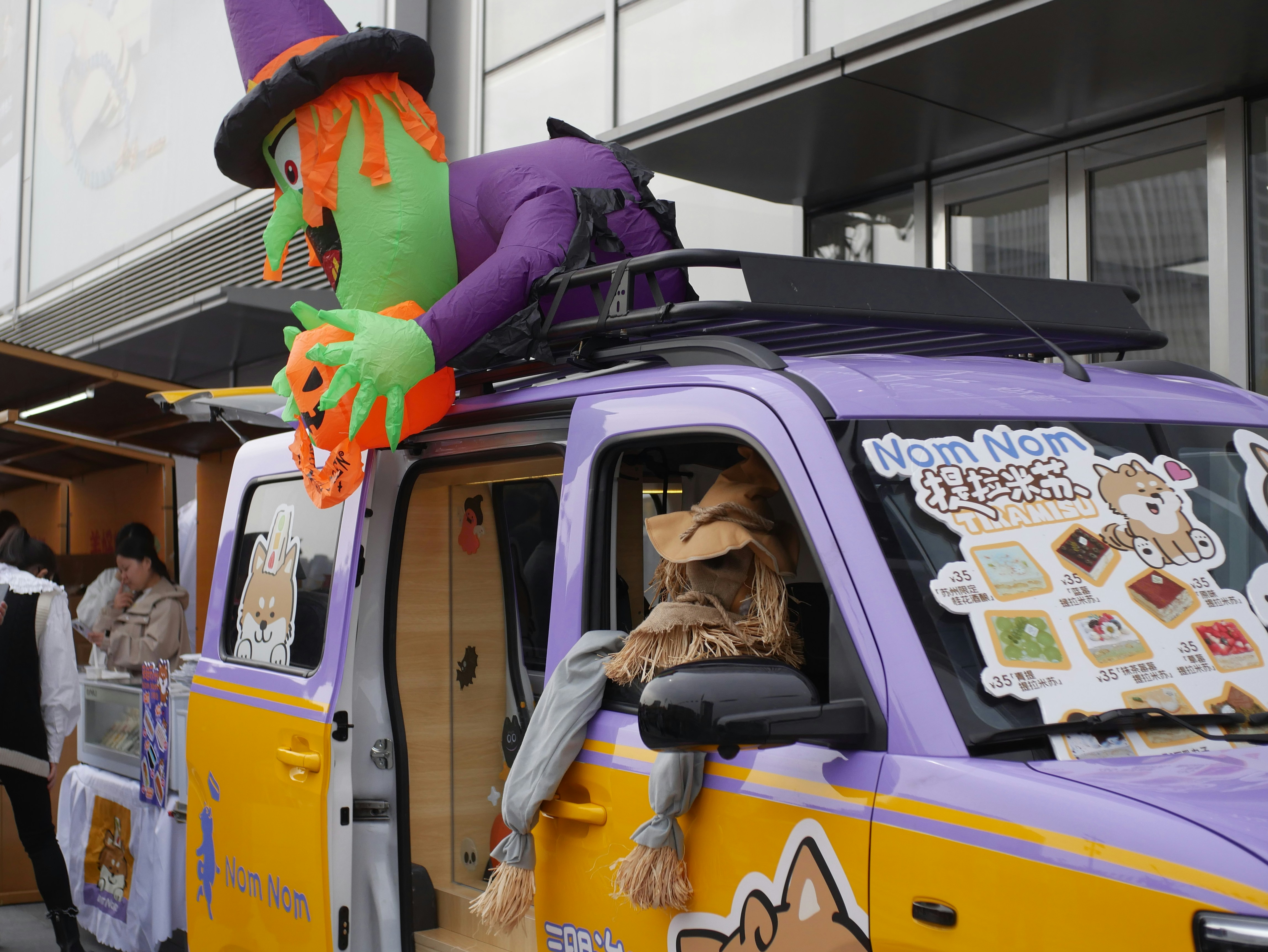
Photo by shen wenjie on Unsplash
Seasonal Frenzy Reshapes Fast-Casual
Holiday-driven menu drops fuse nostalgia with wellness, turning menus into living calendars for fast-casual brands.
Menu Development
Apr 28, 2026
Photo by shen wenjie on Unsplash
Holiday-driven menu drops fuse nostalgia with wellness, turning menus into living calendars for fast-casual brands.
Apr 28, 2026
Photo by Abdul Raheem Kannath on Unsplash
Susannah Frost named Chick-fil-A President, joining Cliff Robinson as COO to guide domestic expansion and international growth.
Apr 28, 2026

Photo by Moon Bhuyan on Unsplash
Ghost pepper-led promotions redefine autumn menus as chains blend heat, storytelling, and seasonal collaborations to drive foot traffic.
Apr 28, 2026

Photo by Noah Martinez on Unsplash
CAVA rolls out Garlic Ranch Pita Chips with a Steak + Harissa Bowl and a refreshed Rewards program, tying flavor innovation to personalized guest experiences.
Apr 28, 2026

Photo by Kate Trysh on Unsplash
Applebee’s launches Pick 6 Mondays, offering free wings with a $10 purchase when a Pick 6 occurs on Sundays, driving game-day momentum across dine-in and To Go.
Apr 28, 2026
Photo by Stu Moffat on Unsplash
Beatrice Nguyen explores how leadership blends speed, loyalty, and standardized operations to grow Shake Shack while preserving its signature experience.
Apr 28, 2026
Photo by tommao wang on Unsplash
Freddy’s expands with a 23,000-sq-ft Training & Innovation Center to boost franchise profitability and unit growth toward 800+ by 2026.
Apr 28, 2026
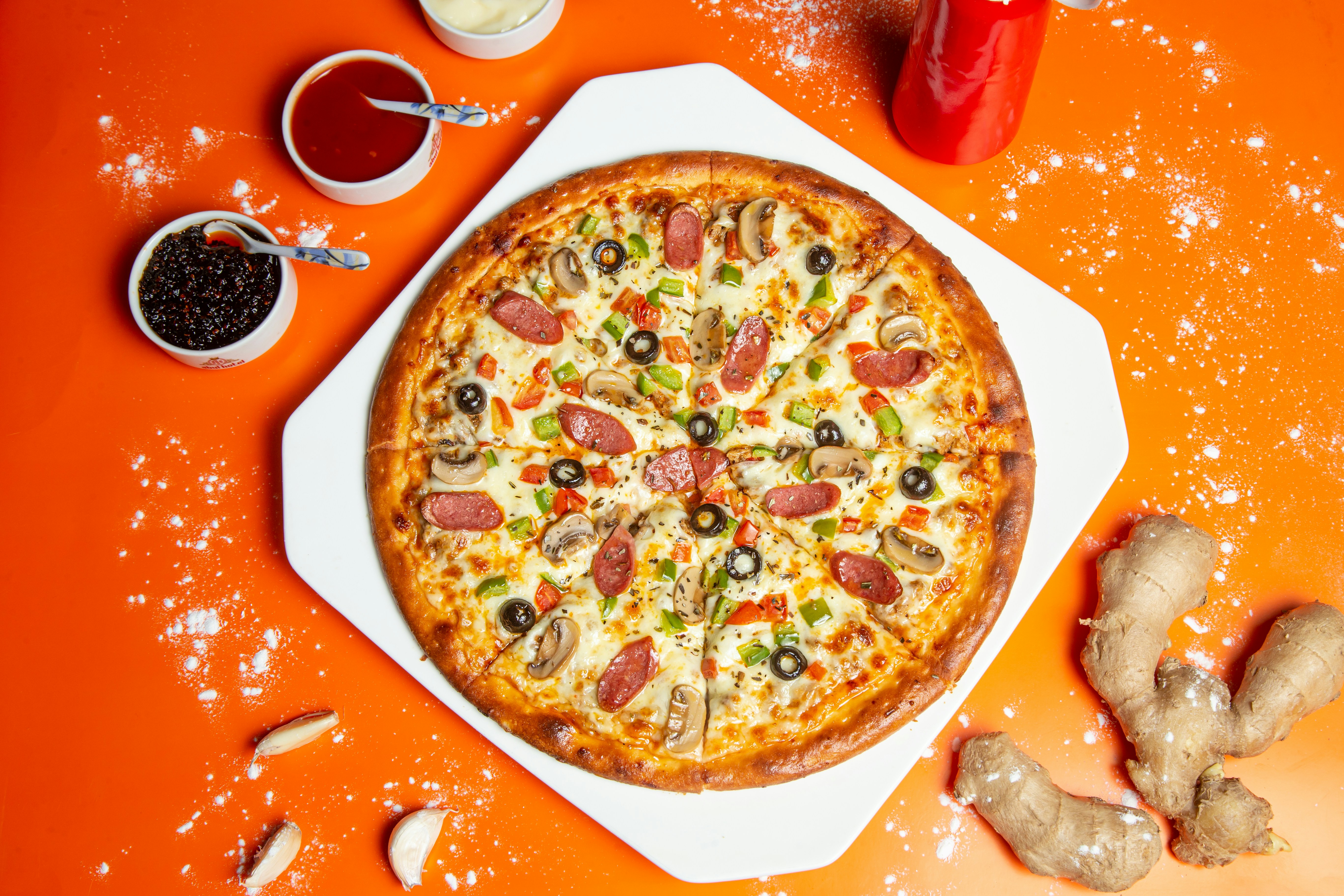
Photo by Shourav Sheikh on Unsplash
Chapter 11 roils EYM’s Pizza Hut footprint, with auctions and asset sales reordering stores across IL, WI, IN, GA, and SC.
Apr 28, 2026
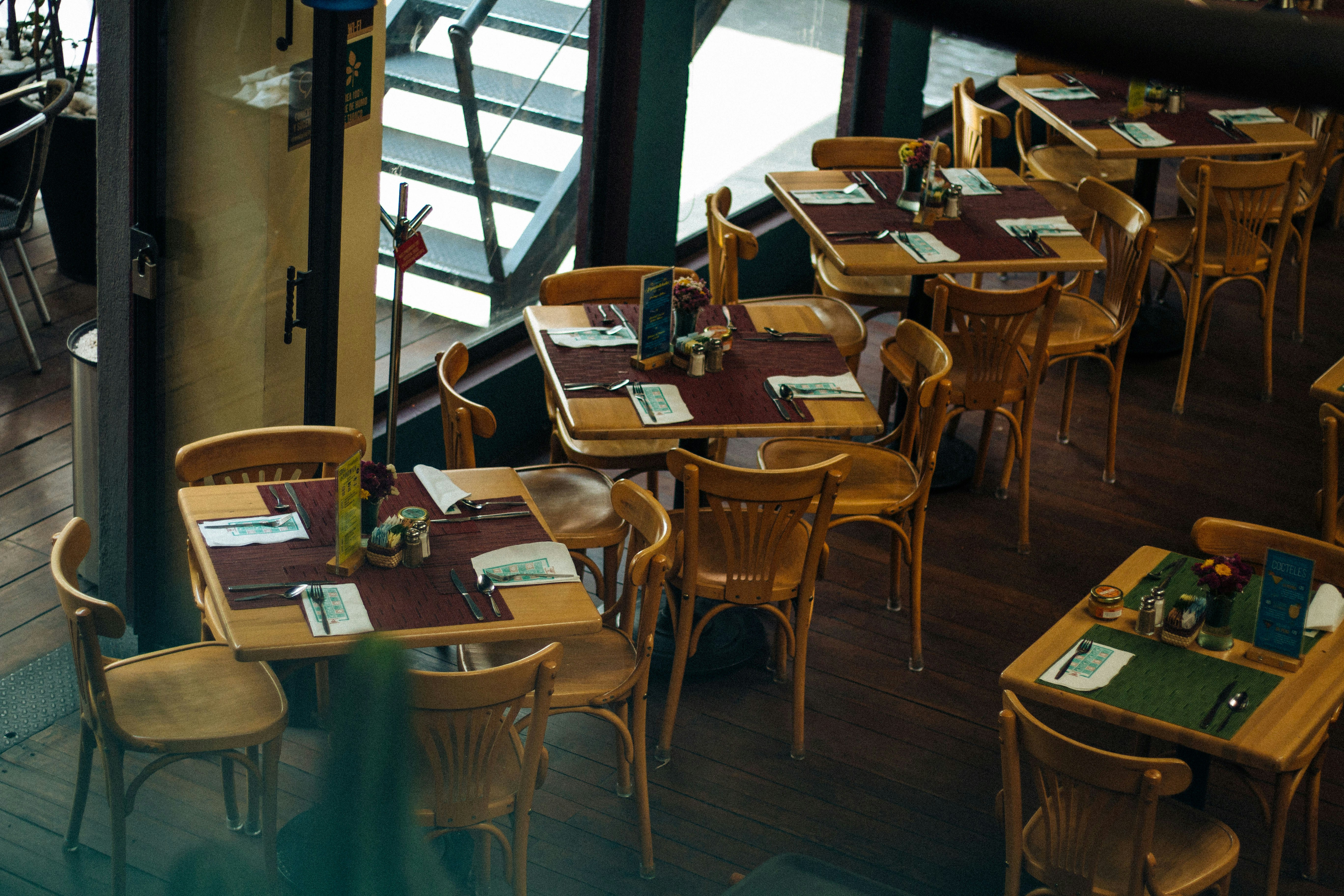
Photo by Adolfo Félix on Unsplash
How AI-enabled training, robotics, and crypto rewards are reshaping guest experience and workforce in modern restaurants.
Apr 28, 2026
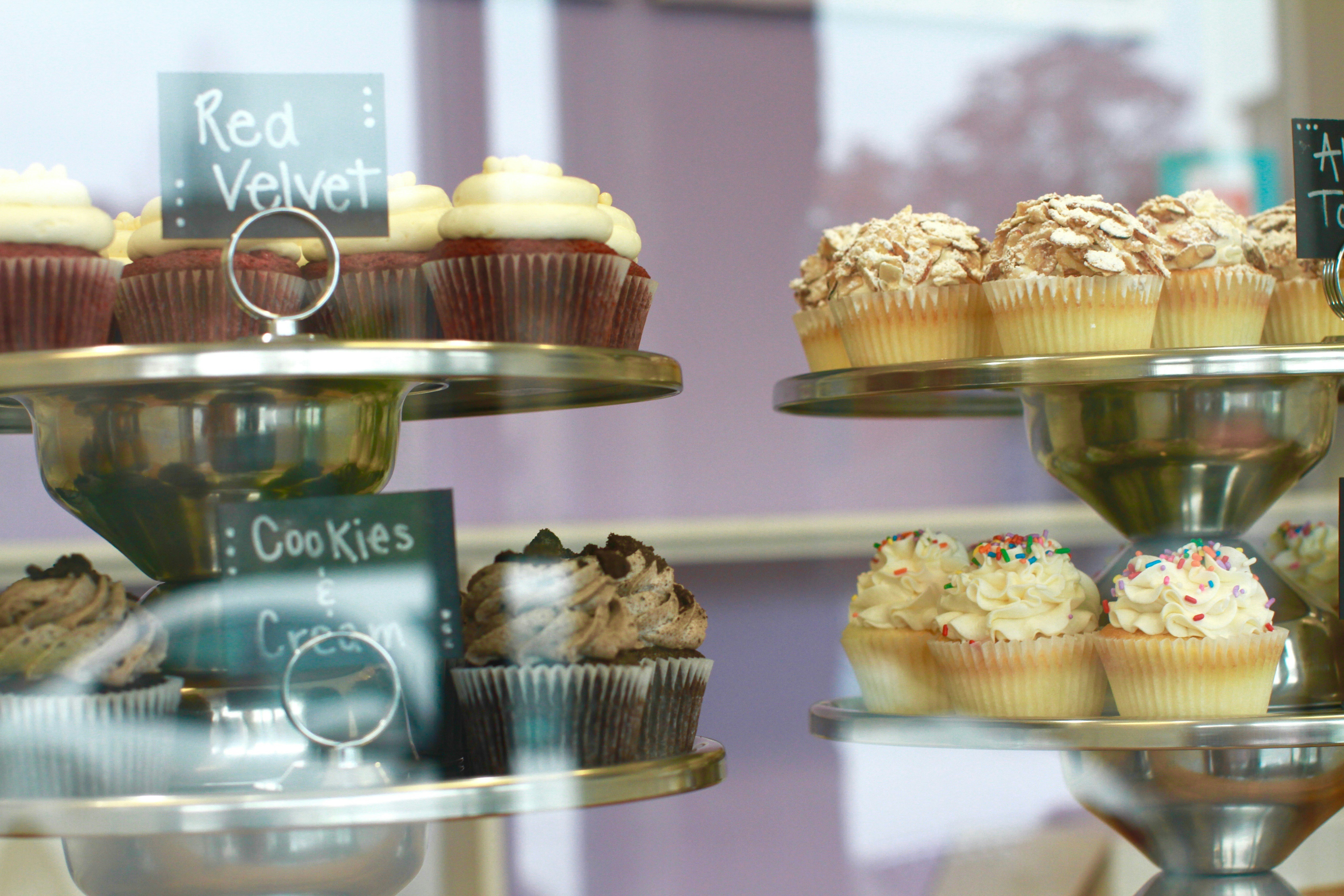
Photo by Meghan Rodgers on Unsplash
Candace Nelson headlines CREATE 2024 in Nashville, sharing her journey from finance to Sprinkles and Pizzana, with practical roadmaps for growth-minded restaurateurs.
Apr 28, 2026
GoTo Foods bets on co-branding, digital muscle, and veteran leadership to add 1,400+ locations and reshape multi-brand franchising.
Photo by on Unsplash
Growth in the quick-service franchise world is nothing if not measured by the numbers. GoTo Foods is setting a mark: more than 1,400 new franchised locations slated to open in 2025. That’s not idle boasting. This move builds off a string of momentum—1,177 franchise agreements signed in 2024, split between 578 in the U.S. and 599 abroad. Four straight years of net unit growth signals a company with discipline and a plan.
But the volume alone doesn’t tell the story. GoTo Foods is betting on momentum that’s more than just arithmetic. The challenge now: turning all this paper dealmaking into tangible stores and lasting performance.
Commitment is clear. What matters next is daily execution—buildouts, franchisee onboarding, and delivering promised returns store by store. The sheer boldness puts every pitmaster and brand in the system under the same hot light.
A slick rebrand—from Focus Brands to GoTo Foods—signals deeper changes than fresh signage. The business is stripping away silos across seven brands. What’s replaced the portfolio play? An integrated platform that promises co-branding flexibility, shared technology, and loyalty programs operating at enterprise scale.
With more than 6,700 predominately franchised units and $4.2 billion in sales, GoTo Foods is done playing the sum-of-the-parts game. The message: leverage your heft across brands, or risk stagnant returns.
Vertical integration isn’t just for Wall Street. In franchising, combining brands and streamlining back-ends creates the operational torque needed to compete with big-league rivals. If GoTo Foods can pull this off, the platform becomes the protection against shocks and copycats alike.
Brute-force unit growth only gets a chain so far. GoTo Foods is relying on two levers to drive efficiency and scale: co-branded locations and centralized digital systems. In 2024, the team inked 353 multi-brand agreements—putting dual or even tri-branded setups into 173 stores. That’s not an academic exercise. It signals a shift away from mall-dependent outposts to street-visible, daypart-flexible real estate.
The centralized POS and digital ecosystem isn’t buzzword filler. The backbone includes app-driven AI, ubiquitous kiosks, mobile ordering, and loyalty platforms. The impact: digital and off-premise sales have nearly tripled since 2019. Average checks and loyalty enrollment are both trending up.
The real test isn’t in pilot programs but full deployment. Franchisees will want to see tech investments hit their bottom lines, not just corporate press releases.
Growth doesn’t happen on spreadsheets—it’s made or broken by the team steering the ship. Lambert brings hard-won lessons from Wendy’s and Yum Brands, grounded in site development, construction, and real estate optimization. Her job: pick the right sites, sign up partners who deliver year after year.
Misra, with a résumé spanning Albertsons and Amazon, is tasked with giving digital ambitions real teeth. That means more than adding features; it’s about embedding tech so deep it becomes invisible to the operator and indispensable to the guest. CEO Gajial sums it up—leadership isn’t about making noise, it’s about executing tighter, and creating something that lasts.
Veteran execs know the rules: right partner selection and relentless digital focus. The boardroom is only as strong as the field deployment. Time will tell if these hires flip strategy from theory to action.
It all boils down to store economics. The pledge: expand from roughly 7,300 units in early 2026 to over 8,700 locations on a tight timeline. Brand performance varies—Auntie Anne’s mall locations pulled down an average of $762,534 in net sales, while McAlister’s Deli nearly triples that at $1,891,092.
Co-branded sites do more than give franchisees a new patch of real estate—they deliver landlords two-in-one tenant credit. The loyalty membership base, expected in the tens of millions, offers steady spend and a fight against revenue volatility.
The math supports the ambition. Still, unit growth only counts if margins keep pace and enrollment turns into real visitation. Otherwise, volume becomes a vanity metric.
GoTo Foods’ blueprint lines up with what’s happening sector-wide. The quick-service franchise market is expected to post more than 2% growth in 2025. Total franchised units will inch above 204,000, with industry output edging up to nearly $322 billion.
Operators have a new playbook: go digital, add AI, court multi-unit franchisees, and keep margins tight in the face of rising costs. The big guys aren’t standing still—McDonald’s is turbocharging unit counts and backing heavy tech investment, while peers across the field press on with loyalty, automation, and co-location rollouts.
Success for GoTo Foods means delivering on these same trends but with better control and sharper execution than the chasing pack.
Big plans come with real-world friction. Market missteps—like Cinnabon’s exit from the UK and periodic mall-unit closures—are a warning light against overextension. Co-branded formats create operational headaches when tech, menus, and people systems are stretched across distinct brands.
Franchise systems only hum when execution matches the roadmap. Labor shortages, supply snags, and inflation could easily soften the math on projected returns. Keeping franchisees bought in and digital tools sharp is mission critical.
These aren’t distant risks. The next phase will test how well GoTo Foods manages complexity without letting it gum up the works.
GoTo Foods isn’t just stacking numbers on a board—it’s promising to fuse disciplined expansion, tech infrastructure, and proven leadership. On paper, the blueprint reflects where the industry is headed: integrated platforms, flexible formats, and a tight link between digital and real-world operations.
But ambition means nothing without execution. The company's future—and likely its reputation—rides on whether those 1,400 new locations open on time, loyalty and AI deliver, and franchisees see bankable value from co-branded growth.
Watch this space. The playbook is modern, but table stakes are high. Only execution will tell if GoTo Foods sets the new pace for franchise giants or winds up another footnote.