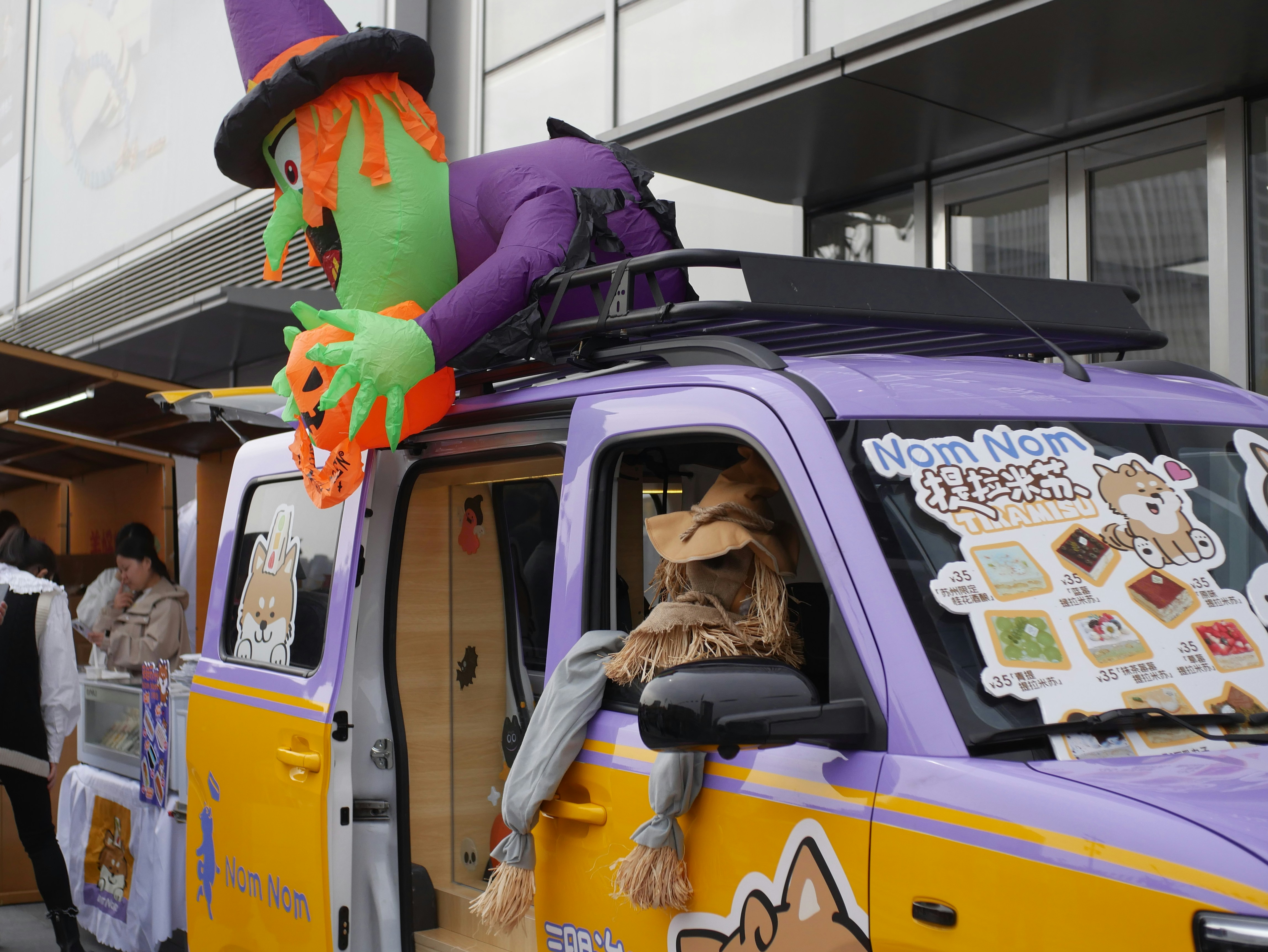
Photo by shen wenjie on Unsplash
Seasonal Frenzy Reshapes Fast-Casual
Holiday-driven menu drops fuse nostalgia with wellness, turning menus into living calendars for fast-casual brands.
Menu Development
Apr 28, 2026
Photo by shen wenjie on Unsplash
Holiday-driven menu drops fuse nostalgia with wellness, turning menus into living calendars for fast-casual brands.
Apr 28, 2026
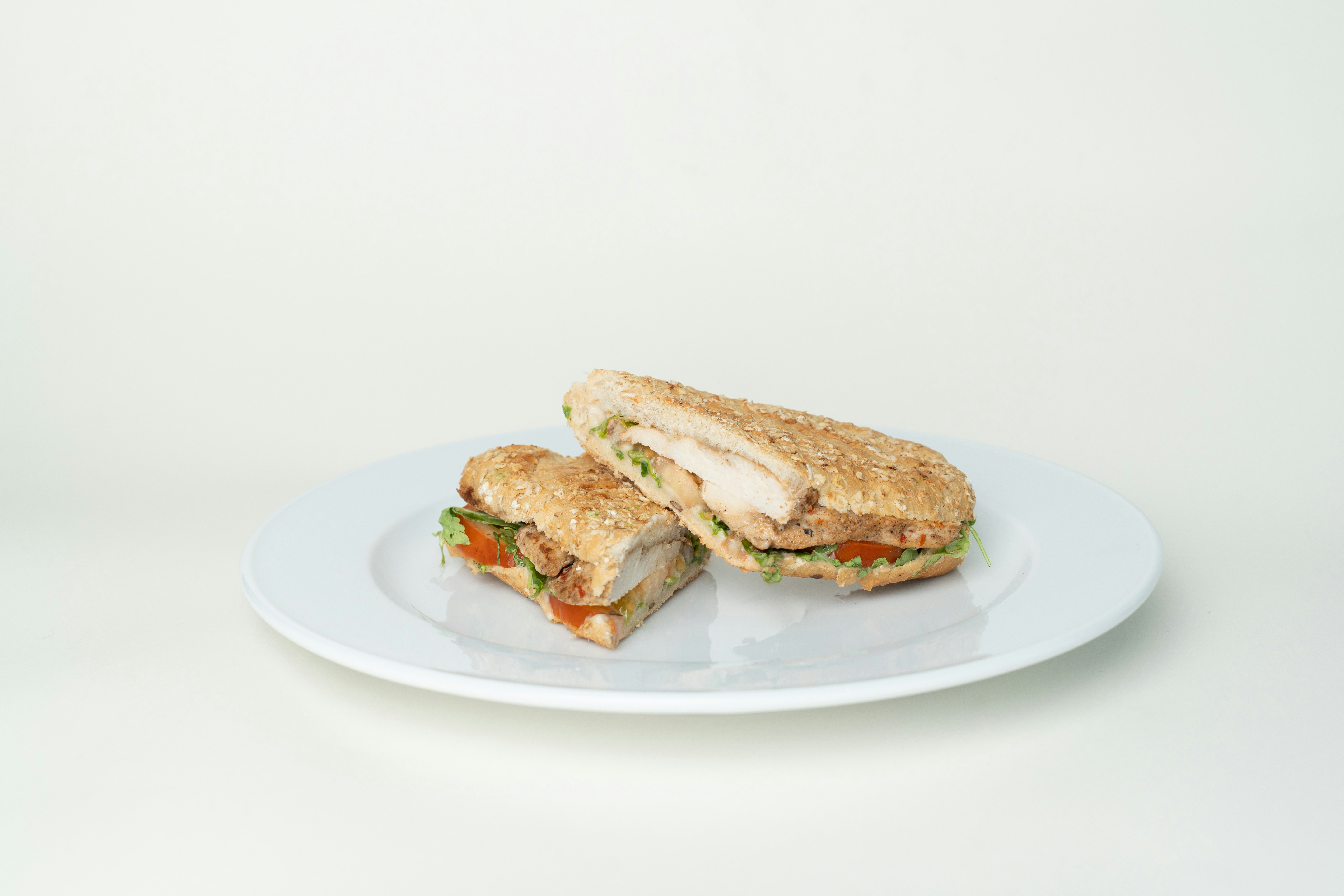
Photo by Abdul Raheem Kannath on Unsplash
Susannah Frost named Chick-fil-A President, joining Cliff Robinson as COO to guide domestic expansion and international growth.
Apr 28, 2026
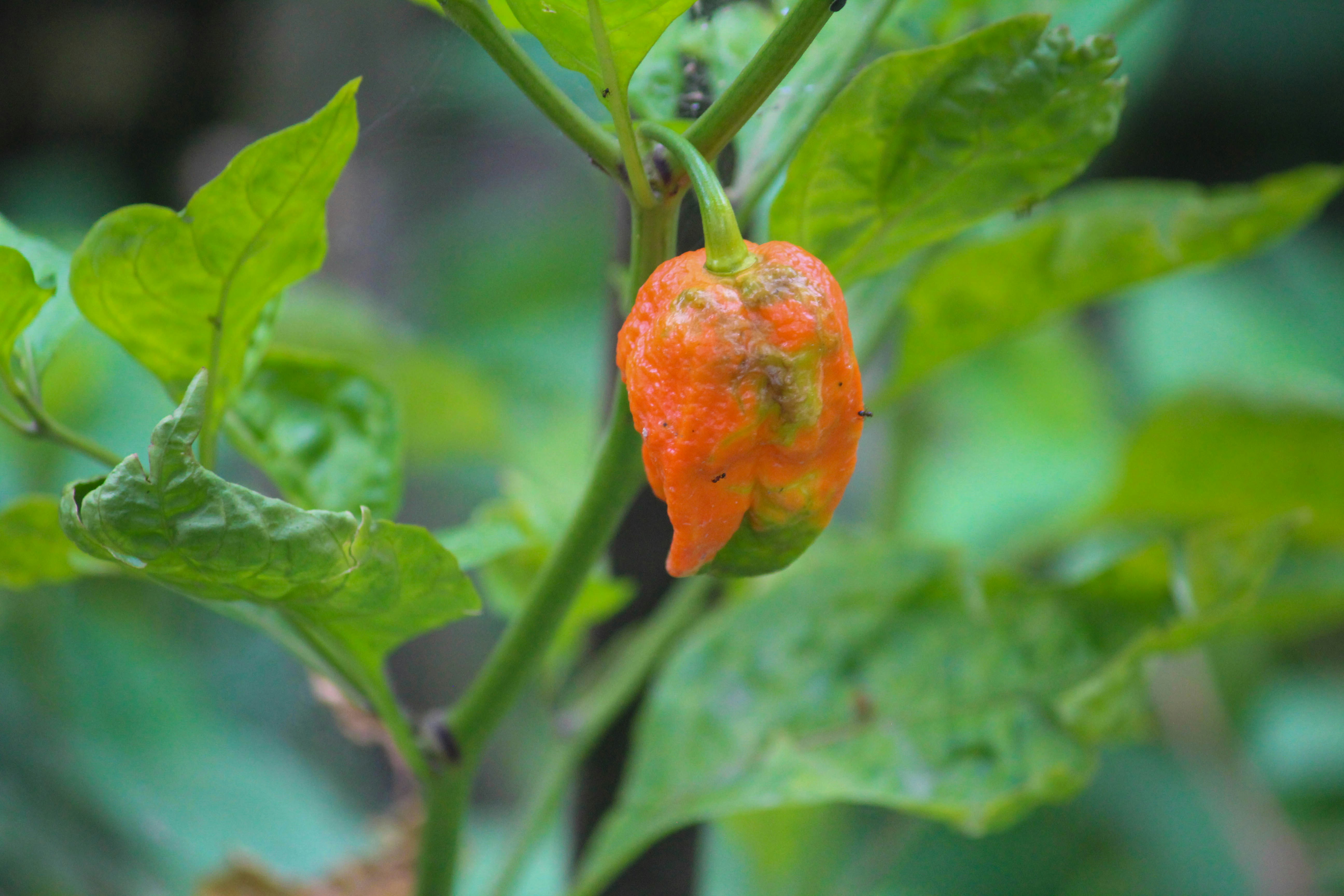
Photo by Moon Bhuyan on Unsplash
Ghost pepper-led promotions redefine autumn menus as chains blend heat, storytelling, and seasonal collaborations to drive foot traffic.
Apr 28, 2026

Photo by Noah Martinez on Unsplash
CAVA rolls out Garlic Ranch Pita Chips with a Steak + Harissa Bowl and a refreshed Rewards program, tying flavor innovation to personalized guest experiences.
Apr 28, 2026
Photo by Kate Trysh on Unsplash
Applebee’s launches Pick 6 Mondays, offering free wings with a $10 purchase when a Pick 6 occurs on Sundays, driving game-day momentum across dine-in and To Go.
Apr 28, 2026
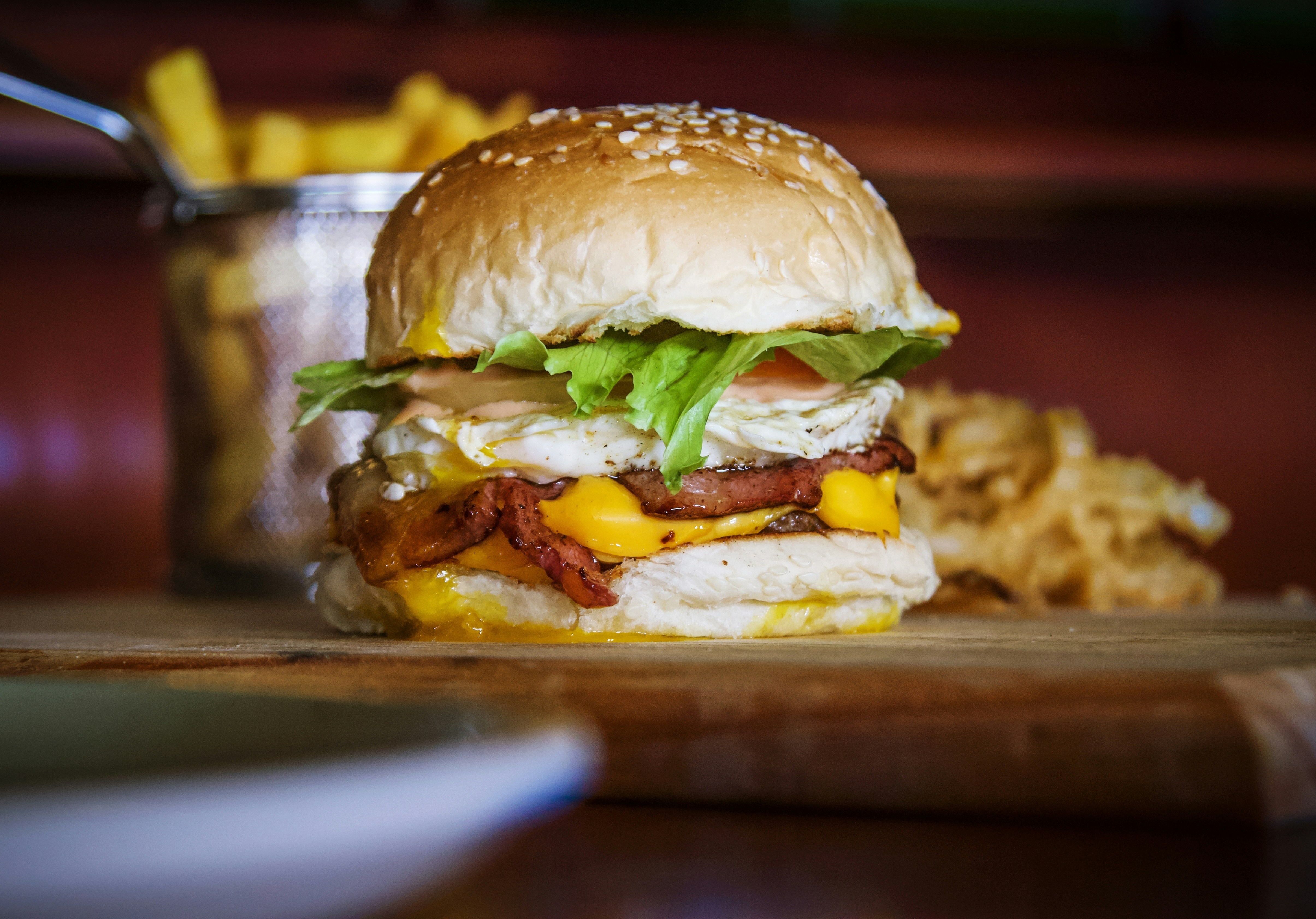
Photo by Stu Moffat on Unsplash
Beatrice Nguyen explores how leadership blends speed, loyalty, and standardized operations to grow Shake Shack while preserving its signature experience.
Apr 28, 2026
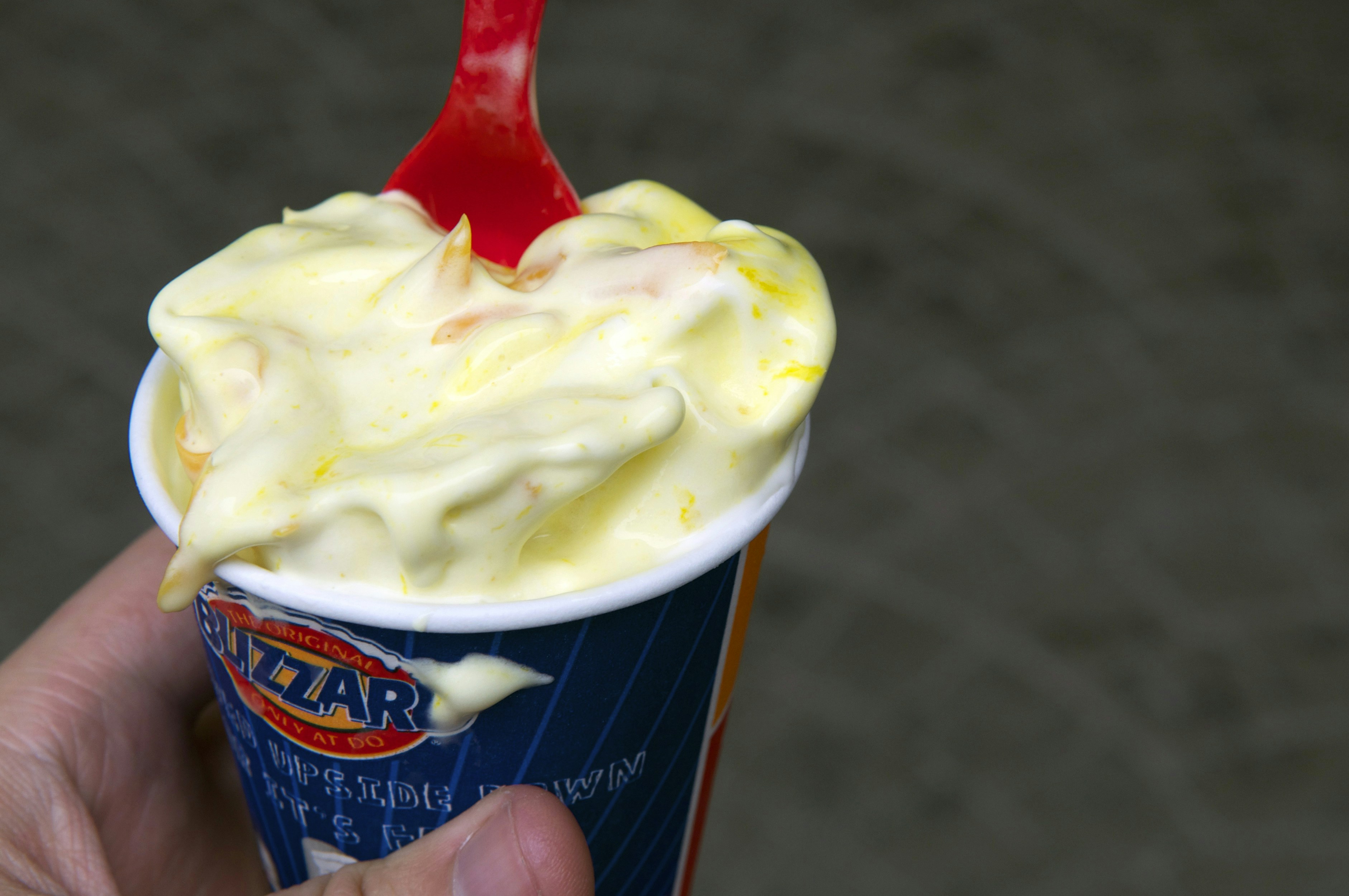
Photo by tommao wang on Unsplash
Freddy’s expands with a 23,000-sq-ft Training & Innovation Center to boost franchise profitability and unit growth toward 800+ by 2026.
Apr 28, 2026
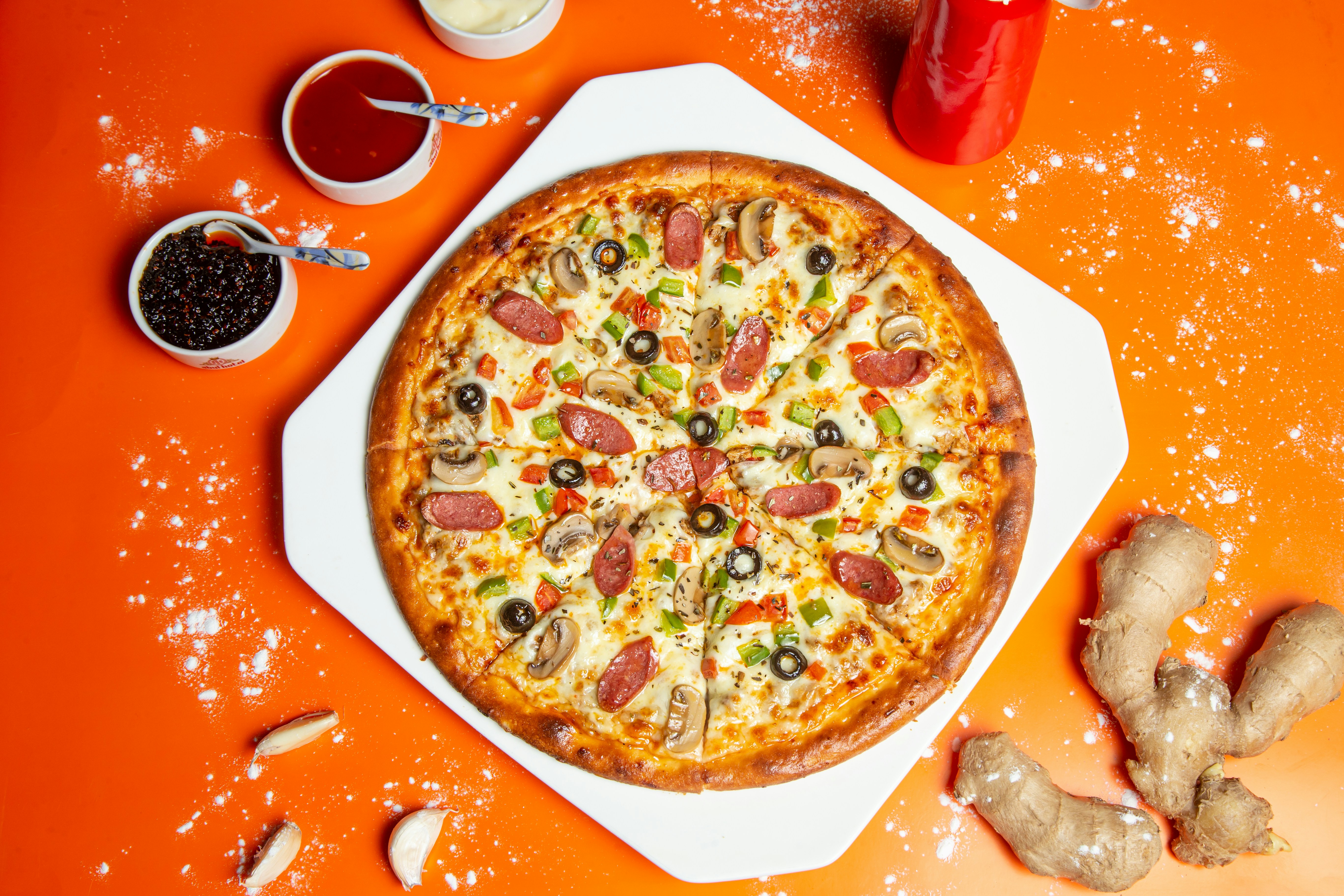
Photo by Shourav Sheikh on Unsplash
Chapter 11 roils EYM’s Pizza Hut footprint, with auctions and asset sales reordering stores across IL, WI, IN, GA, and SC.
Apr 28, 2026
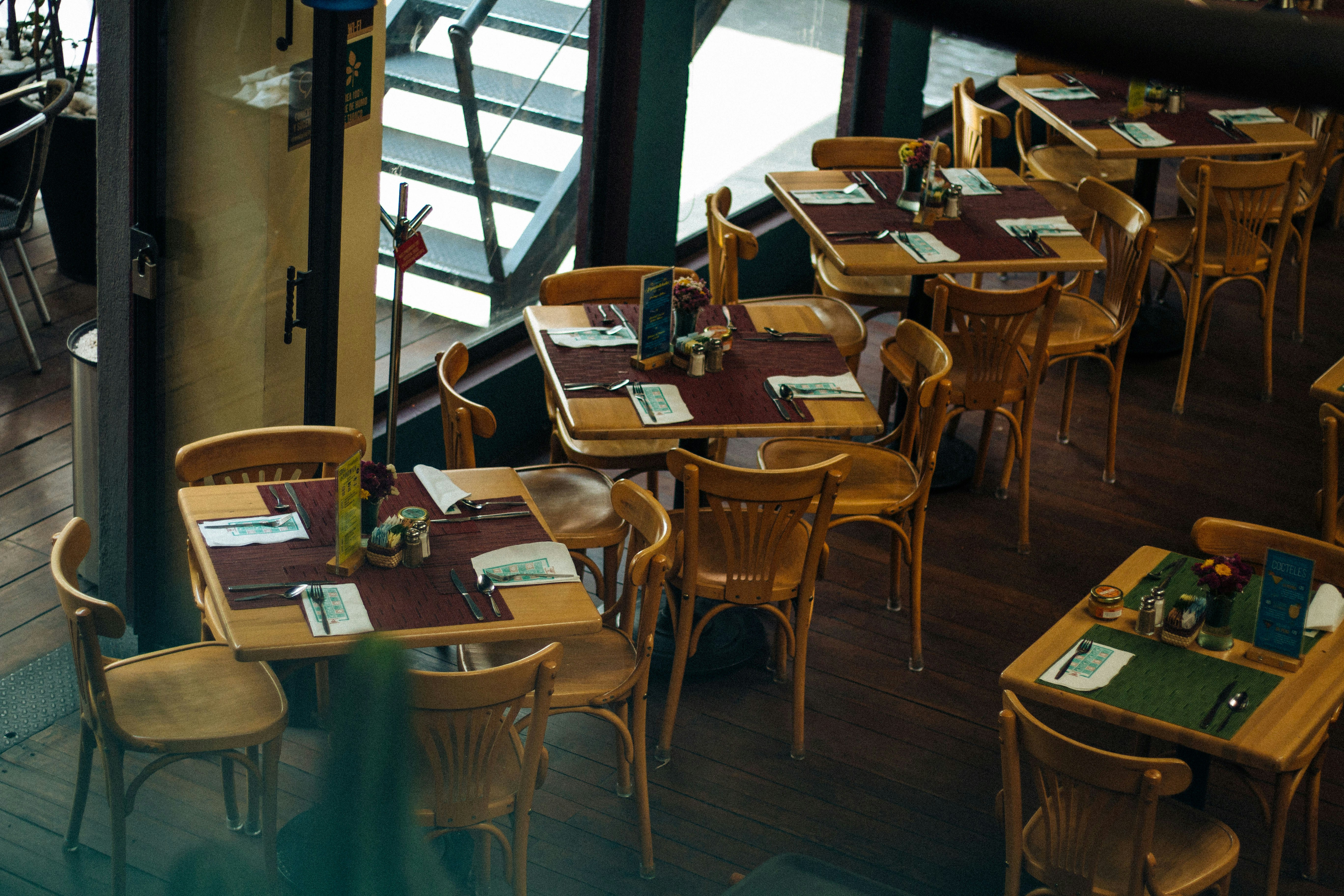
Photo by Adolfo Félix on Unsplash
How AI-enabled training, robotics, and crypto rewards are reshaping guest experience and workforce in modern restaurants.
Apr 28, 2026
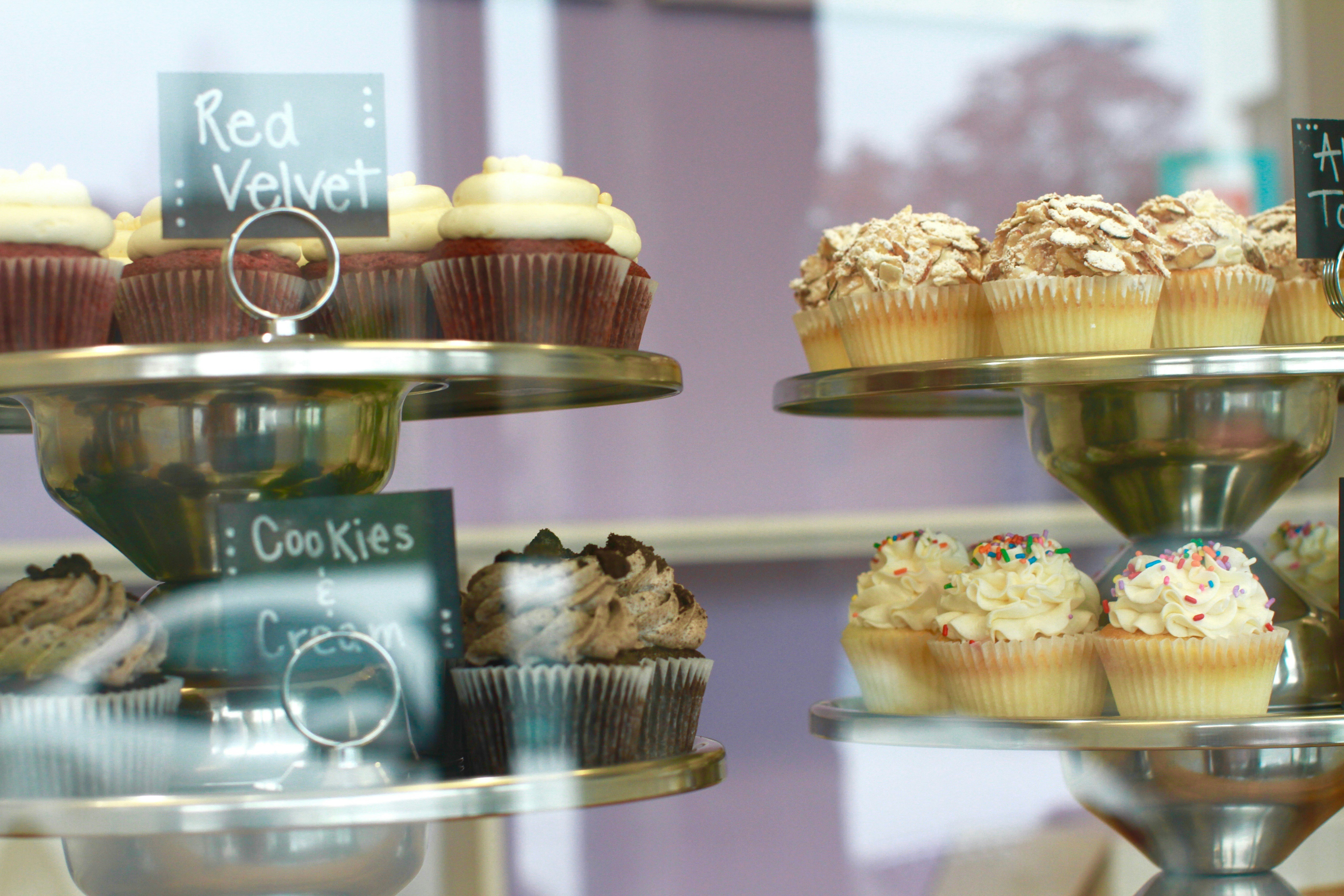
Photo by Meghan Rodgers on Unsplash
Candace Nelson headlines CREATE 2024 in Nashville, sharing her journey from finance to Sprinkles and Pizzana, with practical roadmaps for growth-minded restaurateurs.
Apr 28, 2026
Grubhub expands campus dining with robotics, mobile ordering, and cross-brand partnerships to deliver faster, more affordable meals for students.

Photo by Sam Ruder on Unsplash
On many campuses, the dining routine had settled into predictable rhythms: lines, trays, and the midafternoon lull. Today, a quieter transformation unfolds as Grubhub threads digital ease, cost savings, and robotic logistics into this daily choreography. The university cafeteria becomes a test kitchen for a broader idea: technology that respects time as a scarce resource. Administrators can tailor how the service arrives, choosing mobile ordering, on-campus dining, off-campus options, or a measured blend. The question in the air is not merely convenience, but intention: who is being served, and how fluid should the system feel?
Grubhub offers schools three practical levers. First, deployment choices: enable mobile ordering, on-campus dining, off-campus options, or a combination that respects each campus’s infrastructure. Second, the student experience is simplified through visible account balances on the campus home page within Grubhub’s app, providing financial clarity amid busy schedules. Third, the Grubhub+ Student program is complimentary to participating institutions, delivering waived delivery fees, reduced service fees on qualifying orders, and 5% back in Grubhub+ credits specifically for off-campus pickup. Taken together, these elements are designed to make dining more affordable and reachable when the day’s timetable is unpredictable.
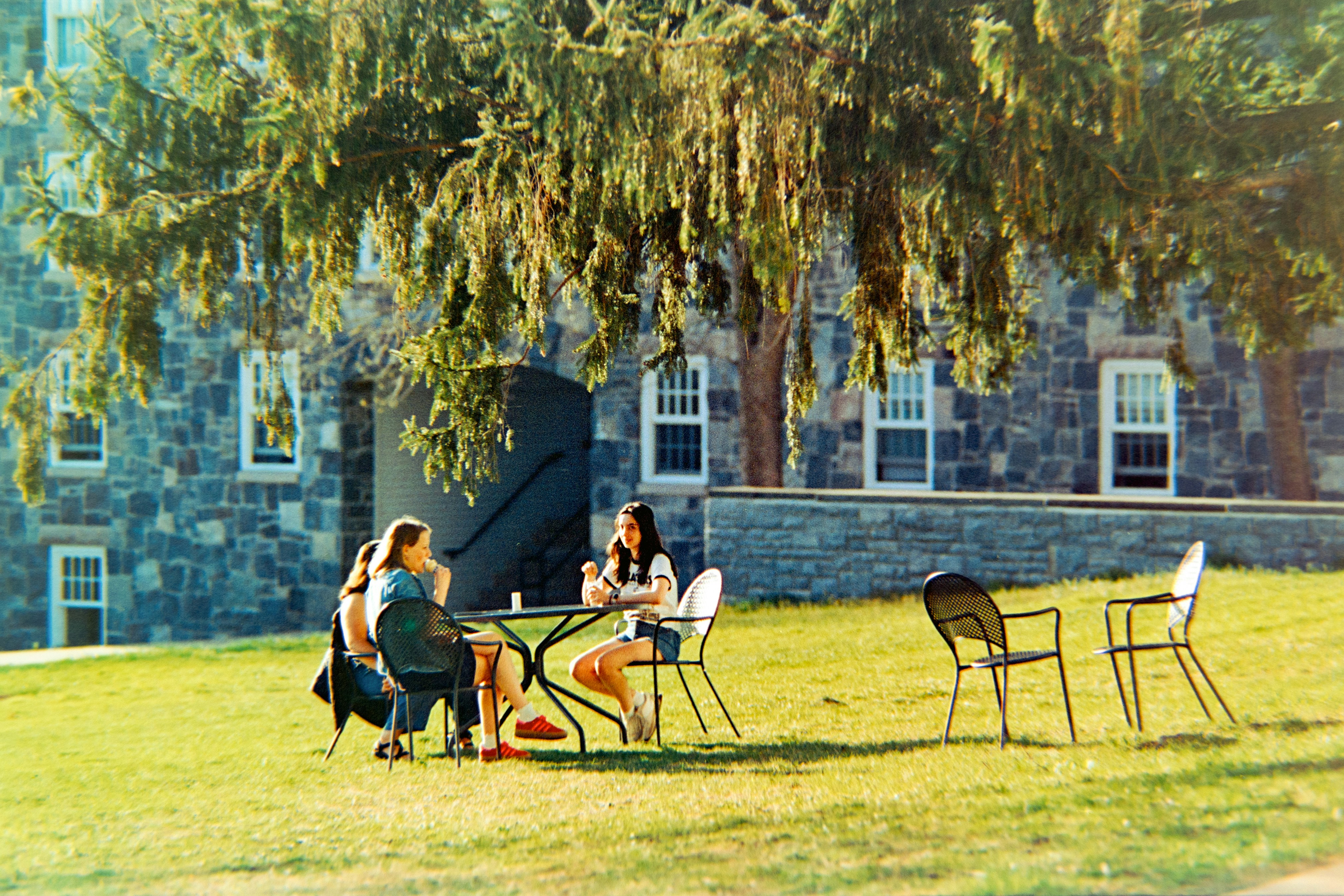
Robotics have become a visible emblem of the campus dining century: a handful of new schools join the movement this semester, extending robot-powered deliveries to campuses like the University of Mississippi, Prairie View A&M University, Howard University, the University of New Mexico, and the University of Houston. On more than 20 campuses, these couriers carry hundreds of thousands of meals, the scale of which would have been unthinkable a few years ago. The surge—robotic deliveries up 500% in 2023—speaks to a student appetite for speed and a university appetite for labor relief.
Beyond the machines, the strategy rests on collaborations that realign campus logistics. The robots travel under the banners of Cartken, Kiwibot, and Starship, while institutions enjoy faster service during peak dining hours and a calmer workload for traditional delivery staff. The data behind the scenes reveals not only convenience but efficiency: more orders completed on time, fewer repeat trips, and an ecosystem that ties into on-campus services, meal plans, and campus card systems. Taken as a whole, the robotics push signals a shift in expectations: students demand seamless access, and universities accept the cost of innovation to meet it.

Universities react with measured optimism, noting tangible improvements to campus life. The robotic layer reduces friction during busy lunch windows, and the streamlined ordering process aligns with modernized student services. Students appreciate the predictability of service times and the expanded array of dining options, while the visibility of balances on the campus home page sanctifies financial planning amid shifting class timetables. As technology integrates with meal plans and campus card systems, the campus experience becomes more cohesive, a quiet upgrade that makes daily rituals feel less hurried and more intentional.
From the administrators’ viewpoint, the appeal lies in simplicity and scale: a tech-enabled veneer that touches routines without upheaval. For students, the payoff is convenience, from broader dining access to the reassurance of knowing funds on hand. The on-campus experience becomes a single interface, where meal plans, student services, and digital wallets converge. The promise is time saved, more predictable dining moments, and a sense of being seen in a busy academic landscape. Yet behind the optimism, campuses watch usage patterns and costs, mindful that technology must serve people as much as processes.
Timelines and partnerships reveal Grubhub’s determined season of growth. Just Walk Out technology has already stepped into on-campus convenience stores at Stevens Institute of Technology, Montclair State University, and Loyola University Maryland, with Ursinus College, the University of Virginia, and Lindenwood University slated for the upcoming semester. Earlier in the year, Grubhub deepened ties with Amazon, enabling Prime members to access Grubhub+ membership at no cost and weaving Grubhub delivery into Amazon’s website and Shopping App. In June, a separate alliance with Starbucks broadened the ecosystem. These moves braid Grubhub more tightly into campus routines.
Taken together, the partnerships sketch a deliberate pathway: campus life is a network in which students move easily between dining, retail, and reward structures. The Just Walk Out deployments, the Amazon tie-ins, and the Starbucks collaboration illustrate a broader industry pattern—a shift toward omnichannel campus commerce where loyalty and convenience intertwine. For students, the result is smoother access and more integrated experiences; for universities, a tool to attract engagement within budgetary realities. The rhythm of campus commerce is changing, and Grubhub appears resolved to conduct the score.
Yet every bold shift carries questions about sustainability and fairness. Taken together, Grubhub’s campus push hints at a future where data‑driven, frictionless campus retail becomes standard across higher education. If the trajectory holds, students may gain time savings, more reliable dining options during peak hours, and deeper engagement with digital wallet ecosystems. For Grubhub, the ambition is to position the brand as a central hub in campus life, elevating expectations for what food service and everyday transactions can feel like in a university setting.
Gaps and uncertainties remain. Adoption levels across diverse campuses vary, the long-term viability of robotic delivery under different weather and infrastructure conditions is unproven, and how these services scale with evolving budgets and meal plans remains to be seen. While hundreds of thousands of robot-delivered orders and a 500% growth figure for 2023 are impressive, granular campus-by-campus data on usage, cost savings, and labor impact is scarce. Administrators will monitor integration hurdles, privacy considerations, and the balance between automated and human delivery to ensure consistent, trustworthy experiences for students and staff.