
Photo by shen wenjie on Unsplash
Seasonal Frenzy Reshapes Fast-Casual
Holiday-driven menu drops fuse nostalgia with wellness, turning menus into living calendars for fast-casual brands.
Menu Development
Apr 28, 2026
Photo by shen wenjie on Unsplash
Holiday-driven menu drops fuse nostalgia with wellness, turning menus into living calendars for fast-casual brands.
Apr 28, 2026
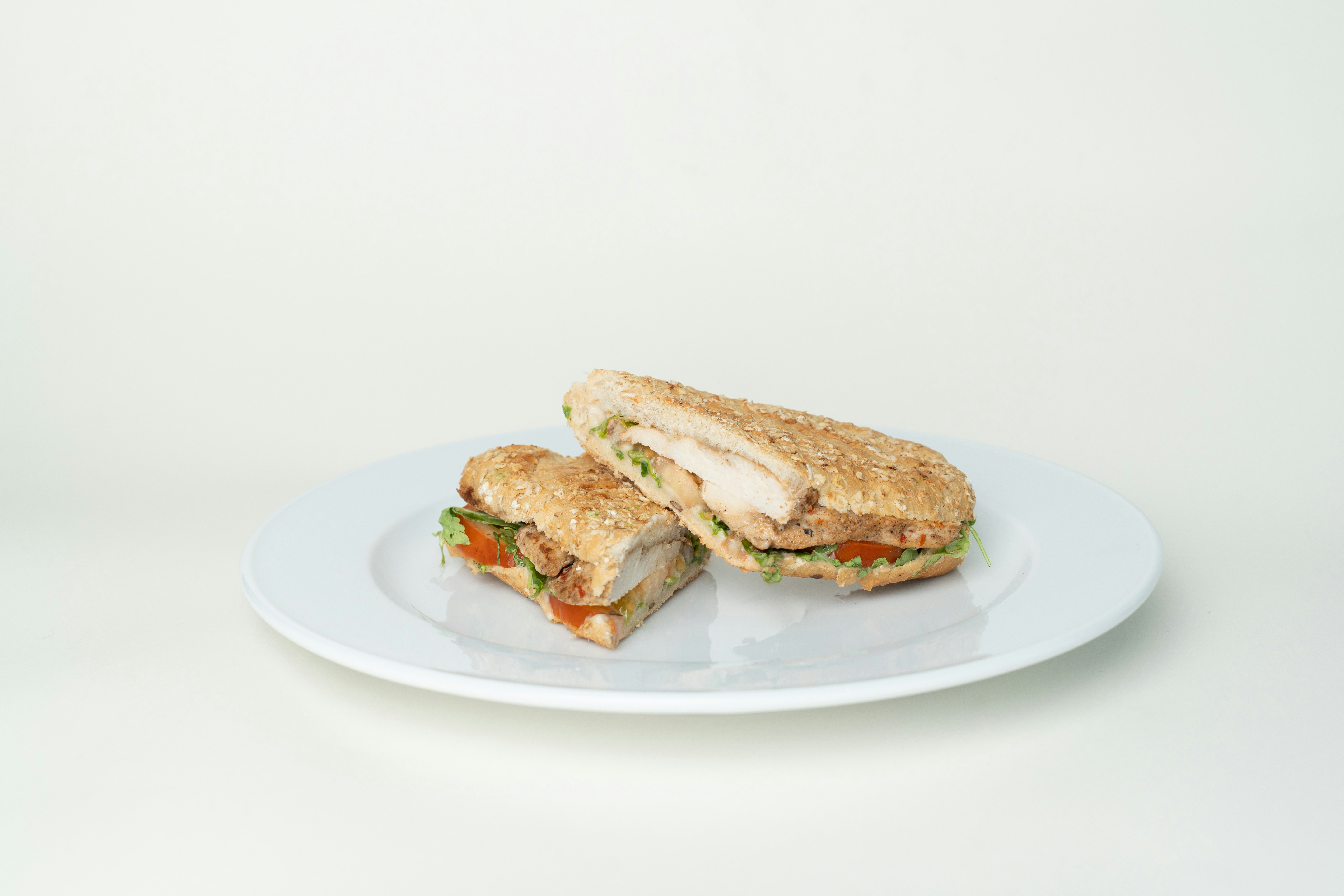
Photo by Abdul Raheem Kannath on Unsplash
Susannah Frost named Chick-fil-A President, joining Cliff Robinson as COO to guide domestic expansion and international growth.
Apr 28, 2026

Photo by Moon Bhuyan on Unsplash
Ghost pepper-led promotions redefine autumn menus as chains blend heat, storytelling, and seasonal collaborations to drive foot traffic.
Apr 28, 2026

Photo by Noah Martinez on Unsplash
CAVA rolls out Garlic Ranch Pita Chips with a Steak + Harissa Bowl and a refreshed Rewards program, tying flavor innovation to personalized guest experiences.
Apr 28, 2026

Photo by Kate Trysh on Unsplash
Applebee’s launches Pick 6 Mondays, offering free wings with a $10 purchase when a Pick 6 occurs on Sundays, driving game-day momentum across dine-in and To Go.
Apr 28, 2026
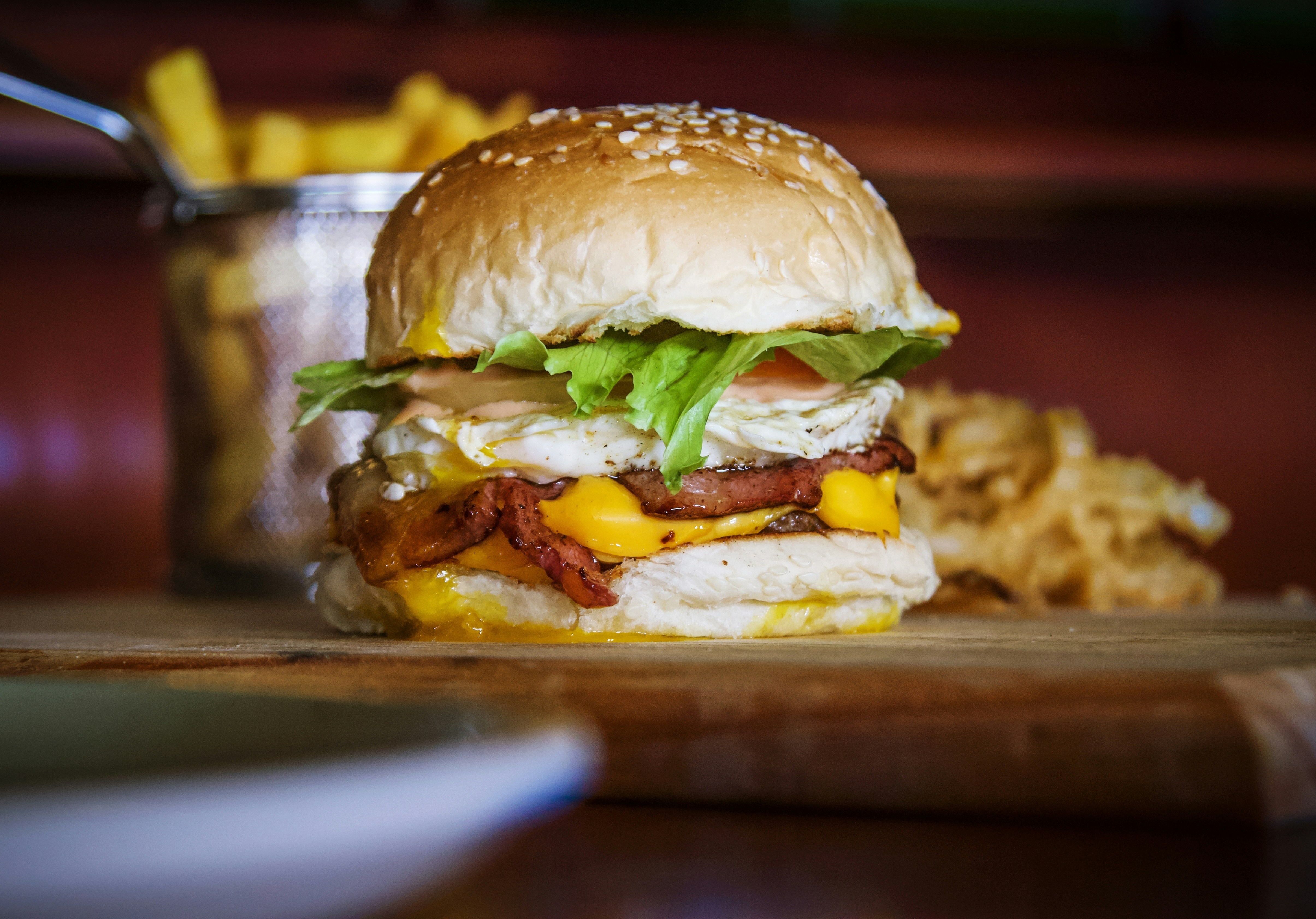
Photo by Stu Moffat on Unsplash
Beatrice Nguyen explores how leadership blends speed, loyalty, and standardized operations to grow Shake Shack while preserving its signature experience.
Apr 28, 2026
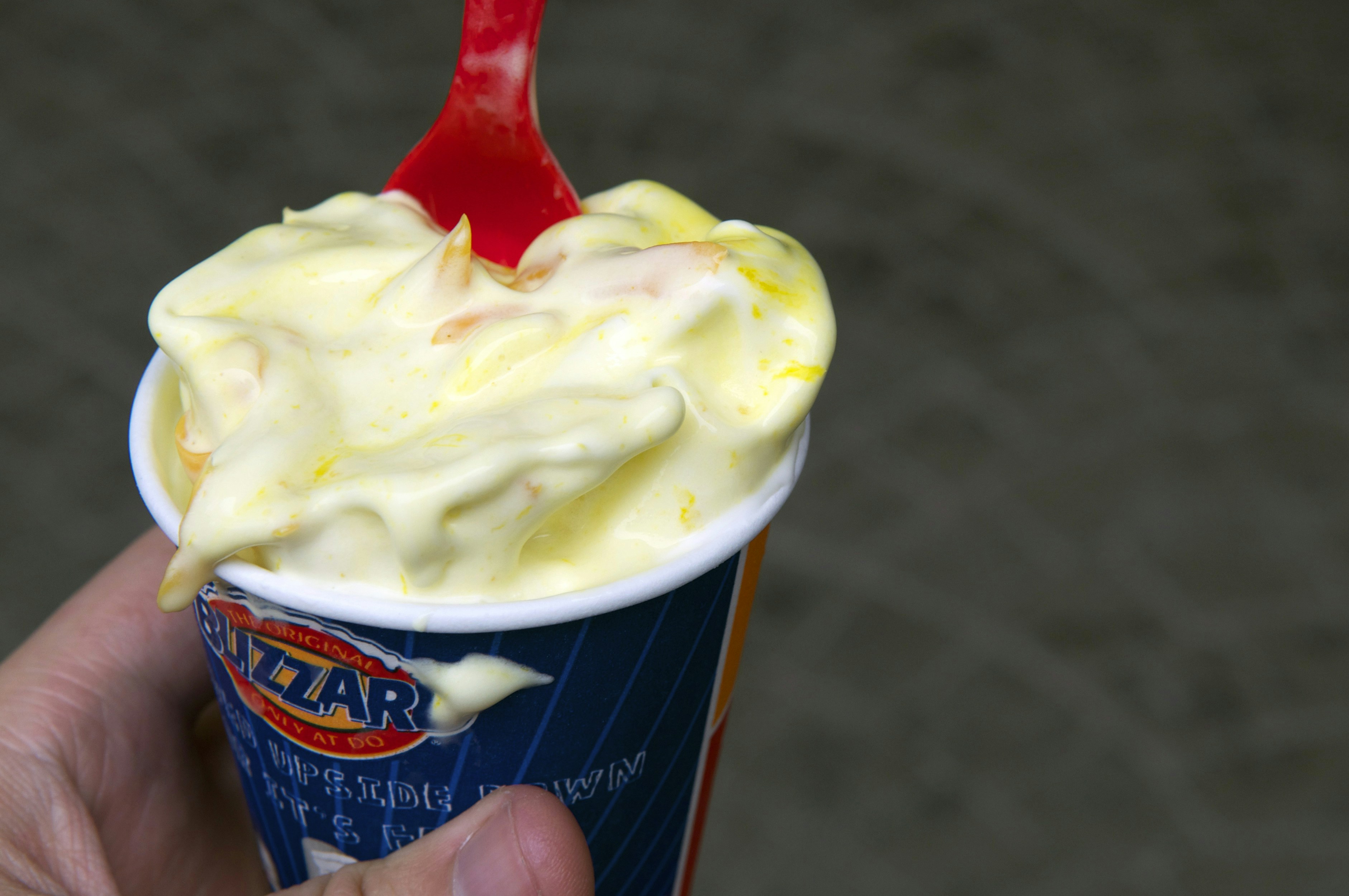
Photo by tommao wang on Unsplash
Freddy’s expands with a 23,000-sq-ft Training & Innovation Center to boost franchise profitability and unit growth toward 800+ by 2026.
Apr 28, 2026
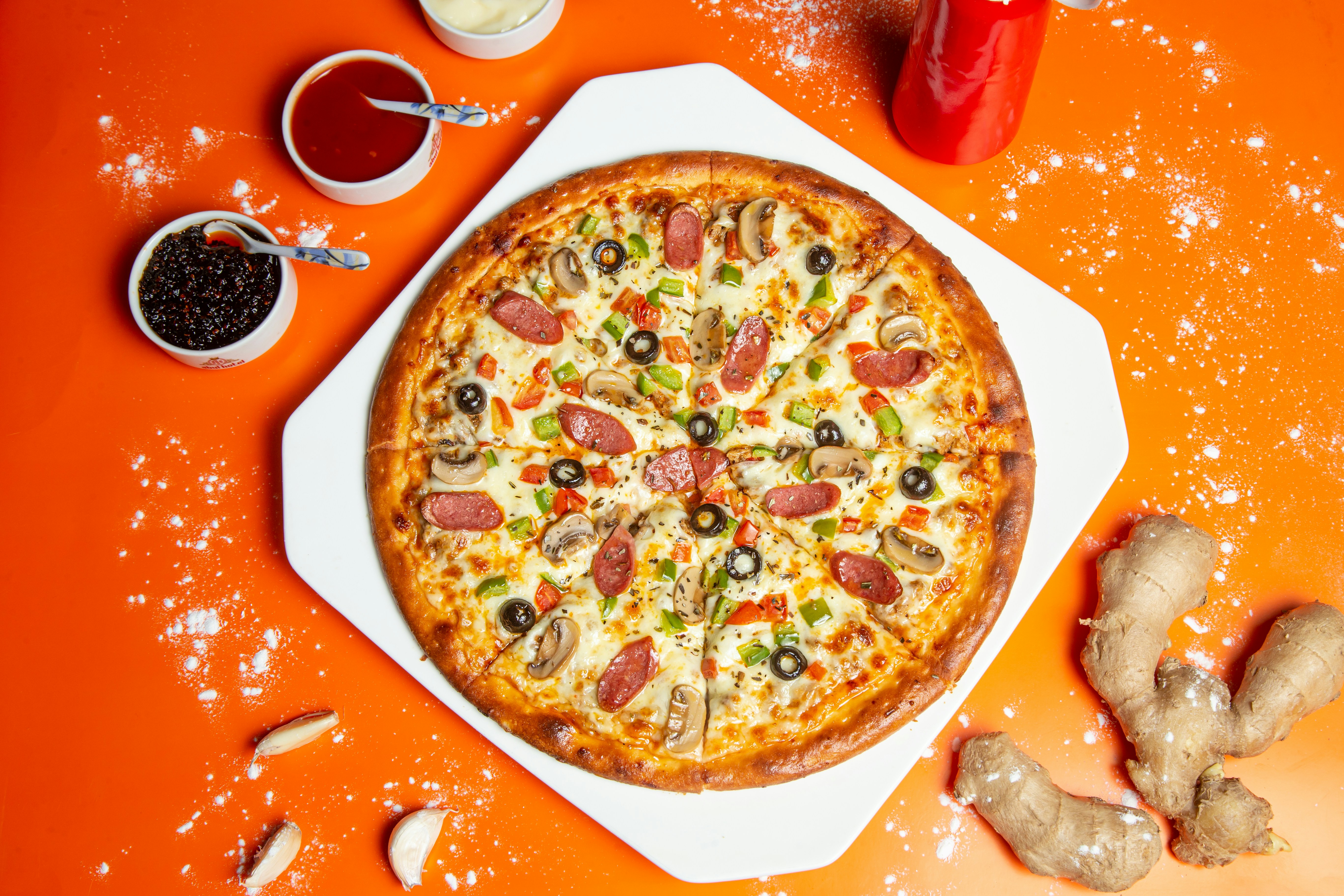
Photo by Shourav Sheikh on Unsplash
Chapter 11 roils EYM’s Pizza Hut footprint, with auctions and asset sales reordering stores across IL, WI, IN, GA, and SC.
Apr 28, 2026

Photo by Adolfo Félix on Unsplash
How AI-enabled training, robotics, and crypto rewards are reshaping guest experience and workforce in modern restaurants.
Apr 28, 2026

Photo by Meghan Rodgers on Unsplash
Candace Nelson headlines CREATE 2024 in Nashville, sharing her journey from finance to Sprinkles and Pizzana, with practical roadmaps for growth-minded restaurateurs.
Apr 28, 2026
Hostmore’s bid to merge with TGI Fridays’ franchisor collapses, triggering a market dive and a look at asset-backed financing’s fragility.

Photo by Kate Trysh on Unsplash
On paper, it looked like a big win for growth. In practice, the Hostmore-TGI Fridays bid unraveled fast. The plan was an all-share transaction valued at about $220 million, aimed at combining Hostmore’s UK stores with the Dallas-based franchisor and taking the merged group public in London. Investors watched a drama unfold in real time: shares slid more than 91 percent on Monday, as confidence in the deal melted away. The arc wasn’t just about a single company. It exposed how a financing structure built on assets and royalties can collapse when the backbone cracks.
That big promise was about to be tested: the plan would merge Hostmore’s UK stores with the Dallas-based parent and take the combined entity public in London. The ambition hinged on a network of asset-backed structures that could unlock value across borders. But the early signs of trouble were clear: debt headwinds and governance questions loomed as regulators and bondholders watched the clock.
Hostmore positioned itself as Fridays’ largest global franchisee, with a plan to stitch together its UK corporate stores and the Dallas-based parent. The aim was simple in theory: stabilize the international footprint, shed unprofitable ventures, and reshape the brand's capital stack for growth. It wasn’t just a deal idea; it was a test of Hostmore’s appetite for cross-border execution and for recasting a casual-dining giant’s future.
External commentary at the time highlighted how ambitious the bid was. The plan would merge Hostmore’s UK stores with the franchisor, a move that could reframe Fridays’ international presence and unlock synergies in theory. Yet the machinery behind the deal was heavy—leverage, multiple platforms, and the risk of asset-backed financing complicating governance. The Caterer pointed to Hostmore’s ambition to restructure and the allure of a nearer-term London listing, even as the balance-sheet reality loomed.
The unraveling traced to a loss of day-to-day management of critical assets tied to TGIF Funding, the vehicle that holds rights to restaurant royalties under a 2017 ABS. Bondholders approved a change in control that transferred these powers away from the franchisor and into the hands of FTI Consulting, a firm serving as interim manager after missed documentation deadlines. The change disrupted the collateral framework that underpinned the 2017 ABS, and it effectively removed the franchisor from key revenue streams and asset-control.
In parallel, credit-rating and restructuring analyses described the situation as a likely cross-default trigger, with rating agencies signaling increased risk of default as a result of the governance shift and misfiled or late-submitted documents to bondholders. The cascade of asset-control moves, combined with an inability to deliver required paperwork, widened the gap between a hopeful strategic deal and the hard financial realities on the balance sheet.
"recover any meaningful value for its ownership," Hostmore stated, underscoring the severity of the breakdown. That line captured the sting felt by investors, creditors, and employees alike. The asset-control setback—paired with broader governance upheaval—had transformed a strategic opportunity into liquidity risk and delisting danger. The market reflected the gravity of the missteps: a sharp stock drop and a rewired near-term horizon as the industry watched how the asset stack would be resolved going forward.
The public narrative painted a watershed moment for a brand that once looked to a high-profile cross-border consolidation, and the reaction was loud across outlets following Bloomberg’s coverage.
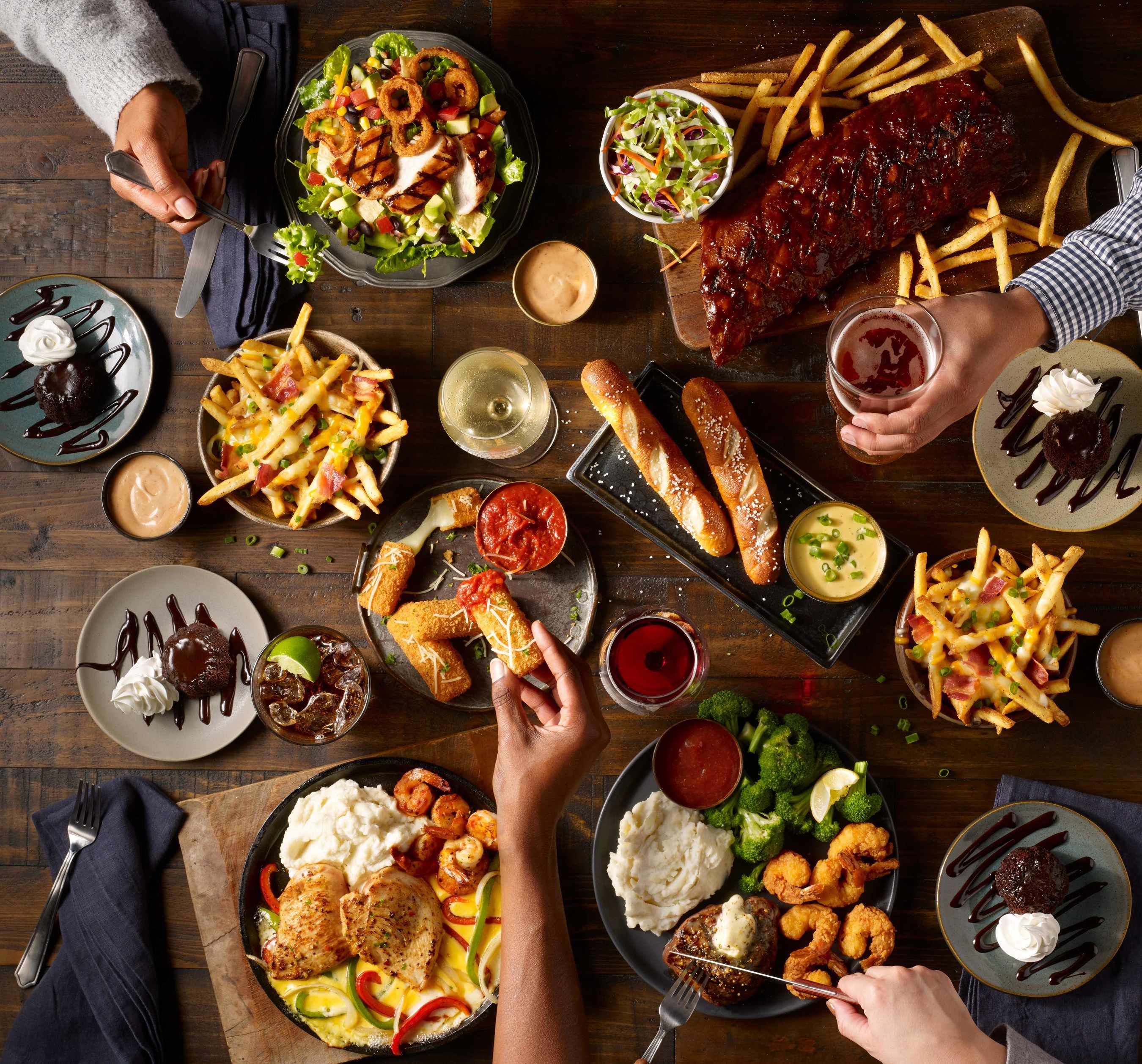
Industry context places this episode in a tougher era for casual-dining growth. Technomic Ignite data placed TGI Fridays at No. 79 among U.S. chain restaurants for 2023, with $702 million in sales across 233 domestic units. That scale isn’t small, even amid headwinds. The collapse highlights how a franchisee-franchisor relationship, laced with asset-backed financing and cross-border ambitions, can magnify risk when governance or reporting falters.
When the structure falters, the ripple effects hit both sides of the ecosystem. Asset-backed arrangements underpin the financing backbone, and missteps in governance can delay or derail a public listing, a reorganization, or even the sale of individual units. The broader takeaway? Due diligence and resilient financing matter as much as a bold strategic vision.
Conclusion: The Hostmore-TGI Fridays episode serves as a case study in the risks and rewards of cross-border, cross-entity consolidation in the restaurant sector. It demonstrates how a transaction meant to reshape a global brand can be derailed by asset-control disputes, mismanaged documentation, and the fragility of securitized revenue streams. For operators and lenders, the takeaway is clear: clear governance, robust reporting, and executable plans that can withstand execution risks matter. As the dust settles, observers will watch how the UK operations and global franchising framework adapt to a new ownership reality, and whether the market can still find value in a landscape anchored to asset-heavy financing and complex regulatory dynamics.