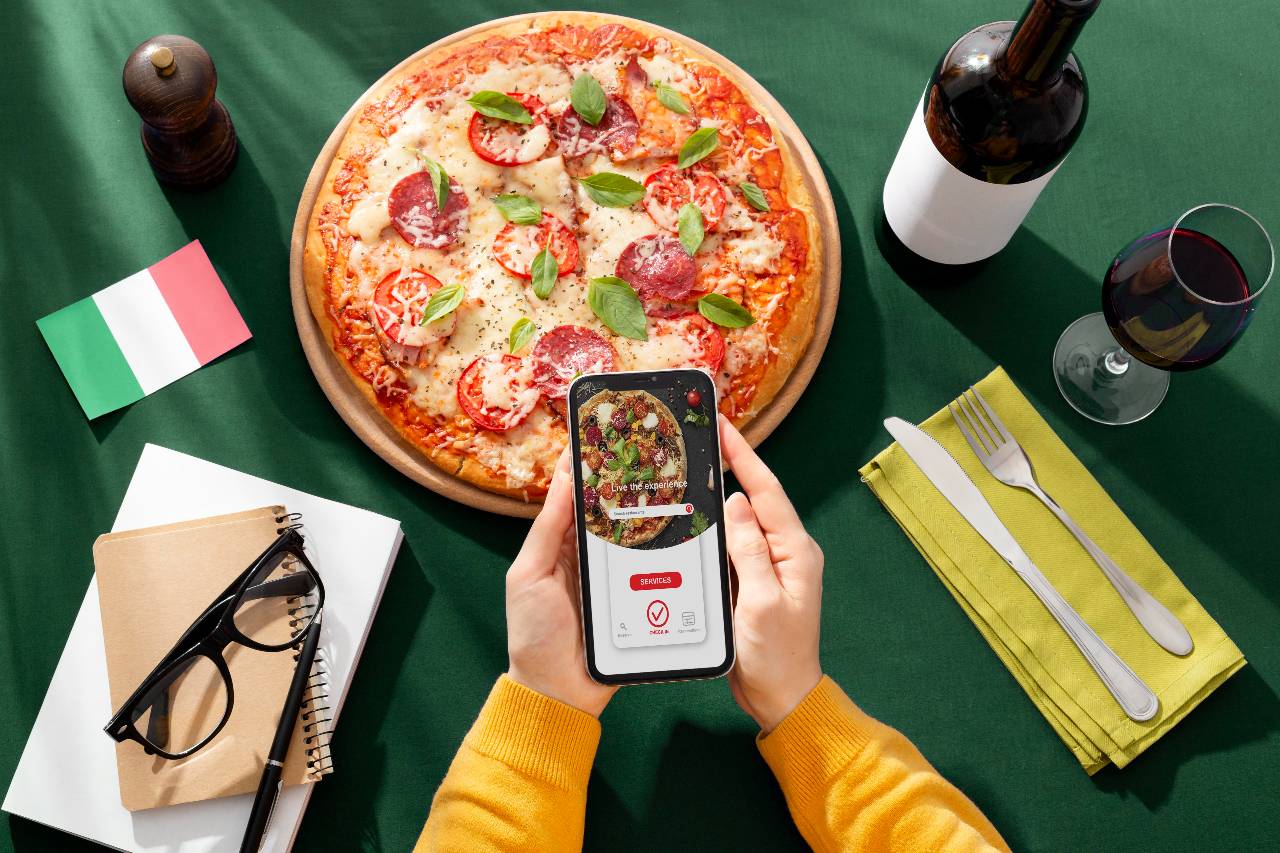
Best Restaurant Marketing Ideas for 2026
This guide outlines restaurant marketing ideas that help operators attract nearby customers, convert demand faster, and strengthen long-term retention.
marketing ideas
Apr 16, 2026
This guide outlines restaurant marketing ideas that help operators attract nearby customers, convert demand faster, and strengthen long-term retention.
Apr 16, 2026

A clear host training process helps restaurants manage greetings, waitlists, reservations, seating decisions, and guest communication more consistently.
Apr 15, 2026
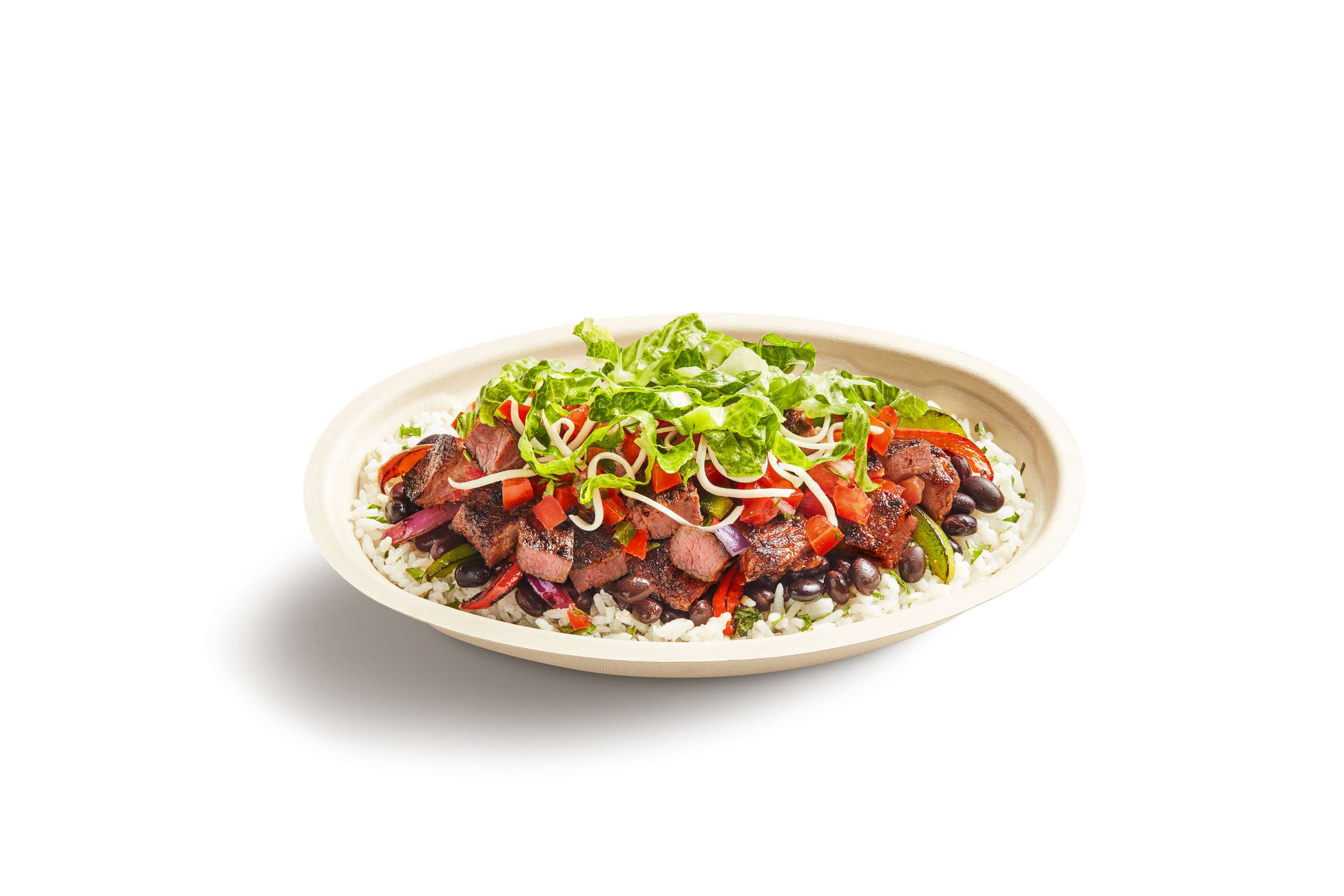
Chipotle reshapes loyalty with Rewards on Repeat, blending in-store promotions, staff incentives, and simpler redemption to boost traffic.
Apr 16, 2026

Photo by Salah Ait Mokhtar on Unsplash
A refined look at Papa Murphy’s strategy as MTY guides a cautious turnaround amid a crowded pizza landscape—digital play, local marketing, and a new Detroit-style offering.
Apr 16, 2026

Photo by Sergio Mena Ferreira on Unsplash
Mo’ Bettahs leaves Kansas City as it pivots to a PE-backed national expansion to Phoenix, Indianapolis, and Minneapolis.
Apr 16, 2026

Photo by Kate Trysh on Unsplash
Applebee’s O-M-Cheese Burger fuses spectacle with value, driving social buzz and foot traffic—a signal for the skillet-cheese moment in casual dining.
Apr 16, 2026

Photo by Diego Mattevi on Unsplash
GoTo Foods taps Misra and Lambert to harmonize digital momentum with disciplined development across seven brands, aiming for stronger guest experiences and franchisee economics.
Apr 16, 2026
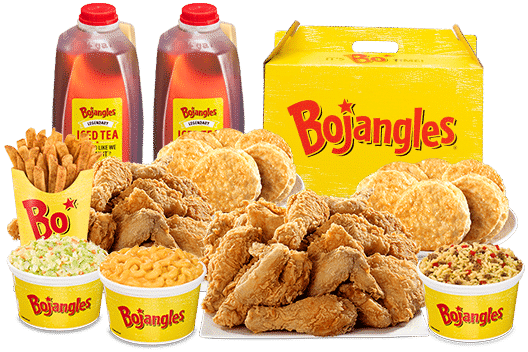
Bojangles launches Bo’s Chicken Rippers in an eight-week pilot, turning bites into a hands-on, sauce-forward experience with interactive, tear-apart slabs.
Apr 16, 2026
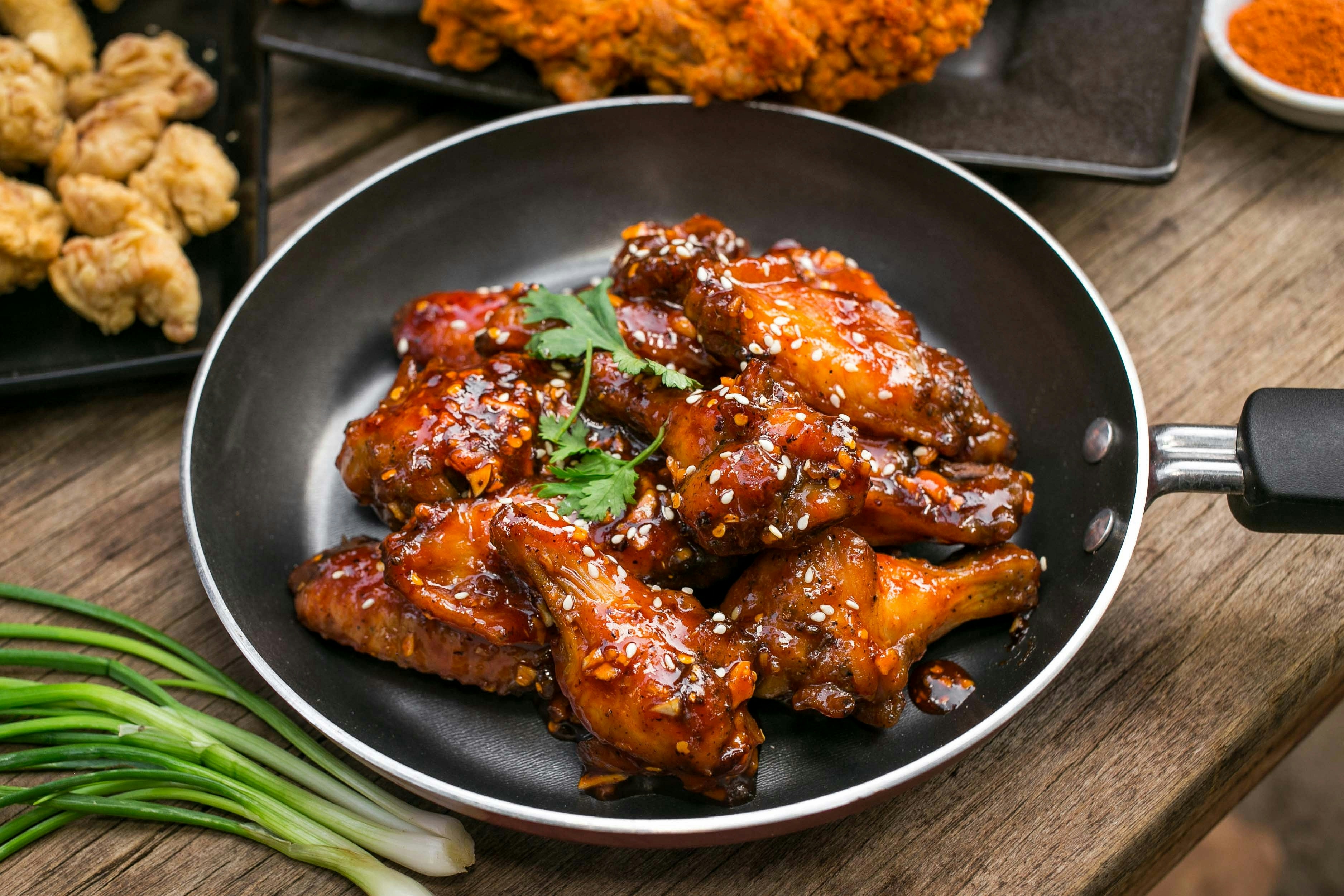
Photo by Jim Sosengphet on Unsplash
Popeyes teams with One Piece for a limited menu and merch drop, blending bold flavors with anime fandom to boost traffic and loyalty.
Apr 16, 2026
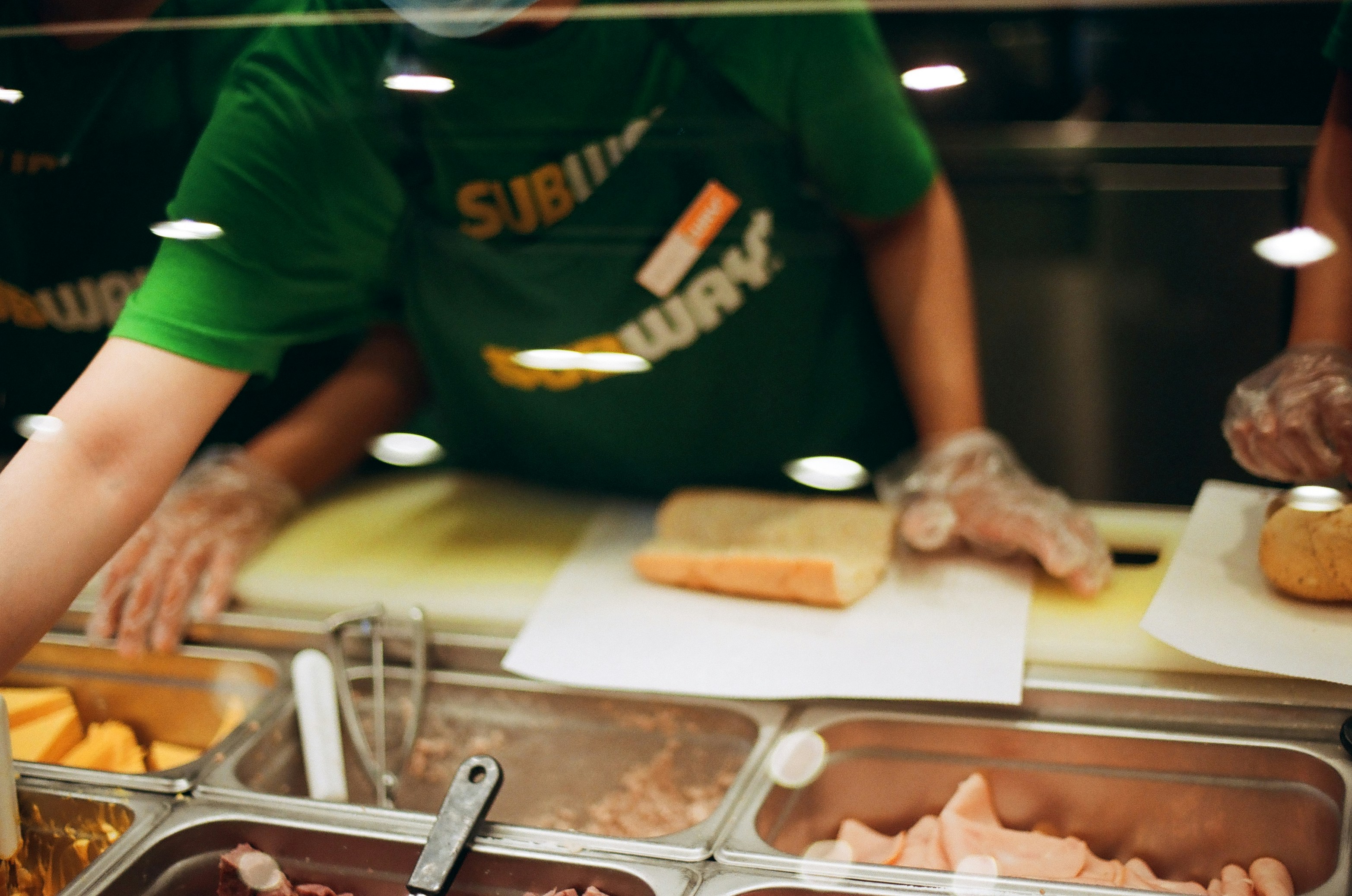
Photo by dedy kurniawan on Unsplash
A close look at Jersey Mike’s rapid expansion, leadership shift, and international push under Blackstone’s ownership.
Apr 16, 2026
Explore how targeted marketing and demand generation can revolutionize customer engagement and drive growth in the restaurant industry.

First Watch's adoption of targeted marketing and demand generation strategies showcases a shift towards precision in customer engagement. By leveraging data-driven insights and personalized campaigns, the restaurant chain aims to attract new customers while retaining existing ones. This approach allows the company to tailor its messaging to specific audience segments, increasing the likelihood of resonating with consumers on a more individualized level.
First Watch's use of diverse platforms, including social media and streaming services, highlights the importance of a multi-channel approach in reaching target audiences. By engaging with consumers across various digital touchpoints, the restaurant chain can effectively target lapsed consumers, recent visitors, and even those who have patronized competitors. This omnichannel strategy enables First Watch to stay top-of-mind and cultivate lasting connections with diverse customer groups.
Chris Tomasso's acknowledgment of the positive outcomes from the targeted marketing initiatives underscores the importance of measuring campaign effectiveness. By analyzing key performance indicators and consumer response metrics, First Watch can refine its strategies for optimal impact. This iterative process of data-driven decision-making allows the company to adapt to dynamic market conditions and continuously optimize its customer engagement efforts.
In addition to marketing initiatives, First Watch's focus on operational excellence, as evidenced by the improved employee turnover rates, plays a crucial role in enhancing the overall customer experience. By prioritizing internal promotions, implementing efficient scheduling tools, and providing comprehensive training programs, the chain ensures a motivated and skilled workforce. Sustained operational excellence complements targeted marketing efforts by delivering consistent service quality to customers.
Despite facing hurdles like the impact of Hurricane Milton on development timelines, First Watch remains committed to its ambitious growth objectives. The company's resilience in addressing unforeseen challenges reflects a long-term perspective on expansion. Through strategic planning, adaptability, and a customer-centric approach, First Watch aims to scale its operations to 2,200 locations while maintaining customer engagement and satisfaction.