
Photo by shen wenjie on Unsplash
Seasonal Frenzy Reshapes Fast-Casual
Holiday-driven menu drops fuse nostalgia with wellness, turning menus into living calendars for fast-casual brands.
Menu Development
Apr 28, 2026
Photo by shen wenjie on Unsplash
Holiday-driven menu drops fuse nostalgia with wellness, turning menus into living calendars for fast-casual brands.
Apr 28, 2026
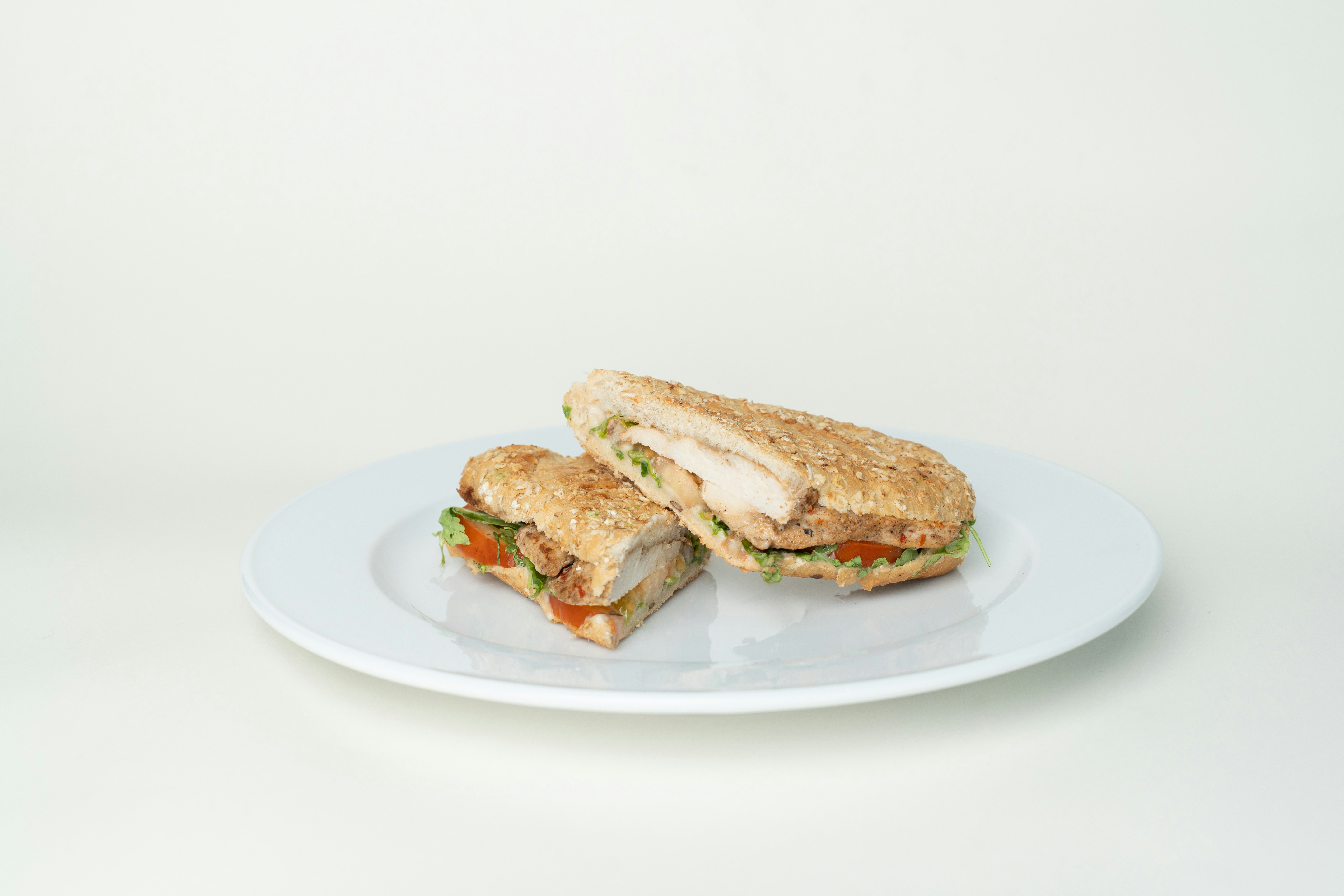
Photo by Abdul Raheem Kannath on Unsplash
Susannah Frost named Chick-fil-A President, joining Cliff Robinson as COO to guide domestic expansion and international growth.
Apr 28, 2026

Photo by Moon Bhuyan on Unsplash
Ghost pepper-led promotions redefine autumn menus as chains blend heat, storytelling, and seasonal collaborations to drive foot traffic.
Apr 28, 2026

Photo by Noah Martinez on Unsplash
CAVA rolls out Garlic Ranch Pita Chips with a Steak + Harissa Bowl and a refreshed Rewards program, tying flavor innovation to personalized guest experiences.
Apr 28, 2026

Photo by Kate Trysh on Unsplash
Applebee’s launches Pick 6 Mondays, offering free wings with a $10 purchase when a Pick 6 occurs on Sundays, driving game-day momentum across dine-in and To Go.
Apr 28, 2026
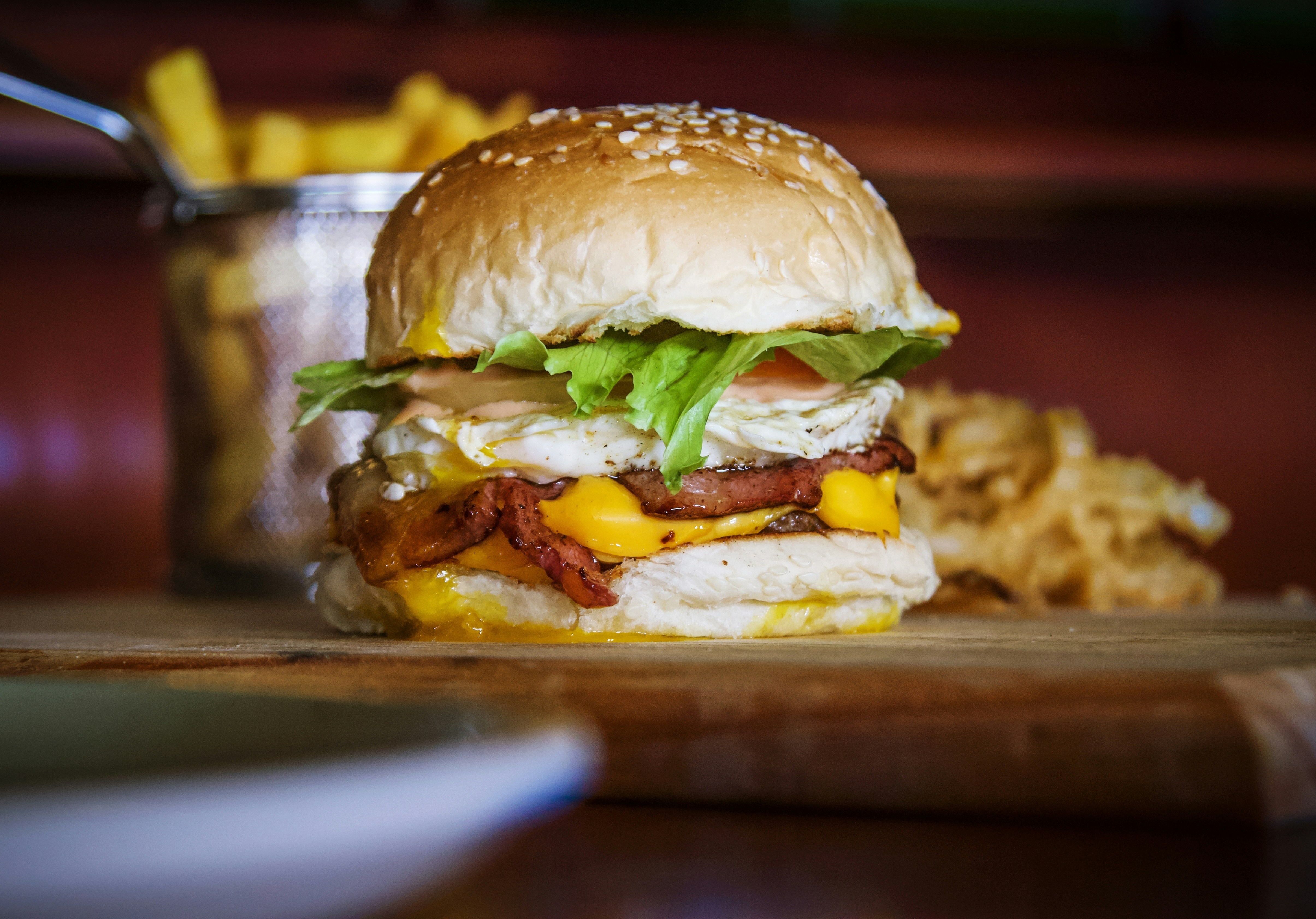
Photo by Stu Moffat on Unsplash
Beatrice Nguyen explores how leadership blends speed, loyalty, and standardized operations to grow Shake Shack while preserving its signature experience.
Apr 28, 2026
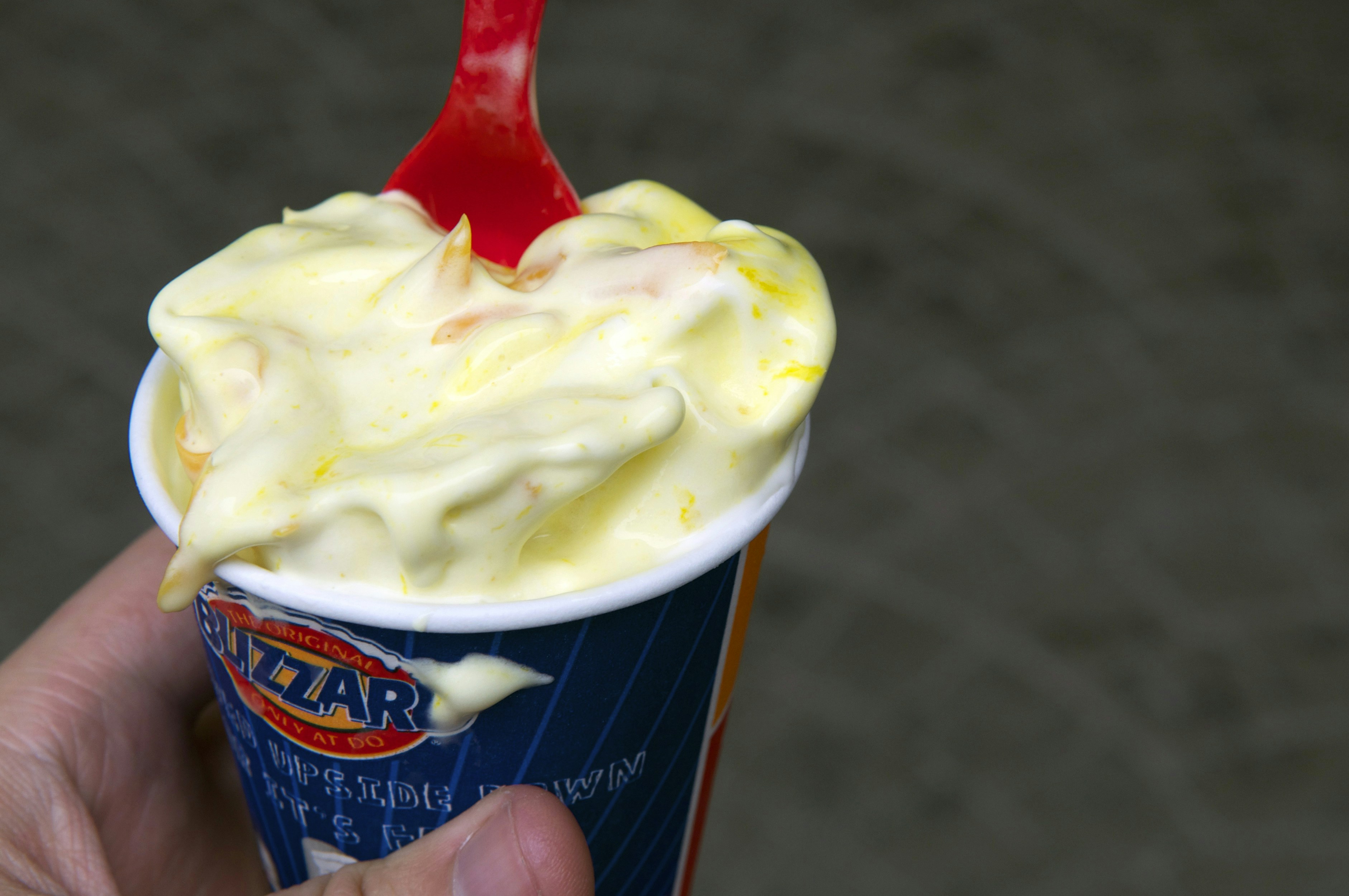
Photo by tommao wang on Unsplash
Freddy’s expands with a 23,000-sq-ft Training & Innovation Center to boost franchise profitability and unit growth toward 800+ by 2026.
Apr 28, 2026
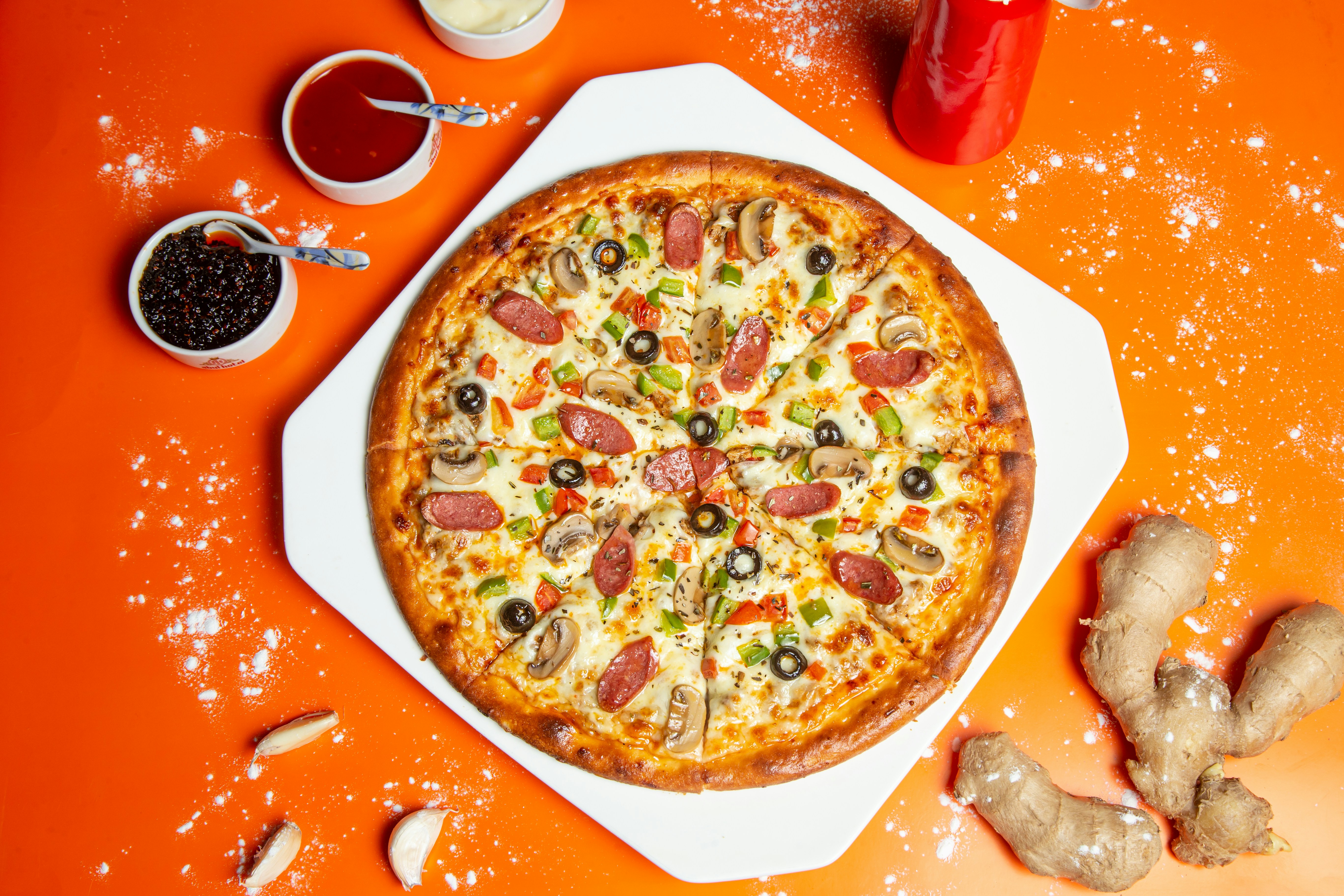
Photo by Shourav Sheikh on Unsplash
Chapter 11 roils EYM’s Pizza Hut footprint, with auctions and asset sales reordering stores across IL, WI, IN, GA, and SC.
Apr 28, 2026

Photo by Adolfo Félix on Unsplash
How AI-enabled training, robotics, and crypto rewards are reshaping guest experience and workforce in modern restaurants.
Apr 28, 2026

Photo by Meghan Rodgers on Unsplash
Candace Nelson headlines CREATE 2024 in Nashville, sharing her journey from finance to Sprinkles and Pizzana, with practical roadmaps for growth-minded restaurateurs.
Apr 28, 2026
The No Tax on Tips Act aims to exempt cash tips from federal income tax, sparking questions about wages, reporting, and credit access.

As the 2025 political season heats up, the No Tax on Tips Act takes center stage. Senators Ted Cruz of Texas, joined by Steve Daines of Montana, Rick Scott of Florida, and Kevin Cramer of North Dakota, introduced S.129 earlier this year with a bold aim: exclude cash tips from federal income tax, starting in 2025. The move isn’t a one-party flashpoint—it’s become a rallying cry at GOP events and a point of discussion in policy circles. Former President Donald Trump amplified it on the campaign trail, describing success stories and framing it as part of a broader tax-relief agenda. He recalled a Nevada server who complained, “the government’s after me all the time on tips, tips, tips.” The moment signals the scale of the debate: can tipping income be treated differently under federal law?
Under its current framing, the No Tax on Tips Act would shield cash tips from federal income tax while preserving carve-outs for those who itemize and those who take the standard deduction. Payroll taxes would stay in place, and state tax rules would continue where applicable, underscoring that the policy targets income-tax treatment rather than all taxation tied to tipped income. The legislative arc tracks with S.129, introduced in the Senate on January 16, 2025, and its progress mirrors a push from the political right to reshape how tipped income is treated. Trump framed it as a worker-friendly pledge at a Milwaukee GOP event, but he stopped short of detailing how it would be enacted, underscoring the gap between messaging and law.

Mechanics and Stakes
Beyond the headlines, the policy would redefine how tipped income is treated in federal taxes. If enacted, the No Tax on Tips Act would shield cash tips from federal income tax while preserving carve-outs for itemizers and the standard deduction. It would still leave payroll taxes and state tax rules intact, signaling a targeted shift in income-tax treatment rather than a wholesale change to tipped earnings. The Senate's pace on S.129—introduced January 16, 2025—and the campaign-era push behind it illustrate how a tax-relief concept can ride the politics of the moment while facing the friction of actual governance.
The Treasury Department and the IRS would play gatekeeper once a bill clears Congress. Not later than 90 days after enactment, they would publish a list of occupations that customarily and regularly receive tips and would define what counts as qualified tips for the deduction. Tips reported under tipping agreements and tip-sharing arrangements would face specific handling, and MAGI-based phaseouts would limit the deduction for higher earners. Observers add that this shift would not alter Social Security payroll taxes or other non-income tax components, keeping the discussion squarely on income-tax treatment.

Industry Voices: Supporters and Critics
Industry stakeholders weigh both potential benefits and tricky side-effects. The National Restaurant Association participated in early conversations with Cruz’s team, raising concerns about changes in tax reporting and how tips would show up on workers’ records. Sean Kennedy, the NRA’s executive vice president of public affairs, warned that a worker’s end-of-year paperwork could show far less income than earned in tips, potentially affecting access to credit. He also flagged how this could ripple into loan and credit markets and complicate workers’ financial lives. The debate soon expands to retirement benefits, with Kennedy noting that altered income reporting could influence Social Security benefits over time.
Public discussion framed No Tax on Tips as a pro-worker tax cut by Trump, while critics warn that turning a campaign promise into a workable regime is far from simple. The stakes aren’t just fiscal; they touch on how restaurants recruit, pay, and retain staff in a changing labor market. The policy’s fate rests on the balance between relief and the practicalities of reporting, benefits, and credit access.
From Bill to Regulation: Timeline and Costs
The legislative journey ran through the 119th Congress. S.129 was introduced in the Senate on January 16, 2025 and later advanced in the chamber. By May 2025, the Senate passed the measure, while a companion House bill (H.R.482) moved through Ways and Means as lawmakers weighed the best path to enactment. The broader package, known in legislation as the One Big Beautiful Bill Act (OBBBA), folded the tipping-deduction framework into the bill, with the Internal Revenue Service outlining that, for tax years 2025–2028, an allowed deduction for qualified tips would apply to cash tips reported to the tax authorities, subject to MAGI-based phaseouts and other limits.
Congressional and industry observers also highlighted the fiscal implications: analyses from the Joint Committee on Taxation and other budget offices projected a notable deficit impact under the tipping-deduction framework, signaling trade-offs lawmakers would weigh during final negotiations. The regulatory path, in other words, would be as important as the rhetoric that sparked the debate in the first place.
Industry Trends and Related Cases
Beyond federal action, tipping conversations have seeped into local policy debates. Major U.S. cities have experimented with tipped-wage adjustments, with Chicago moving toward eliminating the subminimum wage in its wage landscape. Trade groups and legal observers track how such changes interact with labor law, payroll reporting, and restaurant staffing. In the broader economy, the Yale Budget Lab and other think tanks have estimated the scope of tipped occupations and the potential distribution of benefits under a tipping-deduction regime.
Analyses consistently stress that tipping revenue forms a substantial portion of workers’ earnings, and any tax-policy change could shift recruitment, retention, and overall take-home pay. The Yale Budget Lab and similar research underscore who would gain and who might see limited impact, shaping arguments about policy design and political viability.

Uncertainties, Gaps, and the Road Ahead
Despite momentum, several uncertainties remain. The IRS has issued proposed regulations to define qualified tips and to publish the occupations list, but final rulemaking could evolve as comments come in and policymakers weigh revenue and equity considerations. Analysts warn that the policy’s ultimate effects depend on implementation details—how many workers would access the deduction, how it interacts with state wage laws and local tip-credit statutes, and whether tipping behavior shifts as a result.
The road ahead blends fiscal policy with everyday restaurant life. Final decisions will hinge on how the rulemaking tackles complexity, equity, and the practical realities of tipping culture in restaurants and beyond.