
Photo by shen wenjie on Unsplash
Seasonal Frenzy Reshapes Fast-Casual
Holiday-driven menu drops fuse nostalgia with wellness, turning menus into living calendars for fast-casual brands.
Menu Development
Apr 28, 2026
Photo by shen wenjie on Unsplash
Holiday-driven menu drops fuse nostalgia with wellness, turning menus into living calendars for fast-casual brands.
Apr 28, 2026
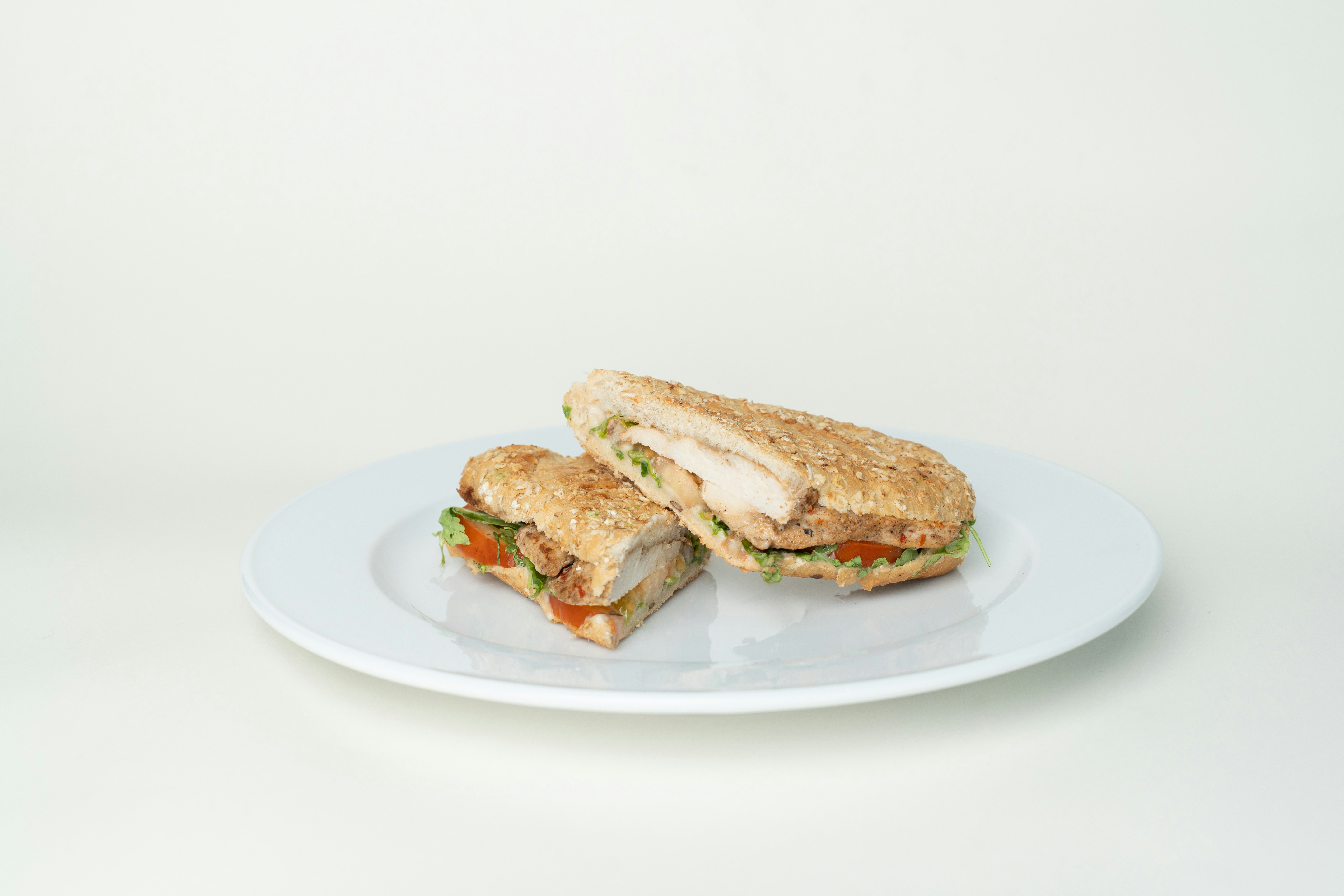
Photo by Abdul Raheem Kannath on Unsplash
Susannah Frost named Chick-fil-A President, joining Cliff Robinson as COO to guide domestic expansion and international growth.
Apr 28, 2026

Photo by Moon Bhuyan on Unsplash
Ghost pepper-led promotions redefine autumn menus as chains blend heat, storytelling, and seasonal collaborations to drive foot traffic.
Apr 28, 2026

Photo by Noah Martinez on Unsplash
CAVA rolls out Garlic Ranch Pita Chips with a Steak + Harissa Bowl and a refreshed Rewards program, tying flavor innovation to personalized guest experiences.
Apr 28, 2026

Photo by Kate Trysh on Unsplash
Applebee’s launches Pick 6 Mondays, offering free wings with a $10 purchase when a Pick 6 occurs on Sundays, driving game-day momentum across dine-in and To Go.
Apr 28, 2026
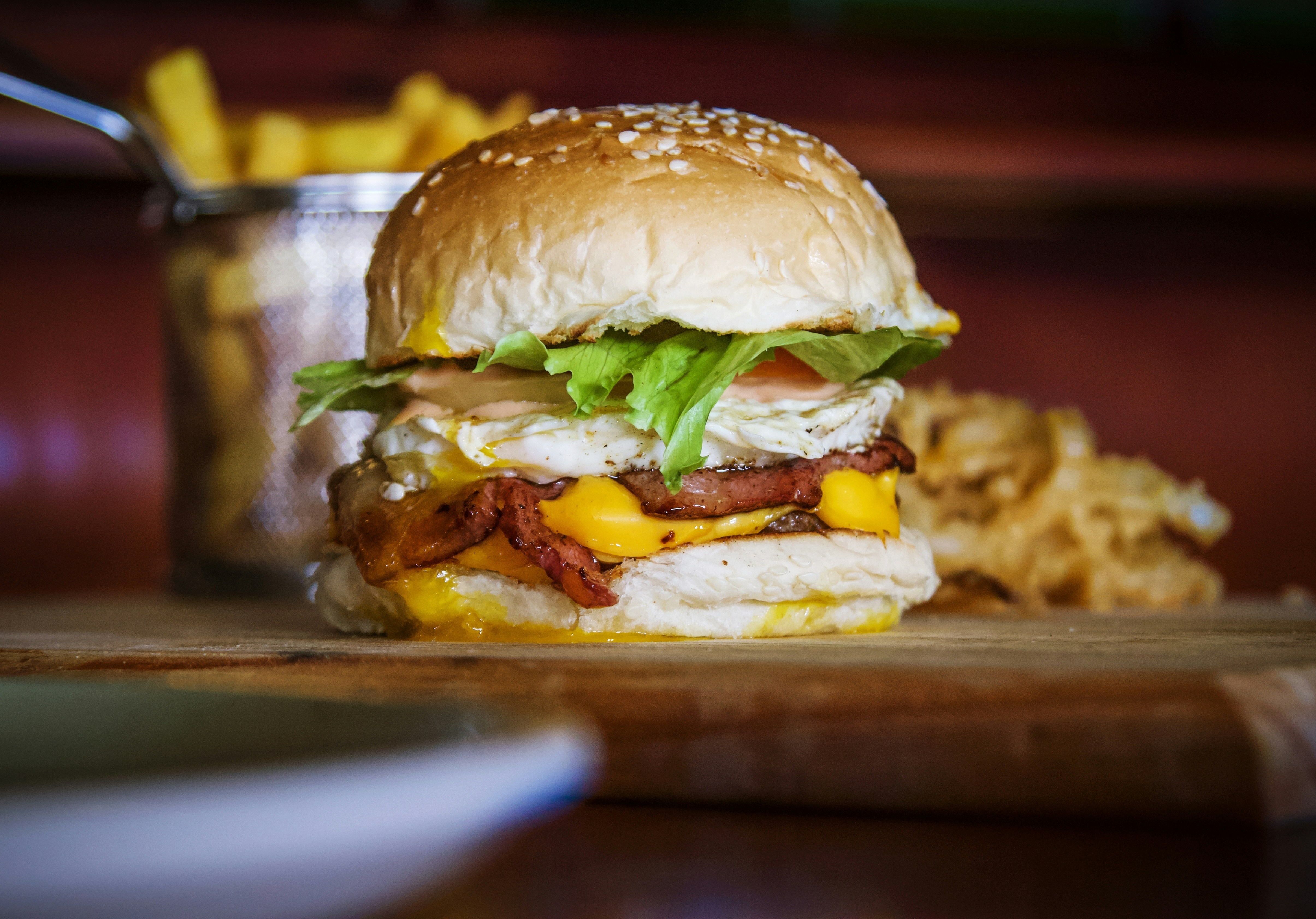
Photo by Stu Moffat on Unsplash
Beatrice Nguyen explores how leadership blends speed, loyalty, and standardized operations to grow Shake Shack while preserving its signature experience.
Apr 28, 2026

Photo by tommao wang on Unsplash
Freddy’s expands with a 23,000-sq-ft Training & Innovation Center to boost franchise profitability and unit growth toward 800+ by 2026.
Apr 28, 2026
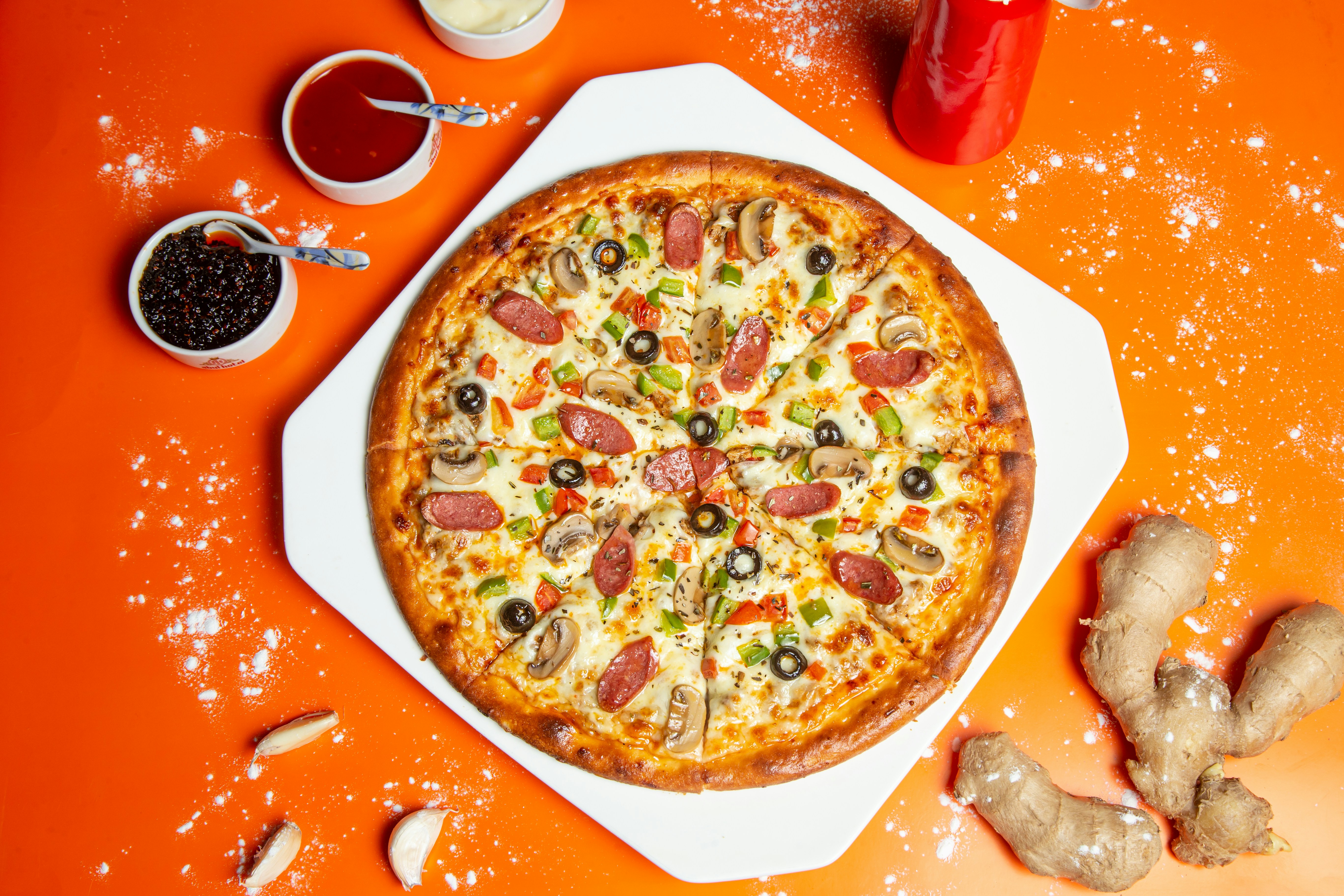
Photo by Shourav Sheikh on Unsplash
Chapter 11 roils EYM’s Pizza Hut footprint, with auctions and asset sales reordering stores across IL, WI, IN, GA, and SC.
Apr 28, 2026

Photo by Adolfo Félix on Unsplash
How AI-enabled training, robotics, and crypto rewards are reshaping guest experience and workforce in modern restaurants.
Apr 28, 2026

Photo by Meghan Rodgers on Unsplash
Candace Nelson headlines CREATE 2024 in Nashville, sharing her journey from finance to Sprinkles and Pizzana, with practical roadmaps for growth-minded restaurateurs.
Apr 28, 2026
New York City's delivery workers see base pay rise as tips recede, reshaping gig work under Local Law 115.
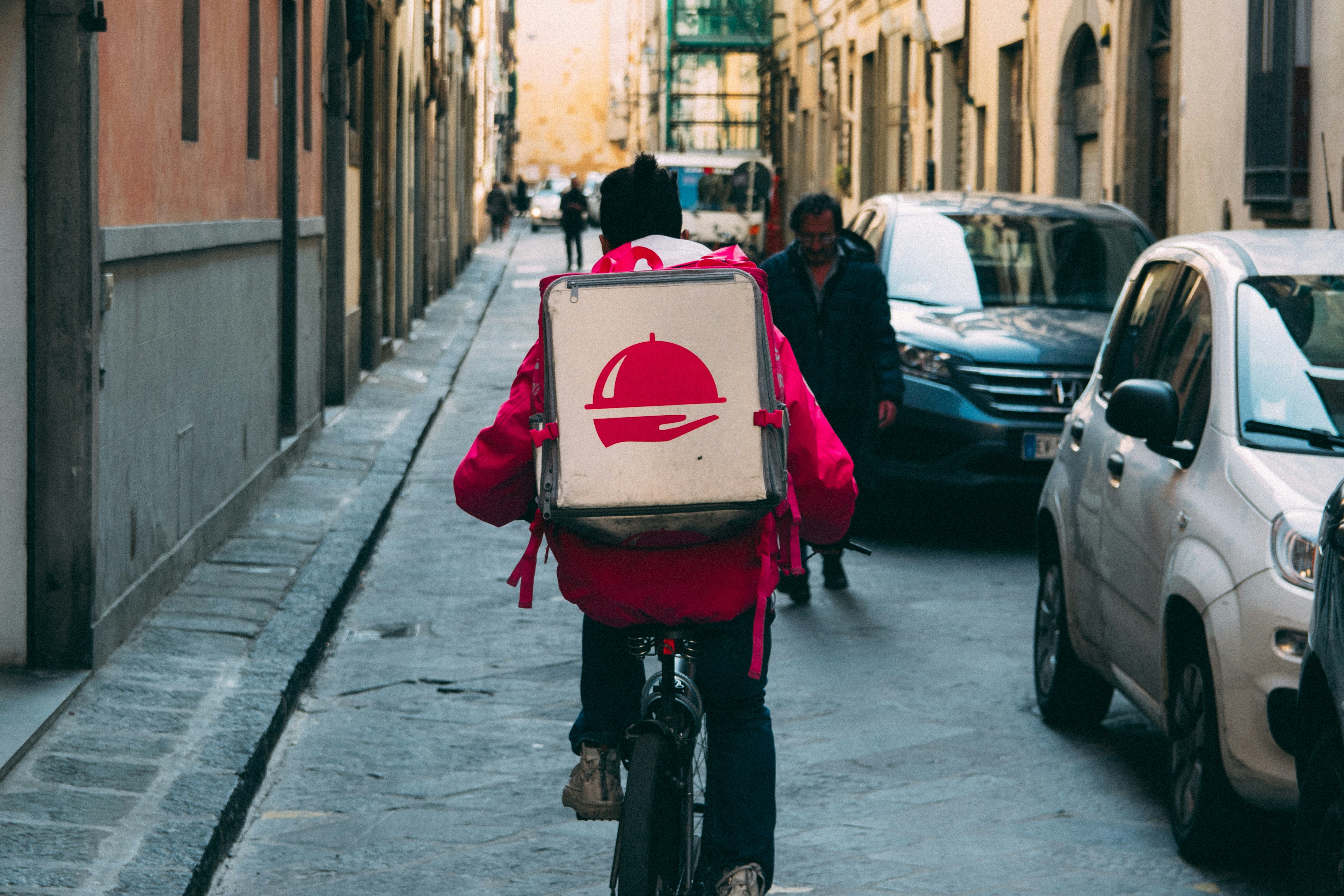
Photo by Kai Pilger on Unsplash
In New York City, a quiet recalibration is reshaping how delivery workers earn their keep. As a tipping-driven market edges toward a base-pay model, the pay envelope begins to feel more predictable and less volatile. In the first quarter of 2024, compensation dynamics on delivery apps intensified: tips reportedly fell to a fraction of their prior level, while platform fees paid by consumers climbed, and order subtotals rose only modestly. The shift is not only about numbers; it signals a redefinition of earnings where guaranteed pay starts to eclipse tips. DoorDash moved its tipping prompt from pre-checkout to post-checkout to align with wage regulations, a choice contested by critics who worry about dampened tipping.
That shift is echoed in the numbers: base pay begins to restructure earnings, tips recede, and consumers pay more in platform fees while order subtotals barely move. The practical effect is a labor market where guaranteed pay sits at the center of compensation, inviting a longer view of work as a steady, reliable income rather than a fast-flux tip-based earnings stream. For workers on the ground, the switch translates into a different rhythm of trips, waits, and deliveries, and for the city it signals a new anchor for fairness in gig work.
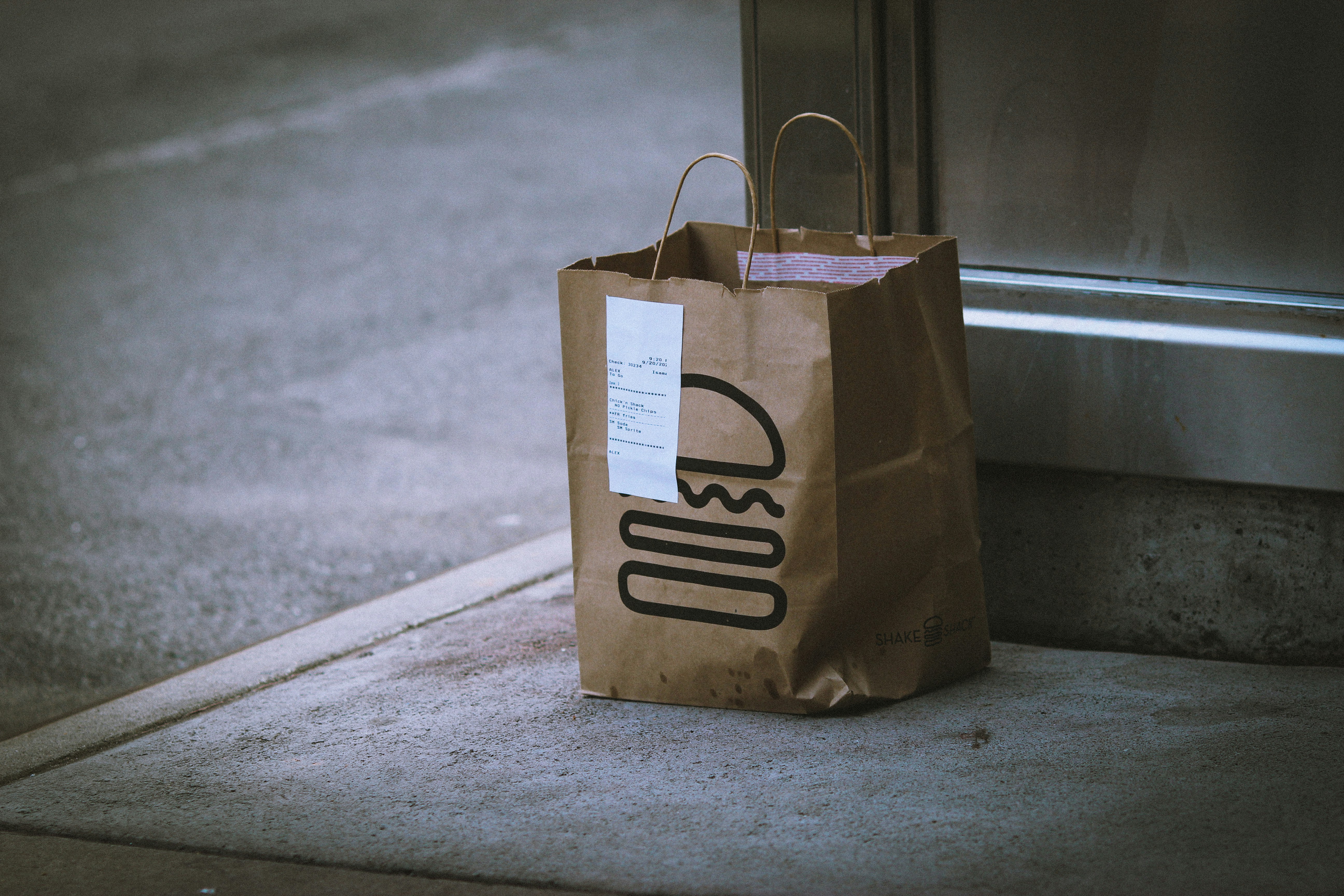
Under Local Law 115, the city moved to establish a wage floor for app-based delivery workers. The goal was to anchor earnings in a predictable baseline and counter the volatility tied to tips in a fast-paced, on-demand economy. The rules also mandated ongoing data reporting from delivery apps and an inflation-adjusted schedule of annual updates to the minimum pay rate. As the regime rolled out, more than 60,000 delivery workers were affected, with reports of wage gains and adjustments in scheduling and employment arrangements, framed within a broader plan to modernize delivery work in the city.
City officials described the push as a steady, measured modernization. The enforcement began in December 2023, and the program’s design envisions a future where earnings are buffered against tipping volatility. The results, at least in the early phase, point to higher base pay and more predictable scheduling, as data reporting and oversight aim to keep pace with an evolving marketplace.
By early 2024, the minimum pay rate rose to $19.56 per hour before tips, with inflation-adjusted updates planned. The framework enumerates future steps: $21.44 per hour for the first pay period on or after April 1, 2025, and $22.13 per hour for the first pay period on or after April 1, 2026. In practical terms, average hourly earnings rose as tips receded, and the time workers spend waiting for trips or completing deliveries was recast toward productivity. The reforms also introduced scheduling approaches that prioritize high-performing workers for pre-scheduled shifts.
City data show productivity gains alongside the wage shift: weekly trip hours and deliveries per hour rose, even as onboarding and order volumes did not fully meet early expectations. The mix of higher guaranteed pay and more disciplined scheduling appears to be reshaping what counts as a full shift, nudging the ecosystem toward a more stable, steady-state model that still preserves flexibility for workers who want it.

Among the workers, voices like Josh Wood, a prominent figure in Los Deliveristas Unidos, frame tipping policy changes as a political as well as a practical shift. He says, “None of this was the city's doing. The city didn't force the companies to restrict access to work. The city didn’t force companies to restrict tips. This was retaliation for the fact that we organized.” The paradox of gig work—being treated like full-time employees when it serves the companies, and like a flexible contractor when it does not—points to a broader question: can a system built for speed and liberty still offer steady livelihood?
Industry responses emphasize wage-floor compliance, while labor advocates push for clearer protections and clearer paths to career progression within delivery work. The tipping dynamic—central to earnings in earlier years—has become a focal point in debates over platform design and consumer pricing, with platforms arguing these changes reflect law and a broader shift toward wage-based compensation.
The NYC experiment has turned into a reference point in broader debates about tipping, platform design, and wage floors for gig workers. The city signals ongoing reforms, including further adjustments to uncompensated on-call time and the scope of the minimum-pay framework within a dynamic regulatory landscape. The inflation-adjusted path will continue, with a long-term aim of regulating delivery as a formal employment framework while preserving the flexibility that enables on-demand service. The conversation now centers on balancing affordability for customers with fair, predictable pay for workers.
From a sustainability lens, this evolution invites a thoughtful, nourishing approach to dining as well: a delivery economy that treats workers with dignity, supports stable schedules, and connects customers to a dependable, mindful service. For practitioners, the challenge will be to maintain the delicate balance between efficiency, pricing, and protection—so that the city can keep delivering both nourishment and opportunity.