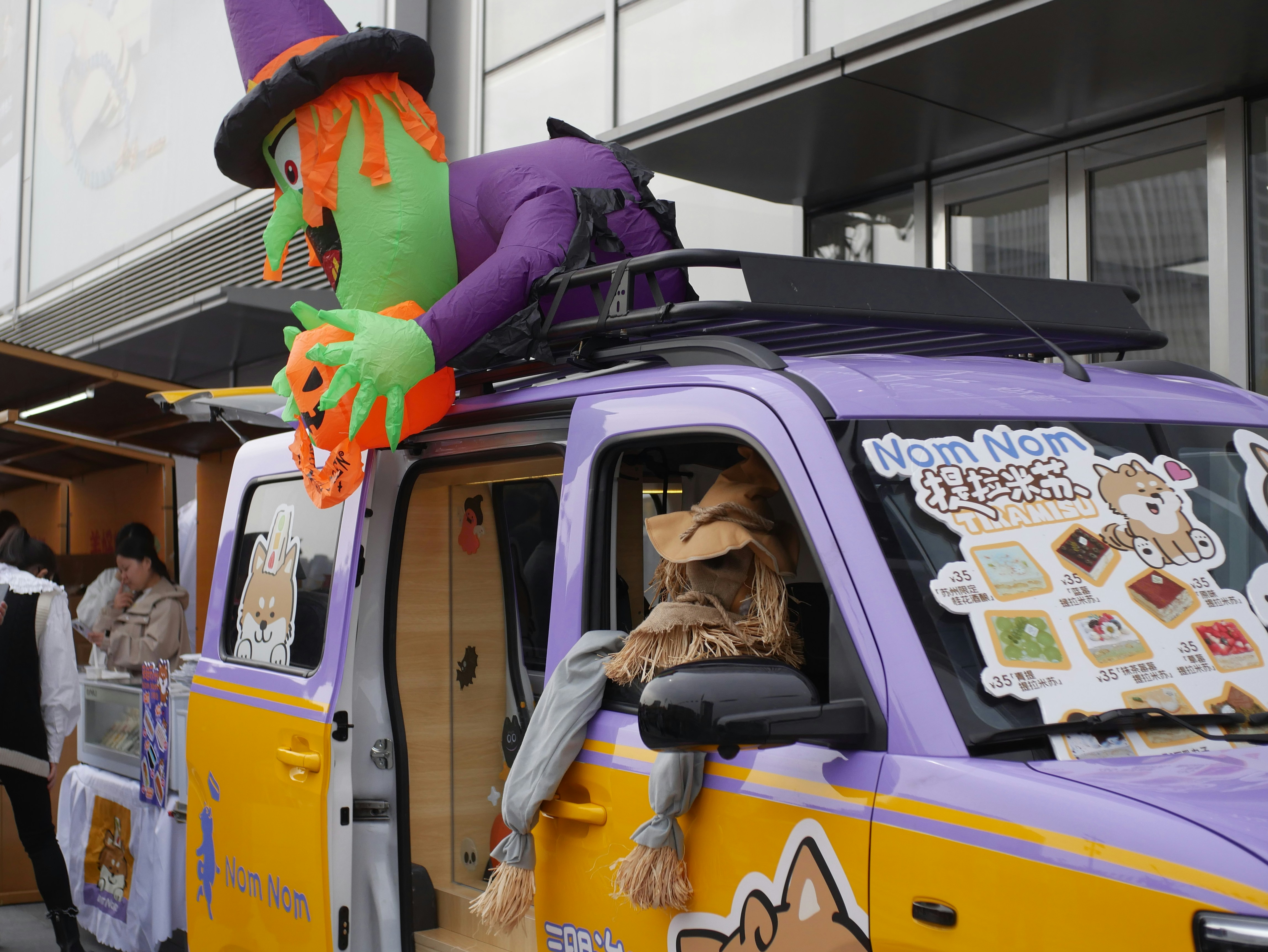
Photo by shen wenjie on Unsplash
Seasonal Frenzy Reshapes Fast-Casual
Holiday-driven menu drops fuse nostalgia with wellness, turning menus into living calendars for fast-casual brands.
Menu Development
Apr 28, 2026
Photo by shen wenjie on Unsplash
Holiday-driven menu drops fuse nostalgia with wellness, turning menus into living calendars for fast-casual brands.
Apr 28, 2026
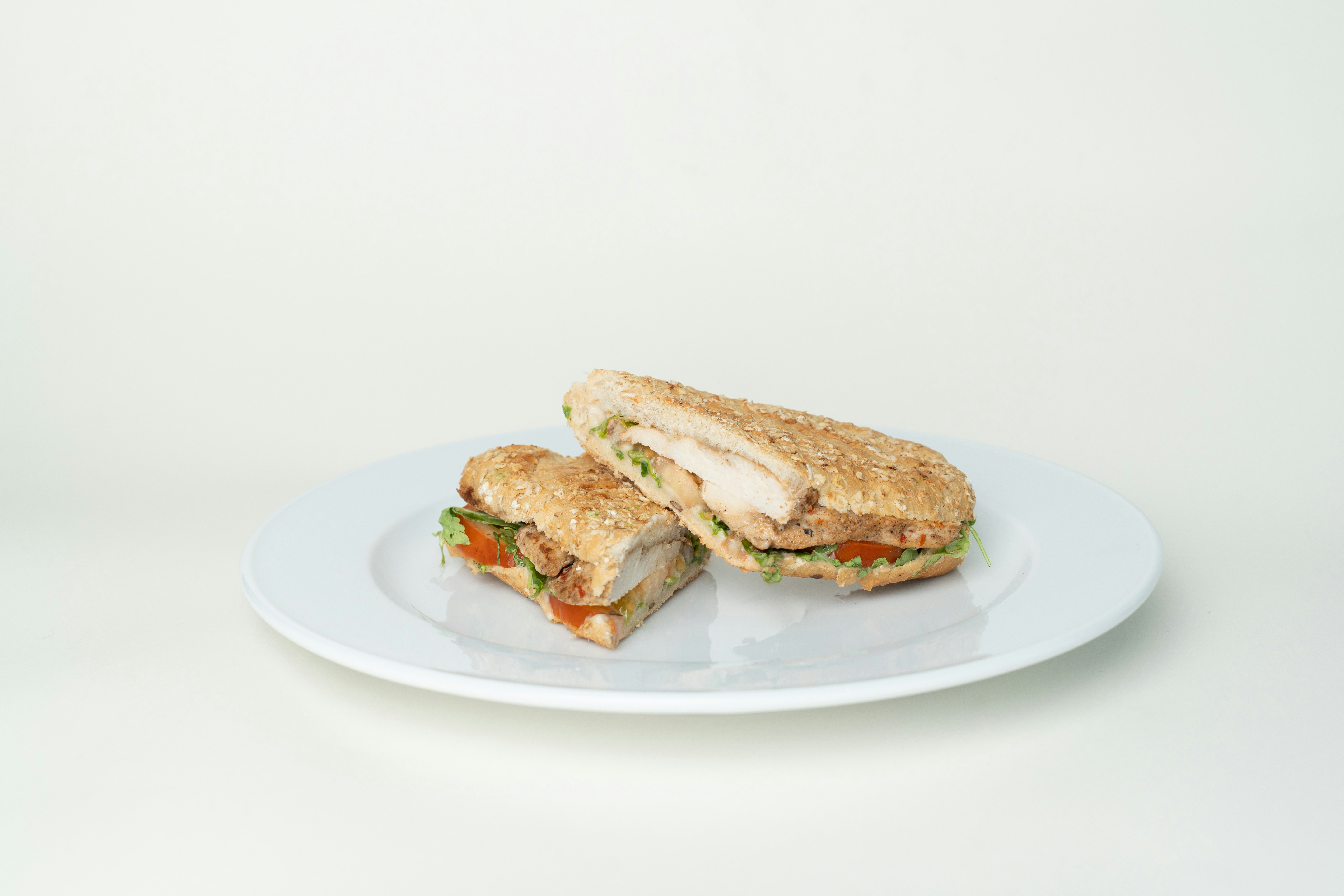
Photo by Abdul Raheem Kannath on Unsplash
Susannah Frost named Chick-fil-A President, joining Cliff Robinson as COO to guide domestic expansion and international growth.
Apr 28, 2026

Photo by Moon Bhuyan on Unsplash
Ghost pepper-led promotions redefine autumn menus as chains blend heat, storytelling, and seasonal collaborations to drive foot traffic.
Apr 28, 2026

Photo by Noah Martinez on Unsplash
CAVA rolls out Garlic Ranch Pita Chips with a Steak + Harissa Bowl and a refreshed Rewards program, tying flavor innovation to personalized guest experiences.
Apr 28, 2026
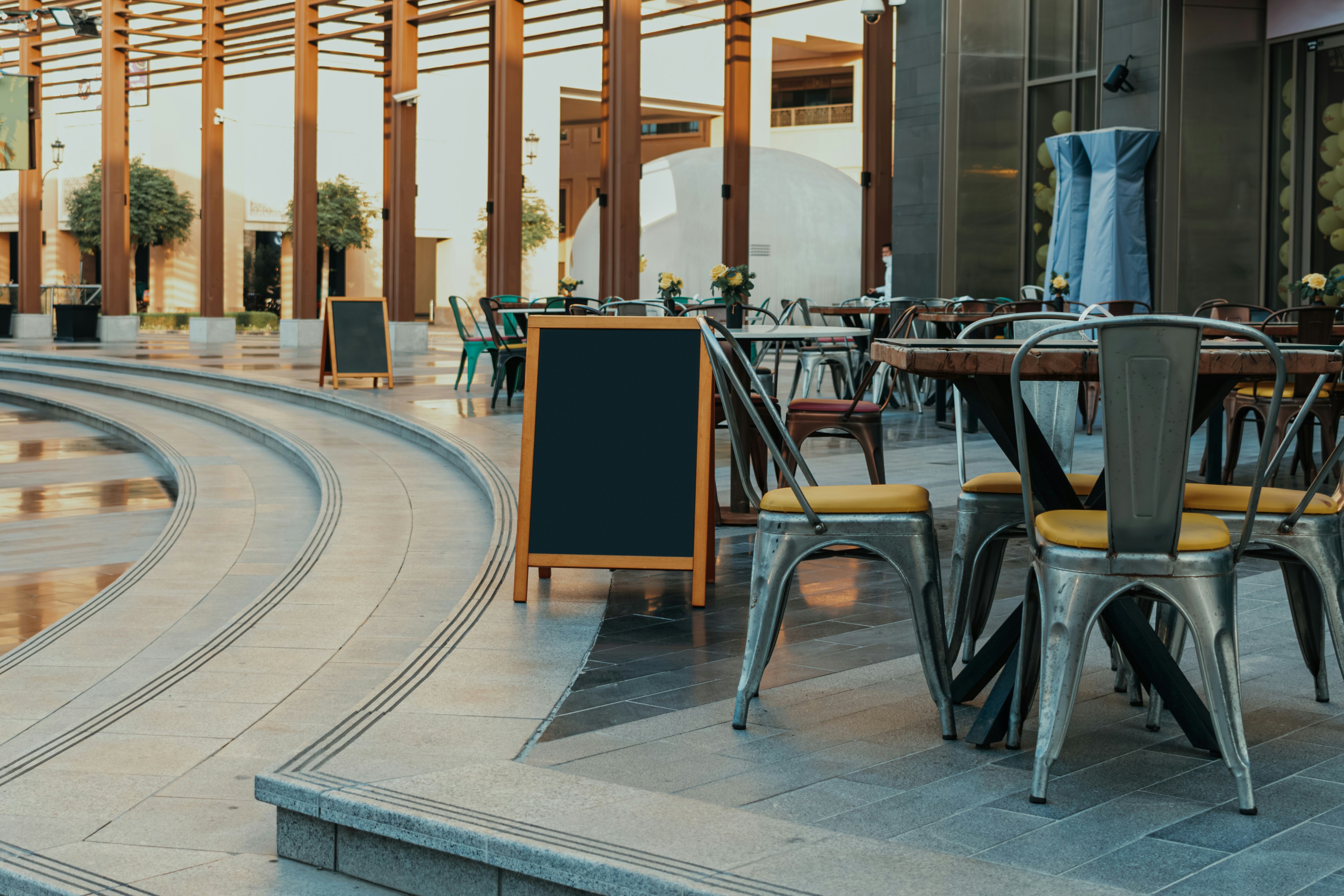
Photo by Kate Trysh on Unsplash
Applebee’s launches Pick 6 Mondays, offering free wings with a $10 purchase when a Pick 6 occurs on Sundays, driving game-day momentum across dine-in and To Go.
Apr 28, 2026
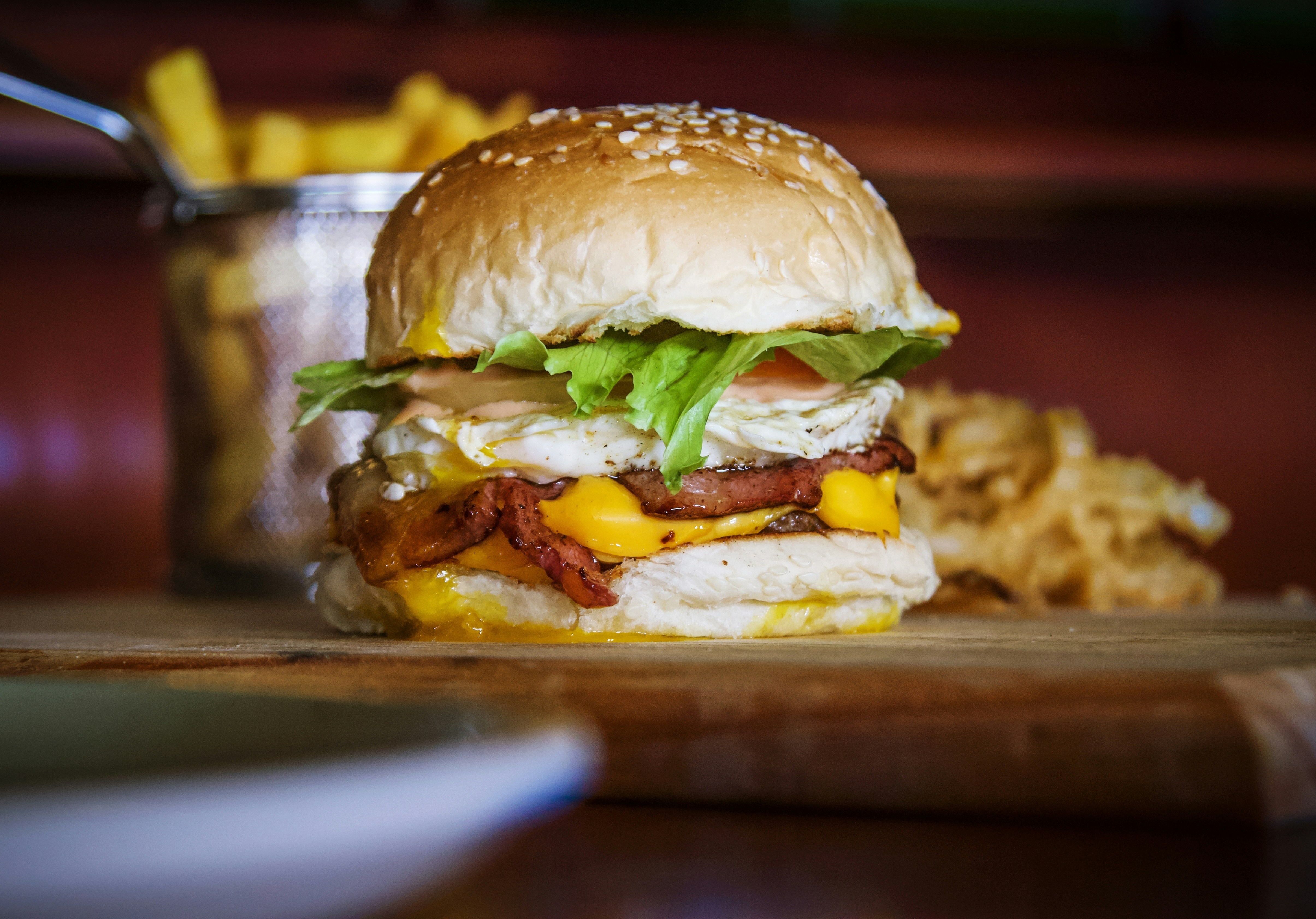
Photo by Stu Moffat on Unsplash
Beatrice Nguyen explores how leadership blends speed, loyalty, and standardized operations to grow Shake Shack while preserving its signature experience.
Apr 28, 2026
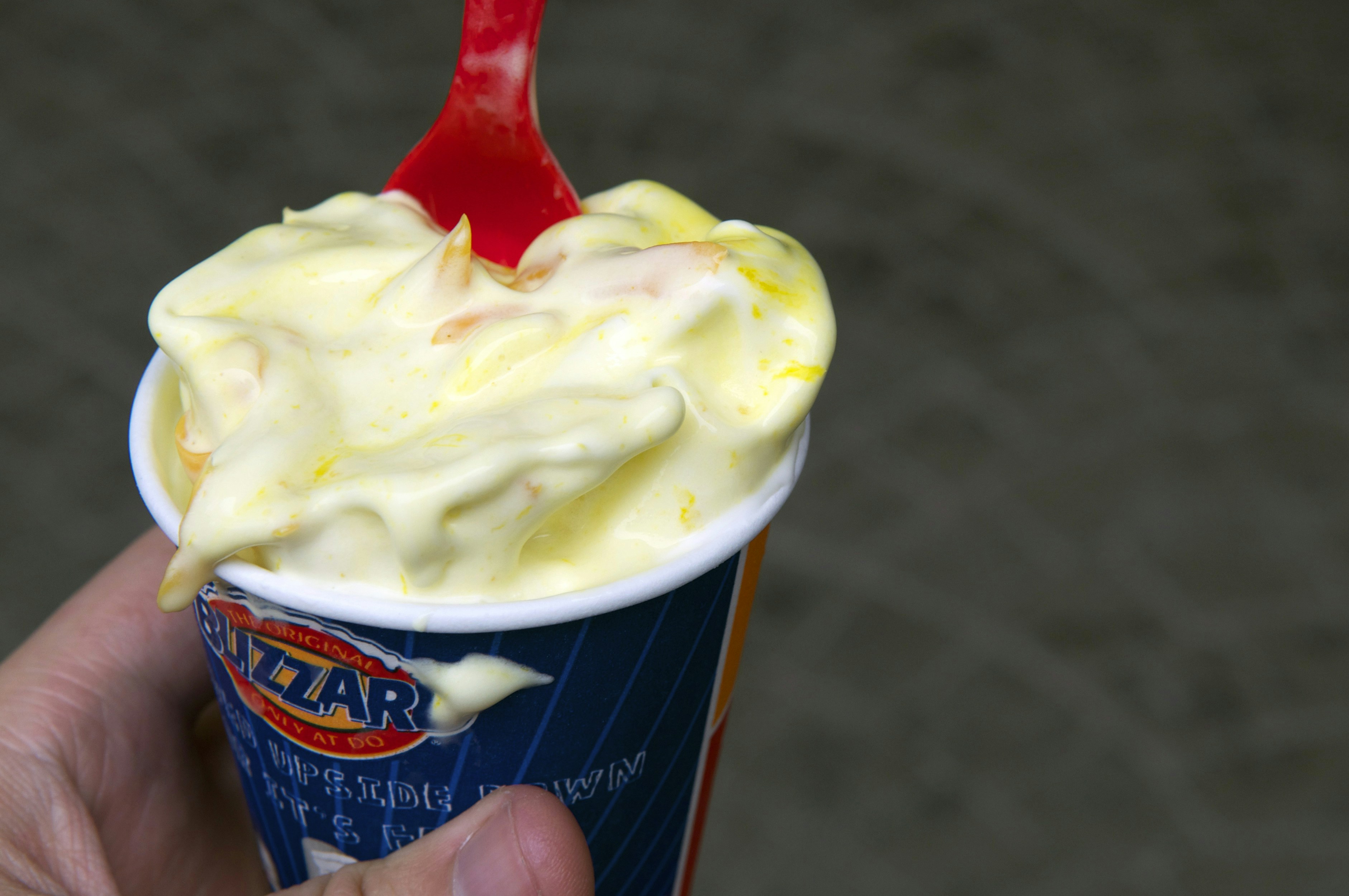
Photo by tommao wang on Unsplash
Freddy’s expands with a 23,000-sq-ft Training & Innovation Center to boost franchise profitability and unit growth toward 800+ by 2026.
Apr 28, 2026
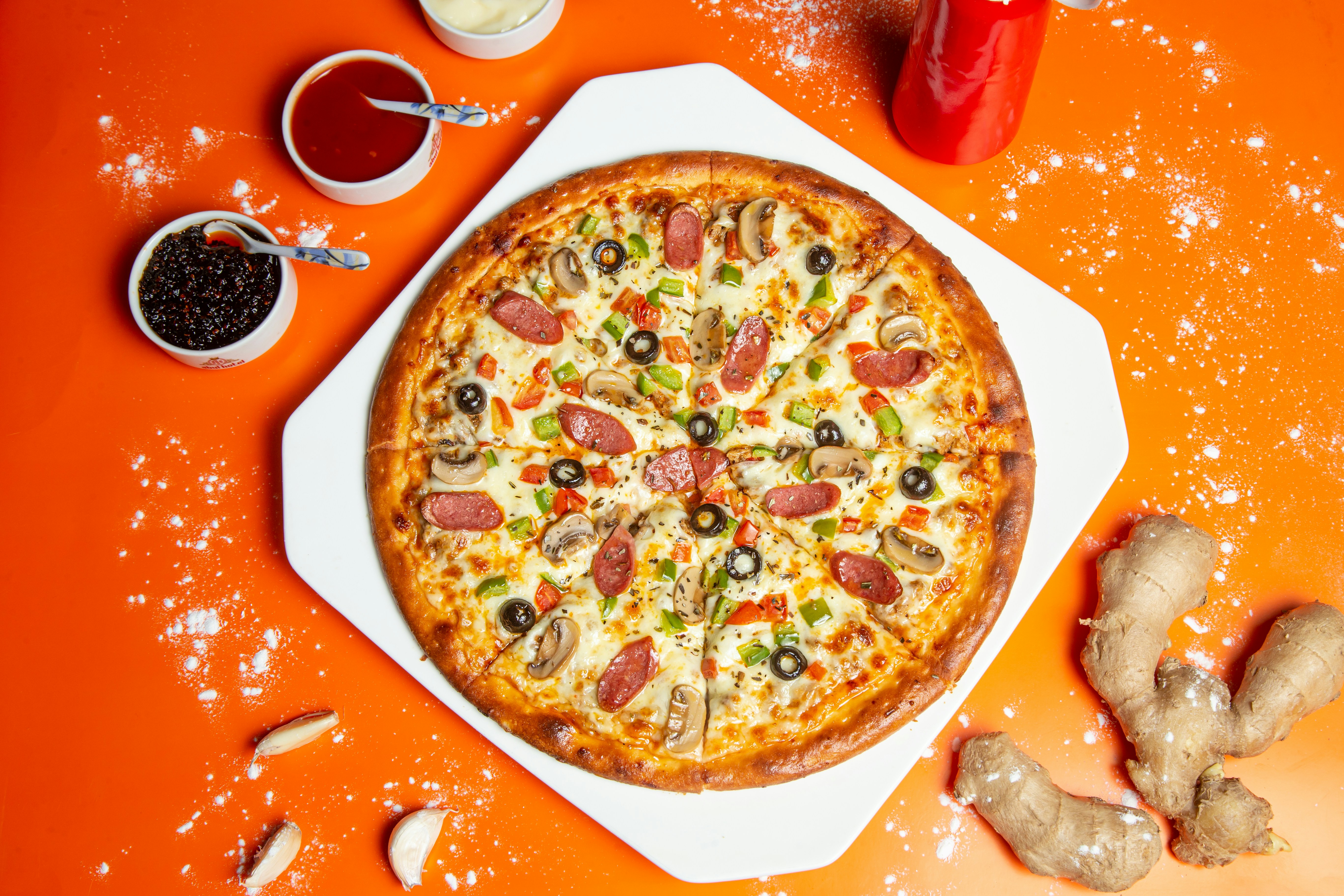
Photo by Shourav Sheikh on Unsplash
Chapter 11 roils EYM’s Pizza Hut footprint, with auctions and asset sales reordering stores across IL, WI, IN, GA, and SC.
Apr 28, 2026
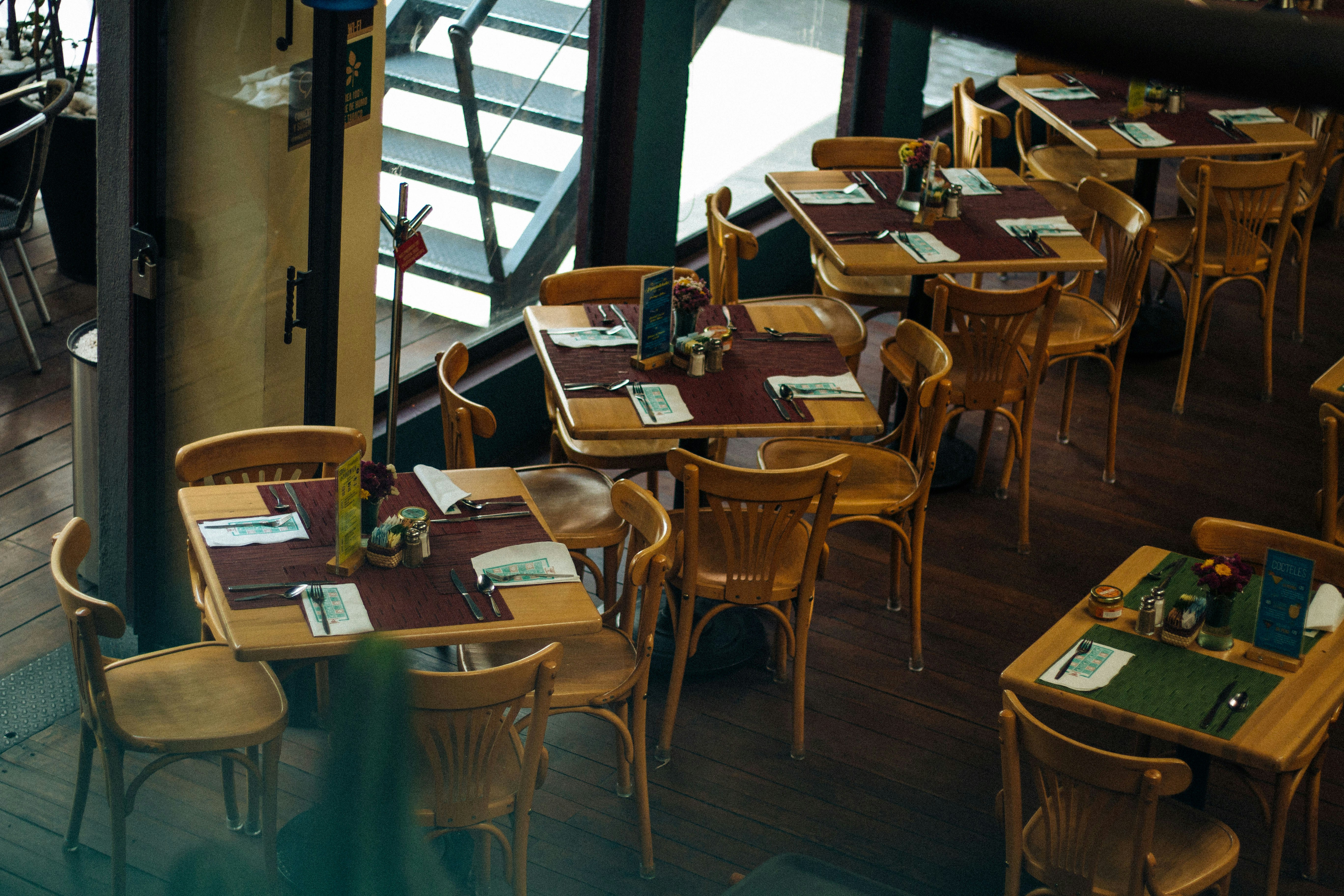
Photo by Adolfo Félix on Unsplash
How AI-enabled training, robotics, and crypto rewards are reshaping guest experience and workforce in modern restaurants.
Apr 28, 2026
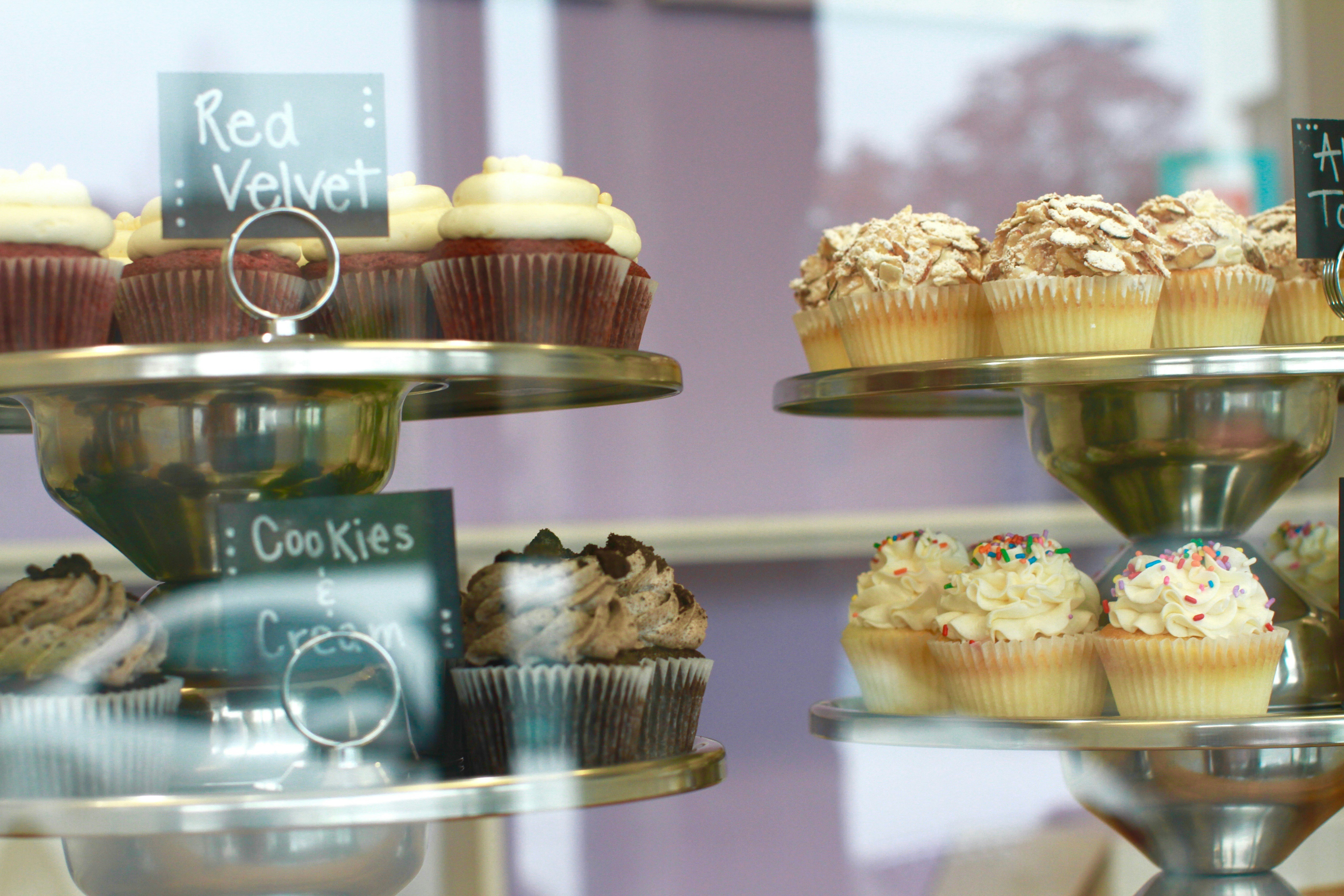
Photo by Meghan Rodgers on Unsplash
Candace Nelson headlines CREATE 2024 in Nashville, sharing her journey from finance to Sprinkles and Pizzana, with practical roadmaps for growth-minded restaurateurs.
Apr 28, 2026
Restaurants must treat parking lots as extensions of guest areas, deploying physical safety measures to curb injuries and reduce liability.
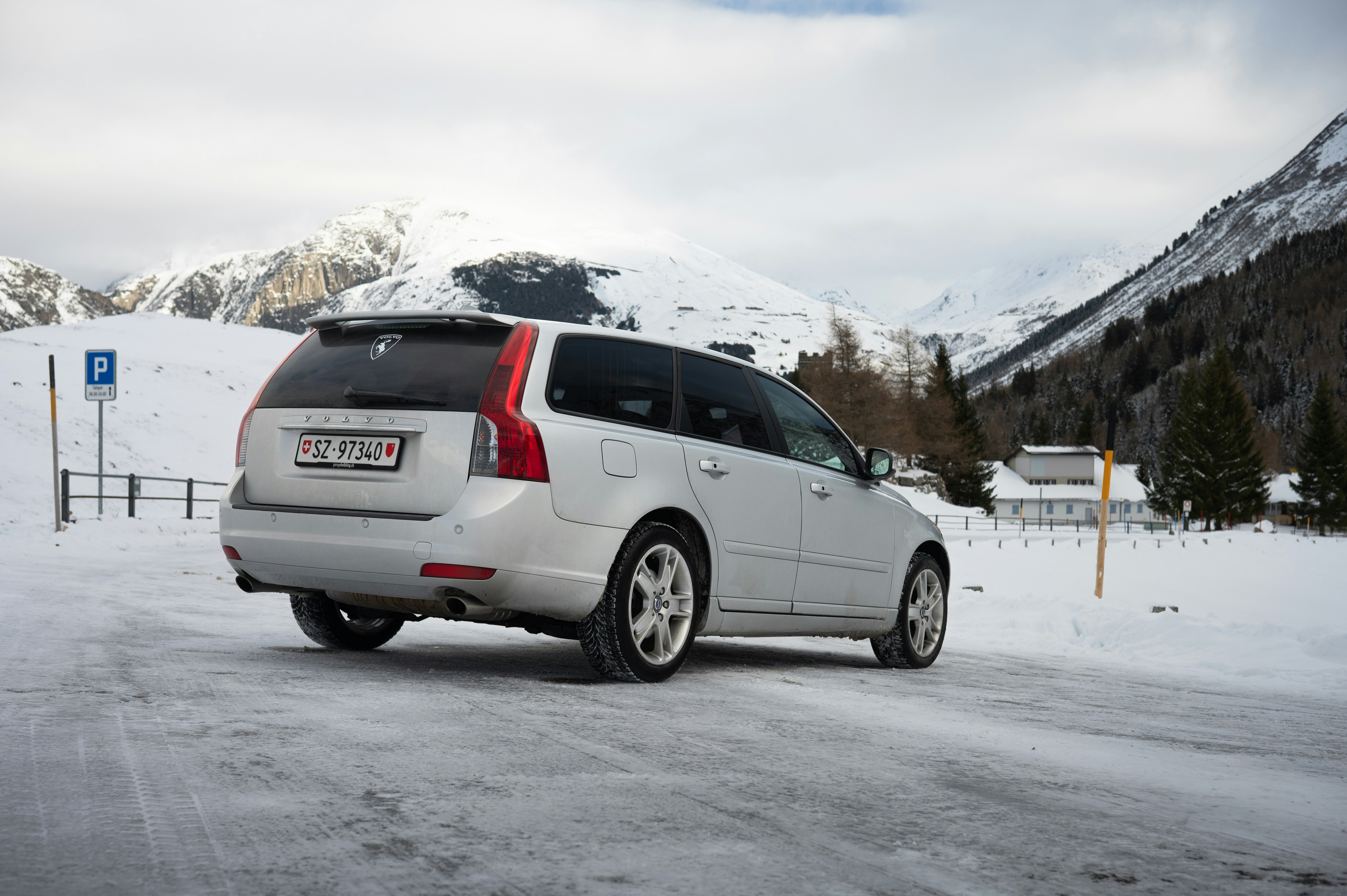
Photo by Sascha Pfyl on Unsplash
Parking lots aren’t afterthoughts in a restaurant’s guest journey. They’re the first contact with risk, the place where a crowded dining room meets moving vehicles. Incidents in lots are underreported; many crash reports skip nonfatal injuries unless a fatality makes the record. That invisibility matters because operators carry a duty to warn patrons about hazards and to take reasonable steps to prevent harm on the premises. NRN summarizes this broader duty, noting that the obligation extends beyond inside walls to sidewalks and parking areas. If guests are at risk before they even enter, your safety plan starts at the curb.
Three risk drivers dominate: speeding, impairment, and distraction. Fast cars mean bigger impacts; impaired drivers lack the reaction time to stop. Distraction is multifaceted, with visual, auditory, manual, and cognitive components that pull eyes, ears, hands, and thinking away from pedestrians. The Austin field study cited by NRN shows concrete examples: about 7.25% of drivers were holding, talking, or texting on mobile phones, while 24% of pedestrians were holding and looking at devices. Those numbers aren’t just statistics; they map the collision ground in stores with high foot traffic. Taken together, the hazards are foreseeable in any bustling parking lot and demand design-based remedies, not hope for better behavior.
So the parking lot isn’t peripheral; it’s an extension of guest experience and risk management. The design problem is unavoidable; to protect guests and limit liability, the space itself must reflect that reality. Lighting, crosswalks, and barrier devices aren’t gimmicks; they are essential tools that keep patrons and cars from colliding in the first minute of the visit, turning a moment of arrival into a safer handshake.
Auto-pedestrian hazards rise from three forces: speeding, impairment, and distraction. The NRN framework ties the duty of care to hazard awareness that travels beyond the dining room. Distraction isn’t just about phones; it’s visual, auditory, manual, and cognitive. The Austin field study shows drivers and pedestrians immersed in screens in the shopping-center environment: drivers 7.25% with phones, pedestrians 24% with devices. These dynamics explain why operators must treat parking lots as an extension of the customer experience, shaping behavior through design as much as signage.
Three drivers aren’t just abstract concepts; they show up on the pavement. The broad trajectory—cellphone-distraction injuries rising sharply from 1998 to 2017—helps explain why signage alone fails. The literature argues for a practical response: environment-driven safety that discourages risky behavior, reinforces visibility, and keeps pedestrians separated from vehicles. It’s about controlling the space as much as educating patrons to behave. The takeaway is that design—not punishment—moves people toward safer patterns. When layouts guide flow and line-of-sight, incidents decline even without heavy enforcement.
Bottom line: the parking lot isn’t peripheral; it’s an extension of guest experience and risk management. The design problem is unavoidable; to protect guests and limit liability, the space itself must reflect that reality. Lighting, crosswalks, and barrier devices aren’t gimmicks; they are essential tools that keep patrons and cars from colliding in the first minute of the visit, turning a moment of arrival into a safer handshake.
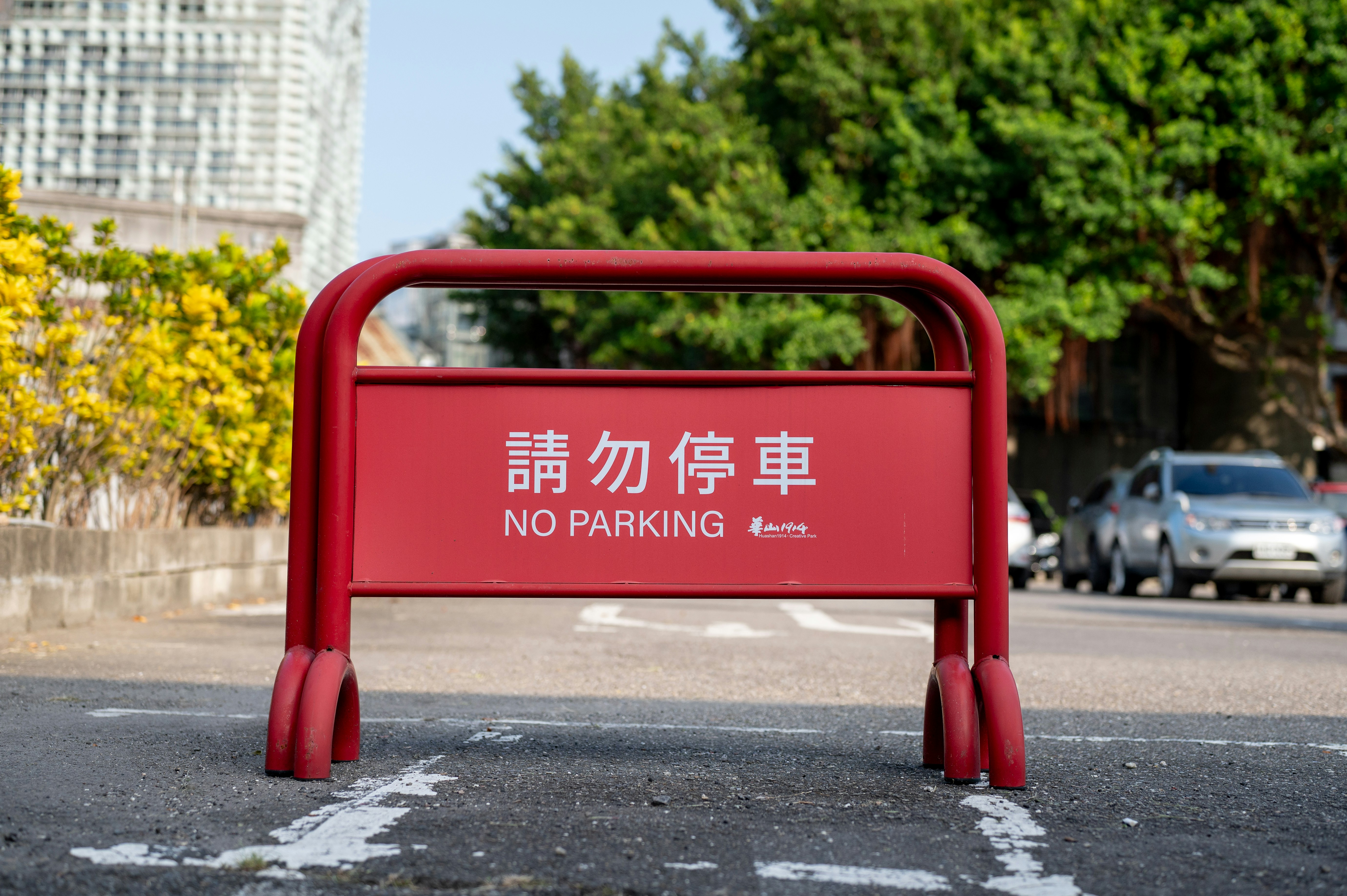
Distraction isn’t limited to what drivers do with their hands. It’s what they observe and think as they maneuver between cars. A National Safety Council poll from 2016 shows two-thirds of drivers admitted to using cellphones and more than half texting in parking lots. That cognitive drain compromises observation and reaction at the moment when pedestrians loom in sight lines, and it’s not solved by hands-free devices alone. The NRN narrative insists on a safety posture that reduces reliance on compliance and adds physical safeguards that keep pedestrians visible even when attention drifts.
A 2019 JAMA study highlighted a 300 percent increase in cellphone-distraction injuries from 1998 to 2017. When you pair that with the latest national statistics on distracted driving from NSC and NHTSA, a clear pattern emerges: the risk is real, persistent, and rising. In high-traffic shopping centers and curbside zones, restaurants must absorb this reality by prioritizing lighting, crosswalks, and barrier devices—measures that don’t depend on drivers choosing to behave.
Bottom line: you can’t legislate distraction away; you can design safety into the space and expect pedestrians to stay out of harm’s way.
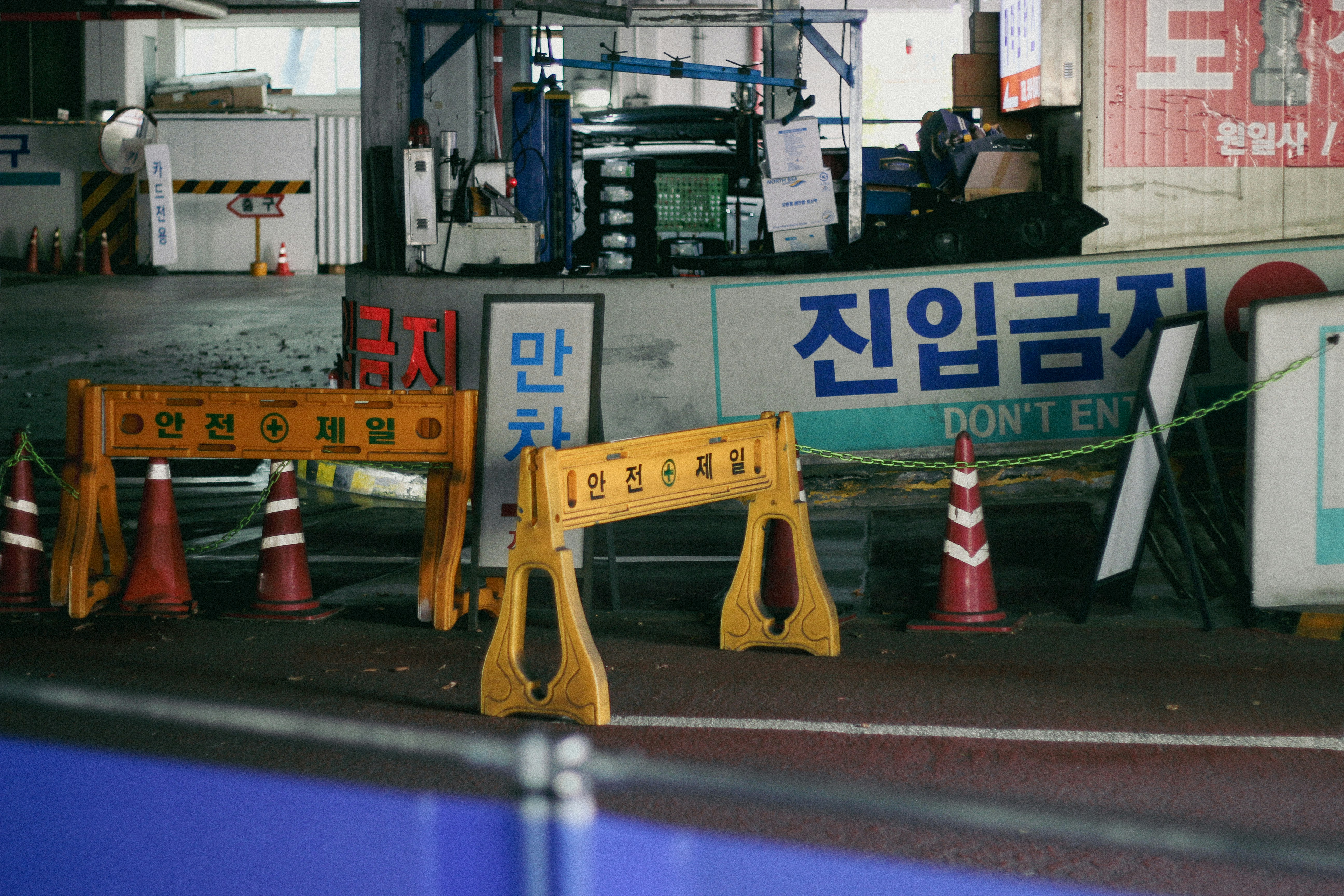
Velocity is the single most important variable in parking-lot injuries. The NRN piece makes that plain: a 9 mph approach creates far higher impact forces than a 3 mph approach. That math isn’t academic—it's life and limb. The takeaway is simple: small speed differentials produce big gains in survivability. The design fix is practical: speed bumps to slow vehicles to roughly 3 mph, complemented by reflective markings and crosswalk-focused signage. Good lighting and clear pedestrian channels finish the picture, while bollards at entrances keep vehicles from colliding with people—without relying on enforcement alone.
Beyond signage, you need a layered approach: physical deterrents that shape driver behavior, better lighting for visibility, and a layout that guides people and cars into safe, predictable paths. The industry guidance from the Storefront Safety Council emphasizes standardized testing and choosing crash-tested bollards and wheel stops. This engineering emphasis aligns with NSC and NHTSA data, which collectively push operators to invest in real hardware rather than slogans on a wall.
Bottom line: design choices change behavior before a crash happens, cutting liability for operators who take parking-lot safety seriously. When the space itself nudges drivers toward caution, injuries drop, complaints fall, and the front-door experience stays smooth even on peak nights.
Legal architecture is shifting toward a proactive safety posture. The NRN narrative frames the duty of care as more than a moral stance—it’s a litigation-ready standard: owners must address foreseeable hazards across the entire premises, including parking lots. Protective devices—speed bumps and bollards—are no longer optional; they’re first-line defense against run-away vehicles and injuries. A joint Storefront Safety Council paper cites ASTM F3016 as a benchmark for testing crash-protection devices. Taken together, these developments imply that safer parking-lot design reduces injuries and legal exposure, while reinforcing guest trust in a brand’s welfare commitment.
Industry moves show a shift from signage to standardized hardware and testing. The convergence of legal expectations, NSC/NHTSA data, and practical engineering solutions is establishing a new baseline for safety investments in hospitality properties. Operators who lock in testing standards and quality hardware gain more than safety; they gain predictable risk management and stronger guest confidence.
Bottom line: in hospitality, safety is a design decision with a clear bottom-line impact. Invest in the space, or pay the price in injuries, lawsuits, and damaged trust.