
Photo by shen wenjie on Unsplash
Seasonal Frenzy Reshapes Fast-Casual
Holiday-driven menu drops fuse nostalgia with wellness, turning menus into living calendars for fast-casual brands.
Menu Development
Apr 28, 2026
Photo by shen wenjie on Unsplash
Holiday-driven menu drops fuse nostalgia with wellness, turning menus into living calendars for fast-casual brands.
Apr 28, 2026
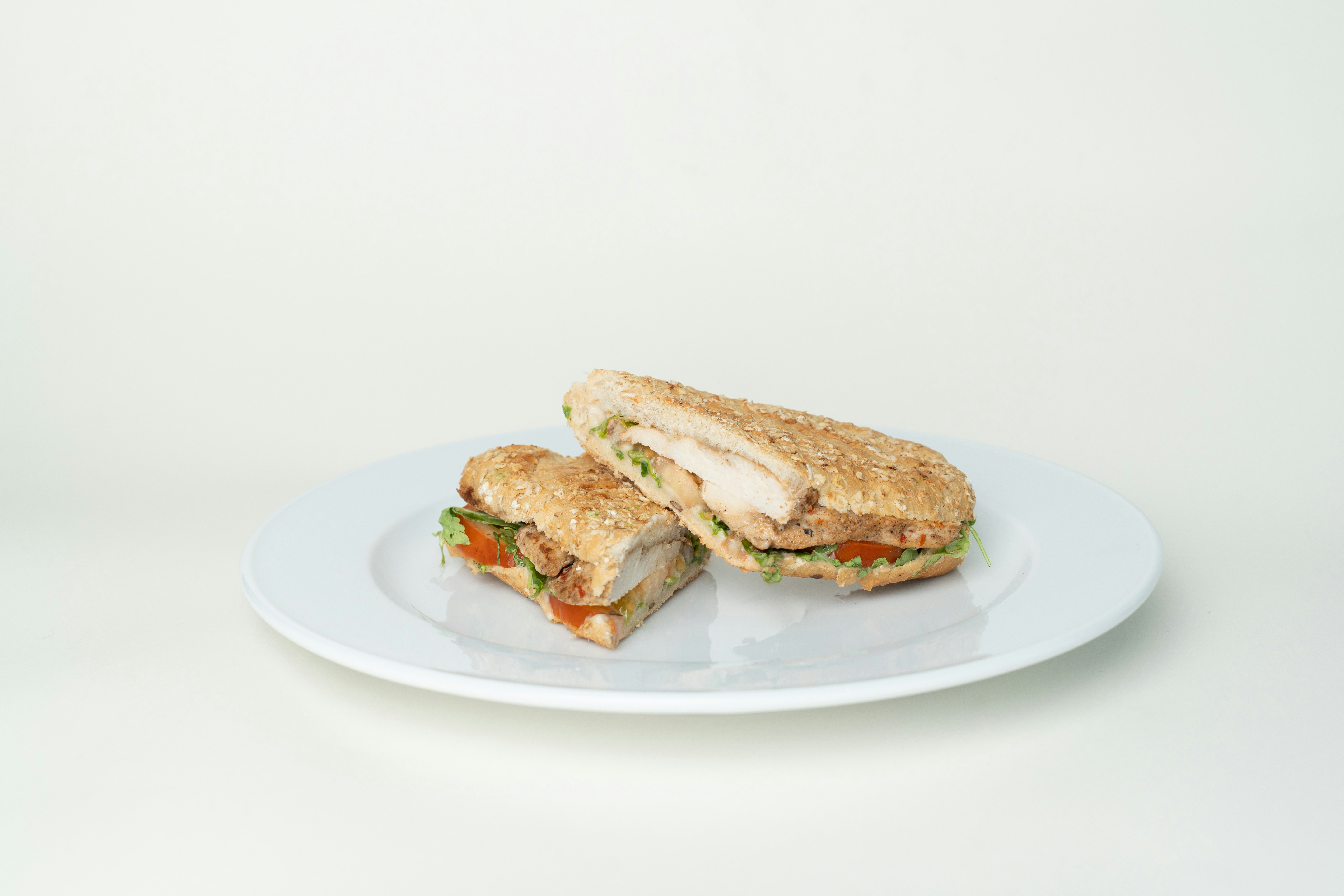
Photo by Abdul Raheem Kannath on Unsplash
Susannah Frost named Chick-fil-A President, joining Cliff Robinson as COO to guide domestic expansion and international growth.
Apr 28, 2026

Photo by Moon Bhuyan on Unsplash
Ghost pepper-led promotions redefine autumn menus as chains blend heat, storytelling, and seasonal collaborations to drive foot traffic.
Apr 28, 2026

Photo by Noah Martinez on Unsplash
CAVA rolls out Garlic Ranch Pita Chips with a Steak + Harissa Bowl and a refreshed Rewards program, tying flavor innovation to personalized guest experiences.
Apr 28, 2026

Photo by Kate Trysh on Unsplash
Applebee’s launches Pick 6 Mondays, offering free wings with a $10 purchase when a Pick 6 occurs on Sundays, driving game-day momentum across dine-in and To Go.
Apr 28, 2026
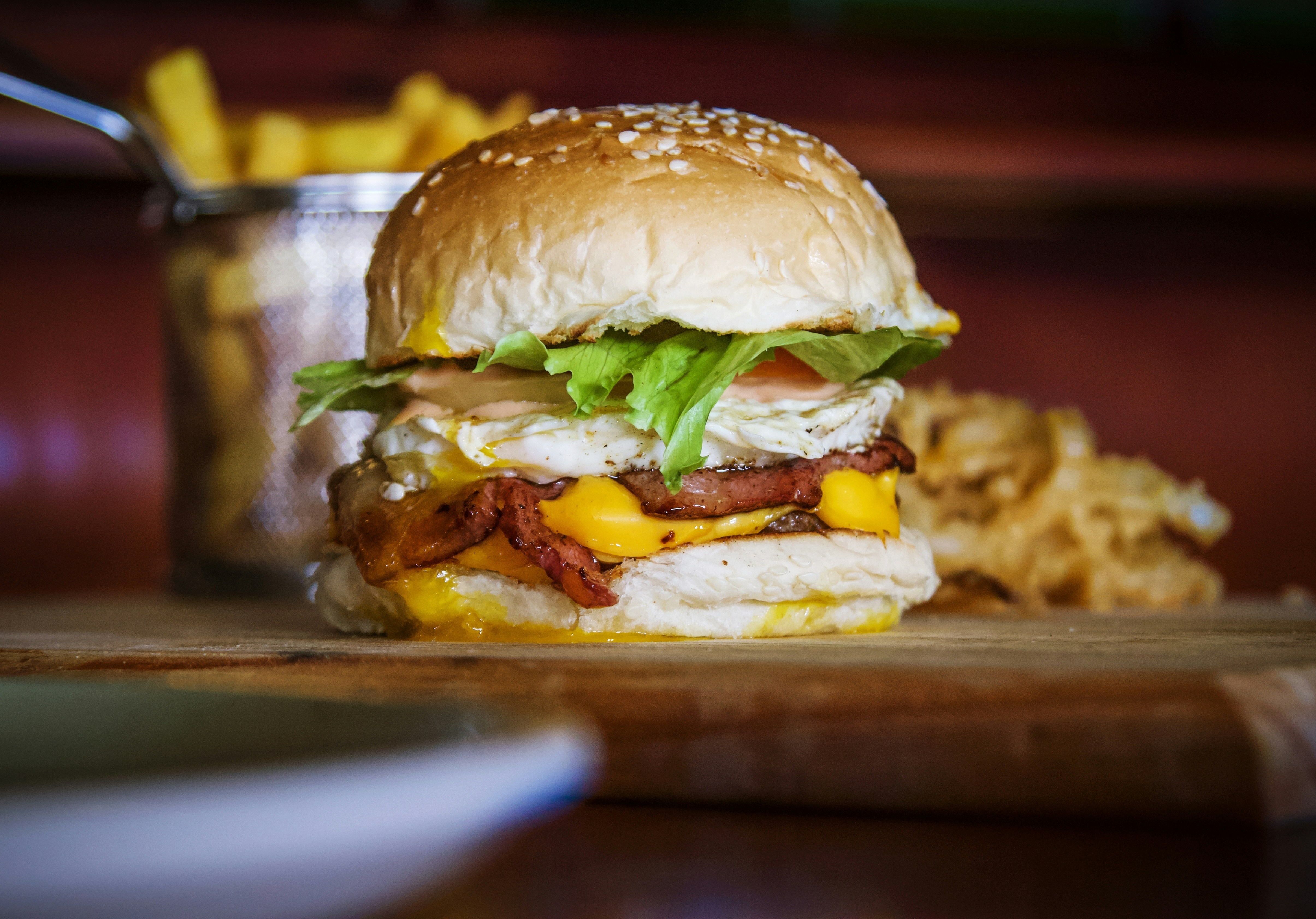
Photo by Stu Moffat on Unsplash
Beatrice Nguyen explores how leadership blends speed, loyalty, and standardized operations to grow Shake Shack while preserving its signature experience.
Apr 28, 2026

Photo by tommao wang on Unsplash
Freddy’s expands with a 23,000-sq-ft Training & Innovation Center to boost franchise profitability and unit growth toward 800+ by 2026.
Apr 28, 2026
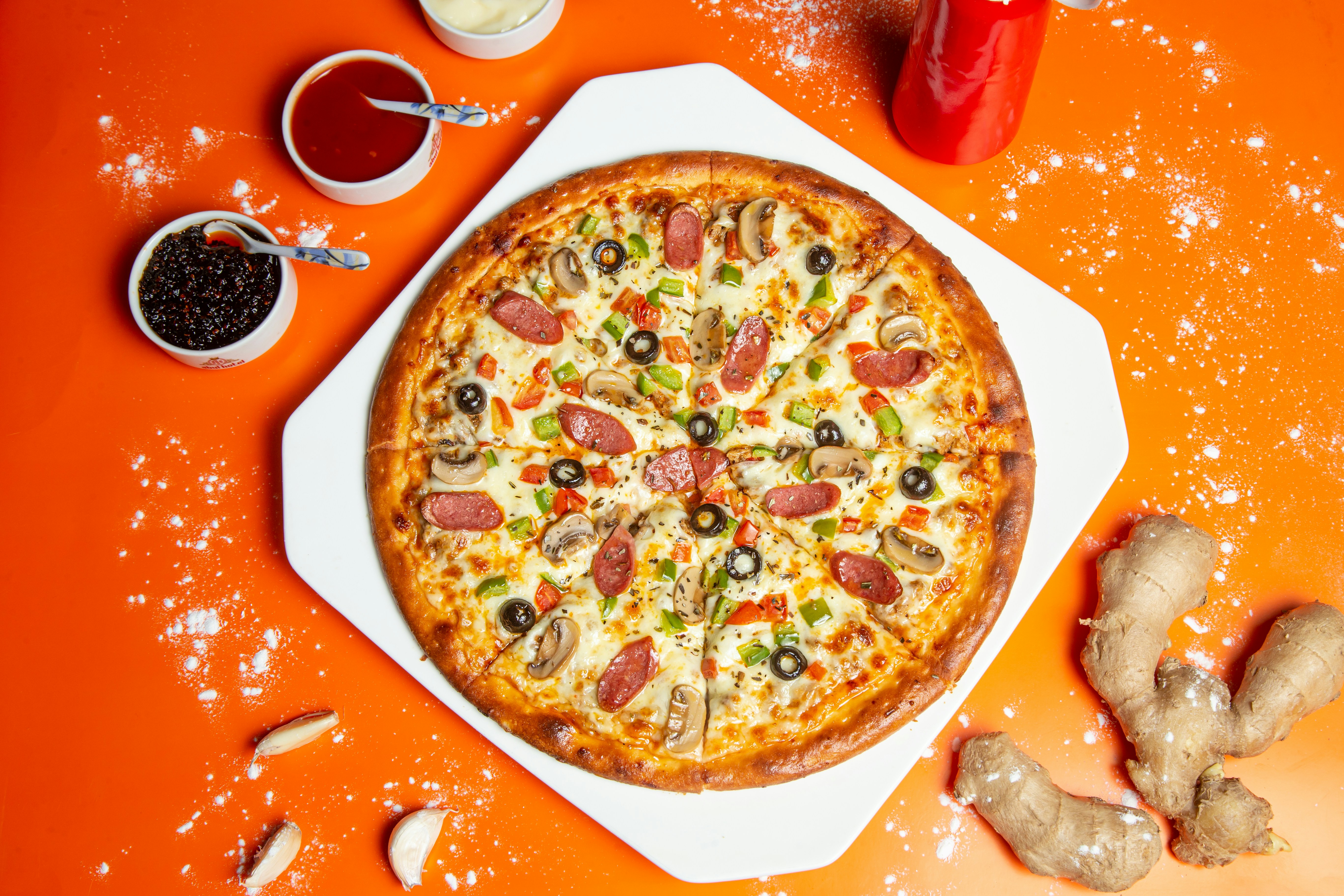
Photo by Shourav Sheikh on Unsplash
Chapter 11 roils EYM’s Pizza Hut footprint, with auctions and asset sales reordering stores across IL, WI, IN, GA, and SC.
Apr 28, 2026

Photo by Adolfo Félix on Unsplash
How AI-enabled training, robotics, and crypto rewards are reshaping guest experience and workforce in modern restaurants.
Apr 28, 2026

Photo by Meghan Rodgers on Unsplash
Candace Nelson headlines CREATE 2024 in Nashville, sharing her journey from finance to Sprinkles and Pizzana, with practical roadmaps for growth-minded restaurateurs.
Apr 28, 2026
Activist investor Engaged Capital pushes Portillo’s toward a leaner growth playbook, governance changes, and sharper unit economics.

Photo by Alan Rodriguez on Unsplash
Portillo’s, the Chicago-born fast-casual brand with 88 locations, now faces a strategic inflection after Engaged Capital disclosed a 9.9 percent stake in an SEC filing. The moment invites a careful recalibration of growth, governance, and guest experience. In a public statement, Portillo’s noted it has spoken with Engaged Capital and will continue to take actions in the best interest of shareholders. Portillo’s regularly engages with its shareholders to understand their perspectives and has spoken with Engaged Capital. This signals the seriousness of the dialogue and a path that blends ambition with the brand’s Chicago inspired hospitality. The challenge is to grow with soul while expanding reach.
Engaged Capital proposes a leaner playbook designed to boost returns and tighten capital discipline. The fund argues that Portillo’s can lift cash-on-cash returns from around 25 percent to as much as 50 percent by rethinking real estate and pace of expansion. Core elements include shifting away from ownership heavy real estate toward smaller, more efficient formats, with a renewed emphasis on world class operations, robust digital engagement and marketing, constructing more efficient restaurants, and stronger employee support. A 6,300-square-foot prototype is cited as a testing ground for cost-structure optimization, preserving guest experience while trimming construction and operating costs. Shake Shack is cited as a frame of reference.

A Leaner Playbook for Growth sits at the heart of Engaged’s thesis. The fund argues for moving away from owning and developing real estate toward building smaller, more efficient restaurant concepts that accelerate unit economics. With leaner footprints and disciplined capital, Portillo’s could boost cash-on-cash returns toward a higher, more durable trajectory. A 6,300-square-foot prototype is described as part of ongoing cost-structure and service-quality optimization, aimed at preserving guest delight while trimming construction and operating expenses. The objective remains national expansion, but at a more thoughtful pace that respects the brand’s Chicago rooted audience.
Board realignment and governance enhancements are also on the menu. The playbook envisions bringing in governance and restaurant-operations expertise, mirroring what was pursued at Shake Shack, where independent directors and leadership recalibrations accompanied a reset designed to unlock value. The stakes are high: reallocate capital with discipline, refresh leadership where needed, and align the board with an ROI focus, all while guarding Portillo’s identity and guest experience. The Shake Shack example offers a concrete frame for how a governance reset can coincide with a stock re-rating and a sharper growth trajectory.

Portillo’s has signaled openness to shareholder input, adopting a collaborative stance on governance while keeping a steady eye on shareholder value. Management notes that it has held multiple meetings with Engaged Capital to understand its views and recommendations. Industry observers point to the power of governance signals in activist campaigns: when a credible playbook is laid out, boards respond with concessions, leadership changes, or reforms to avert a proxy fight. The Portillo’s conversation is being watched for whether it yields a measured, constructive reset rather than confrontation.
Meanwhile, Portillo’s leadership emphasizes four tangible initiatives to restore momentum: drive-thru speed improvements, new kiosk prototypes, a broader digital program, and a plan to strengthen guest loyalty while keeping costs in line. These actions illustrate a governance friendly path that still centers on guest satisfaction and balanced economics.

Financial Trajectory and a timeline are unfolding against a backdrop of volatility. Portillo’s is recalibrating growth while maintaining a focus on four core initiatives: world-class operations, robust digital engagement, efficient restaurant designs, and stronger employee support. Management highlights measurable gains in drive-thru speed and the testing of new kiosk prototypes as evidence of progress; a 6,300-square-foot prototype anchors cost-structure optimization. The path is slower, but it aims for a more durable, guest-centric growth arc.
From a guest-count perspective, the restaurant count moved from 88 in 2024 to 99 by late 2025, signaling a measured footprint in a broader strategic reset. The company has adjusted its outlook for 2024 and 2025 as it navigates slower top-line growth while anticipating a return to momentum in the cycle’s latter stages. A planned 2026 annual meeting and ongoing governance updates reflect the evolving dialogue with Engaged and the board.
Engaged Capital is not alone in pursuing governance focused resets in the restaurant space. The pattern features activists seeking to realign strategy with shareholder value through board refreshment, operational refinements, and a disciplined approach to growth. The Shake Shack case has repeatedly been cited as a blueprint: independent directors, leadership changes, and operational optimization can accompany a re-rating of the stock. The broader takeaway is that activism can accelerate a strategic reset when combined with credible, proven playbooks and a clear path to sustaining guest experience.
This context matters for Portillo’s because it highlights a growing industry dialogue about balancing ambition with brand integrity. Activist campaigns in dining concepts often foreground governance and capital discipline, but the ultimate measure is whether unit economics improve while guests still feel welcome—the nourishing thread that keeps customers returning.

Gaps and uncertainties remain about how Engaged’s recommendations translate into concrete actions, and how the board will respond at the 2026 annual meeting and beyond. Portillo’s has emphasized a disciplined growth approach, including a slower pace of new-unit openings and a focus on improving existing units, as showcased in 2025–2026 results. Leadership realignment is already underway, including the March 2026 appointment of a new chairman and the planned retirement of long-time directors. Whether governance changes will unlock intrinsic value depends on political capital within the board and market reception to a leaner, ROI-focused growth model.
Near-term watchpoints include unit economics, drive-thru efficiency, loyalty-program adoption, and the ability to translate digital engagement into higher transactions and guest frequency. The conversation is as much about process as about product—how decisions are made, who sits at the table, and how the brand’s Chicago-inspired hospitality is protected as it scales.
Implications for Portillo’s Future unfold as the dynamic in the boardroom and across ownership lines reshapes strategy. Taken together, governance enhancements and a leaner growth model could unlock intrinsic value without compromising Portillo’s distinctive Chicago-inspired experience. The appointment of Eugene I. Lee, Jr. as chairman and the planned retirement of Michael A. Miles, Jr. signal a recalibration of leadership that could guide the pace and geography of expansion in the years ahead. Portillo’s also added a Chief Development Officer to steer growth with intention, reinforcing a shift from rapid expansion toward a sustainable path.
As investors, guests, and operators watch, the question remains whether this approach will sustain the brand’s nourishing, balanced appeal as it scales nationwide. If the leaner model delivers stronger returns without eroding hospitality, Portillo’s could offer a template for thoughtful growth in a dining landscape where accountability and guest experience increasingly matter. The unfolding story may set a durable precedent for how activist voices intersect with brand heritage and a mission to nourish communities with care.