First Watch Bets on Data and Discipline
A journal of how First Watch blends data-guided engagement and price discipline to sustain visits amid inflation, while expanding through franchising.
Franchising
Apr 27, 2026
A journal of how First Watch blends data-guided engagement and price discipline to sustain visits amid inflation, while expanding through franchising.
Apr 27, 2026
Photo by Hybrid Storytellers on Unsplash
Chipotle leans on operations and automation to lift margins and scale to 7,000 restaurants, with Chipotlane and expo upgrades leading the charge.
Apr 27, 2026
Photo by Jason Leung on Unsplash
Inflation narrows the gap between grocery and restaurant prices, nudging households toward home-prep and value-driven menus.
Apr 27, 2026
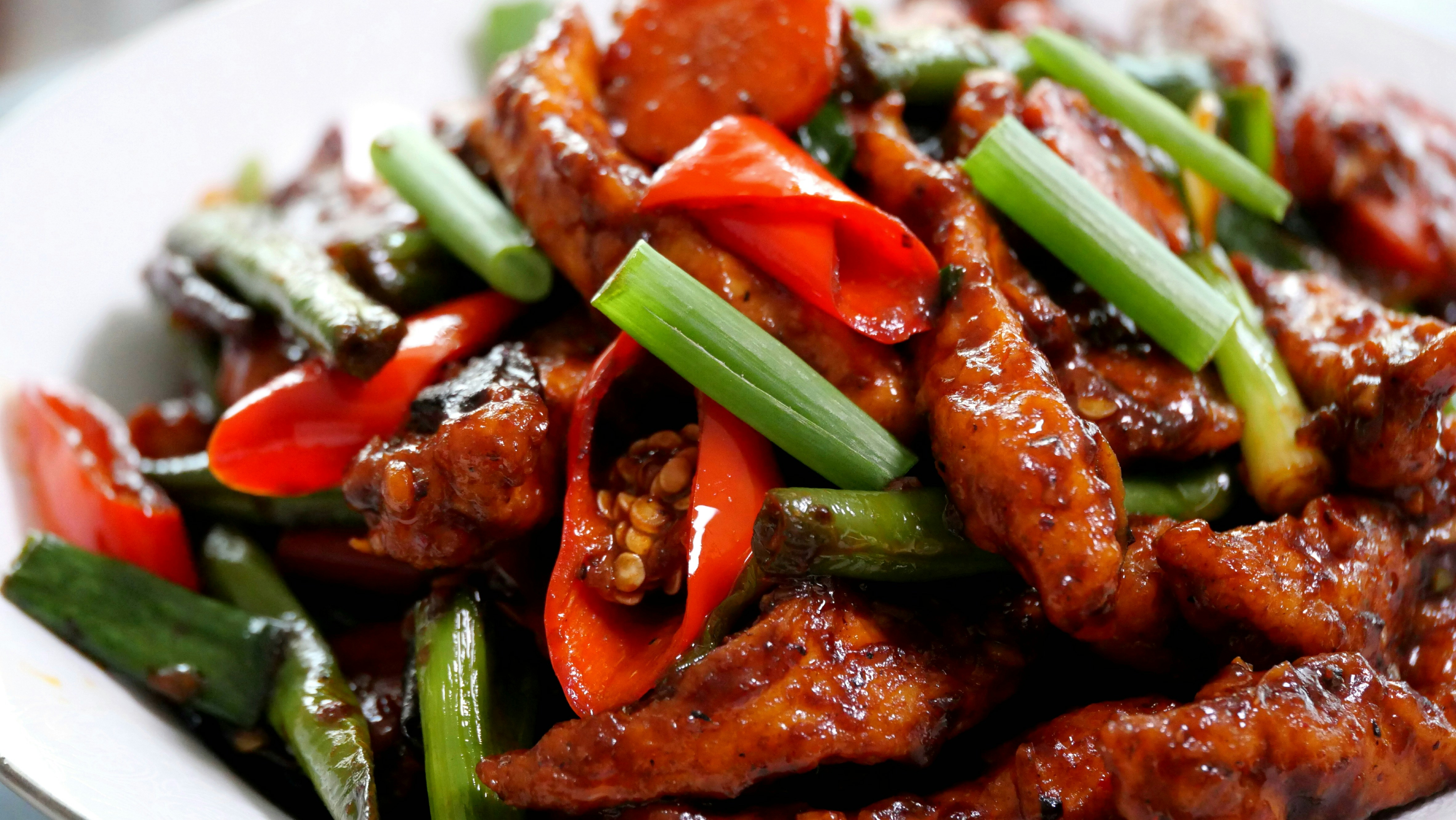
Photo by Deepak Surya on Unsplash
Zaxby’s consolidates loyalty and e-commerce under a Chief Digital Officer to deepen guest relationships and accelerate omnichannel growth.
Apr 27, 2026
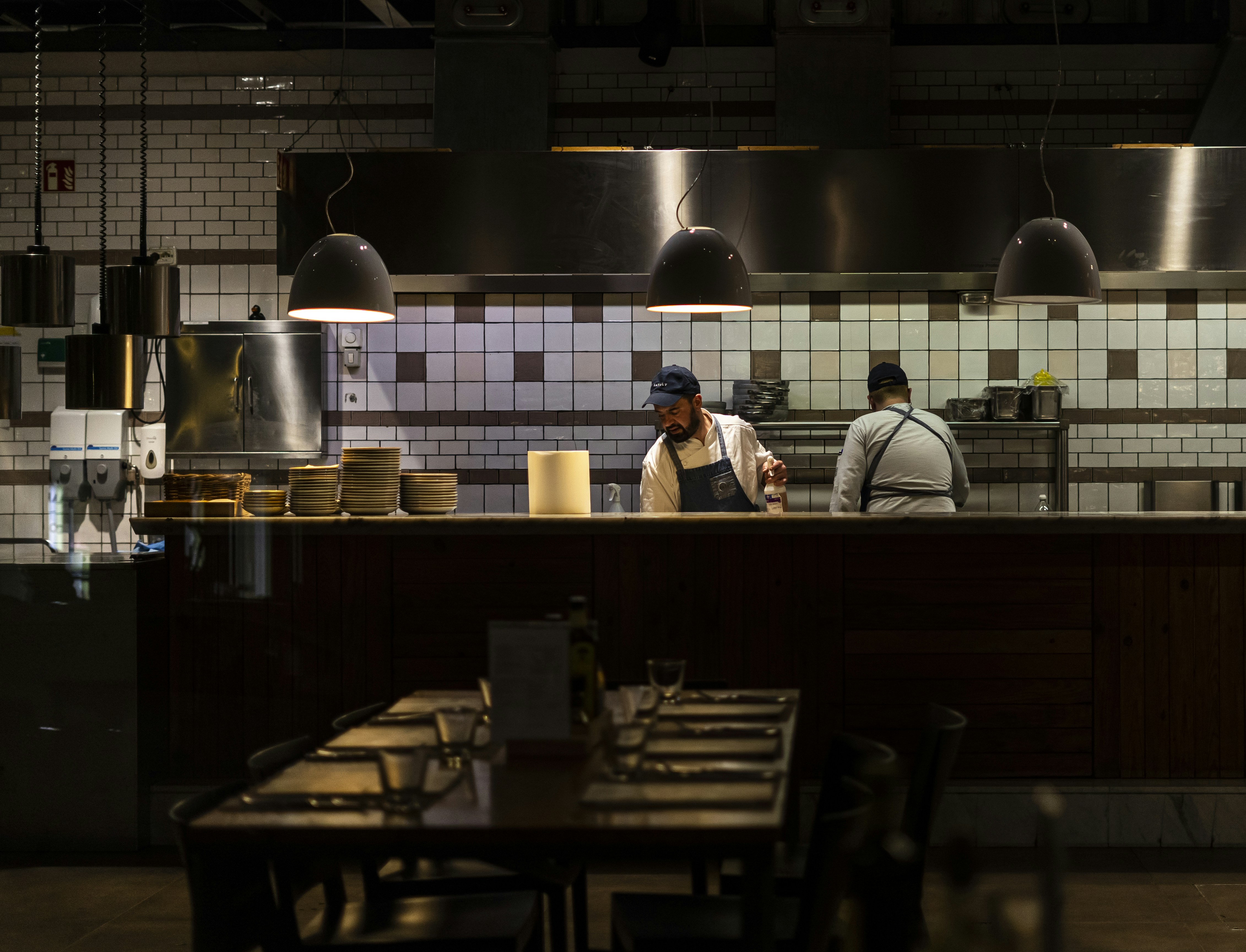
Photo by Fatma Gallery on Unsplash
A refined look at how daily industry briefs distill leadership moves, partnerships, and chef-led concepts shaping modern foodservice.
Apr 27, 2026
A look at how FSTEC 2024 reveals a shift toward hybrid vendor and in-house tech, real-time orchestration, and autonomous delivery shaping the future of hospitality.
Apr 27, 2026
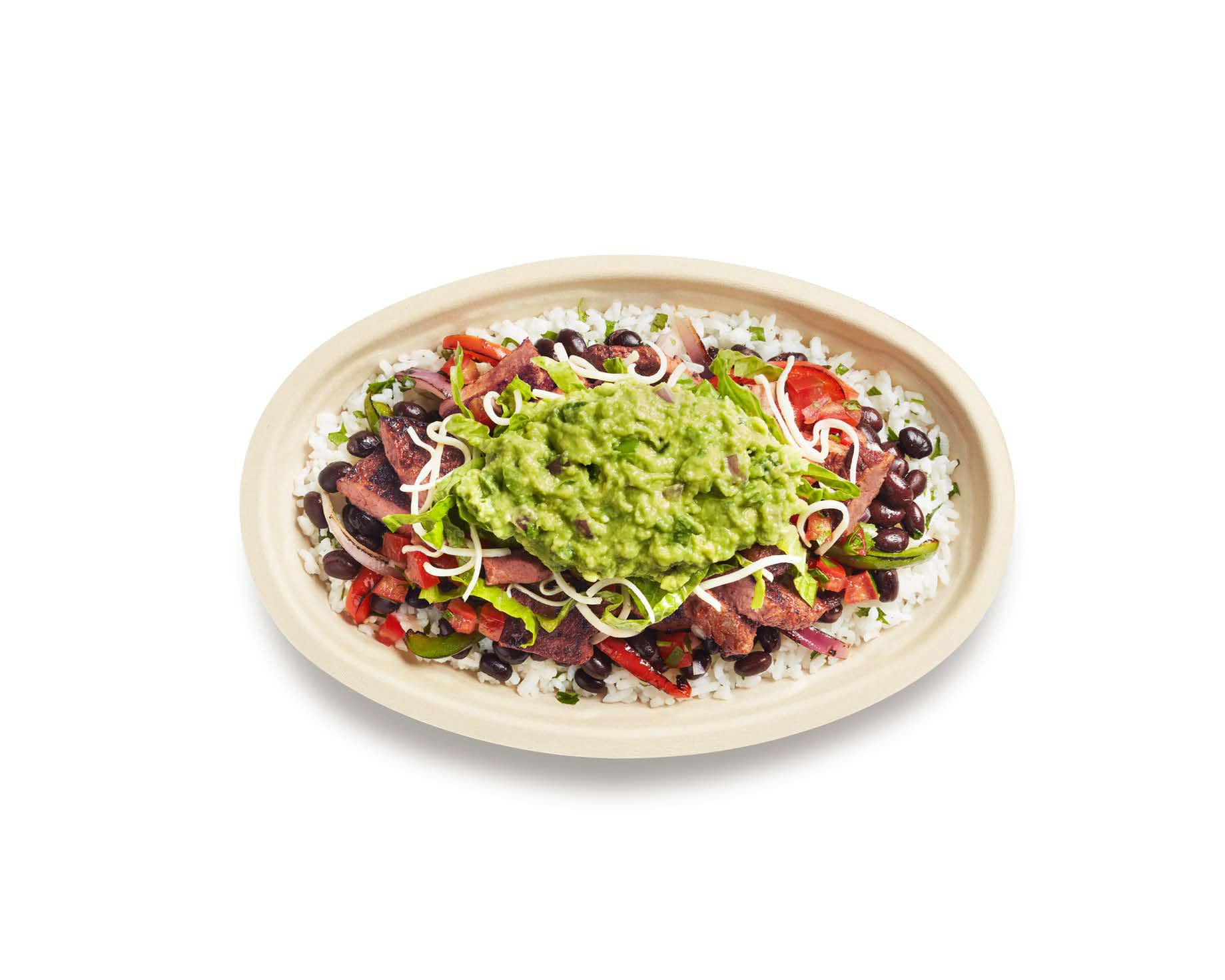
Chipotle tests robotic makelines and avocado cobots to boost throughput while preserving safety and brand standards.
Apr 27, 2026
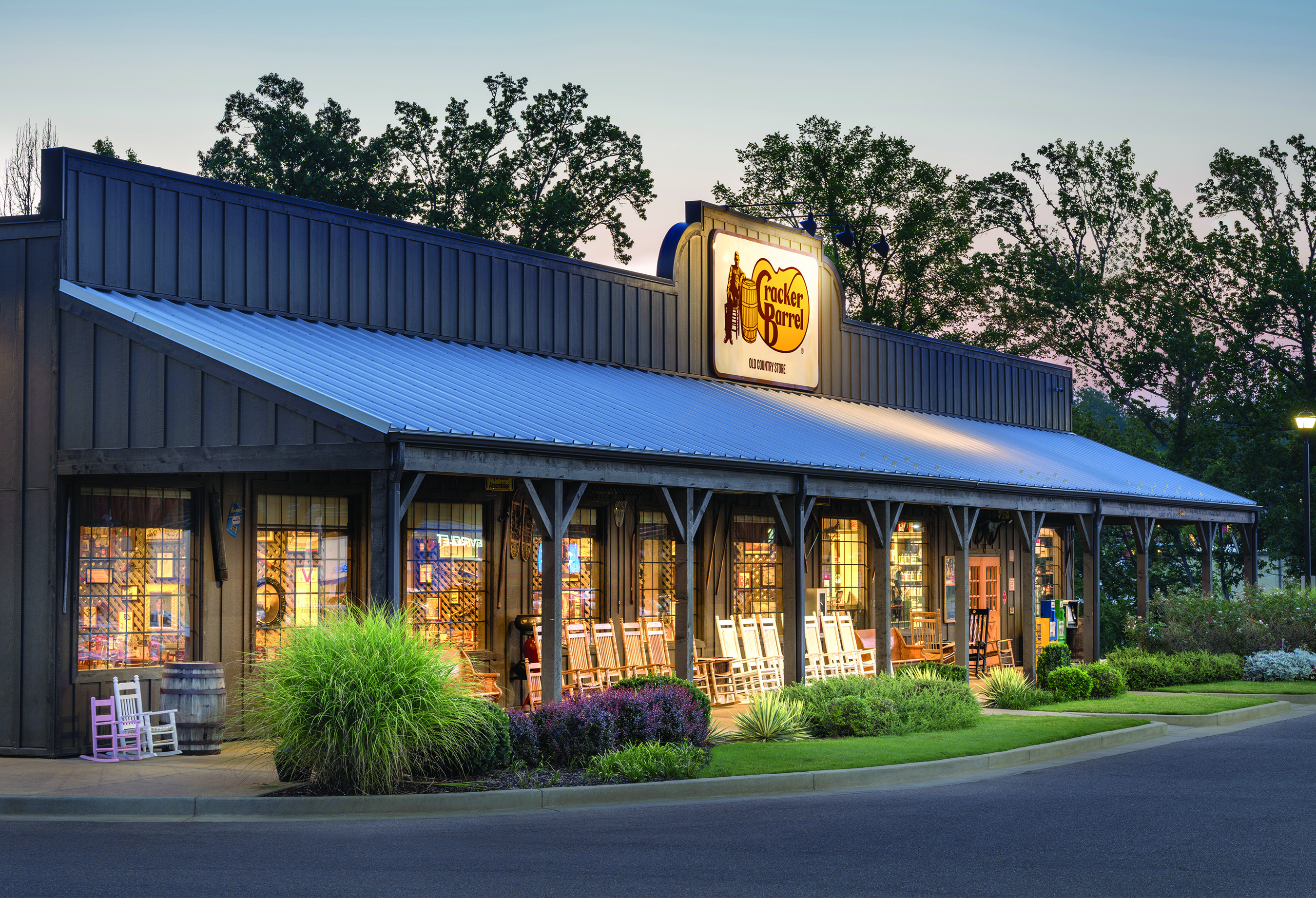
Cracker Barrel faces an activist proxy contest as it advances a multi-year transformation, defending its board and plan against Sardar Biglari's slate.
Apr 27, 2026
Taco Bell scales its proprietary Voice AI across U.S. drive-thrus, aiming for faster service, better accuracy, and a warmer guest experience.
Apr 26, 2026
Photo by Jafetbyrne Photos on Unsplash
Nostalgia-driven promotions, digital ordering, and flavor experiments reshape growth strategies for fast-casual brands in 2026.
Apr 26, 2026
Roti Modern Mediterranean opens a delivery-only ghost kitchen in Smyrna, Georgia, in January 2026, pairing a tightly managed pilot with a national franchise push begun in April 2025.
Photo by Skyler Smith on Unsplash
In a market where the chill in off-premise enthusiasm can be felt like a draft under a café door, Roti Modern Mediterranean chose a gentle but pointed move: opening its first delivery-only ghost kitchen in Smyrna, Georgia, in "January 2026". The aim is practical and quietly ambitious—reaching Greater Atlanta without a dine-in footprint while keeping the operation close to home. It’s a calculated launch in Smyrna amid a cooling trend, a moment when stepping forward asks for both restraint and conviction. Leadership didn’t frame this as a passing experiment. Matthew Walls, president and chief stores officer of Edible Brands—Roti’s parent—called the Smyrna initiative “a major step forward in our development strategy.” That phrasing carries intent: this is not a fleeting pop-up but a proving ground meant to inform what comes next. At a time when the sector’s mood feels subdued, Roti’s choice reads like a warm light left on in the window—a signal to customers and partners that the brand is still open to new paths, provided they’re carefully lit. Analysis: The opening date, leadership quote, and deliberate framing position Smyrna as a strategic test designed to extract durable lessons rather than a one-off trial.

Smyrna’s selection wasn’t just about a dot on the map; it was about staying within arm’s reach of headquarters for tight oversight, quick iteration, and easy support. In a delivery-only format, those quiet efficiencies—swift menu tweaks, process refinements, and service standards tested in real time—can make the difference between a promising pilot and a muddled one. Greater Atlanta has only known Roti through its presence inside Mercedes‑Benz Stadium, an environment defined by surges and spectacle. This kitchen offers a gentler daily rhythm: the chance to gauge demand beyond the roar of a game day. To reach customers immediately, Roti leaned on DoorDash, Grubhub, and Uber Eats, opting for the breadth of established platforms without a public commitment to a multibrand facility model. That choice preserves flexibility. By avoiding an early tie to a single multibrand provider, the company keeps room to fine-tune logistics while listening closely to order flows and neighborhood patterns—like a baker watching the first tray to decide how to proof the next. Analysis: Proximity to HQ and platform partnerships create a low-friction test bed, minimizing control risks while maximizing learning speed, especially in a non-stadium context.
The Smyrna opening cuts across a broader narrative: many casual-dining leaders have stepped back from virtual brands and ghost-kitchen ventures. Names as familiar as Red Robin, Chili’s, and Applebee’s have pared down or exited such experiments, offering a cautionary chorus about sustainability. The industry’s caution is underscored by shifts at Kitchen United, which ended physical operations in "2023" and sold its intellectual property in "2024"—a compact timeline that speaks to structural hurdles. These signposts don’t close the door on delivery-only models, but they do suggest the path is narrower and requires sharper execution. In that context, Roti’s approach reads as selective rather than sweeping: a single, closely managed site positioned to answer specific questions in a specific market. It’s an approach that favors the steady pour over the splash. Analysis: Broad retrenchment heightens scrutiny on Smyrna; success here would challenge the prevailing chill around ghost kitchens, while weak results would reinforce it.
Even before the Smyrna kitchen switched on, Roti opened the door to growth via franchising. A national franchise campaign began in "April 2025", months ahead of the delivery-only launch, linking the timing so learnings from Smyrna can flow directly into recruitment, site selection, and operating playbooks. The company lists "17" corporate-owned units across Chicago, Washington, D.C., and Minneapolis, providing an operational base for support and training. Priority markets include Michigan, Ohio, the Carolinas, Georgia, Florida, and Texas—an arc that places Georgia’s test squarely within near-term targets. For prospective operators, the investment picture is defined: single- and multi-unit agreements are available, with total investments ranging from "$494,300 to $813,000" and an initial franchise fee of "$35,000". Clear tiers like these can feel reassuring—like a well-marked menu that helps guests choose with confidence—especially when paired with fresh data from an active pilot. Analysis: The franchise push is sequenced to absorb Smyrna’s findings, offering a capital-light path to scale while preserving the option to adjust based on observed delivery performance.
The Smyrna site is designed as an operational lab, not a statement of permanent format. Its mission is plain: explore delivery demand and operational feasibility in Greater Atlanta beyond the stadium environment, with headquarters close enough to keep feedback loops short and responsive. By choosing marketplace delivery through DoorDash, Grubhub, and Uber Eats, Roti accesses immediate distribution while retaining the freedom to tune its model. The company has not publicly committed to a multibrand facility solution, a restraint that keeps options open as data accumulates—order density, fulfillment times, menu mix performance, and the daily pulses of demand. The stated objective is to integrate what is learned into broader expansion, including traditional development where it makes sense. It’s the hospitality equivalent of tasting as you go—adjusting seasoning before serving at scale. Analysis: The test focuses on delivery metrics and brand traction in a non-event setting, with results intended to shape both off-premise and potential traditional growth decisions.
Certain anchors are in place. The Smyrna ghost kitchen opened in "January 2026"; it serves Greater Atlanta exclusively through DoorDash, Grubhub, and Uber Eats; and it complements a franchise effort launched in "April 2025" with disclosed investment ranges and fee structures. These facts define the rollout’s when, where, and how, along with entry points for would-be franchisees. Other pieces aren’t yet detailed in the available information: performance figures from Smyrna, consumer adoption metrics, and any stated timeline for additional ghost kitchens or conversions to traditional units. Reliance on third-party marketplaces keeps external dependencies in the model, even as the lack of a multibrand facility commitment preserves optionality. With sentiment around ghost kitchens described as cooled and investor confidence characterized as waning in the analysis provided, the burden of proof is higher. The pilot will need to demonstrate steady operational execution and results that are clear enough to travel. Analysis: Known facts establish a precise framework, while undisclosed metrics highlight the central risk—that only disciplined operations and measurable outcomes will justify continued investment in off-premise formats.
The sequencing tells its own story: franchising first in "April 2025" to build the bench, then the Smyrna pilot in "January 2026" to supply fresh, local learnings. Leadership’s framing—“a major step forward in our development strategy”—sits alongside the kitchen’s role as a "litmus test for the model’s viability". The expectation is not grand expansion tomorrow, but an informed path that feels both deliberate and open to revision. If Smyrna validates delivery demand and operational efficiency across ordinary days in Greater Atlanta, the evidence could reinforce a selective off-premise approach, strengthen franchise playbooks, and support traditional development where it fits. If results fall short, the dual-pronged plan leaves room for recalibration, an adjustment as natural as refining a recipe after the first batch. The lesson folds neatly into today’s hospitality reality: thoughtful innovation should feel welcoming, not rushed. By keeping the pilot close to home, leaning on broad distribution partners, and tying learnings directly to franchising, Roti is pursuing a careful kind of growth—one that treats data like a steady hand on the kettle. Analysis: The outlook hinges on precise execution and clear learnings; the company has positioned Smyrna to deliver both, giving the brand a measured way to advance while the wider industry steps back.