
Photo by shen wenjie on Unsplash
Seasonal Frenzy Reshapes Fast-Casual
Holiday-driven menu drops fuse nostalgia with wellness, turning menus into living calendars for fast-casual brands.
Menu Development
Apr 28, 2026
Photo by shen wenjie on Unsplash
Holiday-driven menu drops fuse nostalgia with wellness, turning menus into living calendars for fast-casual brands.
Apr 28, 2026
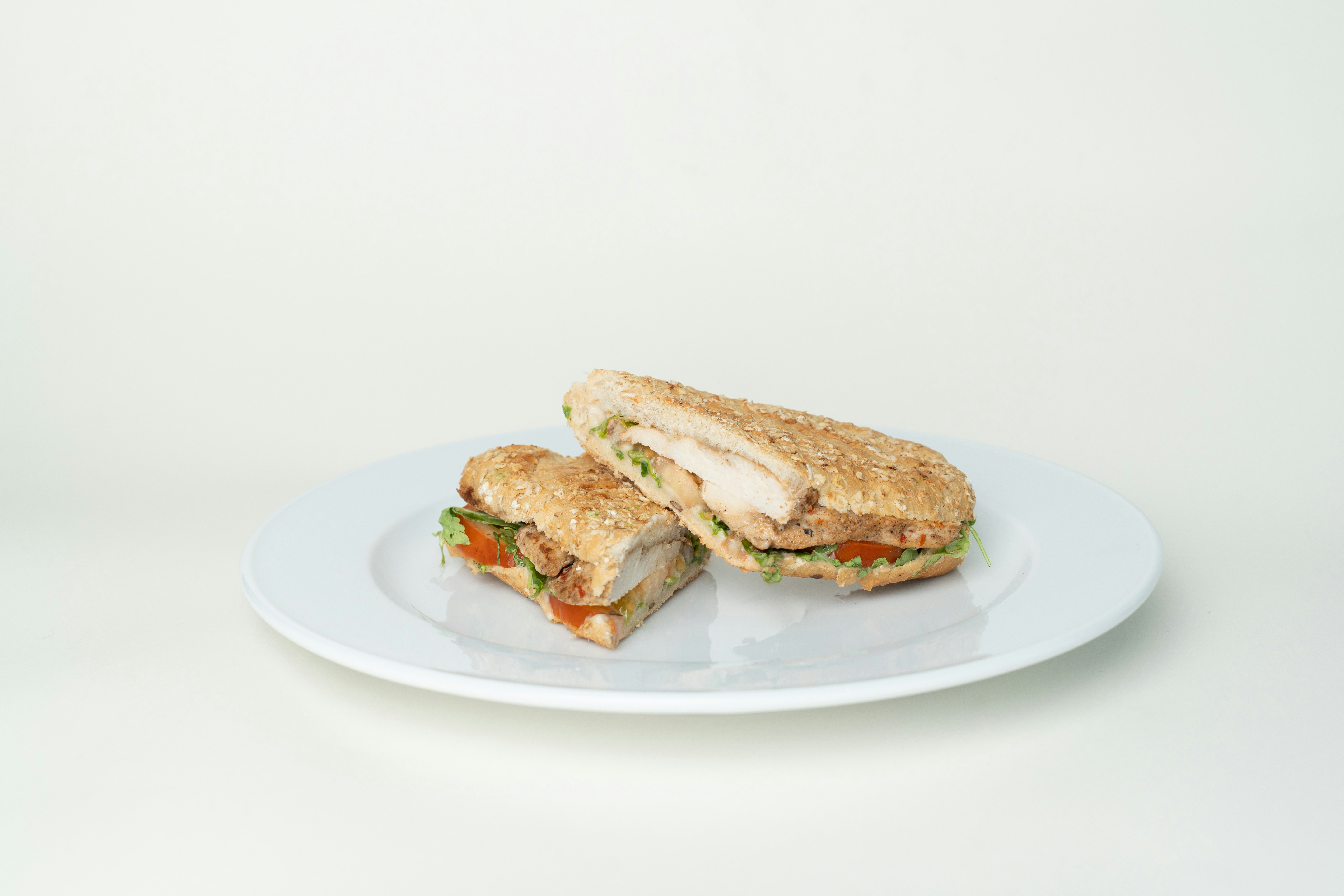
Photo by Abdul Raheem Kannath on Unsplash
Susannah Frost named Chick-fil-A President, joining Cliff Robinson as COO to guide domestic expansion and international growth.
Apr 28, 2026

Photo by Moon Bhuyan on Unsplash
Ghost pepper-led promotions redefine autumn menus as chains blend heat, storytelling, and seasonal collaborations to drive foot traffic.
Apr 28, 2026

Photo by Noah Martinez on Unsplash
CAVA rolls out Garlic Ranch Pita Chips with a Steak + Harissa Bowl and a refreshed Rewards program, tying flavor innovation to personalized guest experiences.
Apr 28, 2026

Photo by Kate Trysh on Unsplash
Applebee’s launches Pick 6 Mondays, offering free wings with a $10 purchase when a Pick 6 occurs on Sundays, driving game-day momentum across dine-in and To Go.
Apr 28, 2026
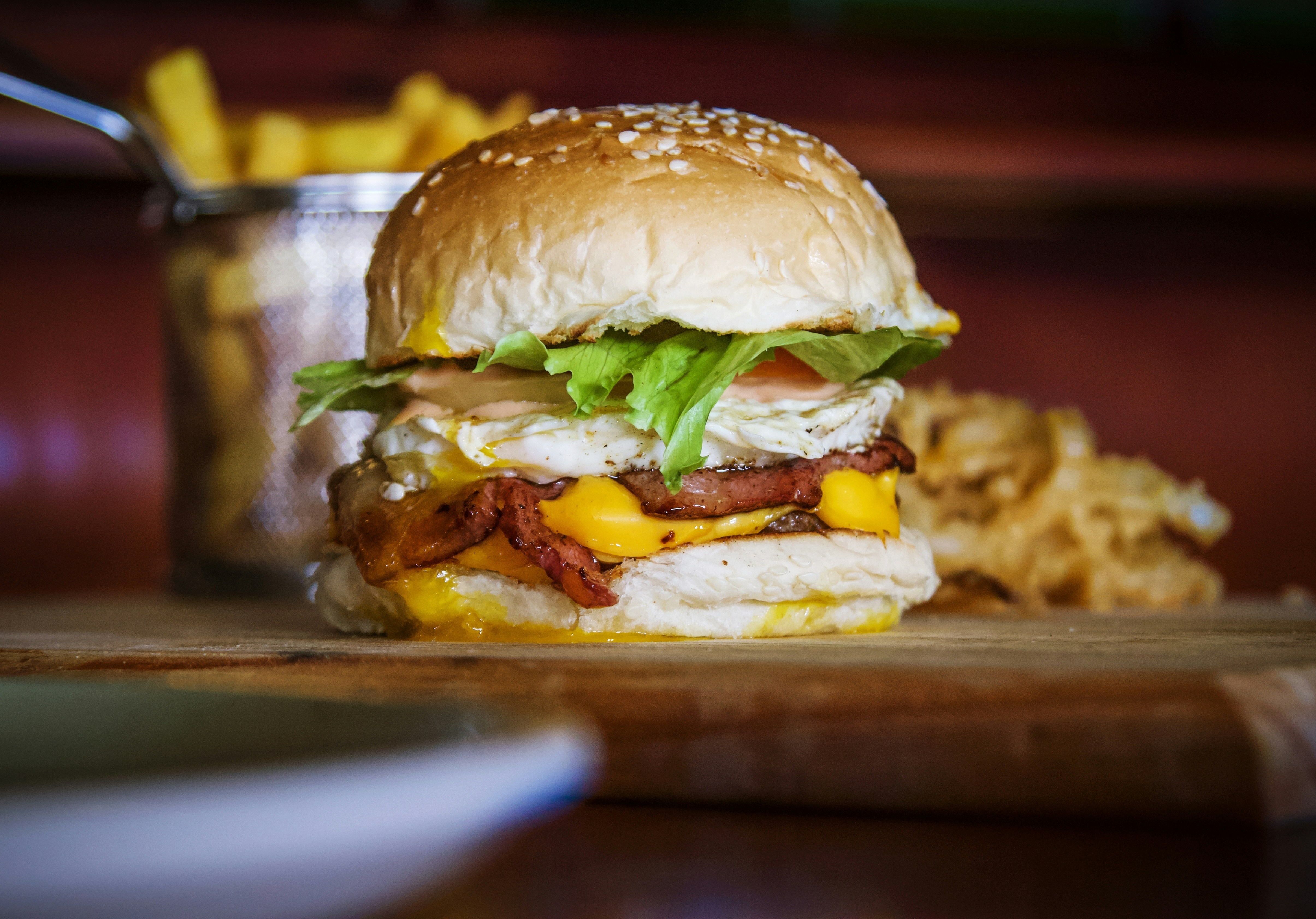
Photo by Stu Moffat on Unsplash
Beatrice Nguyen explores how leadership blends speed, loyalty, and standardized operations to grow Shake Shack while preserving its signature experience.
Apr 28, 2026
Photo by tommao wang on Unsplash
Freddy’s expands with a 23,000-sq-ft Training & Innovation Center to boost franchise profitability and unit growth toward 800+ by 2026.
Apr 28, 2026
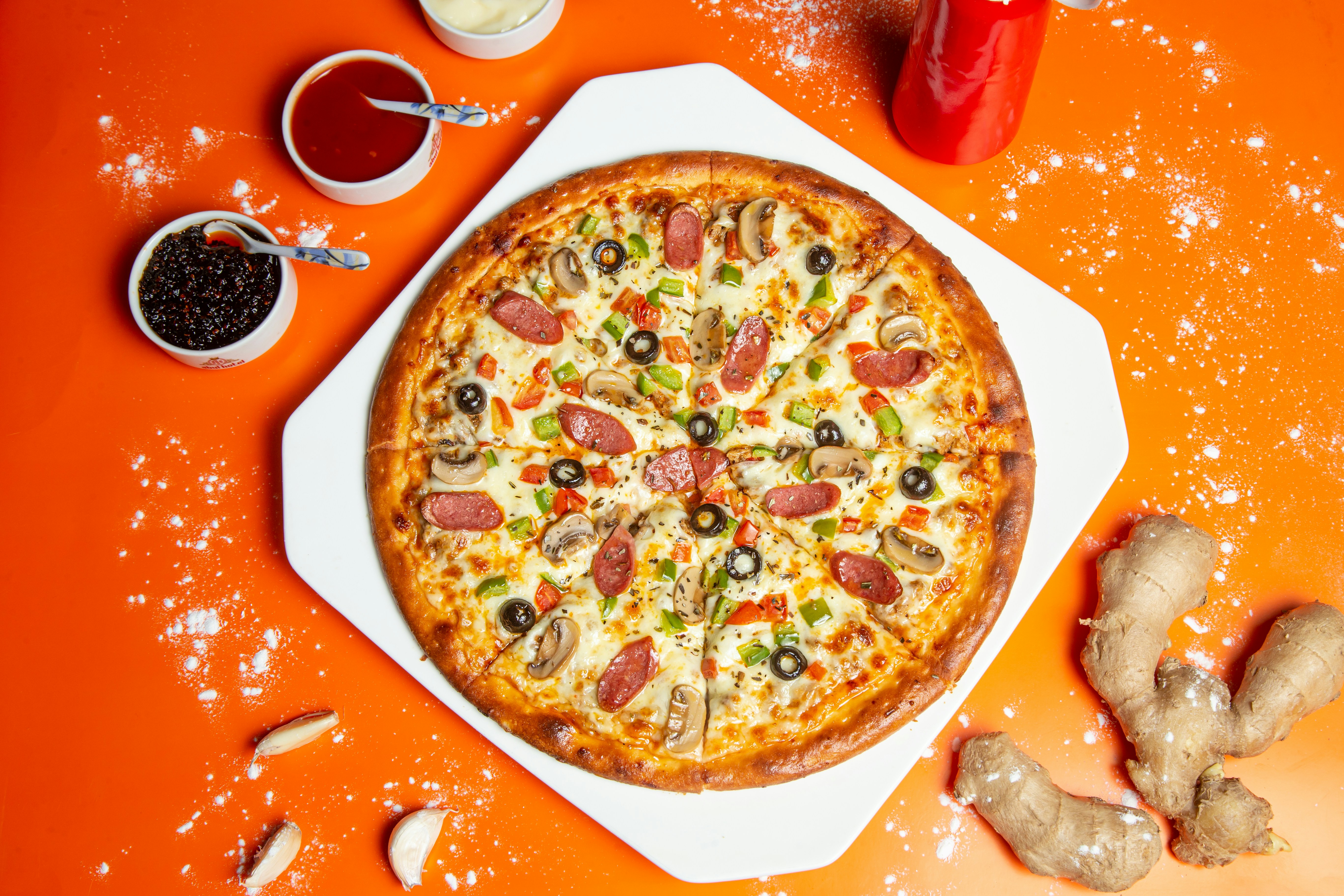
Photo by Shourav Sheikh on Unsplash
Chapter 11 roils EYM’s Pizza Hut footprint, with auctions and asset sales reordering stores across IL, WI, IN, GA, and SC.
Apr 28, 2026
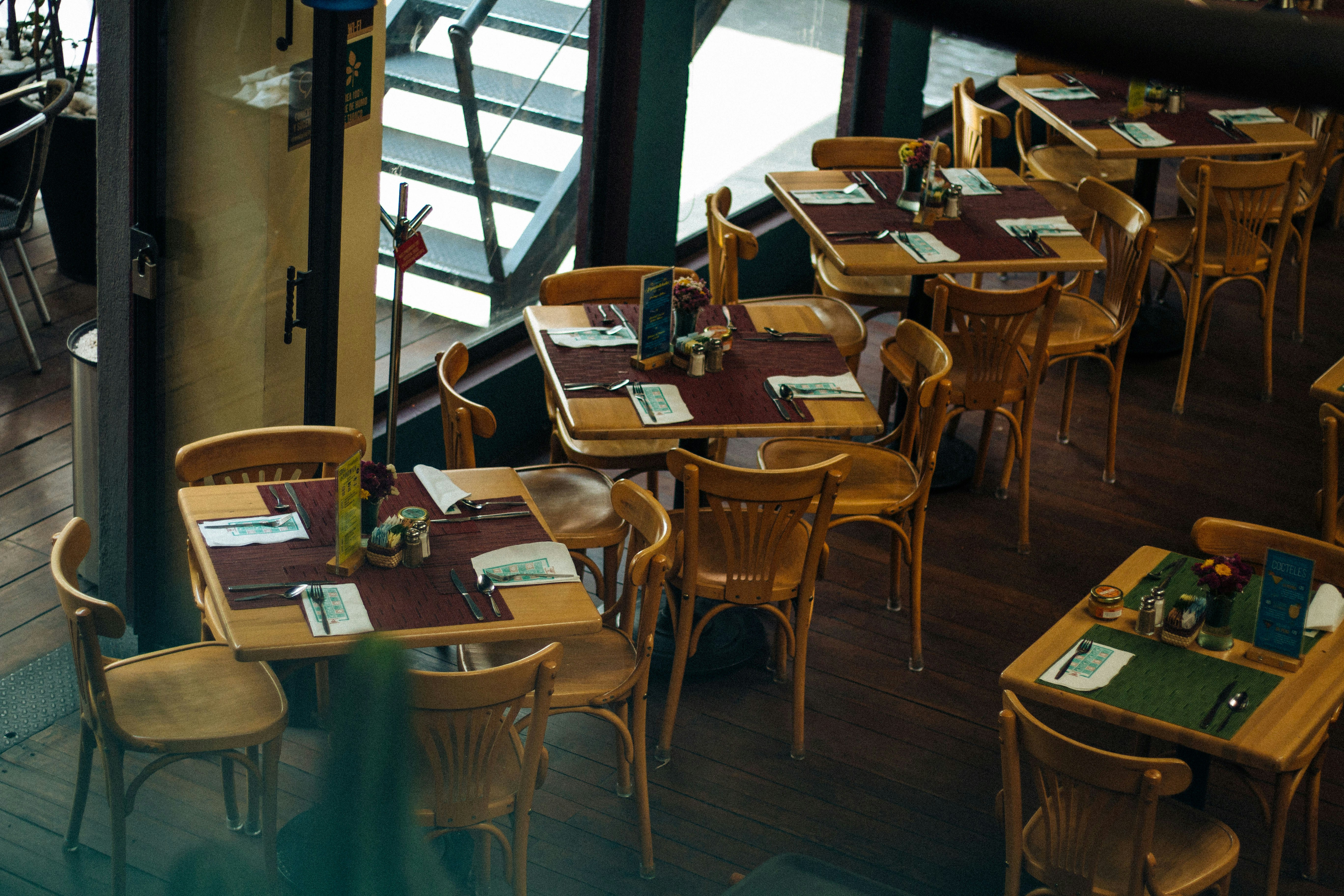
Photo by Adolfo Félix on Unsplash
How AI-enabled training, robotics, and crypto rewards are reshaping guest experience and workforce in modern restaurants.
Apr 28, 2026

Photo by Meghan Rodgers on Unsplash
Candace Nelson headlines CREATE 2024 in Nashville, sharing her journey from finance to Sprinkles and Pizzana, with practical roadmaps for growth-minded restaurateurs.
Apr 28, 2026
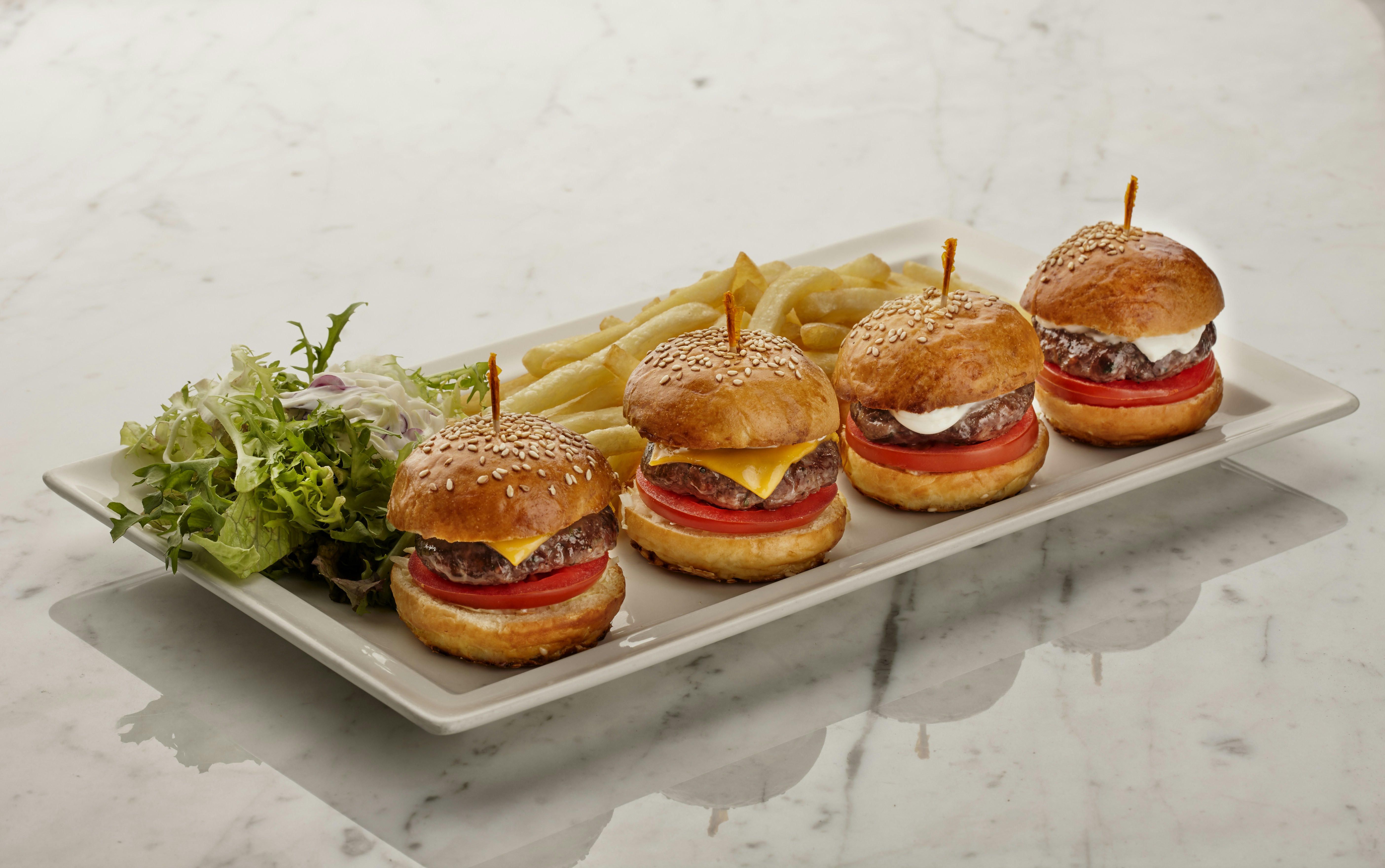
Smalls Sliders accelerates nationwide growth with a compact 800-sq-ft model, a Atlanta-area training hub, and a franchise advisory council to keep expansion aligned.
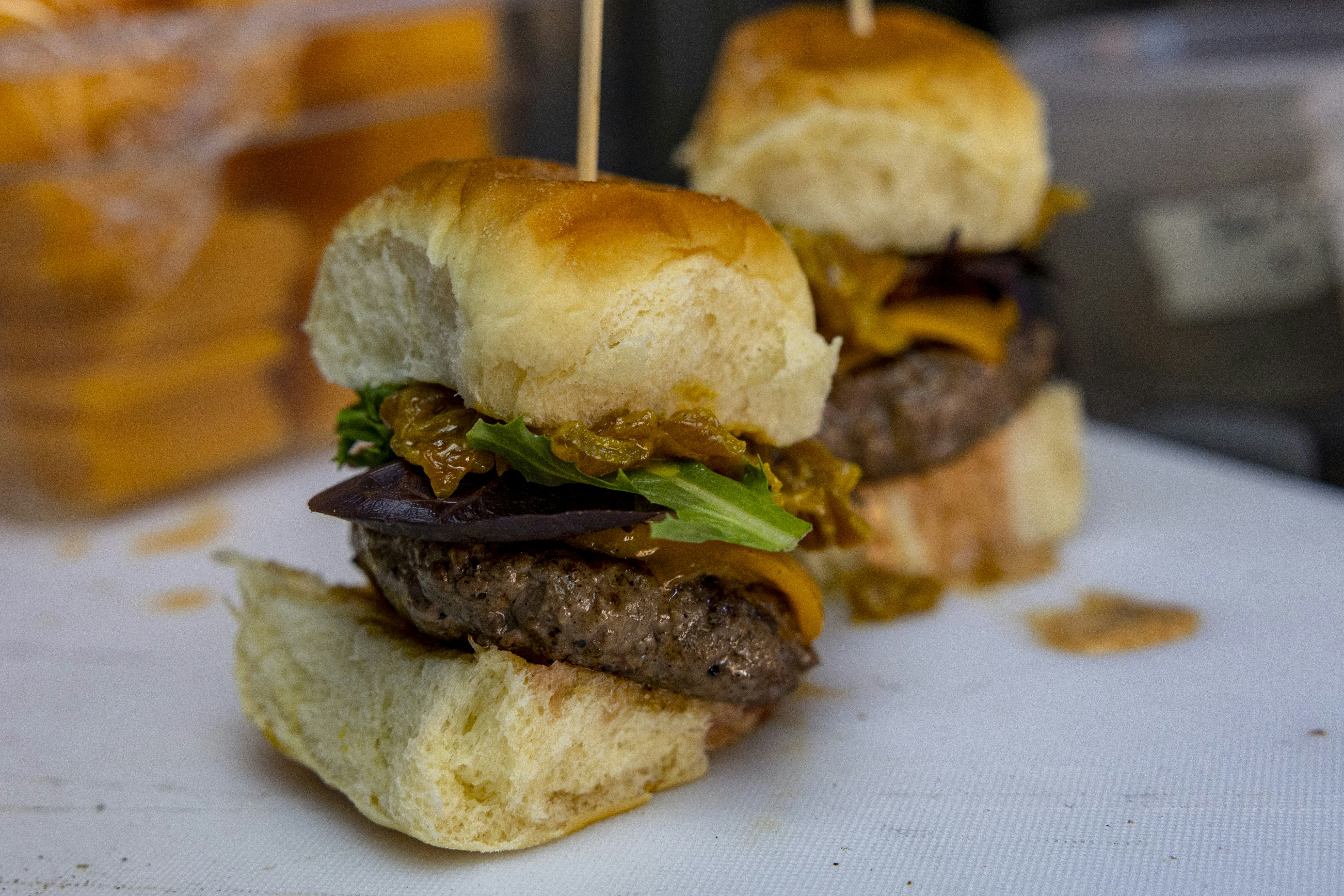
Photo by Leo_Visions on Unsplash
Smalls Sliders isn’t slowing down. The brand is sprinting toward a national rollout, with more than 300 units either sold or in development, a clear signal that a much bigger footprint is on the horizon. This isn’t a tiny shift in strategy—it’s a full-court press to systematize operations, speed openings, and preserve a disruptive voice as the brand scales. At the center of it all is a leadership refresh that isn’t accidental. Julie Hauser-Blanner was named chief operating officer about five months ago, charged with turning a compact concept into a scalable engine. The tension in the room is real: accelerate, yes, but do so with consistency and culture intact. The next chapters will test that balance, and they’ll test it fast: a national runway demands both speed and precision.
What’s driving the momentum is simple in theory and loud in practice: Smalls Sliders sets out to prove that a focused concept can translate into a multi-market machine. The data backs this up—according to Bikky data summarized by GlobeNewswire, more than 300 locations were sold or under development by the end of 2024. That milestone isn’t just a number; it’s a signal that the brand’s playbook is ready for replication. The expansion push rests on a single, stubborn premise: a tiny footprint can host big throughput if the operations are disciplined and the training is tight. The question now is not if they can scale, but how well they keep the core promise while spreading it across the country.
Hauser-Blanner arrives with two decades of restaurant operations know-how, with a track record of scaling franchise networks and optimizing multi-site performance. The fit, colleagues say, is practical and cultural: she has an immediate connection with CEO Maria Rivera and a belief in the brand’s vision that accelerates joining the team. In Hauser-Blanner’s own words, the core appeal lies in the brand’s The simplicity of the brand — it’s so exciting, it’s so disruptive, and it’s exactly what the consumer is looking for. She adds that culture is non-negotiable when you’re trying to scale gracefully: "The simplicity of the brand – it’s so exciting, it’s so disruptive, and it’s exactly what the consumer is looking for."
That cultural alignment matters because it’s shaping how Smalls moves from pilots to broader deployment. Hauser-Blanner describes the match as practical and cultural—she felt seen and notes that culture is a non-negotiable driver of scale. The leadership shift isn’t just about faster openings; it’s about a shared rhythm with Maria Rivera and a belief in the brand’s disruptive potential. As the team readies for a multi-market push, the question becomes: can the cultural glue hold as the footprint expands? The answer, for now, rests on the next steps—training, playbooks, and disciplined rollout.
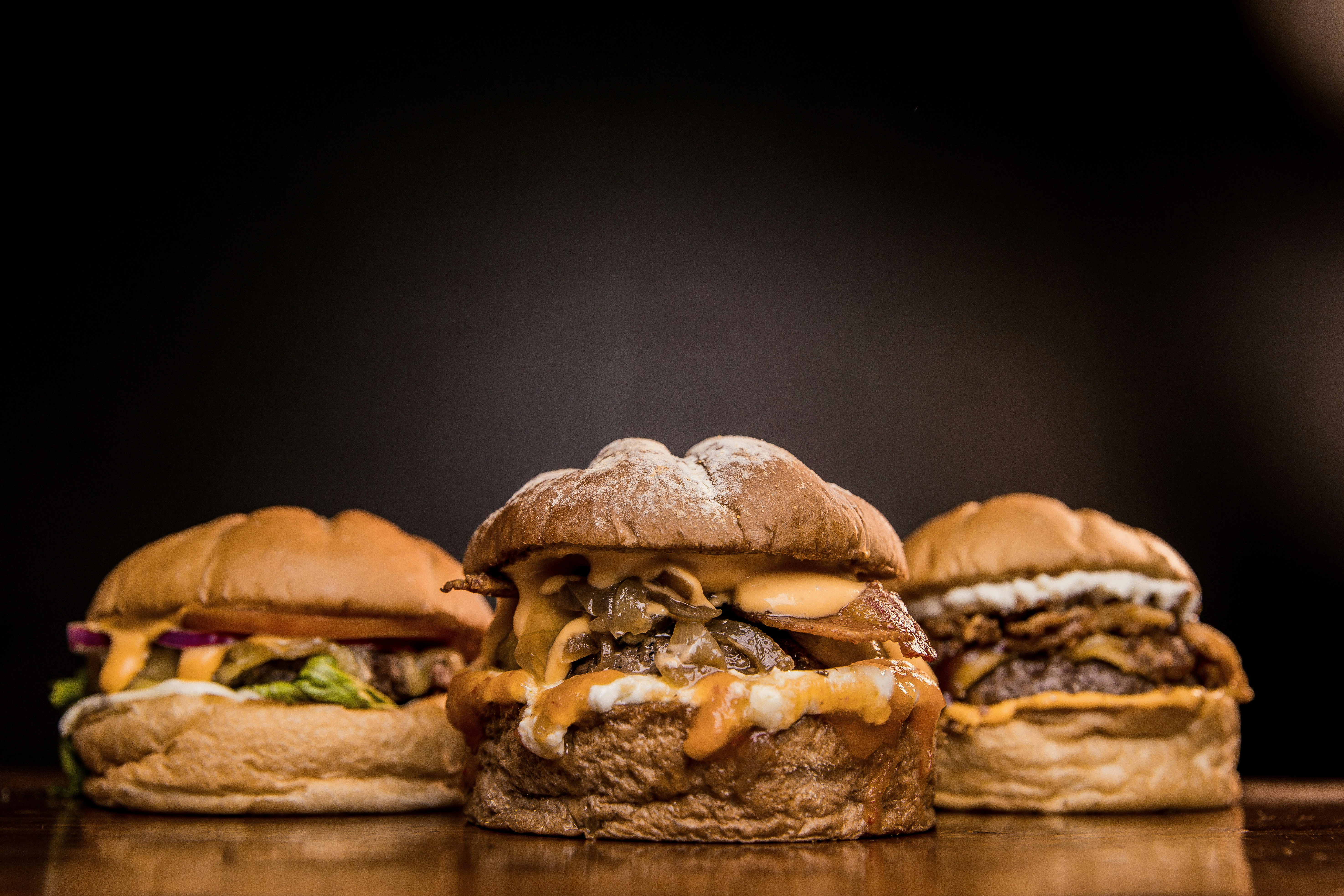
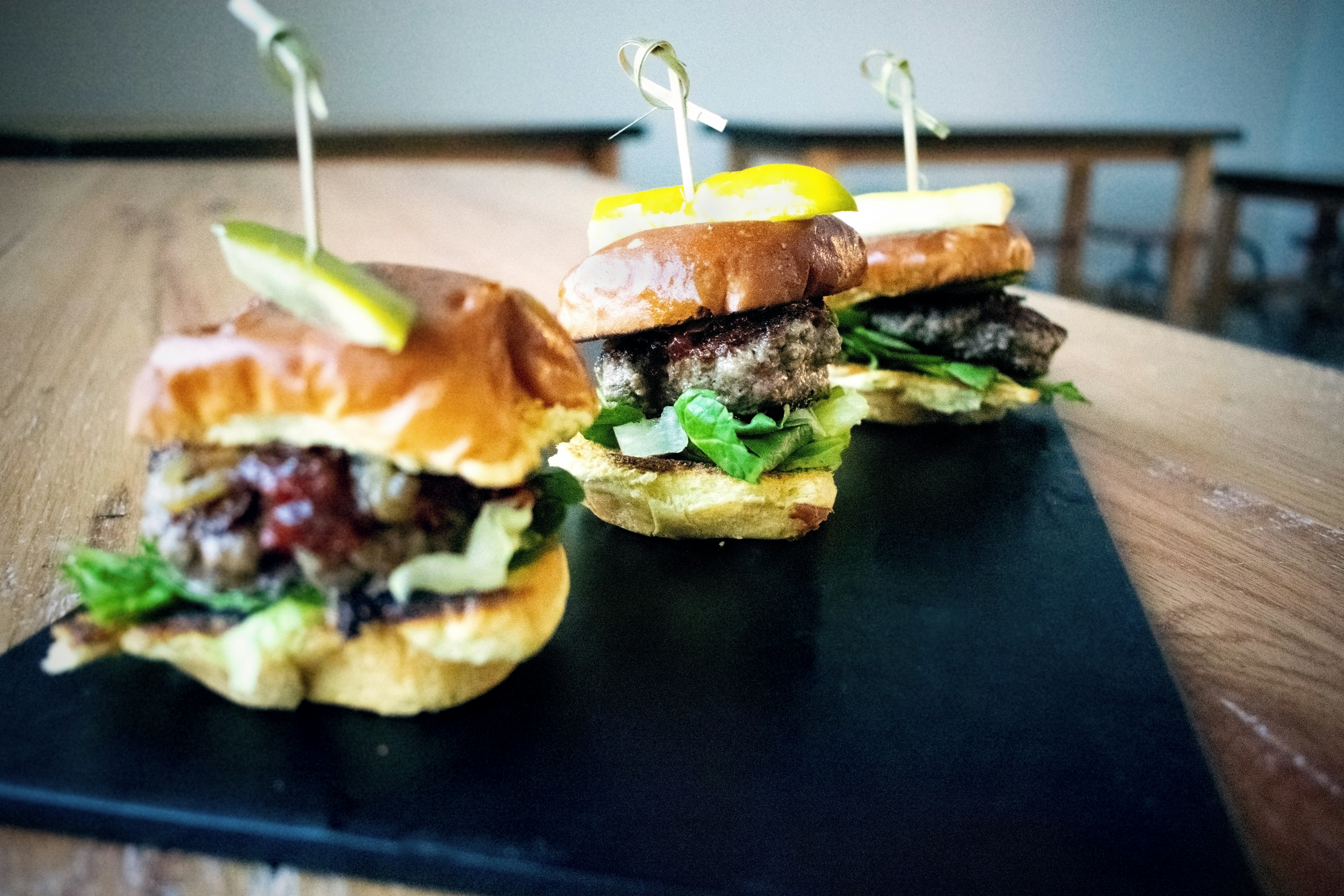
The can model is at the heart of Smalls Sliders’ growth. The footprint is intentionally compact—about 800 square feet per unit—so the kitchen becomes a study in efficiency, labor deployment, and flow. The menu stays razor-focused—cheeseburger sliders, fries with toppings, shakes, and drinks—because a simple lineup reduces complexity and speeds service. It’s not flashy, it’s functional: a small space demands a tightly designed workflow and a staffing model that can deliver the same experience on a hundred stages. The big win here is consistency at scale, not volume in a single kitchen.
Hauser-Blanner puts it plainly: "It’s all about efficiencies because you don’t have a lot of space in that kitchen." The takeaway is clear—a 800-square-foot canvas demands a deliberately designed workflow and a staffing model that can reproduce the same rhythm in every unit. The objective isn’t novelty; it’s repeatability. With can-size operating rhythm, Smalls aims to deliver fast, high-quality service everywhere, from the first launch to the hundredth store. If the system works here, it should work anywhere.
Training is no afterthought. A dedicated center near its Atlanta headquarters will test new products, equipment, and techniques, then refine onboarding for both operations and franchise staff. Hauser-Blanner emphasizes early education: "We’re now getting in front of cans to educate team members before we land the can." The vision is to quarterly revisit procedures, keep the learning management system fresh, and ensure a smooth onboarding path as the roster of locations grows. The near-term objective is aggressive but clear: have the training processes fully streamlined by the first quarter of 2025, so openings can be rapid and sustainable.
The phrase anchors the ambition: "the training so buttoned up" that expansion can proceed rapidly yet with discipline. The playbook isn’t just a manual; it’s a living system—updated quarterly to reflect learning, franchise feedback, and product refinements. A streamlined training engine reduces ramp time for new units, supports consistent guest experience, and keeps franchise partners aligned with a clear set of standards. In short, the learning backbone is what makes scale possible without sacrificing the quality customers expect.
Franchise Advisory Council has become a formal channel for feedback, intended to “accelerate development” while keeping the rollout grounded. Hauser-Blanner says the council will inform the expansion and that growth will be a shared journey: "The council will inform us, and we’re going to grow because we’re going to do it together with our franchisees." The initiative signals a collaborative approach that values partner input as the network expands. External partnerships are already shaping the model, with Purple Square Management Co. acting as a key multi-brand operator in the Atlanta market and signaling a broader, more integrated pace.
That advisory structure isn’t cosmetic. It’s a mechanism to embed franchisee perspectives into the cadence of expansion while maintaining momentum. The collaboration with Purple Square Management Co. points to a more collaborative growth model that could accompany a national footprint. The takeaway: listening to operators on the ground isn’t optional; it’s part of the playbook’s DNA as Smalls scales across markets.
Industry momentum around Smalls Sliders has been described as "wild and crazy" by observers and potential franchisees, a compliment that comes with real caveats. Hauser-Blanner stresses that growth must stay systematic and methodical even as the can fleet expands. The challenge isn’t just speed; it’s ensuring quality, speed, and culture survive at a higher tempo. With each additional can coming online, the industry watches how well leadership preserves the brand’s guest promise in dozens of new kitchens. The pressure point is real, but the design choices—the tiny footprint, precise staffing, and focused menu—raise the stakes for consistency as the network grows.
Looking ahead, the near-term objectives center on training standardization and franchise relations to support a disciplined nationwide rollout. Industry coverage and company statements point to nimble operations and close franchise alignment as levers for speed and excellence. External reporting in early 2026 highlights openings in Florida and Georgia, plus continued movement into Colorado and Texas. The big question remains: can Smalls Sliders scale without losing the careful balance between speed, culture, and consumer promise? If the model holds, it could redefine parts of rapid QSR expansion.