Photo by shen wenjie on Unsplash
Seasonal Frenzy Reshapes Fast-Casual
Holiday-driven menu drops fuse nostalgia with wellness, turning menus into living calendars for fast-casual brands.
Menu Development
Apr 28, 2026
Photo by shen wenjie on Unsplash
Holiday-driven menu drops fuse nostalgia with wellness, turning menus into living calendars for fast-casual brands.
Apr 28, 2026
Photo by Abdul Raheem Kannath on Unsplash
Susannah Frost named Chick-fil-A President, joining Cliff Robinson as COO to guide domestic expansion and international growth.
Apr 28, 2026
Photo by Moon Bhuyan on Unsplash
Ghost pepper-led promotions redefine autumn menus as chains blend heat, storytelling, and seasonal collaborations to drive foot traffic.
Apr 28, 2026

Photo by Noah Martinez on Unsplash
CAVA rolls out Garlic Ranch Pita Chips with a Steak + Harissa Bowl and a refreshed Rewards program, tying flavor innovation to personalized guest experiences.
Apr 28, 2026
Photo by Kate Trysh on Unsplash
Applebee’s launches Pick 6 Mondays, offering free wings with a $10 purchase when a Pick 6 occurs on Sundays, driving game-day momentum across dine-in and To Go.
Apr 28, 2026
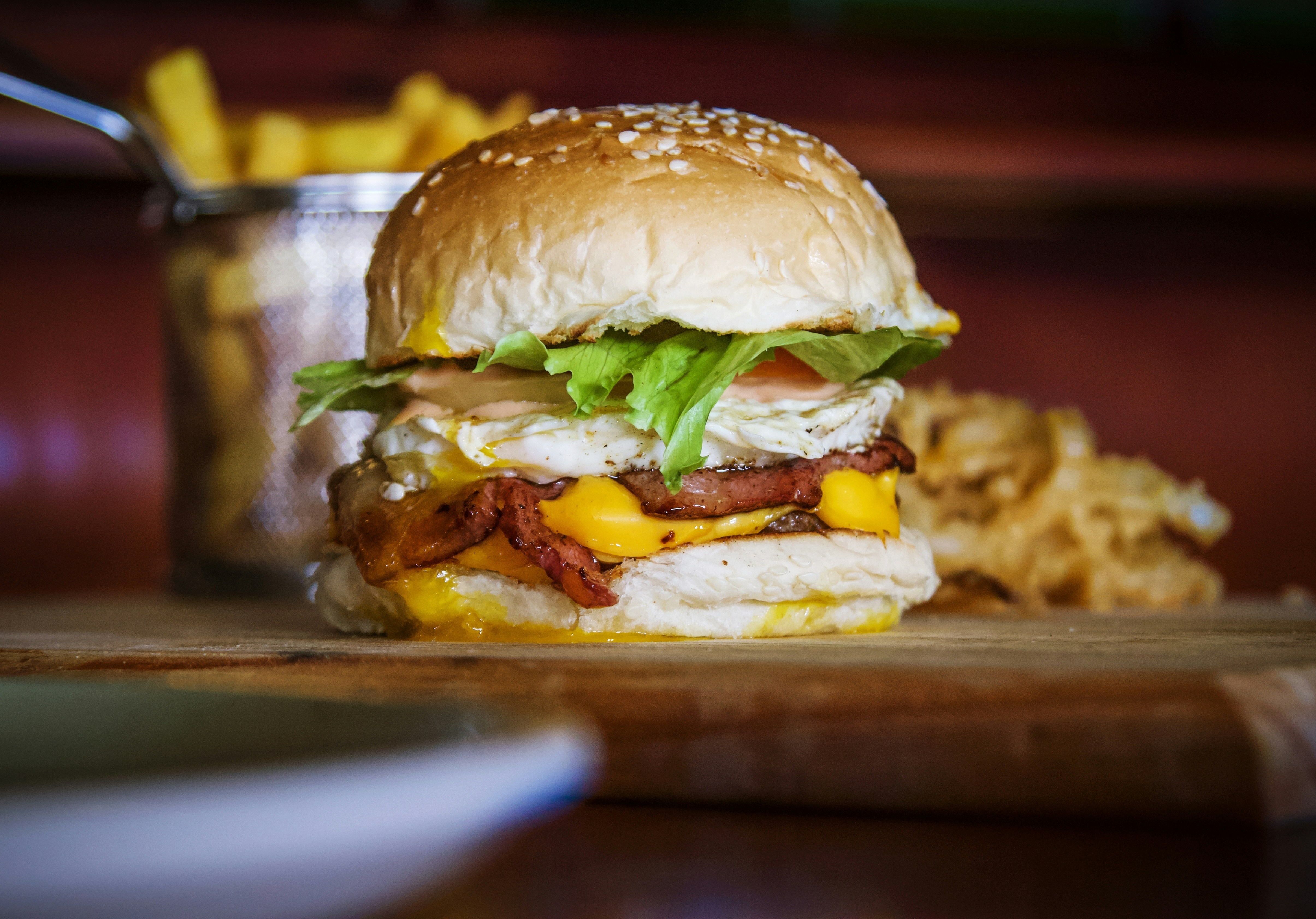
Photo by Stu Moffat on Unsplash
Beatrice Nguyen explores how leadership blends speed, loyalty, and standardized operations to grow Shake Shack while preserving its signature experience.
Apr 28, 2026
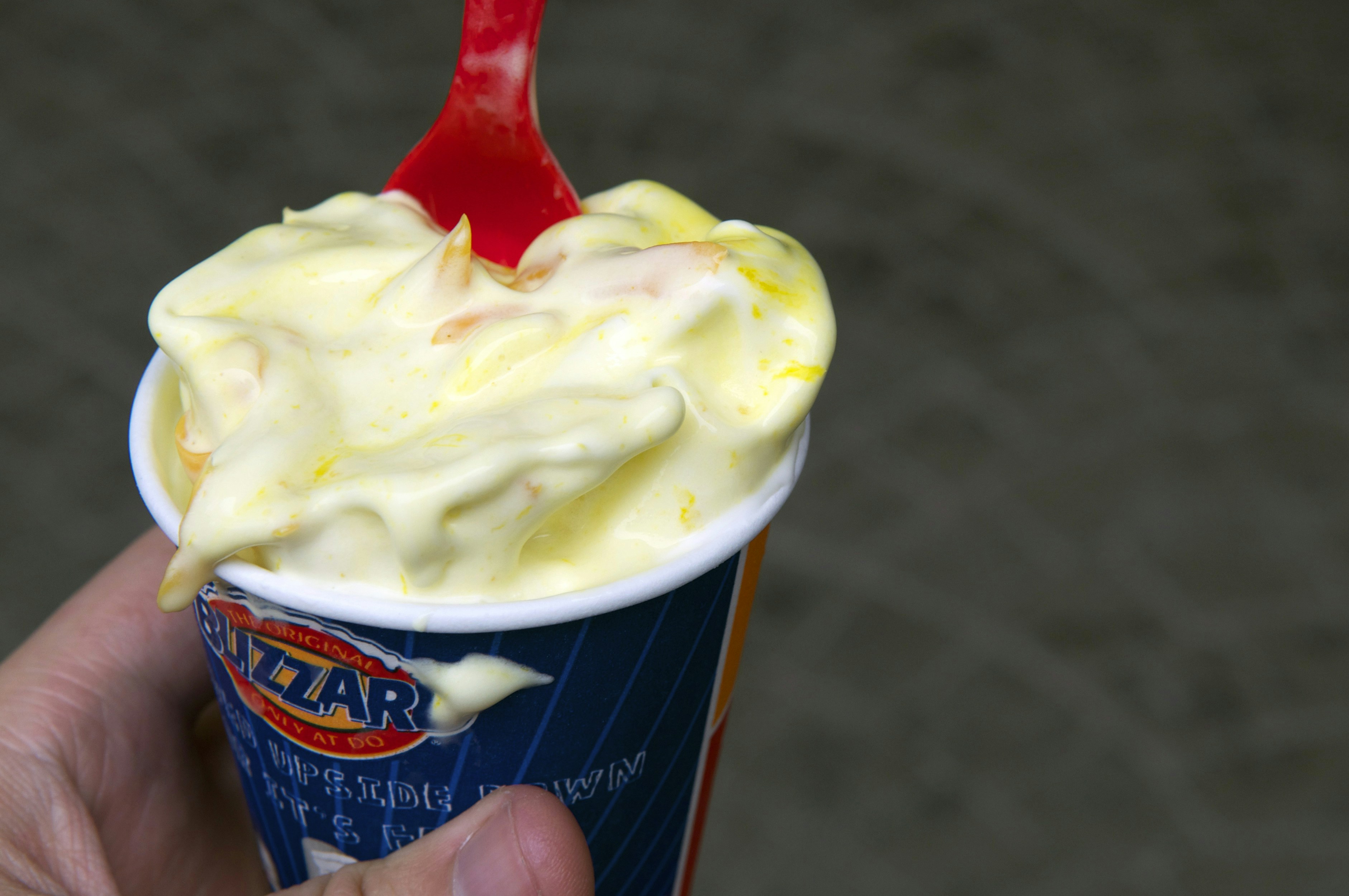
Photo by tommao wang on Unsplash
Freddy’s expands with a 23,000-sq-ft Training & Innovation Center to boost franchise profitability and unit growth toward 800+ by 2026.
Apr 28, 2026
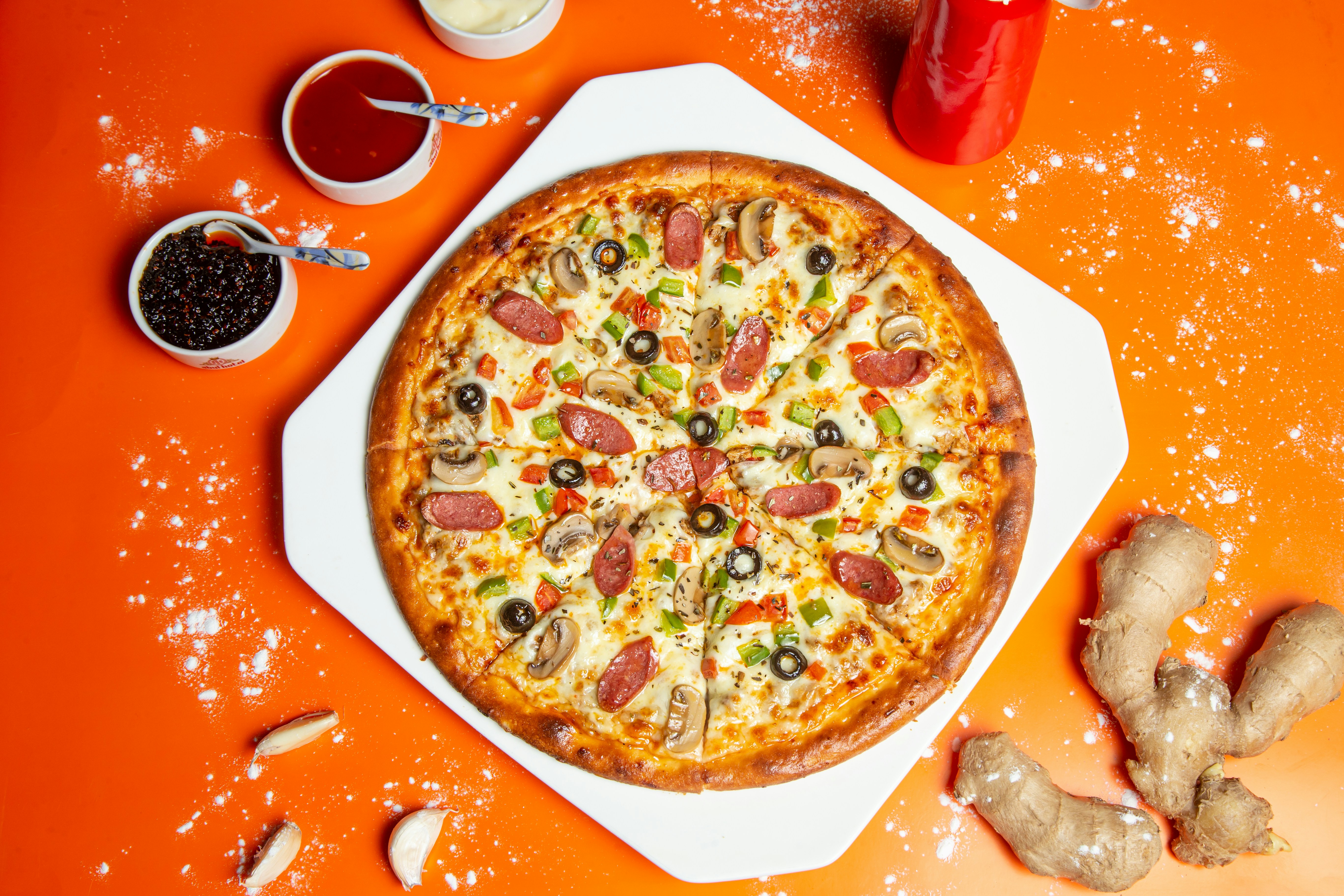
Photo by Shourav Sheikh on Unsplash
Chapter 11 roils EYM’s Pizza Hut footprint, with auctions and asset sales reordering stores across IL, WI, IN, GA, and SC.
Apr 28, 2026
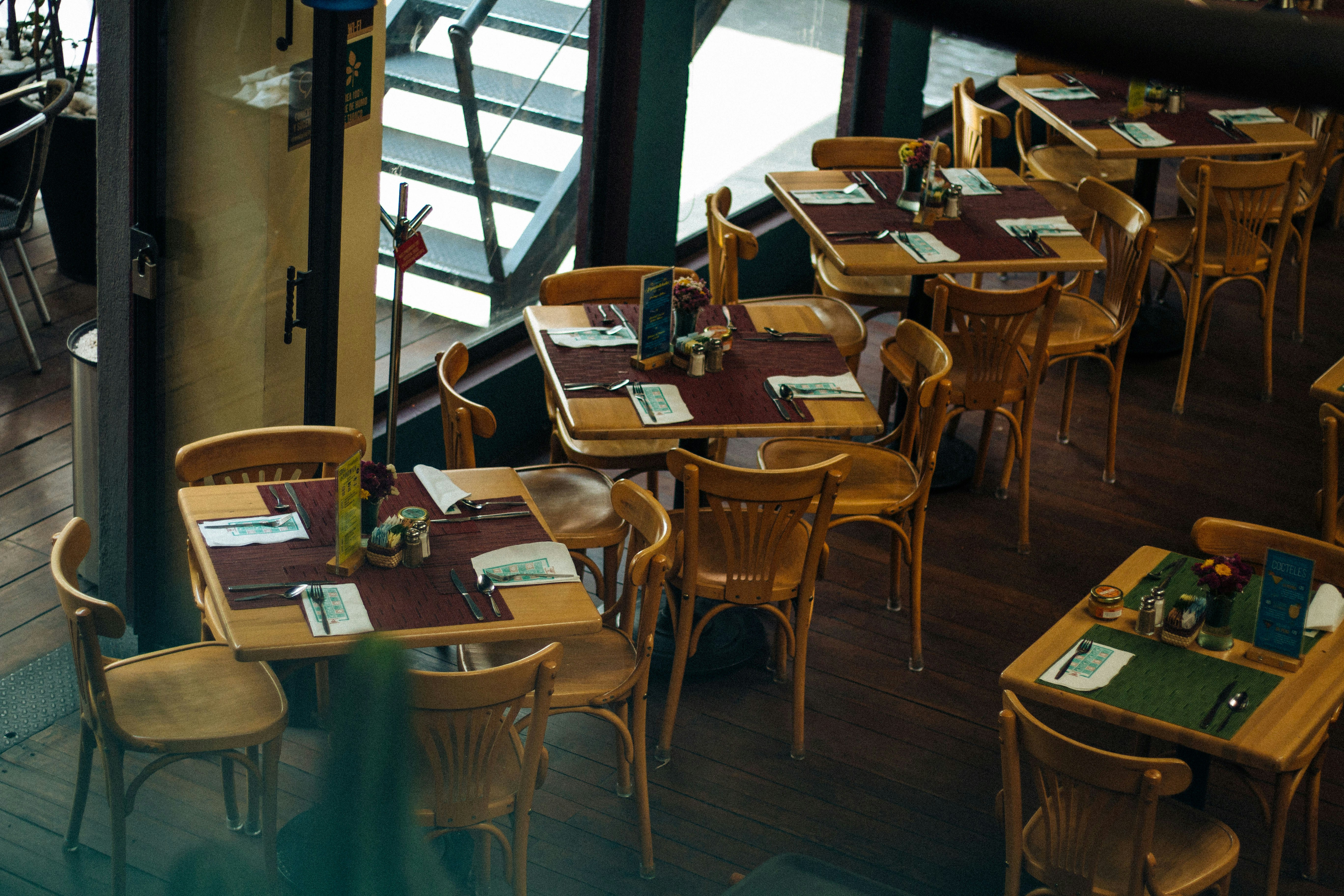
Photo by Adolfo Félix on Unsplash
How AI-enabled training, robotics, and crypto rewards are reshaping guest experience and workforce in modern restaurants.
Apr 28, 2026
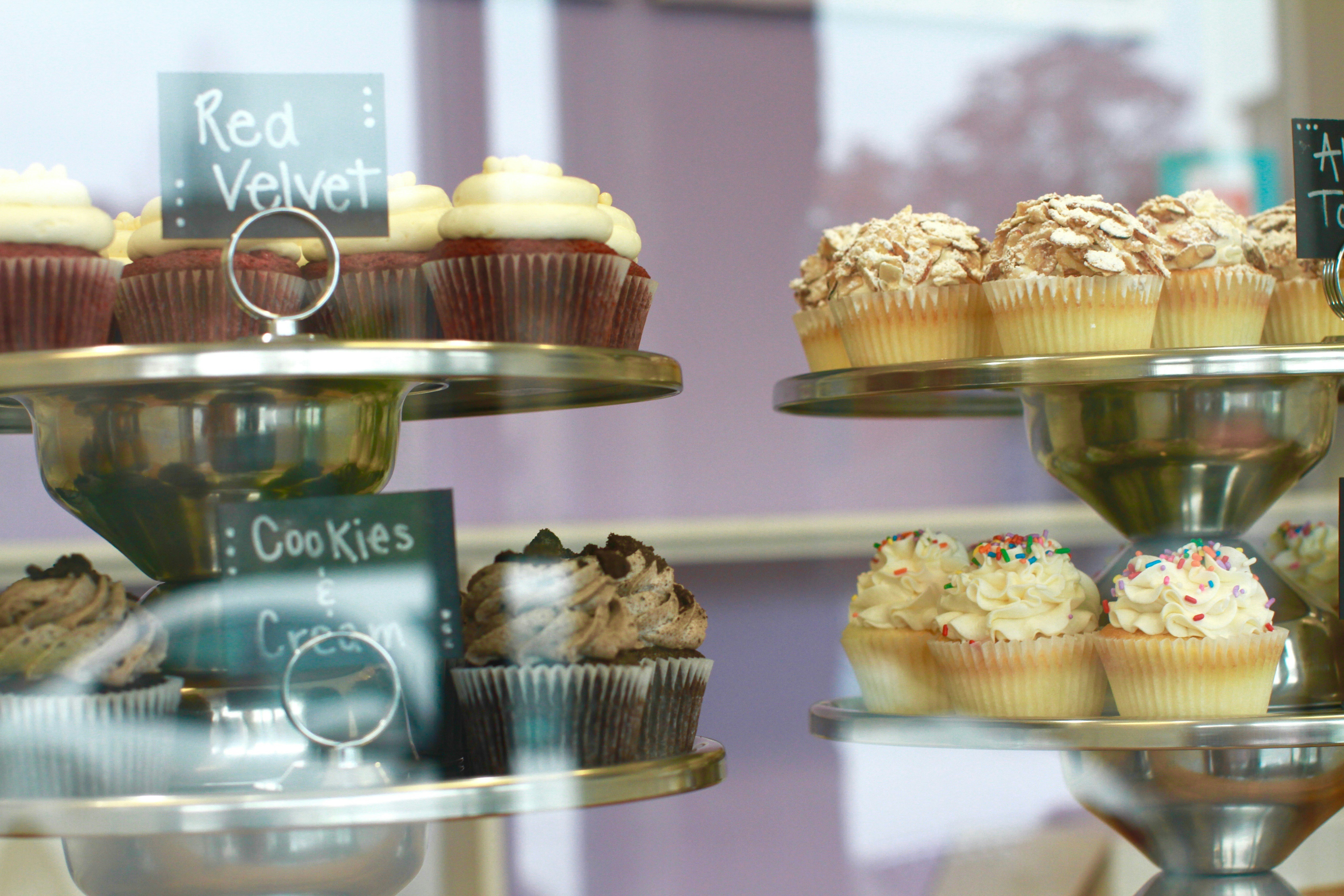
Photo by Meghan Rodgers on Unsplash
Candace Nelson headlines CREATE 2024 in Nashville, sharing her journey from finance to Sprinkles and Pizzana, with practical roadmaps for growth-minded restaurateurs.
Apr 28, 2026
A refined look at how smash burgers fuse speed, texture, and social buzz to reshape fast-casual menus across brands.
Photo by Caleb Woods on Unsplash
From a whispered trend on the West Coast to a chorus across the quick-service map, the smash burger has become a quiet maestro of texture. The core technique—pressing beef onto a blistering griddle to coax caramelization at the edges while preserving juicy interior—gives burgers a bite that is crisp yet yielding. It is a discipline of speed and restraint: a sizzle that invites appetite without sacrificing bite.
In these kitchens, the conversation shifts from novelty to necessity, asking how a single method can reshape menus, service flows, and guest memory. If the plate can be memorable in seconds, the idea can travel far.
Across the industry, early moves by Jack in the Box—which introduced its own smashed variation—signal a shift from social buzz to daily operation. Sonic Drive-In followed with handheld iterations, expanding the footprint of smashed burgers on a national stage. The momentum isn’t confined to the giants: regional operators have joined in, including Burgerfi, Beef-A-Roo, The Pour House, Dave & Buster’s, and Bad Daddy’s Burger Bar, illustrating a broad appetite for texture-forward concepts. Industry reporting describes a productive feedback loop between online chatter and tangible menu developments, a rhythm that turns a viral moment into a menu staple.
Analysts and operators alike point to a convergence of consumer appetite for bold textures, speed, and a buoyant social chorus driving experimentation. The smash burger phenomenon embodies how an idea can scale—from specialty corners to nationwide availability—when chatter translates into capacity. Brands watch and react to viral conversations in real time, public tests becoming public truth. Larger chains test the waters openly, while smaller operators let the social currents validate concepts before scale.
Beyond burgers, a wave of regional items—seasonal produce, local flavor nods, and novelty desserts—gives crowded markets new angles for differentiation. Speed and story become linked:
Beyond burgers, regional items have expanded the conversation: Baja Fresh Golden State burritos—while specifics on the Californian essence stay a community dialogue— and Taco Time’s Smoky Pork Crisp Burrito illustrate breadth beyond beef. Regional operators lean into local pride, with Burgerville highlighting marionberries, and Junior’s rolling out a layered raspberry cheesecake. In the dessert space, Nothing Bundt Cakes introduced gluten-free Lemon Raspberry, while IHOP spotlighted a lemon Oreo pancake variant as part of ongoing experimentation. The wellness thread appears in Robeks smoothies with ashwagandha and ginseng. Taken together, these moves reveal an ecosystem that uses regional storytelling to drive visits.
Mechanically, the smash approach favors rapid prototyping and disciplined operations: patties are pressed onto a hot griddle to maximize caramelization, then flipped and finished to order. The crisp exterior and juicy interior become a signature that can be delivered quickly, even at peak demand. This logic echoes in brand communications, which frame speed and consistency as pillars of guest satisfaction.
The technique is not a gimmick but a scaffold for broader menus, inviting hand-smashed formats, premium toppings, and variations designed to fit drive-thru lanes and LTO cadences. The method proves adaptable, turning a kitchen rhythm into a nationwide tempo.
For example, Sonic's late-winter lineup showcases hand-smashed concepts as part of a broader indulgence strategy, while Blaze Pizza has reframed handhelds around the Fold—a calzone-like, foldable offering designed to tap into handheld convenience and hot honey flavor trends. Taken together, these shifts demonstrate a shared pattern: the smash method becomes a flexible scaffold that supports concept development from pilot to plate, without sacrificing the brand’s core voice or operational clarity.
Within the kitchens and boardrooms, leaders signal a willingness to innovate while honoring a core brand promise. Smashburger's leadership has framed the revamps as a focused effort to deliver burgers that emphasize the best possible experience—freshness and a defined sense of place within each restaurant. An executive remark underscored that the finest food experience unfolds when guests dine within the walls themselves, highlighting an experiential tilt behind many launches.
The discourse around partnerships and product expansions—such as Dunkin's Nick DiGiovanni collaboration on iced coffee, described as a Chef Nick Menu available through the Dunkin app—illustrates a broader trend of leveraging external talent to accelerate ideation and reach new audiences.
Strategic partnerships and creative campaigns have become central to brand differentiation. The rotating Velvet Taco Weekly Taco Feature signals a broader appetite for evolving formats that refresh guest interest without a full menu overhaul. In fast-casual, these partnerships sit beside niche launches—the Fold at Blaze Pizza and wellness-forward items at Robeks—highlighting a multi-prong approach that blends storytelling with rigorous execution on the line.
As consumer tastes evolve and social chatter increasingly shapes menus, the industry faces both opportunities and uncertainties. The speed and scale of smash-era adaptations exemplify agile concepts that can deliver growth when paired with clear brand messaging and feasible operations. Yet the same environment raises questions about long-term sustainability, supply-chain dynamics, and price sensitivity—factors that will influence whether these innovations become durable categories or brief blips. Industry observers point to rising competition—protein-focused advances, bigger burgers, and premiumization efforts—as the new normal, with the question of whether portion-size oversaturation will erode value perceptions. At the same time, local differentiation—seasonal produce, regional desserts, and collaboration-driven items—appears poised to sustain engagement and visits.
Looking ahead, brands must balance novelty with operational feasibility and a consistent brand narrative if they hope to stay relevant in a crowded market. The road ahead will reward those who blend local differentiation with scalable concepts—seasonal produce, regional desserts, and thoughtful collaborations—that invite repeat visits rather than fleeting attention. The industry’s forward path is thus a careful sculpture: precision in rollout, fidelity to brand voice, and a willingness to learn quickly from what customers actually choose to order.