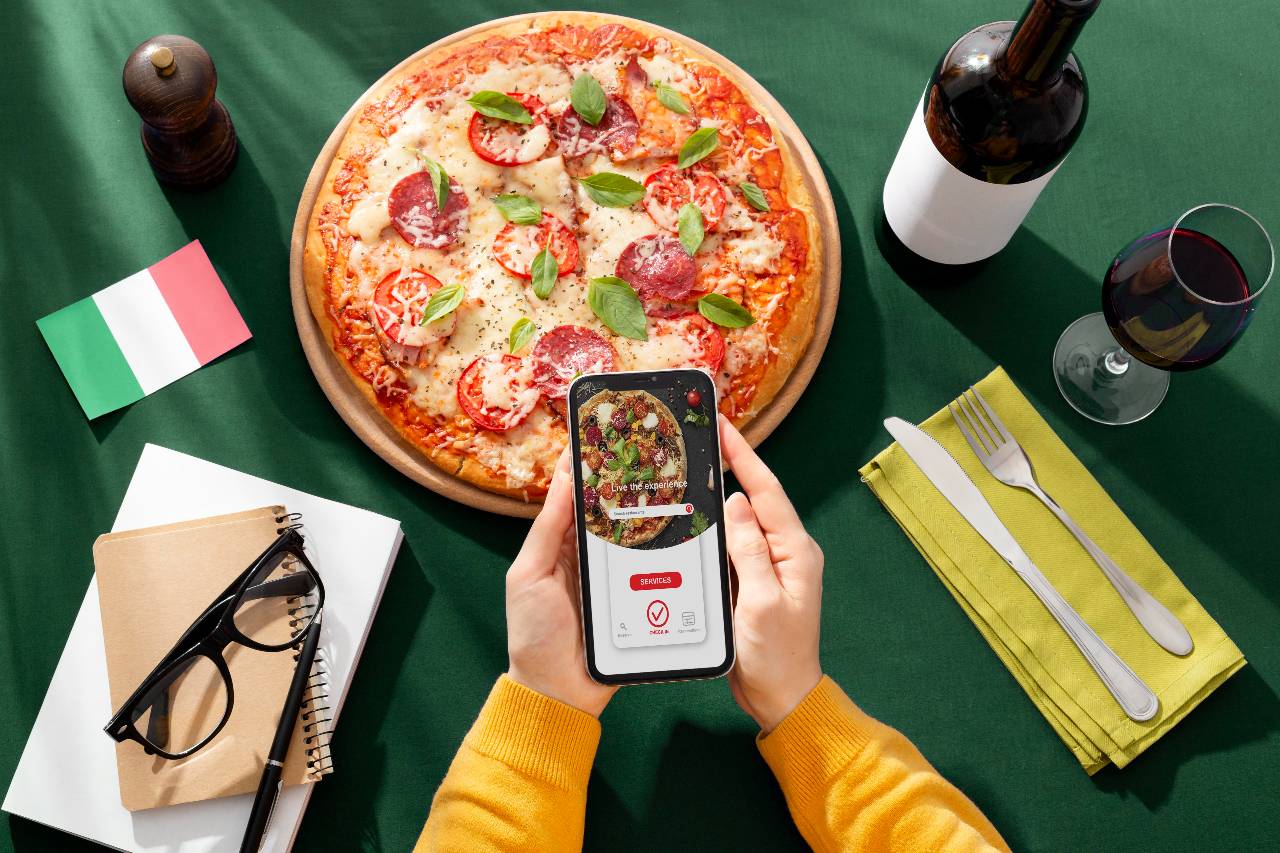
Best Restaurant Marketing Ideas for 2026
This guide outlines restaurant marketing ideas that help operators attract nearby customers, convert demand faster, and strengthen long-term retention.
marketing ideas
Apr 16, 2026
This guide outlines restaurant marketing ideas that help operators attract nearby customers, convert demand faster, and strengthen long-term retention.
Apr 16, 2026

A clear host training process helps restaurants manage greetings, waitlists, reservations, seating decisions, and guest communication more consistently.
Apr 15, 2026
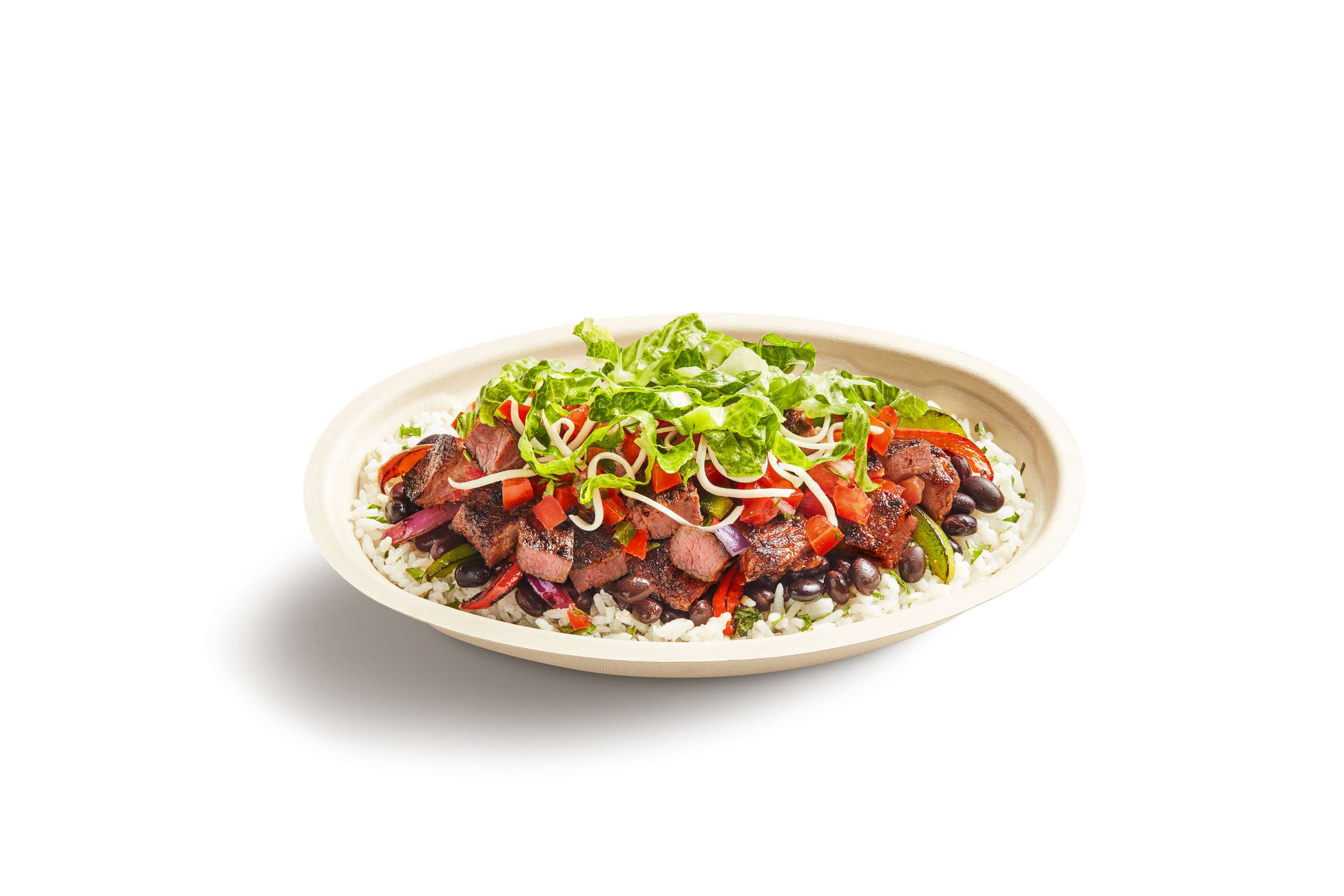
Chipotle reshapes loyalty with Rewards on Repeat, blending in-store promotions, staff incentives, and simpler redemption to boost traffic.
Apr 16, 2026
Photo by Salah Ait Mokhtar on Unsplash
A refined look at Papa Murphy’s strategy as MTY guides a cautious turnaround amid a crowded pizza landscape—digital play, local marketing, and a new Detroit-style offering.
Apr 16, 2026

Photo by Sergio Mena Ferreira on Unsplash
Mo’ Bettahs leaves Kansas City as it pivots to a PE-backed national expansion to Phoenix, Indianapolis, and Minneapolis.
Apr 16, 2026
Photo by Kate Trysh on Unsplash
Applebee’s O-M-Cheese Burger fuses spectacle with value, driving social buzz and foot traffic—a signal for the skillet-cheese moment in casual dining.
Apr 16, 2026

Photo by Diego Mattevi on Unsplash
GoTo Foods taps Misra and Lambert to harmonize digital momentum with disciplined development across seven brands, aiming for stronger guest experiences and franchisee economics.
Apr 16, 2026
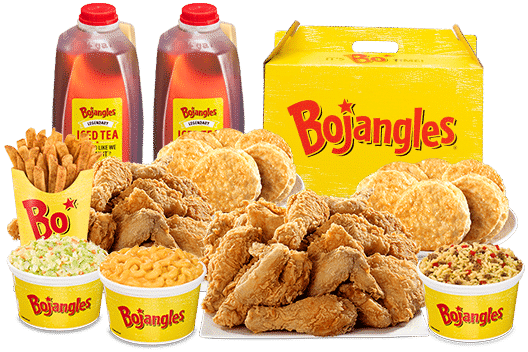
Bojangles launches Bo’s Chicken Rippers in an eight-week pilot, turning bites into a hands-on, sauce-forward experience with interactive, tear-apart slabs.
Apr 16, 2026
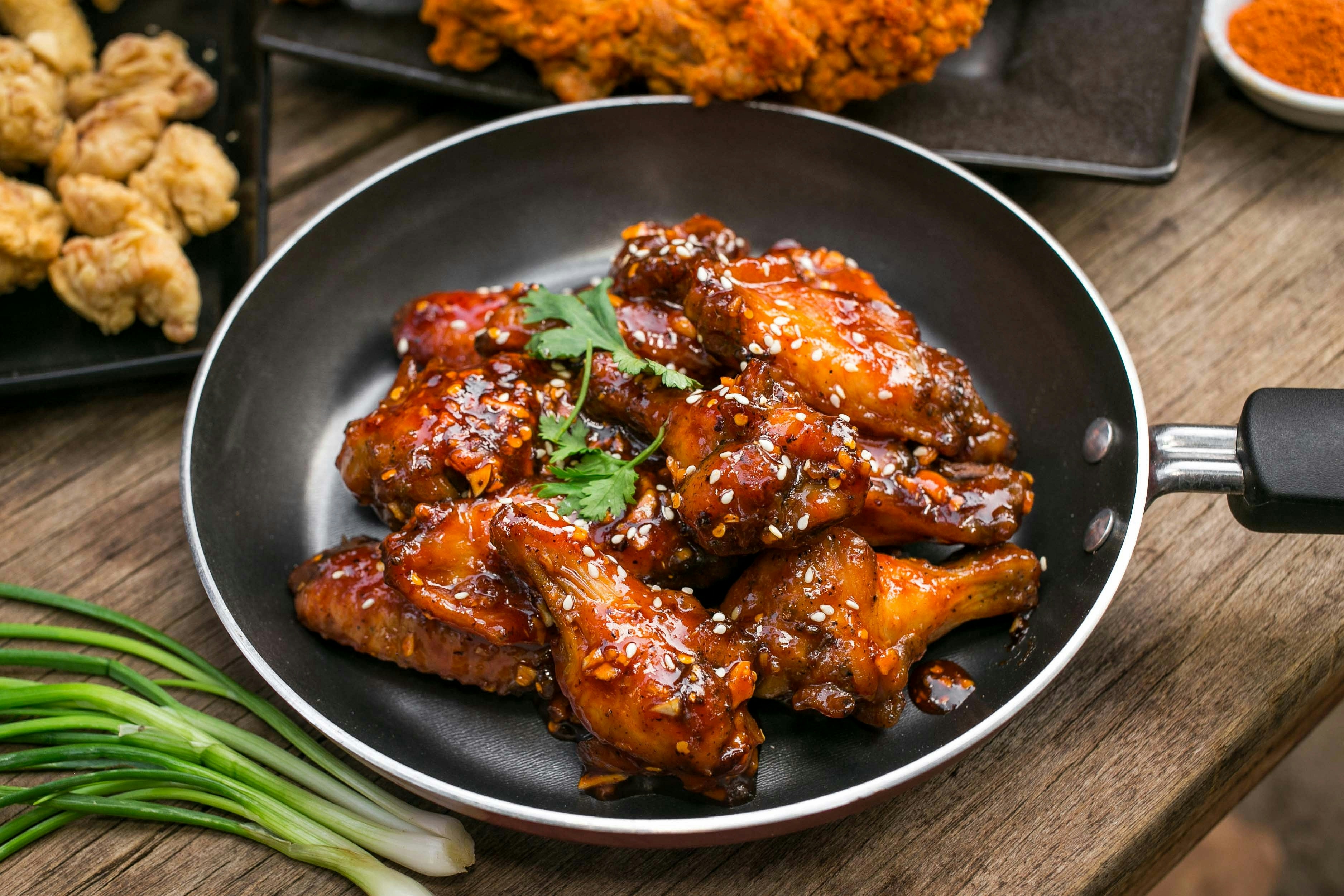
Photo by Jim Sosengphet on Unsplash
Popeyes teams with One Piece for a limited menu and merch drop, blending bold flavors with anime fandom to boost traffic and loyalty.
Apr 16, 2026
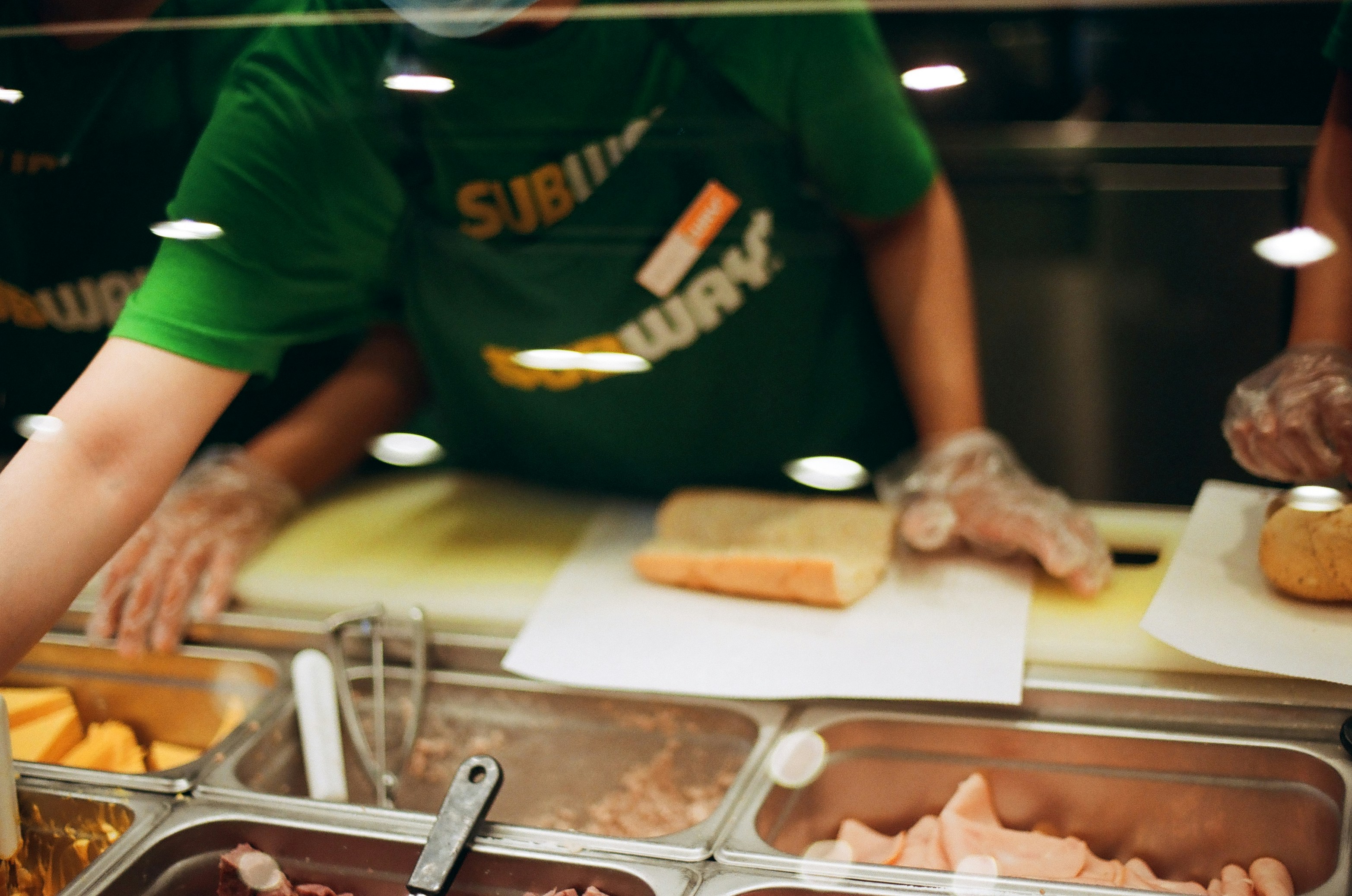
Photo by dedy kurniawan on Unsplash
A close look at Jersey Mike’s rapid expansion, leadership shift, and international push under Blackstone’s ownership.
Apr 16, 2026
Explore how Starbucks utilizes innovative marketing strategies to reinvigorate brand identity and customer connections with a focus on recent creative campaigns and promotions.
.jpg)
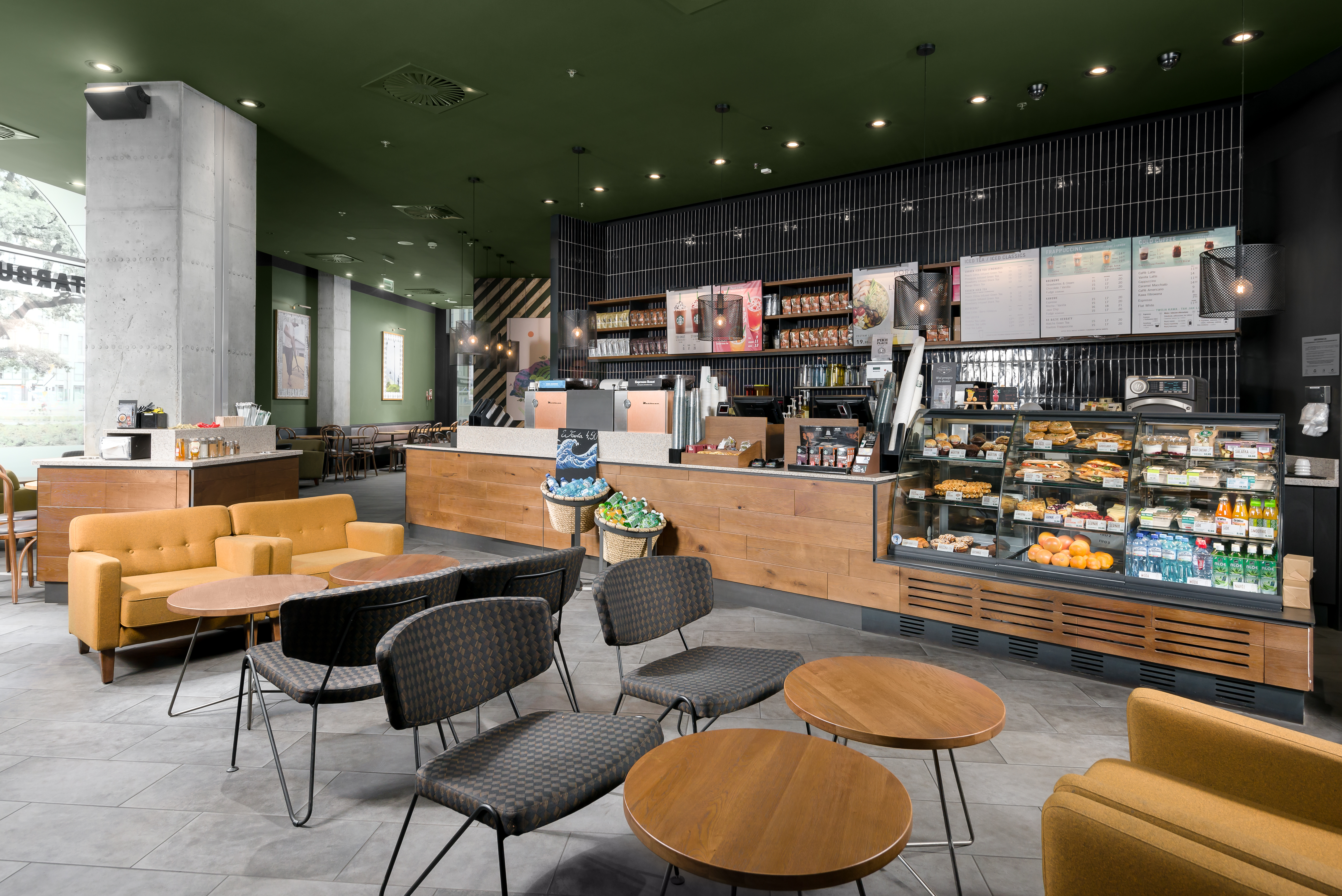
Starbucks, under the leadership of CEO Brian Niccol, has emphasized the significance of marketing investments in propelling the chain's revitalization efforts. By allocating resources towards innovative marketing strategies, Starbucks aims to reconnect with customers, enhance brand loyalty, and drive business growth. One notable aspect of this strategy is the recent focus on creative campaigns and promotions to capture consumer attention and reposition the brand in a competitive market landscape.

Starbucks' recent creative campaigns, exemplified by ads like 'Hello Again,' are instrumental in reshaping the brand's narrative and reinforcing its core values. With a nod to traditional practices like writing customer names on cups and emphasizing personal engagement, Starbucks is reintroducing elements that resonate with its audience's sense of nostalgia and community. The use of iconic music, like AC/DC's 'Thunderstruck,' adds an energetic flair to these campaigns, creating memorable experiences for customers.
In a strategic move to leverage the massive viewership of events like the Super Bowl without the hefty price tag of in-game ads, Starbucks introduced promotions like 'Starbucks Monday.' By offering free beverages to rewards members post-event, Starbucks not only incentivizes customer engagement but also drives traffic to its loyalty app. Such initiatives capitalize on consumer behavior trends and aim to foster lasting connections with the brand beyond traditional advertising channels.
Collaborations with creative agencies like Anomaly have played a crucial role in amplifying Starbucks' marketing efforts. By partnering with experts in brand storytelling and campaign development, Starbucks ensures that its message resonates effectively with its target audience. The decision to work with Anomaly, following a recent change from WPP, reflects Starbucks' commitment to staying agile and innovative in its marketing approach to adapt to evolving market dynamics.
To address challenges like a decline in comparable store sales, Starbucks is strategically reallocating budgets from discounting initiatives into marketing endeavors. This shift indicates the brand's proactive stance in realigning its focus towards long-term growth and customer acquisition. By investing in brand-building activities and customer-centric promotions, Starbucks aims to enhance its competitive edge and drive positive business outcomes in the evolving retail landscape.