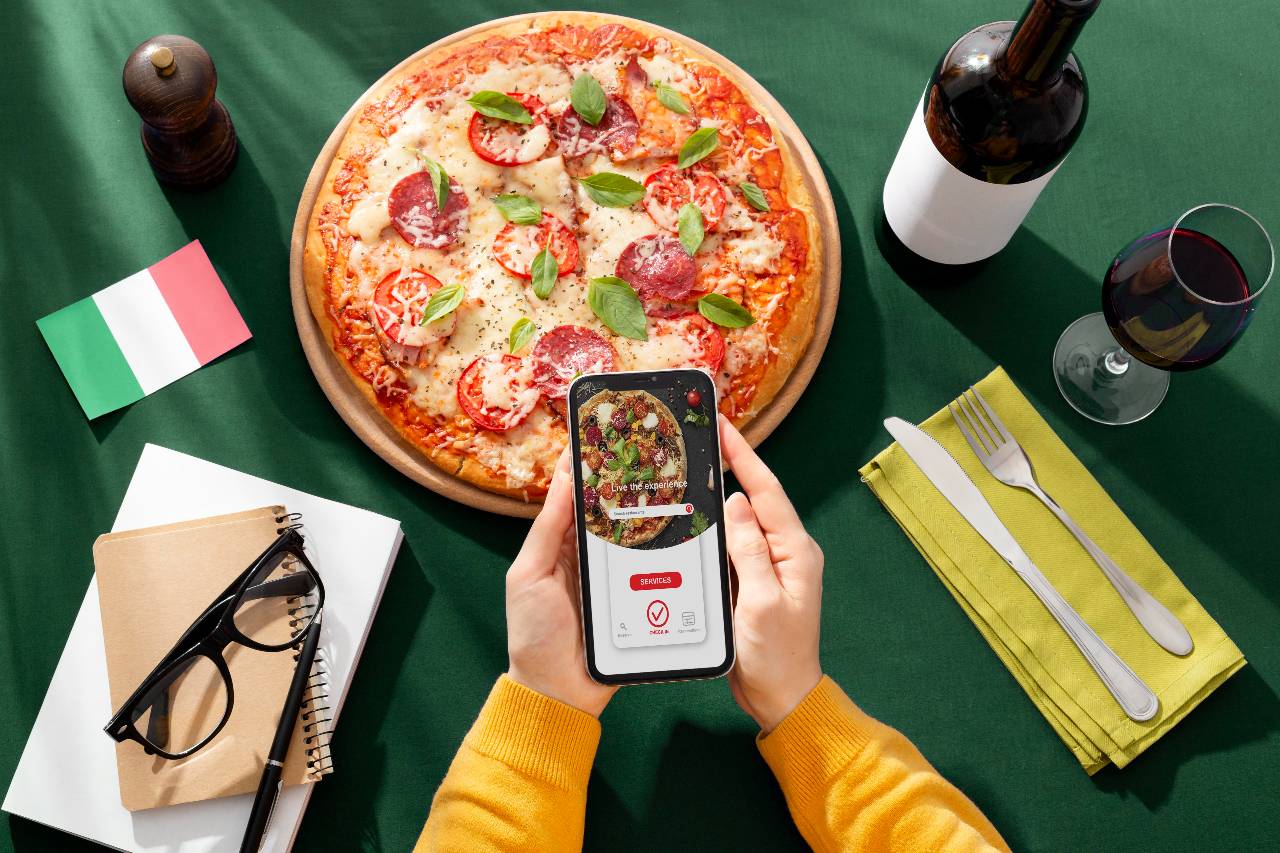
Best Restaurant Marketing Ideas for 2026
This guide outlines restaurant marketing ideas that help operators attract nearby customers, convert demand faster, and strengthen long-term retention.
marketing ideas
Apr 16, 2026
This guide outlines restaurant marketing ideas that help operators attract nearby customers, convert demand faster, and strengthen long-term retention.
Apr 16, 2026

A clear host training process helps restaurants manage greetings, waitlists, reservations, seating decisions, and guest communication more consistently.
Apr 15, 2026
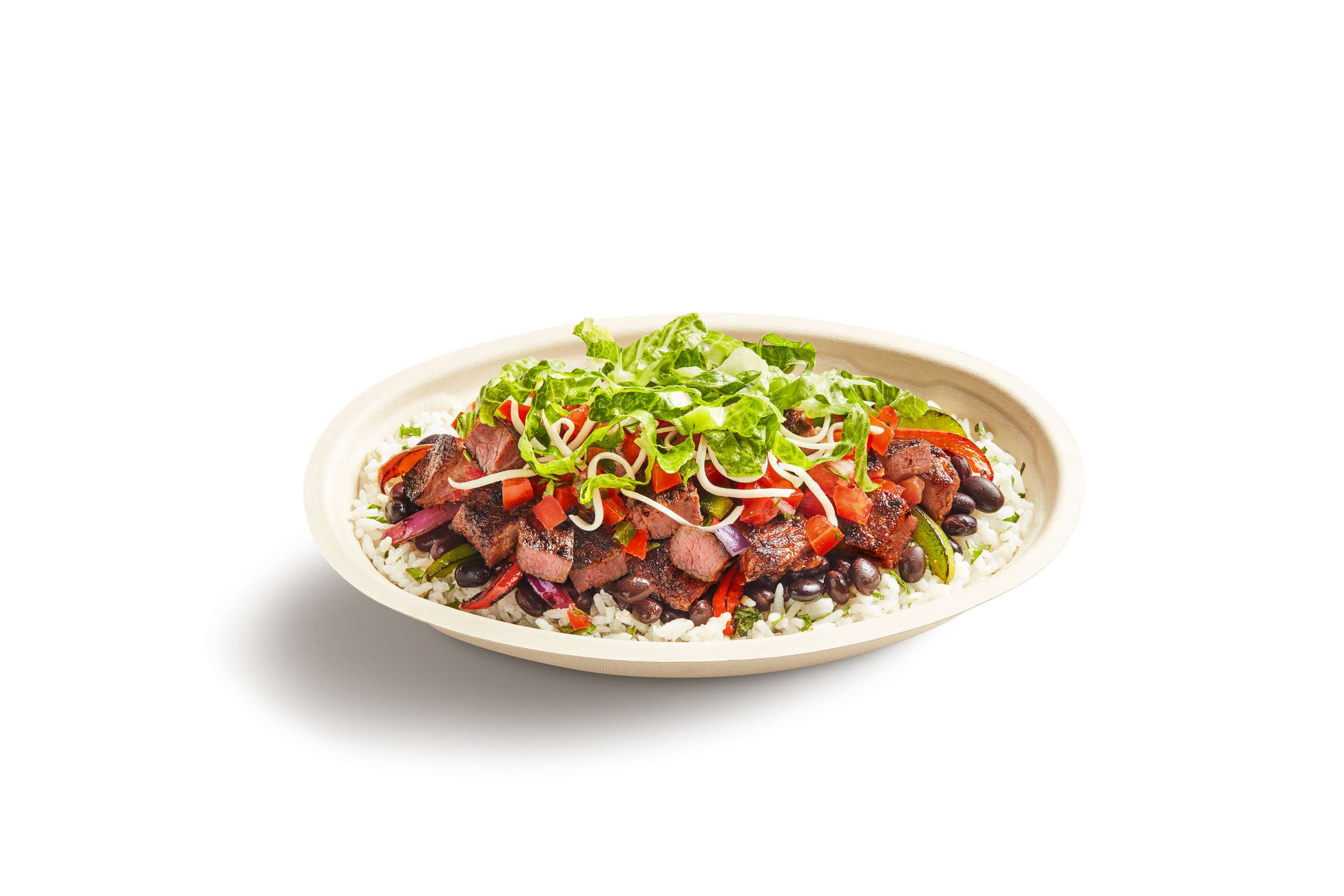
Chipotle reshapes loyalty with Rewards on Repeat, blending in-store promotions, staff incentives, and simpler redemption to boost traffic.
Apr 16, 2026
Photo by Salah Ait Mokhtar on Unsplash
A refined look at Papa Murphy’s strategy as MTY guides a cautious turnaround amid a crowded pizza landscape—digital play, local marketing, and a new Detroit-style offering.
Apr 16, 2026
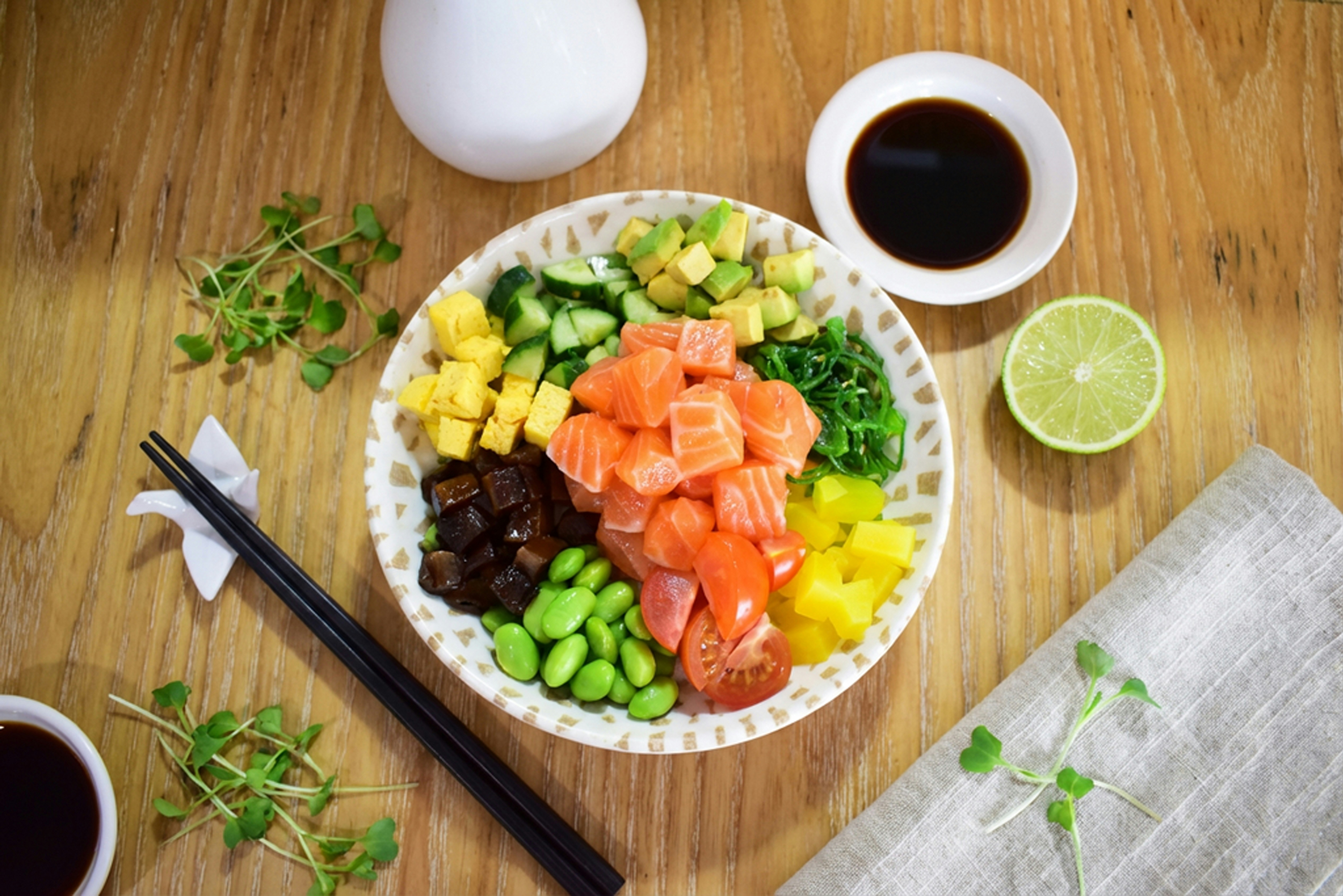
Photo by Sergio Mena Ferreira on Unsplash
Mo’ Bettahs leaves Kansas City as it pivots to a PE-backed national expansion to Phoenix, Indianapolis, and Minneapolis.
Apr 16, 2026

Photo by Kate Trysh on Unsplash
Applebee’s O-M-Cheese Burger fuses spectacle with value, driving social buzz and foot traffic—a signal for the skillet-cheese moment in casual dining.
Apr 16, 2026

Photo by Diego Mattevi on Unsplash
GoTo Foods taps Misra and Lambert to harmonize digital momentum with disciplined development across seven brands, aiming for stronger guest experiences and franchisee economics.
Apr 16, 2026
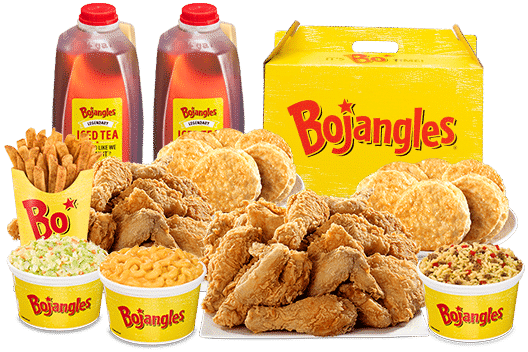
Bojangles launches Bo’s Chicken Rippers in an eight-week pilot, turning bites into a hands-on, sauce-forward experience with interactive, tear-apart slabs.
Apr 16, 2026
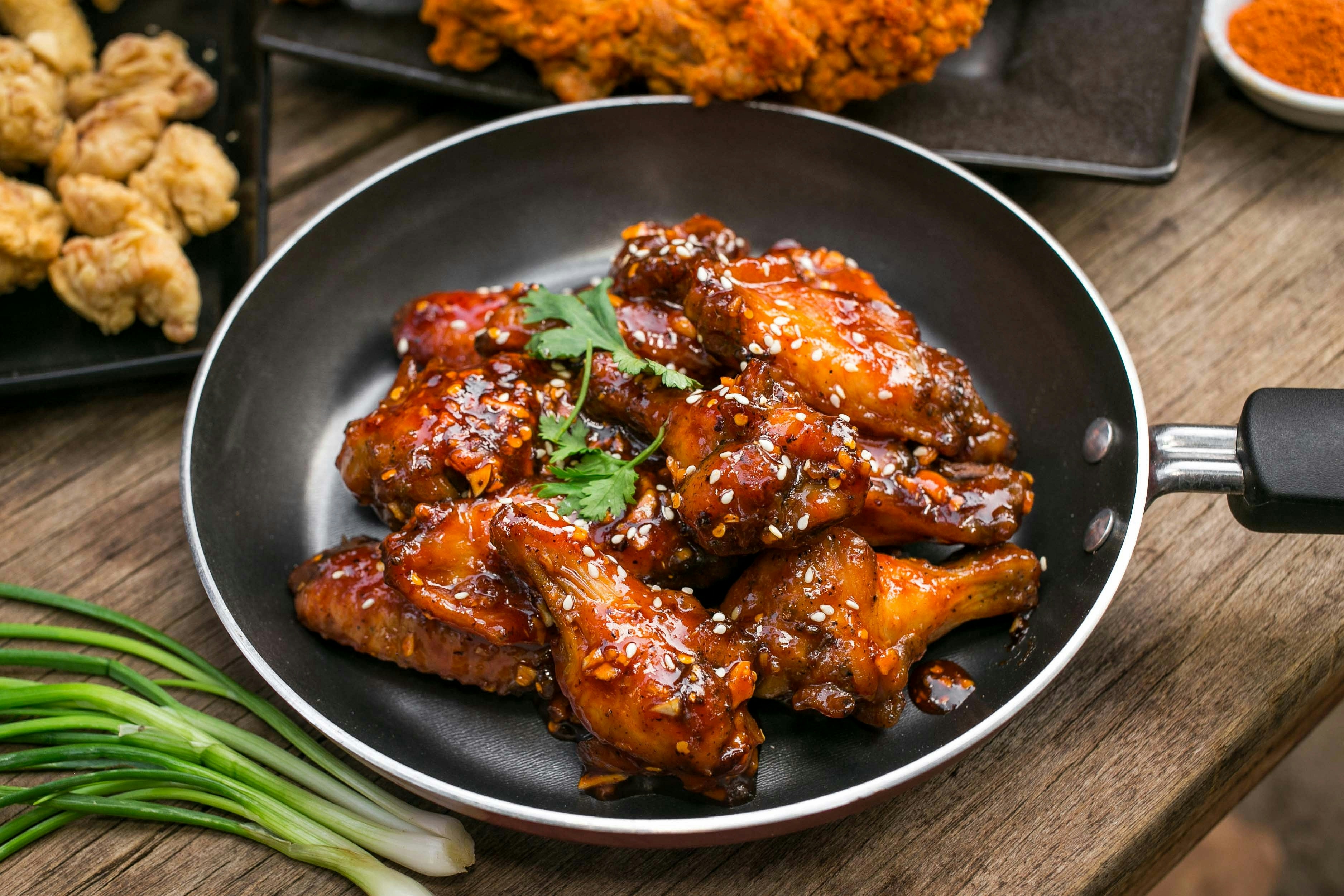
Photo by Jim Sosengphet on Unsplash
Popeyes teams with One Piece for a limited menu and merch drop, blending bold flavors with anime fandom to boost traffic and loyalty.
Apr 16, 2026
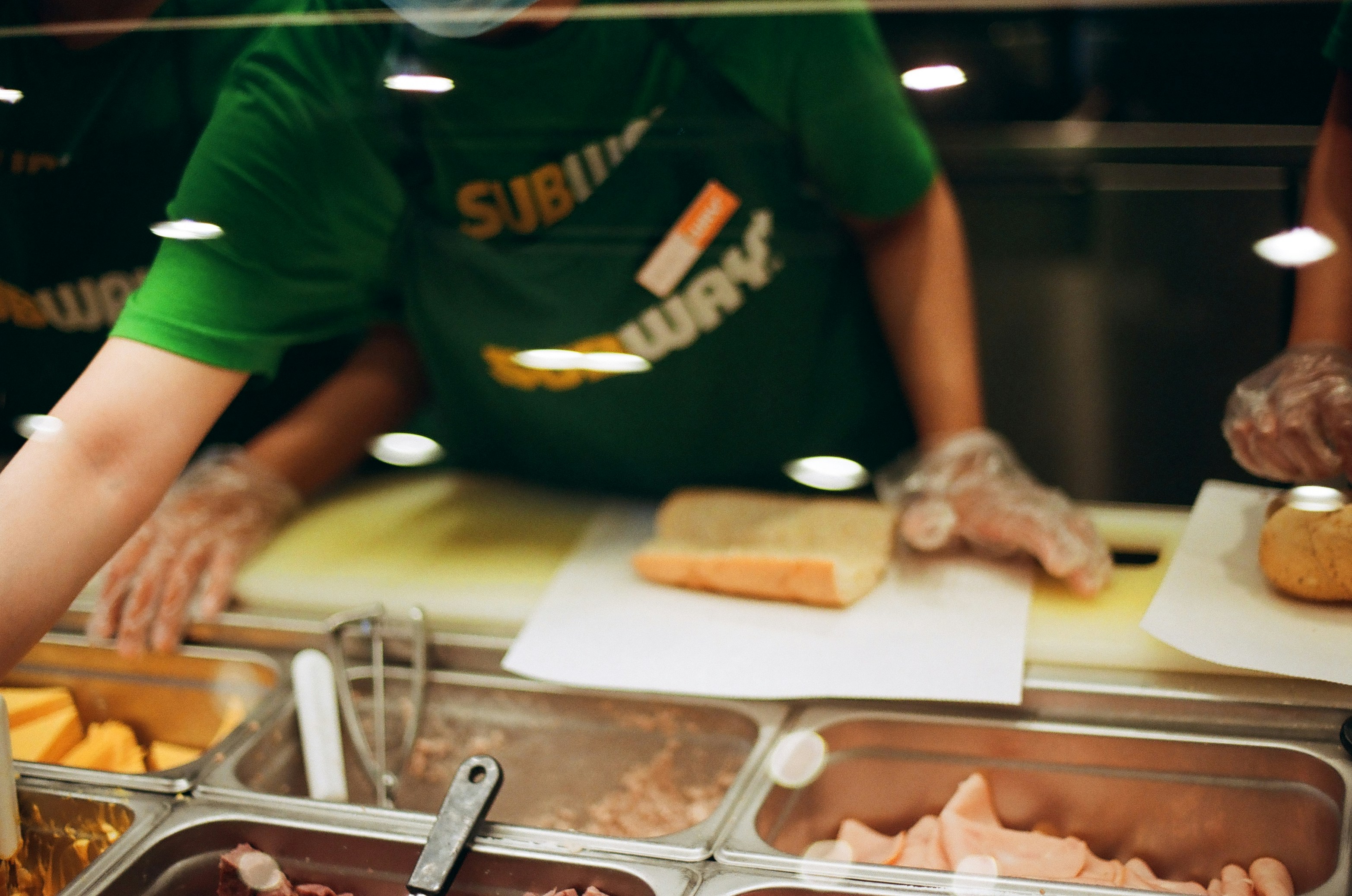
Photo by dedy kurniawan on Unsplash
A close look at Jersey Mike’s rapid expansion, leadership shift, and international push under Blackstone’s ownership.
Apr 16, 2026
Explore Taco Bell's decision to make breakfast optional for franchisees, focusing on key drivers of growth and enhancing the lunchtime daypart.
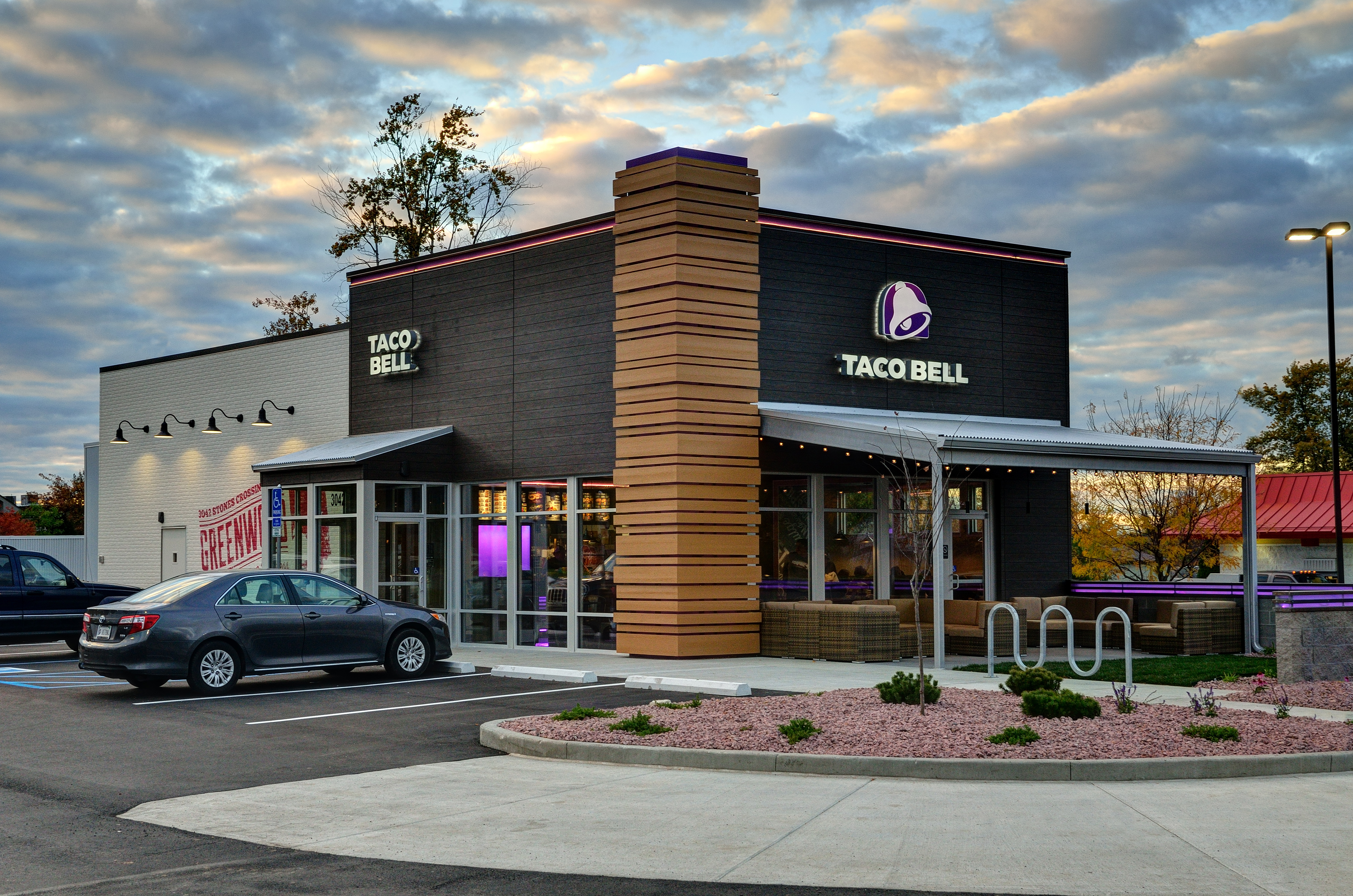
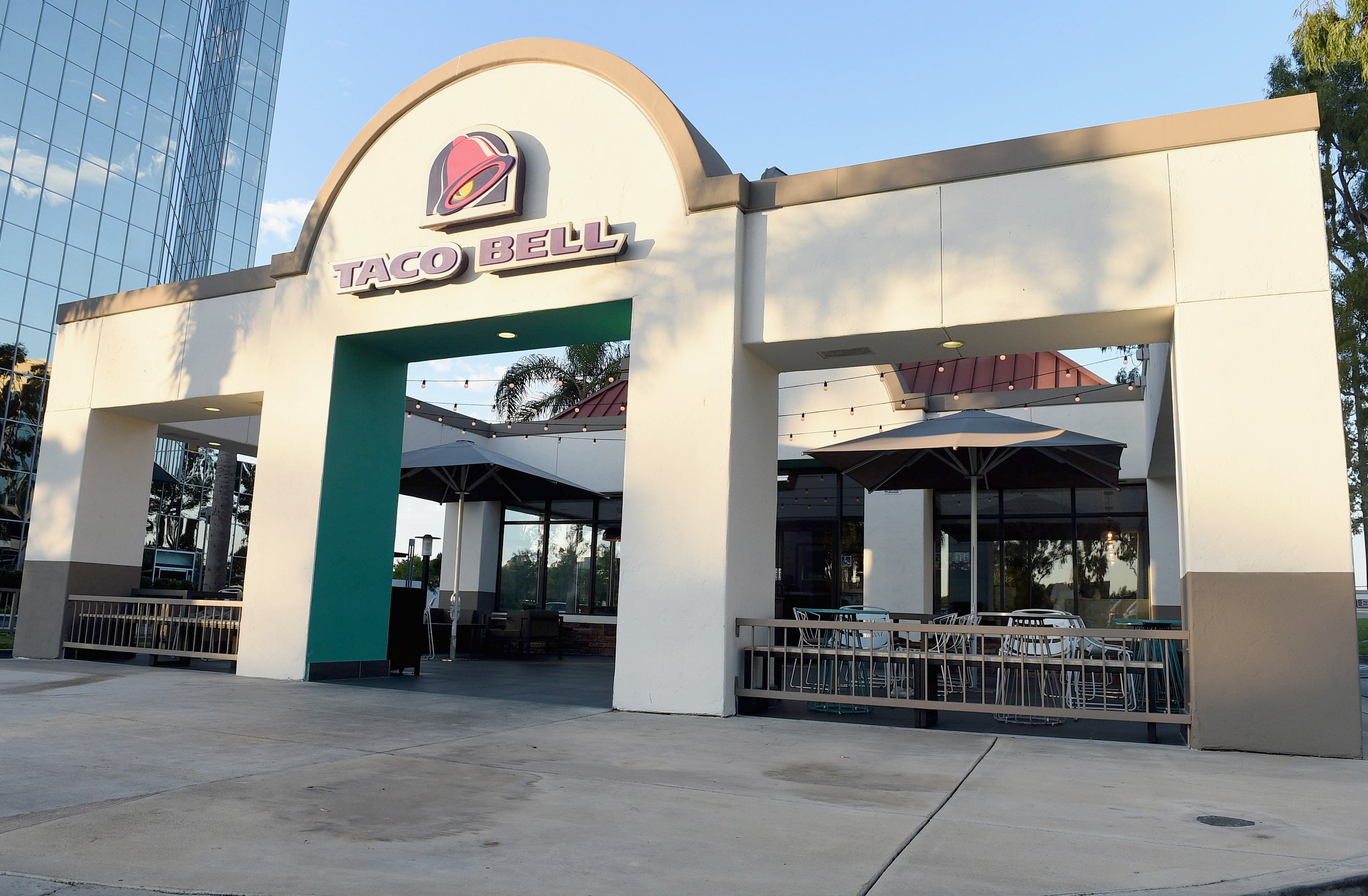
With the recent announcement of Taco Bell making breakfast optional for franchisees, the focus on lunchtime offerings highlights a strategic move to adapt to changing market demands. By giving franchisees the flexibility to optimize operational efficiencies and cater to evolving consumer preferences, Taco Bell showcases its commitment to staying relevant and responsive.
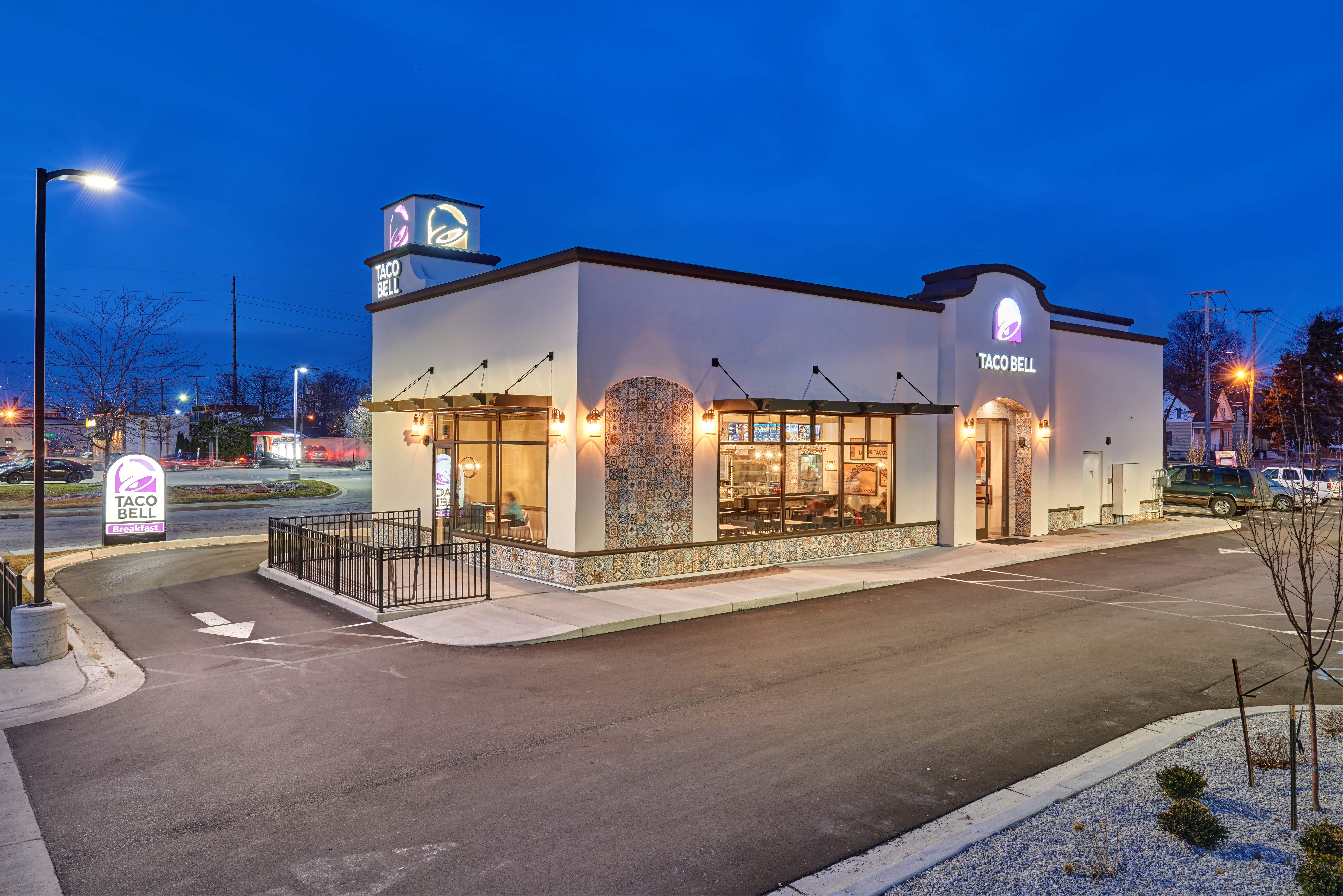
Taco Bell's decision to allow franchisees the option to skip breakfast service underscores the brand's strong partnership with its operators. Listening to franchisee feedback and aligning menu decisions with their operational goals not only fosters a collaborative environment but also bolsters franchisee satisfaction and dedication to mutual growth.
Despite the shift in focus towards lunchtime offerings, Taco Bell remains confident in its breakfast platform. The brand's breakfast menu, known for items like the Breakfast Crunchwrap and Breakfast Burrito, has shown a consistent improvement through Q2 2024. This confidence in the breakfast segment is further complemented by the brand's commitment to innovation, as evidenced by the ramping up of the coffee program and the ongoing testing of new breakfast products in company restaurants.
Taco Bell's proactive approach to experimenting with new products and formats exemplifies the brand's strategic evolution. By focusing on testing, learning, and adapting, Taco Bell positions itself as an innovative player in the Quick-Service Restaurant (QSR) industry. This agility to respond to diverse customer demographics and lifestyle trends underscores the brand's commitment to continuous improvement and market relevance.
Taco Bell's exceptional performance in the quick-service segment, with a robust 5 percent growth in same-store sales in Q2, signifies the brand's resilience amidst economic challenges. Outperforming other Yum! Brands concepts like KFC, Pizza Hut, and The Habit Burger Grill, Taco Bell's success can be attributed to initiatives like the Cantina Chicken and Cravings Value menus, which have resonated with customers across income cohorts.
The brand's emphasis on digital integrations, with a 35 percent digital mix and a significant boost in loyalty sales by over 30 percent in the quarter, highlights Taco Bell's commitment to enhancing customer experiences through technology. Additionally, achieving store-level margins of 25.6 percent in Q2, with mature locations surpassing 27 percent, demonstrates Taco Bell's operational efficiency and profitability.
By opening 56 restaurants in Q2, including international ventures, Taco Bell showcases its commitment to expansion and global reach. With a substantial number of U.S. and international outlets, the brand's strategic growth trajectory aligns with market demands and consumer preferences, solidifying its position as a leading player in the quick-service restaurant landscape.