
How to Build a Strong Restaurant Brand
A strong restaurant brand comes from clear values, consistent experiences, visual identity, customer focus, digital presence, and trusted service.
marketing ideas
May 5, 2026
A strong restaurant brand comes from clear values, consistent experiences, visual identity, customer focus, digital presence, and trusted service.
May 5, 2026

Discover how constant last-minute schedule changes create workplace stress, lower employee morale, and reduce productivity. Learn why structured scheduling improves retention, communication, and overall business efficiency.
May 7, 2026

Optimize your restaurant google business profile with accurate details, posts, Q&A, attributes, reviews, and tracking to increase visibility and orders.
May 6, 2026

Clopen shifts may seem efficient, but they reduce rest, increase fatigue, and harm employee performance. Learn how back-to-back shifts impact morale, productivity, and retention and how better scheduling can improve team well-being and business outcomes.
May 6, 2026

Overloading top employees may boost short-term results but leads to burnout and turnover. Learn warning signs, business impact, and how to balance workloads effectively.
May 5, 2026

Discover operational insights, business strategies, and customer experiences drawn from Cappys Cafe in Newport Beach. Learn how this iconic breakfast and lunch spot thrives through community connection, technology, and unique hospitality.
May 5, 2026

Struggling with employee retention? Learn how unpredictable scheduling drives turnover and what you can do to create a more stable workforce.
May 4, 2026
GoTo Foods blends seven iconic brands to push snacking as a growth engine, expanding dayparts, off-premise channels, and co-branding.
May 3, 2026
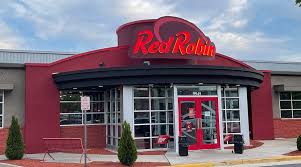
Mark Graff steps in as CFO to anchor Red Robin's First Choice turnaround with disciplined financial leadership.
May 3, 2026

Photo by Graphe Tween on Unsplash
Doinita Leahu redefines hospitality leadership with practical training, mentorship, and people-first systems guiding Vicious Biscuit’s growth.
May 3, 2026
Discover the hidden employee habits costing your restaurant thousands every month. Learn how to identify and fix small daily behaviors quietly draining your profit, with actionable tips for restaurant operators.

Running a restaurant is a relentless challenge of balancing quality, service, and profitability. While owners often search for big mistakes or obvious theft when profits dip, the biggest threats are usually silent, recurring, and hiding in plain sight. Small, unnoticed employee habits can add up to massive losses each month. In this article, we unveil these costly behaviors, show you exactly where restaurants get caught, and provide proven tactics to stop the silent drain.
Most operators look for one-off errors or dishonest actions when seeking to boost profits. The truth is both subtler and more damaging. Losses in a restaurant don't come from one big mistake—they come from small behaviors repeated daily. A few extra minutes here, a longer break there, a slow shift during peak hours. Individually, nothing. Together, thousands.
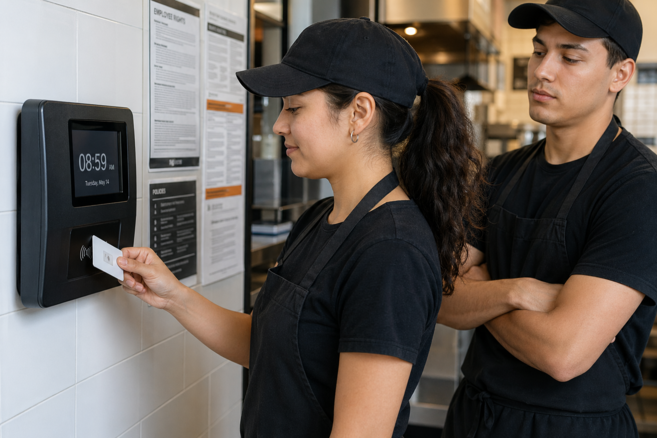
1. Buddy Punching - The Hidden Clock-In Con
What it is -
An employee is running late, so they text a coworker, "hey, clock me in. I'm almost there." It happens—no big deal, right?
Why it hurts -
That's paid time for someone who isn't even there. When this happens regularly, it adds up fast.
What to watch for -
• Employees clocking in at the same time
• Patterns where one person always clocks another in
• Clock-ins without physical presence
What to do instead -
Create accountability at the clock. Because if your system can't confirm who's actually there, you're paying for time that doesn't exist.
2. Early Clock Ins - The Ten-Minute Per Shift Slow Leak
What it looks like -
An employee is scheduled at 10 - 00. They clock in at 9 - 50, then 9 - 45, then 9 - 40. No one says anything.
Why it matters -
It feels small, but multiply 10 to 15 minutes across multiple employees across multiple days and suddenly your labor cost is inflated without any increase in productivity.
What to watch for -
• Employees consistently clocking in early
• No manager approval
• Labor starting before actual demand
What to do instead -
Control when shifts actually begin. Because if your schedule says 10 - 00, that's when labor should start.
3. Extended Breaks - Productivity’s Silent Enemy
The scenario -
A 30-minute break turns into 35, then 40. No one tracks it closely.
Why it hurts -
That's lost productivity. And sometimes it creates compliance risk too.
What to watch for -
• Breaks consistently running over
• No accurate tracking
• Staff returning late during peak hours
What to do instead -
Track break duration—and not just break start—because small overages compound quickly.
4. Slow Productivity During Peak - The Invisible Labor Leak
How it shows up -
You're fully staffed during a rush, but tickets are still slow. Orders are backing up. Same labor cost, less output.
The problem -
You're paying for time but not getting performance. And this is one of the most expensive leaks because it's invisible.
What to watch for -
• High labor cost but slow service
• Bottlenecks in kitchen or front counter
• Staff not aligned during peak
What to do instead -
Measure productivity, not just hours. Because labor isn't just about time, it's about output.
5. Overtime Creep - The Quiet Budget Buster
What happens -
An employee stays 15 minutes late, then 20, then another shift runs over. Individually, no big deal.
Costs compound -
Overtime builds quietly, and once it hits, you're paying significantly more per hour.
What to watch for -
• Employees nearing overtime thresholds
• Small overruns every shift
• No real-time visibility
What to do instead -
Track hours before they become overtime. Because once you cross the line, the cost is already locked in.
Your employees aren't trying to cost you money. These habits happen because of no visibility, no accountability, no systems in place. Over time, what feels like small behavior turns into major financial loss.
"The biggest losses in your restaurant aren't always obvious. They're quiet, they're consistent, and they're happening every day. But once you see them, you can control them."
Rule 1 - Track Time in Real Time, Not After the Fact
Proactive monitoring prevents silent leaks before they're baked into your labor costs.
Rule 2 - Set Clear Rules Around Clock-Ins, Breaks, and Overtime
Clarity removes ambiguity and empowers both managers and staff to do the right thing.
Rule 3 - Give Managers Visibility Before Small Issues Become Big Ones
Preventing small leaks today is cheaper (and less stressful) than patching big holes tomorrow.
Labor cost isn't just about wages, it's about behavior. The unseen day-to-day habits of your team might be quietly draining thousands each month from your bottom line. The good news? With proactive systems, manager engagement, and real-time data, you can attack these leaks at the source.
Don’t wait for your profits to vanish. Get eyes on these silent habits today and take back control of your operation.