Best Restaurant Marketing Ideas for 2026
This guide outlines restaurant marketing ideas that help operators attract nearby customers, convert demand faster, and strengthen long-term retention.
marketing ideas
Apr 16, 2026
This guide outlines restaurant marketing ideas that help operators attract nearby customers, convert demand faster, and strengthen long-term retention.
Apr 16, 2026

A clear host training process helps restaurants manage greetings, waitlists, reservations, seating decisions, and guest communication more consistently.
Apr 15, 2026
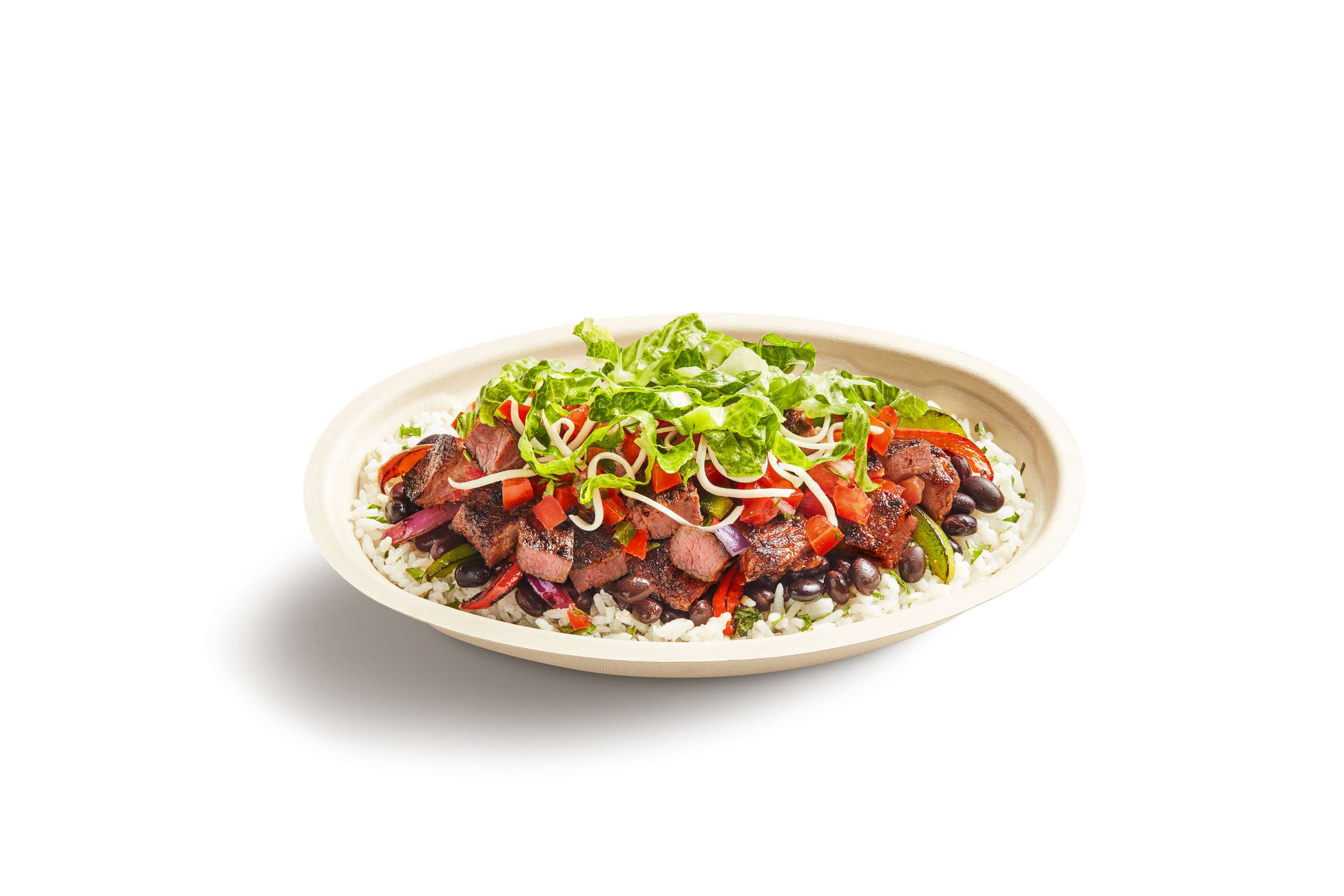
Chipotle reshapes loyalty with Rewards on Repeat, blending in-store promotions, staff incentives, and simpler redemption to boost traffic.
Apr 16, 2026
Photo by Salah Ait Mokhtar on Unsplash
A refined look at Papa Murphy’s strategy as MTY guides a cautious turnaround amid a crowded pizza landscape—digital play, local marketing, and a new Detroit-style offering.
Apr 16, 2026
Photo by Sergio Mena Ferreira on Unsplash
Mo’ Bettahs leaves Kansas City as it pivots to a PE-backed national expansion to Phoenix, Indianapolis, and Minneapolis.
Apr 16, 2026
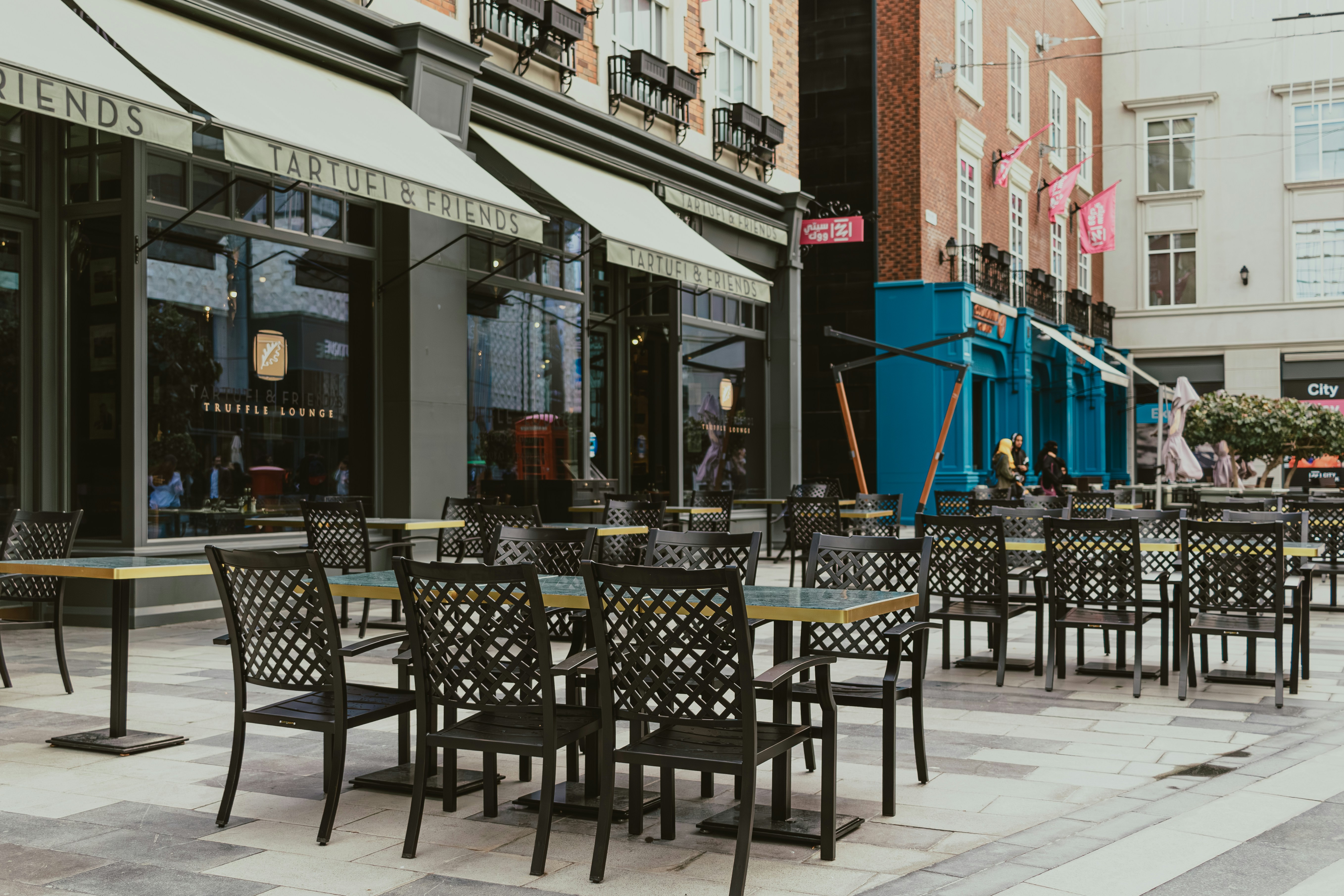
Photo by Kate Trysh on Unsplash
Applebee’s O-M-Cheese Burger fuses spectacle with value, driving social buzz and foot traffic—a signal for the skillet-cheese moment in casual dining.
Apr 16, 2026
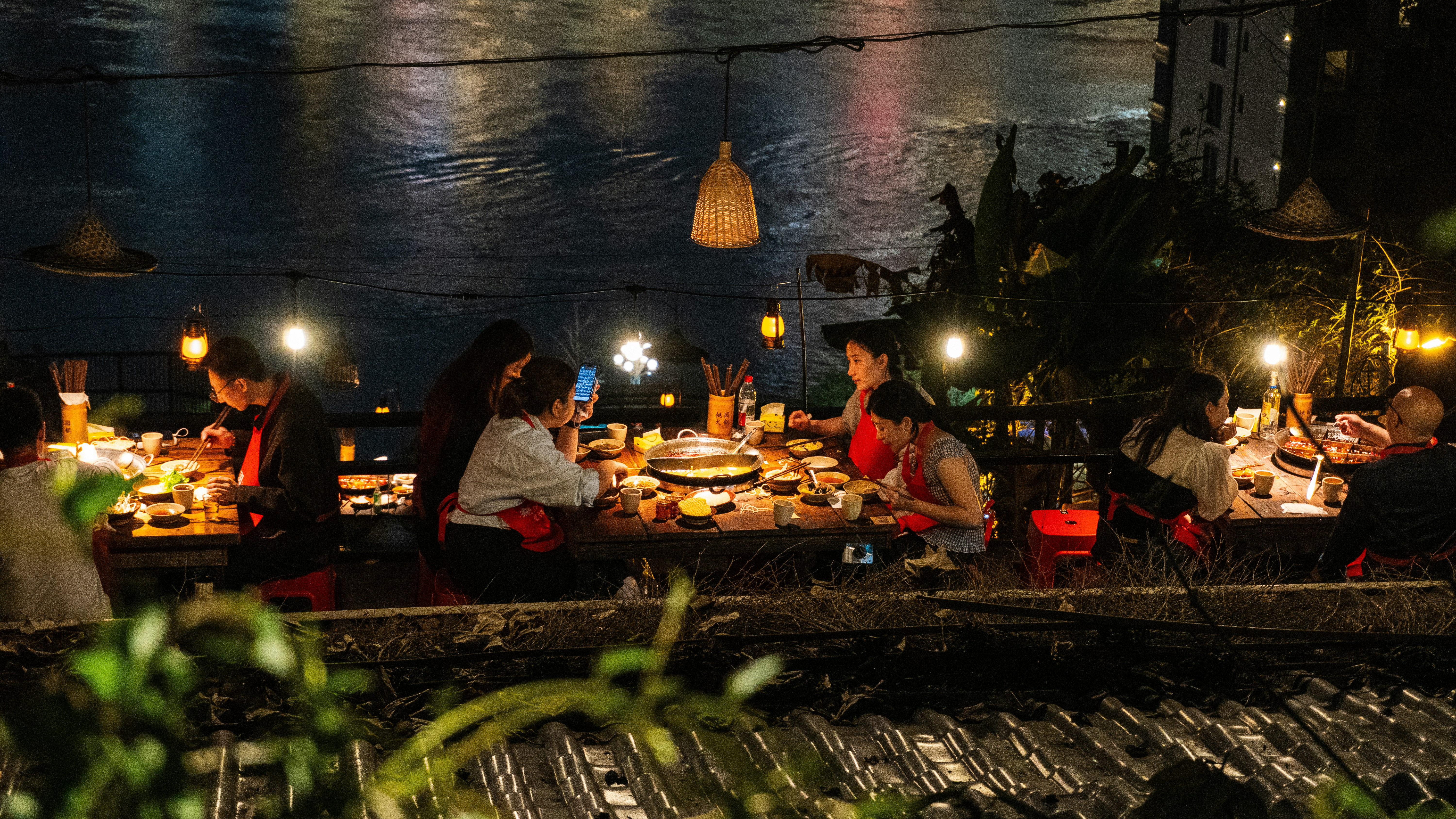
Photo by Diego Mattevi on Unsplash
GoTo Foods taps Misra and Lambert to harmonize digital momentum with disciplined development across seven brands, aiming for stronger guest experiences and franchisee economics.
Apr 16, 2026
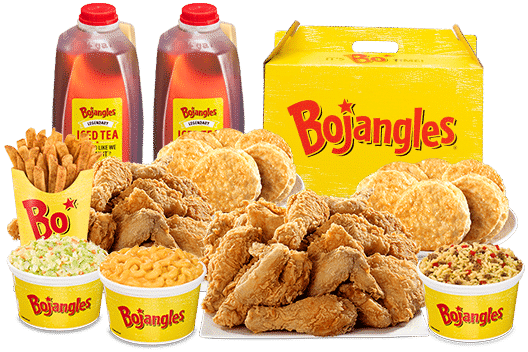
Bojangles launches Bo’s Chicken Rippers in an eight-week pilot, turning bites into a hands-on, sauce-forward experience with interactive, tear-apart slabs.
Apr 16, 2026
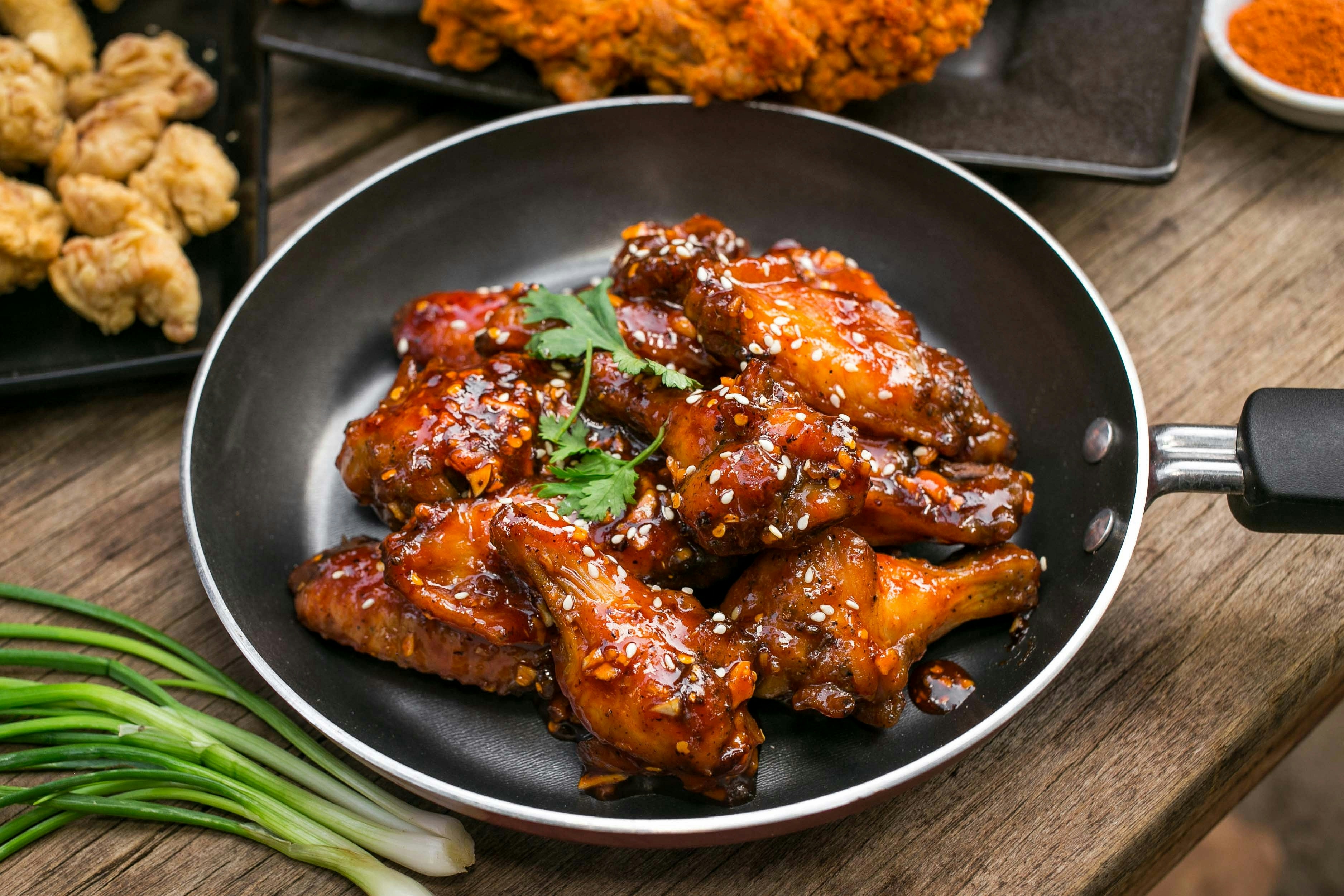
Photo by Jim Sosengphet on Unsplash
Popeyes teams with One Piece for a limited menu and merch drop, blending bold flavors with anime fandom to boost traffic and loyalty.
Apr 16, 2026
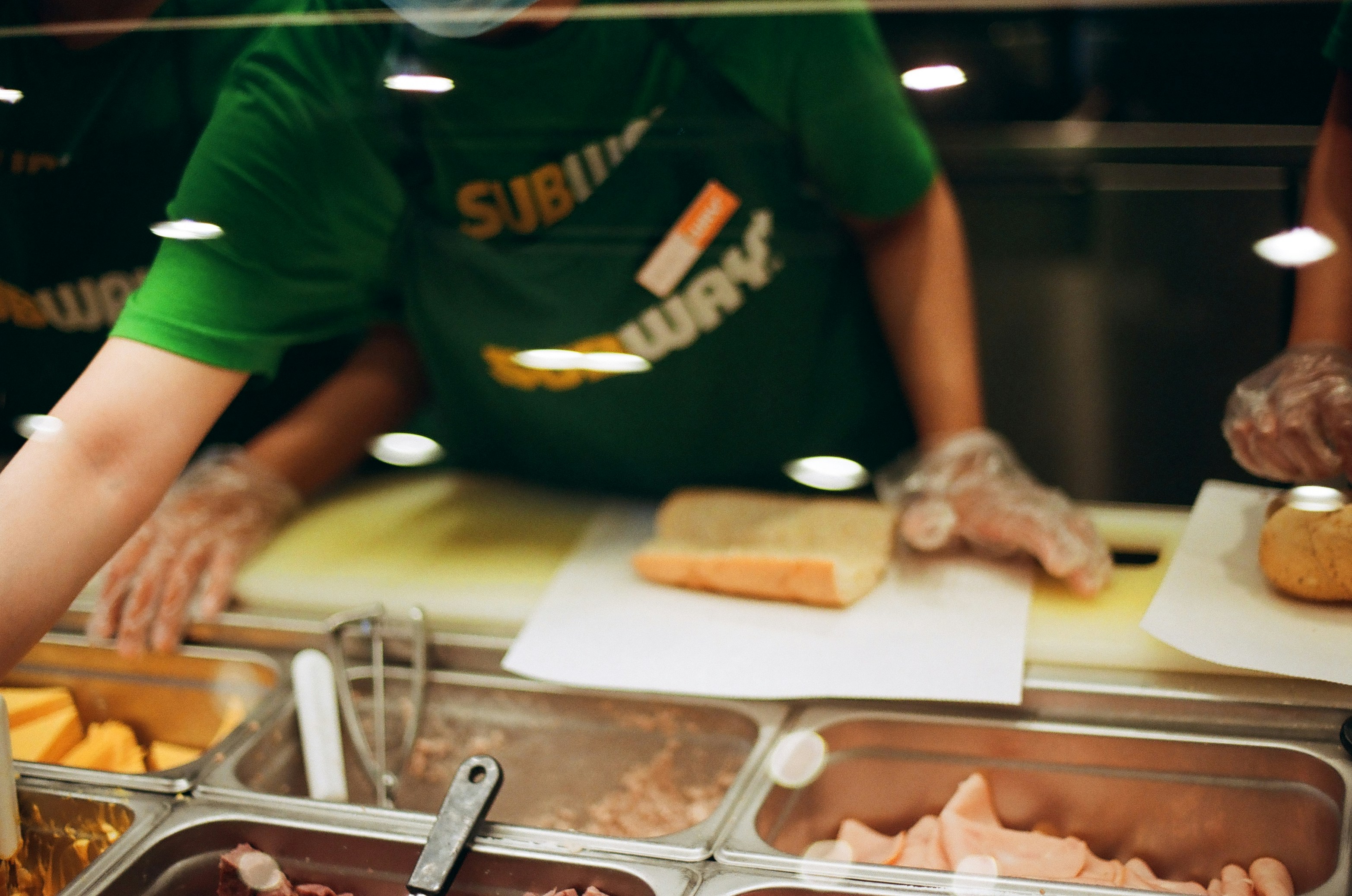
Photo by dedy kurniawan on Unsplash
A close look at Jersey Mike’s rapid expansion, leadership shift, and international push under Blackstone’s ownership.
Apr 16, 2026
Learn about the growing trend of snacking in the food industry and how restaurants are capitalizing on consumer preferences.

Photo by Artur Rutkowski on Unsplash
In a rapidly evolving food landscape, consumer habits are shifting, leading to a significant impact on the restaurant industry. Despite a slowdown in traditional dining experiences, there has been a notable rise in snacking behavior among consumers. This change is evident in the increasing demand for quick, convenient, and affordable snack options over elaborate meals. The trend towards snacking represents a shift towards more flexible and spontaneous eating patterns, reflecting a desire for convenience and variety.
Restaurants are strategically leveraging the growing demand for snacks to drive sales and enhance customer engagement. By offering a diverse range of snack options, including indulgent treats and innovative flavors, establishments can cater to consumers seeking quick and satisfying food experiences. The success of snack-focused brands like Cold Stone Creamery, Wetzel’s Pretzel’s, and SweetFrog highlights the value of providing craveable and experiential snack offerings that resonate with modern consumers.
The psychological drivers behind consumer snacking behavior are multifaceted. During challenging economic times, individuals often turn to affordable indulgences as a way to treat themselves amidst financial constraints. The allure of snacks lies in their ability to offer a moment of indulgence and pleasure, serving as a comforting escape from everyday stressors. As the cost of traditional meals rises, consumers are increasingly opting for cost-effective snack alternatives to satisfy their cravings while still enjoying the experience of dining out.
Research indicates a significant growth trajectory for the snacking category within the food industry. Projections from market intelligence sources forecast a substantial increase in snacking market value, reaching $559.2 billion by 2028. This growth is driven by various factors, including evolving consumer preferences, changing dining habits, and a desire for self-indulgence. With younger generations redefining consumption patterns and prioritizing convenience, the demand for snack options is expected to continue expanding at a rapid pace, presenting lucrative opportunities for restaurants.