RECOMMENDED READING

  • Understanding the Recent Surge in Restaurant Industry Employment Growth

    By Ava Ingram • Oct. 4, 2024

  • Maximizing Restaurant Sales Through Dual-Branded Locations

    By Adrianne Irwin • Feb. 20, 2025

  • Optimizing Operations: The Success Story of Texas Roadhouse

    By Anastasia Ivers • Oct. 25, 2024

  • Navigating the Evolution of Off-Premises in the Restaurant Industry

    By Anastasia Ivers • Jul. 19, 2024

  • 7-Eleven's Strategic Store Expansion Plan and Revenue Growth Strategy

    By Adrianne Irwin • Apr. 17, 2025

  • Optimizing Restaurant Operations: The Impact of Executive Leadership Changes at Wendy’s

    By Adrianne Irwin • Jul. 24, 2025

  • Enhancing Restaurant Operations and Menu Integration at Applebee’s: A Leadership Perspective

    By Ava Ingram • Aug. 26, 2025

Restaurant Association Logo

Restaurant Association

Empowering restaurant professionals with free resources, training, and networking opportunities to build successful businesses.

Sign Up Free

Pages

  • Articles
  • News
  • Topics
  • Shows
  • Academy
  • Events
  • Jobs

About

  • About Us
  • Our Team
  • Contact Us
  • Sitemap

Resources

  • Library
  • Templates

Connect

LinkedInInstagramTikTokYouTubeX
  • Editorial Ethics Policy
  • Review Guidelines
  • Disclosure Policy
  • Privacy Policy
  • Terms of Service

© 2026 Restaurant Association. All rights reserved.

logo
  1. News
  2. Topics
  3. Shows
  4. Academy
  5. Events
  6. Jobs
  7. Resources

    Videos

  • No results found

  • Articles

  • No results found

Log InSign Up Free
logo
LoginSign Up

    Videos

  • No results found

  • Articles

  • No results found

  1. Shows
  2. Academy
  3. Events
  4. Jobs

Become a member of the Restaurant Association!

Unlock exclusive access to webinars, events, and the latest news for FREE!

Sign up
Restaurant Association Logo

The Shift to Smaller Restaurant Footprints: Trends and Operational Implications

Explore how the restaurant industry is embracing smaller store footprints to enhance operational efficiency, reduce costs, and meet evolving real estate needs.

Updated On Apr. 11, 2025 Published Apr. 11, 2025

Adrianne Irwin

Adrianne Irwin

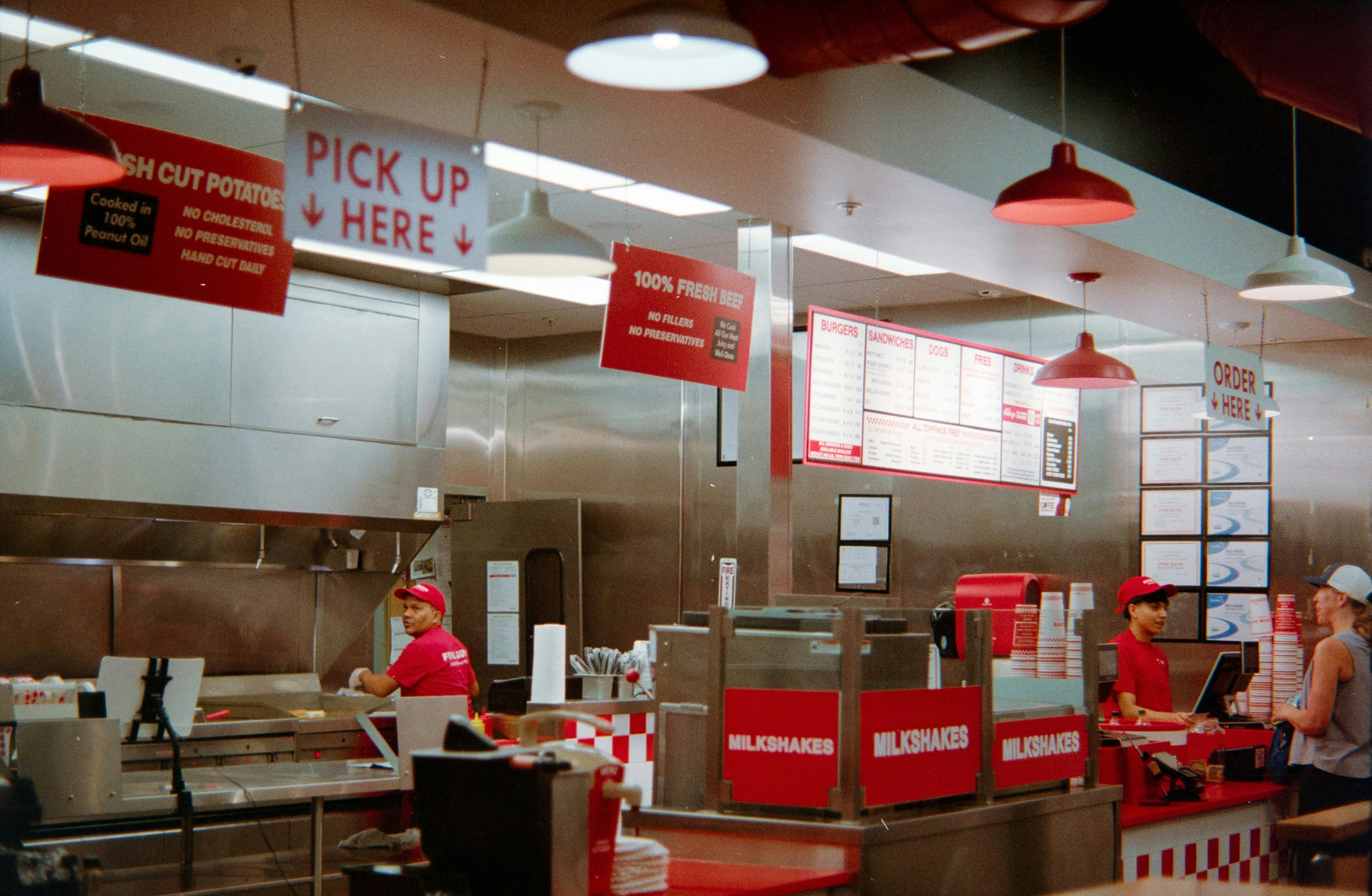
A red sign sitting on top of a metal structure

Photo by Luca Cavallin on Unsplash

https://images.unsplash.com/photo-1556761175-5973dc0f32e7?ixid=M3w2MjYzNjJ8MHwxfHNlYXJjaHw1fHxyZXN0YXVyYW50JTIwaW5kdXN0cnl8ZW58MHwwfHx8MTc0NDM2NzQwOXww&ixlib=rb-4.0.3

Photo by Luca Cavallin on Unsplash

Industry Trends Towards Smaller Store Formats

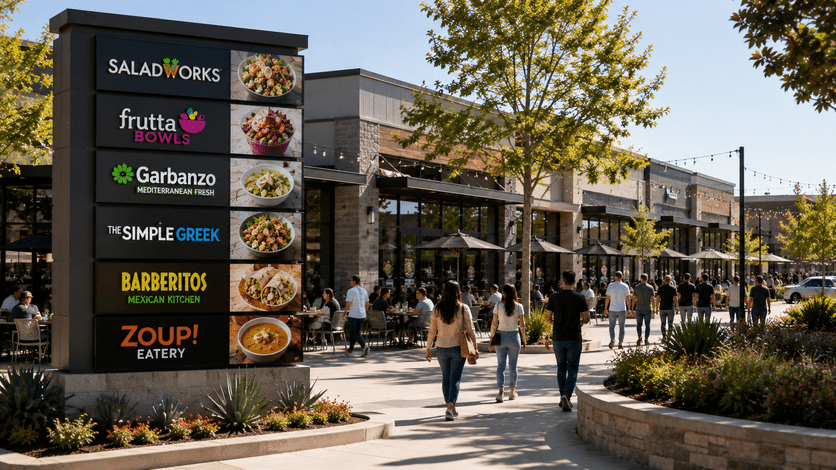
Recent announcements by prominent restaurant chains like Jamba, &pizza, Little General, and Checker's & Rally's signal a wider industry trend towards adopting standardized, smaller store formats. These strategic decisions to reduce store sizes have been driven by the need for cost optimization, increased operational efficiency, and flexibility in real estate requirements.

https://images.unsplash.com/photo-1680746217143-768e1e1d974c?ixid=M3w2MjYzNjJ8MHwxfHNlYXJjaHwxMHx8cmVzdGF1cmFudCUyMGluZHVzdHJ5fGVufDB8MHx8fDE3NDQzNjc0MDl8MA&ixlib=rb-4.0.3

Photo by Luca Cavallin on Unsplash

Operational Efficiency and Cost Reduction

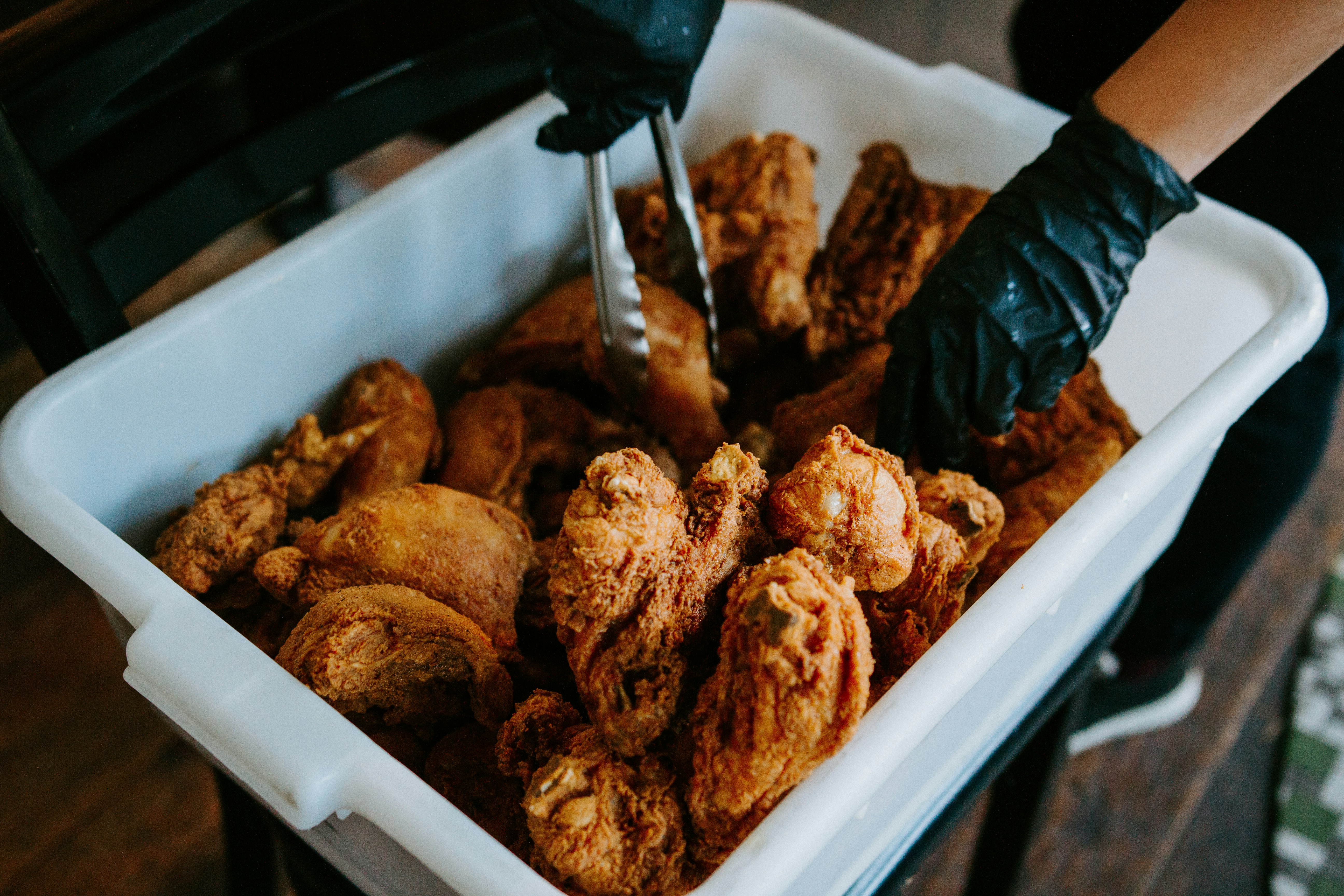
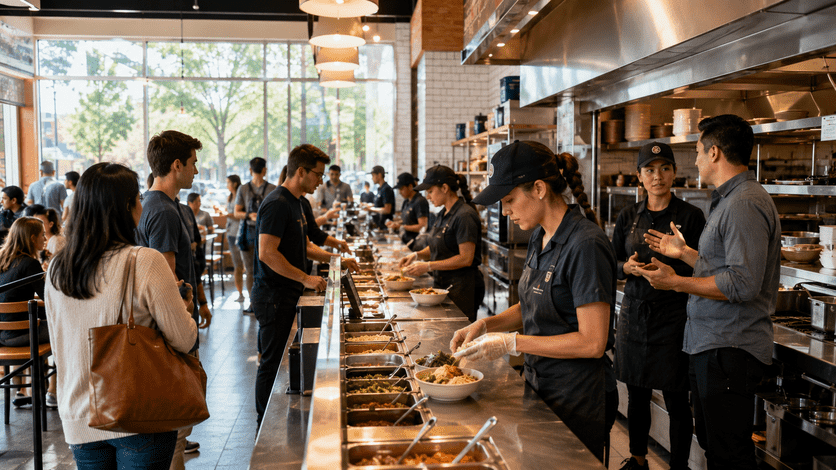
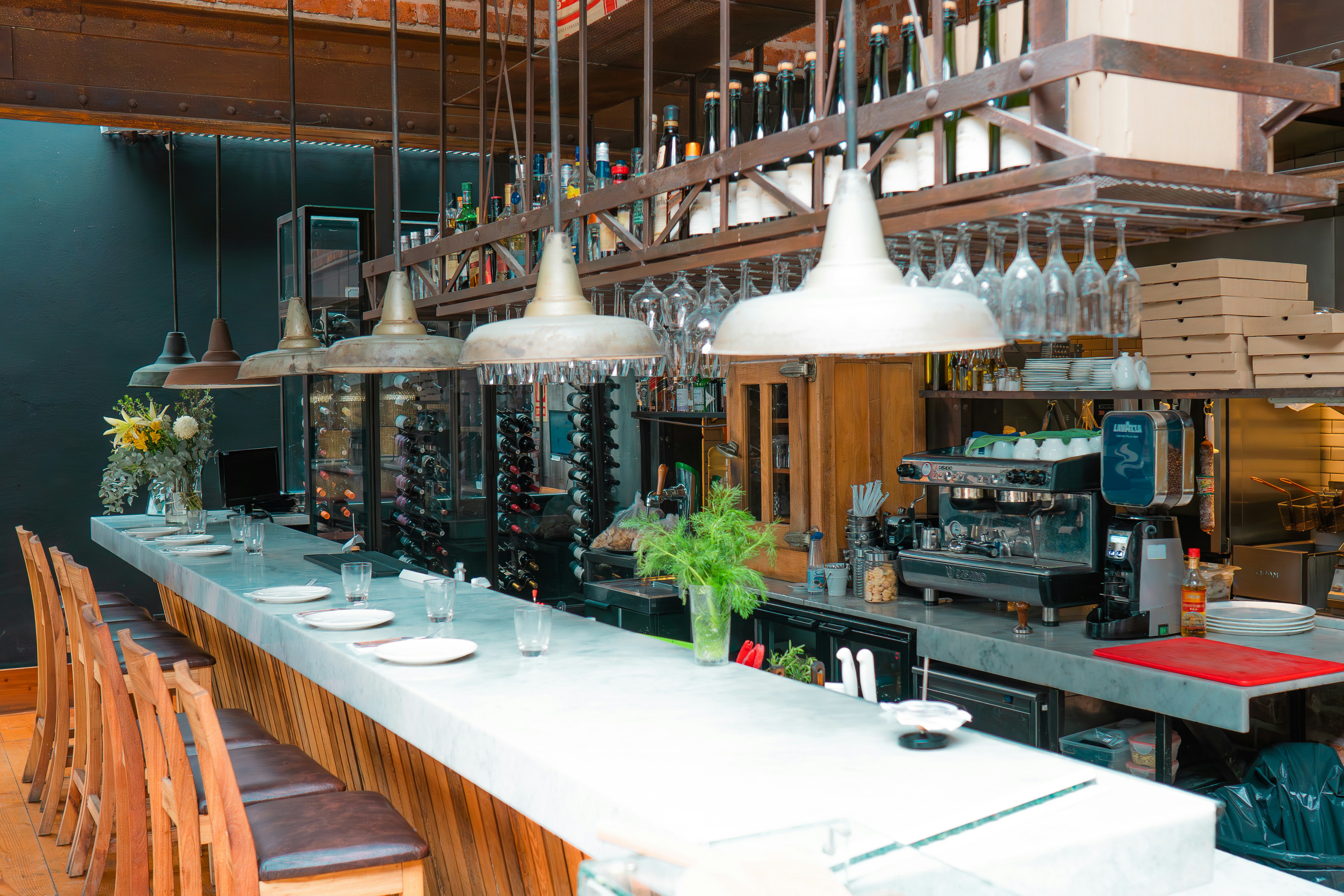
The shift to smaller store footprints is underpinned by a focus on operational efficiency. By streamlining workflows and maximizing space utilization, restaurants can create smoother environments that enhance operations and improve staff productivity. Optimizing kitchen layouts, reducing unused areas, and reorganizing storage spaces are key strategies employed to make the most of limited square footage.

https://images.unsplash.com/photo-1696420691013-b2d7132968f2?ixid=M3w2MjYzNjJ8MHwxfHNlYXJjaHw4fHxyZXN0YXVyYW50JTIwaW5kdXN0cnl8ZW58MHwwfHx8MTc0NDM2NzQwOXww&ixlib=rb-4.0.3

Photo by Luca Cavallin on Unsplash

Flexibility in Real Estate Needs

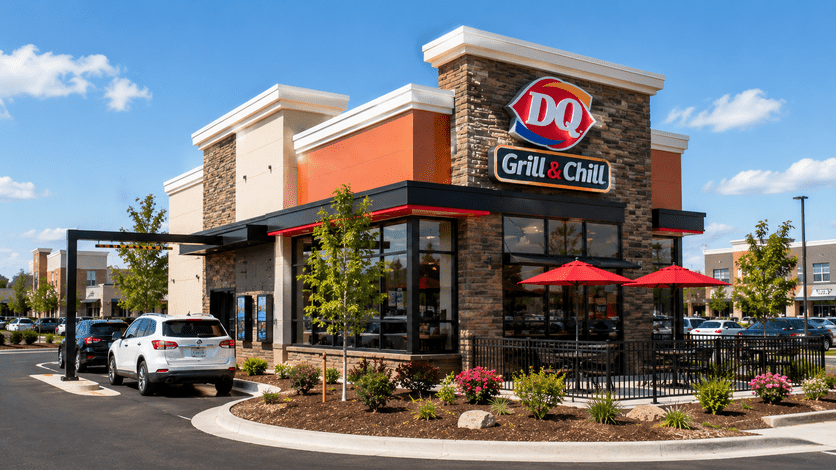
One of the significant benefits of transitioning to smaller store footprints is the increased flexibility in real estate needs. By lowering land requirements, cutting construction costs, and enhancing operational efficiencies, restaurants can create models that are more accessible for business ownership. This adaptability to changing market dynamics and consumer preferences is essential for long-term success.

Navigating the Tradeoff Between Size and Sales

While reducing store sizes can lead to operational efficiencies, there is a potential tradeoff with sales. Shrinking kitchens may constrain production capacity, impacting the ability to meet customer demand during peak hours. However, restaurants are exploring innovative ways to redesign real estate prototypes without compromising kitchen capabilities, ensuring a balance between space optimization and revenue generation.