RECOMMENDED READING

  • Starbucks CEO's Violation of Labor Laws Sparks Union Controversy

    By Ava Ingram • Oct. 4, 2024

  • Understanding the Impact of E. coli Outbreaks on the Food Industry

    By Anastasia Ivers • Oct. 25, 2024

  • Exploring the Success of the Top 50 Largest Restaurant Chains in America

    By Anastasia Ivers • Jul. 12, 2024

  • Chipotle & Ohio State University Partner to Support Student-Athletes

    By Ava Ingram • Sep. 6, 2024

  • The Impact of Population Growth on Tim Hortons and Recent Developments in the Restaurant Industry

    By Alexander Ivanov • Dec. 9, 2024

  • The BurgerFi Saga: Navigating Financial Turmoil and Business Restructuring

    By Adrianne Irwin • Aug. 20, 2024

  • Fast Stop Founder Pushes Into QSR With Nine-Site Expansion Across Two States

    By Ava Ingram • Oct. 15, 2025

Restaurant Association Logo

Restaurant Association

Empowering restaurant professionals with free resources, training, and networking opportunities to build successful businesses.

Sign Up Free

Pages

  • Articles
  • News
  • Topics
  • Shows
  • Academy
  • Events
  • Jobs

About

  • About Us
  • Our Team
  • Contact Us
  • Sitemap

Resources

  • Library
  • Templates

Connect

LinkedInInstagramTikTokYouTubeX
  • Editorial Ethics Policy
  • Review Guidelines
  • Disclosure Policy
  • Privacy Policy
  • Terms of Service

© 2026 Restaurant Association. All rights reserved.

logo
  1. News
  2. Topics
  3. Shows
  4. Academy
  5. Events
  6. Jobs
  7. Resources

    Videos

  • No results found

  • Articles

  • No results found

Log InSign Up Free
logo
LoginSign Up

    Videos

  • No results found

  • Articles

  • No results found

  1. Shows
  2. Academy
  3. Events
  4. Jobs

Become a member of the Restaurant Association!

Unlock exclusive access to webinars, events, and the latest news for FREE!

Sign up
Restaurant Association Logo

Understanding the Impact of President Trump's Tariff Policy on International Trade

Explore the recent announcement of increased tariffs by President Donald Trump and its implications on global trade relations.

Updated On Apr. 4, 2025 Published Apr. 4, 2025

Adrianne Irwin

Adrianne Irwin

100 us dollar bill

Photo by Ibrahim Boran on Unsplash

https://images.unsplash.com/photo-1614555283386-f86c91585523?ixid=M3w2MjYzNjJ8MHwxfHNlYXJjaHw0fHxpbnRlcm5hdGlvbmFsJTIwdHJhZGV8ZW58MHwwfHx8MTc0Mzc1OTAzM3ww&ixlib=rb-4.0.3

Photo by Ibrahim Boran on Unsplash

Overview of Tariff Implementation

President Donald Trump has unveiled significant changes to the U.S. tariff policy, including the introduction of a universal baseline tariff of 10% effective April 5. This move marks a shift in trade dynamics and impacts various countries differently based on their existing trade practices. The President emphasized that nations like China, Japan, and the European Union will face higher duties beyond the baseline rate.

https://images.unsplash.com/photo-1614555283386-f86c91585523?ixid=M3w2MjYzNjJ8MHwxfHNlYXJjaHw0fHxpbnRlcm5hdGlvbmFsJTIwdHJhZGV8ZW58MHwwfHx8MTc0Mzc1OTAzM3ww&ixlib=rb-4.0.3

Photo by Ibrahim Boran on Unsplash

Country-Specific Tariff Rates

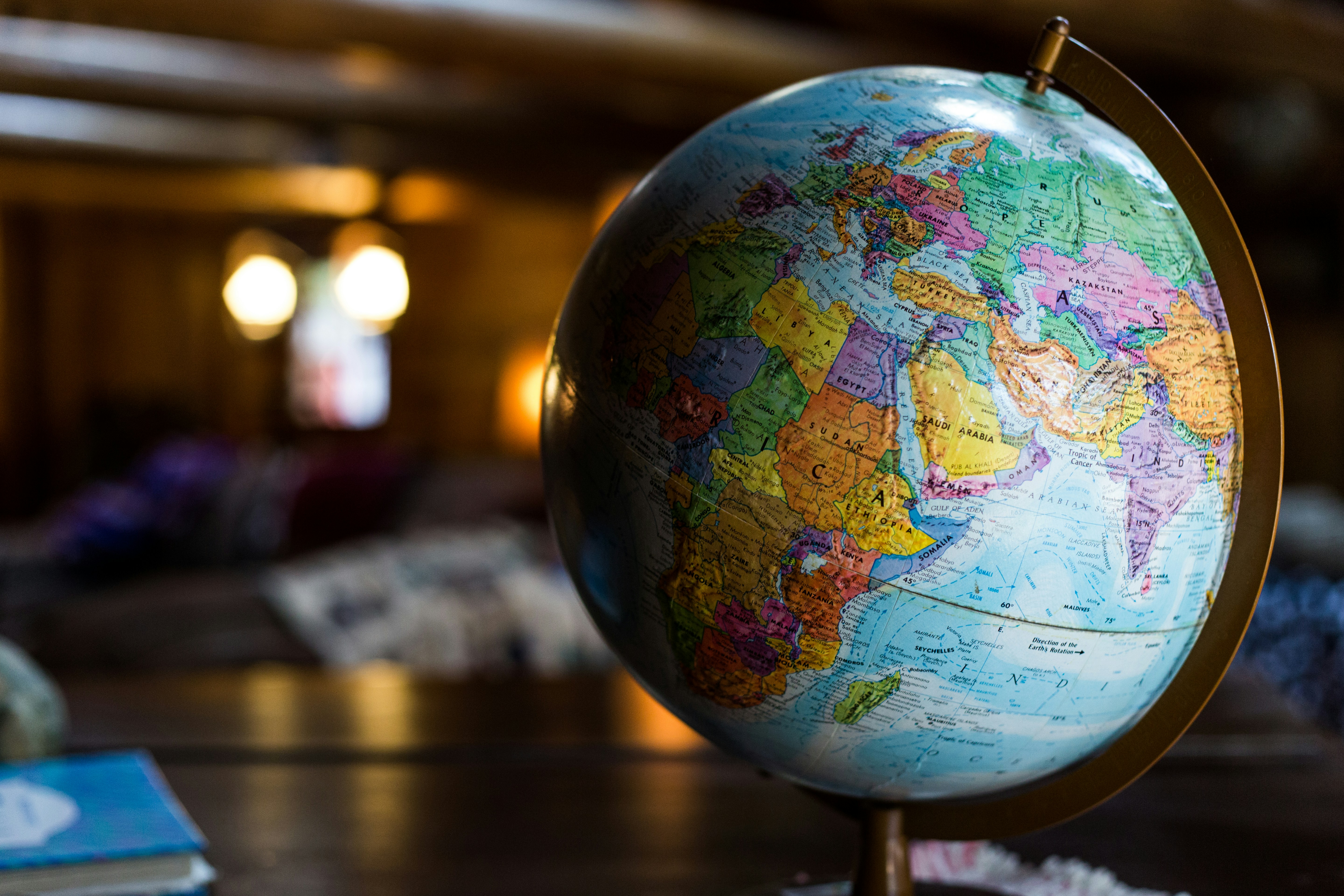
Under the new policy, countries are subject to tariff rates in proportion to the trade barriers they impose on the U.S. For instance, China is set to face a 34% tariff due to its 67% charge on U.S. goods. This approach aims to address perceived trade imbalances and protect American interests. Japan, the EU, and Vietnam are also slated to experience increased tariff rates, further complicating global trade relations.

Impact on Industries

The imposition of tariffs has led to concerns, especially from sectors like the restaurant industry. Michelle Korsmo, CEO of the National Restaurant Association, highlighted the challenges these tariffs pose for businesses reliant on imported goods. The disruptions in the supply chain and potential price increases could significantly affect the profitability of restaurants, emphasizing the need for strategic planning in a changing trade environment.

Exempted Goods and Existing Tariffs

Certain goods, such as steel, aluminum, automotive products, and pharmaceuticals, are excluded from the new tariffs. Additionally, previous tariffs on Canada and Mexico remain unchanged, maintaining stability in trade relationships within the North American region. The selective application of tariffs reflects a nuanced approach by the Trump administration to balance economic interests and diplomatic considerations.

https://images.unsplash.com/photo-1521295121783-8a321d551ad2?ixid=M3w2MjYzNjJ8MHwxfHNlYXJjaHwxfHxpbnRlcm5hdGlvbmFsJTIwdHJhZGV8ZW58MHwwfHx8MTc0Mzc1OTAzM3ww&ixlib=rb-4.0.3

Photo by Ibrahim Boran on Unsplash

Reciprocal Tariff Policy Shift

President Trump's initial stance on reciprocal tariffs, where the U.S. would match trade barriers imposed by other countries, has evolved into a more targeted approach. The administration's decision to assess non-reciprocal trade agreements signals a strategic reevaluation of trade policies. This shift aims to address perceived unfair practices while avoiding widespread retaliation that could harm global commerce.

https://images.unsplash.com/photo-1598193956767-5f45a6307639?ixid=M3w2MjYzNjJ8MHwxfHNlYXJjaHw3fHxpbnRlcm5hdGlvbmFsJTIwdHJhZGV8ZW58MHwwfHx8MTc0Mzc1OTAzM3ww&ixlib=rb-4.0.3

Photo by Ibrahim Boran on Unsplash

Global Reaction and Trade Relations

The announcement of increased tariffs has triggered responses from U.S. trading partners, leading to a tit-for-tat escalation in tariff measures. Countries like China, Canada, and the EU have outlined countermeasures in response to the U.S. tariffs, creating a complex web of trade disputes. Mexico's plans to retaliate against higher import fees signal the potential for further disruptions in international trade dynamics.