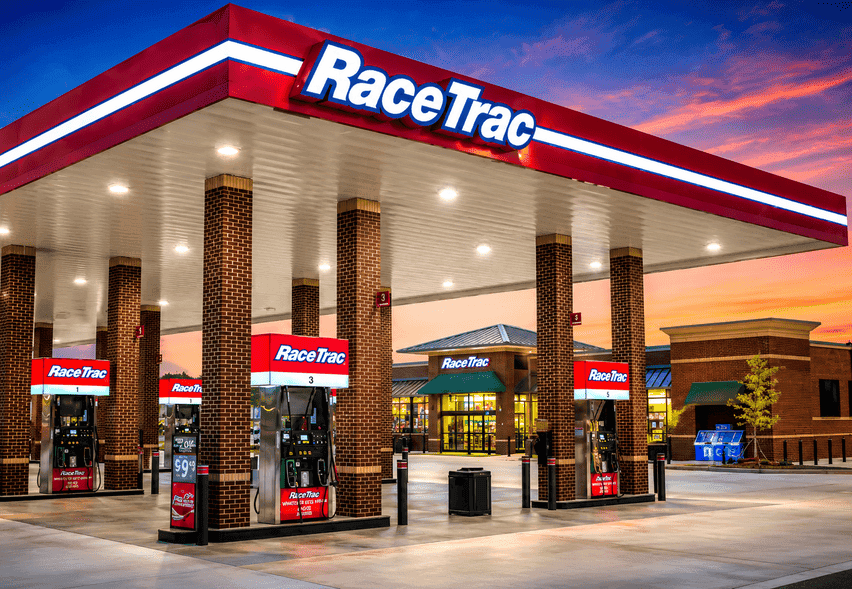
RaceTrac Names Jill Pemberton as New CFO
RaceTrac has appointed Jill Pemberton as chief financial officer, succeeding Karla Ahlert, who moves into the newly created role of chief administrative officer.
News
Aug 26, 2026
RaceTrac has appointed Jill Pemberton as chief financial officer, succeeding Karla Ahlert, who moves into the newly created role of chief administrative officer.
Aug 26, 2026
Learn practical ways to reduce labour costs through smarter scheduling, forecasting, productivity, cross-training, automation, overtime control, and performance monitoring strategies.
Aug 26, 2026

A restaurant P&L statement reveals sales, expenses, and profits, helping owners manage costs, improve margins, and plan finances more effectively.
Aug 26, 2026

A payroll advance policy helps restaurant owners define eligibility, limits, repayment, documentation, approval procedures, and compliance requirements for employee advances.
Aug 24, 2026
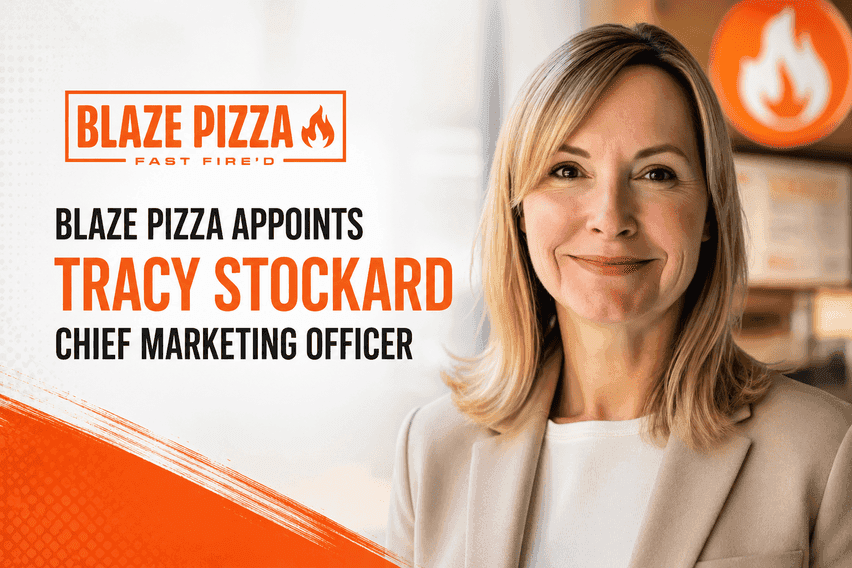
Blaze Pizza welcomes Tracy Stockard as Chief Marketing Officer, bringing decades of brand and franchise experience to drive strategic growth and guest engagement.
Aug 25, 2026
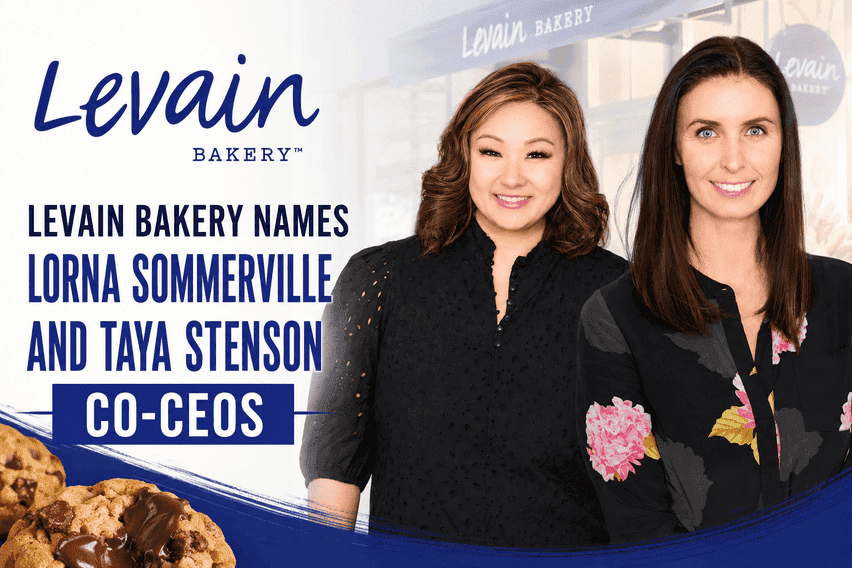
Levain Bakery appoints Lorna Sommerville and Taya Stenson as co-CEOs, blending operational and marketing expertise to power national expansion and innovation while staying rooted in its brand values.
Aug 25, 2026

Create a practical restaurant marketing plan by setting goals, targeting customers, choosing channels, budgeting wisely, scheduling campaigns, and measuring results.
Aug 24, 2026
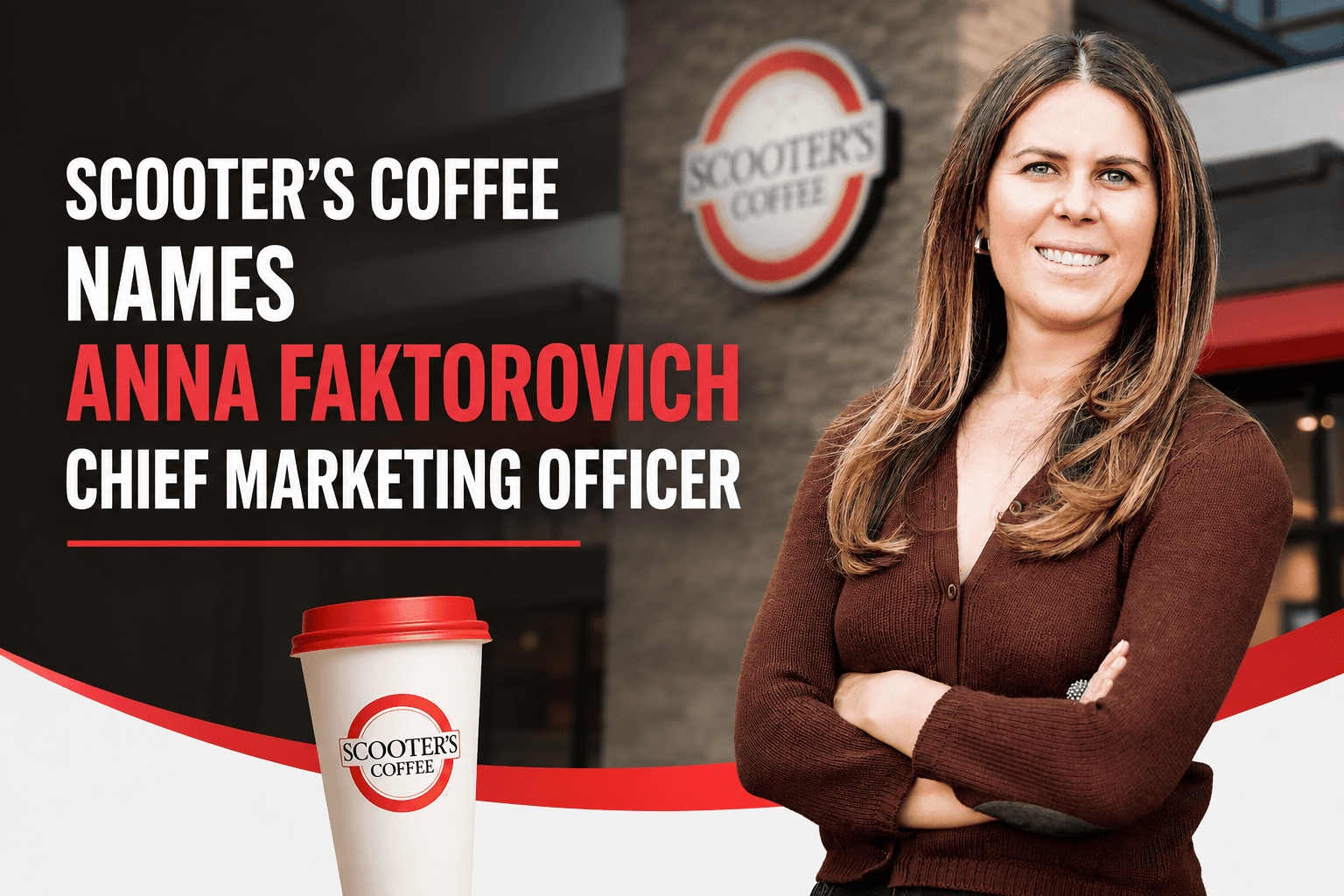
Anna Faktorovich, a seasoned marketing executive, has been named Chief Marketing Officer at Scooter’s Coffee, bringing decades of multi-brand experience to fuel the franchise’s next growth stage.
Aug 25, 2026
Dave & Buster's refreshes its executive lineup with seasoned leaders in operations, marketing, tech, and finance - signaling a growth-driven future for restaurant operators to watch.
Aug 24, 2026
Wendy’s announces Tariq Hassan as Chief Marketing and Customer Growth Officer, charting a new course for brand and digital innovation. What restaurant owners can learn.
Aug 24, 2026

Unlock Exclusive Access To Webinars, Events, And The Latest News For Free!
Dairy Queen is offering a $150,000 lump sum incentive to franchisees who open new Grill & Chill locations, with an additional $200,000 bonus per store for multi-unit developers a move designed to accelerate growth of its full-menu QSR concept after nearly flat unit count gains over the past three years.
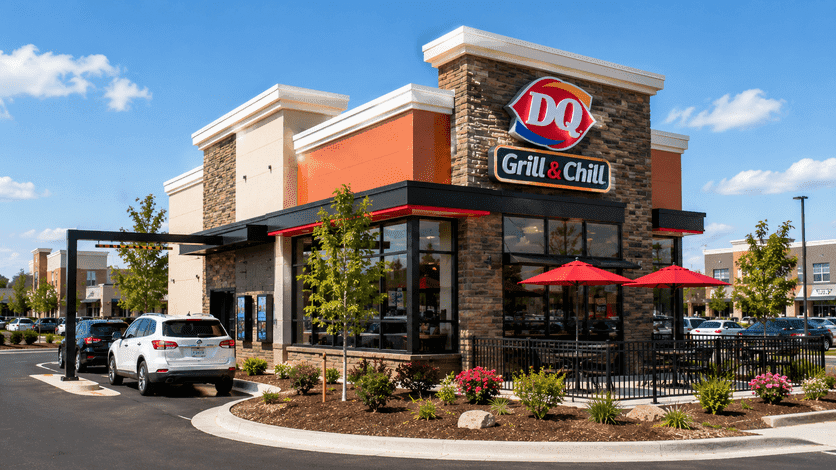
Dairy Queen is offering a $150,000 lump sum development incentive to operators who open a new DQ Grill & Chill location, the chain announced this week. The incentive applies to all qualifying franchise agreements in the U.S. and Canada signed through the end of 2026, covering both new builds and second-generation drive-thru conversion buildings. For franchisees who keep the momentum going, the rewards increase further. Operators who open additional freestanding Grill & Chill locations within 18 months of their first qualifying opening can receive a bonus of $200,000 per additional store a meaningful escalation designed to encourage multi-unit development rather than one-off openings.
The financial weight of the incentive becomes clearer when placed against the actual cost of building a Grill & Chill. According to the brand's franchise disclosure document, total investment for a new location including equipment and construction ranges from $1.5 million to approximately $2.6 million. At the lower end of that range, the $150,000 cash incentive represents nearly 10% of total development cost. Even at the high end, it covers close to 6% of the investment. That's a material offset for a prospective franchisee running the numbers on a new build, and when combined with the $200,000 multi-unit bonus, the program creates a genuine financial incentive to commit to growth rather than evaluate it from the sidelines.
The timing of this incentive makes sense when you look at the Grill & Chill's recent development trajectory. The concept grew from 1,967 units at the start of 2023 to 1,985 by the end of 2025 a net increase of just 18 locations over three years. For a brand with Dairy Queen's scale and recognition, that pace of growth is essentially flat. The cash incentive is a direct response to that stagnation. Gregg Benvenuto, Dairy Queen's vice president of franchise development for the U.S. and Canada, described the program as support for franchisees who are ready to grow and have a solid development strategy in place language that signals the brand is looking for committed operators rather than opportunistic ones.
Alongside the incentive, the underlying unit economics of the Grill & Chill give prospective franchisees reason to take the opportunity seriously. According to the franchise disclosure document, average gross sales for freestanding new construction Grill & Chill locations opened between 2015 and 2024 grew from approximately $1.4 million in 2022 to roughly $1.5 million in 2025 a gain of about 7% over three years. The same subset of restaurants posted an average manageable profit margin of 27.3% in 2025. A 27% margin at that sales volume is a respectable return for a QSR investment, and combined with the cash incentive reducing the upfront capital requirement, the financial case for qualified operators is meaningfully stronger than the headline development cost suggests.
Dairy Queen operates two distinct store formats the Grill & Chill, which functions as a full quick-service concept with a complete food menu, and the Treats location, which focuses primarily on desserts and a more limited food offering. The deliberate emphasis on incentivizing Grill & Chill development, rather than Treats locations, suggests the brand is prioritizing growth through its more comprehensive QSR format. That strategic direction makes sense in a competitive environment where consumers increasingly expect a full meal occasion rather than just a dessert stop. A brand that can compete across breakfast, lunch, dinner, and treats has more opportunity to build daily habits than one positioned solely around ice cream and snacks.
The cash incentive isn't the only initiative Dairy Queen is deploying to strengthen its franchise system. The brand recently began expanding a pilot program of drive-thru voice AI to select franchisees, following improvements in unit economics seen during initial testing at company-operated locations. The combination of financial development incentives and technology investment reflects a two-track approach to growth making it more attractive to open new locations while simultaneously improving the performance of existing ones. For franchisees evaluating the opportunity, the AI pilot adds another dimension to the investment case - a brand that is actively working to improve efficiency and throughput at the store level, not just counting on new openings to drive system growth.